arenatribe36
In the past decade, esports has evolved from a niche hobby to a mainstream global phenomenon. What was once considered a pastime for competitive gamers has now turned into an industry worth billions of dollars, attracting millions of fans, professional players, and investors alike. From small LAN tournaments to international championships with prize pools exceeding millions of dollars, esports has captured the attention of both young and old, making it an integral part of the global entertainment landscape.
What is Esports?
At its core, esports (electronic sports) refers to competitive video gaming, where players or teams compete against each other in organized tournaments, often broadcasted online or in arenas. Esports can encompass a variety of games, including first-person shooters (FPS), multiplayer online battle arenas (MOBA), real-time strategy (RTS), and sports simulation games. Titles like League of Legends, Dota 2, Counter-Strike: Global Offensive, and Fortnite are some of the most popular games in the esports ecosystem, each with its own professional leagues and tournaments.
The Birth of Competitive Gaming
While gaming competitions have existed since the early days of video games, the foundation of esports as we know it today began in the late 1990s and early 2000s. Games like StarCraft, Warcraft III, and Quake started to gain traction in the competitive gaming scene, especially in countries like South Korea, where the sport truly began to take off. The establishment of the Korean e-Sports Association in 2000 helped legitimize competitive gaming, and the rise of professional gaming organizations, along with the increasing popularity of internet cafes, gave players the resources to hone their skills.
In the United States, esports was initially more of a hobbyist activity. But as online gaming grew in popularity, tournaments like the World Cyber Games (WCG) and Electronic Sports World Cup (ESWC) began to garner significant attention. These events helped establish a foundation for esports leagues that would come to dominate the competitive gaming scene in the following years.
The Explosion of Esports
Over the last decade, esports has grown exponentially in terms of viewership, prize money, and professional infrastructure. There are several factors that contributed to the meteoric rise of esports.
1. Streaming Platforms and Online Communities
One of the most influential developments in the rise of esports has been the emergence of streaming platforms like Twitch, YouTube Gaming, and Facebook Gaming. These platforms allow players to broadcast their gameplay to a global audience, making it possible for fans to watch live tournaments, player streams, and behind-the-scenes content. Twitch, in particular, has played a pivotal role in the success of esports, as it became the go-to platform for streaming not only esports competitions but also casual gaming content. The ability for viewers to interact with streamers and other fans in real-time has helped foster a sense of community around esports.
2. Sponsorships and Investments
As the popularity of esports grew, so did the interest from big-name brands and investors. Companies from outside the gaming world, such as Coca-Cola, Intel, and Red Bull, began investing heavily in esports sponsorships, tournaments, and partnerships. These sponsorships helped increase the prize pools for major tournaments, making them even more lucrative and appealing to professional players. In addition, the influx of venture capital helped propel esports organizations into the mainstream, allowing them to create professional teams, hire coaches, and expand their operations globally.
3. Professionalization and Infrastructure
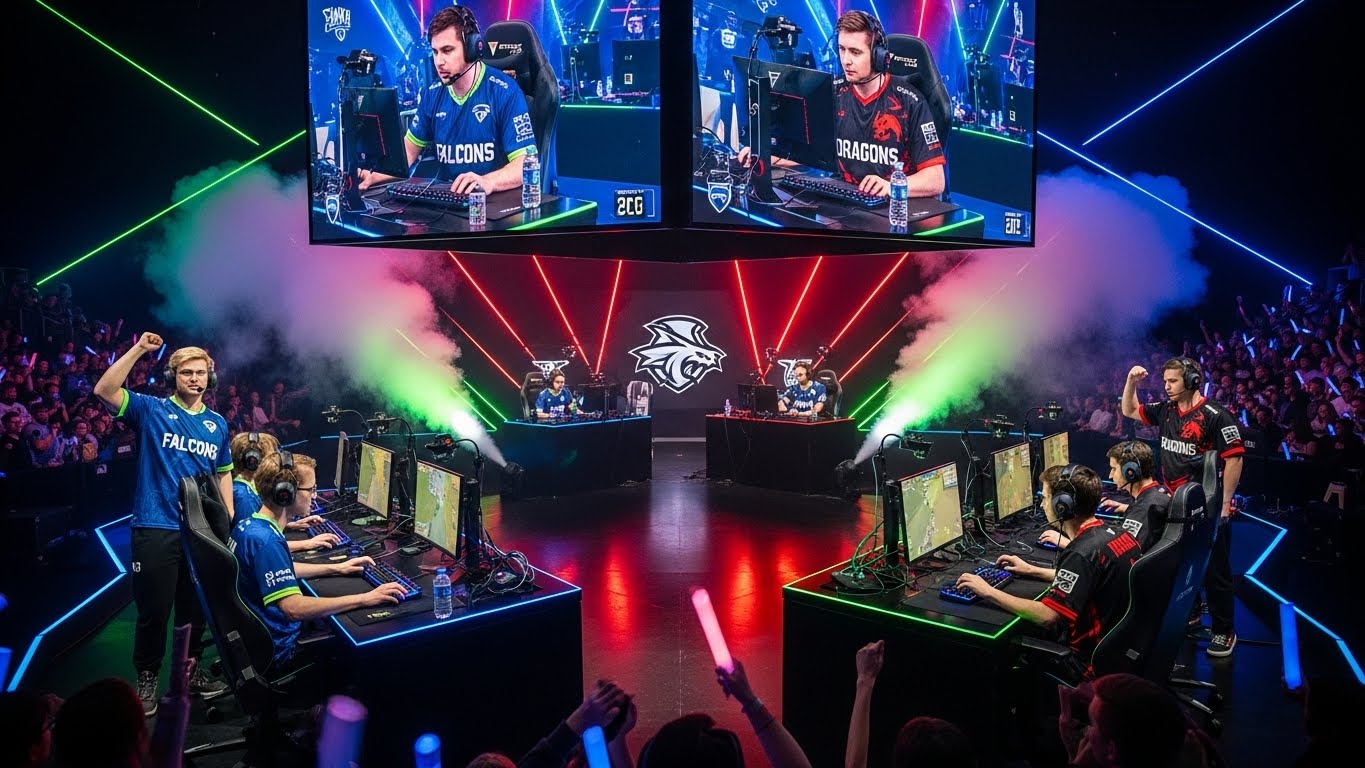
Esports is no longer a grassroots movement but an industry with professional infrastructure. Major esports organizations, like Cloud9, Team Liquid, and FaZe Clan, operate much like traditional sports teams. They have coaches, analysts, managers, and even psychologists to help players perform at their best. Many of these teams compete in established leagues, such as the League of Legends Championship Series (LCS) and Overwatch League (OWL), where players are salaried professionals rather than amateur hobbyists.
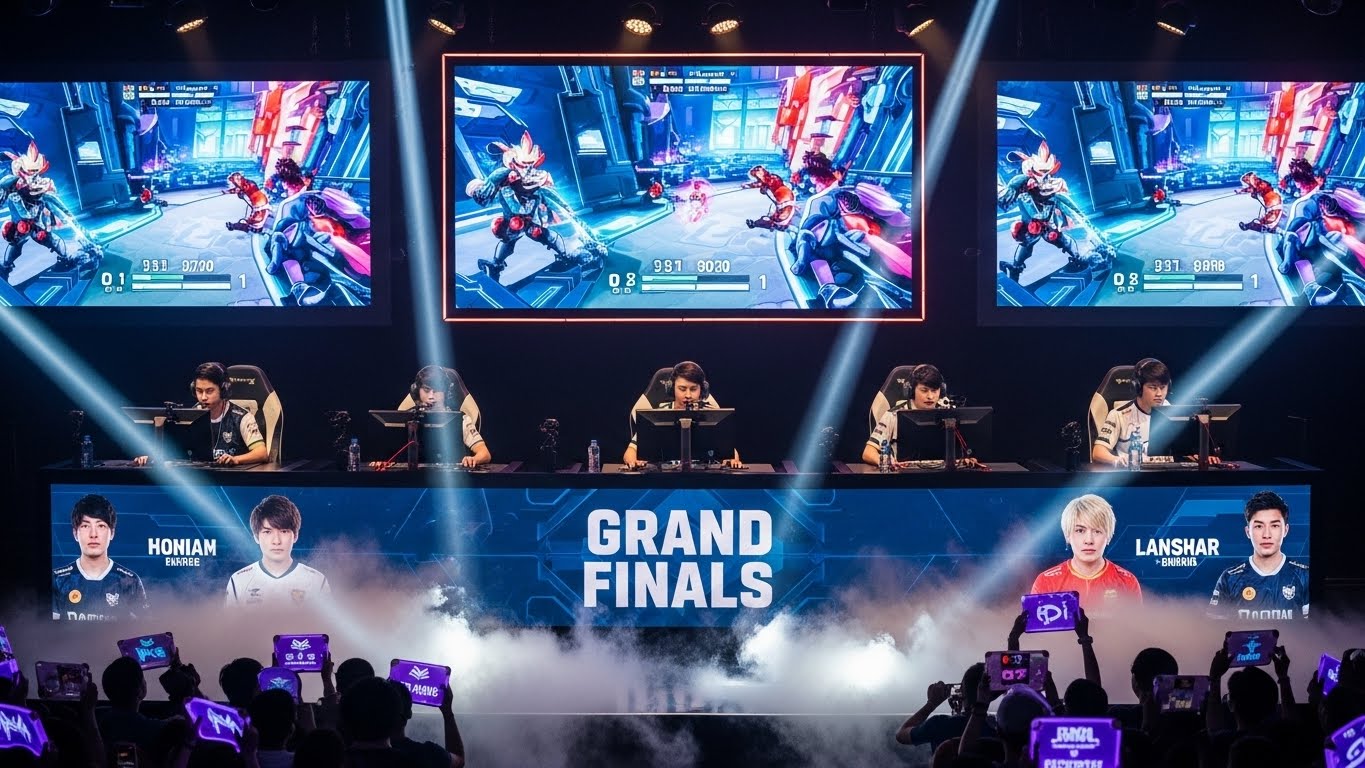
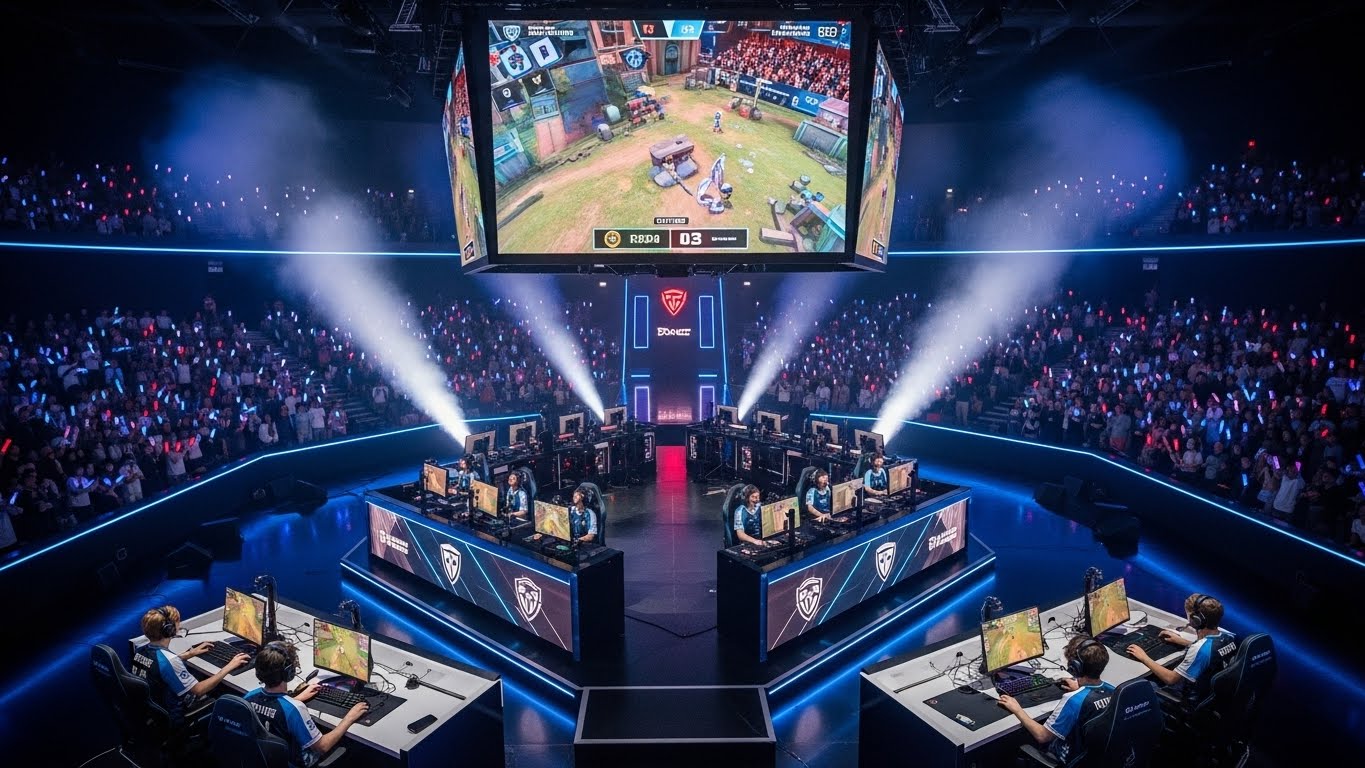
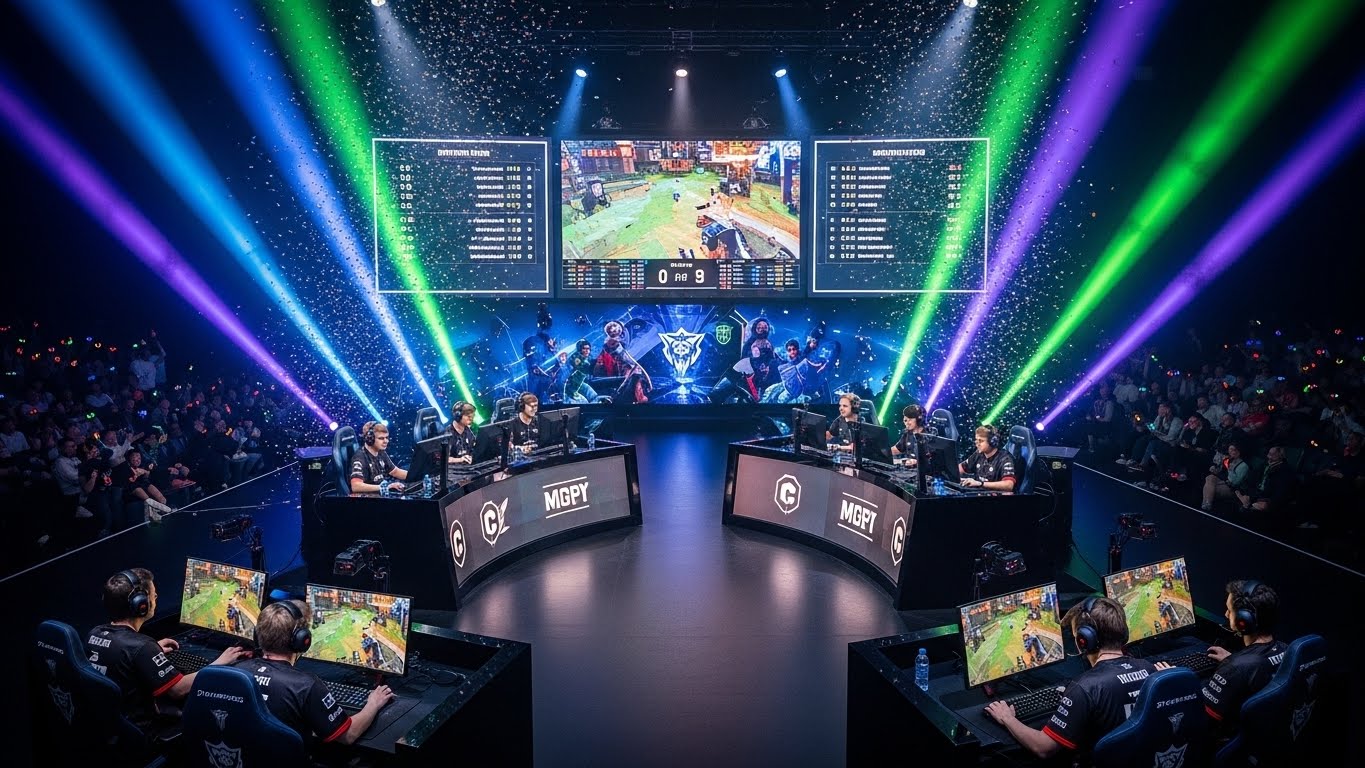
Additionally, esports tournaments are now held in massive arenas and broadcasted to millions of viewers worldwide. These events often resemble traditional sports broadcasts, with commentary, expert analysis, and audience engagement. The International Dota 2 Championship, for example, has one of the largest prize pools in the world, often reaching over $30 million, and its grand final is viewed by millions across the globe.
The Global Impact of Esports
Esports has transcended national borders and is now a global industry. While countries like South Korea, China, and the United States have been at the forefront of esports’ rise, the reach of competitive gaming has expanded to nearly every corner of the world. Nations in Europe, Southeast Asia, and Latin America are now home to large esports fanbases, and regional leagues have been established to cater to these growing audiences.
1. Esports in Education
In addition to the entertainment value of esports, its growing presence in schools and universities has helped bridge the gap between gaming and education. In the United States, many universities now offer esports scholarships and even have their own esports teams that compete in national and international competitions. Schools are recognizing the potential of esports to develop valuable skills such as teamwork, strategic thinking, and leadership. Esports clubs and programs are providing students with opportunities to pursue careers in gaming, media, and entertainment, creating a direct path from hobbyist gaming to professional opportunities.
2. Diversity and Inclusion
Esports has also played a significant role in promoting diversity and inclusion in the gaming community. In a field historically dominated by men, female players are increasingly breaking barriers and making their mark in professional competitions. Many esports organizations and tournaments have created opportunities for women to compete at the highest level, helping to foster a more inclusive and welcoming environment. Additionally, esports has become an avenue for players from diverse cultural and socio-economic backgrounds to showcase their skills and earn recognition on the global stage.
3. The Rise of Esports Journalism and Content Creation
As esports became more mainstream, the demand for content around competitive gaming surged. Esports journalism, live commentary, analysis, and even documentaries have become popular forms of media. Prominent esports journalists and content creators have developed large followings, providing fans with insights into player personalities, game mechanics, and tournament highlights. This growing ecosystem of content creators has contributed significantly to the popularity of esports by keeping fans engaged with fresh, diverse content.
Challenges Facing Esports
Despite the rapid growth and success of esports, the industry still faces several challenges that need to be addressed in order to continue its upward trajectory.
1. Player Health and Wellbeing
Professional esports players often spend long hours practicing, streaming, and competing. While esports may not involve physical contact like traditional sports, it is still mentally and physically demanding. Many players suffer from issues such as repetitive strain injuries, poor posture, and burnout. As esports organizations grow, there is an increasing recognition of the importance of player health and wellbeing. Some organizations have even started employing sports psychologists, nutritionists, and physiotherapists to help players maintain a healthy lifestyle and perform at their best.
2. Regulation and Fair Play
As with any rapidly growing industry, there are concerns around cheating, match-fixing, and other forms of unethical behavior in esports. While most professional organizations have implemented strict rules and anti-cheating measures, the lack of universal governance in esports means that some tournaments and events still struggle with these issues. For the industry to be taken seriously in the long term, there needs to be a unified approach to regulation and enforcement to ensure fair play and protect the integrity of the sport.
3. Sustainability and Longevity
The esports industry is still relatively young, and its long-term sustainability remains a question. While esports is experiencing rapid growth, there are concerns about whether this growth can continue at the same pace. As the market becomes saturated with new games, teams, and tournaments, maintaining audience engagement and financial stability will be critical for the future of esports. The industry will need to find innovative ways to sustain its growth and remain relevant to new generations of gamers.
The Future of Esports
Looking ahead, the future of esports seems incredibly bright. With an ever-expanding audience, increasing investments, and technological advancements, the possibilities for the esports industry are limitless. As more people around the world gain access to high-speed internet, the global reach of esports will only continue to grow. Virtual reality (VR) and augmented reality (AR) could also play a transformative role in the development of esports, creating new and immersive experiences for players and fans alike.
Esports is already being considered for inclusion in the Olympics, which would further solidify its place in the global sporting landscape. If this happens, it could mark a new era for esports, where it is officially recognized alongside traditional sports.
Conclusion
Esports has come a long way from its humble beginnings as a subculture of competitive gamers. Today, it is a billion-dollar industry with a global fanbase, attracting players, sponsors, and investors from all over the world. As the esports ecosystem continues to grow and evolve, it is poised to become an even more integral part of global entertainment, culture, and education. While challenges remain, the future of esports looks bright, and it is clear that this exciting new form of competition is here to stay.