arenatribe36
Introduction to Esports
Esports, short for electronic sports, has transformed from a casual hobby into one of the most dynamic entertainment industries in the world. What was once a niche community of gamers competing in small local events has grown into a global phenomenon, attracting millions of viewers, professional teams, dedicated sponsors, and massive financial investments. Esports represents the intersection of technology, entertainment, and competition, offering a new kind of sport for the digital age. It has become a platform where passion meets precision, and strategy meets skill.
In the early 2000s, few could have predicted that playing video games competitively would evolve into a multi-billion-dollar industry. However, the combination of high-speed internet, live streaming platforms, and an increasingly interconnected world has pushed Esports into mainstream recognition. Today, tournaments fill massive arenas, players sign professional contracts, and fans from every corner of the globe follow their favorite teams just like they follow traditional sports clubs.
The Early Days of Competitive Gaming
The origins of Esports can be traced back to the late 20th century, when arcade tournaments began to attract attention among gamers. Titles like Space Invaders and Pac-Man introduced the concept of high scores and public leaderboards, sparking the idea of competition through gaming. The first officially recognized video game competition took place in 1972 at Stanford University, where students competed in Spacewar! for a small prize.
The 1980s saw the rise of arcade culture and home consoles, which further fueled interest in competitive gaming. Magazines began publishing leaderboards, and local arcades became hubs for aspiring players to prove their skills. By the 1990s, PC gaming introduced new dimensions of competition through titles like Doom, Quake, and StarCraft. The idea of network-based gaming made it possible for players to compete across vast distances, laying the foundation for the Esports scene we know today.
The Birth of Organized Esports
The early 2000s marked a turning point for Esports. The internet had become more accessible, allowing players to compete globally. This period saw the emergence of professional tournaments such as the Cyberathlete Professional League (CPL) and Major League Gaming (MLG). Games like Counter-Strike, Warcraft III, and StarCraft: Brood War became central to these events, attracting dedicated communities of players and fans.
Korea, in particular, played a vital role in shaping the professional Esports landscape. The South Korean government recognized gaming as a legitimate form of entertainment and invested in infrastructure to support it. Television channels began broadcasting matches, and players became national celebrities. StarCraft tournaments filled stadiums, and the first generation of professional gamers emerged. This professionalization inspired other countries to follow suit, turning gaming into a career path rather than just a pastime.
The Role of Technology in Esports Growth
Technology has been the driving force behind Esports’ rise. High-speed internet, improved graphics, powerful gaming hardware, and streaming platforms have all contributed to the rapid expansion of the industry. The development of broadband connections in the early 2000s allowed for smoother online play, reducing lag and enabling international competitions.
Streaming services such as Twitch, YouTube, and Facebook Gaming revolutionized how fans engage with Esports. Unlike traditional sports, where broadcasting rights are tightly controlled, Esports relies on open-access platforms that allow anyone to watch tournaments for free. This accessibility has been crucial in building a global fanbase. Players can stream their practice sessions, interact directly with their audiences, and grow their personal brands.
Moreover, advancements in virtual reality, artificial intelligence, and analytics have introduced new possibilities for both training and viewing experiences. Esports organizations use data analysis to improve player performance, while broadcasters use augmented reality to enhance visual storytelling during live events. The synergy between technology and entertainment continues to push Esports into new realms of innovation.
Esports Games That Shaped the Industry
The success of Esports depends heavily on the games that define it. Over the years, several titles have stood out as the cornerstones of the competitive gaming scene.
League of Legends remains one of the most popular Esports titles, with its annual World Championship drawing millions of viewers worldwide. Developed by Riot Games, it combines strategic team play, mechanical skill, and dynamic storytelling that keeps fans invested year after year.
Dota 2, created by Valve, holds the record for some of the largest prize pools in Esports history. Its flagship event, The International, showcases the game’s complexity and depth, attracting top teams from across the globe.
Counter-Strike: Global Offensive (CS:GO) has been a dominant force in the first-person shooter category, known for its tactical gameplay and loyal fanbase. Similarly, Overwatch, Valorant, and Call of Duty have built strong competitive communities.
Battle royale titles like Fortnite and PUBG introduced a new dimension to Esports, combining survival elements with fast-paced action. Meanwhile, sports simulation games such as FIFA and NBA 2K have brought traditional sports fans into the Esports arena.
Each of these games has contributed to shaping Esports into a diverse and inclusive space, where every genre has its champions and dedicated followers.
The Business of Esports
Esports has become a lucrative industry supported by sponsorships, advertisements, merchandise, ticket sales, and media rights. Major brands, including those outside the gaming world, now invest heavily in Esports. Companies from the technology, energy drink, automobile, and apparel sectors recognize the marketing potential of this growing audience.
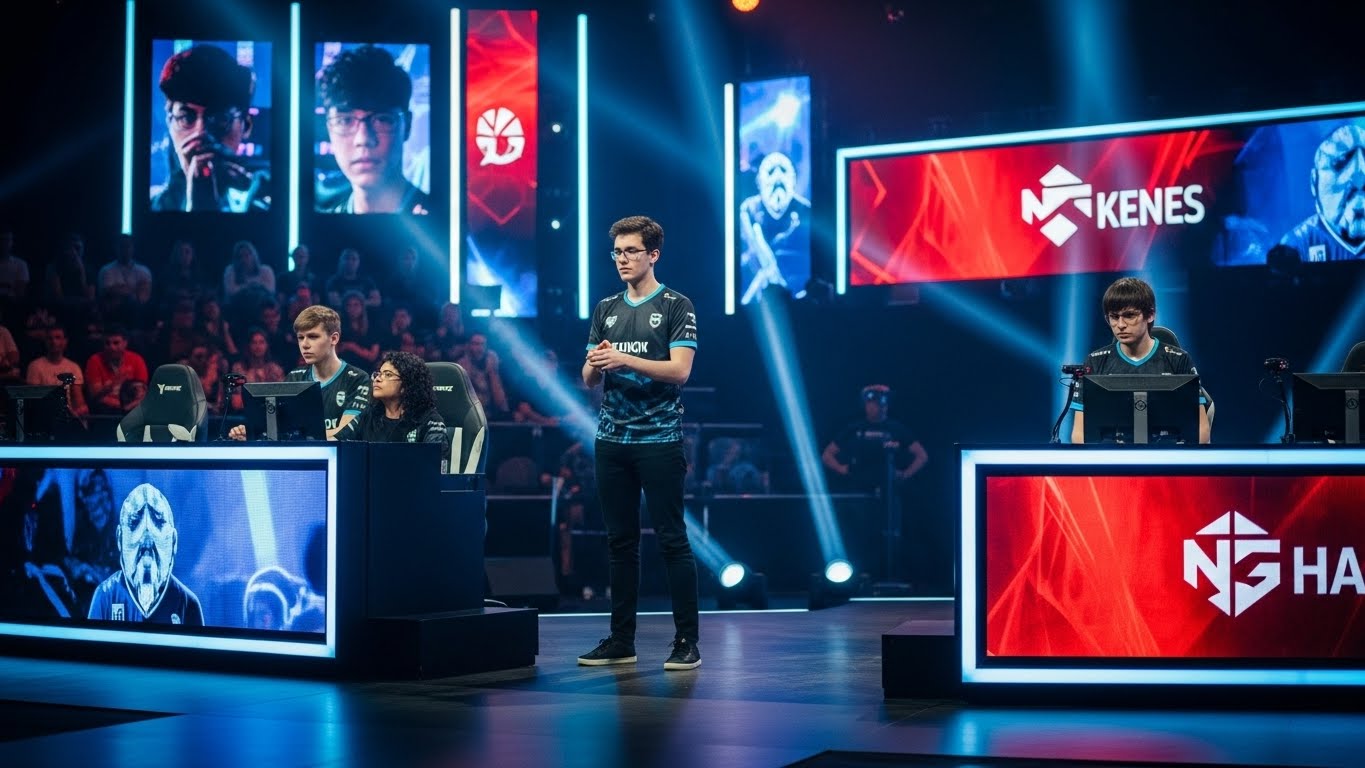
Professional organizations operate much like traditional sports teams, complete with managers, coaches, analysts, and support staff. Players sign contracts that include salaries, endorsements, and performance bonuses. Esports organizations such as T1, Cloud9, Team Liquid, and Fnatic have become household names within the gaming world.
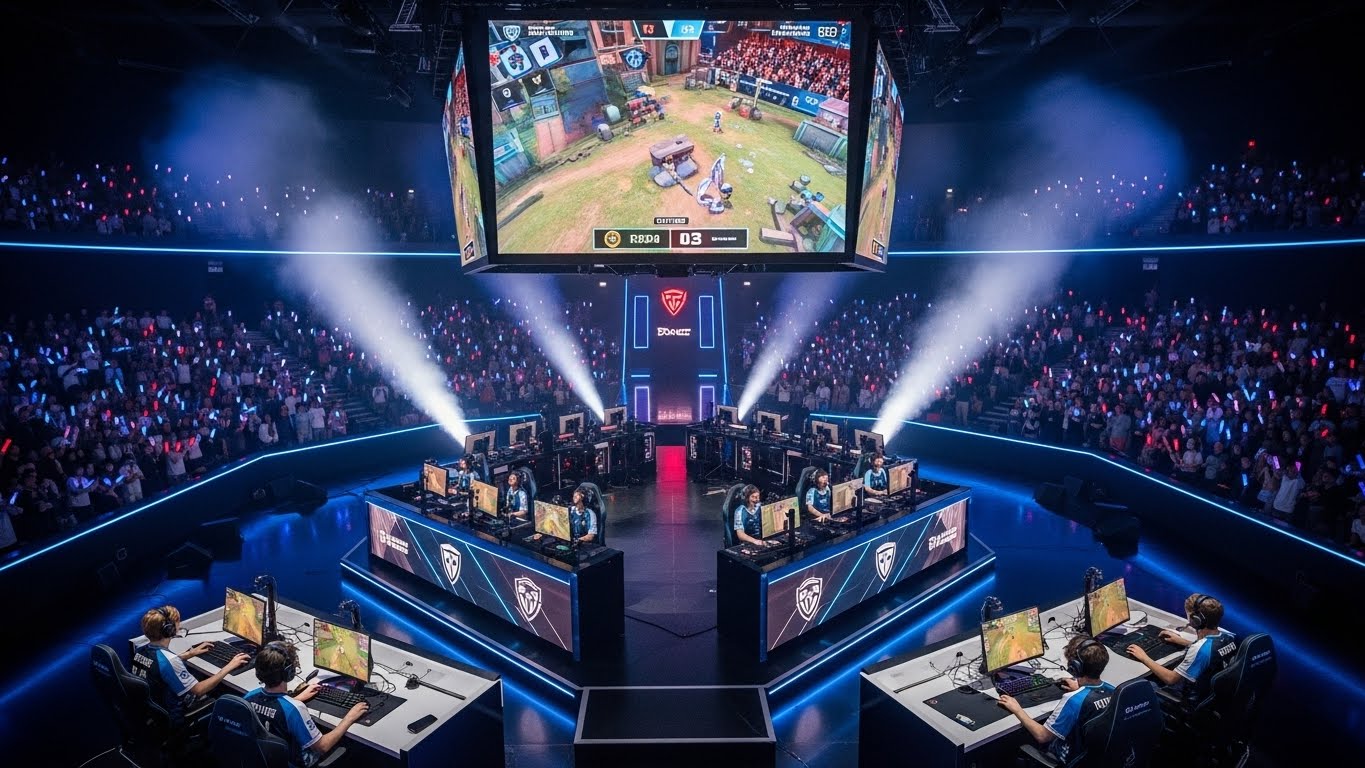
Tournament organizers generate revenue through broadcasting rights and partnerships with platforms. The scale of these events rivals traditional sports tournaments, with arenas selling out within minutes and millions tuning in online. Esports betting has also emerged as a major economic factor, though it raises ethical and regulatory concerns.
The global Esports economy has crossed billions of dollars in annual revenue, and its trajectory shows no sign of slowing down.
The Lifestyle of Professional Gamers
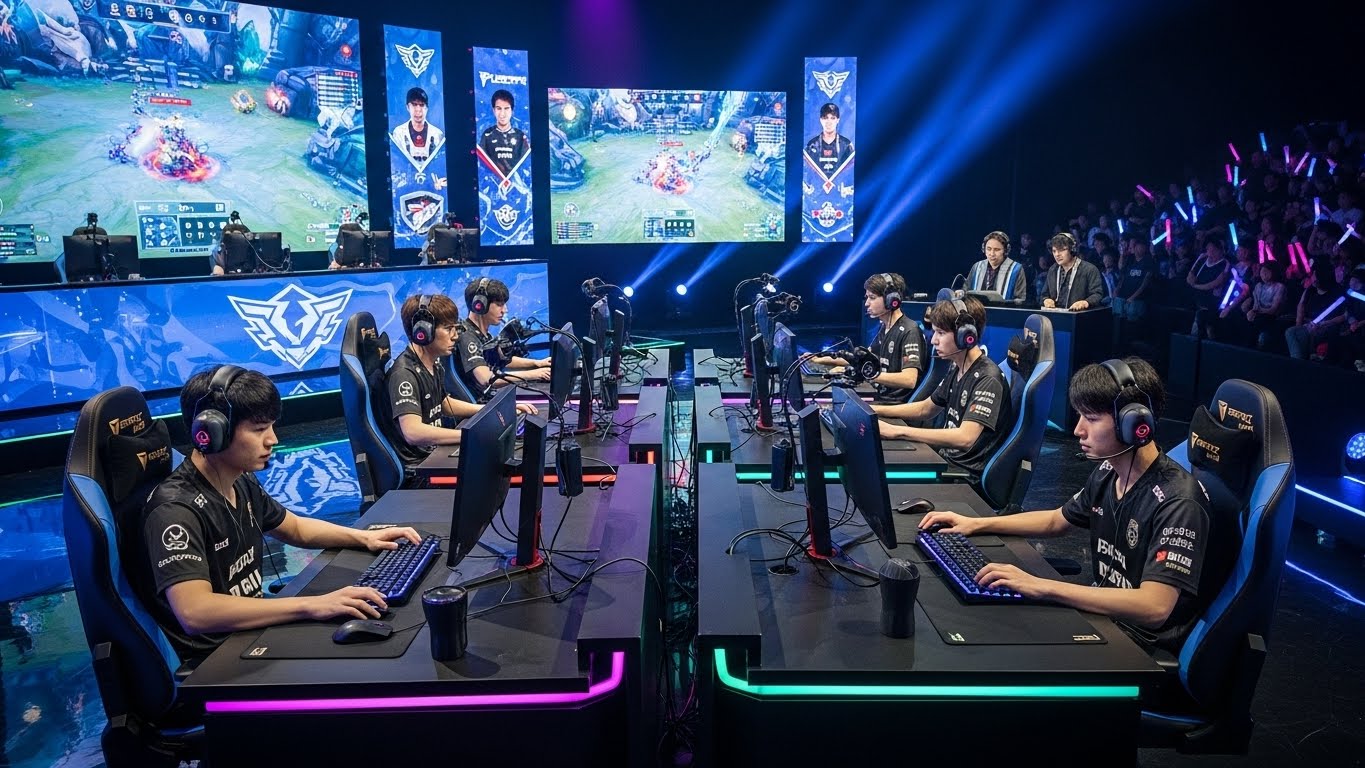
Behind the glamour of stage lights and roaring crowds lies a demanding lifestyle. Professional gamers train extensively, often practicing for ten or more hours a day. Their routines include strategic analysis, teamwork drills, mechanical skill improvement, and physical fitness sessions to maintain concentration and reflexes.
Just like athletes in traditional sports, mental health plays a crucial role in performance. Many organizations employ psychologists and wellness coaches to help players manage stress and maintain focus during high-stakes tournaments. The competitive nature of Esports can be intense, with players facing immense pressure to perform consistently.
The lifespan of a professional gamer’s career is often shorter compared to traditional athletes due to factors like burnout, hand injuries, and evolving game metas. However, many retired players transition into coaching, streaming, or content creation, continuing to contribute to the community that shaped them.
Esports and Education
In recent years, Esports has entered the academic sphere. Schools and universities around the world have begun to offer scholarships and programs dedicated to competitive gaming. Institutions recognize that Esports fosters teamwork, communication, critical thinking, and problem-solving—skills that are valuable both in and out of gaming.
Universities in North America, Europe, and Asia now host collegiate Esports leagues, giving students the opportunity to compete while pursuing their education. This development signifies a broader acceptance of gaming as a legitimate career path and educational discipline.
Furthermore, courses focusing on Esports management, marketing, and event organization are preparing a new generation of professionals who will drive the industry forward.
Global Impact of Esports
Esports transcends cultural and geographical boundaries. Players and fans from diverse backgrounds come together through a shared love for competition. International tournaments bring nations into friendly rivalry, fostering global unity and understanding through digital sportsmanship.
Countries like China, South Korea, and the United States dominate the Esports scene, but regions such as Southeast Asia, the Middle East, and South America are rapidly catching up. Local tournaments and regional leagues are empowering communities and providing opportunities for emerging talent to shine.
The inclusivity of Esports extends beyond nationality. It offers a platform where age, gender, and physical limitations hold less weight compared to skill and strategy. Women’s participation in Esports continues to grow, challenging stereotypes and promoting equality within the gaming ecosystem.
The Spectator Experience
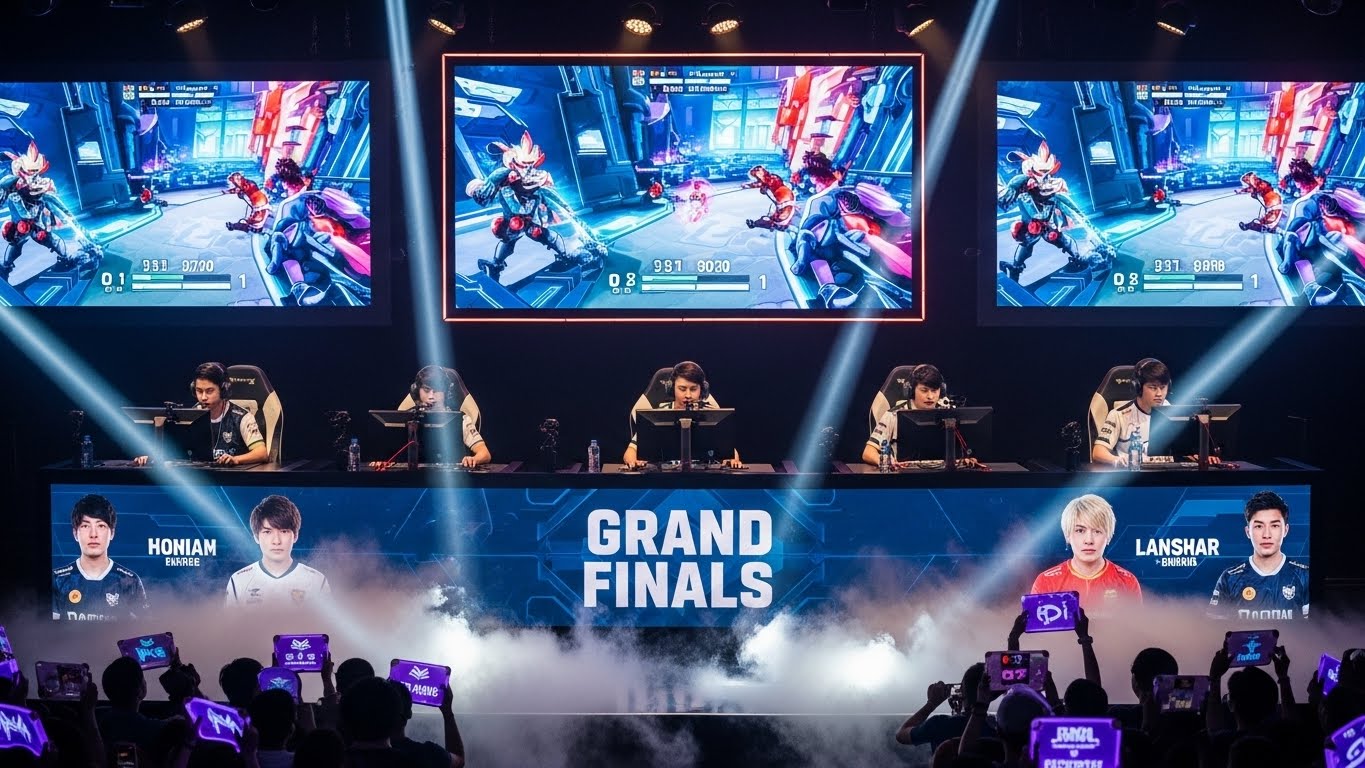
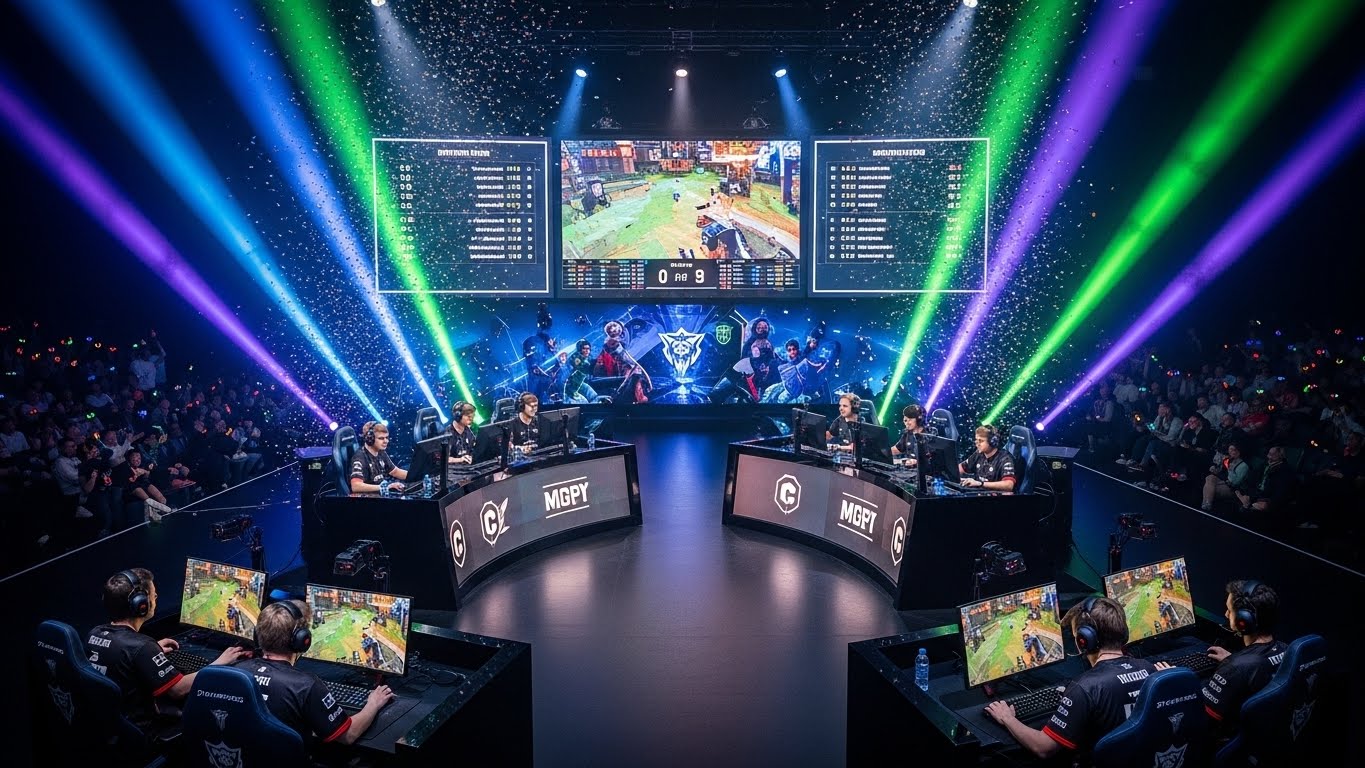
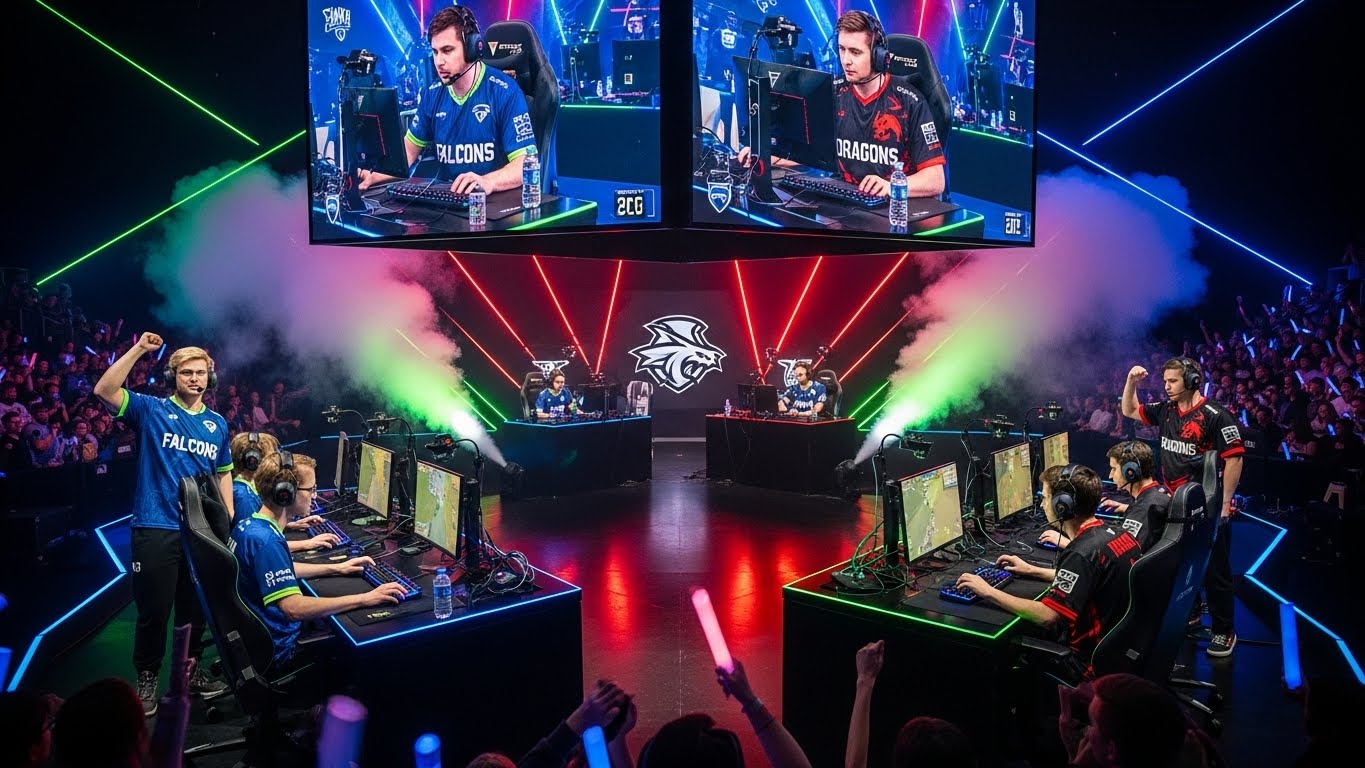
Watching Esports is an experience unlike any other. Fans can tune in from anywhere in the world, interact with commentators, and engage in real-time discussions during matches. The energy of live tournaments rivals that of traditional sports, with cheering crowds, flashing lights, and intense emotional moments.
Production quality has reached cinematic levels, with detailed graphics, instant replays, and immersive sound design enhancing every match. Esports events often feature music performances, cosplay, and fan meetups, turning them into full-scale festivals of gaming culture.
The community aspect of Esports is one of its strongest pillars. Online forums, fan clubs, and social media groups allow fans to connect, share strategies, and celebrate their favorite teams and players. This digital interconnectedness fuels a sense of belonging that continues to grow year after year.
Challenges Facing Esports
Despite its rapid growth, Esports faces several challenges. Issues such as player burnout, performance-enhancing substances, match-fixing, and cheating threaten its integrity. Regulation remains inconsistent across different regions, with some countries lacking proper frameworks to govern professional play.
Another major concern is the sustainability of young players’ careers. With the competitive environment demanding early specialization, many start training intensively during their teenage years, often at the expense of education and social development. Establishing balance and long-term support systems is crucial for the industry’s health.
Toxicity and harassment within online communities also remain persistent problems. Promoting respect, diversity, and inclusion is essential for maintaining Esports as a positive and welcoming environment for all participants.
The Future of Esports
The future of Esports looks brighter than ever. With the continuous evolution of gaming technology, the line between digital and physical sports will blur further. Virtual reality and augmented reality will introduce new dimensions of interactivity, while cloud gaming will make high-quality competition accessible to more players around the world.
Mainstream media has already started to integrate Esports into regular programming, and Olympic committees are exploring ways to include competitive gaming in future events. As Esports continues to mature, it will likely become as culturally significant as football or basketball.
Artificial intelligence, blockchain technology, and data analytics will further enhance training, match fairness, and fan engagement. The potential for Esports to merge with education, business, and entertainment sectors makes it one of the most exciting industries of the 21st century.
Conclusion
Esports has evolved from humble beginnings into a global powerhouse that captures the spirit of competition, creativity, and community. It represents the merging of technology and passion, redefining what it means to be an athlete in the digital era. From small LAN parties to sold-out arenas, Esports has proven that gaming is not just a pastime—it is a culture, a profession, and a movement that connects millions across the globe.
As technology advances and society becomes more digitally oriented, Esports will continue to grow in influence and importance. It is more than a game; it is a reflection of modern human ambition, skill, and connection. The story of Esports is far from over—it is only just beginning.