arenatribe36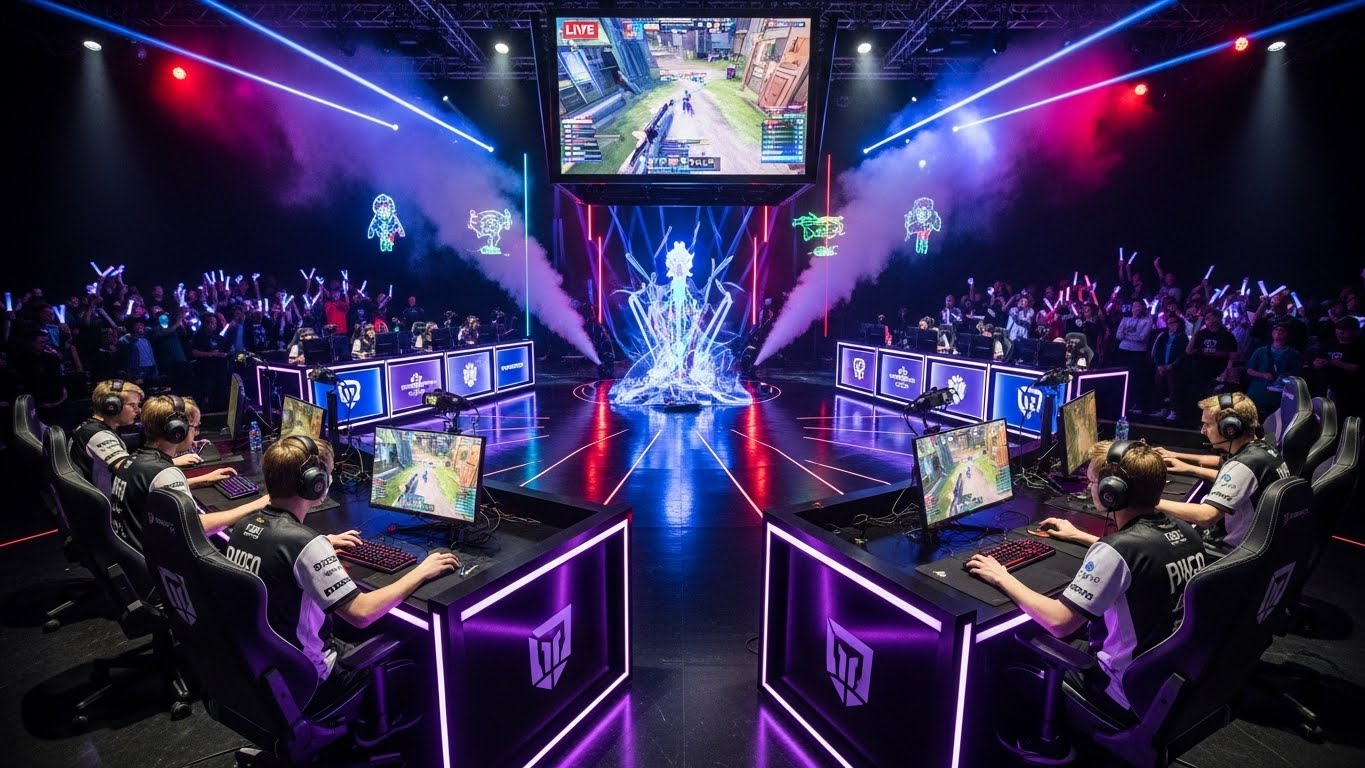
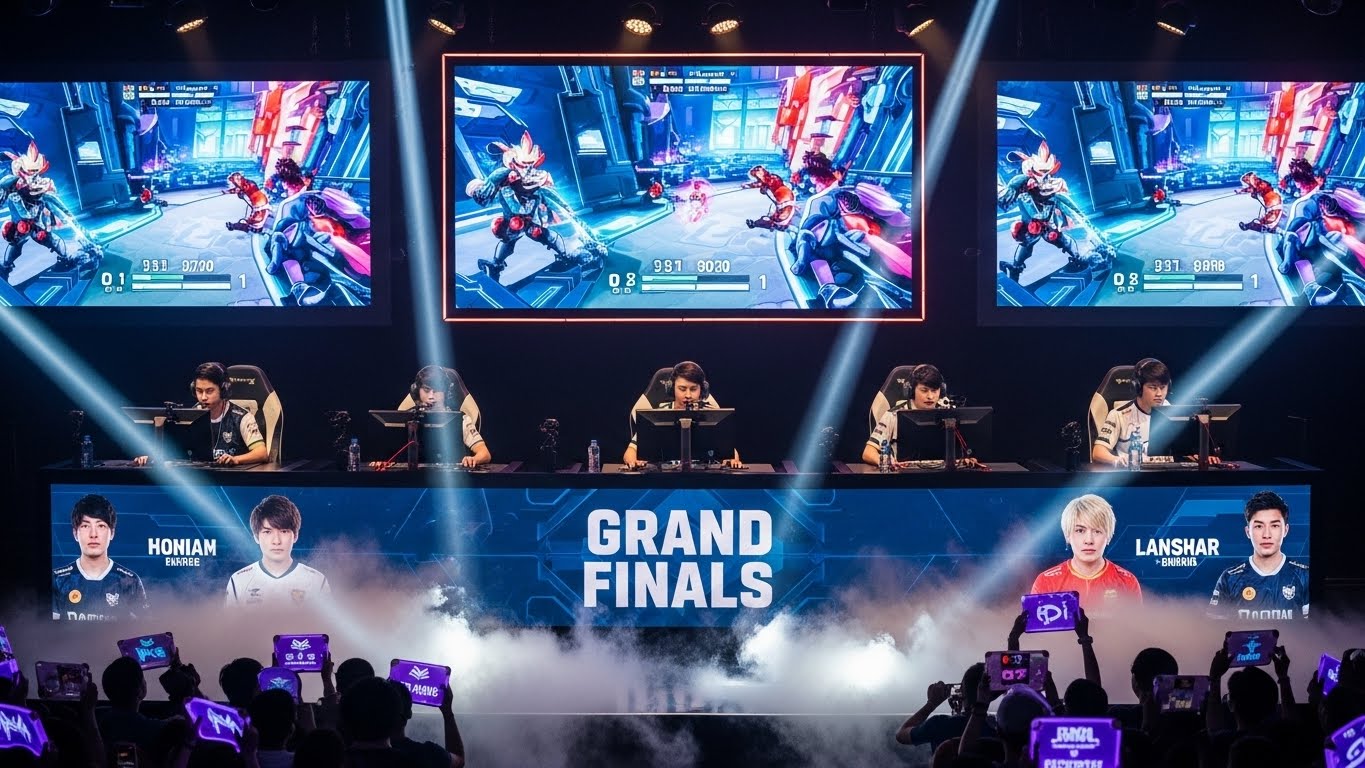
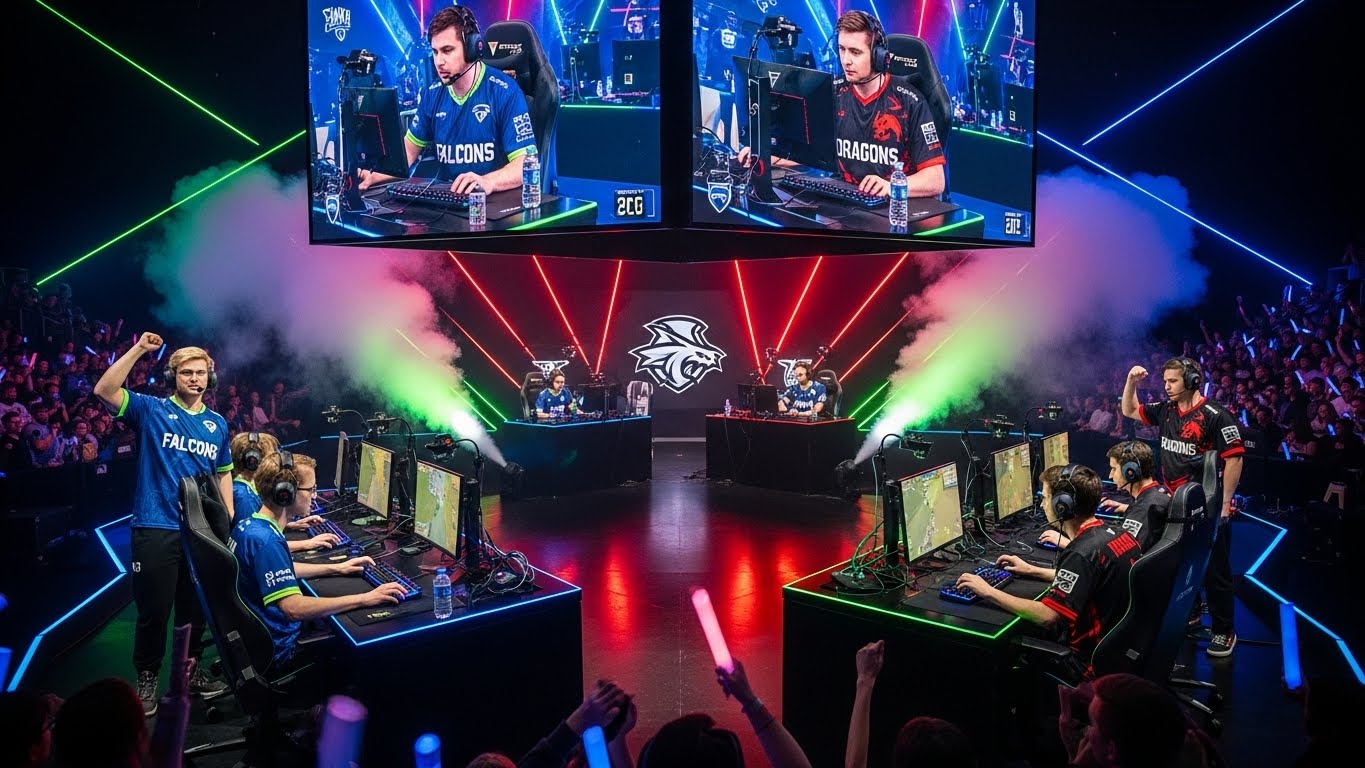
In the last decade, esports has transformed from a niche pastime to a multi-billion-dollar industry that’s hard to ignore. What was once considered a fringe activity reserved for a select few gamers has now become a global phenomenon. Millions of people worldwide tune in to watch competitive gaming, and professional esports players are becoming as well-known and well-compensated as traditional athletes. This blog post explores the rise of esports, its impact on the gaming industry, the business side of competitive gaming, and its future trajectory.
What is Esports?
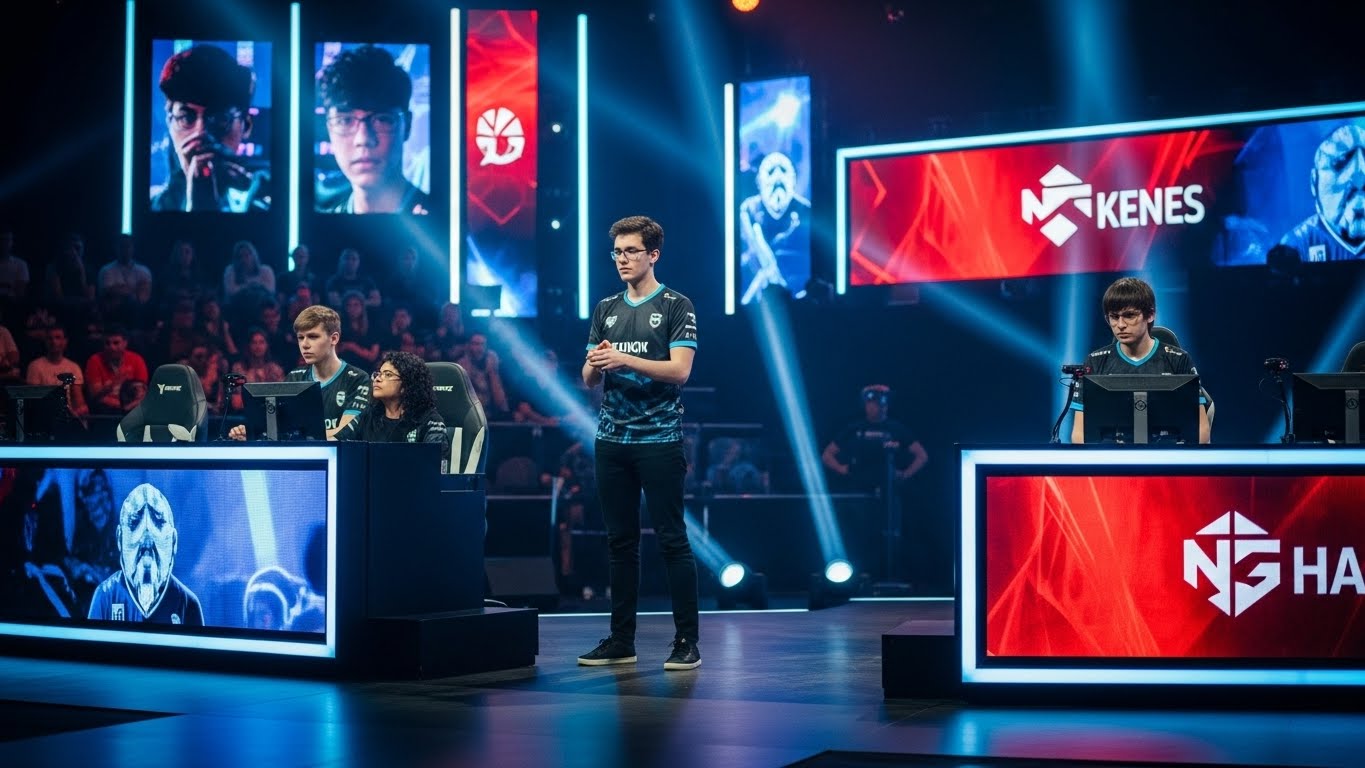
Esports, short for electronic sports, refers to organized, multiplayer video game competitions, particularly between professional players, individually or as teams. Unlike casual gaming, esports involves intense training, strategy, and competition, often played at the highest levels for significant monetary prizes. The types of games played in esports vary, including multiplayer online battle arena (MOBA) games like League of Legends (LoL), first-person shooters (FPS) such as Counter-Strike: Global Offensive (CS:GO), real-time strategy games like StarCraft II, and battle royale games like Fortnite and PUBG.
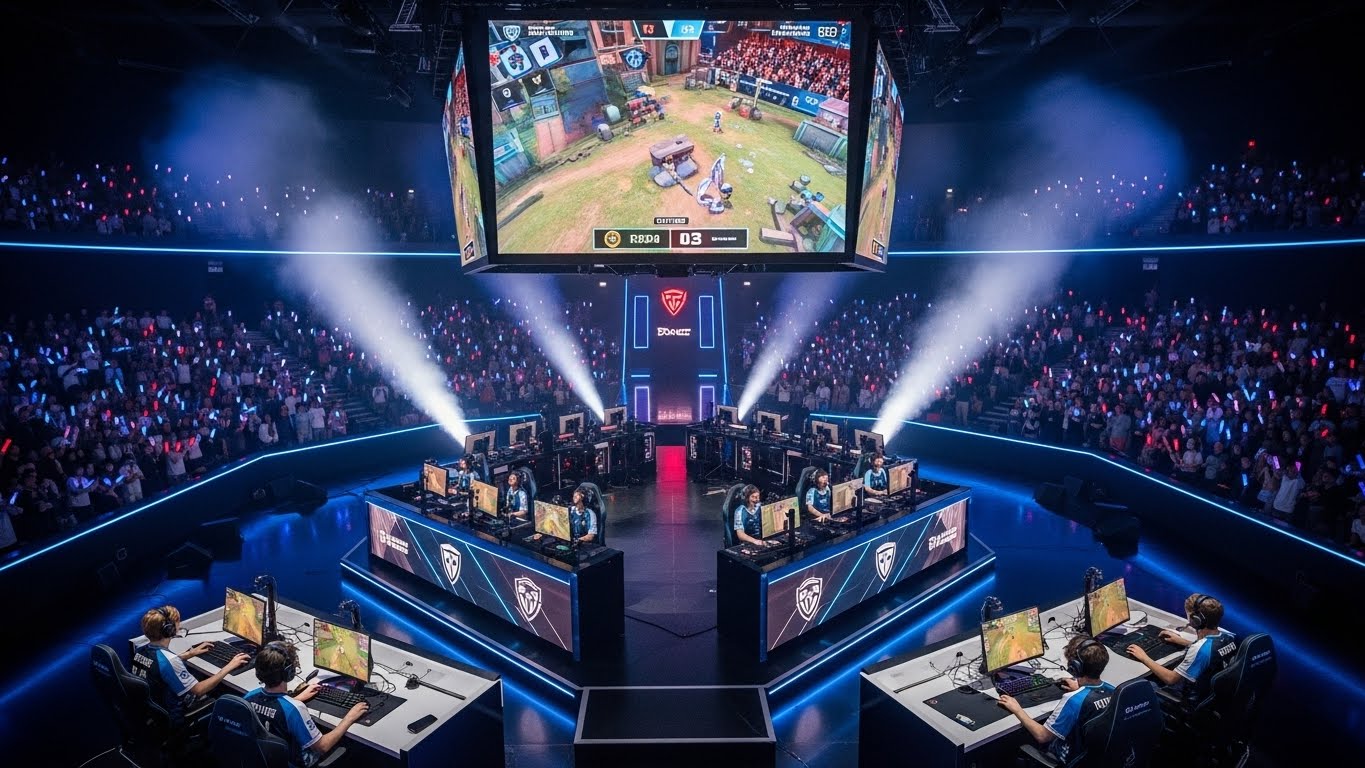
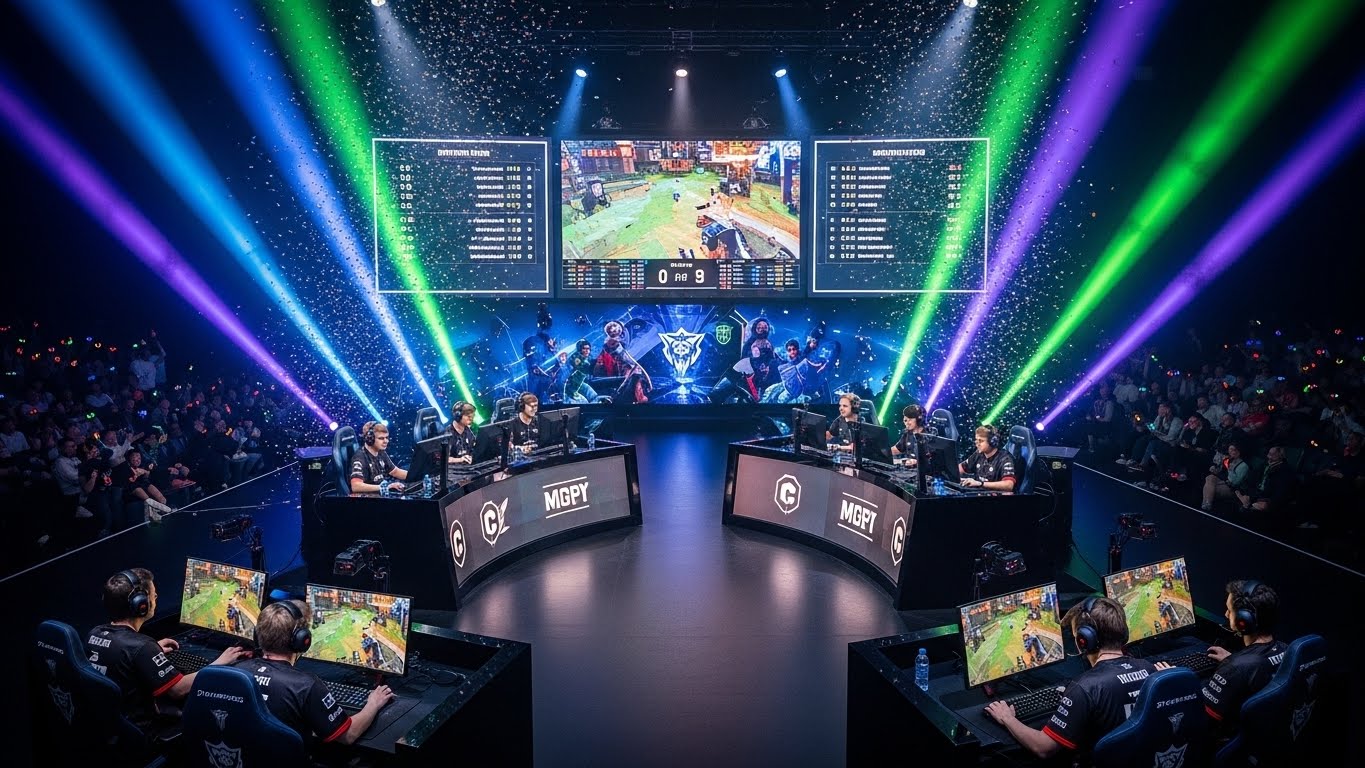
The main feature that sets esports apart from other forms of gaming is its competitive nature, where skilled players compete in highly organized tournaments. These events are often broadcasted online or on television, and can draw in millions of viewers from across the globe. This level of engagement has propelled esports into the mainstream, leading to large sponsorships, a growing fanbase, and the emergence of dedicated esports arenas.
The Early Beginnings of Esports
The origins of competitive gaming date back to the 1970s and 1980s. Early video games like Pong and Space Invaders attracted players who enjoyed competing against one another, but it wasn’t until the late 1990s that competitive gaming began to take on a more formalized shape. StarCraft, released in 1998, played a pivotal role in bringing esports to the forefront, particularly in South Korea, where it became a national pastime.
The turn of the millennium saw the first professional esports leagues being formed. These early events were mostly local, small-scale tournaments that garnered modest followings. However, with the growth of broadband internet and the widespread adoption of online multiplayer games, esports quickly gained traction in the early 2000s. Games like Warcraft III, Counter-Strike, and Quake started attracting a more international audience, laying the groundwork for what would become a global industry.
The Growth and Mainstreaming of Esports
In the 2010s, esports entered its most explosive growth phase. Streaming platforms such as Twitch, YouTube Gaming, and later Facebook Gaming became key catalysts, providing an accessible platform for gamers to showcase their skills and for fans to watch and interact in real-time. By 2011, the League of Legends World Championship attracted over 1 million concurrent viewers, a groundbreaking moment in the esports world. It became clear that esports was no longer just a hobby; it had evolved into an entertainment phenomenon.
As esports grew, traditional sports organizations, entertainment giants, and major brands began to recognize its potential. Companies like Coca-Cola, Intel, and Red Bull began sponsoring events, which helped elevate esports competitions to a more professional level. Broadcasting giant ESPN also began to air esports events, further cementing its place in mainstream culture. In fact, esports has now become a staple in large global events, often getting airtime alongside traditional sports such as football, basketball, and tennis.
The rise of mobile gaming also played a key role in expanding esports beyond the traditional PC and console gaming. Titles like Clash Royale and PUBG Mobile have given rise to a new wave of esports competitions that are more accessible to a global audience, especially in regions like Southeast Asia, Latin America, and Africa.
Esports as a Business
One of the driving forces behind the meteoric rise of esports is its financial success. According to Newzoo’s Global Esports & Live Streaming Market Report, the global esports industry generated over $1 billion in revenue in 2022 and is expected to grow at a steady pace in the coming years. The money flowing into esports comes from various revenue streams, including advertising, sponsorships, media rights, and ticket sales for live events.
Sponsorships are perhaps the most significant source of income for esports organizations. Major brands are now flocking to esports in an effort to tap into the lucrative, young, tech-savvy audience that comprises the majority of esports fans. These sponsorships can take the form of team sponsorships, event sponsorships, or partnerships with game publishers. Companies like Logitech, Alienware, and ASUS have all invested heavily in esports, providing teams with high-quality gaming gear and helping promote tournaments.
Media rights are another major revenue source. In 2016, ESL (Electronic Sports League) sold the media rights for its tournaments to major networks like Turner Broadcasting, which helped bring esports to mainstream TV. Over the years, the growth of streaming platforms like Twitch has further expanded the media landscape, enabling esports competitions to be broadcast live to millions of viewers worldwide.
Merchandising is also an important revenue stream. Teams and players have their own merchandise, such as jerseys, caps, and other collectibles, which fans eagerly buy to show their support. These merchandising opportunities contribute significantly to the overall revenue of esports organizations.
Esports as a Career
As the esports industry has grown, so too has the opportunity for individuals to pursue gaming as a full-time career. Professional gamers now earn substantial salaries through tournament winnings, sponsorships, and streaming platforms. The top esports players can make millions of dollars annually, particularly in popular games like Dota 2, Fortnite, and CS:GO. For example, Dota 2’s annual The International tournament regularly boasts prize pools in the tens of millions of dollars, with individual players walking away with seven-figure sums.
However, the road to becoming a professional esports player is far from easy. Success in esports requires not only innate skill and talent but also years of practice and dedication. Players often train for upwards of 10 hours a day, analyzing gameplay, perfecting strategies, and staying on top of game updates. Many players begin their careers in their early teens, and as such, esports organizations have started creating esports academies to help nurture young talent.
Alongside players, esports organizations employ a wide range of professionals, including coaches, analysts, event organizers, and content creators. These teams work behind the scenes to ensure the success of esports events and help players refine their skills. As esports has grown into a global industry, new job opportunities have arisen, from marketing roles to game developers, as the demand for esports-related content continues to increase.
The Impact of Esports on the Gaming Industry
The rise of esports has had a profound impact on the gaming industry. Developers now design games with esports in mind, focusing on creating competitive and balanced gameplay that can sustain long-term tournaments. Game updates and patches are often tailored to maintain balance and fairness in esports competitions.
Furthermore, esports has also driven innovation in gaming hardware. Gaming peripherals such as mice, keyboards, headsets, and monitors have become more specialized and performance-oriented. Gaming PCs and consoles are now built to cater specifically to the high demands of esports, with features like ultra-fast processors, high refresh rate displays, and low latency networking.
One of the more interesting impacts of esports is its role in shaping the relationship between players and game developers. Unlike traditional sports, where the governing bodies typically make all the decisions, esports players often have a direct influence on how games evolve. Player feedback from professional competitions can lead to changes in gameplay mechanics, updates, and new features that impact the broader gaming community.
The Future of Esports
As esports continues to grow, its future appears brighter than ever. One of the key factors contributing to this is the increasing integration of esports into traditional sports events. In 2024, esports made its debut as a medal event at the Asian Games, a major milestone for the industry. This move could be the first step toward esports being included in the Olympic Games, marking esports’ integration into the global sporting culture.
With the rapid development of virtual reality (VR) and augmented reality (AR) technology, the esports landscape could change dramatically in the coming years. VR esports, where players use immersive headsets and motion tracking, could create a new level of competition and entertainment for audiences. The rise of blockchain technology and non-fungible tokens (NFTs) may also lead to new monetization models and fan engagement strategies within the esports ecosystem.
In addition, the global nature of esports, with tournaments held in regions across the world, offers a unique opportunity for international collaboration. As internet infrastructure improves globally, even more regions can take part in esports tournaments, helping the industry expand into new territories.
Conclusion
Esports is no longer just a trend—it’s a global industry that has fundamentally changed the way we view competitive gaming and sports entertainment. What started as a small community of enthusiasts has grown into a massive, multimillion-dollar ecosystem with its own stars, sponsors, and fans. The growth of esports shows no signs of slowing down, and as technology continues to evolve, the future of esports promises to be even more exciting and innovative.
From a niche hobby to a global enterprise, esports has captured the imaginations of millions and is shaping the future of gaming. It’s not just about playing games anymore—esports has become a career, a business, and a new way of connecting people from all corners of the globe. Whether you’re a casual fan or a professional player, one thing is certain: esports is here to stay.