arenatribe36
Esports has come a long way from its humble beginnings, evolving into a multi-billion-dollar industry that has captured the attention of millions worldwide. Once a niche subculture primarily enjoyed by a small group of gamers, it is now a global phenomenon, with professional players, teams, tournaments, and even entire leagues dedicated to competitive video gaming. The industry’s rapid growth has had a significant impact on entertainment, sports, and even broader cultural trends. In this blog post, we’ll explore the history, development, and future of esports, along with its cultural influence and its role in the digital age.
The Early Days of Esports: A Niche Hobby
Esports as we know it today began in the late 1990s, although competitive gaming had been around in a different form for several years prior. Early forms of gaming competitions were largely informal, with friends or local communities organizing tournaments on their own. The first recorded esports event took place in 1997, with the Red Annihilation tournament for Quake offering a $1,000 cash prize. This marked the beginning of organized, competitive gaming at a higher level, though it still remained largely under the radar.
During this period, gaming competitions were often held at LAN (Local Area Network) events, where players would gather in large venues to play against each other in person. These events were exciting but relatively small in scale. The games involved were mostly first-person shooters (FPS) like Quake, StarCraft, and Warcraft, with a few fighting games like Street Fighter also featuring in local competitions.
Despite these early beginnings, esports still struggled for widespread recognition. Video games were often seen as a hobby rather than a legitimate sport. But this would soon change.
The Rise of Online Gaming and Competitive Platforms
The real turning point for esports came with the rise of online gaming in the early 2000s. With the advent of broadband internet, it became easier for players to compete against one another without needing to gather in person. This opened the door for online tournaments and leagues that could involve players from all around the world. Games like Counter-Strike, Warcraft III, and Dota grew in popularity, especially with the release of digital platforms like Battle.net, Steam, and GameSpy, which allowed gamers to connect with one another on a global scale.
Esports organizations began to form, and companies started investing in the scene. In 2000, the World Cyber Games (WCG) was launched, which became one of the first major global esports tournaments, drawing participants from all corners of the world. At the same time, the Cyberathlete Professional League (CPL) and the Electronic Sports World Cup (ESWC) were also founded, further solidifying esports as a legitimate competitive pursuit.
These tournaments provided a platform for professional players to showcase their skills and earn money from prize pools. Although esports was still in its infancy, the potential for growth was evident. As more people played games online and professional competitions gained traction, esports was no longer a niche interest. It was starting to become an industry in its own right.
The Explosion of Esports: Mainstream Recognition
By the late 2000s and early 2010s, esports had grown from a subculture to a full-fledged industry. Esports was starting to gain mainstream recognition, with major broadcasting platforms like Twitch emerging in 2011 to provide a space for gamers to stream their gameplay and interact with an audience. This allowed viewers to watch high-level play from home, creating a new way for fans to connect with their favorite players and teams.
Around this time, several important developments occurred that helped shape esports into what it is today. One of the most significant was the rise of League of Legends (LoL), a multiplayer online battle arena (MOBA) game that revolutionized the competitive gaming scene. Developed by Riot Games, League of Legends became a cornerstone of esports, with its annual World Championship drawing millions of viewers and establishing a model for large-scale esports events.
In 2013, the creation of the Overwatch League (OWL) marked another milestone for esports. The OWL, created by Blizzard Entertainment, adopted a city-based franchise system similar to that of traditional sports leagues, such as the NBA or NFL. This model attracted significant investment from large organizations and sports teams, further legitimizing esports as a major industry.
Moreover, the development of streaming platforms like Twitch and YouTube Gaming changed the way fans consumed content. Gamers no longer had to attend live events to watch professional tournaments. Instead, they could watch from the comfort of their homes, building an interactive online community around esports. Esports broadcasters like ESL, DreamHack, and MLG also played crucial roles in organizing and streaming major events globally.
Esports as a Multi-Billion Dollar Industry
As esports grew in popularity, it also attracted significant financial investments. In 2016, the global esports market was valued at approximately $500 million, but by 2021, this number skyrocketed to over $1.1 billion. This incredible growth has been fueled by multiple factors, including sponsorships, advertising, ticket sales, and media rights.
Major global brands such as Coca-Cola, Intel, and Red Bull started investing in esports sponsorships, further blurring the line between traditional sports and esports. Companies were eager to tap into the massive, young, and engaged audience that esports attracted. Sponsorships helped fund large-scale events, and prize pools grew to astronomical figures. For example, The International (Dota 2’s annual championship) boasts some of the largest esports prize pools in the world, with the 2021 event offering over $40 million in prizes.
One of the key drivers of esports’ financial growth has been the increasing amount of mainstream media coverage. Networks like ESPN and Turner Broadcasting began to cover esports events, bringing them to a broader audience. In fact, ESPN, which is primarily known for traditional sports, began airing esports competitions like the ELeague in 2016. In 2020, it was reported that esports viewership surpassed that of traditional sports in certain regions, signaling a shift in how younger audiences engage with entertainment.
Beyond media coverage, esports also benefits from the explosive growth of mobile gaming. Games like PUBG Mobile and Free Fire have introduced esports to an even wider audience, especially in regions like Southeast Asia, India, and Latin America. Mobile esports competitions, such as the Mobile Legends: Bang Bang Professional League, have gained massive popularity, attracting millions of viewers.
The Structure of Esports Today: Teams, Tournaments, and Leagues
The structure of modern esports mirrors that of traditional sports in many ways. Major esports leagues, such as the League of Legends Championship Series (LCS), the Overwatch League (OWL), and the Call of Duty League (CDL), operate on a franchise model, where teams compete throughout a season to qualify for major championships. These leagues are backed by massive financial investments and feature sponsorships, media rights deals, and global broadcasts.
Esports teams now function much like professional sports teams. They sign players to long-term contracts, provide training and support staff, and often have large facilities dedicated to practice and team-building. Many professional esports athletes are celebrities in their own right, with social media followings in the millions. Players in games like League of Legends and Valorant can earn substantial salaries through tournament winnings, sponsorships, and streaming deals.
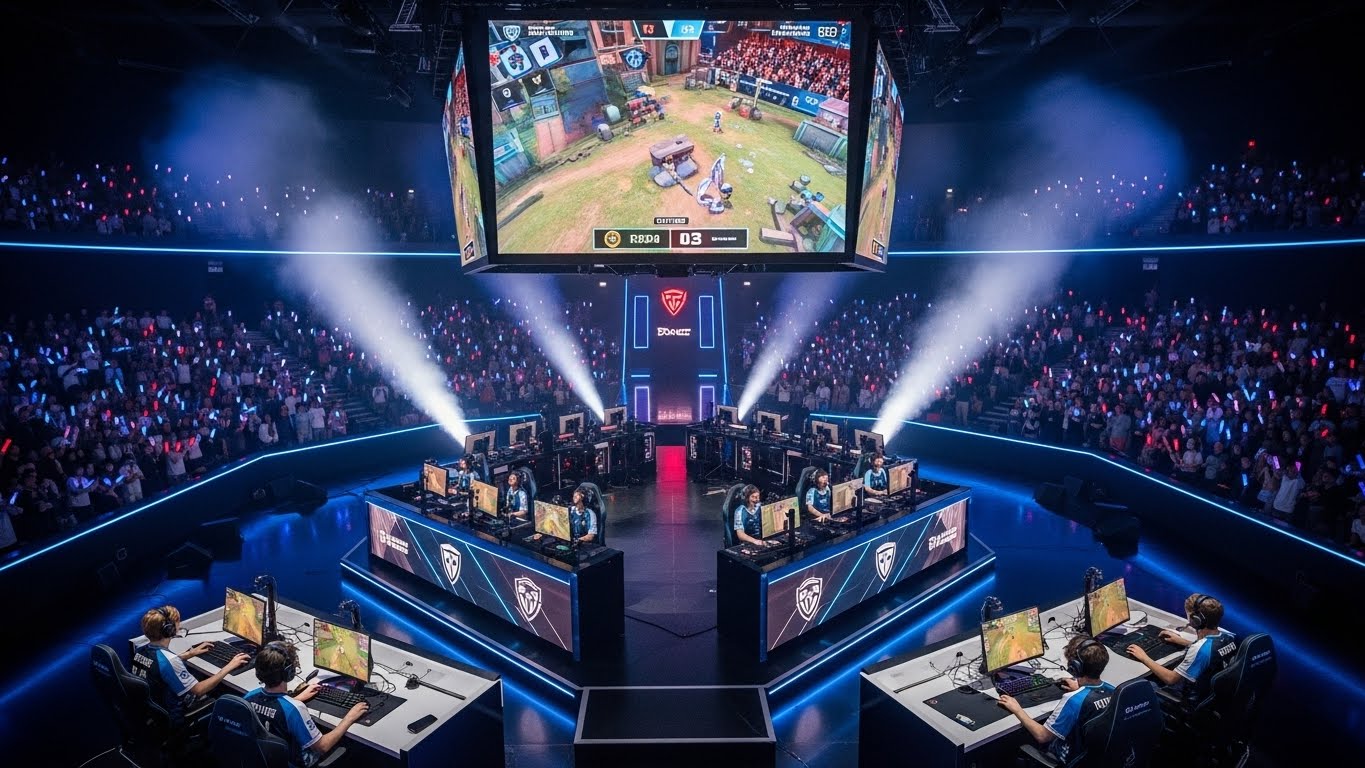
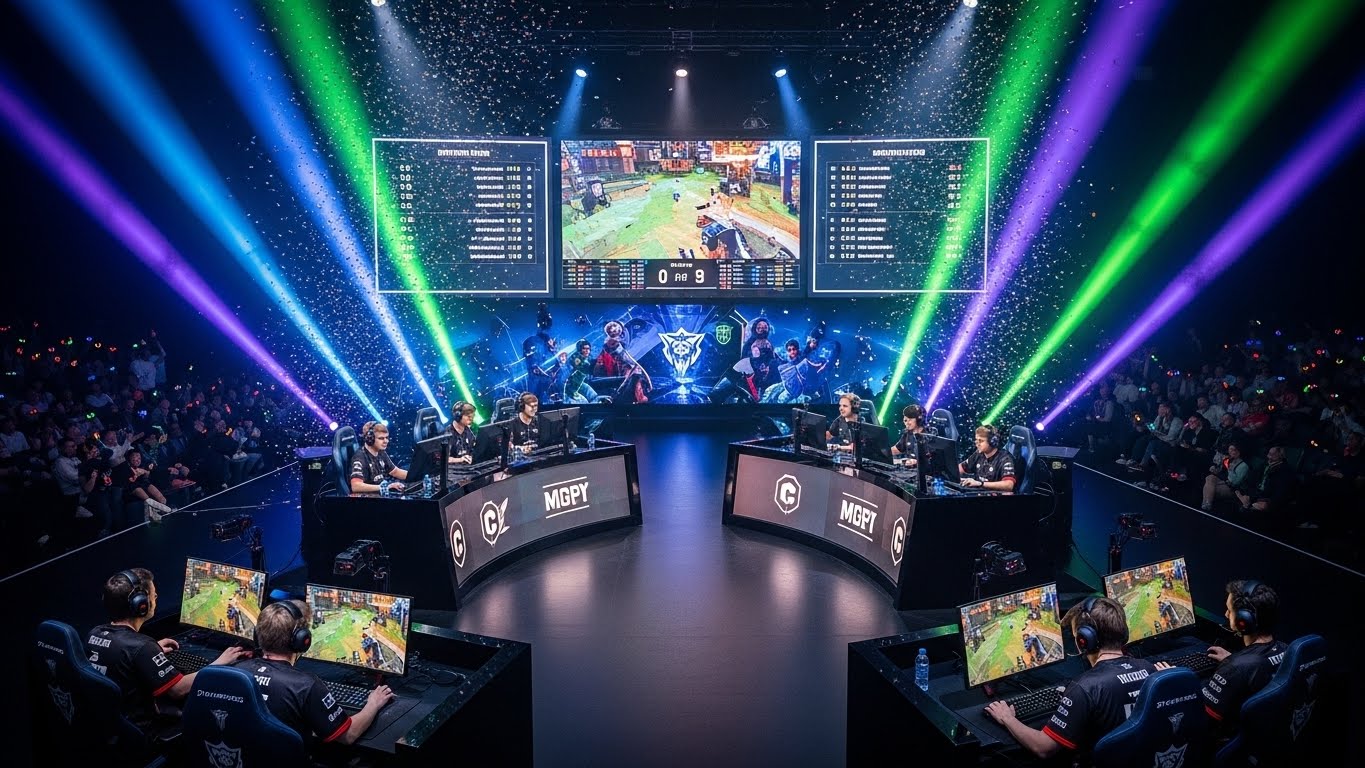
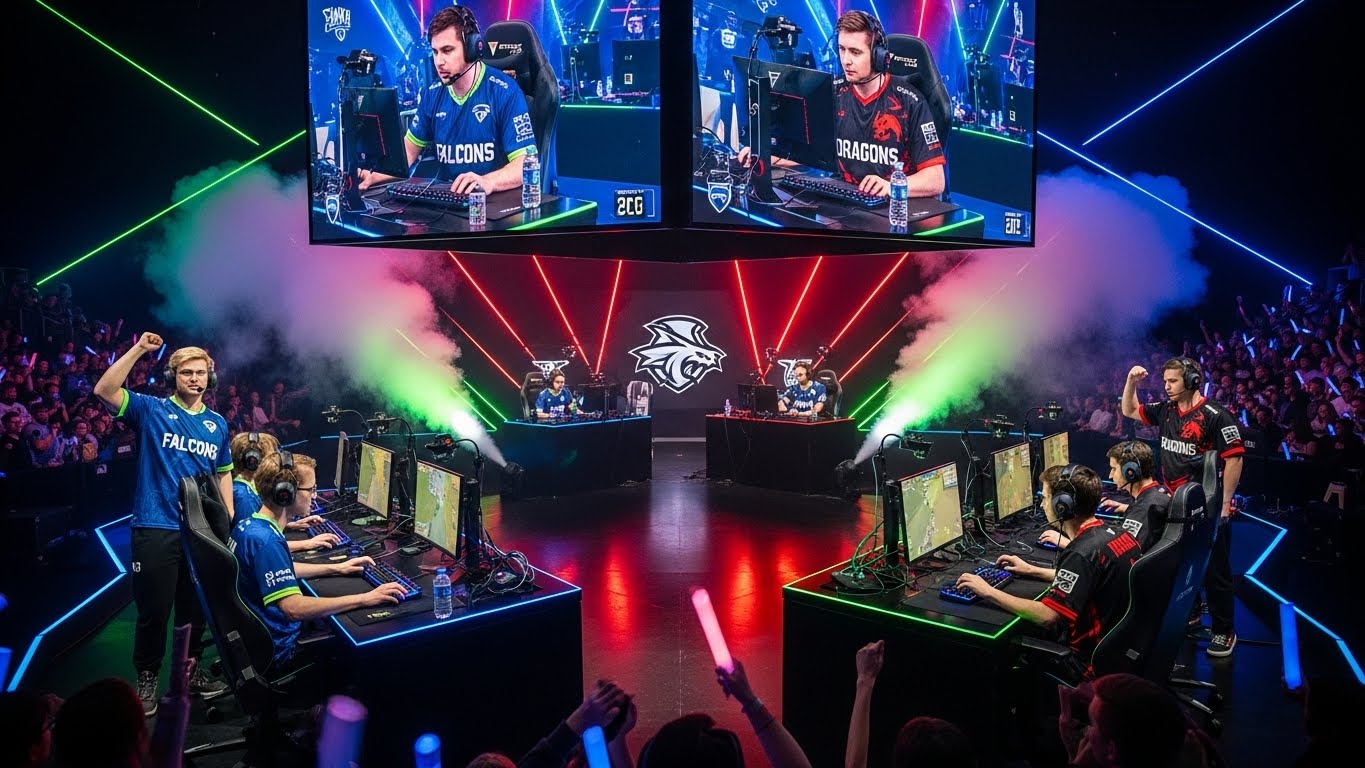
The most prestigious esports tournaments, such as The International, League of Legends Worlds, and CS:GO Majors, draw millions of viewers and offer multi-million dollar prize pools. These events often take place in large arenas, with fans packing stadiums to watch live matches and cheer for their favorite teams. In 2019, the League of Legends World Championship drew over 100 million viewers, surpassing many traditional sports events in terms of global viewership.
The Cultural Impact of Esports
Esports has significantly influenced modern pop culture. Esports athletes are now household names, with some players, like Faker (from League of Legends) and s1mple (from Counter-Strike: Global Offensive), reaching celebrity status. Major brands partner with these players, using them to promote products and services to a massive audience. Esports has also crossed into the broader entertainment space, with documentaries, movies, and TV shows focusing on the lives of esports athletes and the behind-the-scenes world of competitive gaming.
One area where esports has had a particularly strong impact is in the education sector. With the rise of esports, several universities and colleges around the world have introduced esports programs that offer scholarships to talented gamers. In fact, esports has become a legitimate career path for many young players, offering opportunities in game development, event organization, and broadcasting, in addition to professional gaming.
Moreover, esports has bridged gaps between cultures. With global competitions featuring players from different countries, esports has become a tool for fostering international collaboration. Events like the Overwatch World Cup and The International bring together players, fans, and organizations from around the world, creating a unique platform for cultural exchange.
The Future of Esports: What’s Next?
Looking ahead, the future of esports is incredibly promising. As the industry continues to grow, new opportunities will emerge for players, teams, fans, and investors alike. Virtual reality (VR) and augmented reality (AR) are likely to play a significant role in the future of esports, providing more immersive and interactive experiences for both players and viewers.
In addition, esports will continue to expand into new regions, with countries in Africa and the Middle East beginning to invest heavily in the infrastructure needed to support competitive gaming.