arenatribe36
The Birth of a New Competitive Era
The story of eSports begins far from the dazzling lights and roaring crowds of today’s grand arenas. In the early days of video gaming, competition was a casual affair. Friends gathered around arcade machines or home consoles, testing their reflexes and strategies. The 1970s saw the first whispers of organized gaming competitions, like the Space Invaders Championship in 1980, which attracted thousands of participants. It was a modest start, but it laid the groundwork for what would become a billion-dollar industry that redefines the concept of sports. Unlike traditional athletics, eSports emerged from the living rooms and computer labs of tech enthusiasts. What began as small tournaments among niche communities slowly evolved into global events watched by millions. By the 2000s, with the rise of broadband internet and online gaming, eSports took its first steps into professionalization. Games like Counter-Strike, StarCraft, and Dota became early icons of this new competitive domain, creating the first generation of professional gamers who would dedicate their lives to digital mastery.
The Transformation of Gaming into a Professional Sport
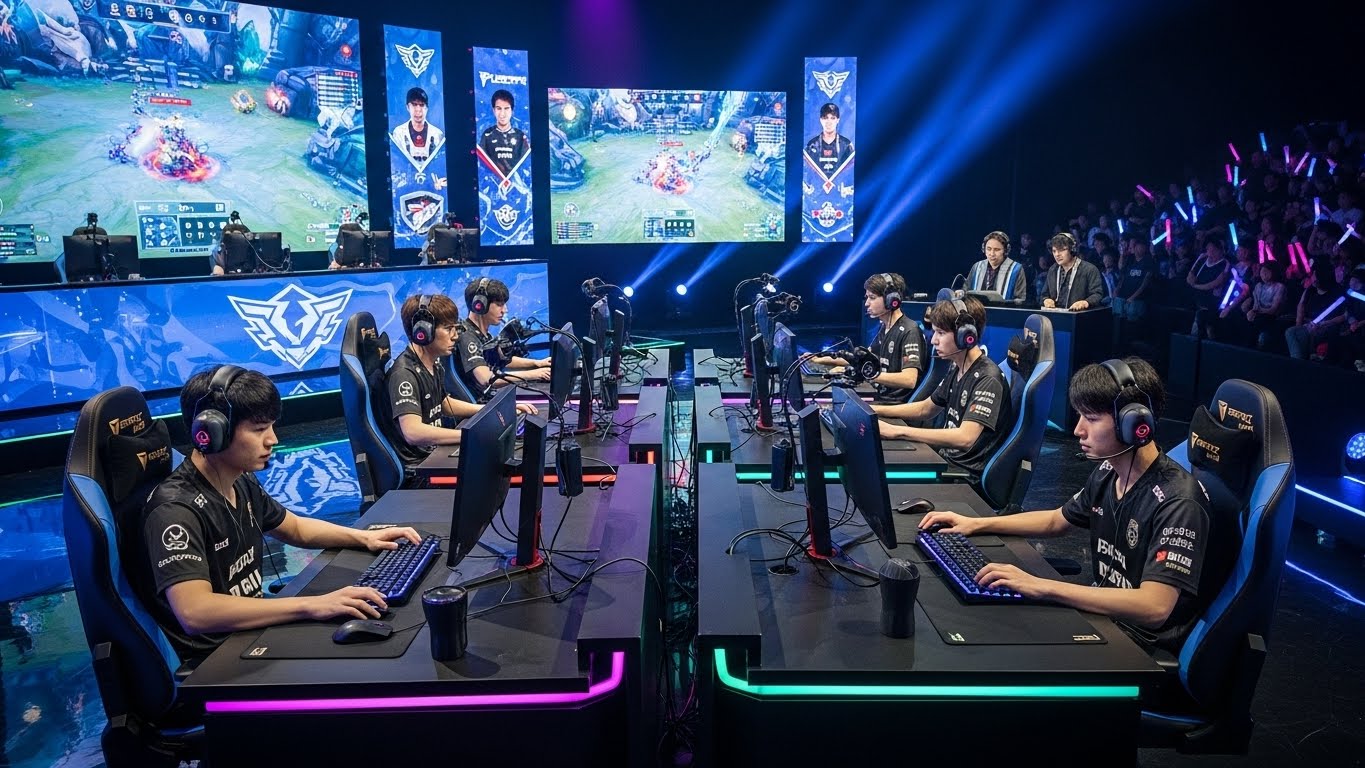
In traditional sports, physical prowess and stamina define competition. In eSports, precision, strategy, teamwork, and mental endurance take center stage. The idea that playing video games could be a profession once seemed far-fetched, even laughable, but the growth of digital entertainment and streaming technologies has erased that skepticism. Professional players now train for hours daily, working with coaches, analysts, and nutritionists to optimize their performance. They face the same level of discipline as athletes in football or basketball, with structured routines, performance reviews, and constant practice under pressure. The global eSports industry has grown at an astonishing pace. Prize pools for major tournaments now rival or exceed traditional sports events. The International, an annual Dota 2 championship, has distributed tens of millions of dollars in winnings, setting records and drawing global attention. Streaming platforms such as Twitch, YouTube Gaming, and others have transformed fans into active participants, creating a sense of community that is both local and global.
The Rise of Professional Organizations and Leagues
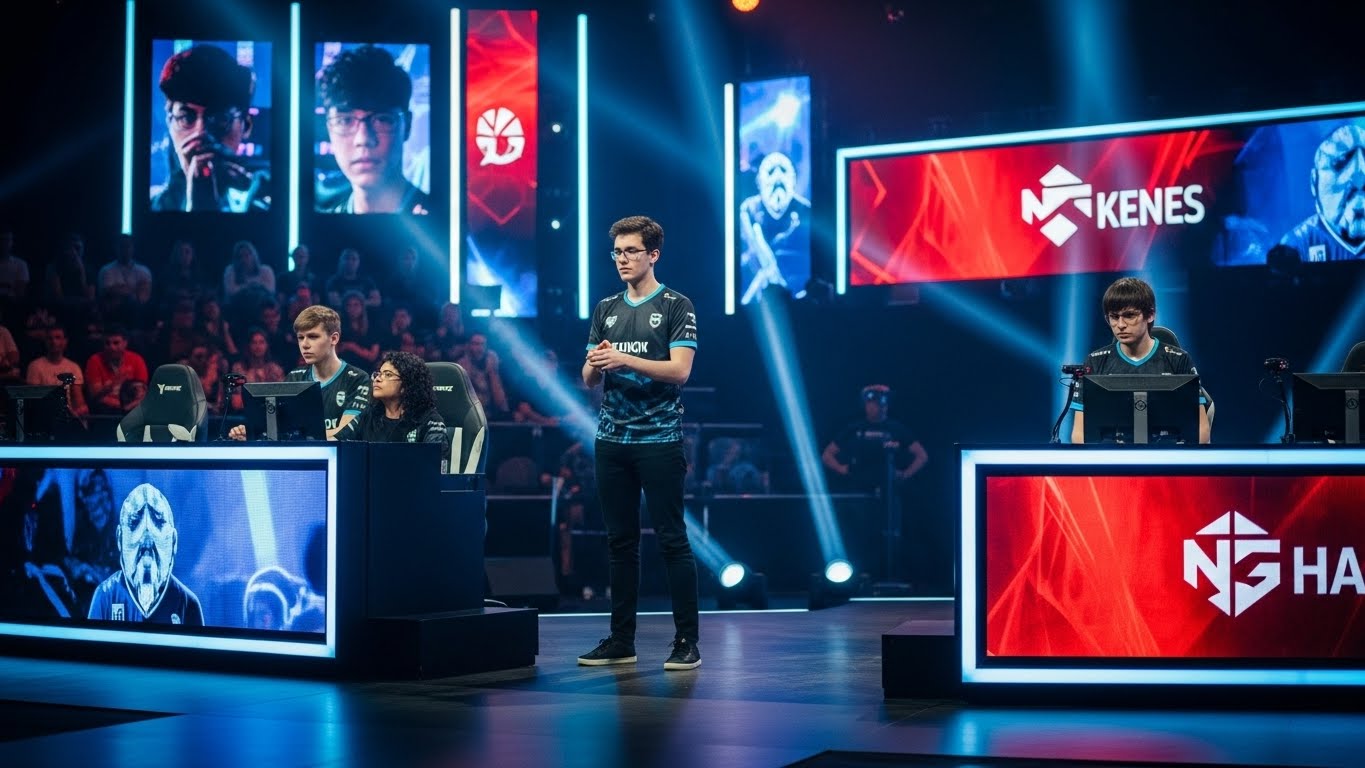
As the competitive scene matured, eSports organizations began to form, turning players into branded athletes and teams into global franchises. Just as football clubs or basketball teams represent cities and countries, eSports teams like Team Liquid, Fnatic, and T1 have become household names within the gaming world. These organizations recruit top talent, manage sponsorships, and engage millions of fans through social media and live events. Structured leagues and tournaments have added legitimacy to eSports, creating a calendar of events that mirrors traditional sports seasons. Games such as League of Legends have their own professional leagues in multiple regions, culminating in a world championship that rivals the energy and viewership of the FIFA World Cup. This structure has brought stability to players’ careers, offering salaries, contracts, and endorsement opportunities. For younger generations, being an eSports professional is no longer a dream but a viable career path supported by education programs, scholarships, and corporate investment.
The Global Spectator Phenomenon
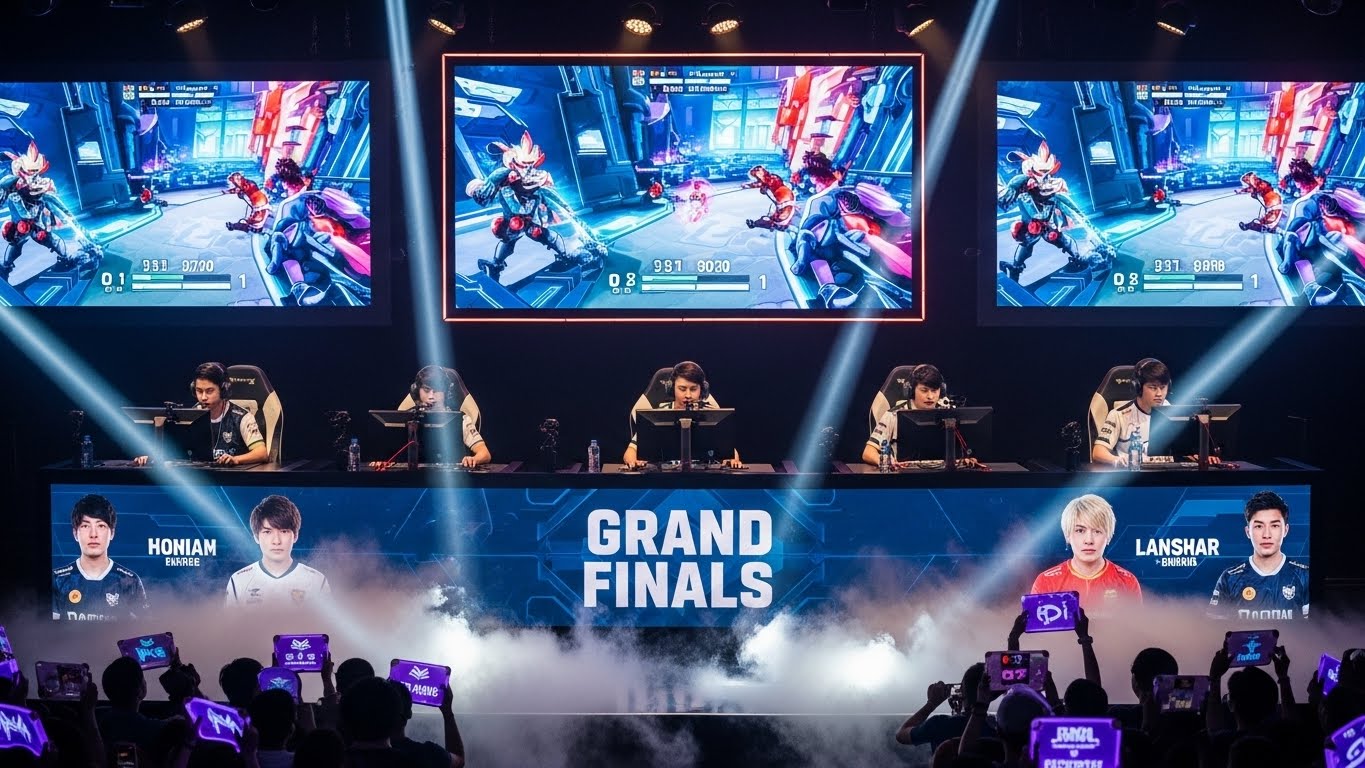
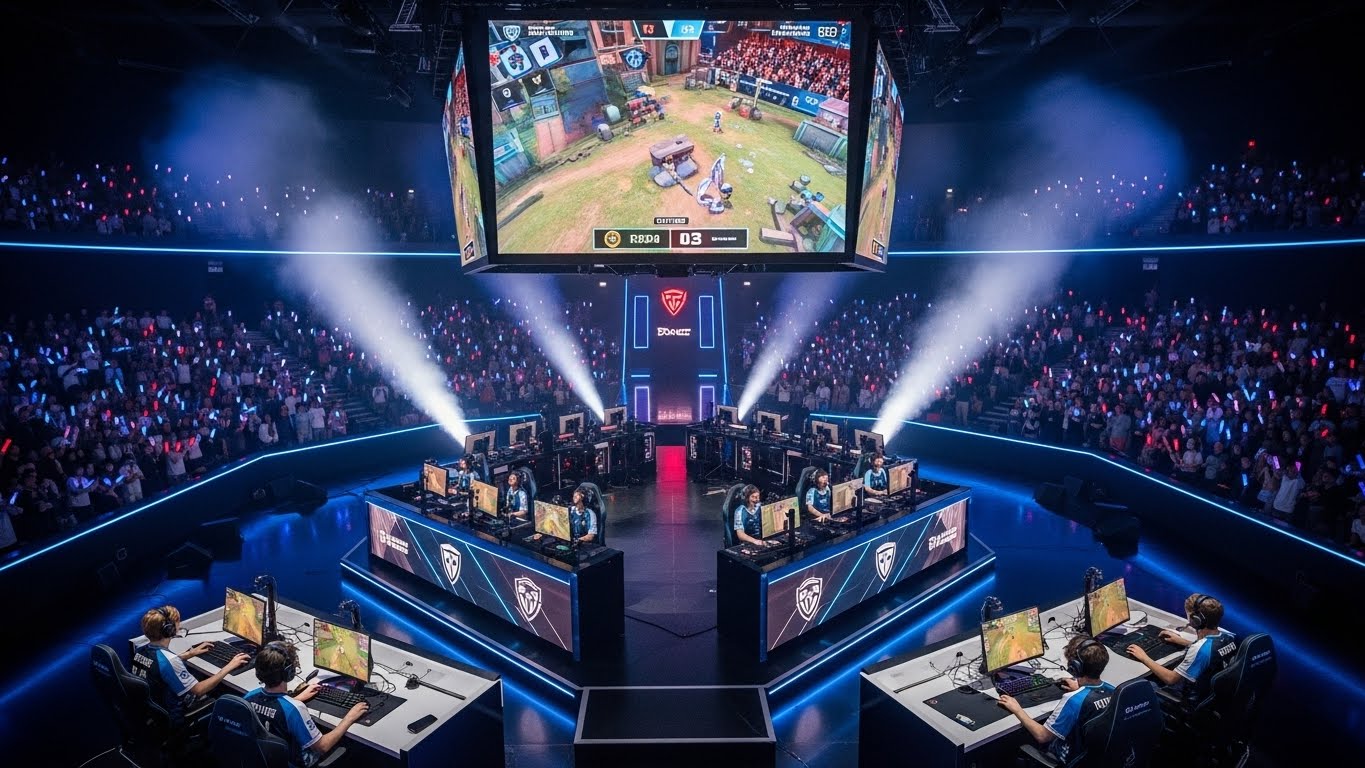
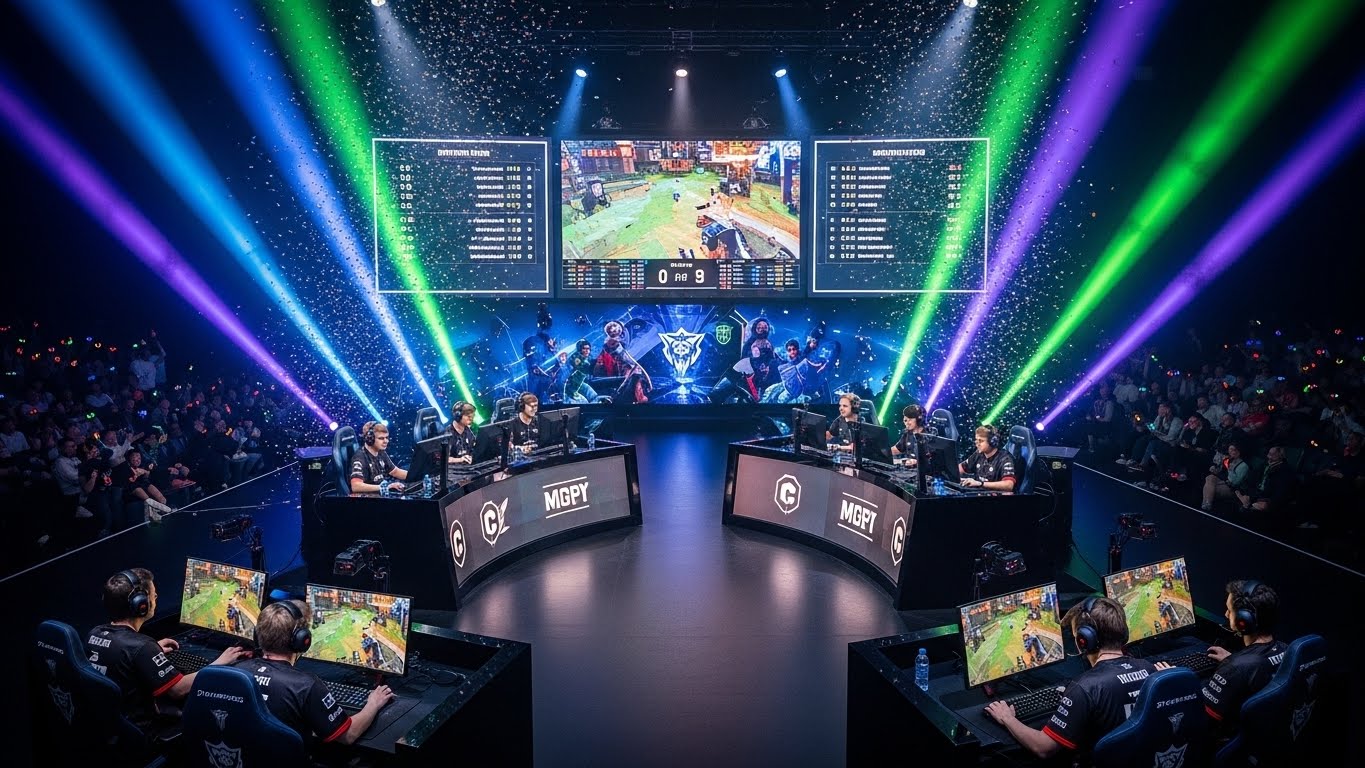
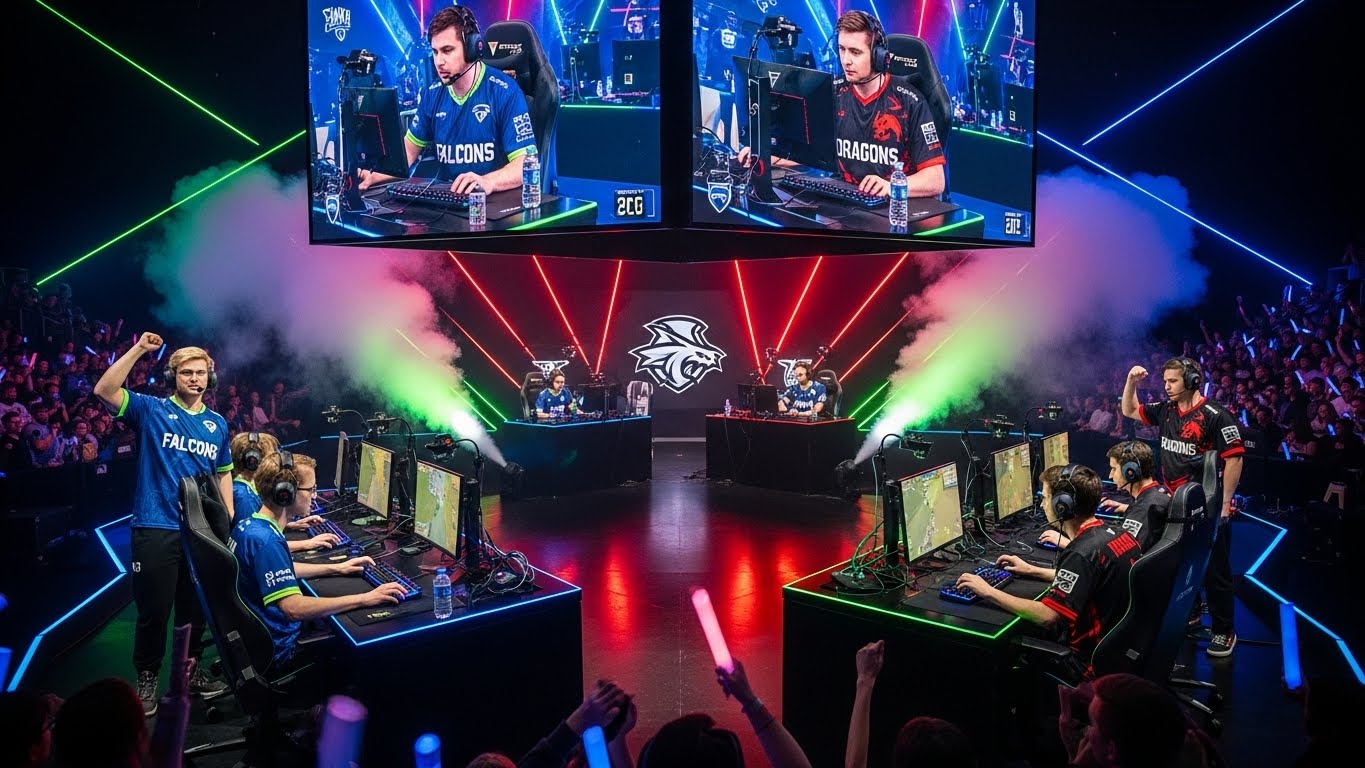
The essence of sports lies not only in competition but also in spectatorship. What makes eSports truly remarkable is how it redefines how people consume entertainment. Traditional sports rely on physical venues and television broadcasts. eSports thrives on digital platforms, reaching millions instantly across time zones. Fans can tune in from their phones, laptops, or consoles, chatting in real-time with others while watching their favorite players perform. Major tournaments fill massive arenas, complete with commentators, live performances, and high-tech stage setups that blend gaming with showmanship. Events like the League of Legends World Championship or the Fortnite World Cup are broadcast in multiple languages, with viewership that competes with or surpasses major sports finals. For fans, the emotional connection is just as real. They follow players, celebrate their victories, and share in their defeats. This digital intimacy between fans and competitors creates a global family united by passion, strategy, and a shared love for the game.
The Cultural Impact of eSports
eSports is not just a sport; it is a cultural movement. It influences music, fashion, art, and even education. Gaming culture has expanded into mainstream entertainment, shaping trends that reach beyond the digital world. Music artists collaborate with game developers, fashion brands create collections inspired by gaming aesthetics, and universities now offer degrees in game design and eSports management. The gaming lexicon has entered everyday speech, and tournaments are covered by major news outlets that once ignored the scene entirely. Moreover, eSports has become a unifying language across nations. Players from different backgrounds come together under the same digital banner, competing in games that transcend linguistic and cultural barriers. In countries like South Korea, eSports has achieved national status, with televised matches, government support, and recognized professional athletes. The United States and Europe have followed closely, integrating gaming into education and youth programs. Even in developing regions, eSports has opened doors for young people seeking creative and economic opportunities in a digital-first world.
The Business of eSports
Behind every thrilling match and cheering crowd lies a vast economic engine. Sponsorships, media rights, advertising, and merchandise form the core revenue streams of eSports. Major corporations have entered the arena, recognizing the immense marketing potential within the gaming community. Brands that once focused on traditional sports now invest heavily in eSports teams and tournaments, understanding that the modern audience is digital, youthful, and global. The business side of eSports extends beyond competition. Game publishers play a central role, controlling the ecosystem of their respective titles. Riot Games, Valve, and Blizzard have built entire economic systems around their games, including broadcasting rights, in-game purchases, and franchising fees. For players, the business model is equally transformative. Streaming platforms allow them to build personal brands, monetize their content, and engage directly with fans. Some players earn more through streaming and sponsorships than through tournament winnings, turning eSports into a full-fledged entertainment industry.
The Role of Technology in Shaping eSports
Technology is the lifeblood of eSports. The rapid evolution of hardware, software, and internet infrastructure has enabled this revolution. High-speed connections allow players to compete globally without lag, while powerful gaming PCs and consoles provide seamless performance. Virtual reality, augmented reality, and artificial intelligence are pushing boundaries further, promising new dimensions of competitive gaming. Streaming technology has been equally revolutionary. The ability to broadcast live gameplay has transformed ordinary players into global stars. Streaming platforms create interactive environments where audiences can support their favorite streamers through chats, donations, and memberships. This two-way engagement between players and fans defines the eSports experience. Furthermore, data analytics has become a cornerstone of professional eSports training. Coaches use detailed metrics to analyze players’ reactions, strategies, and decision-making patterns. This scientific approach has elevated eSports into a domain where data and intuition coexist, just as they do in traditional professional sports.
The Psychological and Physical Demands of eSports Athletes
Contrary to stereotypes, professional gamers are not casual players lounging in comfort. Their lives involve intense training regimens that demand mental agility, focus, and physical health. Reaction times in competitive gaming are measured in milliseconds, and mental fatigue can determine the outcome of a match. Players undergo hours of practice daily, scrimmaging against other teams, reviewing gameplay footage, and studying opponents’ strategies. This rigorous environment can take a toll. Burnout, stress, and injuries such as carpal tunnel syndrome are common challenges. To counter this, teams now employ sports psychologists, physical trainers, and nutritionists to maintain player well-being. The mental aspect of eSports is particularly fascinating. Decision-making under pressure, emotional regulation, and team communication are skills honed over years of practice. In many ways, the cognitive and emotional demands mirror those faced by athletes in traditional sports, highlighting the legitimacy of eSports as a true form of competition.
The Educational and Career Opportunities Emerging from eSports
Beyond professional play, eSports has given rise to diverse career paths. Event management, broadcasting, game analysis, content creation, marketing, and coaching are now viable professions within the industry. Universities around the world have introduced specialized programs and scholarships in eSports management, game development, and digital media. For young people passionate about gaming, this ecosystem provides opportunities to blend creativity, strategy, and technology. Schools are also recognizing the educational value of gaming. Competitive gaming clubs foster teamwork, problem-solving, and leadership skills. The discipline required in eSports parallels that of traditional sports, teaching players about dedication, communication, and resilience. Moreover, as digital literacy becomes essential in every industry, the skills learned through gaming—strategic thinking, collaboration, and adaptability—have broad applications beyond entertainment.
The Challenges Facing the eSports Industry
Despite its tremendous growth, eSports faces challenges that must be addressed for sustainable development. One major concern is player health and longevity. Unlike traditional athletes, eSports players often have short careers, retiring in their early twenties due to physical or mental exhaustion. Ensuring proper training environments, healthcare support, and post-career opportunities is crucial. Another challenge lies in regulation and governance. Since different games are controlled by different companies, there is no unified body overseeing eSports globally. This creates inconsistencies in rules, contracts, and player protections. Additionally, issues such as match-fixing, cheating, and online harassment threaten the integrity of the scene. As eSports becomes more mainstream, maintaining transparency and fair play will be essential. Financial inequality is another concern. While top-tier players and teams earn substantial income, many others struggle to sustain themselves. Balancing the commercial and competitive aspects of eSports will determine its long-term viability as a fair and inclusive industry.
The Social Dynamics and Community of eSports
At its heart, eSports is built on community. Online forums, social media, and streaming platforms form the backbone of engagement, enabling fans and players to connect in meaningful ways. The sense of belonging within gaming communities is powerful. Players find friends across continents, collaborate in teams, and participate in events that bring people together regardless of background or language. However, like any large digital ecosystem, the eSports community also faces issues of toxicity, discrimination, and exclusion. Efforts are being made to promote inclusivity, gender diversity, and respect within gaming spaces. Women, LGBTQ+ players, and marginalized groups are gaining increasing recognition in the industry, though more progress is needed to ensure equality. The best aspect of eSports communities is their creativity. Fans produce art, music, memes, and commentary that enrich the culture surrounding each game. This participatory nature turns spectators into active contributors, making eSports not just a competition but a living, evolving digital culture.
The Future of eSports and Its Expanding Horizons
As technology and society continue to evolve, eSports is poised to expand beyond anything imagined. Virtual reality may introduce new genres of competition, while advancements in artificial intelligence could create new training tools and even AI-driven competitors. Mobile eSports, already booming in regions like Southeast Asia and India, will continue to democratize access, allowing anyone with a smartphone to compete at high levels. Furthermore, the integration of eSports into education, fitness, and entertainment ecosystems will blur the lines between play, learning, and work. Traditional sports organizations are also entering the digital arena, establishing eSports divisions and hosting hybrid events that combine physical and virtual competition. Governments and educational institutions are beginning to see eSports not as a distraction but as an opportunity for innovation and engagement with youth culture. The next decade may see eSports officially recognized in global sporting events, potentially even as a medal category in future international competitions.
The Essence of eSports: Human Competition in a Digital World
At its core, eSports represents something deeply human—the desire to compete, improve, and connect. It shows that competition does not need to be bound by physical constraints. The arena may be digital, but the passion, skill, and emotion are as real as in any sport. The keyboard and mouse, the controller and headset, have become instruments of expression. Every player, whether casual or professional, participates in a shared human story about perseverance and creativity. The global appeal of eSports lies in its inclusivity. Anyone with access to a computer, console, or phone can join the arena. It breaks barriers of geography, gender, and language, proving that talent and dedication can emerge from anywhere. The digital age has given birth to a new form of sport that reflects the world we live in—fast, connected, and constantly evolving.
Conclusion: The Enduring Legacy of a Digital Revolution
The rise of eSports is not just a story about gaming—it is a story about how technology reshapes culture, identity, and society. It stands as proof that passion and innovation can transform a pastime into a global phenomenon. From humble beginnings in arcades to sold-out stadiums filled with roaring fans, eSports has traveled an extraordinary journey. It challenges the old definitions of sport, blurring the lines between physical and virtual, entertainment and profession, play and discipline. As we move further into a digital future, eSports will continue to redefine how humanity engages with competition and creativity. It will inspire new generations to push boundaries, not just in gaming but in every aspect of digital expression. The digital arena is now a global stage, and every player, fan, and creator is part of its evolving legacy. eSports is not just the future of gaming—it is the future of human competition itself.