arenatribe36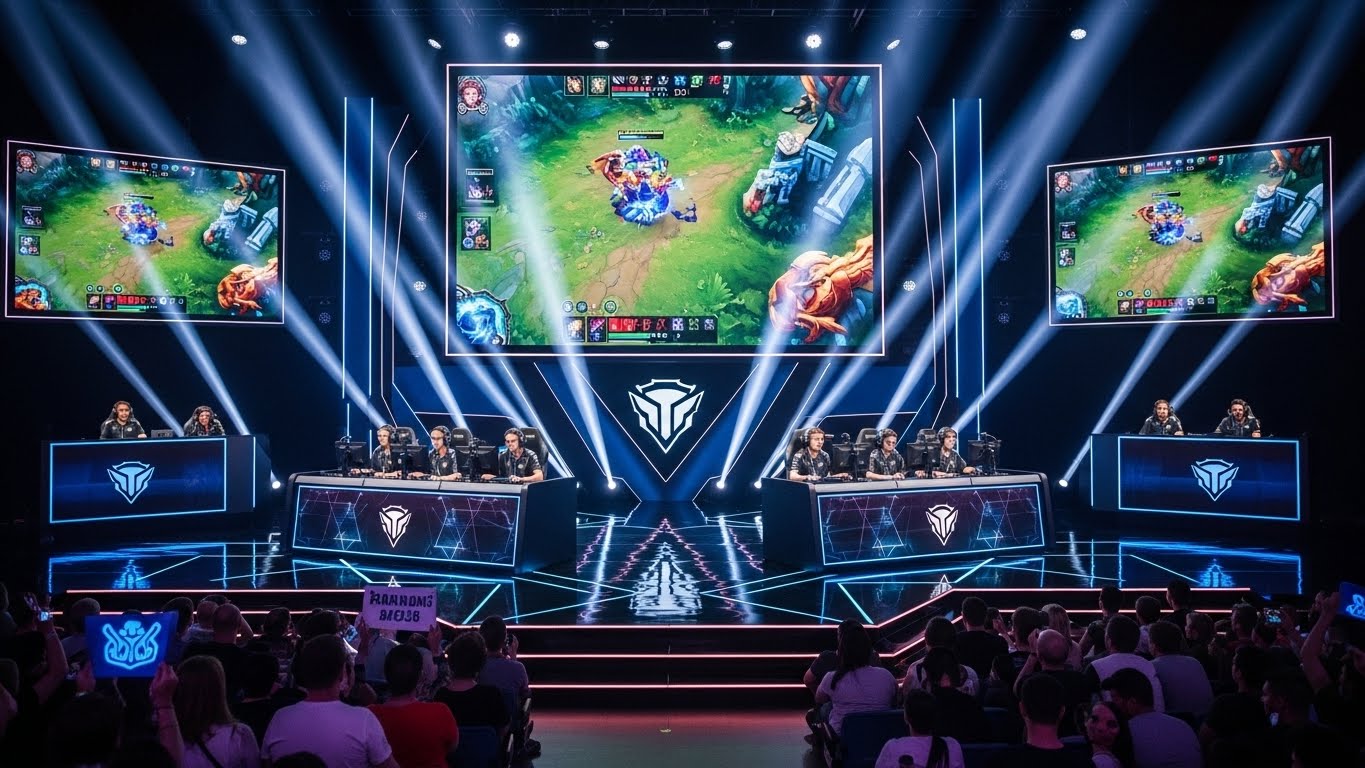
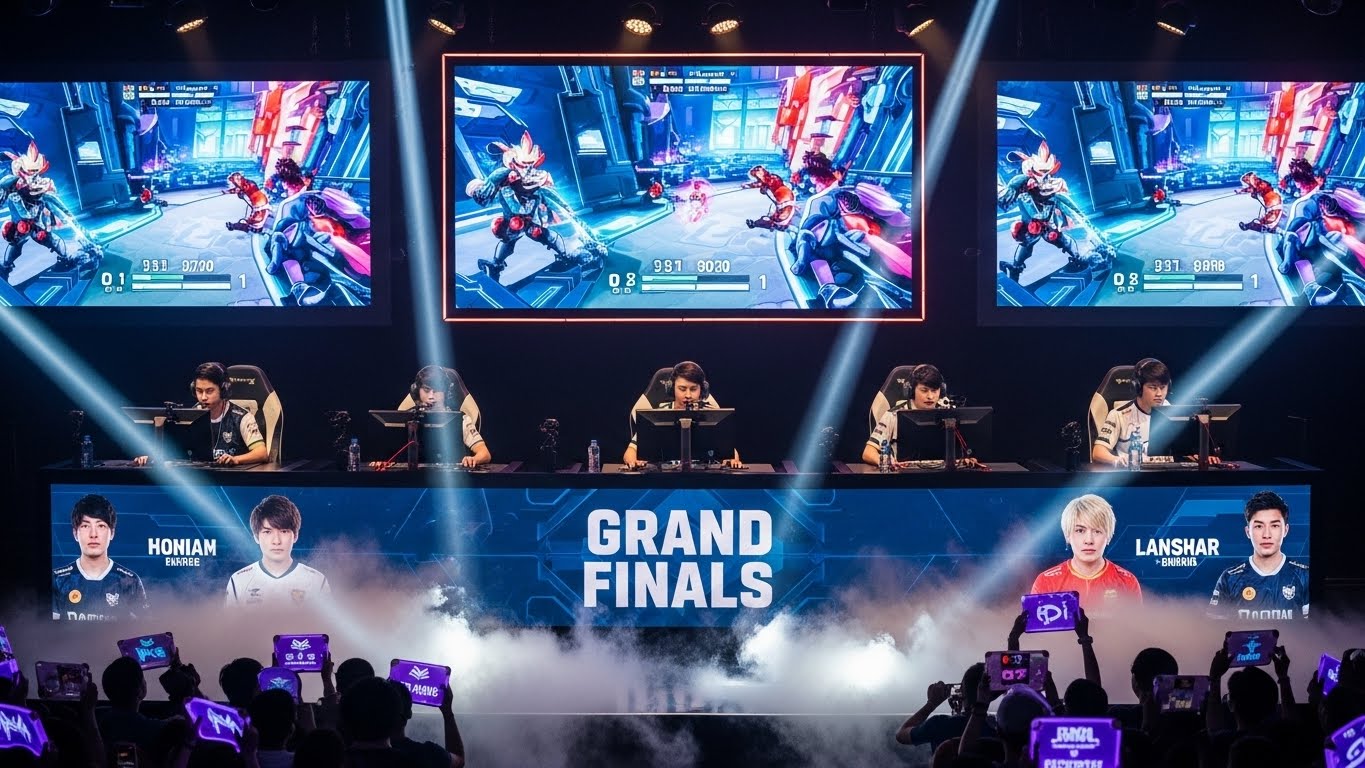
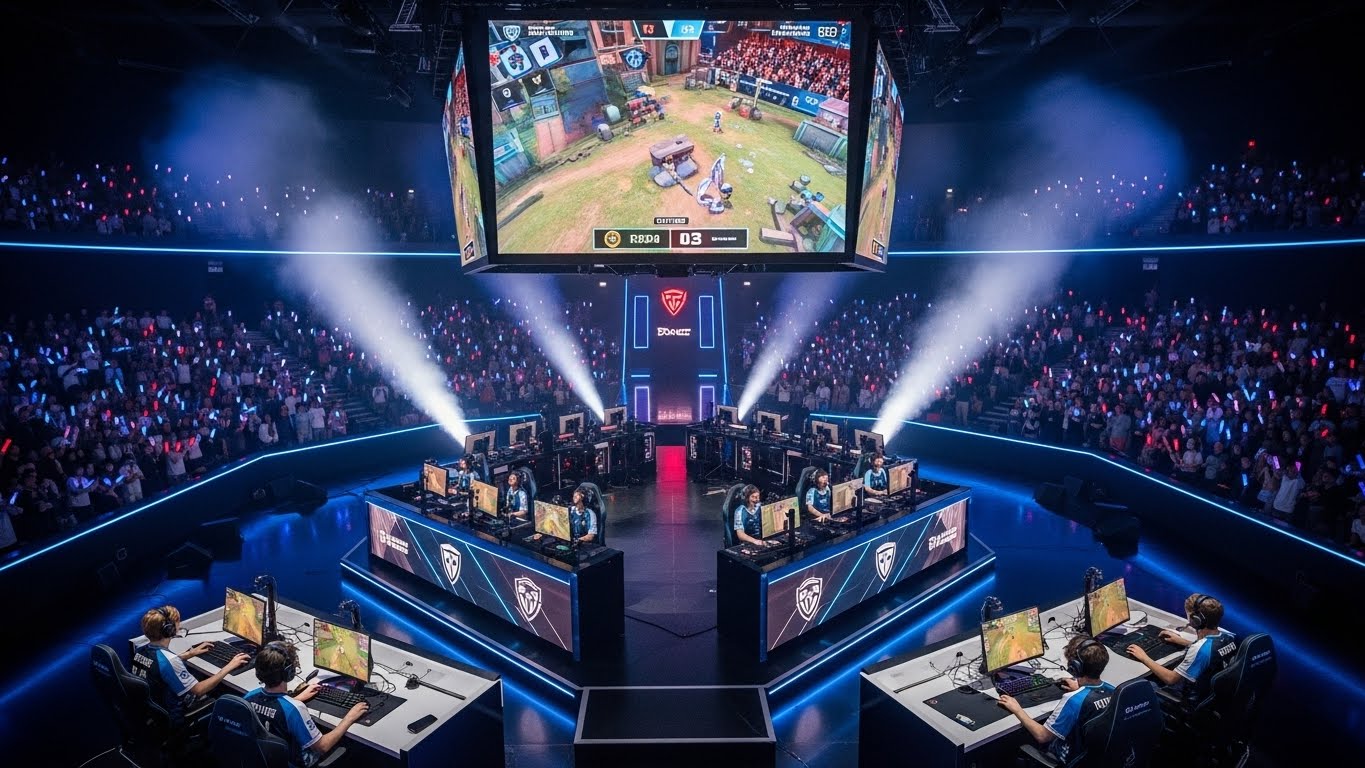
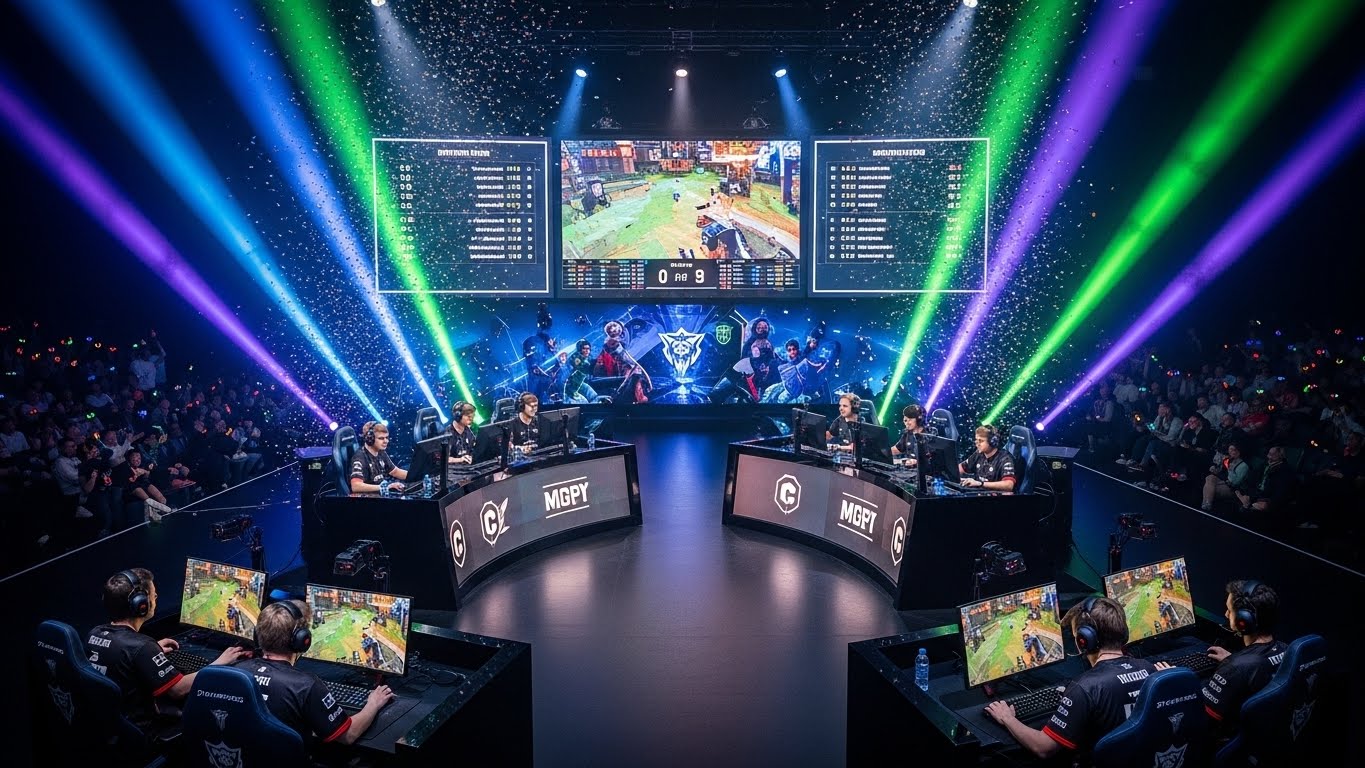
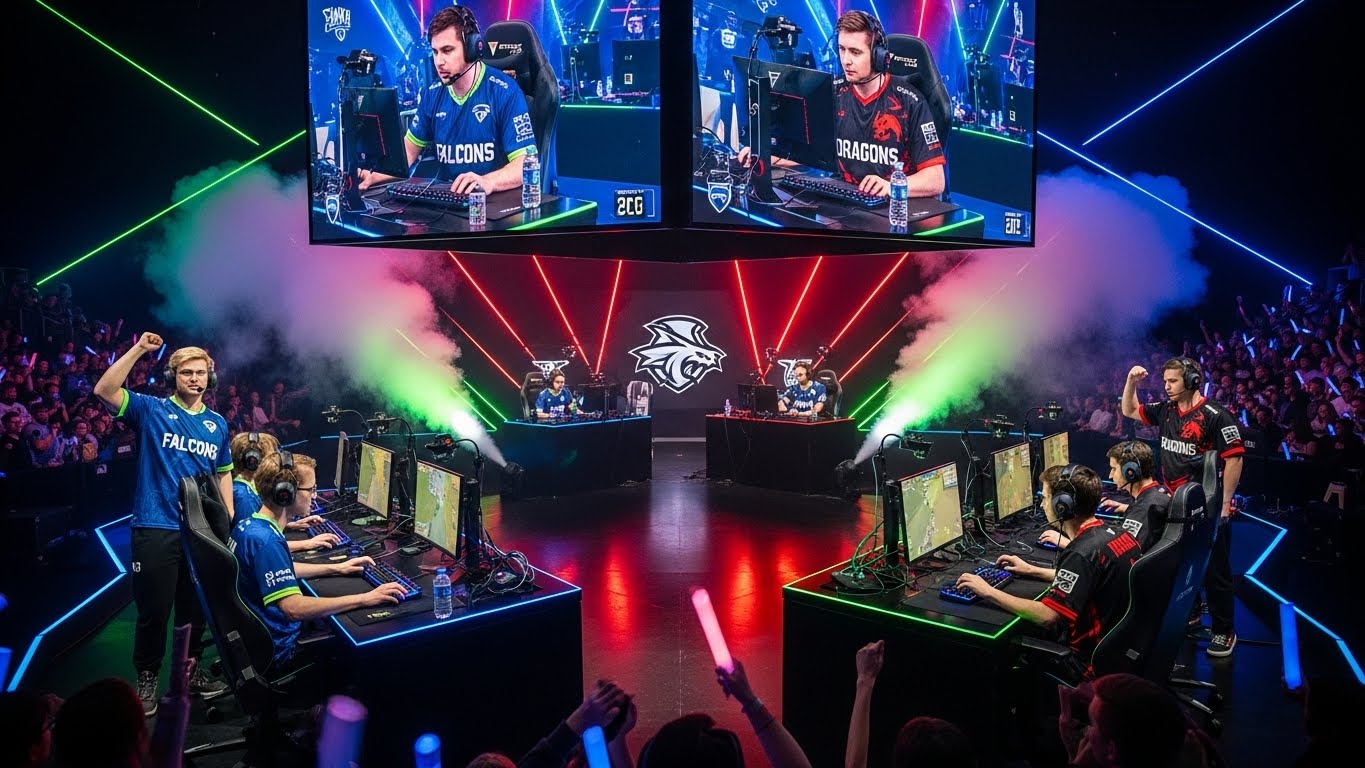
Esports has grown from niche gaming competitions held in small rooms to massive global events filling stadiums and drawing millions of online viewers. Once dismissed as a hobby for teenagers, competitive gaming has evolved into a powerful cultural and economic force that rivals traditional sports in scope and influence. This transformation did not happen overnight. It is the result of technological innovation, passionate communities, and an expanding entertainment landscape. In this blog, we dive into the rise of esports, its global impact, the opportunities it creates, and what the future may hold for this rapidly evolving industry.
The Birth of a Digital Sport
The roots of esports trace back to the earliest days of video games. In the 1970s and 80s, small competitions were held among arcade players who aimed to set high scores on classic games. These events were informal but laid the foundation for competitive gaming. As computers and consoles became more accessible, players started forming communities around games that encouraged direct competition, such as fighting games and real-time strategy titles.
The turning point came in the late 1990s and early 2000s with the explosion of the internet. For the first time, gamers could compete with each other from different parts of the world. Multiplayer titles like StarCraft, Counter-Strike, and Warcraft III became early pillars of esports. These games required skill, teamwork, strategy, and lightning-fast reflexes, appealing to dedicated players who sought mastery.
By the mid-2000s, organized tournaments grew in scale, and esports began attracting sponsorships, prize pools, and global recognition. The digital sport was no longer just a pastime. It was a movement.
A New Entertainment Era
The entertainment industry has undergone significant shifts over the past decade, and esports sits at the center of this transformation. Today, millions of fans tune in daily to watch their favorite teams and players compete at the highest levels. Streaming platforms have made it easier than ever to broadcast tournaments and create communities around games. Instead of waiting for television networks to dictate what people watch, players became their own broadcasters.
This direct-to-audience approach has reshaped how people consume entertainment. Fans can watch a match, engage in chat discussions, follow individual players, and participate in fan communities instantly. Esports thrives on this interactivity. Unlike many traditional sports, where athletes may feel distant or unreachable, esports players often stream daily, interact with fans, and share glimpses of their lives online. This accessibility strengthens loyalty and grows fandom organically.
Economic Powerhouse in the Making
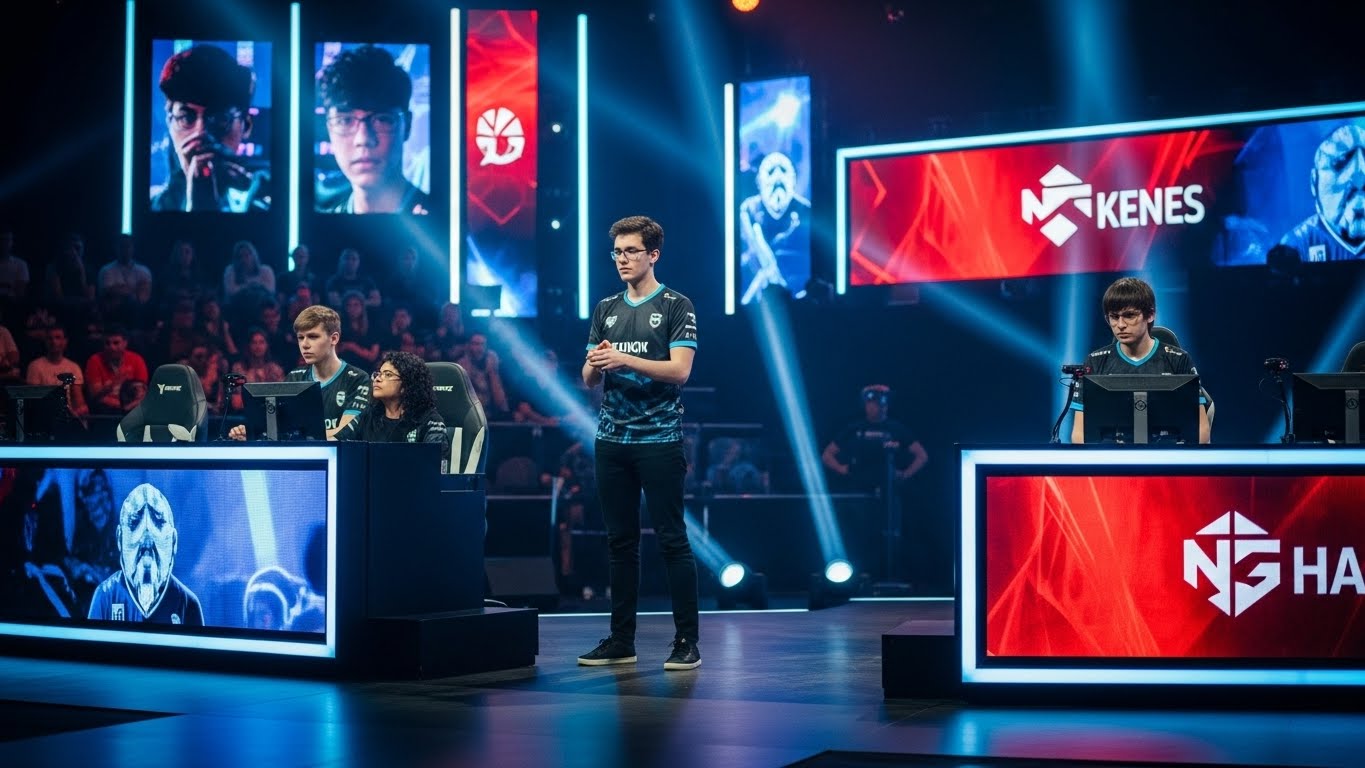
The economics of esports are staggering. Prize pools for major tournaments can reach tens of millions of dollars. Teams function like traditional sports organizations, complete with coaches, analysts, training facilities, and even talent scouts. Revenue streams include sponsorships, advertising, merchandise, media rights, and in-game purchases tied to esports events.
Many major brands have entered the esports space, recognizing its influence on younger demographics. Companies from diverse industries such as energy drinks, tech manufacturers, automotive brands, and even financial institutions invest in teams and events. This influx of corporate support boosts the industry and increases its legitimacy.
Job opportunities in esports have expanded far beyond the players themselves. Commentary, event production, coaching, management, marketing, content creation, and analytics all play crucial roles. Esports is no longer a small sector; it is an ecosystem.
The Rise of Professional Players
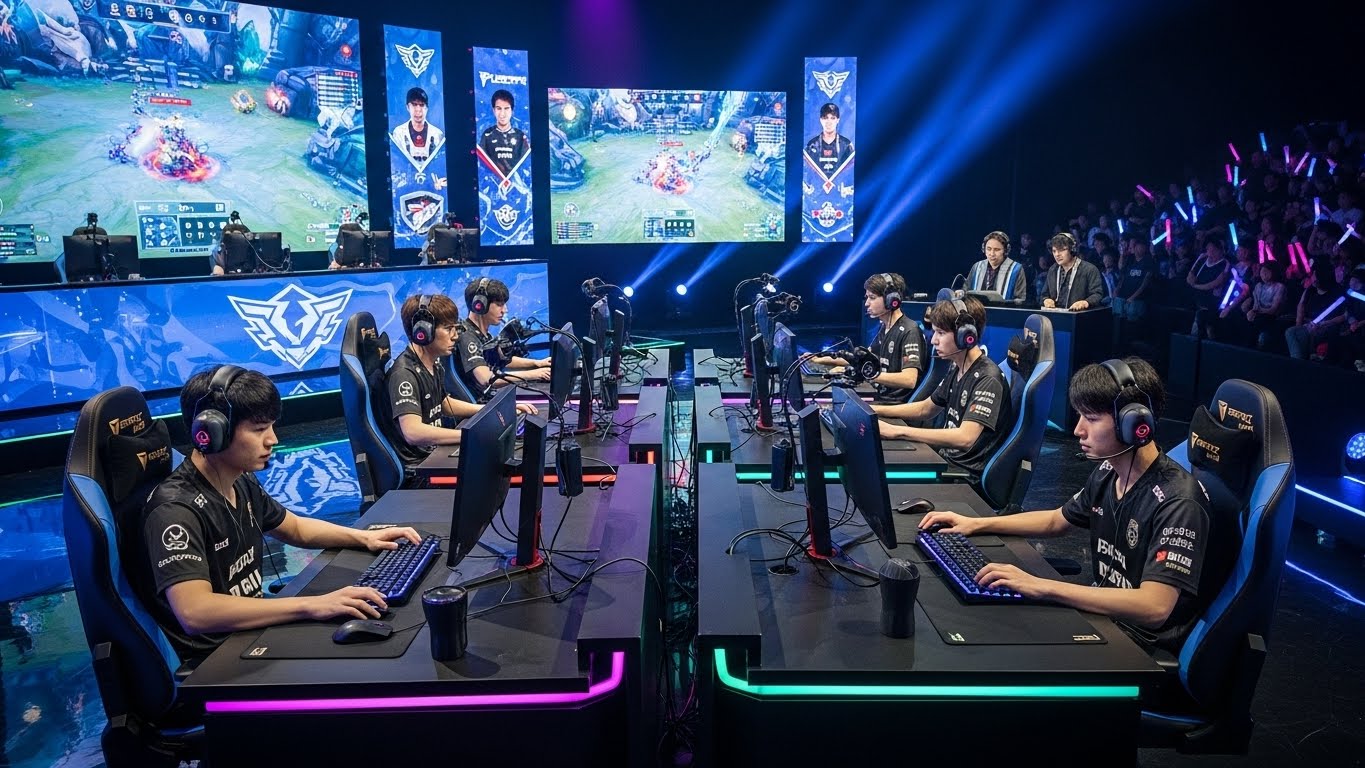
Being a professional esports player requires dedication, discipline, and hours of practice each day. These athletes develop game sense, strategy, communication skills, and mental endurance. While some may doubt whether gamers can truly be called athletes, the level of commitment and competition involved leaves no room for debate.
Players often begin training at a young age, sometimes even before their teens. Like in traditional sports, only a small percentage reach the top. Those who do can earn significant incomes from team salaries, sponsorships, tournament winnings, and streaming revenue.
However, the esports career lifespan can be short. Reflexes peak early, and burnout is a real concern. As a result, many former players transition into coaching, commentary, or content creation. The industry supports long-term career paths, ensuring that talent and experience remain within the community.
Community at the Heart of Esports
No industry thrives without passion, and esports communities are among the most passionate in the world. Fans celebrate victories, form forums, follow updates, create content, and support their favorite teams with unwavering dedication. These communities drive engagement and keep games alive long after their release.
Many popular esports titles remain competitive for years or even decades because of their strong communities. Regular updates, tournaments, and content expansions keep players engaged. This level of community involvement ensures that esports is not merely a form of entertainment but a lifestyle for many.
Education and Youth Development
Esports has entered the educational world in impressive ways. High schools and universities now offer esports teams, scholarships, and even specialized programs focused on gaming strategy, game design, and digital media. This shift acknowledges that esports is more than just playing games. It teaches teamwork, communication, quick decision-making, and problem-solving.
Some schools incorporate esports into their curriculum to engage students in STEM fields. The strategic nature of many esports titles fosters critical thinking and pattern recognition, skills that are valuable across multiple professions.
The presence of esports in education also helps reduce the stigma around gaming. Parents and teachers increasingly view it as a path to legitimate careers, both within and outside the gaming industry.
Technology’s Role in Esports Growth
Advancements in technology have fueled esports at every stage. High-speed internet, powerful gaming hardware, and sophisticated software make competitive gaming accessible worldwide. Game developers design titles specifically for competitive play, ensuring balance, fairness, and replayability.
Additionally, virtual reality, augmented reality, and artificial intelligence are slowly making their way into esports. These technologies may redefine how games are played and how audiences engage. Imagine watching esports matches with immersive 3D perspectives or participating in interactive training sessions powered by AI. The possibilities are limitless.
Esports and Global Culture
Esports transcends borders. Players from different countries compete on equal footing, and fans unite regardless of language or nationality. International tournaments bring together diverse cultures and create global narratives. Just as the Olympics highlight athletic excellence, esports events celebrate digital mastery.
Countries like South Korea, China, the United States, and several European nations have become esports powerhouses, each contributing unique elements to the global scene. Government recognition is increasing, with some countries offering visas to esports athletes similar to traditional sports competitors.
Challenges Facing the Industry
Despite its success, esports faces challenges. Player burnout, mental health concerns, and the pressure of intense competition are major issues. The industry must continue developing support systems to ensure player well-being.
Cheating and match-fixing also pose risks. Maintaining integrity is essential for long-term sustainability. Strong regulations, transparent tournament practices, and technological safeguards help combat these issues, but constant vigilance is required.
Another challenge is inclusivity. While esports communities are vast, not all groups feel equally represented. Encouraging diversity among players, staff, and fans is crucial for expanding the industry’s reach and creating a welcoming environment for everyone.
The Future of Esports
The future of esports holds enormous potential. With mainstream media coverage growing and more companies investing, esports may soon rival or even surpass traditional sports in viewership and revenue. Games will evolve, new genres will emerge, and technology will continue to enhance both player experience and audience engagement.
Esports could become a household staple, with dedicated channels, global leagues, and widespread recognition. As younger generations grow up with gaming as a norm, esports will only become more ingrained in culture.
Conclusion
Esports is no longer just competitive gaming. It is a global movement reshaping entertainment, education, technology, and culture. From small gatherings in arcades to massive arenas buzzing with fans, esports has transformed into a digital powerhouse driven by passion, skill, and innovation.
As this dynamic industry continues to grow, it promises new opportunities and challenges. But one thing is clear: esports is here to stay, and its influence on the world will only deepen. Whether you are a player, fan, or curious observer, now is the perfect time to witness the evolution of this modern phenomenon.