arenatribe36
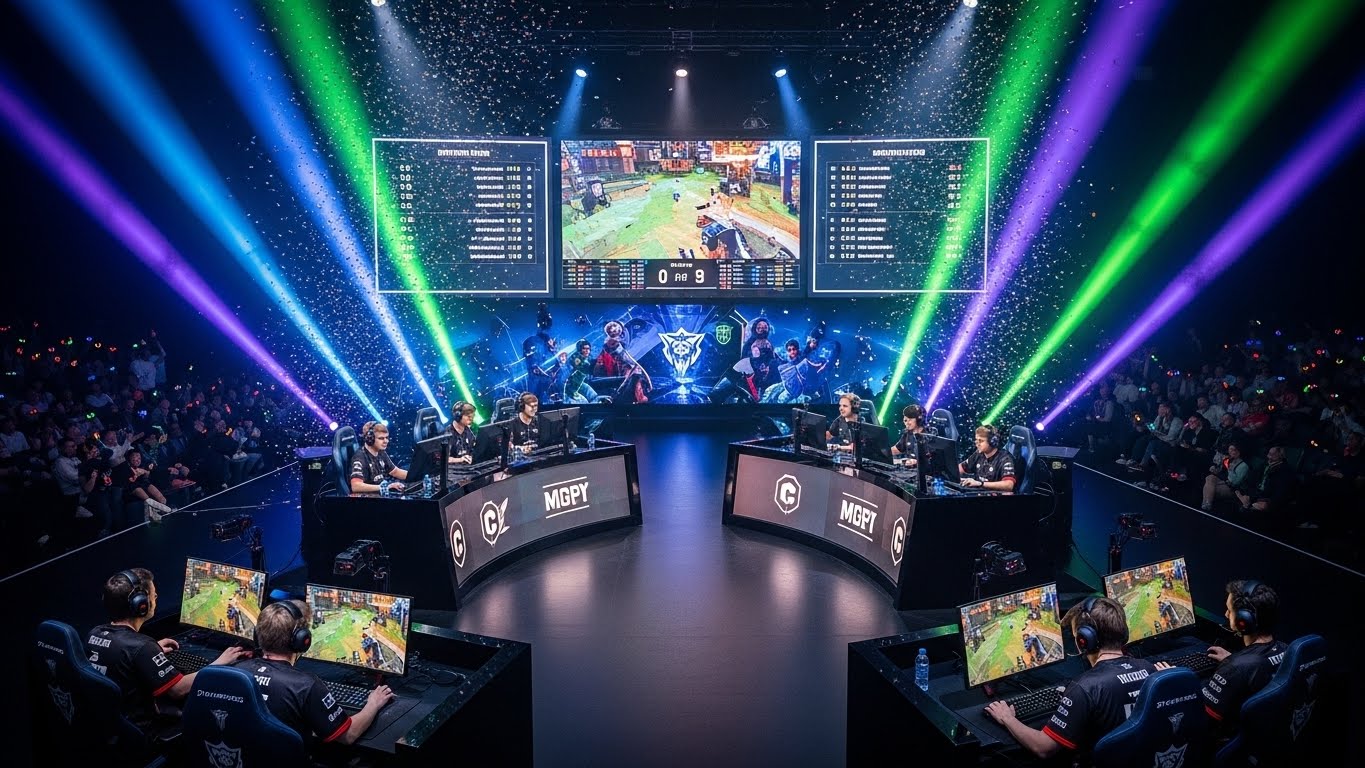
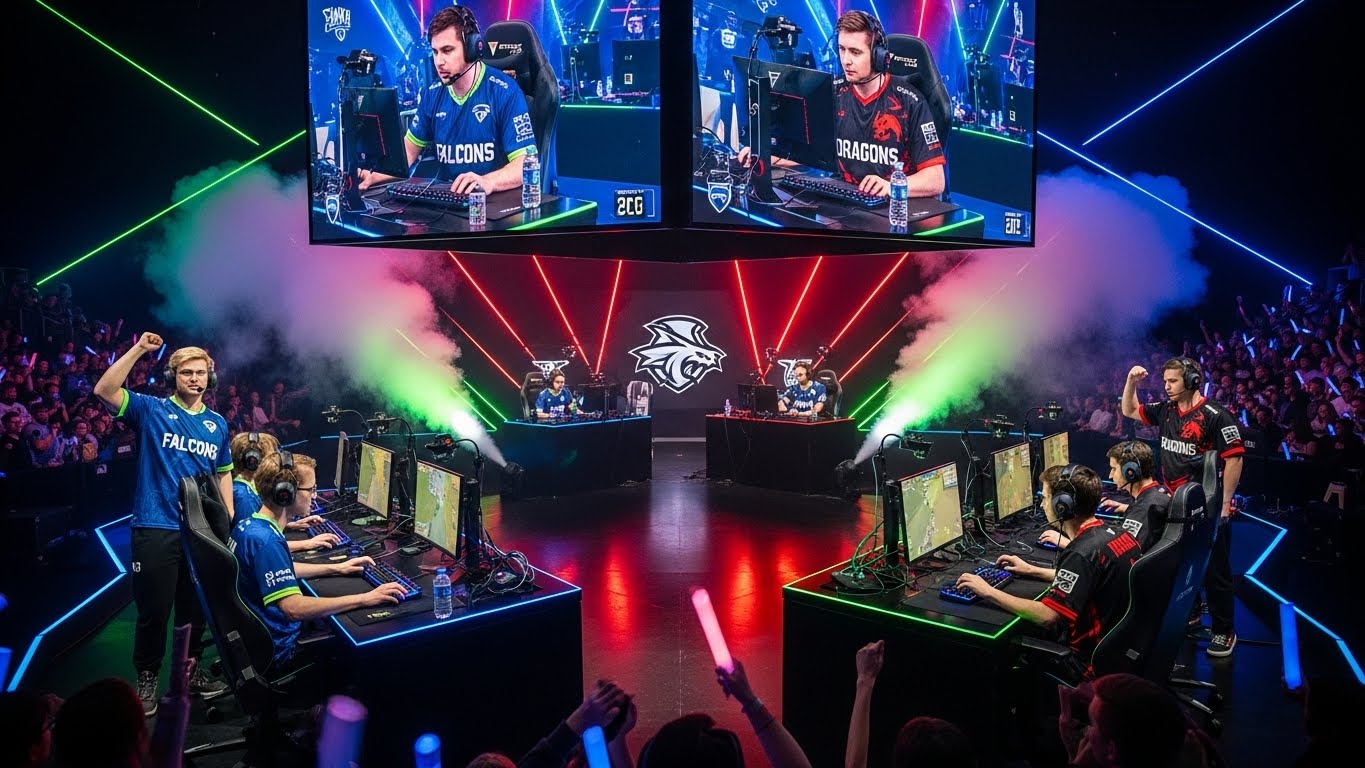
Esports, or electronic sports, has grown from a niche pastime into a global phenomenon that captivates millions of fans worldwide. What was once considered merely playing video games has evolved into a highly competitive, professional industry, complete with athletes, leagues, and massive tournaments. This transformation has not only changed the perception of gaming but has also redefined entertainment, culture, and even career opportunities in the 21st century.
The Origins of Esports
The concept of competitive gaming dates back to the 1970s and 1980s with early arcade tournaments. Games like Space Invaders, Pac-Man, and Donkey Kong brought together enthusiasts who competed for high scores and local recognition. During the 1990s, the rise of the internet and multiplayer games allowed players to compete globally, marking a turning point in esports. Games such as StarCraft and Counter-Strike became the first titles to create professional competitive scenes, laying the groundwork for the industry as we know it today.
Esports as a Professional Career
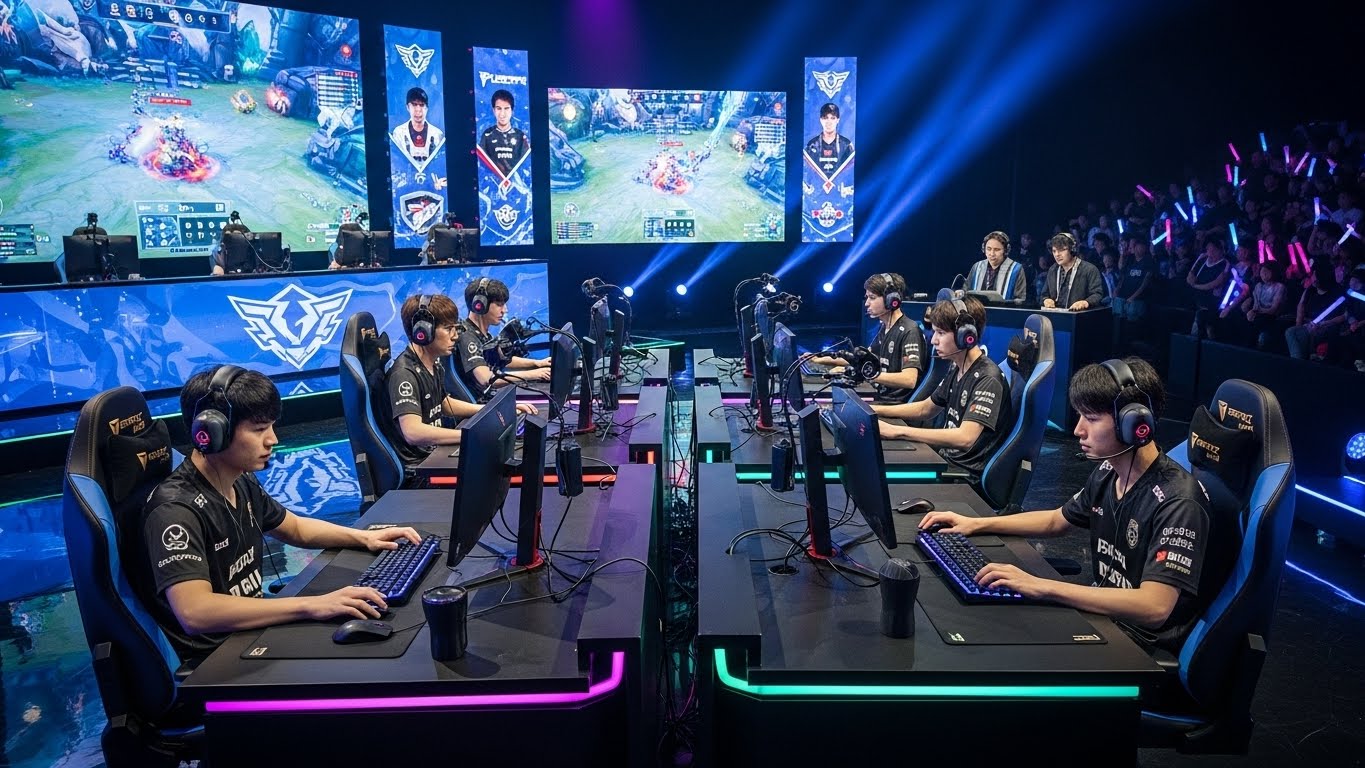
In the past, gaming was seen as a hobby or casual pastime. Today, professional esports players dedicate hours each day to perfecting their skills. These athletes train rigorously, analyze opponents, and develop strategies just like traditional sports professionals. Esports organizations function like conventional sports teams, offering coaching staff, nutrition plans, and psychological support. The rewards are significant: top players can earn salaries, endorsements, and prize money that rival those of traditional athletes, proving that esports is a legitimate career path.
Popular Game Genres in Esports
Esports encompasses a wide range of game genres, each requiring unique skills and attracting different audiences. Multiplayer Online Battle Arena (MOBA) games such as League of Legends and Dota 2 demand teamwork, strategic planning, and quick decision-making. First-Person Shooters (FPS) like Counter-Strike: Global Offensive and Call of Duty emphasize precision, reflexes, and tactical coordination. Fighting games, racing simulations, and sports-based video games, including FIFA and NBA 2K, offer competitive experiences for players with diverse skill sets. This variety ensures that esports appeals to millions of gamers globally.
The Importance of Tournaments and Leagues
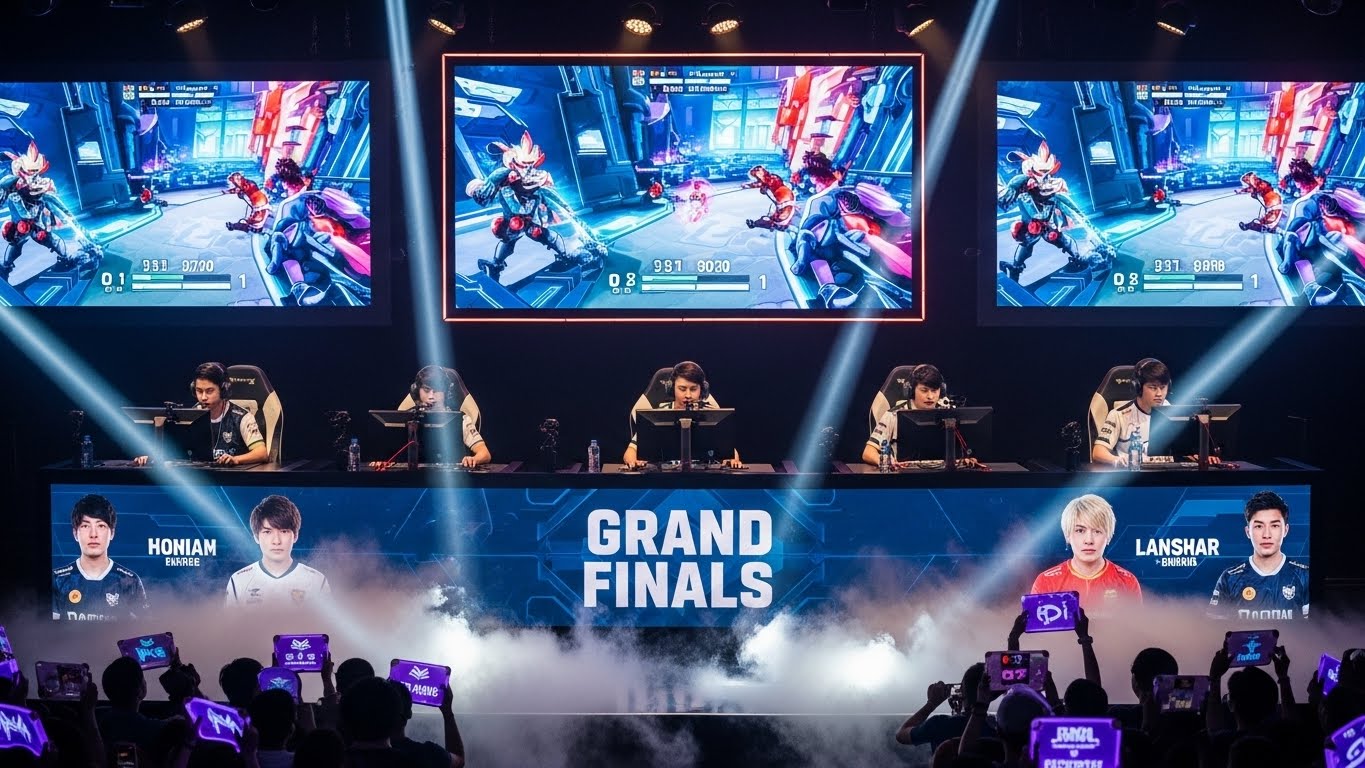
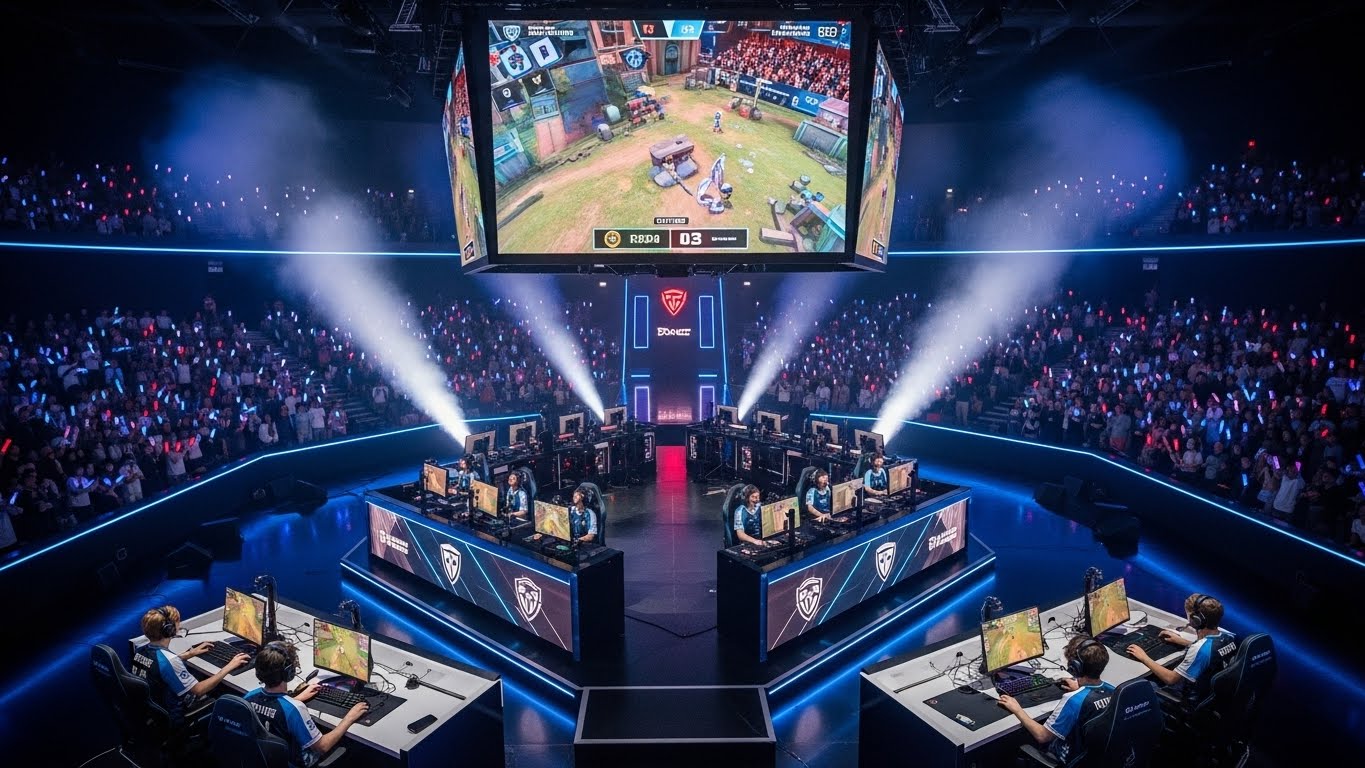
Tournaments and leagues are central to esports, providing structured competitions and opportunities for fan engagement. Major events such as The International for Dota 2, the League of Legends World Championship, and the Fortnite World Cup attract massive audiences and offer multi-million-dollar prize pools. Leagues, modeled after traditional sports, create regular competition and foster team rivalries, which help maintain audience interest throughout the year. These competitions also generate significant revenue through sponsorships, media rights, and merchandising.
Streaming Platforms and Audience Engagement
Streaming platforms have played a crucial role in the growth of esports. Services such as Twitch, YouTube Gaming, and Facebook Gaming allow players to broadcast gameplay in real time, interact with viewers, and build communities. Fans can watch tournaments live, follow their favorite players, and even engage in chats and discussions during gameplay. Streaming has created a unique ecosystem where professional competition, casual gaming, and entertainment converge, giving esports a cultural and social dimension beyond the games themselves.
Economic Impact of Esports
The economic footprint of esports is substantial. The industry generates billions of dollars annually through sponsorships, advertising, ticket sales, media rights, and merchandise. Global brands from technology, fashion, and food industries actively invest in esports due to its influence over younger demographics. Furthermore, the growth of esports has stimulated related industries, such as gaming hardware, content creation, event management, and esports education programs. The economic impact of esports demonstrates its significance far beyond just entertainment.
Esports and Education
Esports is also making inroads into education. Many universities now offer esports programs that provide scholarships, professional training, and academic courses on game design, marketing, and team management. These programs help students develop skills such as teamwork, leadership, strategic thinking, and communication. By integrating esports into formal education, institutions recognize the value of competitive gaming as both a learning tool and a potential career path.
Social and Cultural Significance
Esports has reshaped social interactions and cultural trends. Online tournaments and gaming communities connect people worldwide, fostering collaboration and friendships across borders. Gaming conventions, fan gatherings, and live events create a shared cultural experience that unites fans around their favorite games and players. Additionally, esports influences fashion, music, and entertainment, becoming a cultural force that shapes modern youth identity and digital culture.
Challenges in the Esports Industry
Despite its rapid growth, esports faces several challenges. Player burnout is a major concern, as the pressure to perform and maintain rigorous schedules can impact mental health. Issues such as cheating, match-fixing, and fairness in competition also need to be addressed to maintain the integrity of the sport. Moreover, disparities in access to technology, high-speed internet, and advanced gaming equipment can limit opportunities for players in certain regions. Addressing these challenges is crucial for ensuring the long-term sustainability of esports.
Technological Advancements Driving Esports
Technology continues to shape the future of esports. Innovations in virtual reality, augmented reality, and artificial intelligence are enhancing gameplay experiences and fan engagement. High-performance gaming hardware, faster internet speeds, and cloud gaming platforms are making competitive gaming more accessible and immersive. As technology advances, esports will continue to push the boundaries of what is possible in digital competition and entertainment.
The Future of Esports
The future of esports is bright and full of potential. Expanding markets in Asia, South America, and the Middle East provide new opportunities for players, teams, and sponsors. Cross-industry collaborations with traditional sports, music, and entertainment further enhance visibility and legitimacy. Esports is likely to become increasingly integrated into mainstream culture, with more recognition for professional players, larger tournaments, and enhanced fan experiences. The trajectory of esports points to continued growth and influence worldwide.
Why Esports Matters
Esports matters because it represents the evolution of competition, entertainment, and human connection in a digital age. It empowers individuals to pursue their passions, builds global communities, and drives innovation across industries. Beyond the games themselves, esports cultivates skills such as strategic thinking, teamwork, and resilience. It challenges traditional definitions of sport and performance while offering opportunities for diverse voices and talents. Esports is not just a pastime; it is a transformative cultural and professional movement.
Conclusion
Esports has transformed from a small-scale hobby into a global spectacle with significant cultural, economic, and social impact. From early arcade tournaments to massive international competitions, esports continues to redefine the concept of competitive entertainment. With professional careers, educational programs, and technological innovations, esports offers opportunities and experiences that extend far beyond traditional gaming. As the industry grows and evolves, it will continue to shape culture, inspire new generations, and redefine what it means to compete in the digital era.