arenatribe36
Introduction
In the past few decades, the world of entertainment and sports has experienced a monumental transformation. Traditional sports like football, cricket, and basketball have long dominated global attention, but a new form of competition has emerged that has captured the imagination of millions across the globe. This phenomenon is called Esports—short for electronic sports. What began as friendly matches between gamers has evolved into a multibillion-dollar global industry that draws massive audiences, corporate sponsorships, and professional athletes who train, compete, and inspire just like traditional sports stars.
Esports has become a symbol of the modern era, where technology, skill, and creativity converge. It has changed the way people perceive gaming, turning it from a hobby into a profession and a cultural movement. To understand Esports, one must explore its origins, growth, impact, and future potential.
The Origins of Esports
The story of Esports dates back to the early 1970s when video games were first becoming a part of popular culture. The first known video game competition took place in 1972 at Stanford University, where students competed in the game Spacewar! for a subscription to Rolling Stone magazine. Though modest, this event marked the birth of competitive gaming.
As technology advanced, the 1980s brought arcade gaming to mainstream audiences. Titles like Pac-Man, Donkey Kong, and Street Fighter introduced the concept of high scores and competition. Players would gather in arcades to challenge one another, striving to have their initials displayed on the leaderboard. This era laid the foundation for competitive gaming, fostering a culture of rivalry, skill, and recognition.
The 1990s saw the introduction of local area network (LAN) gaming. Games such as Quake, StarCraft, and Counter-Strike became pioneers in multiplayer competition. The rise of the internet allowed gamers to connect globally, creating communities that would eventually evolve into organized leagues and tournaments. This decade set the stage for what Esports would eventually become—a global digital sport.
The Growth of Esports in the 21st Century
With the arrival of the 2000s, Esports began to grow at an exponential rate. The combination of faster internet connections, streaming technology, and advanced graphics created the perfect environment for online competition. Games like Dota, League of Legends, Call of Duty, and Counter-Strike: Global Offensive became household names among gaming enthusiasts.
The launch of streaming platforms, especially those that allowed players to broadcast live gameplay, revolutionized the industry. Suddenly, anyone with an internet connection could watch professional gamers compete in real-time, similar to watching a football or cricket match. This accessibility helped Esports gain a massive following across continents.
By the 2010s, Esports tournaments were attracting millions of viewers. Major events like The International, League of Legends World Championship, and Fortnite World Cup began offering prize pools worth millions of dollars. Teams were sponsored by major corporations, players were treated as celebrities, and gaming organizations emerged as powerful brands.
Professionalism and Structure in Esports
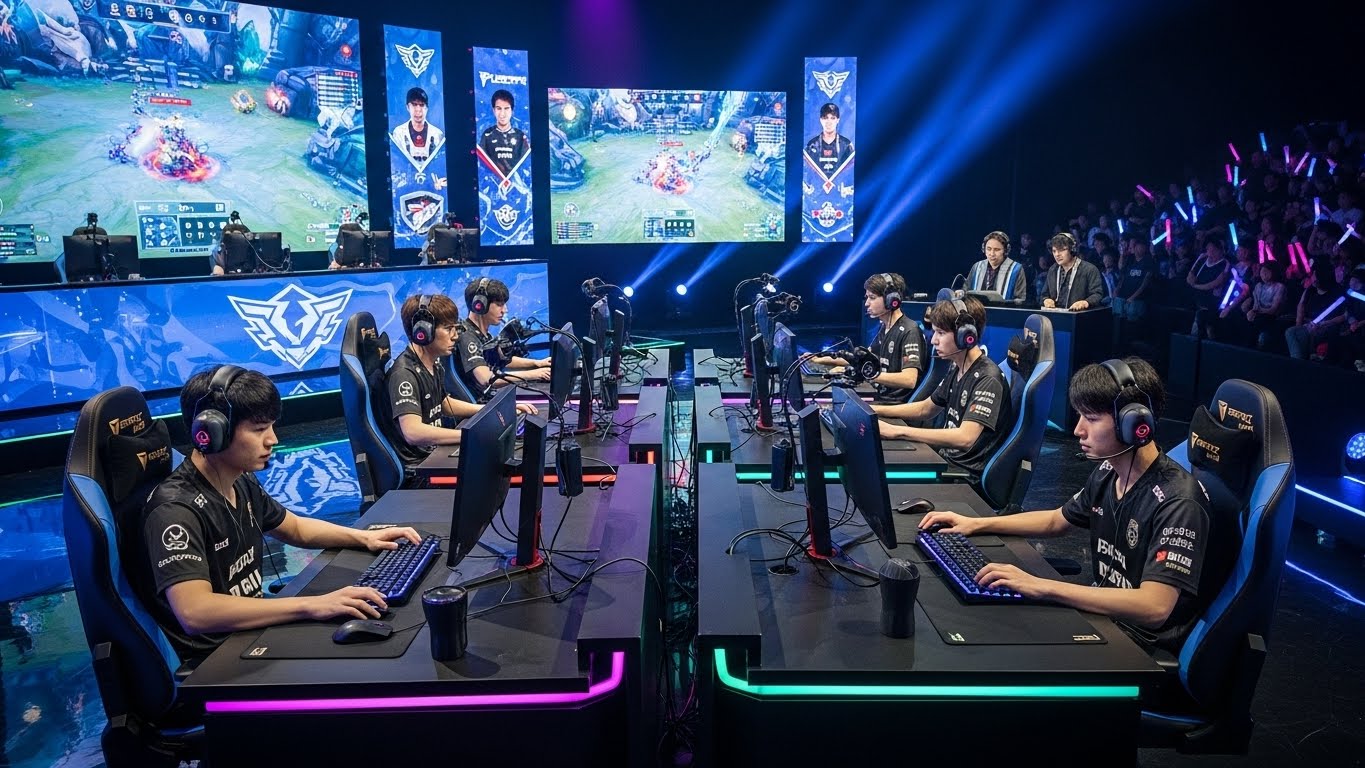
The rise of Esports professionalism has paralleled that of traditional sports. Today, Esports organizations recruit players, coaches, analysts, and even nutritionists to ensure peak performance. Players train for hours daily, developing strategies, teamwork, and reflexes to compete at the highest level.
Esports tournaments are now organized in structured formats with leagues, divisions, and playoffs. Major Esports titles have their own global circuits, where teams represent different regions and compete for international glory. Countries like South Korea, China, and the United States have established themselves as Esports powerhouses.
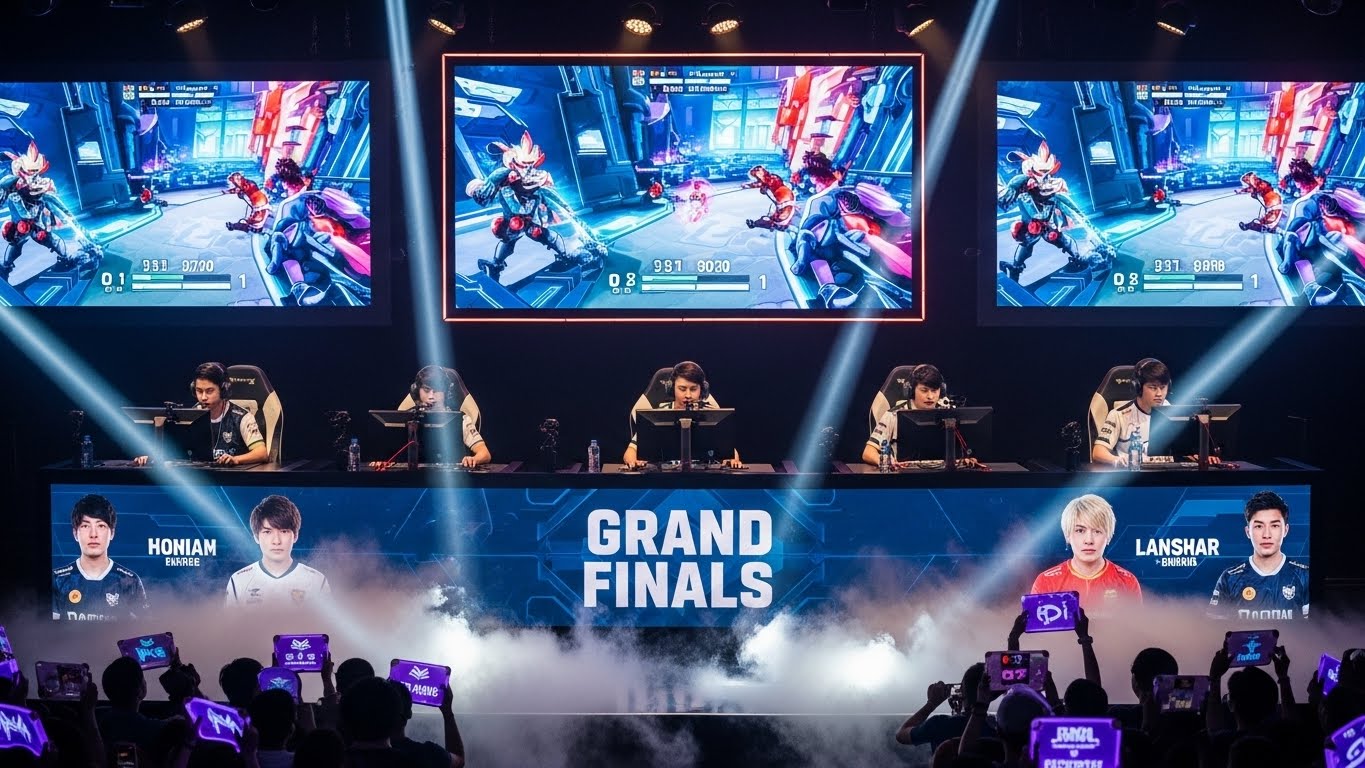
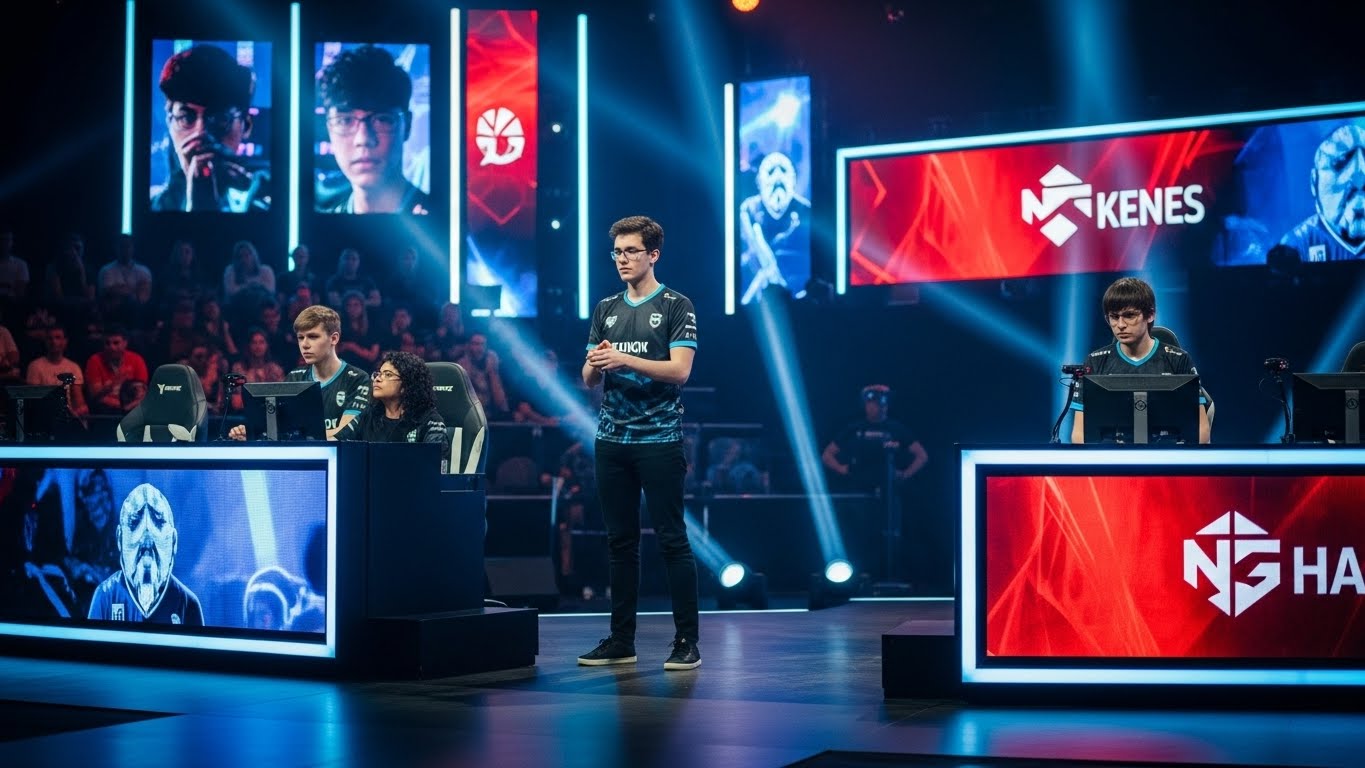
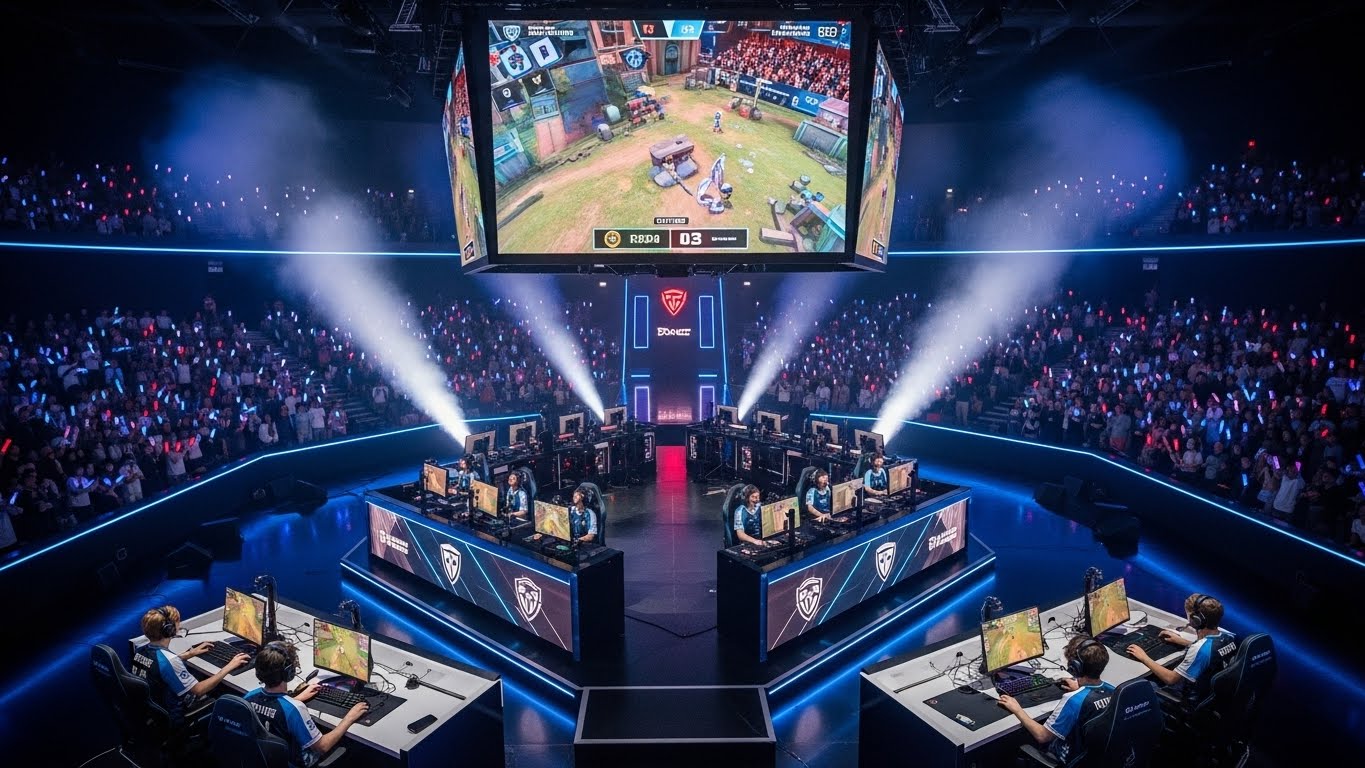
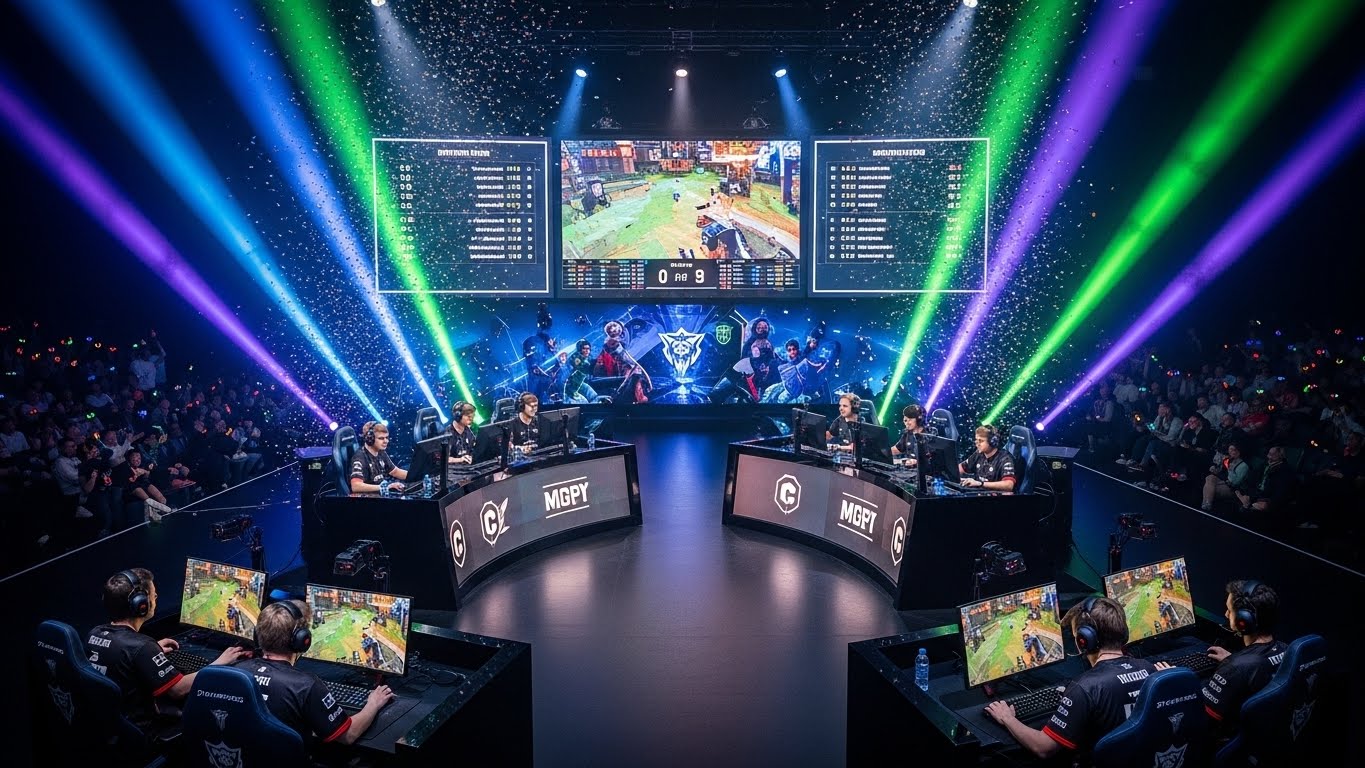
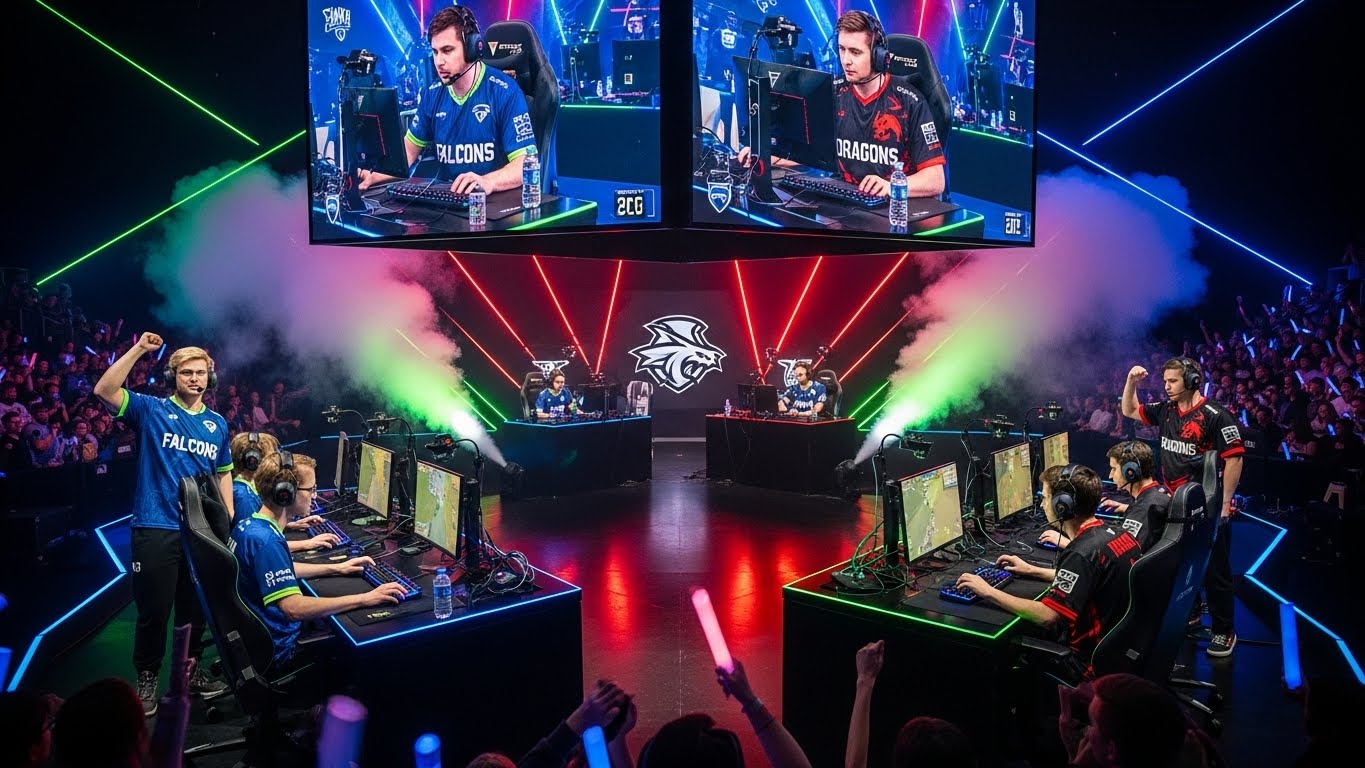
The infrastructure surrounding Esports has also matured. Dedicated Esports arenas have been built in various cities, hosting live events that attract thousands of fans. The production value of these tournaments rivals that of traditional sporting events, complete with commentators, analysis desks, and elaborate stage setups.
The Cultural Impact of Esports
Esports is more than just competition; it has become a cultural movement that defines modern youth and digital entertainment. It represents creativity, innovation, and community. Through Esports, people from different backgrounds come together to celebrate their shared passion for gaming.
In many ways, Esports has helped bridge the gap between technology and entertainment. It has also changed perceptions about gaming. What was once seen as a pastime for teenagers is now recognized as a legitimate career path. Educational institutions in several countries now offer scholarships for Esports players, and some universities have even established Esports programs and teams.
Moreover, Esports has contributed significantly to social interaction in the digital age. Online gaming communities are spaces where friendships form, teamwork develops, and people collaborate despite geographical distances. In an increasingly connected world, Esports exemplifies how technology can create global unity through shared experiences.
Economic Impact and Opportunities
The financial scale of Esports is staggering. Industry reports have consistently shown growth in revenue from sponsorships, advertising, media rights, and merchandise sales. Esports tournaments draw large audiences, both online and offline, making them attractive to brands seeking engagement with younger demographics.
For players and teams, the opportunities are immense. Professional Esports athletes earn salaries, sponsorships, and streaming income. Successful players can achieve celebrity status, attracting fans from around the world. Meanwhile, gaming organizations have become valuable assets, with some being worth millions of dollars.
Beyond players, Esports creates opportunities in broadcasting, event management, marketing, game design, and data analytics. The industry’s ecosystem supports thousands of professionals across different fields, reflecting how deeply Esports has integrated into the global economy.
The Role of Technology in Esports Evolution
Technology is the lifeblood of Esports. Advances in hardware, software, and connectivity have directly shaped the way games are played and experienced. High-performance computers, gaming peripherals, and low-latency internet connections have allowed players to compete at extraordinary levels of precision and speed.
Streaming platforms have played an especially vital role. They have turned Esports into a form of interactive entertainment where viewers can chat, react, and support their favorite players in real time. This direct connection between fans and players distinguishes Esports from traditional sports broadcasting.
Virtual reality (VR) and augmented reality (AR) are now being explored to enhance the gaming experience further. These technologies promise to make Esports even more immersive, creating new types of competitive formats and viewer engagement methods. Artificial intelligence and data analytics are also being integrated to help players improve their performance and teams optimize strategies.
Esports and Education
The relationship between Esports and education has grown stronger over time. Educational institutions have recognized the value of gaming as a tool for developing cognitive skills, teamwork, and leadership. Schools and universities have begun offering Esports programs that combine gaming with academic learning, promoting a balanced approach to both competition and education.
Such initiatives encourage students to see gaming as more than entertainment. It becomes a gateway to developing problem-solving skills, communication abilities, and career opportunities in game development, broadcasting, and technology. Esports scholarships are now a reality, providing talented players with the chance to pursue both academic and gaming excellence.
The Psychology of Esports
Behind the screen and controller lies a world of mental strength and strategy. Esports demands exceptional concentration, quick decision-making, and emotional resilience. Players often face immense pressure during high-stakes matches, where milliseconds can determine victory or defeat.
Mental health awareness has become an essential part of the Esports conversation. Many teams employ psychologists to help players manage stress, maintain focus, and balance their personal lives with their competitive careers. The psychological component of Esports underscores its similarity to traditional sports—both require discipline, perseverance, and a winning mindset.
Esports and Global Community
Esports is inherently global. Unlike most physical sports that rely on geography or local leagues, Esports transcends borders. Players from any part of the world can compete on the same platform, making it one of the most inclusive forms of competition.
Tournaments bring together participants from dozens of countries, fostering cross-cultural interaction and understanding. Language barriers often dissolve in the face of shared enthusiasm for gaming. The global reach of Esports makes it a symbol of digital unity and collaboration in a time when the world often feels divided.
Esports and Traditional Sports: A New Rivalry
The growing popularity of Esports has sparked comparisons with traditional sports. While some argue that Esports lacks the physical element of traditional athletics, others point out that it demands the same level of skill, preparation, and strategic thinking.
Traditional sports organizations have taken notice. Many major football clubs, basketball teams, and other sports franchises have established their own Esports divisions, investing in the digital future of competition. This crossover demonstrates that Esports is not replacing traditional sports but complementing them, offering new ways for fans to engage with their favorite teams and players.
Challenges Faced by Esports
Despite its rapid growth, Esports faces several challenges. One of the biggest concerns is the mental and physical well-being of players. Long hours of practice can lead to burnout and health issues. The industry is working toward promoting healthier habits and more balanced lifestyles for professional gamers.
Another challenge lies in maintaining fair competition. Issues such as cheating, match-fixing, and performance-enhancing software have occasionally surfaced, threatening the credibility of Esports. To combat this, organizations have established regulatory bodies to ensure integrity and transparency in tournaments.
Additionally, the volatility of game popularity presents another challenge. Unlike traditional sports that remain consistent over time, Esports titles can lose relevance as new games emerge. This means the industry must continuously adapt and innovate to sustain interest and growth.
The Future of Esports
Looking ahead, the future of Esports appears incredibly promising. As technology continues to advance, the boundaries between physical and digital sports will continue to blur. Virtual arenas, advanced analytics, and immersive viewer experiences will make Esports even more engaging and mainstream.
Experts predict that Esports will become a staple in global sporting events, potentially being recognized alongside the Olympics in the coming years. The growing professionalism, investment, and audience engagement suggest that Esports will continue its rise as a dominant force in global entertainment.
Esports is also likely to influence other industries such as education, healthcare, and marketing. Gamification concepts inspired by Esports are being used in corporate training, mental fitness programs, and brand promotions. The lessons of teamwork, persistence, and innovation learned through Esports can extend far beyond the gaming screen.
Conclusion
Esports has emerged as one of the defining cultural movements of the 21st century. From humble beginnings in arcades and college dorms to global stages filled with roaring crowds, it has transformed gaming into a respected, celebrated, and professional pursuit. Its influence extends far beyond competition—it shapes technology, education, entertainment, and even social interaction.
The journey of Esports is far from over. With every tournament, new champion, and innovation, the industry continues to push the boundaries of what sports and digital experiences can be. As it evolves, Esports stands as a testament to human creativity, skill, and the power of connection in the digital age.
In a world where pixels have become the new playing fields and controllers the new tools of athleticism, Esports is not just a pastime—it is the future of competition.