arenatribe36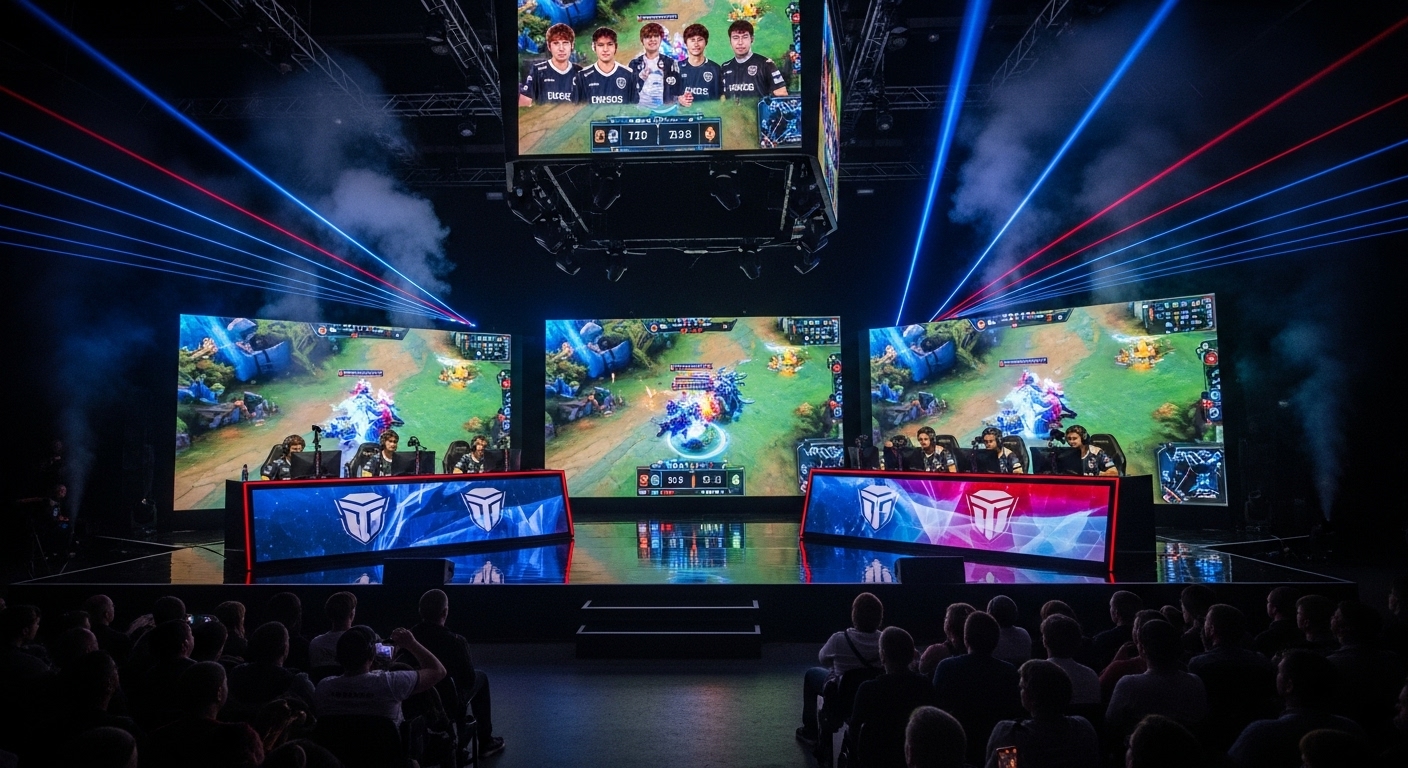
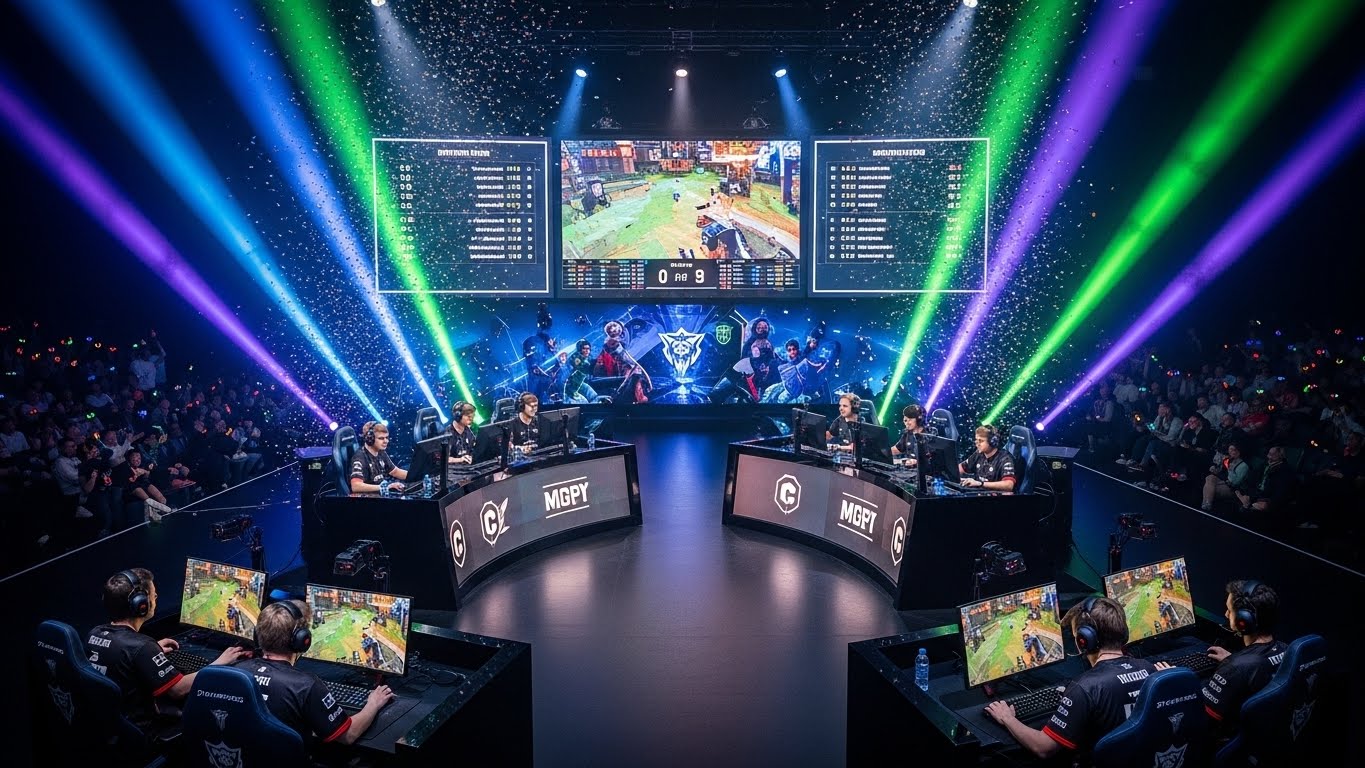
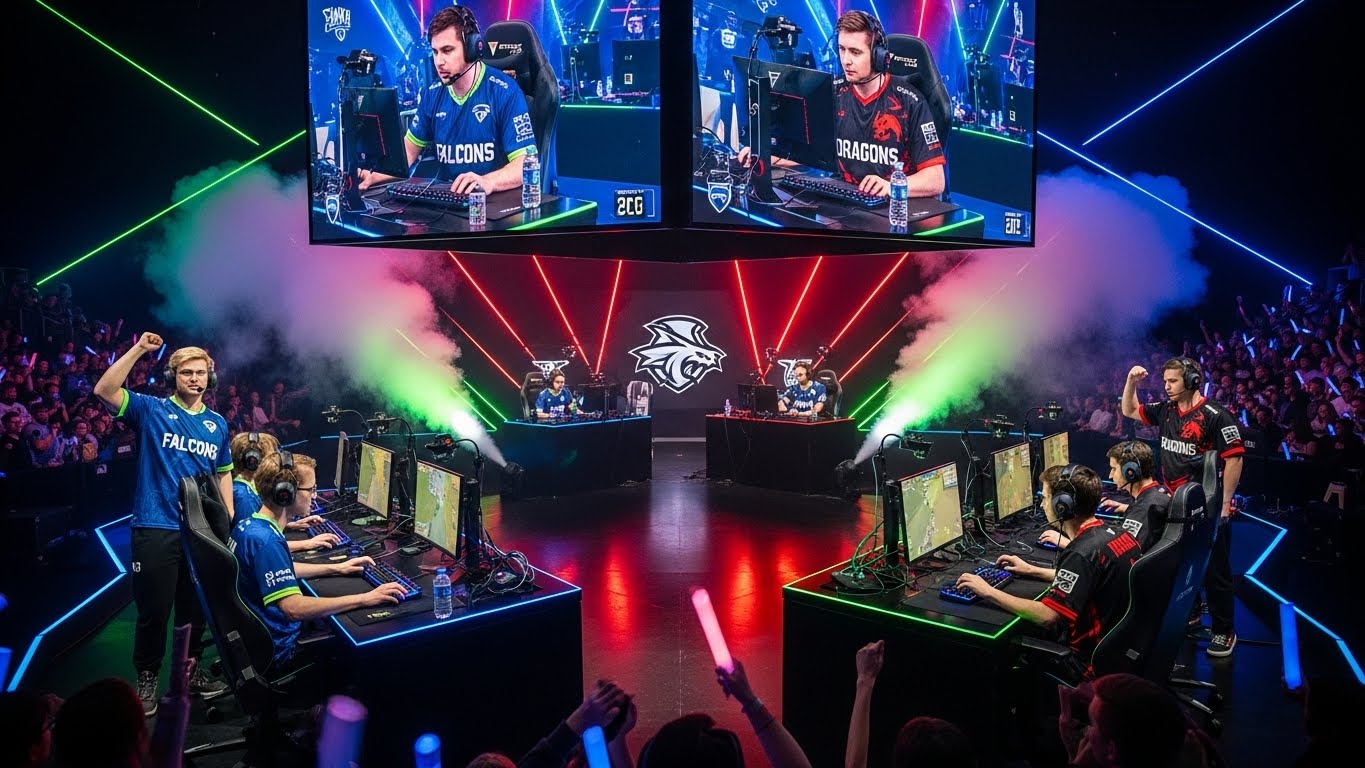
Esports is no longer a niche interest—it has evolved into a global phenomenon that combines competitive gaming, entertainment, and community on a scale never seen before. Once seen as a pastime for hobbyists and enthusiasts, esports has now become a legitimate career path, with professional leagues, multi-million-dollar sponsorships, and a rapidly growing fanbase. In this blog, we’ll explore the meteoric rise of esports, what makes it so appealing, and how it’s transforming the landscape of traditional sports and entertainment.
The Explosive Growth of Esports
Esports, short for electronic sports, refers to competitive video gaming where individuals or teams compete in organized tournaments, often with a professional level of play. Over the past decade, esports has experienced unprecedented growth, both in terms of viewership and financial investment. What was once a hobby for a few passionate gamers is now a thriving global industry.
In 2023, the global esports market was valued at over $1 billion, with projections for continued growth. This rise can be attributed to several factors, including advances in technology, improved access to high-speed internet, and the increasing popularity of streaming platforms like Twitch and YouTube. Today, major esports events attract millions of viewers worldwide, with high-profile tournaments drawing massive audiences comparable to traditional sports.
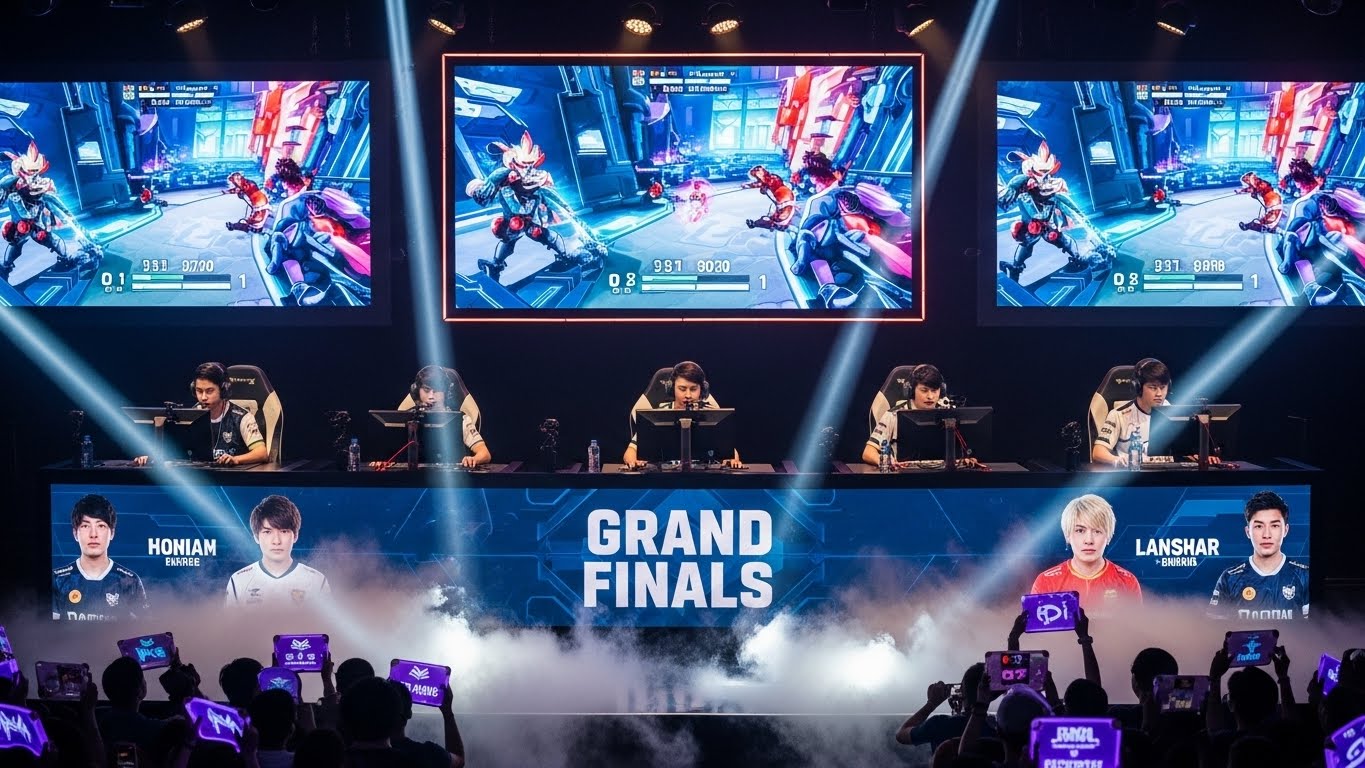
Esports is no longer just about playing games—it’s about creating an immersive entertainment experience. Major events, such as the League of Legends World Championship or The International for Dota 2, boast multi-million-dollar prize pools, global viewership, and sponsorships from some of the world’s biggest brands. This level of exposure has helped elevate esports from a hobby to a multi-billion-dollar industry that competes with traditional sports in terms of revenue and audience.
The Appeal of Esports: Skill, Strategy, and Spectacle
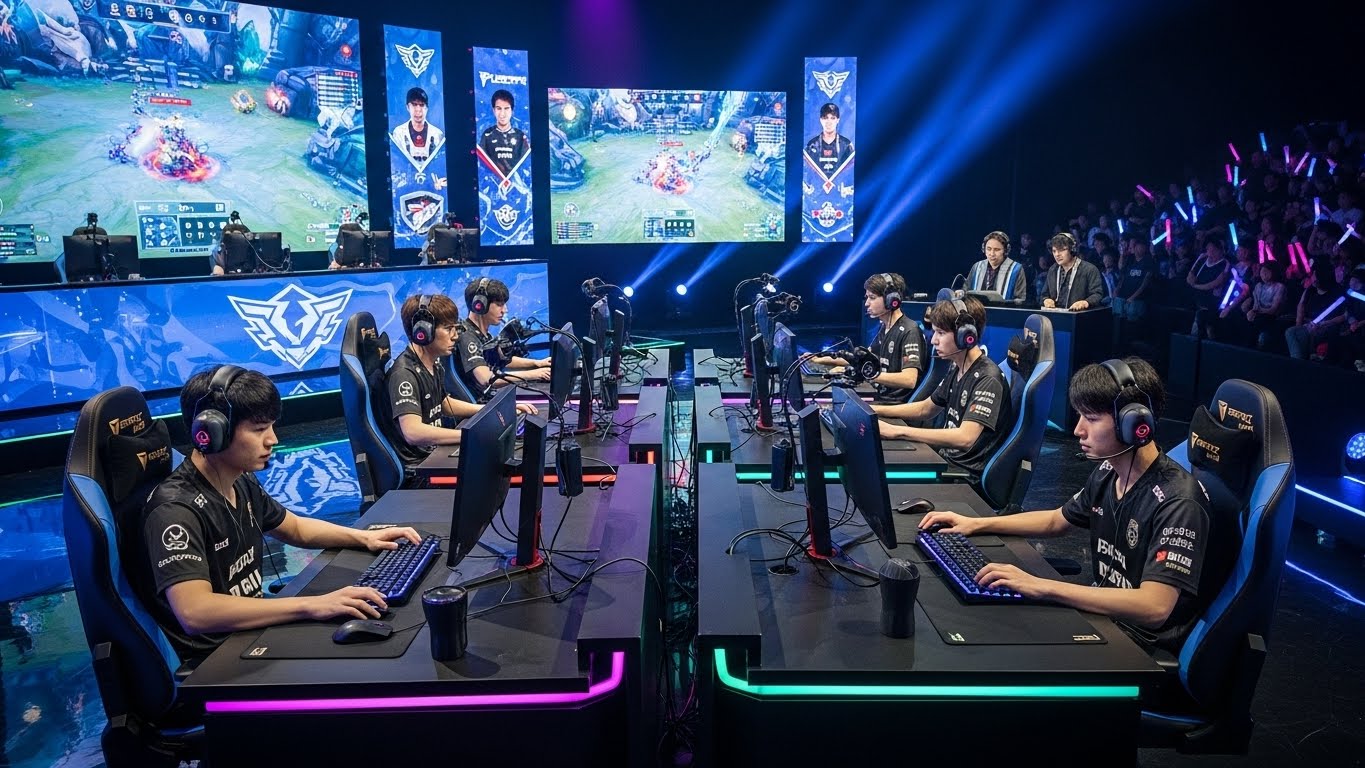
At the heart of esports is the thrill of competition. What sets esports apart from casual gaming is the level of skill, precision, and strategy required to excel. Professional esports players dedicate hours each day to perfecting their craft, much like athletes in traditional sports. The games are designed to challenge players’ mental acuity, reflexes, and teamwork, creating an exciting spectacle for both participants and spectators.
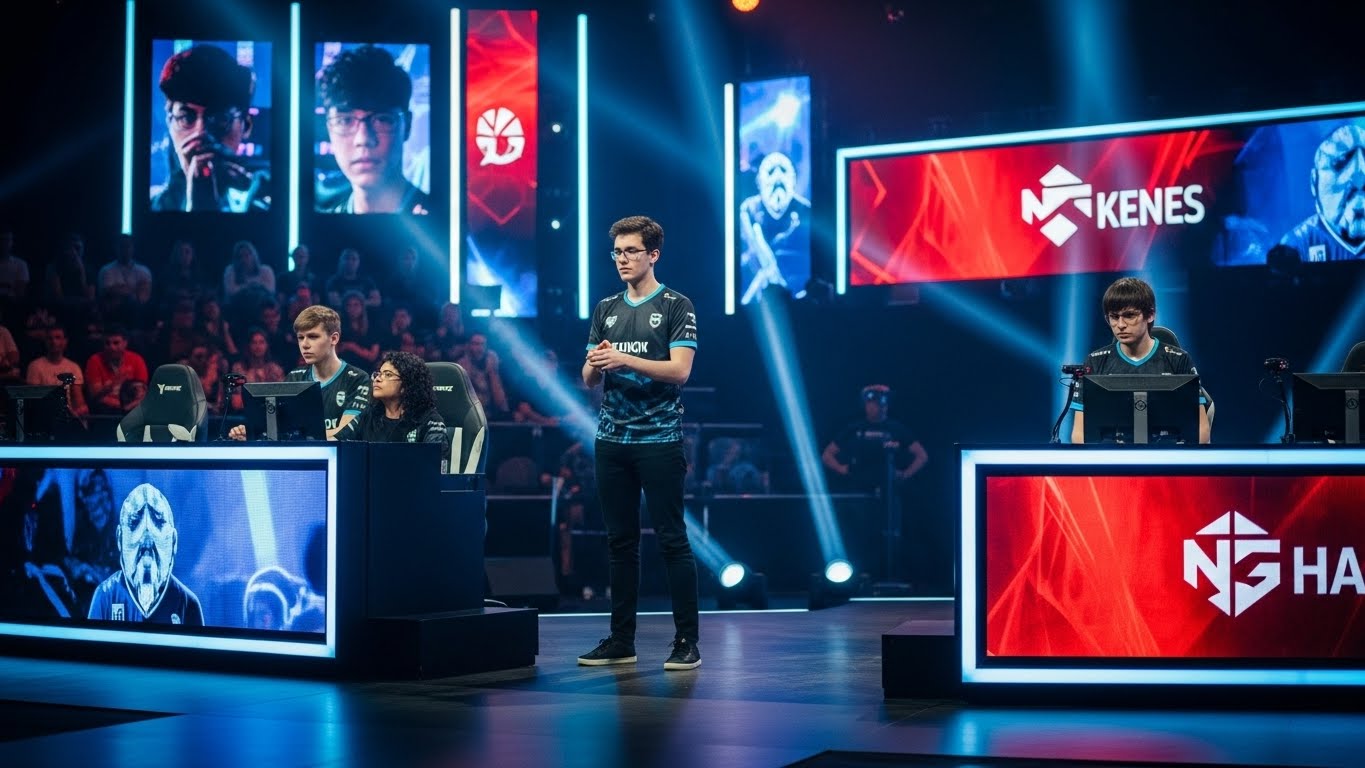
The appeal of esports is multifaceted. For players, the draw is the opportunity to prove their skills on a global stage, earn a living from their passion, and be part of an evolving community. For fans, esports offers a unique blend of excitement, drama, and spectacle. Much like watching a traditional sport, fans become emotionally invested in the outcomes of tournaments, cheering for their favorite teams and players, analyzing strategies, and celebrating victories.
Moreover, esports provides a sense of inclusivity. Anyone with access to a computer or console can participate, whether as a player, fan, or content creator. This has helped esports build an incredibly diverse and global community, with players and viewers from all walks of life, united by a shared love for gaming.
Esports as a Professional Career Path
One of the most intriguing aspects of esports is that it has opened up new career opportunities that didn’t exist just a decade ago. Professional players, coaches, analysts, broadcasters, and streamers can now make a career out of their passion for gaming. Major esports organizations, such as Cloud9, Team Liquid, and FaZe Clan, have created career pathways for players and staff alike, offering salaries, sponsorship deals, and performance bonuses.
Professional players, who compete in high-stakes tournaments and leagues, often earn salaries comparable to athletes in traditional sports. In addition to tournament winnings, many esports players sign endorsement deals, stream on platforms like Twitch, and create content for YouTube or social media. This has turned esports into a legitimate profession, with many young gamers aspiring to go pro and build a career out of their gaming skills.
Beyond players, there is a growing demand for various roles in the esports ecosystem. From content creators and event organizers to team managers and broadcasters, the rise of esports has created a booming job market. Many universities now offer esports scholarships and degree programs in areas like game design, event management, and esports marketing, providing educational pathways for those looking to enter the industry.
The Social Impact of Esports: Connecting Communities
Esports has brought people together in ways that were previously unimaginable. The digital nature of gaming allows players and fans from around the world to connect, collaborate, and compete in real-time. Through online platforms like Discord, Twitch, and social media, esports fosters communities where people can engage with one another, share their experiences, and form lasting friendships.
Esports has also made gaming more inclusive. Historically, gaming was seen as an activity dominated by young men, but today, the esports scene is welcoming people of all genders, ages, and backgrounds. Women, in particular, are carving out a significant presence in esports, both as players and in other professional roles. Female gamers are now represented in major tournaments, and esports organizations are taking steps to ensure greater representation and diversity within the industry.
Esports also serves as a platform for discussing important social issues. Gaming communities are increasingly using esports as a way to promote mental health awareness, inclusivity, and diversity. Various organizations are working to create safe and positive spaces for players and fans, free from toxicity and harassment. This cultural shift is helping to reshape the reputation of gaming, turning it into a space for collaboration, connection, and positive social impact.
Esports vs. Traditional Sports: A New Frontier
As esports continues to grow, many are asking: How does it compare to traditional sports? While there are clear differences—esports are digital, while traditional sports are physical—both share common elements, such as skill, strategy, teamwork, and fan engagement.
Esports has already begun to mimic many aspects of traditional sports. Leagues like the Overwatch League and Call of Duty League are structured similarly to professional sports leagues, with regular seasons, playoffs, and championships. In fact, some esports events, such as the League of Legends World Championship, have already surpassed traditional sports in terms of viewership, particularly among younger audiences.
Esports is also poised to become more mainstream, with the potential for inclusion in major events like the Olympics. While some may debate whether gaming qualifies as a “real” sport, the growing influence of esports cannot be ignored. With its ever-expanding fanbase, lucrative sponsorships, and global reach, esports has earned its place alongside traditional sports as a major cultural force.
The Future of Esports: Beyond Gaming
The future of esports looks incredibly bright. As technology continues to advance, esports will only become more immersive and accessible. Virtual reality (VR) and augmented reality (AR) have the potential to revolutionize the esports experience, allowing fans and players to interact in new and exciting ways. Streaming services will likely continue to evolve, offering even more ways for fans to engage with their favorite teams and players.
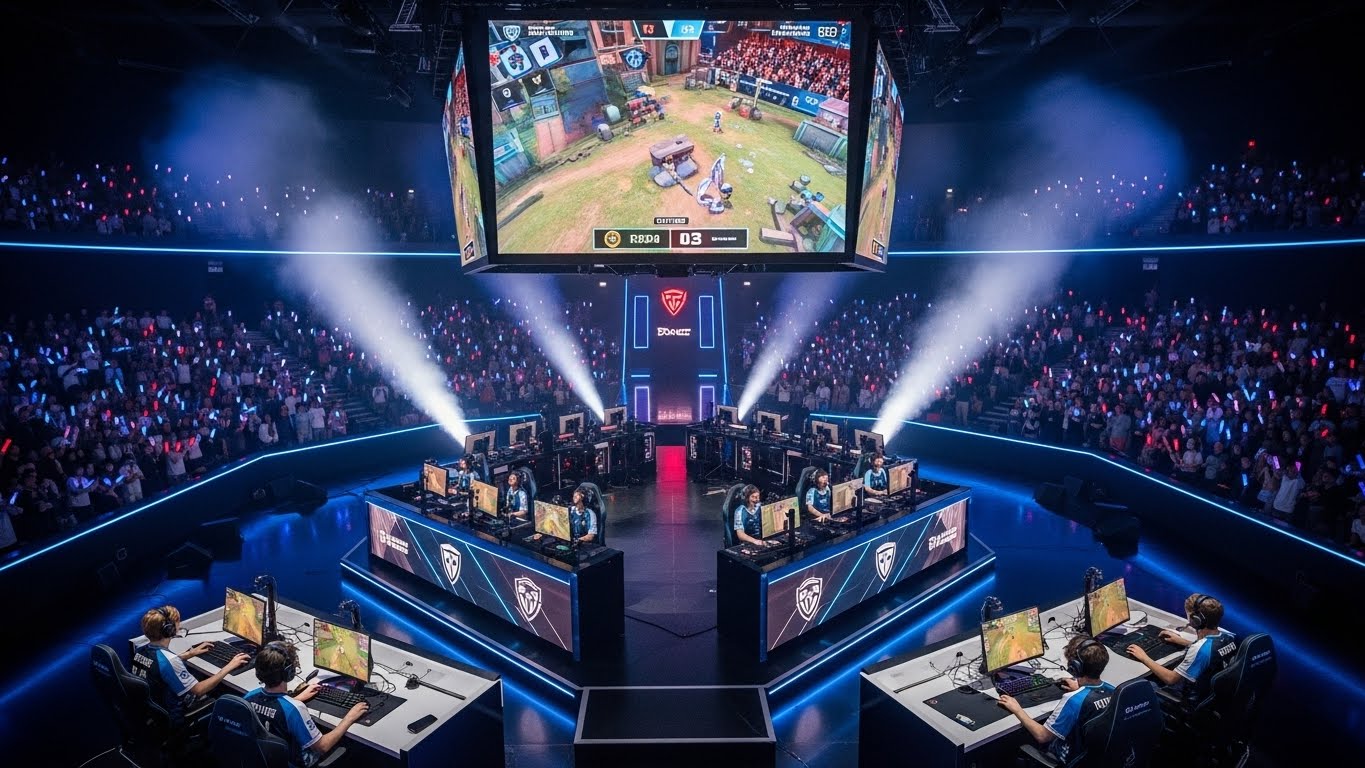
Esports will also continue to grow as a global industry. Countries around the world are investing in esports infrastructure, building arenas, and hosting international tournaments that attract millions of viewers. As the industry matures, new opportunities will arise for players, fans, and companies alike.
In the end, esports is more than just a game—it’s a cultural movement that has reshaped how we view competition, entertainment, and community. As the lines between gaming and traditional sports continue to blur, esports will play an increasingly important role in the entertainment landscape, offering new avenues for connection, career development, and personal expression.
Conclusion: Esports as a Cultural Force
Esports is not a passing trend; it’s a cultural force that is here to stay. With its growing global audience, professional career paths, and positive social impact, esports has cemented itself as an integral part of modern entertainment. As the industry continues to evolve, we can only imagine what the future holds for competitive gaming and the millions of people who are passionate about it. Whether you’re a player, a fan, or just a curious observer, one thing is clear: esports is changing the game.