arenatribe36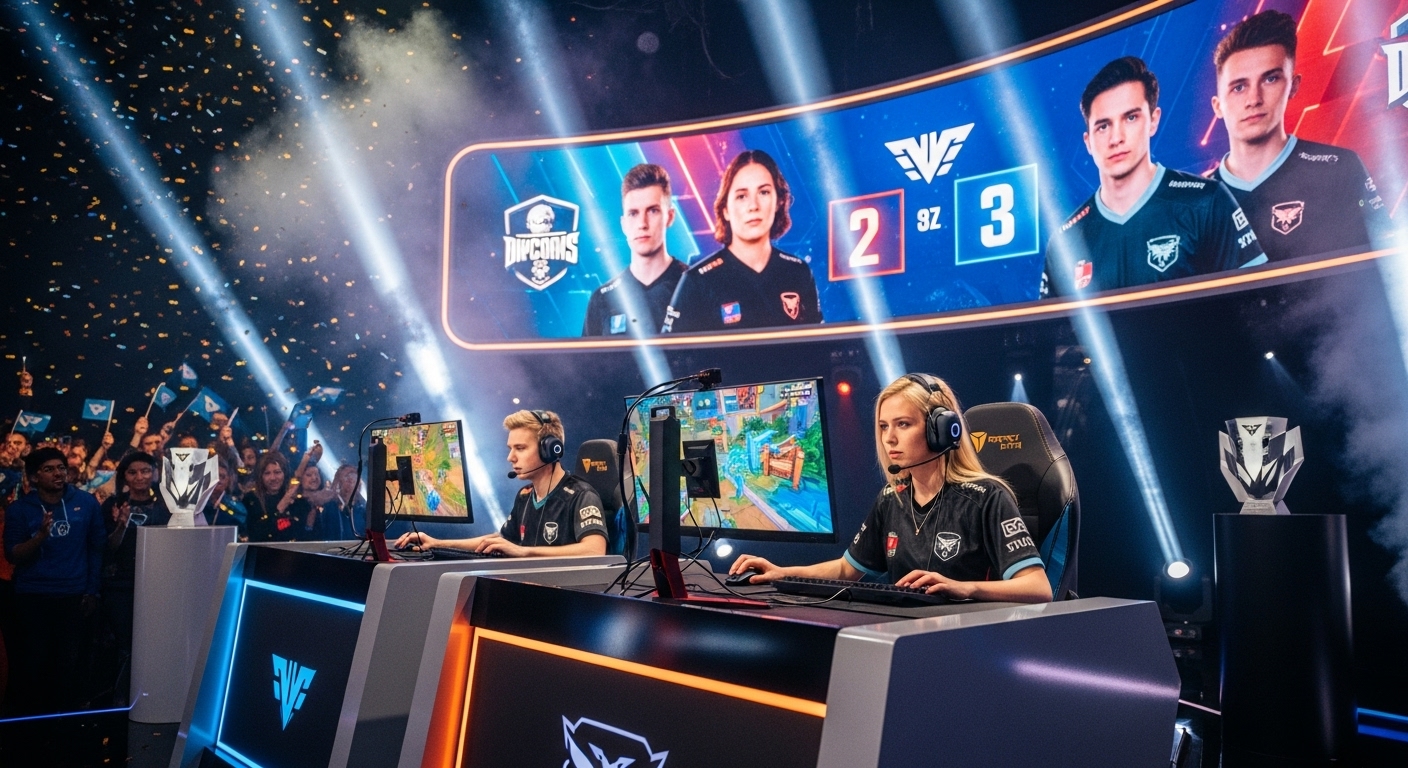
Introduction: Gaming Transformed
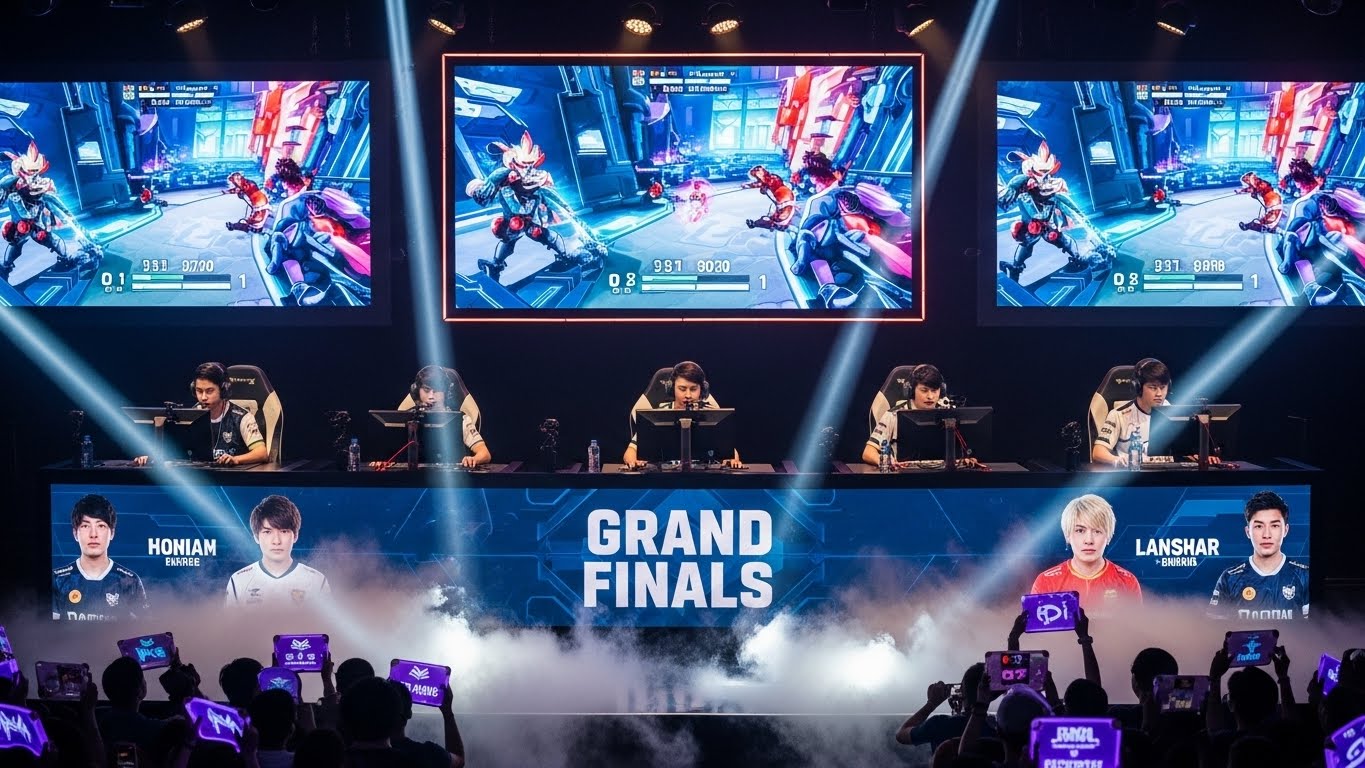
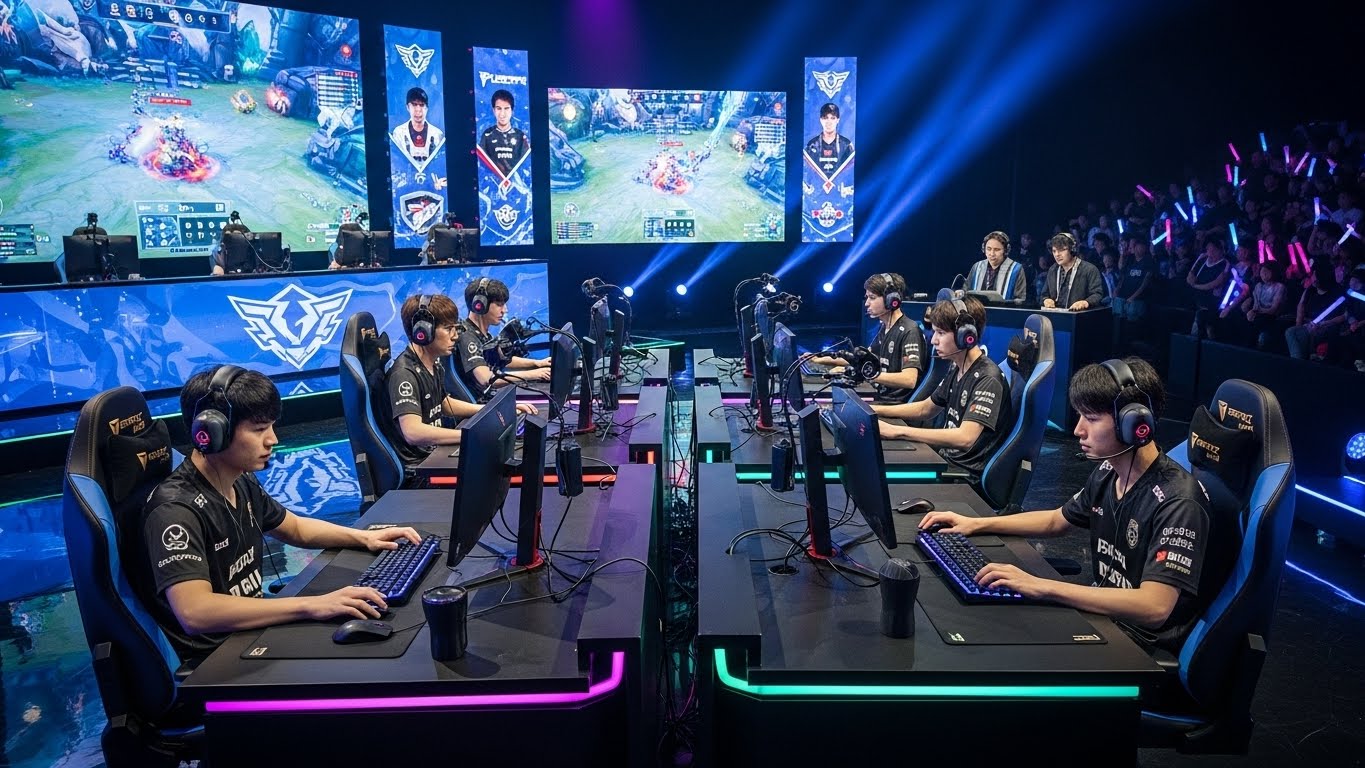
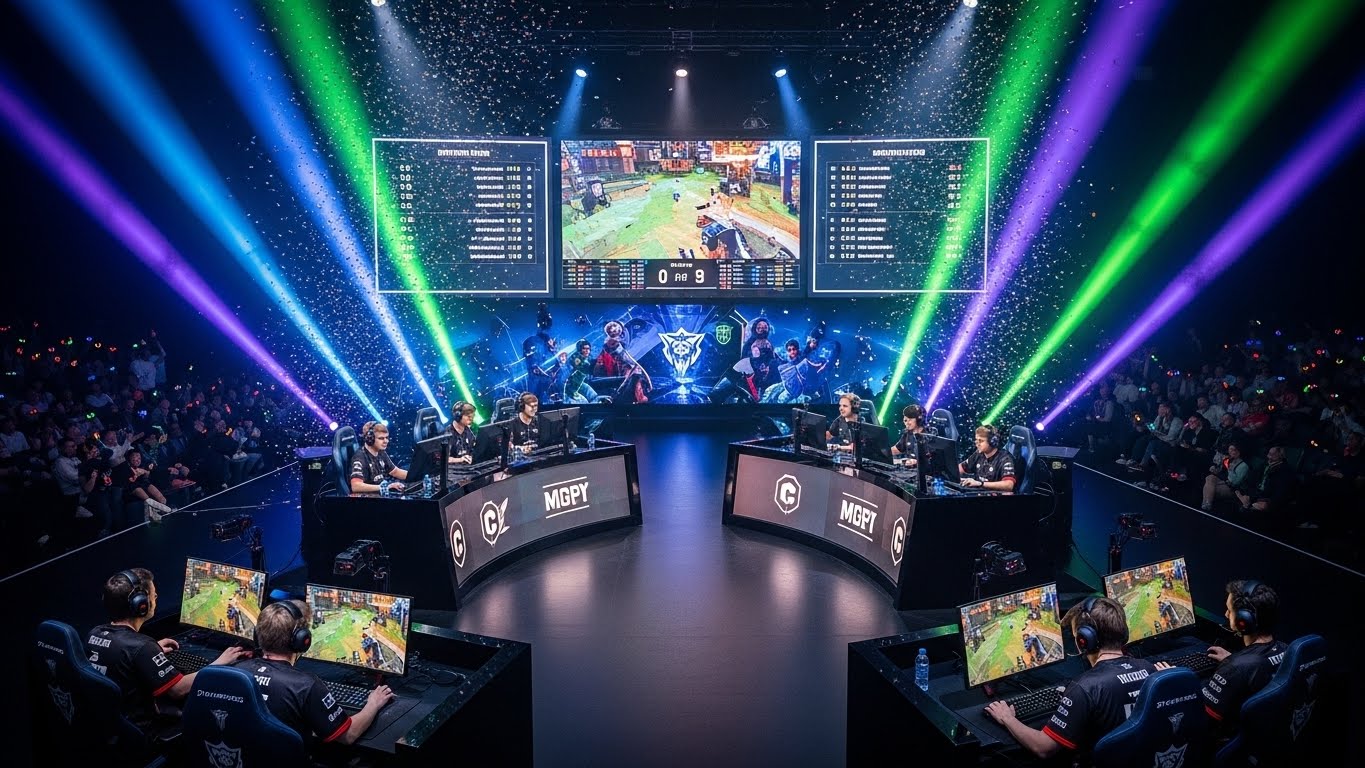
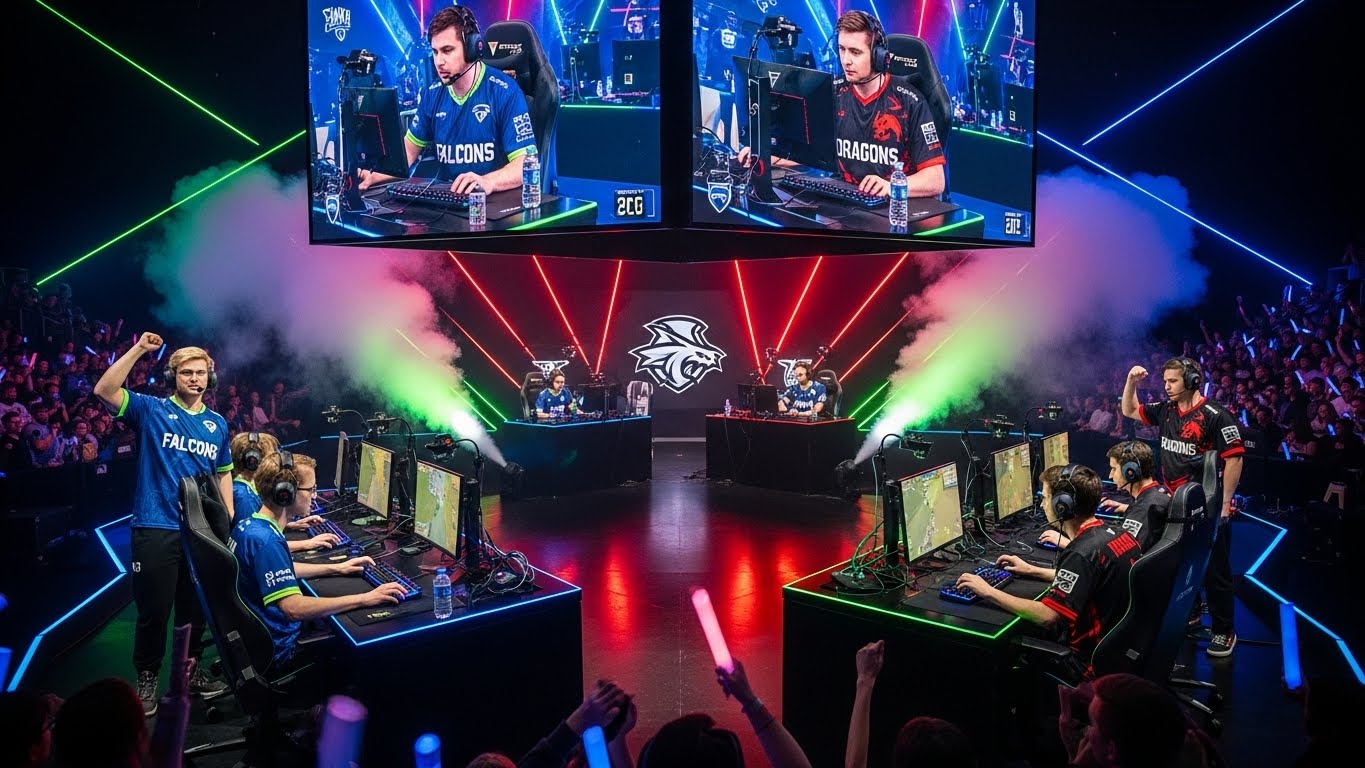
Esports has shifted the perception of video games from a simple pastime to a professional and highly competitive arena. What was once limited to small gatherings of gamers has grown into a global phenomenon, attracting millions of viewers, professional players, and sponsors. This transformation demonstrates how gaming is no longer just entertainment—it is a thriving career and cultural force.
The Rise of the Esports Industry
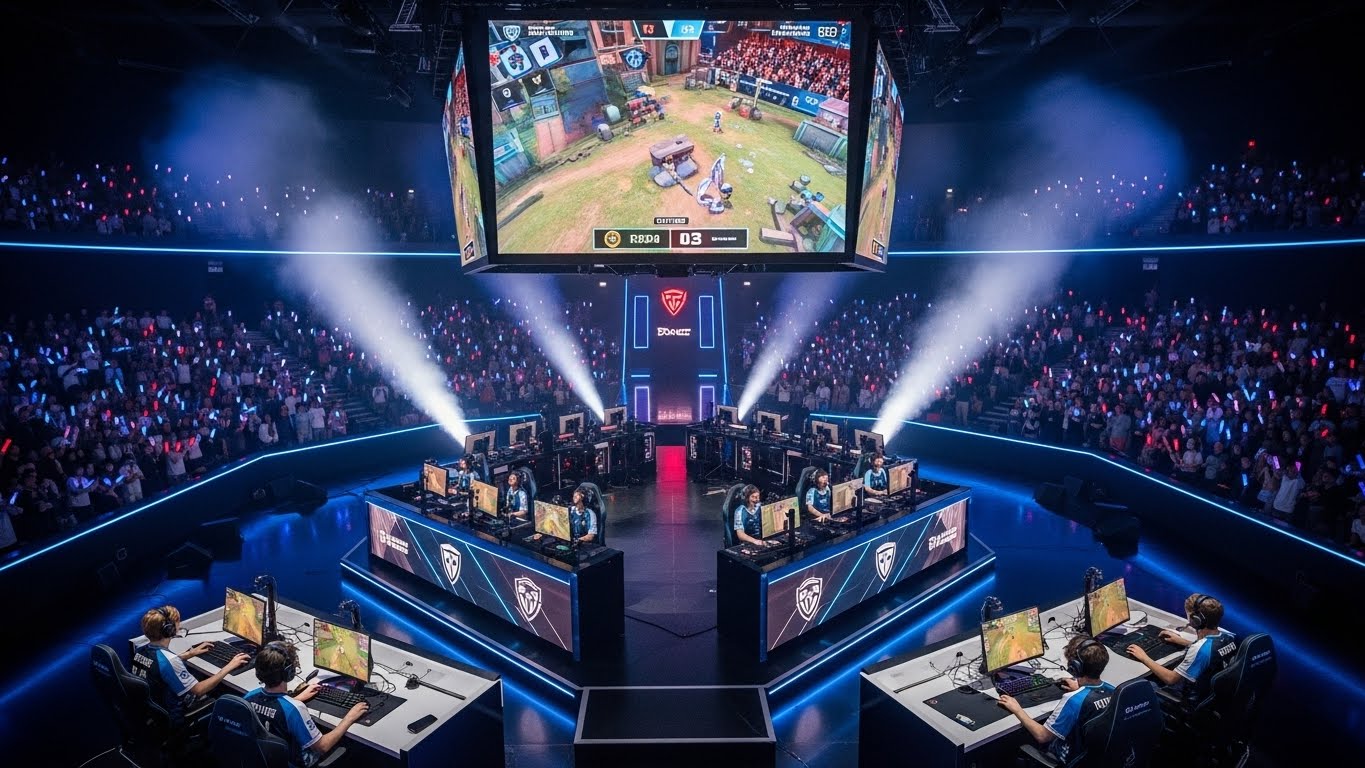
The esports industry has experienced unprecedented growth over the last decade. Large-scale tournaments now rival traditional sports in both audience size and prize money. Events such as world championships in League of Legends and Dota 2 regularly fill stadiums and attract viewers online. Revenue comes from sponsorships, merchandise, ticket sales, and broadcasting deals, making esports a billion-dollar industry that continues to expand.
Popular Esports Games
Different games dominate the competitive landscape, each requiring unique skills. Multiplayer Online Battle Arena games like League of Legends and Dota 2 demand strategic thinking and teamwork. First-person shooters such as Counter-Strike: Global Offensive and Valorant focus on precision, reflexes, and tactical coordination. Battle royale games like Fortnite and Apex Legends combine survival strategy with fast-paced action, appealing to a younger and highly engaged audience.
Technology and Streaming: Fueling the Revolution
Advances in technology have been crucial to the success of esports. High-speed internet, powerful gaming hardware, and streaming platforms allow players to compete worldwide while fans follow every move in real time. Streaming also provides players the opportunity to build personal brands, creating additional career paths beyond competitive play. Emerging technologies, including virtual reality and augmented reality, promise even more immersive gaming experiences in the future.
Impact on Youth and Society
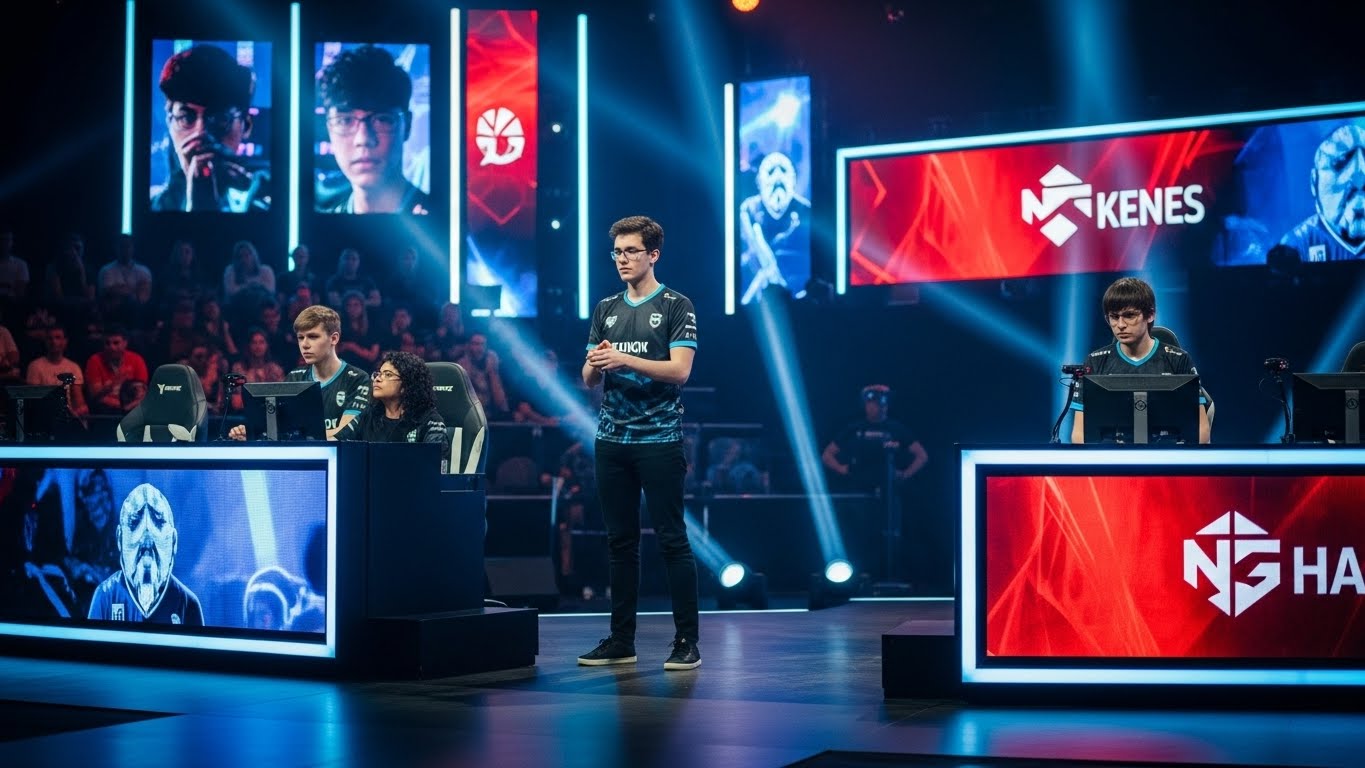
Esports has influenced youth culture in profound ways. Many young gamers aspire to become professional players, content creators, or analysts. The competitive environment fosters critical skills such as strategic thinking, teamwork, and communication. However, the industry also raises concerns about physical health, screen time, and mental well-being, making balance a crucial consideration for aspiring professionals.
Challenges Facing Esports
Despite rapid growth, esports faces challenges that need to be addressed. Player burnout, inconsistent rules across leagues, and issues of fairness and cheating remain significant concerns. Smaller teams often struggle for recognition and financial support, while established organizations dominate the scene. Overcoming these challenges is essential to ensure the long-term sustainability and credibility of esports.
The Future of Competitive Gaming
The future of esports is bright and full of potential. As technology continues to evolve, and as more people recognize esports as a legitimate form of competition, it is likely to become even more mainstream. Virtual reality tournaments, cross-platform competitions, and global accessibility are set to redefine the esports experience. Competitive gaming is poised to stand alongside traditional sports as a major entertainment and career platform.
Conclusion: Beyond the Screen
Esports has evolved from casual gaming into a worldwide phenomenon that influences technology, culture, and career opportunities. It is a unique blend of skill, strategy, and entertainment that continues to captivate millions. While challenges remain, the rise of esports signals a new era in which competitive gaming is recognized not just as a hobby, but as a legitimate, exciting, and transformative industry.