arenatribe36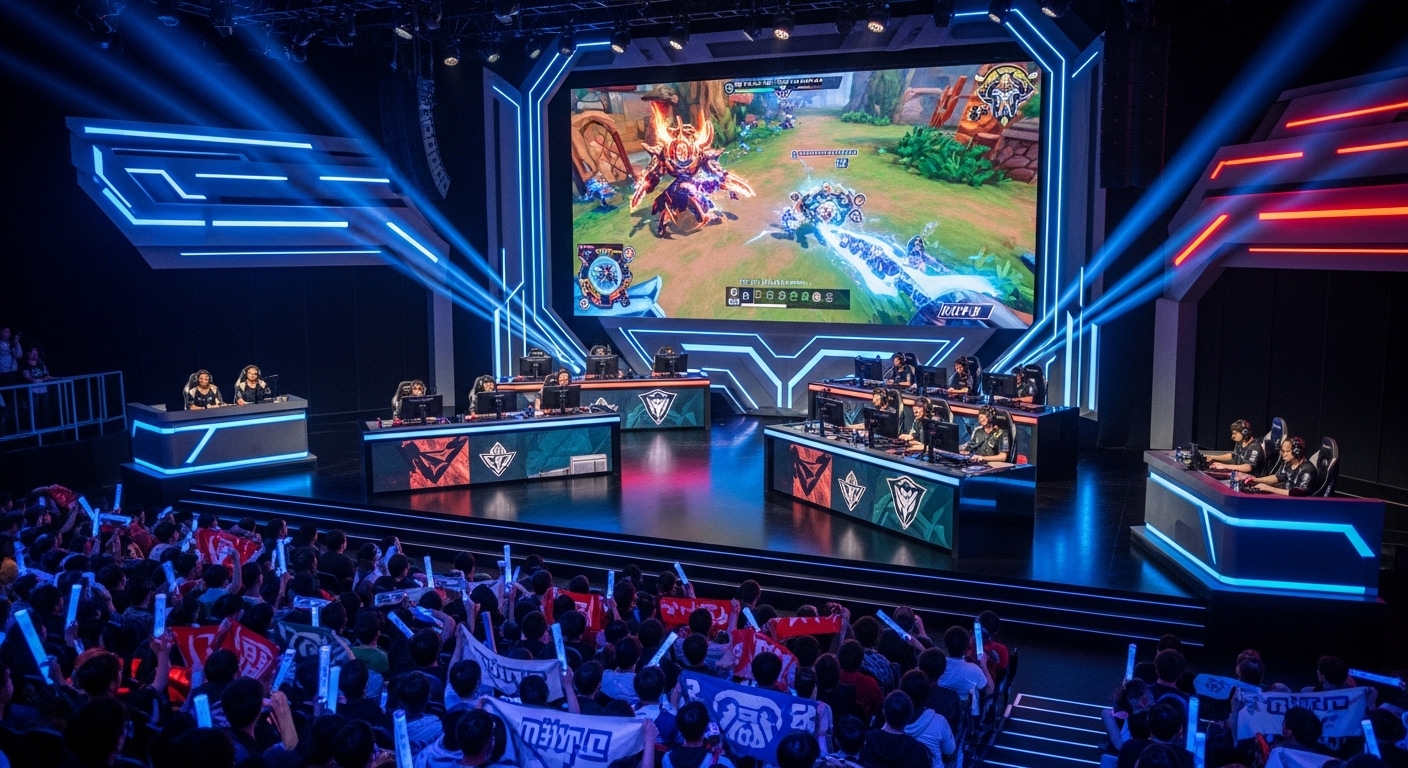
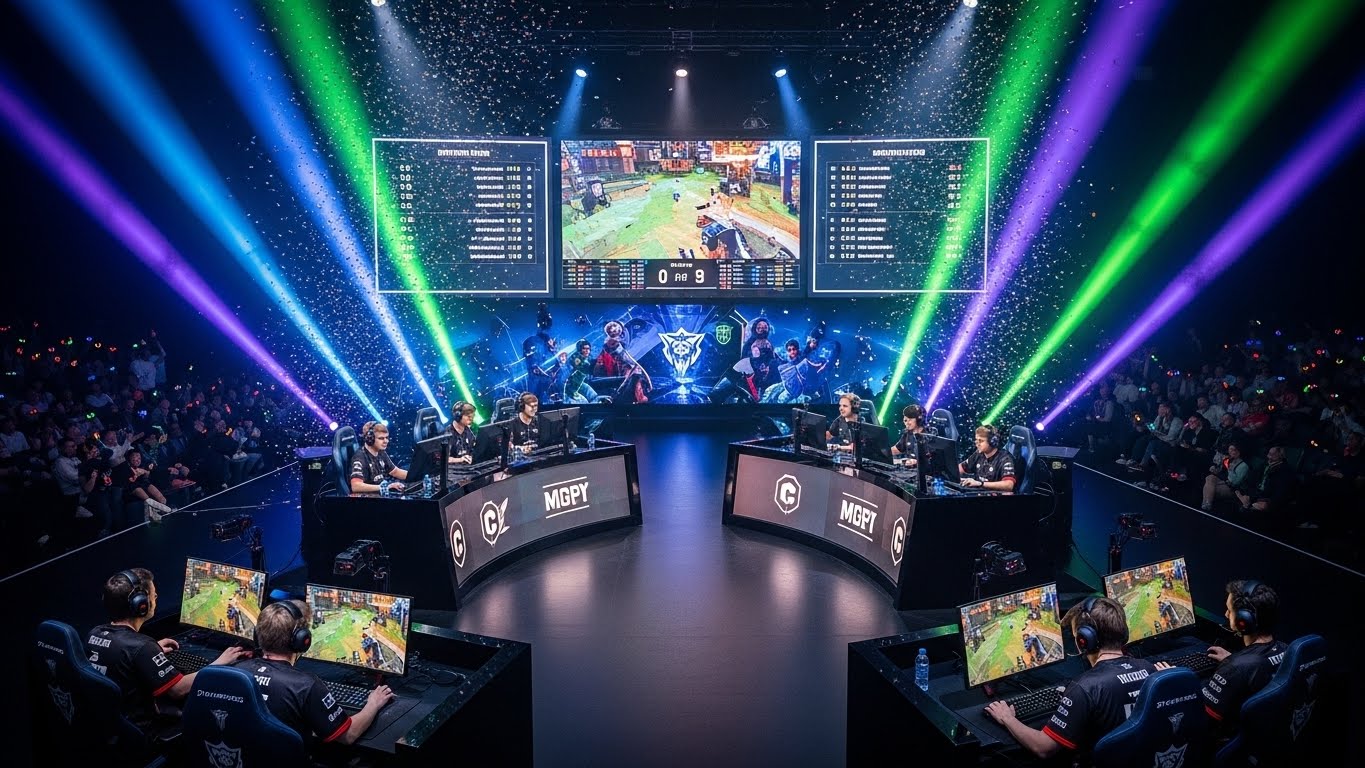
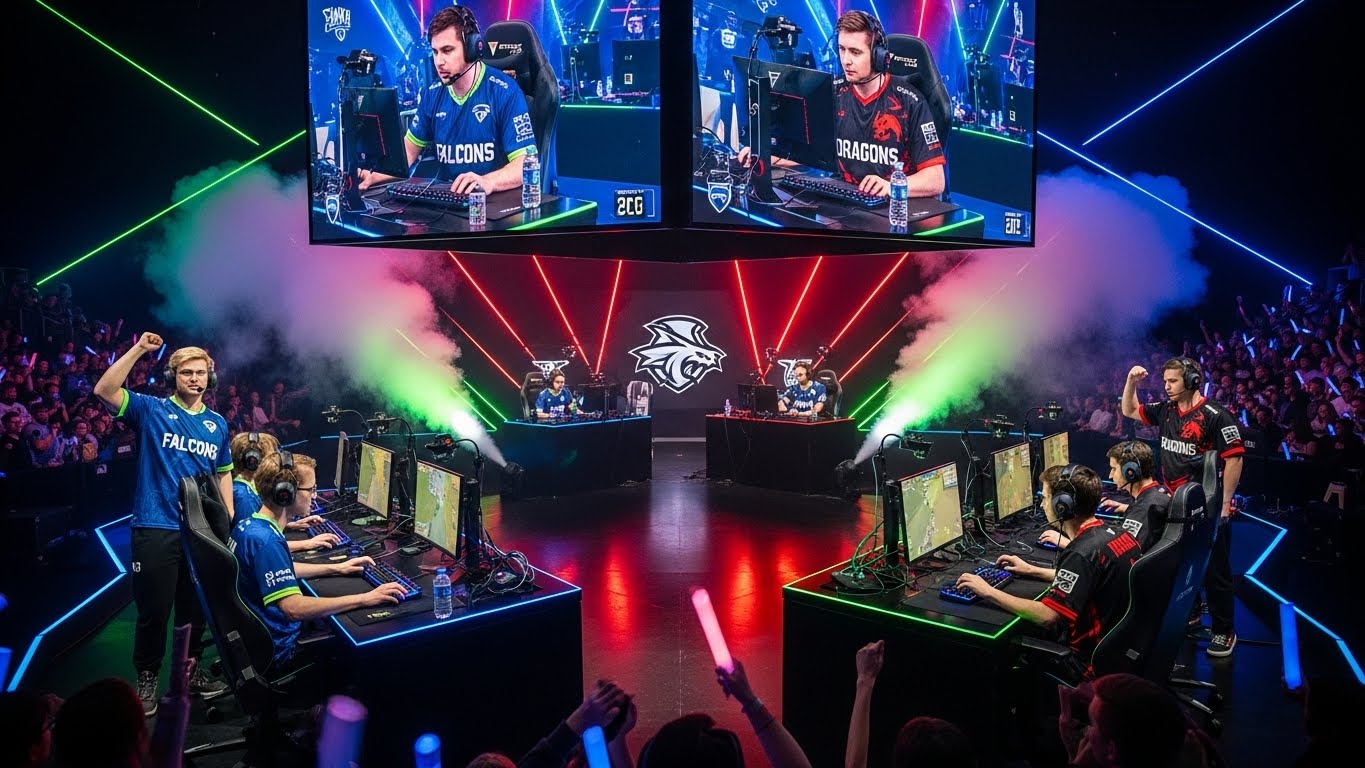
In recent years university esports programs have undergone dramatic expansion. Once niche extracurricular activities, they are now gaining institutional recognition, drive student engagement, and shape new educational pathways. This piece examines how university esports programs have grown globally, what factors have driven their rise, what benefits and challenges they bring, and what the future might hold.
Origins and Early Growth
The idea of competitive video gaming has existed for decades, but organized esports in a university or college context is relatively new. Early tournaments and gaming clubs provided students with informal outlets for competition. Over time some institutions began to recognize the potential of esports as more than just leisure—seeing promise in recruitment, student engagement, technology, and community building.
One of the early landmark moments was when some universities in the United States invested in dedicated esports arenas and varsity teams. For example, the University of California, Irvine began building a serious esports infrastructure, with top-tier equipment, recruitment of talent, and tournaments. This helped set a precedent for what a university esports program might look like.
Quantitative Growth: Scale and Scope
Institutional Adoption
- The number of institutions formally offering varsity esports programs has surged. In North America via the National Association of Collegiate Esports (NACE), as of 2025 there are over 260 member institutions.uea.gg+2Player Counter+2
- Compared to late 2019 when there were around 130 such programs, that’s roughly 100 percent growth in just a few years.Player Counter
Scholarships, Funding, and Scholarships Markets
- Esports scholarships have become a real tool for student recruitment. During the 2023–2024 academic year institutions collectively distributed tens of millions of dollars in esports scholarships.uea.gg+1
- The market for university esports scholarships alone was estimated at USD 1.24 billion in 2024, with forecasts suggesting growth toward about USD 6.22 billion by 2033.Dataintelo
Academic Programs and Curriculum
- Around 62 institutions worldwide offer formal academic esports programs (bachelors, masters, diplomas, certificates).ijesports.org
- A large majority of those programs (over 75%) emphasize esports business, management, or marketing.ijesports.org
- Many stand‑alone esports‐related courses exist in universities even where full degree programs are not yet in place.ijesports.org
Drivers of Growth
Several factors have driven this rapid spread. These can be grouped into internal institutional motivations, student demand, and broader social/market forces.
Institutional Motivations
- Student Recruitment and Retention
Universities recognise that offering esports programs and facilities can attract prospective students, especially those passionate about gaming. It also gives retention benefits: students whose interests are supported feel more at home. - Branding & Prestige
Universities that are early adopters of high‑quality esports programs often get visibility through tournaments, media streaming, and partnerships. This enhances the school’s reputation among younger generations. - Foundations in Technology & Innovation
Esports ties closely to areas universities often want to strengthen: computer science, media production, streaming technology, digital design, data analytics. Building programs around esports can support those academic areas.
Student Interest and Community
- Gaming is one of the largest entertainment sectors among youth. Many students already engage in gaming, streaming, or competitive play outside of university. They expect (and often demand) that universities provide competitive, structured spaces for their interest.
- Esports also fosters community: student clubs, teams, social connections, shared interests. For many students, esports becomes a major part of campus life.
Market & Economic Forces
- Sponsorship, streaming revenues, and global esports viewership are growing, making esports more financially viable.
- Job market demand is increasing for roles in esports management, production, coaching, marketing, event organization, content creation. Universities are responding by offering credentials to prepare students for these careers.
- Technological infrastructure has become more accessible: faster internet, better gaming hardware, communications platforms, streaming capabilities make it feasible to support high‑level competitive gaming.
Regional Differences and Global Spread
While much of the growth has been in North America and Europe, other regions are catching up fast.
- In the United States, many universities now offer varsity esports teams, investment in dedicated facilities, and substantial scholarships. The NACE plays a central role in organizing and standardizing many of these efforts.Wikipedia+2uea.gg+2
- In Europe, programs are growing, sometimes in partnership with publishing companies or esports organizations. There are also inter‑university tournaments, institutional esports curricula, and the formation of alliances like “University Esports” which cross national boundaries.Wikipedia
- In Asia, the appetite for gaming and technology is strong. Several universities have begun establishing esports programs and including esports content in curricula. Government interest in technology and digital entertainment also supports this expansion. (While exact data is less centralized, trends show increasing inclusion.)
- Other regions such as Latin America, Middle East, and Africa have more recent adoption, but growing infrastructural investment, student demand, and partnerships are helping them catch up.
Benefits of University Esports Programs
University esports programs offer a variety of benefits, though they also come with challenges.
Educational and Career Benefits
- Students can earn scholarships, which may help reduce financial burdens.
- Esports programs often bring opportunities in game design, streaming production, marketing, event management, coaching, analytics. Students can build real skills applicable to careers in the growing games industry and tech sector.
- Some universities offer academic programs specifically tailored to esports and related fields, giving students curricular depth.ijesports.org
Community, Well‑Being, and Campus Life
- Esports helps build community: teammates, spectators, student clubs give opportunities for social interaction. For many students it improves sense of belonging, especially for those who may feel marginalised or less involved in traditional sports.
- Facilities (labs, gaming lounges, arenas) provide gathering spaces, and may also be used for teaching, production, or media tasks.
- Esports can aid in developing teamwork, communication, discipline, strategic thinking, resilience.
Institutional and Economic Benefits
- Universities may gain in student recruitment and retention, as students are drawn to schools that support modern, tech‑forward interests.
- Partnerships with industry (game developers, hardware/software companies, streaming platforms) can bring funding, internships, research opportunities.
- Institution visibility: when teams compete and stream, universities get exposure to wider audiences.
Challenges and Concerns
Growth has not been without its difficult aspects. Institutions must balance enthusiasm with thoughtful planning.
Health, Well‑Being, and Balance
- Concerns exist around screen time, sedentary behavior, sleep health, potential addiction. Universities need to support athlete well‑being through coaching, health services, responsible scheduling.
- Mental health is a real concern: pressure, performance anxiety, and balancing academics with competitive commitments.
Equity and Access
- Ensuring fair access for students from lower socio‑economic backgrounds can be difficult. Gaming hardware, reliable internet, and even dedicated space may be out of reach for some.
- Gender and diversity gaps remain: many esports communities are male‑dominated; making programs welcoming and safe for all genders and identities is essential.
Financial Costs and Sustainability
- Investment in infrastructure (hardware, team rooms, streaming tech, arenas) can be significant. Maintenance, upgrades, and replacing aging equipment are ongoing challenges.
- Sustaining funding: unlike traditional sports which often have long histories of alumni support, esports is newer and may not yet have established donor bases or consistent revenue sources.
Institutional Alignment and Academic Recognition
- Integrating esports properly into university structures (athletics, recreation, academics) requires aligning with policy, ensuring fair eligibility, compliance with academic standards.
- Academic recognition of esports credentials, ensuring credibility of programs, and avoiding overpromising outcomes are necessary.
Case Studies
A few examples illustrate the shape and impact of successful university esports programs.
- The University of California, Irvine (UCI): one of the institutions among the earliest to build a proper esports facility, recruit students, and engage in competitive tournaments. Their investment in high‑quality infrastructure and scholarships has helped make UCI a recognized name in collegiate esports.EdTech Magazine
- Widener University: introduced esports as a varsity program, opened a dedicated esports arena, and integrated competition with student life.Wikipedia
- University of Oregon: started as a student club, then evolved rapidly into a formal program with multiple competitive teams, game titles, and large student involvement. The esports program went from informal beginnings to having a PC lounge, sponsorship, jerseys, substantial participation.Erb Memorial Union
Trends and Opportunities
Looking ahead, several trends suggest how university esports programs may continue to evolve.
Increasing Academic Integration
Expect more full degree programs, minors, or certificates focused on esports business, sports management, data analytics, content creation, and technology. As seen, many universities already emphasize esports business in their curricula.ijesports.org
More Formalization, Governance, Standards
As programs grow, there will be more demand for formal governance: eligibility rules, academic standards, athlete welfare, safety and health policies, scheduling policies. Larger associations (like NACE in North America) may develop stronger best practices and more oversight.
Global Collaboration and Competition
More inter‑university leagues and tournaments crossing countries or regions, streaming platforms enabling international competition, standardization of rules, cross‑regional partnerships.
Technological Evolution
Better hardware, faster networks, augmented reality / virtual reality, improvements in streaming quality, analytics tools will raise the bar. Esports training may rely more on data, coaching, performance tracking.
Diversity, Inclusion, and Equity
There are huge opportunities to make esports more inclusive: closing gender gaps, ensuring access for minority students, creating environments safe against harassment, and ensuring support for mental health and well‑being.
What the Future Might Look Like
If current trajectories continue, university esports may occupy a normalized position in many higher‑education systems:
- Esports as an established varsity department, comparable in status (if not always in visibility) to traditional sports.
- Significant scholarship funding being available routinely for top competitors.
- A large number of universities offering academic credentials tied to esports, with curricula linked to industry needs.
- Stronger global competition circuits among universities, visible to wider audiences via streaming and media.
- Institutional policies and support structures in place to ensure student health, academic performance, equity, and sustainability.
Conclusion
University esports programs have come a long way in a relatively short amount of time. From informal gaming clubs to varsity teams, academic programs, and scholarship regimes, their growth reflects broader changes in technology, culture, education, and entertainment. The benefits are clear: student engagement, skills development, new career pathways, and institutional prestige. But these come alongside challenges of cost, health, equity, and sustainable governance.