arenatribe36
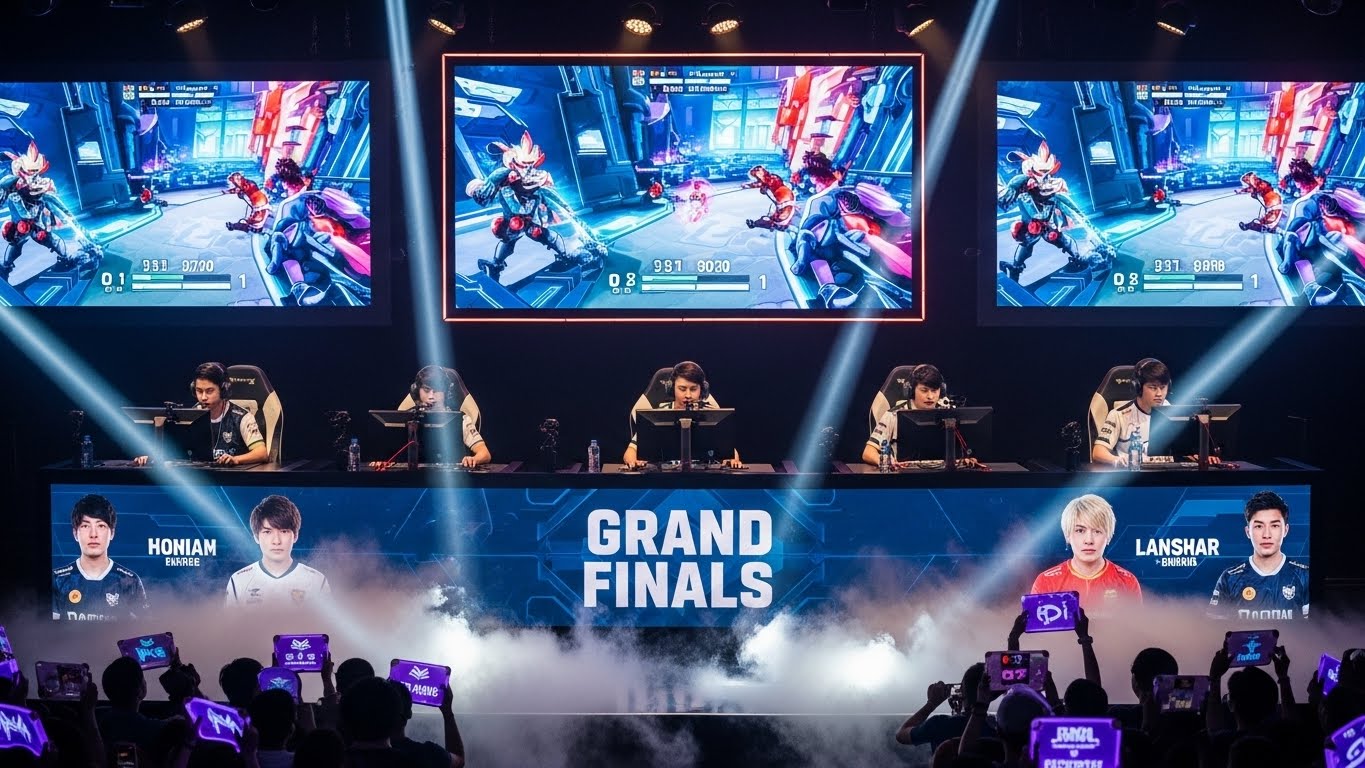
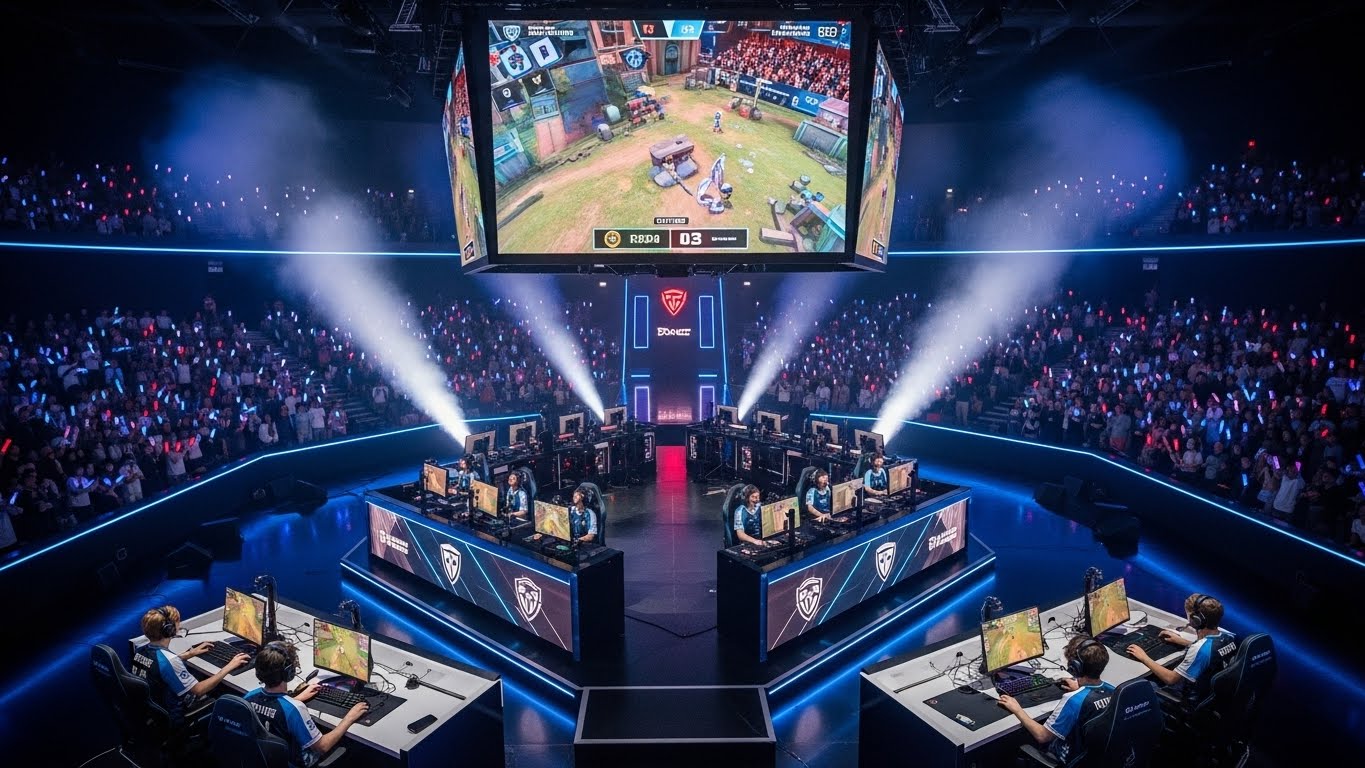
Esports has become one of the fastest-growing industries in the world, transforming passionate gamers into global superstars. However, behind the glamour of packed arenas, million-dollar tournaments, and celebrity-like status, there lies a harsh reality—esports careers are often short-lived. Unlike traditional sports, where athletes might compete into their late thirties or forties, many esports professionals retire before reaching their late twenties.
But what happens after the final match? How do esports athletes handle the emotional, financial, and professional challenges of retirement? This comprehensive blog explores the realities of retirement in esports, why it happens so early, and how players transition into new roles while redefining their identity beyond the competitive stage.
The Short Career Span of Esports Athletes
Most esports players begin their careers as teenagers and reach their competitive peak between the ages of 18 and 25. The rapid reaction time, sharp focus, and hand-eye coordination required in professional gaming tend to decline slightly with age, making it difficult for players to sustain top-tier performance as they get older.
In addition to physical factors, mental strain plays a significant role. Long hours of practice, intense competition, and constant pressure to perform can lead to burnout—a common reason players retire early.
For example, in games like League of Legends, CS:GO, and Overwatch, players have admitted to struggling with stress, repetitive strain injuries, and mental fatigue. The combination of physical wear and emotional exhaustion makes early retirement almost inevitable for many.
Common Reasons Behind Early Retirement
While each player’s journey is unique, several recurring factors contribute to early retirement in esports.
1. Physical Strain and Health Issues
Esports may not involve running or jumping, but it places immense strain on the body. Continuous hand and wrist movements can lead to repetitive stress injuries such as carpal tunnel syndrome, tendinitis, or neck and back pain.
Over time, these injuries hinder performance and can make long-term competitive play impossible. Without proper rest and rehabilitation, many players choose to retire to preserve their health rather than risk permanent damage.
2. Mental Fatigue and Burnout
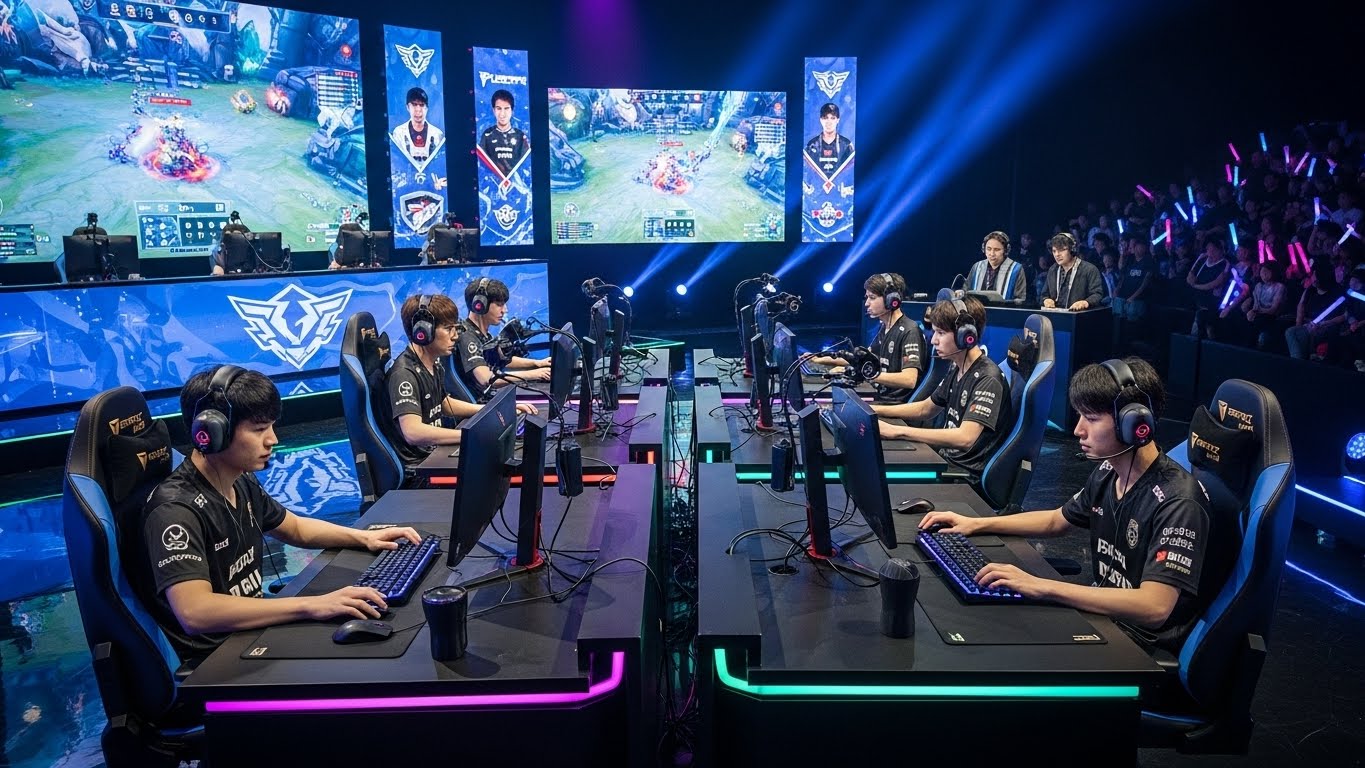
Esports players often practice for 10 to 14 hours a day. This intense routine, combined with competition pressure and public scrutiny, can take a heavy toll on mental health. Burnout—a state of emotional and physical exhaustion—is a major factor driving early retirement.
Constant travel, high expectations, and the demand for consistent results leave little room for relaxation. The psychological toll is immense, and many players step back simply to regain balance in their lives.
3. Decline in Performance
Reflexes and reaction time naturally slow with age, even if only slightly. In a field where milliseconds matter, this decline can mean the difference between victory and defeat. Younger players often replace veterans who can’t maintain the same mechanical precision.
While experience and strategic thinking still hold value, the competitive nature of esports means that teams prioritize speed and adaptability. This performance drop-off often forces players to retire earlier than they might want to.
4. Changes in the Game or Meta
Esports titles constantly evolve. Developers update mechanics, introduce patches, and modify game balance to keep things fresh. While this keeps audiences engaged, it can also frustrate professional players who must adapt to every new change.
Some retire when they feel they can no longer keep up with evolving strategies or lose interest in a game that no longer feels familiar.
5. Financial Stability and New Opportunities
For some, early success in esports provides financial freedom. Tournament winnings, sponsorships, and streaming income allow them to retire comfortably and pursue new ventures—whether in business, coaching, or entertainment.
Others transition because they see better opportunities beyond competition. With esports expanding into media, education, and brand marketing, retired players often find meaningful ways to stay involved in the industry.
The Emotional Impact of Retirement
Retirement, whether voluntary or forced, can be an emotional rollercoaster. For many esports athletes, gaming has been their entire identity since childhood. Stepping away from the spotlight can create a deep sense of loss and uncertainty.
1. Loss of Identity
Most professional gamers start playing competitively as teenagers, dedicating nearly every hour to improving their craft. Their lives revolve around tournaments, training, and team commitments. When that ends, many struggle to redefine who they are without the title of “pro gamer.”
This sudden identity shift can lead to emotional struggles, similar to what traditional athletes experience after leaving sports.
2. Public Pressure and Expectations
Fans often idolize professional players, and when they retire, those same fans expect them to continue entertaining or contributing to the community. While some embrace this transition, others feel overwhelmed by the pressure to remain relevant in a fast-moving industry.
3. Mental Health Challenges
Post-retirement depression and anxiety are not uncommon. The lack of daily structure, competition, and community can leave players feeling isolated. Without proper mental health support, the transition can be daunting.
Fortunately, the esports industry is becoming more aware of this issue. Organizations now offer counseling, mentorship, and career planning programs to help players manage the emotional aspects of retirement.
How Esports Athletes Prepare for Retirement
Modern esports organizations are taking proactive steps to help players plan for life after competition. From career coaching to educational opportunities, the industry is evolving to ensure smoother transitions.
1. Financial Planning and Savings
Many teams now encourage players to work with financial advisors early in their careers. Proper investment and budgeting help ensure long-term security, especially since earnings can fluctuate dramatically.
Players who manage their winnings wisely often retire with a strong financial foundation. They may invest in startups, real estate, or even their own gaming ventures.
2. Education and Skill Development
Some esports players use their retirement as an opportunity to pursue education or professional training. Since many started gaming at a young age, they may have missed traditional schooling experiences.
Several universities now offer esports management, marketing, and business courses—allowing former players to stay in the industry in new roles. Others study media production or psychology, applying their experience in coaching and broadcasting.
3. Building a Personal Brand
During their careers, players often develop strong personal brands through social media, streaming, and fan interaction. After retirement, this personal branding becomes invaluable.
Former pros use their reputation to attract sponsorships, start YouTube channels, or collaborate with gaming companies. Their established fan base provides a platform to stay relevant even after leaving competition.
4. Health and Fitness Routines
Retired esports athletes often use their newfound free time to focus on physical and mental health. Many take up regular fitness routines, outdoor sports, or yoga to recover from years of sedentary activity.
Maintaining a balanced lifestyle helps them manage stress, improve focus, and transition into post-competitive life with renewed energy.
Career Paths After Esports
Retirement doesn’t mean leaving the gaming world entirely. In fact, many esports athletes find fulfilling careers that build on their experience and reputation.
1. Streaming and Content Creation
Streaming platforms like Twitch and YouTube have become popular post-retirement paths. Former players already have dedicated fan bases, making it easy to transition into content creation.
By streaming gameplay, discussing strategy, or entertaining audiences, they maintain visibility while earning revenue through sponsorships, ads, and donations.
Content creation also offers flexibility and creativity—something competitive gaming often restricts due to rigid schedules and team obligations.
2. Coaching and Mentorship
Many retired players move into coaching roles for teams or individual players. Their experience, game knowledge, and leadership skills make them valuable assets.
They help younger players develop discipline, handle pressure, and master advanced strategies. Coaching also provides emotional satisfaction, allowing former pros to give back to the community that shaped them.
3. Commentary and Broadcasting
Esports broadcasting has grown into a major industry, requiring experts who understand the nuances of gameplay. Retired professionals often become commentators, analysts, or hosts.
Their insights provide authenticity and depth to event coverage, helping audiences connect more deeply with the game. Many well-known esports broadcasters today are former players who transitioned successfully into media careers.
4. Business and Entrepreneurship
Some players use their fame and industry connections to start their own businesses. These ventures might include esports organizations, apparel brands, training academies, or gaming peripherals.
For example, several retired pros have launched esports coaching platforms that train aspiring gamers. Others collaborate with hardware companies to design products tailored for competitive play.
Entrepreneurship allows former players to channel their competitive spirit into new challenges while remaining active in the industry.
5. Working in Game Development or Esports Management
A number of retired players find opportunities with game developers, publishers, or esports organizations. Their firsthand understanding of competitive dynamics makes them ideal consultants or developers for balancing gameplay and organizing events.
They might work on designing esports-friendly titles, managing tournaments, or leading community outreach initiatives. These positions allow them to use their expertise while contributing to the future of gaming.
The Role of Organizations in Supporting Retired Players
As esports matures, teams are realizing their responsibility to support players beyond their active years. Forward-thinking organizations are creating systems that prioritize player welfare, education, and transition programs.
Key initiatives include:
- Providing mental health resources during and after competition
- Offering career counseling and financial management workshops
- Maintaining alumni networks for retired players
- Creating brand ambassador roles to keep former pros engaged
These efforts help ensure that players can retire with dignity, stability, and purpose.
Real-World Examples of Successful Esports Retirements
Several retired players have paved the way for others, showing that life after esports can be both successful and rewarding.
- Michael “Shroud” Grzesiek, a former CS:GO pro, transitioned into full-time streaming, becoming one of the biggest names on Twitch and YouTube.
- Yiliang “Doublelift” Peng, after an incredible League of Legends career, moved into content creation and broadcasting, continuing to influence the community.
- Søren “Bjergsen” Bjerg became a respected coach after retiring from professional play, using his experience to guide the next generation of talent.
- Seth “Scump” Abner, a Call of Duty legend, retired in 2023 but remains a central figure in esports through media appearances, events, and brand collaborations.
These examples show that retirement is not an end—it’s a transformation.
The Future of Esports Retirement
As the esports industry becomes more structured and sustainable, future generations of players will have more resources and options for retirement.
We can expect to see:
- Pension and health plans for long-term players
- Formal retirement programs managed by organizations and leagues
- Education scholarships for transitioning athletes
- Support networks for mental and emotional well-being
The focus is shifting from short-term competition to long-term career sustainability, ensuring that players can thrive both during and after their time in the spotlight.
Conclusion
Retirement is one of the most challenging yet transformative phases of an esports athlete’s journey. While early exits are common, the opportunities beyond competition are vast. From streaming and coaching to entrepreneurship and media, retired players continue to shape the future of the gaming industry.
The transition isn’t always easy—many face emotional struggles, identity crises, and health challenges—but with growing awareness and institutional support, more players are learning to navigate retirement successfully.
In the end, the spirit of competition never truly fades. For most retired esports athletes, gaming remains part of their identity—not as a profession, but as a lifelong passion. Their legacy continues to inspire new generations, proving that the end of one career can be the beginning of an even greater journey.