arenatribe36
Introduction
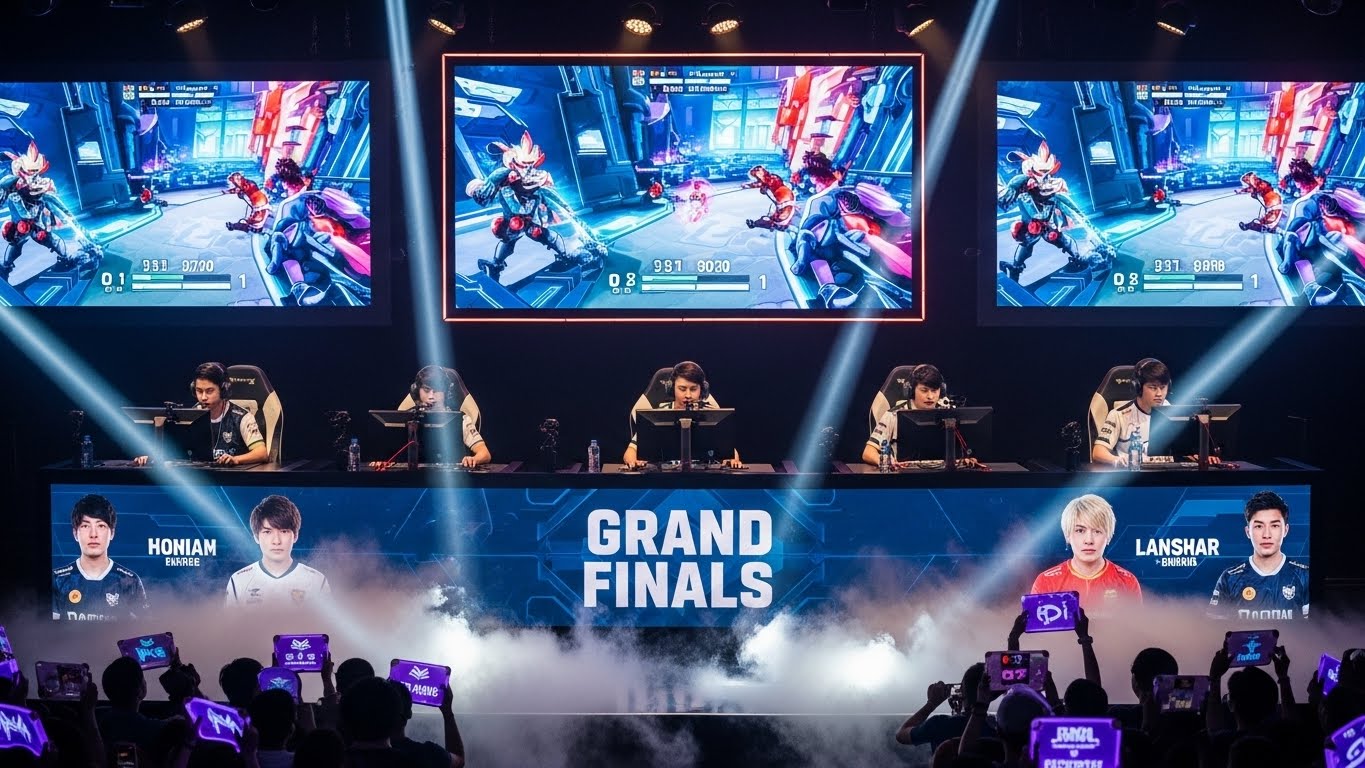
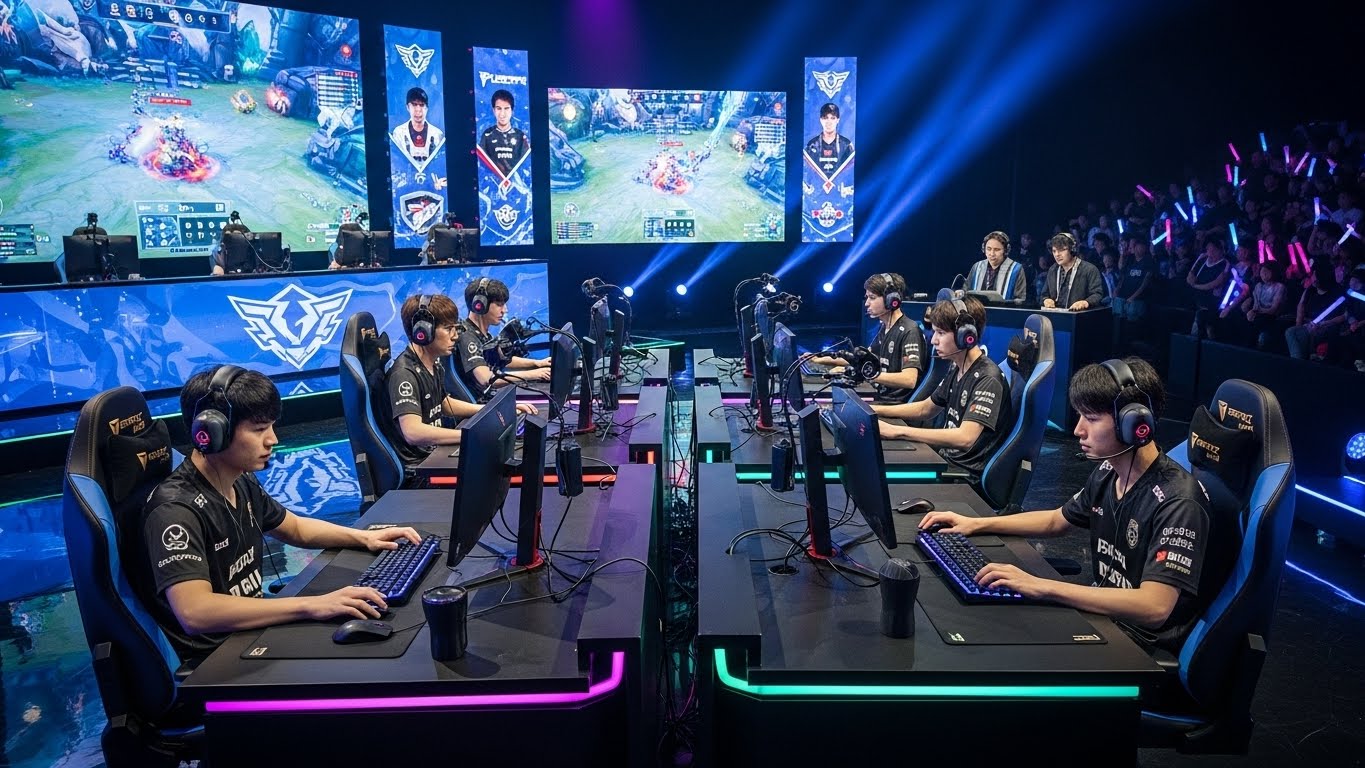
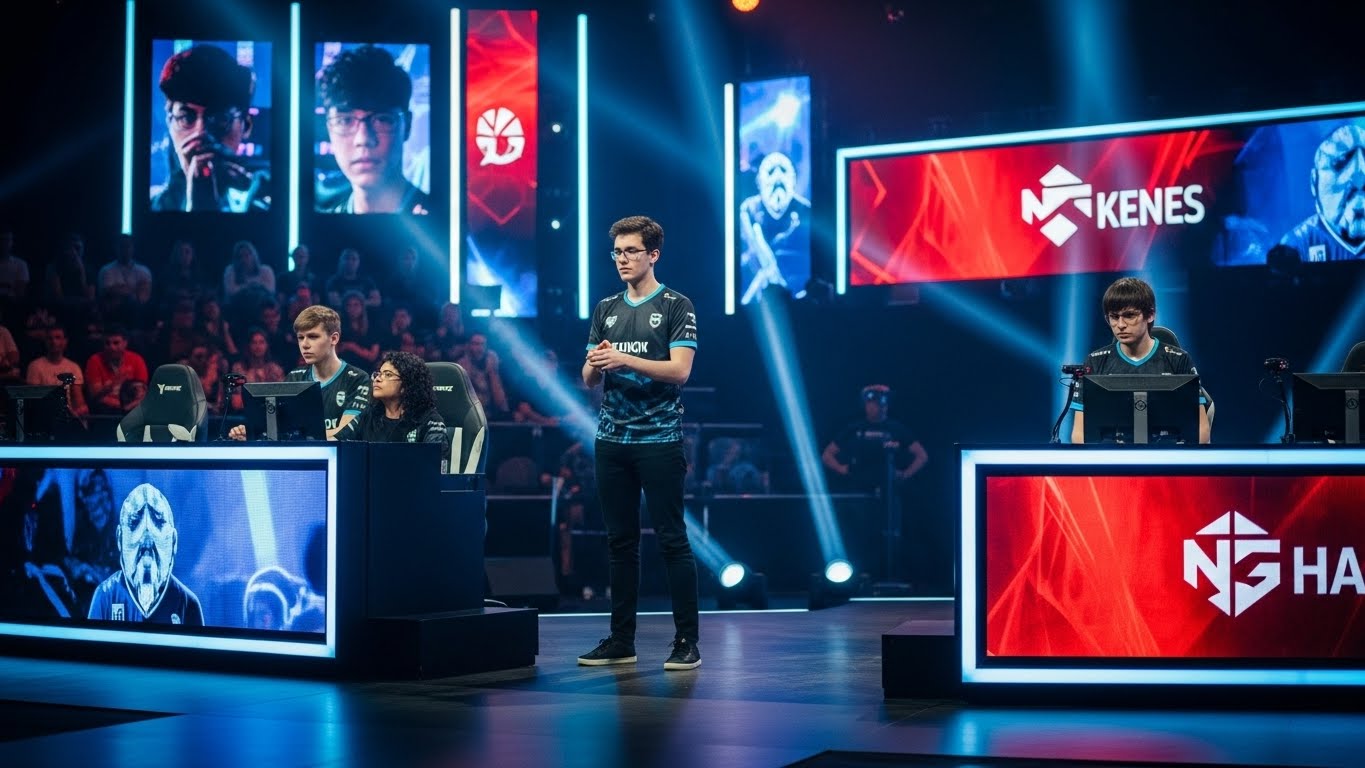
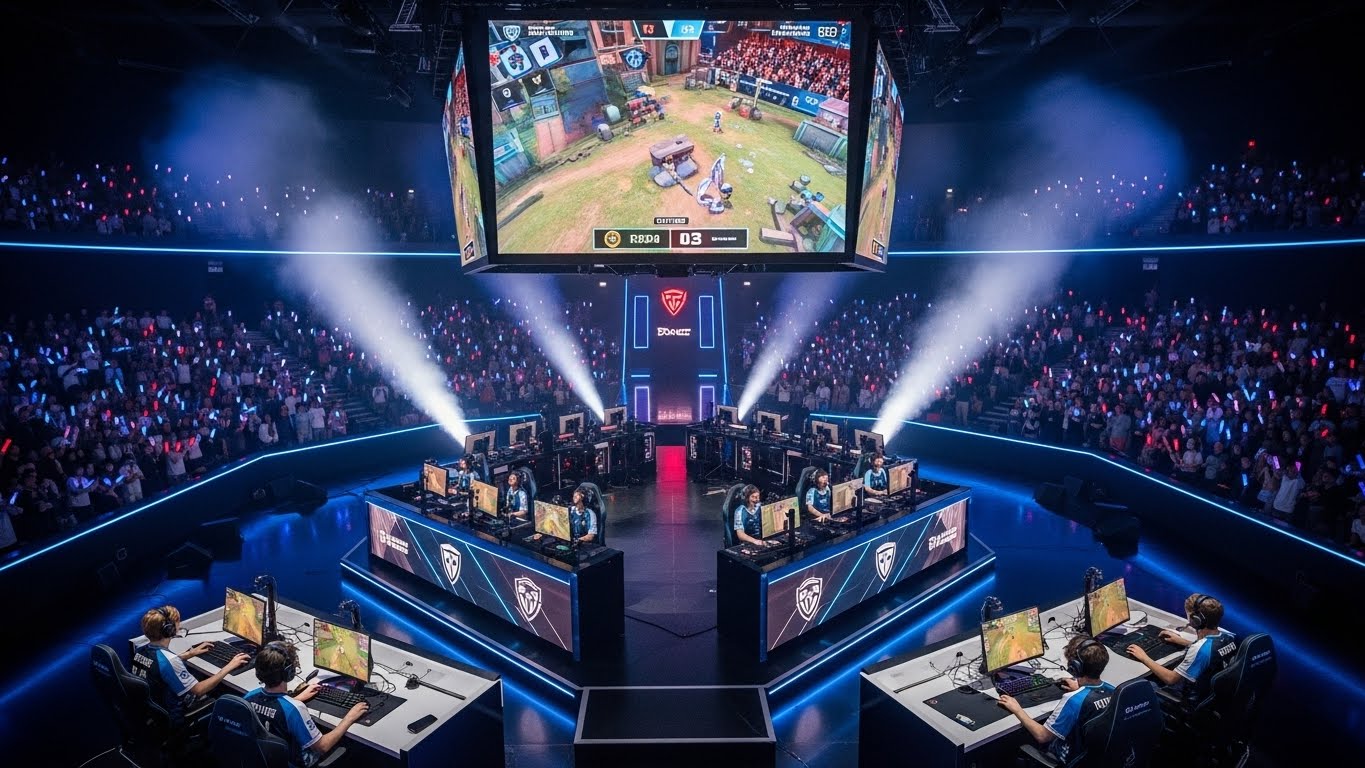
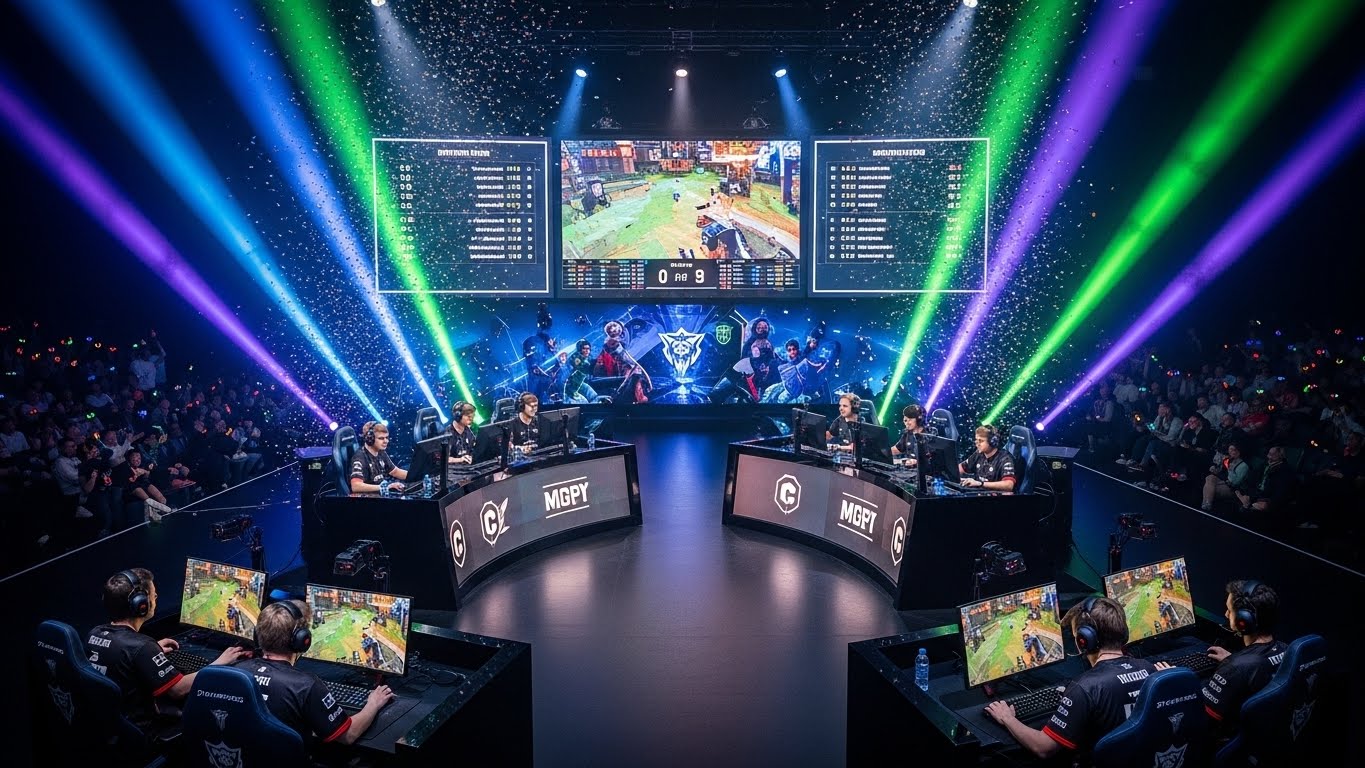
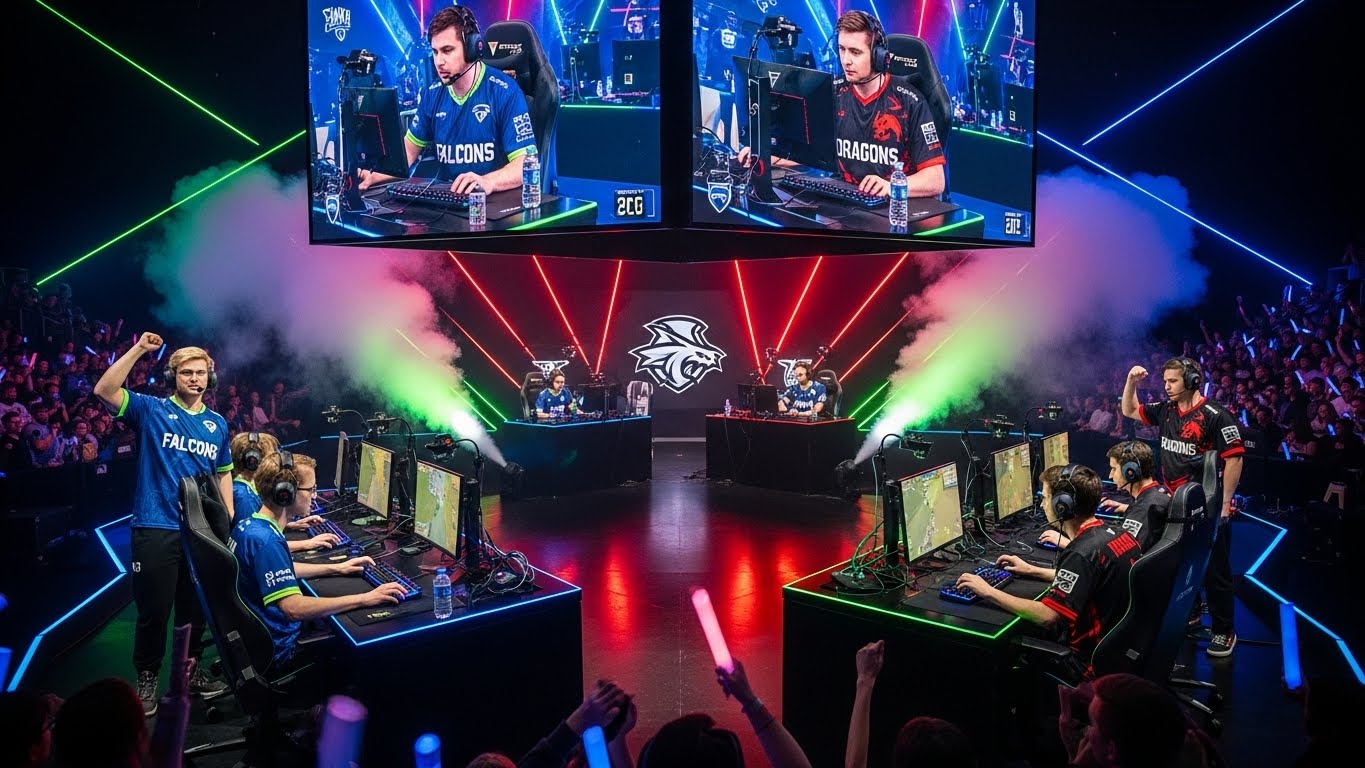
iGames tournaments have grown from small local gatherings to massive global spectacles attracting millions of viewers. Events like The International, League of Legends World Championship, and Valorant Champions Tour are now cultural landmarks, complete with sponsorships, media coverage, and celebrity appearances. This article explores the history, structure, and impact of competitive iGames events.
History of iGames Tournaments
Competitive iGames events started with local LAN parties in the 1990s, where enthusiasts gathered to play games like Quake or StarCraft. Over time:
- National leagues formed in countries like South Korea and Germany.
- Online tournaments expanded participation beyond local communities.
- Professional organizations developed structured competitions with sponsorships.
Major Global Championships
Some tournaments have reached unprecedented popularity and prize pools:
- The International (Dota 2): Known for massive prizes funded partly by in-game purchases.
- League of Legends Worlds: Features the best teams from regional leagues like LCS, LEC, LCK, and LPL.
- Fortnite World Cup: Showcases both solo and duo competitions.
- CS:GO Majors: Regularly attract tens of thousands of live viewers and millions online.
Tournament Formats
Competitive events use different formats depending on the game:
- Single Elimination: Teams are out after one loss.
- Double Elimination: Teams have a second chance in a lower bracket.
- Round Robin: All teams play each other, with top performers advancing.
- Swiss System: Teams play a set number of matches, paired based on performance.
Format selection impacts strategy, preparation, and viewer engagement.
Local and Online Tournaments
While global tournaments dominate headlines, local events remain essential:
- Provide entry points for amateur players.
- Serve as scouting grounds for professional teams.
- Foster community engagement and local sponsorship opportunities.
Online tournaments allow broader participation, especially for players unable to travel.
Prize Pools and Sponsorships
Major events attract large investments:
- Multi-million-dollar prize pools incentivize competition.
- Sponsors like Intel, Red Bull, and Logitech provide funding, equipment, and exposure.
- Streaming platforms monetize viewership through ads, subscriptions, and donations.
The combination of prize money and sponsorship has transformed iGames into a viable career path.
Impact on Players
Participation in tournaments shapes players’ careers:
- Skill improvement through high-level competition.
- Networking opportunities with organizations and sponsors.
- Exposure to a global audience, enhancing personal branding.
However, intense competition also brings pressure and the risk of burnout.
Fan Engagement
iGames tournaments are interactive experiences:
- Live chats and social media allow real-time fan engagement.
- Cosplay, fan art, and community events enhance the fan experience.
- Platforms like Twitch integrate polls, rewards, and interactive streams.
Fans are no longer passive viewers—they are active participants in the esports ecosystem.
The Business Behind Tournaments
Running major events involves logistics, marketing, and technology:
- Venue selection, production, and live broadcasting.
- Licensing, contracts, and compliance with regulations.
- Analytics for audience metrics and engagement optimization.
These elements ensure smooth operations and maximize revenue potential.
Challenges in Event Management
Despite growth, tournaments face obstacles:
- Online cheating and hacking.
- Managing large-scale audiences in physical venues.
- Balancing regional representation in global events.
Innovations in anti-cheat software, security, and format design address these challenges.
The Future of iGames Events
Upcoming trends include:
- Integration of VR and AR to enhance spectator experience.
- Mobile esports gaining prominence.
- Hybrid events combining in-person and online audiences.
- Global expansion into untapped regions like South America, Africa, and Southeast Asia.
These developments promise to make tournaments more immersive and accessible than ever.
Conclusion
iGames tournaments are more than competitions—they are cultural events that unite players, fans, and brands worldwide. From humble local LANs to billion-dollar championships, these events illustrate the evolution and impact of competitive gaming. For anyone passionate about iGames, tournaments are where dreams are tested, skills are showcased, and the future of the industry unfolds.