arenatribe36
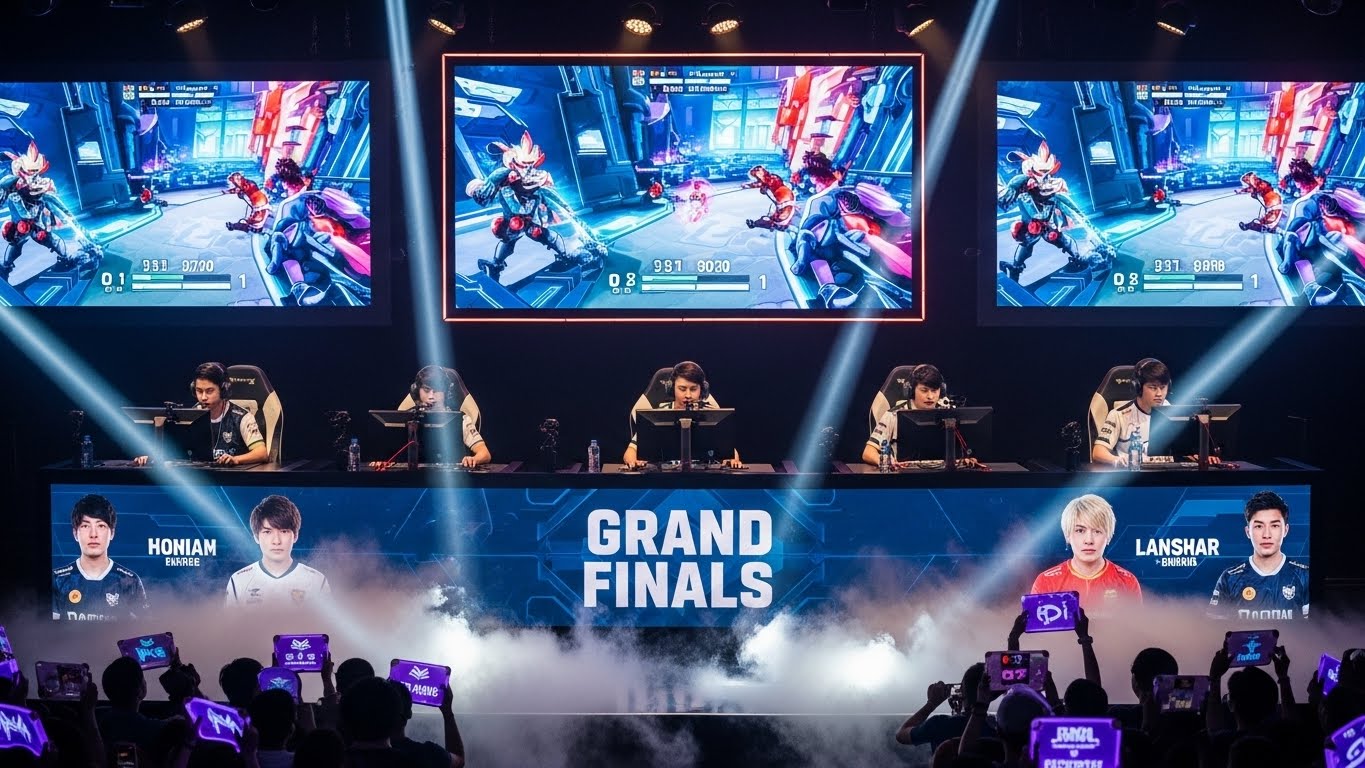
In recent years, the world of esports has surged into the mainstream, transforming competitive gaming from a niche hobby into a global phenomenon. What began as a small community of passionate gamers competing in local LAN (Local Area Network) tournaments has evolved into a multi-billion-dollar industry. Esports has become more than just a pastime—it is now a form of entertainment, a career, and a cultural force with a massive following. With huge tournaments, celebrity players, and a growing market, esports is undeniably here to stay.
In this blog post, we will explore how esports has evolved over time, its impact on global entertainment, and what the future holds for this dynamic and ever-changing industry.
The Origins of Esports: From Casual Competitions to Global Phenomenon
Esports traces its roots back to the early days of video games. In the 1970s and 1980s, gaming was primarily a solo experience, with players enjoying arcade games like Pong or Space Invaders. However, as gaming technology progressed, multiplayer games became a reality. Games like Dungeons & Dragons and early versions of Quake allowed gamers to play against each other, but it wasn’t until the late 1990s and early 2000s that the concept of esports began to take shape.
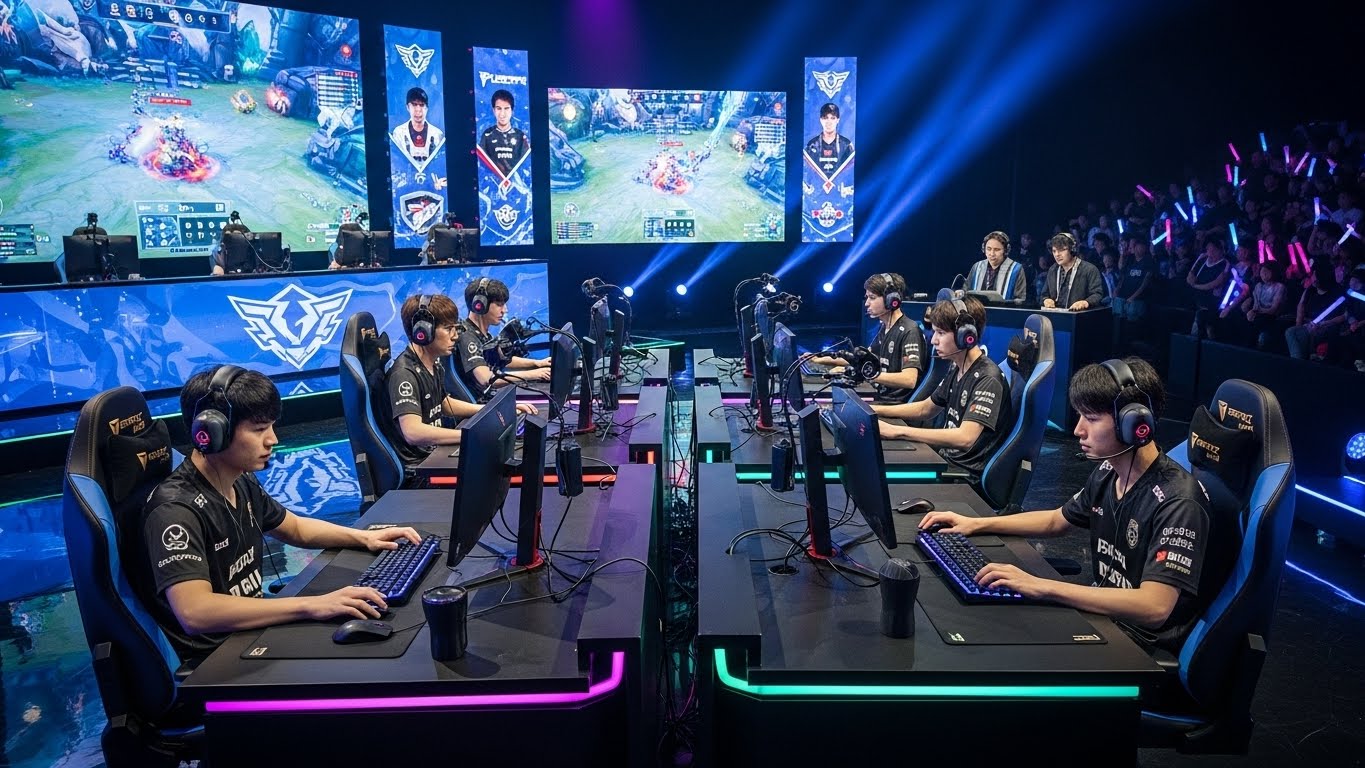
The true birth of esports can be credited to the rise of LAN parties and early internet gaming. These were informal gatherings where players would bring their computers to one location to compete in multiplayer games. The StarCraft franchise, Quake, and Warcraft III were some of the first titles to see serious competitive play. These early tournaments were small in scope, but they marked the beginning of a new way to experience gaming.
By the early 2000s, the emergence of major esports events like the World Cyber Games and the Electronic Sports World Cup signaled a new era for competitive gaming. These tournaments attracted top players from around the world, and soon esports was being recognized as a legitimate form of competition. The South Korean government, in particular, played a crucial role in fostering the growth of esports by building infrastructure and organizing national competitions.
The Rise of Esports Organizations and Global Reach
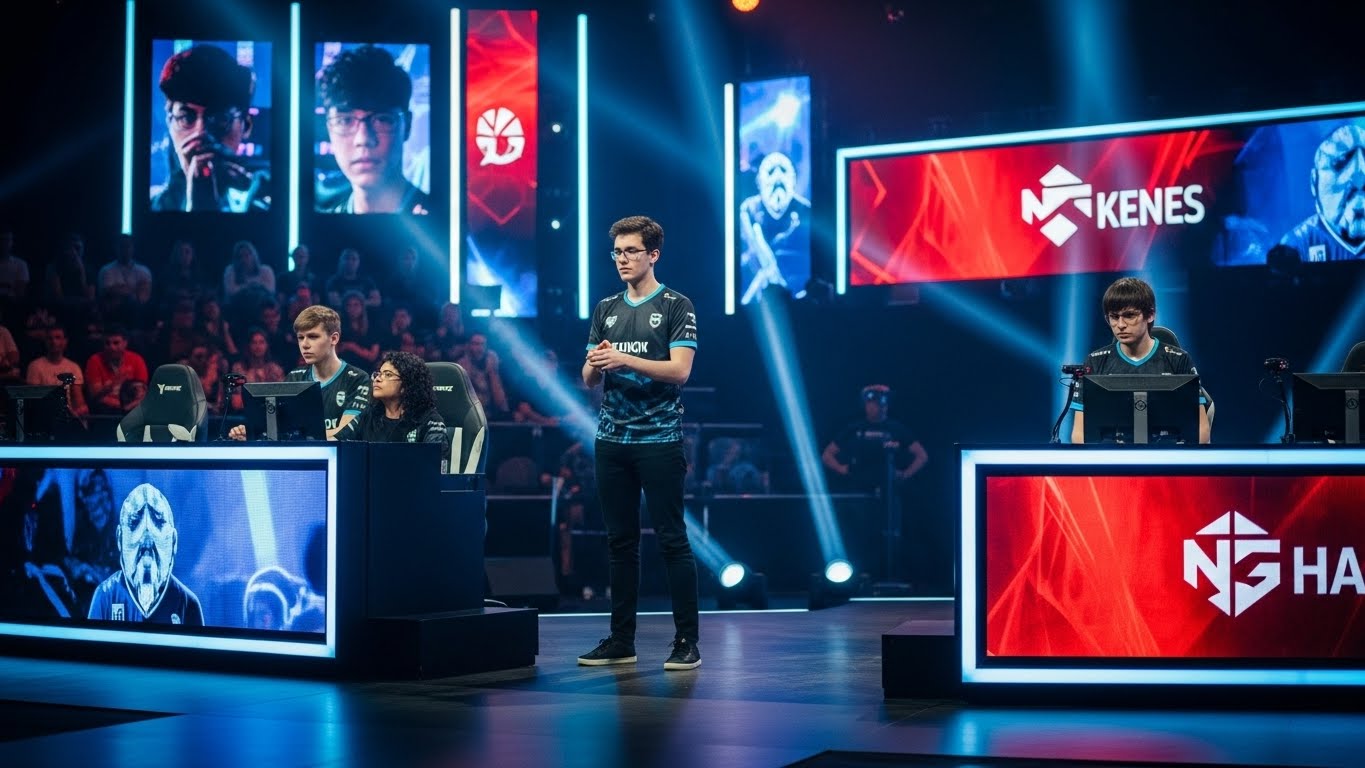
The next phase in the evolution of esports came with the rise of professional esports organizations. As esports tournaments grew in size and stature, players began to form teams under the banners of established esports organizations. Teams like Team Liquid, Fnatic, Cloud9, and SK Gaming emerged as the faces of professional esports, and they brought an added level of legitimacy to the sport.
These organizations started offering players lucrative contracts, salaries, and support staff, similar to traditional sports teams. Esports players, once just amateurs competing for fun, now became full-time professionals. They were able to focus exclusively on improving their skills and competing at the highest level. Coaches, analysts, and managers were brought in to help optimize performance, and esports teams began to adopt a professional structure akin to that of major sports leagues like the NBA or NFL.
One of the key factors in the rise of esports was the role of streaming platforms like Twitch, which launched in 2011. Twitch provided a platform where players could broadcast their gameplay to a global audience, leading to the rise of “streamers” who gained massive followings. This also allowed fans to engage with their favorite players and teams in real-time, building a level of community and interactivity that traditional sports had not fully explored.
As streaming grew in popularity, so did the fan base for esports. The global reach of online streaming meant that tournaments could attract millions of viewers from all corners of the world. Esports began to shed its image as a niche interest and transformed into a global cultural movement.
The Explosion of Esports Tournaments and Major Titles
As esports grew, so did the scale of its tournaments. Titles like League of Legends, Dota 2, Counter-Strike: Global Offensive, and Overwatch became household names, with massive competitions built around them. These tournaments quickly became some of the most-watched events in the world, with millions of viewers tuning in from around the globe.
One of the most notable events in esports history is The International, an annual Dota 2 tournament. First held in 2011, The International set the standard for competitive gaming tournaments. With prize pools reaching tens of millions of dollars, The International has become the gold standard for esports competitions. The rise of online crowdfunding through platforms like Kickstarter and Steam has allowed prize pools to grow exponentially. In fact, the 2018 International had a prize pool of over $25 million, a figure that rivaled some of the top traditional sports tournaments.
League of Legends, another juggernaut in the esports world, hosts its World Championship every year, drawing in viewers from across the globe. With over 100 million viewers for the 2020 World Championship final, League of Legends has cemented itself as a cornerstone of the esports scene.
Other popular titles such as Fortnite, Valorant, Call of Duty, and Rainbow Six Siege have also carved out their own spaces within the esports ecosystem. These games have their own dedicated fanbases, tournaments, and professional leagues, making esports a multifaceted and diverse industry.
Esports and Traditional Sports: A New Era of Entertainment
Esports and traditional sports may seem like two different worlds, but in recent years, they have begun to intersect in ways that were previously unimagined. The rise of esports has caught the attention of major sports organizations, broadcasters, and investors who have recognized the potential of this new form of competition.
Traditional sports leagues like the NFL, NBA, and FIFA have entered the esports market by investing in gaming franchises and esports tournaments. The NBA, for example, has launched the NBA 2K League, which is a competitive league for NBA 2K, the basketball simulation game. Similarly, football clubs like Manchester City and FC Barcelona have invested in esports teams, further blending the worlds of traditional and digital sports.
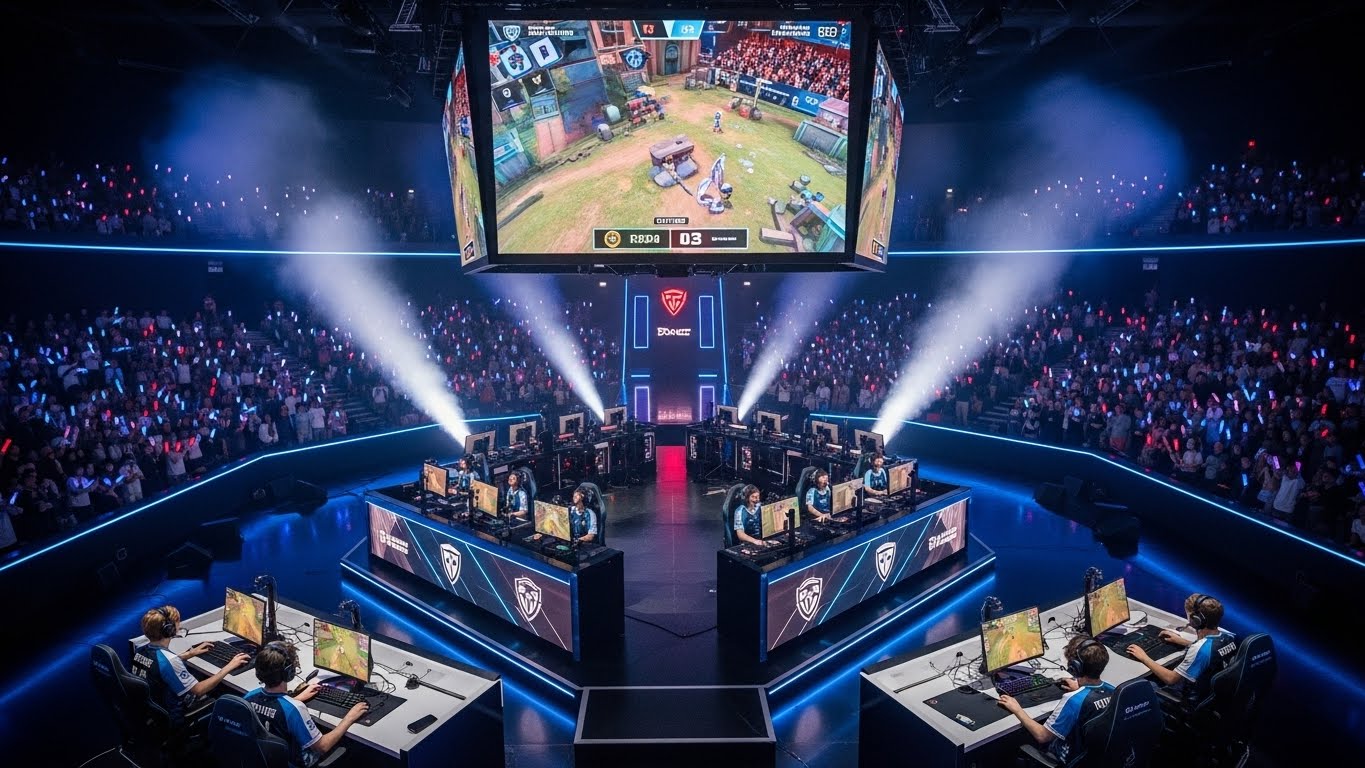
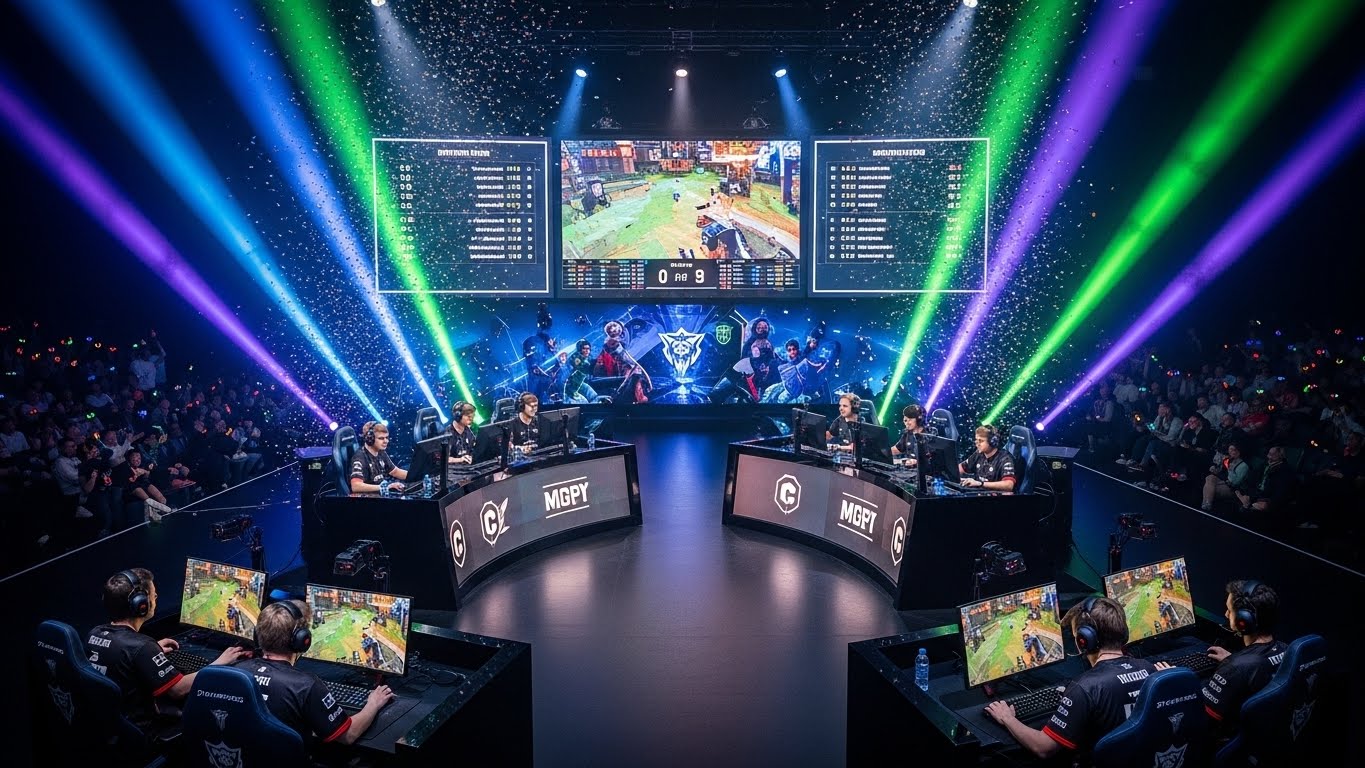
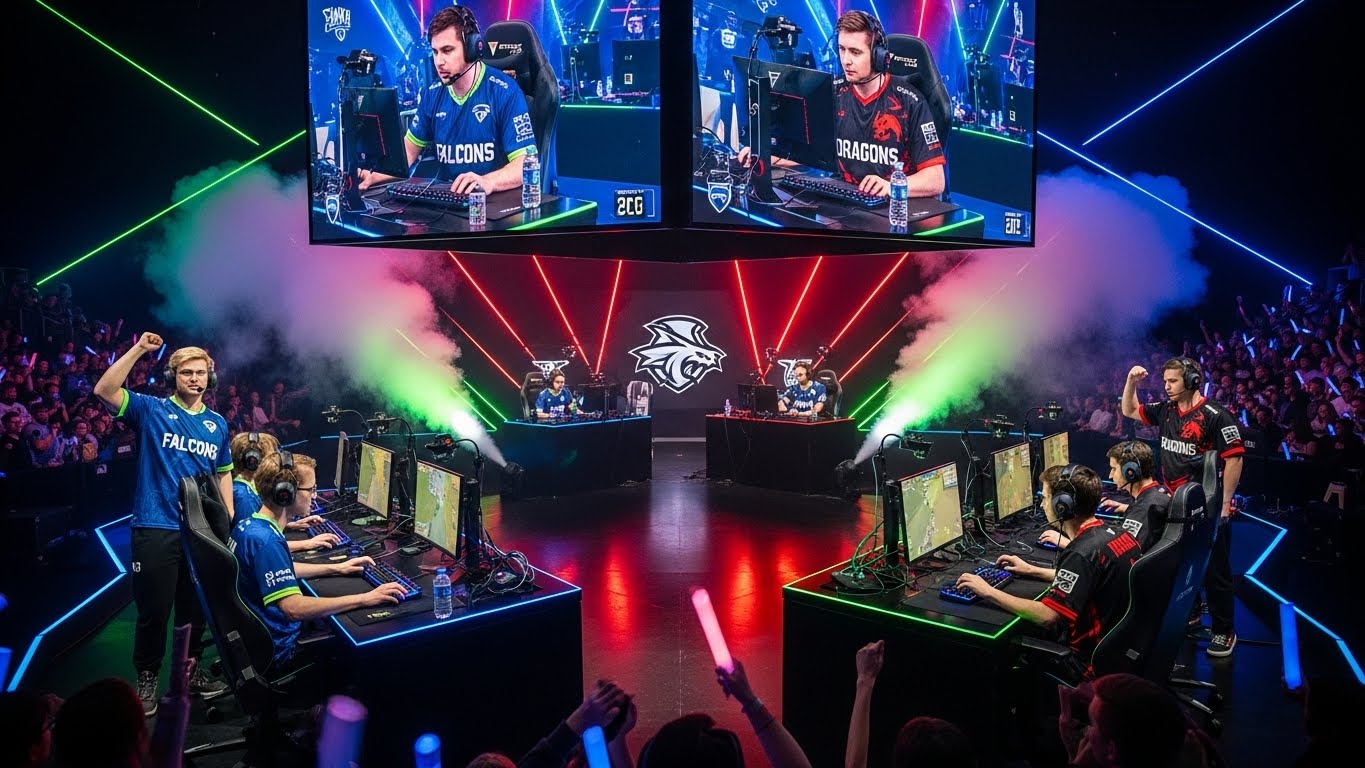
One of the most exciting developments in the relationship between esports and traditional sports is the rise of esports arenas. These high-tech venues are specifically designed for esports competitions, and they offer a live experience similar to that of a traditional sports stadium. The HyperX Esports Arena in Las Vegas and the ESL One Arena in New York are prime examples of such venues, offering fans the chance to watch their favorite players compete live while enjoying a stadium-like atmosphere.
The crossover between traditional sports and esports has also opened new opportunities for fan engagement. For example, fans of esports teams can follow their players through social media, attend live events, and even engage in fantasy esports leagues—similar to how fans of traditional sports interact with their favorite teams and athletes.
The Financial Boom of Esports: Big Business, Bigger Opportunities
One of the most astonishing aspects of the esports revolution is its financial growth. Esports has become a multi-billion-dollar industry with significant revenue streams coming from a variety of sources, including sponsorships, media rights, ticket sales, merchandise, and prize money.
In 2020, the global esports industry was valued at over $1 billion, and it is expected to continue growing at a rapid pace. This growth has attracted major brands, tech companies, and investors who see the potential in esports as both a marketing platform and a long-term investment. Brands like Red Bull, Coca-Cola, and Intel have become key sponsors of esports tournaments, while game developers like Riot Games, Blizzard, and Valve have capitalized on the growing demand for competitive gaming experiences.
Additionally, streaming platforms like Twitch and YouTube Gaming have turned top streamers and players into digital celebrities, with the potential for significant revenue from ads, subscriptions, and brand partnerships. Streamers like Ninja, Shroud, and Pokimane have built personal brands and amassed millions of followers, creating new career opportunities for players who may not necessarily be competing in major tournaments but are still able to generate revenue through their online presence.
Esports also offers a unique avenue for career opportunities, with roles ranging from professional players and coaches to analysts, broadcasters, and content creators. The industry has created a vast ecosystem of jobs that didn’t exist a decade ago, opening up new pathways for those interested in pursuing a career in gaming.
The Challenges of Esports: Health, Regulation, and Sustainability
Despite its rapid growth and financial success, esports faces a number of challenges. The most pressing of these is player health. Professional esports players spend countless hours training, competing, and streaming, which can lead to physical issues such as repetitive strain injuries, poor posture, and eye strain. The mental toll of constant competition and the pressure to perform at the highest level can also lead to burnout, anxiety, and depression.
Esports organizations and teams are becoming more aware of these issues and are implementing strategies to support their players’ well-being. Many teams now have fitness programs, sports psychologists, and dedicated medical staff to help players manage their physical and mental health.
Another challenge facing esports is the lack of standardization in terms of tournament rules, player regulations, and governance. Traditional sports leagues have governing bodies that ensure consistency and fairness, but esports lacks a unified organization to oversee its competitions. This can lead to issues with cheating, match-fixing, and player disputes. Establishing a regulatory framework for esports could help address some of these concerns and provide more stability for the industry.
Finally, the sustainability of the esports market is an ongoing issue. While the industry is currently booming, there is always the risk that the popularity of certain games or tournaments could fade over time. As seen with Hearthstone and Fortnite, games can experience periods of intense popularity followed by declines in player interest and viewership. The industry must continue to adapt and evolve to maintain its relevance