arenatribe36
Esports, short for “electronic sports,” has evolved from small local gaming tournaments into a billion-dollar global industry that commands the attention of millions. What once was dismissed as a hobby for teenagers has now become a legitimate career path, an entertainment powerhouse, and a cultural movement that rivals traditional sports.
In the past two decades, the esports landscape has transformed dramatically. From the early LAN party days to massive stadium events filled with roaring fans, it’s clear that gaming has earned its place at the center of modern entertainment. This post dives deep into how esports began, what drives its success, and where it’s heading in the years to come.
The Early Days: From Basement Battles to LAN Tournaments
The story of esports starts long before Twitch streams and million-dollar sponsorships. Back in the 1970s and 1980s, competitive gaming was a niche interest limited to small circles of enthusiasts. The first recorded video game competition happened in 1972 at Stanford University, where students competed in “Spacewar.” The prize? A year’s subscription to Rolling Stone magazine.
By the 1990s, the gaming world began to see the potential for organized competition. Arcade games like Street Fighter II and Mortal Kombat created intense rivalries, and PC titles such as Doom and Quake pushed the idea of multiplayer gaming forward. Local Area Network (LAN) parties became the go-to gathering for gamers. Players would haul heavy desktop computers to a friend’s house or local community center, connecting them through cables to face off in matches that could last all night.
While these events lacked the glitz of today’s esports, they built the foundation for community, competition, and the shared love of gaming that still defines esports culture today.
The Birth of Professional Esports
The late 1990s and early 2000s marked the true beginning of organized, professional gaming. Titles like StarCraft, Counter-Strike, and Warcraft III were among the first to establish structured competitive scenes. South Korea quickly emerged as the epicenter of esports. Internet cafés, known as PC bangs, became social hubs where young players trained for hours on end.
Televised tournaments began to air nationwide in Korea, drawing massive audiences. Professional gamers, or “pro gamers,” became celebrities. Players such as Lim “BoxeR” Yo Hwan were treated like rock stars, paving the way for future generations.
In the West, organizations such as the Cyberathlete Professional League (CPL) and Major League Gaming (MLG) began forming, hosting international competitions and offering real prize money. While the infrastructure wasn’t as developed as in Asia, the passion was undeniable.
The Internet Revolution and Streaming Era
The rise of broadband internet and streaming platforms completely changed esports. Before streaming, watching competitive gaming meant downloading match files or attending events in person. With platforms like Twitch and YouTube Gaming, fans could now watch matches live from anywhere in the world.
Suddenly, esports wasn’t just about playing — it was about spectating. Millions of fans began tuning in to watch their favorite teams and players compete. Streaming also allowed players to build personal brands, connecting directly with audiences and earning income through sponsorships and donations.
This shift turned esports into a form of interactive entertainment. It bridged the gap between athlete and audience, making fans feel like part of the journey.
The Explosion of Esports Titles
As technology advanced, so did the variety and complexity of competitive games. Each genre brought its own style, community, and fan base.
Real-Time Strategy (RTS) games like StarCraft II emphasized mental agility and quick thinking. First-Person Shooters (FPS) like Counter-Strike: Global Offensive and Call of Duty focused on precision, reflexes, and teamwork. Multiplayer Online Battle Arena (MOBA) titles such as League of Legends and Dota 2 created massive competitive ecosystems, with millions of players and viewers.
Then came the Battle Royale era, led by games like Fortnite and PUBG, which introduced a fresh format combining survival, strategy, and spectacle.
Each of these games helped expand the esports audience, appealing to different demographics and regions. Today, almost every popular multiplayer game has its own professional scene — from sports simulators like FIFA and NBA 2K to fighting games like Tekken and Smash Bros.
Esports as a Legitimate Career
Gone are the days when gaming was seen as a distraction or waste of time. For thousands of players, esports has become a viable profession. Top players earn salaries, sponsorships, and prize money, with some even reaching millionaire status.
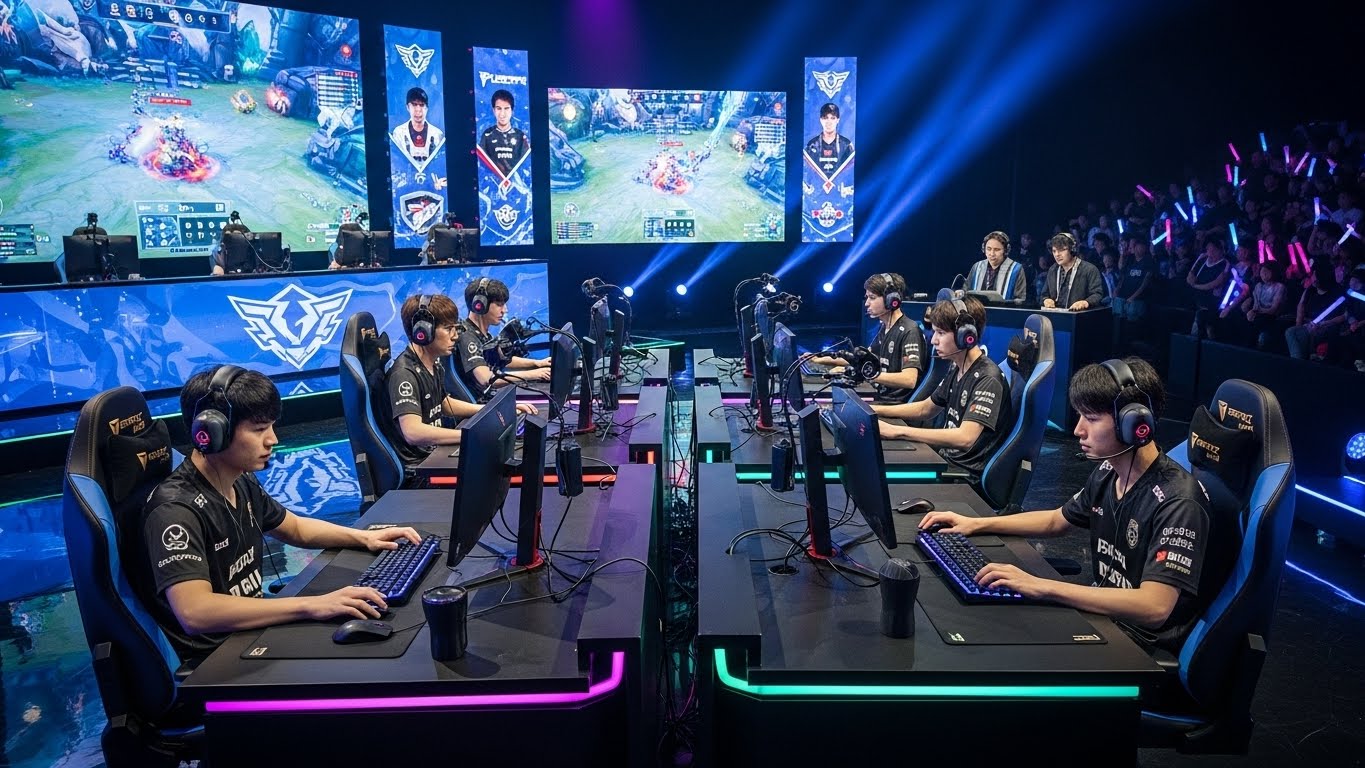
Professional organizations provide structured environments similar to traditional sports teams. Players have coaches, analysts, nutritionists, and psychologists to help them perform at their best. They train for hours each day, studying strategies, reviewing match footage, and perfecting their mechanics.
Beyond players, the esports ecosystem offers a range of careers — from commentators and production staff to game developers, event managers, and marketing professionals. The industry has created an entirely new economy around competitive gaming.
Global Tournaments and Spectacle Events
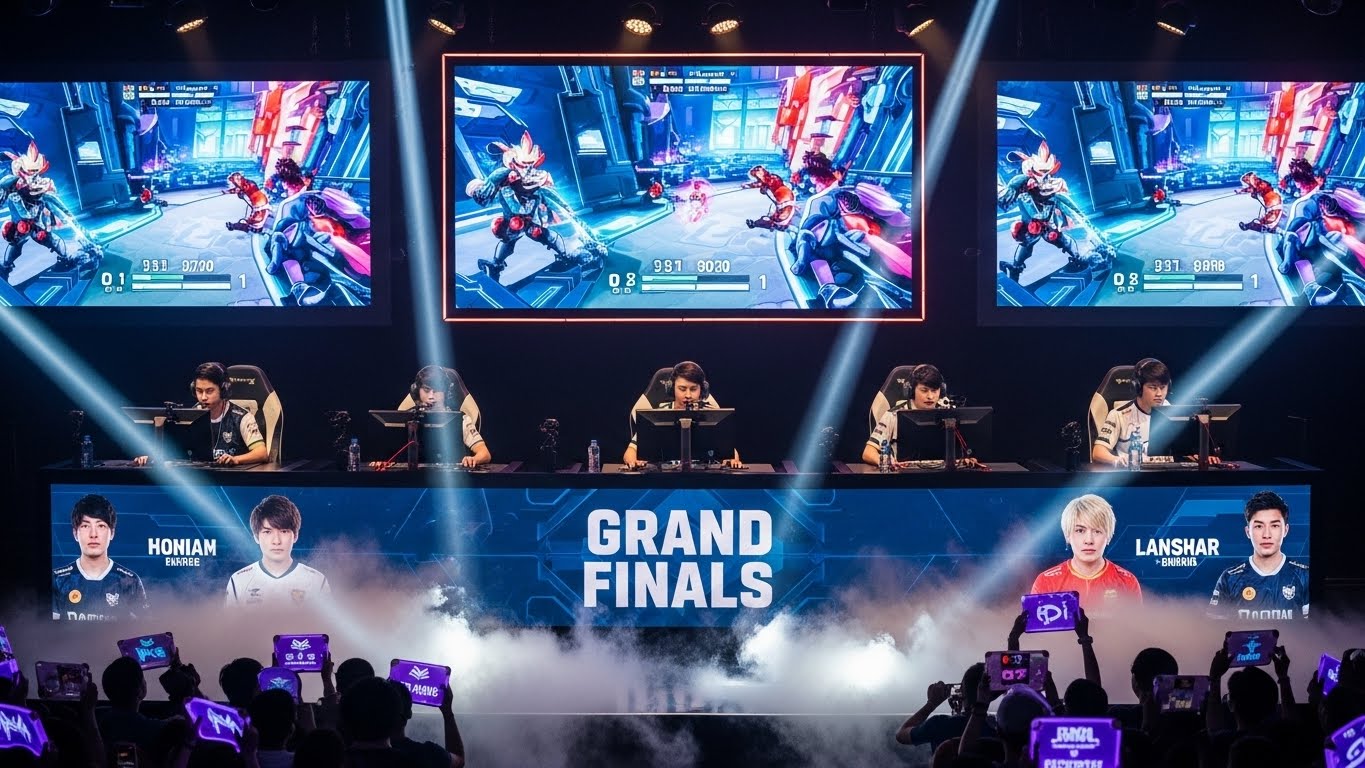
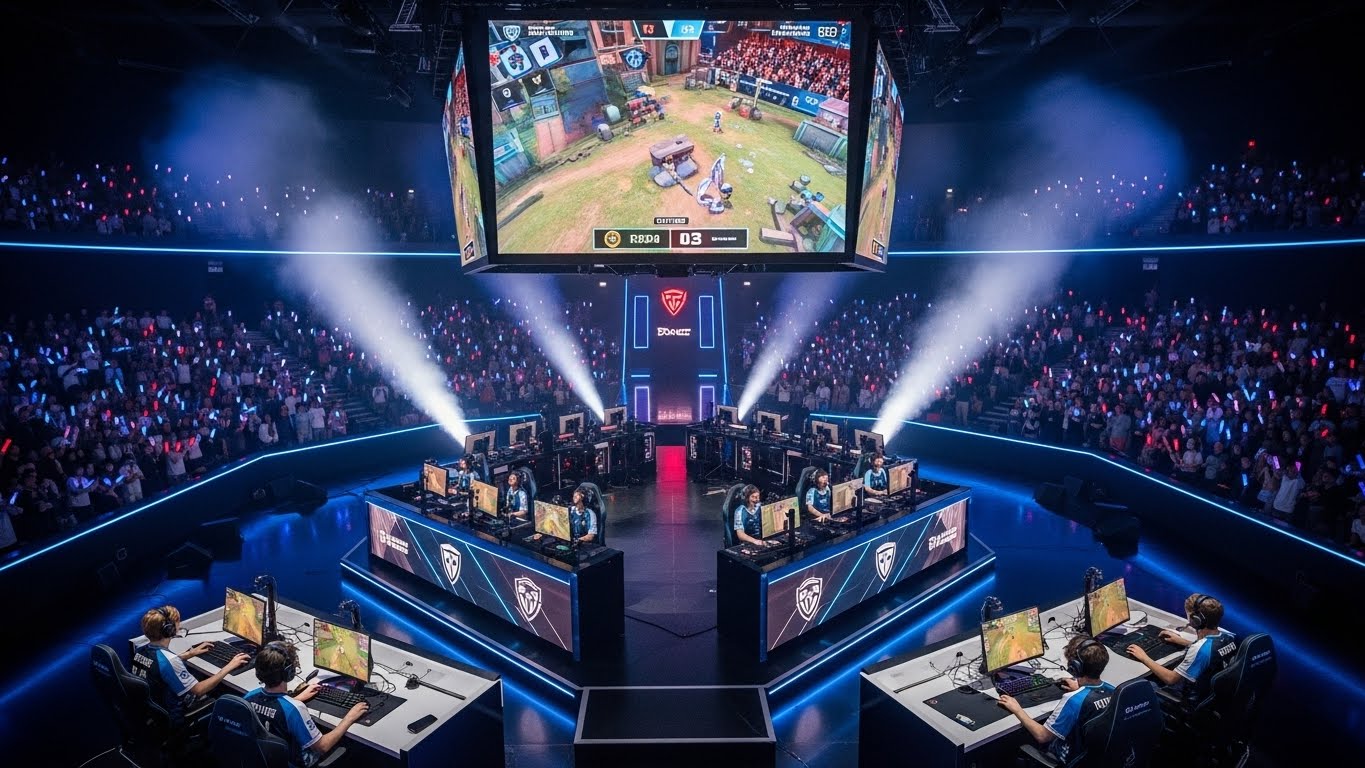
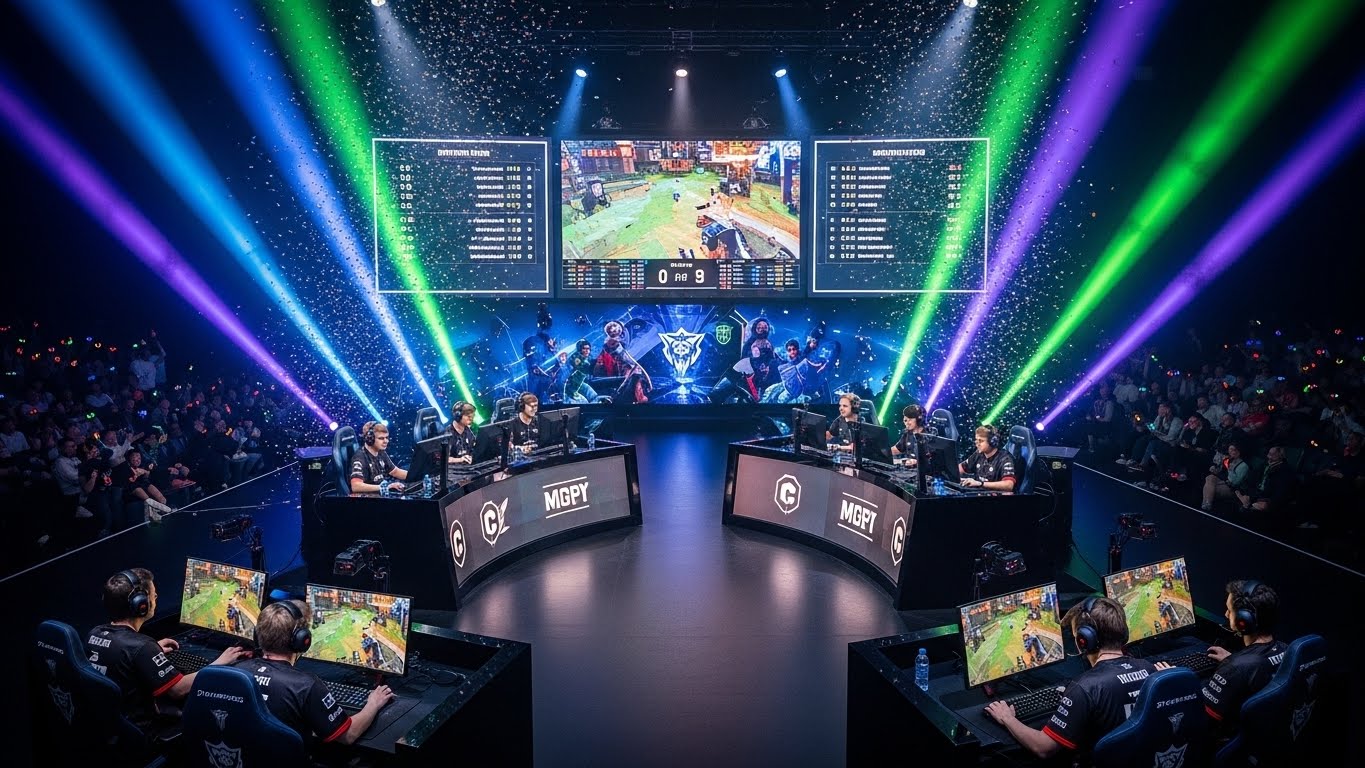
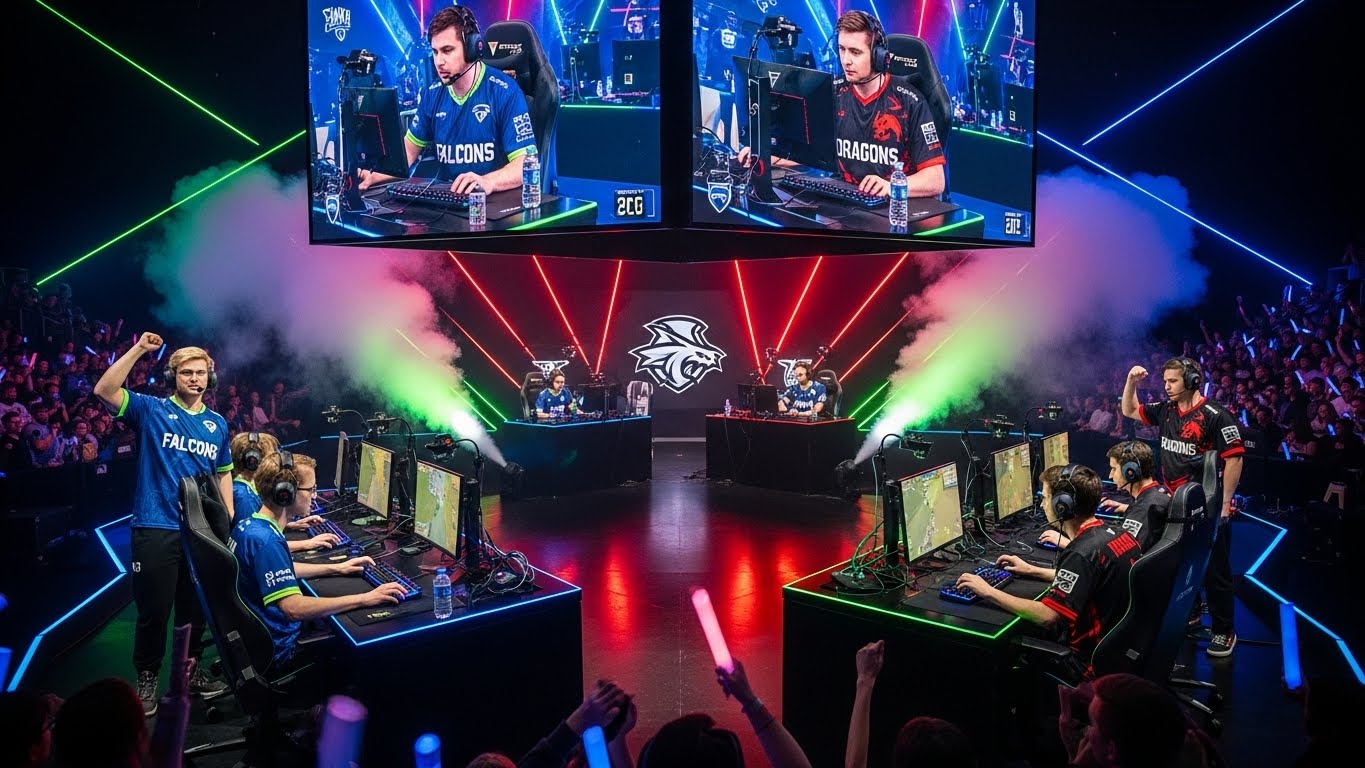
Major tournaments have taken esports to another level. Events like The International (for Dota 2), League of Legends World Championship, and Fortnite World Cup fill massive stadiums and attract millions of online viewers.
The scale of these events rivals that of traditional sports championships. Opening ceremonies feature elaborate performances, live music, and cinematic presentations. Teams enter arenas like athletes, waving to cheering fans.
Prize pools have skyrocketed — with The International surpassing tens of millions of dollars in rewards, funded largely through player contributions. Sponsors from industries like technology, fashion, and even automotive have entered the space, recognizing the marketing potential of this highly engaged audience.
The Role of Technology and Infrastructure
Technology has been the backbone of esports’ success. High-speed internet, advanced graphics engines, and streaming platforms have all contributed to its rapid growth.
Cloud gaming, 5G connectivity, and powerful gaming PCs have made competitive play more accessible than ever. Platforms now allow for seamless live broadcasting with minimal latency, ensuring fair and enjoyable experiences for both players and fans.
Game developers have also embraced the esports model, integrating spectator tools, replay systems, and ranked matchmaking directly into their titles. This integration helps bridge the casual and professional scenes, encouraging more players to pursue competition.
The Rise of Esports Organizations
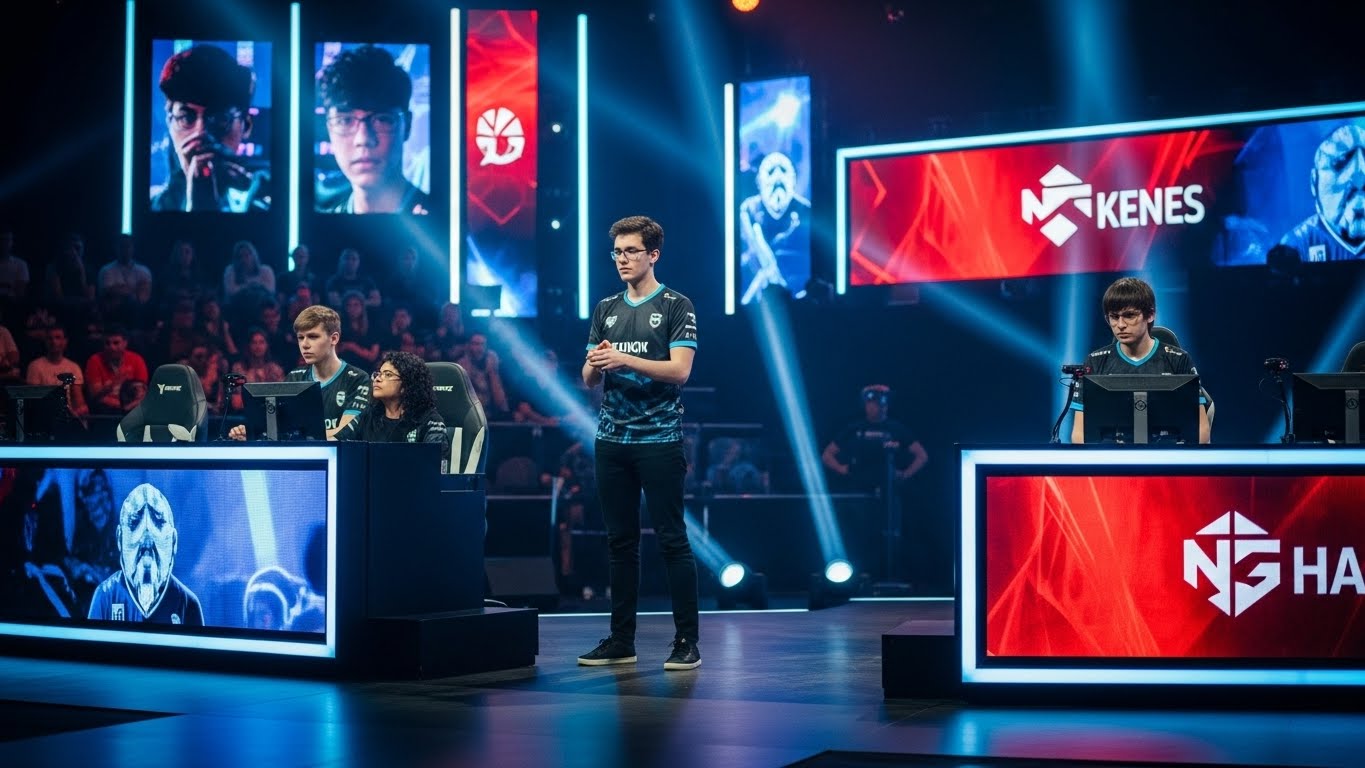
Teams in esports operate like traditional sports franchises. They recruit talent, negotiate sponsorships, manage branding, and build fanbases. Names like T1, Cloud9, Team Liquid, and Fnatic have become household brands in gaming communities.
These organizations go beyond just fielding players. They often produce content, run community initiatives, and represent lifestyle brands. For many fans, supporting an esports team feels as personal as cheering for a local football club.
The business side has become increasingly sophisticated. Organizations now deal with complex contracts, intellectual property rights, and international regulations. Some teams are even owned by or affiliated with major sports franchises, blurring the line between digital and physical sports.
The Cultural Impact of Esports
Esports is more than just competition — it’s culture. It has influenced fashion, music, media, and even education.
Streetwear brands collaborate with gaming teams. Rappers and pop stars appear at tournaments or stream games themselves. Universities now offer esports scholarships and degree programs, recognizing gaming as a valuable pursuit that blends technology, creativity, and teamwork.
The shared language of gaming has connected people across borders. Communities form around favorite games and personalities, breaking down barriers of nationality, language, and background. Esports has truly become a global phenomenon — a reflection of our interconnected digital age.
Challenges and Growing Pains
Despite its success, esports faces real challenges. Player burnout is a serious issue, as professional gamers often begin young and face immense pressure to perform. The physical and mental demands can lead to short careers and health concerns.
Another challenge is regulation. Unlike traditional sports governed by centralized organizations, esports is fragmented across different game publishers and tournament operators. This makes standardization of rules, contracts, and labor protections complicated.
Toxic behavior, cheating, and match-fixing have also surfaced, forcing the industry to establish stricter codes of conduct and integrity systems.
Moreover, the rapid commercialization of esports raises questions about sustainability. With sponsorships and hype driving much of the market, there’s constant pressure to keep audiences engaged and revenues growing.
Esports and Education
In recent years, schools and universities have begun recognizing esports as an educational opportunity. Competitive gaming fosters skills such as communication, strategy, and leadership.
High schools around the world now have esports clubs and teams, while universities offer scholarships to talented players. Beyond competition, programs in game design, broadcasting, and esports management prepare students for careers in this fast-growing field.
This integration into education legitimizes esports even further, turning it from a pastime into a gateway for learning and innovation.
The Role of Diversity and Inclusion
Esports, like many industries, has faced criticism for a lack of diversity. Historically, the space has been dominated by young men, but that narrative is changing.
Women, non-binary players, and underrepresented groups are increasingly carving out spaces within the community. All-female teams, inclusive tournaments, and advocacy groups are pushing for equity and respect.
The conversation around inclusivity is vital for the future of esports. A truly global industry must represent the diversity of its audience. Progress is being made, though there’s still much work to do in ensuring safe, welcoming environments for everyone.
The Business of Esports
Financially, esports has grown into a powerhouse. Revenues stem from multiple streams — advertising, sponsorships, media rights, merchandise, and live events.
Brands invest heavily because esports audiences are young, tech-savvy, and deeply engaged. Unlike traditional TV viewers, esports fans interact directly with players and teams through live chats, social media, and streaming platforms.
Media companies are also recognizing the potential. Broadcasters now air esports events alongside traditional sports, while streaming platforms compete for exclusive rights to major tournaments.
Franchising models, similar to those in the NBA or NFL, have emerged in games like Overwatch and Call of Duty. Teams pay for official league spots, gaining stability and long-term investment opportunities.
The Pandemic and Its Effects
The COVID-19 pandemic accelerated esports growth. While traditional sports struggled with cancellations, esports thrived in the digital realm. Players could compete remotely, and fans tuned in online in record numbers.
Many new viewers discovered esports during lockdowns, and even after restrictions eased, the interest remained strong. This period proved the resilience of the industry — showing that esports could adapt and even expand during global disruptions.
It also reinforced the idea that esports isn’t bound by physical limitations. Virtual tournaments, remote commentary, and digital fan interactions became the norm, reshaping how events are run.
The Future of Esports
The future of esports looks bright — and unpredictable. As technology evolves, so too will the ways people play and watch games.
Virtual Reality (VR) and Augmented Reality (AR) could redefine the viewing experience, turning spectators into active participants. Artificial Intelligence may be used for performance analysis, coaching, and fair play enforcement.
Mobile esports, particularly in regions like Southeast Asia and Latin America, are driving a new wave of accessibility. Games like Mobile Legends, Free Fire, and PUBG Mobile attract tens of millions of players, many of whom are entering esports for the first time.
As esports continues to expand globally, partnerships with traditional sports, entertainment, and media will likely grow stronger. The line between gaming and mainstream culture will blur even further.
Why Esports Matters
At its heart, esports is about more than winning matches or making money. It represents passion, community, and the power of digital connection. It shows how human creativity and competition can thrive in new environments.
Esports provides opportunities for people to express themselves, find belonging, and achieve greatness in ways that didn’t exist a generation ago. It has become a bridge between technology and humanity — a reminder that play, in all its forms, continues to shape who we are.
Conclusion: More Than Just a Game
From the flicker of arcade screens to global tournaments broadcast to millions, esports has traveled a long and remarkable road. It has defied stereotypes, challenged industries, and created a new form of global entertainment that’s here to stay.
The rise of esports reflects the evolution of culture itself — digital, connected, and endlessly creative. As it continues to grow, one thing remains certain: esports isn’t just the future of gaming. It’s the future of competition, community, and storytelling.