arenatribe36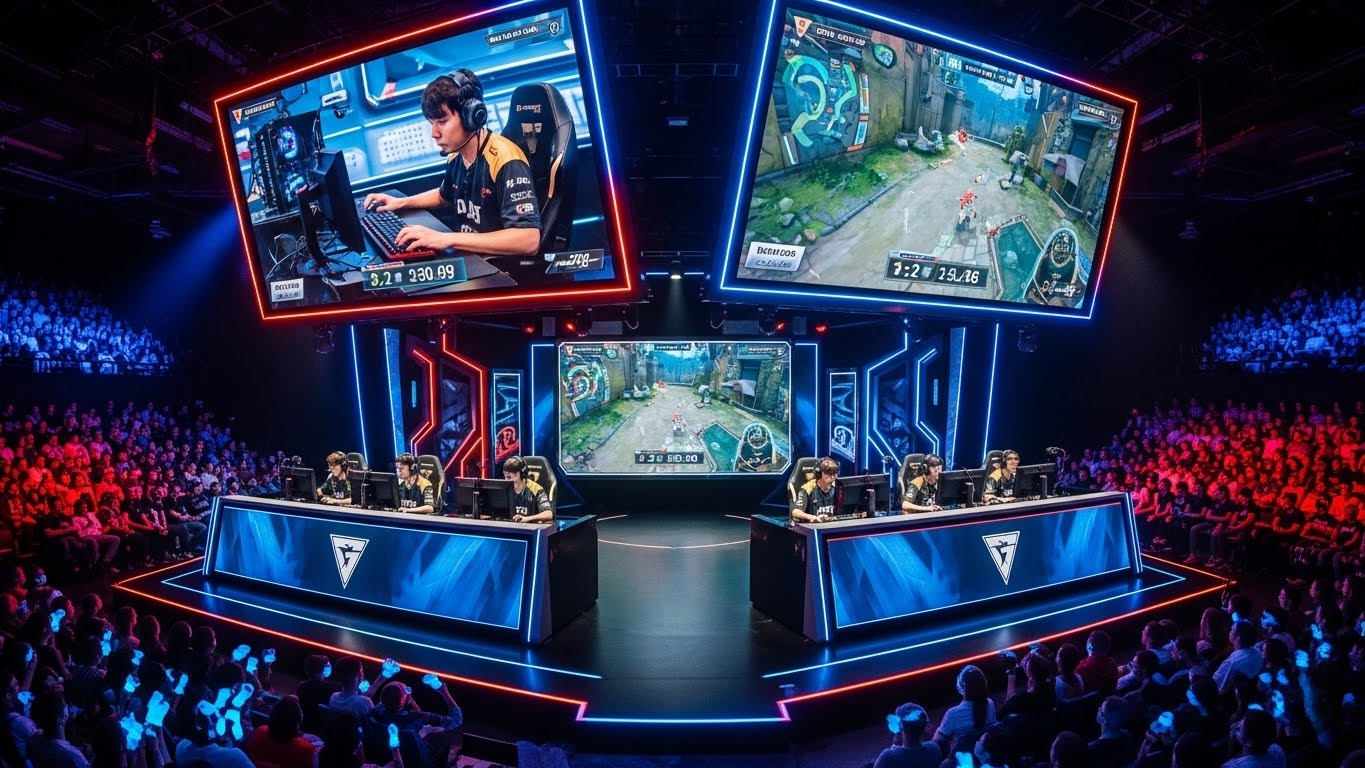
Esports, once considered a niche activity for gamers, has grown into a global phenomenon with millions of players and fans worldwide. The rise of competitive gaming has transformed video games from a casual pastime into a multi-billion-dollar industry, complete with sponsorships, tournaments, professional teams, and even television broadcasts. In this blog post, we’ll explore how esports has evolved, the factors driving its growth, and its potential for the future.
The Evolution of Esports: From Arcade Games to Global Competitions
The roots of esports can be traced back to the early days of competitive gaming. In the 1970s and 1980s, arcade games like Pong and Space Invaders began to see the emergence of local competitions. However, it wasn’t until the 1990s that the seeds of modern esports began to take root.
Games like Street Fighter and Quake introduced the concept of tournaments, and players started to gather in local LAN (Local Area Network) events to compete against each other. The popularity of the internet in the late 90s and early 2000s gave rise to online gaming, and games such as Warcraft and Starcraft fueled the first real generation of esports players. South Korea was a pioneer in the growth of esports during this period, with Starcraft tournaments gaining mainstream attention. These early tournaments were modest in scale, but they laid the groundwork for the expansive esports ecosystem we see today.
By the mid-2000s, the concept of professional esports leagues began to take shape. Games like League of Legends, Dota 2, Counter-Strike, and Overwatch would eventually become staples of competitive gaming, with millions of dollars in prize money, large-scale live events, and global fanbases following their development. The introduction of streaming platforms such as Twitch further accelerated the growth of esports by allowing fans to watch live tournaments and interact with their favorite players.
The Key Drivers Behind the Esports Boom
The rapid rise of esports can be attributed to several key factors that have contributed to its widespread popularity.
- Streaming Platforms
Streaming services like Twitch, YouTube Gaming, and Facebook Gaming have revolutionized the way people consume content. What once was limited to television broadcasts has now become a dynamic, interactive experience. These platforms allow viewers to watch their favorite players in real-time, learn from them, and even chat with them during live broadcasts. With millions of subscribers and viewers, these platforms have created a dedicated space for esports enthusiasts. - Accessibility and Low Barriers to Entry
Unlike traditional sports, esports is incredibly accessible. Almost anyone with a computer or gaming console can participate in the competitive gaming scene. The internet has enabled gamers from all over the world to connect and compete with each other, eliminating geographic and financial barriers that exist in many traditional sports. This accessibility has created a global community of players and fans, making esports a truly international phenomenon. - The Role of Sponsorships and Investment
As esports gained traction, major corporations began to recognize its potential as a viable market. Companies like Intel, Coca-Cola, Red Bull, and even luxury brands like Louis Vuitton have invested in esports sponsorships and partnerships. These investments have helped drive the development of esports leagues, tournaments, and player organizations. The influx of capital has also led to higher prize pools for tournaments, making esports a financially rewarding career option for top players. - The Growth of Professional Teams and Organizations
The rise of professional esports teams has been another critical driver in the expansion of the industry. Teams like Team Liquid, Cloud9, FaZe Clan, and T1 have become household names within the gaming community. These organizations invest heavily in recruiting top-tier players, coaching staff, analysts, and even content creators. Just like traditional sports teams, esports organizations have built fanbases around their players and have made esports a spectator sport on par with traditional athletic competitions. - The Popularity of Mobile Gaming
The explosion of mobile gaming has also played a significant role in the rise of esports. Games like Clash Royale, PUBG Mobile, and Arena of Valor have expanded the reach of esports to a broader audience. With mobile devices becoming more powerful and affordable, players around the world can compete in esports without needing high-end gaming PCs or consoles. Mobile esports tournaments are now a staple in regions like Southeast Asia and India, where mobile gaming has become a cultural phenomenon.
Esports as a Career: Professional Players and Beyond
One of the most exciting aspects of esports is that it has created a viable career path for gamers. Professional players can now make a living from their skills, competing in high-profile tournaments for significant prize money. For example, the The International Dota 2 tournament regularly offers a prize pool in excess of $30 million, with individual players receiving payouts that rival those of traditional sports stars.
However, becoming a professional esports player requires more than just playing games. Players spend hours each day practicing, refining their skills, and studying game strategies. The mental and physical toll of being a top-tier player is immense, with many esports athletes requiring support staff such as coaches, nutritionists, and psychologists to maintain peak performance.
But it’s not just about playing. Esports has given rise to numerous career opportunities beyond competitive gaming. Players who retire from active competition often transition to roles such as coaches, analysts, or streamers. Content creation and streaming have become massive parts of the esports ecosystem. Platforms like Twitch have turned popular gamers into internet celebrities with massive followings, allowing them to monetize their content through ad revenue, sponsorships, and merchandise sales.
Additionally, the business side of esports has expanded significantly. Event organizers, marketing agencies, broadcasters, and even esports lawyers now have active roles in supporting the industry. The economic ecosystem surrounding esports is robust, and as the industry grows, it will continue to provide new career opportunities for those passionate about gaming.
The Global Esports Audience: Who Watches and Why?
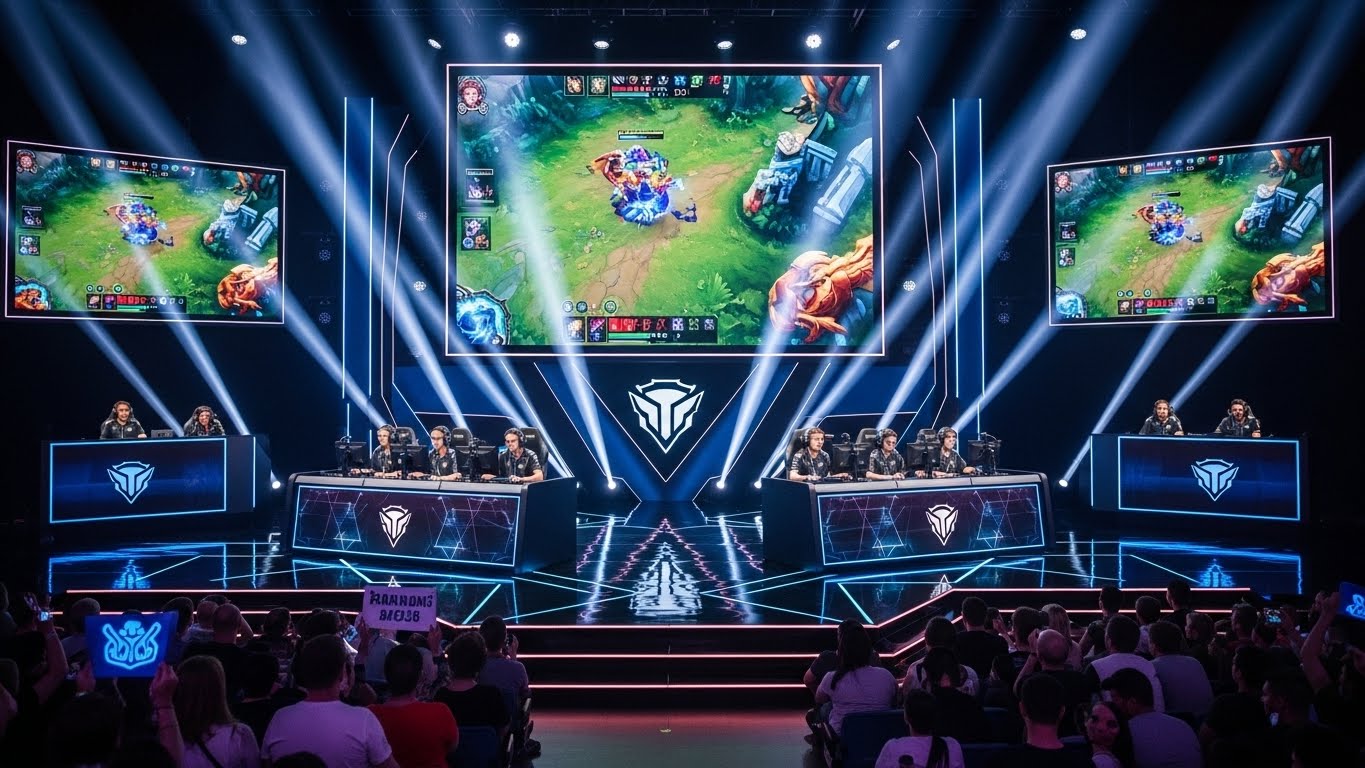
Esports is no longer just a niche interest—it has become mainstream entertainment. Major tournaments are now broadcast on television, with networks like ESPN, TBS, and even traditional sports channels regularly airing esports competitions. The global audience for esports has grown exponentially, with millions tuning in to watch top-tier matches and tournaments across various games.
But who exactly is watching esports? According to a 2023 report, the global esports audience is estimated to exceed 500 million people, with the majority being young adults between the ages of 18 and 34. Esports is particularly popular in regions like North America, Europe, and Asia, with countries like South Korea, China, and the United States leading the charge.
What makes esports so appealing to viewers? One of the key reasons is the interactive nature of the experience. Unlike traditional sports, where fans are largely passive spectators, esports offers an immersive experience. Fans can watch their favorite players in real-time, learn from their strategies, and engage directly with them through social media or live streaming chats. The accessibility of online platforms also means that fans can watch esports from anywhere in the world, breaking down geographical barriers that limit the reach of traditional sports.
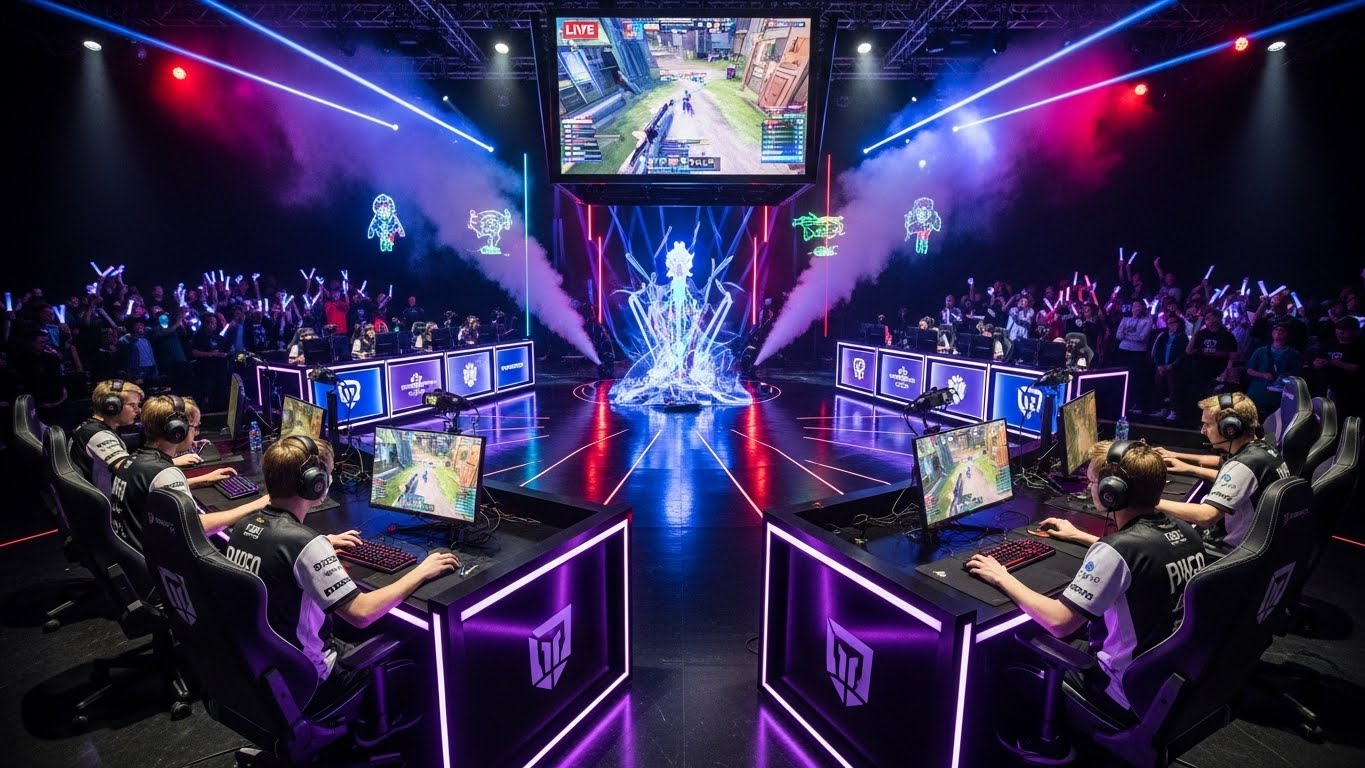
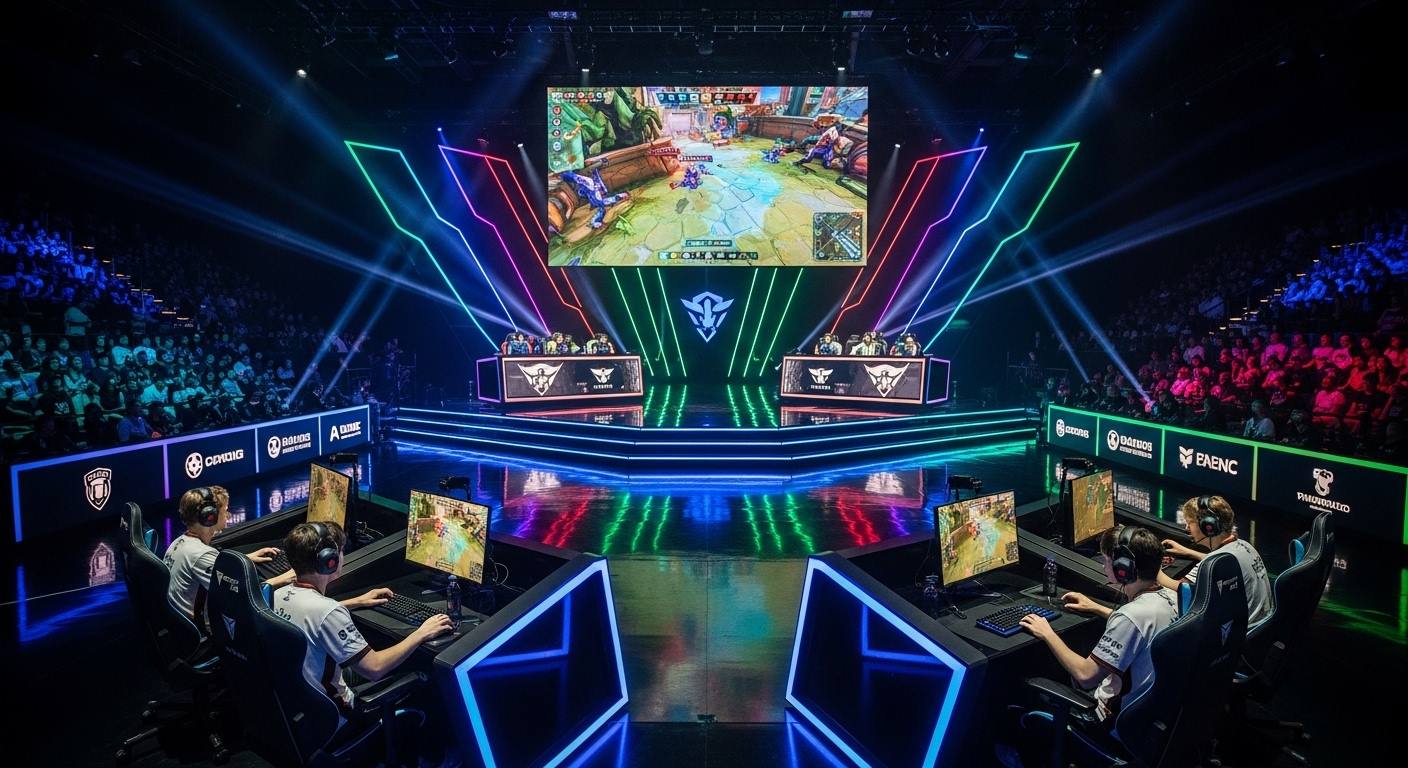
Moreover, esports offers a level of spectacle that traditional sports often lack. The in-game action, coupled with high-quality production values, creates a thrilling viewing experience. Professional players are seen as athletes in their own right, and watching them compete at the highest level provides fans with the same excitement and drama that traditional sports fans experience when watching football, basketball, or soccer.
The Future of Esports: What Lies Ahead?
The future of esports looks incredibly promising, with continued growth expected in both the number of players and the audience. Some of the key trends shaping the future of esports include:
- Integration with Traditional Sports
As esports continues to rise in popularity, we may see even more integration between traditional sports and esports. Major sports leagues like the NBA and NFL have already begun to invest in esports, with professional athletes from traditional sports showing interest in competitive gaming. The crossover between the two worlds could result in even more exposure for esports and a blending of audiences. - More Investment and Sponsorships
The influx of investment into esports shows no signs of slowing down. As more corporations, media companies, and venture capitalists see the potential in esports, sponsorships will continue to flow, allowing for more tournaments, higher prize pools, and better production values. - Expansion into Virtual Reality (VR) and Augmented Reality (AR)
Virtual and augmented reality technologies could revolutionize the way esports is played and watched. VR esports, where players compete in fully immersive environments, is already gaining attention, and as VR technology becomes more affordable and accessible, we can expect to see a shift toward more immersive, 3D competitive experiences. - Mobile Esports Growth
As mobile gaming continues to dominate certain regions, mobile esports will play an even more significant role in the future of the industry. The convenience of mobile devices allows for a more inclusive and widespread esports ecosystem, enabling people from various economic backgrounds and geographic locations to participate in competitive gaming. - Mainstream Recognition and Global Events
With the continued rise of esports in popularity, it’s likely that esports will continue to receive mainstream recognition. Major international tournaments like The International or League of Legends World Championship will attract even larger audiences, while mainstream media companies may invest more in esports broadcasting and coverage.
Conclusion: Esports as a Cultural Force
Esports has transformed from a niche interest into a global cultural force, with millions of fans and players worldwide. The accessibility of gaming, the rise of streaming platforms, and the increasing investment in esports have made it one of the most exciting and rapidly growing industries of the 21st century.