arenatribe36
Introduction
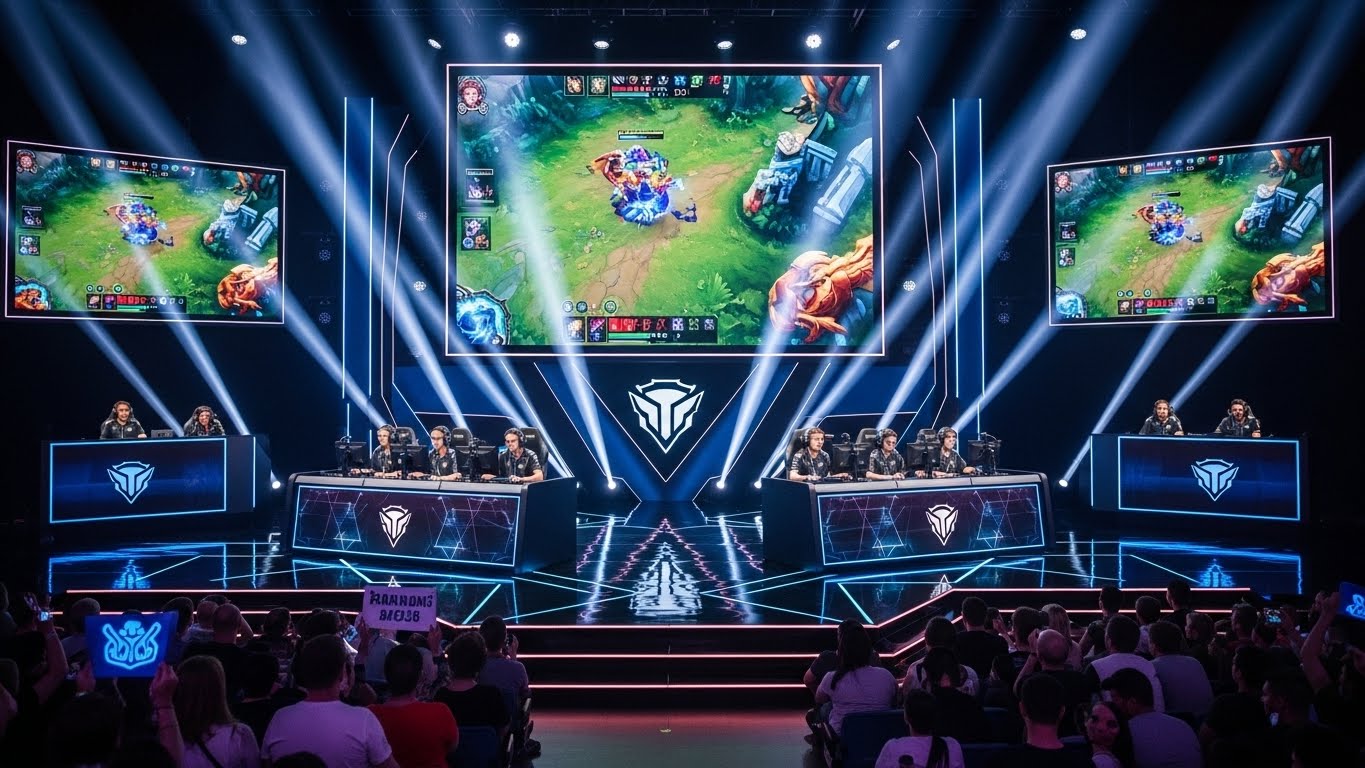
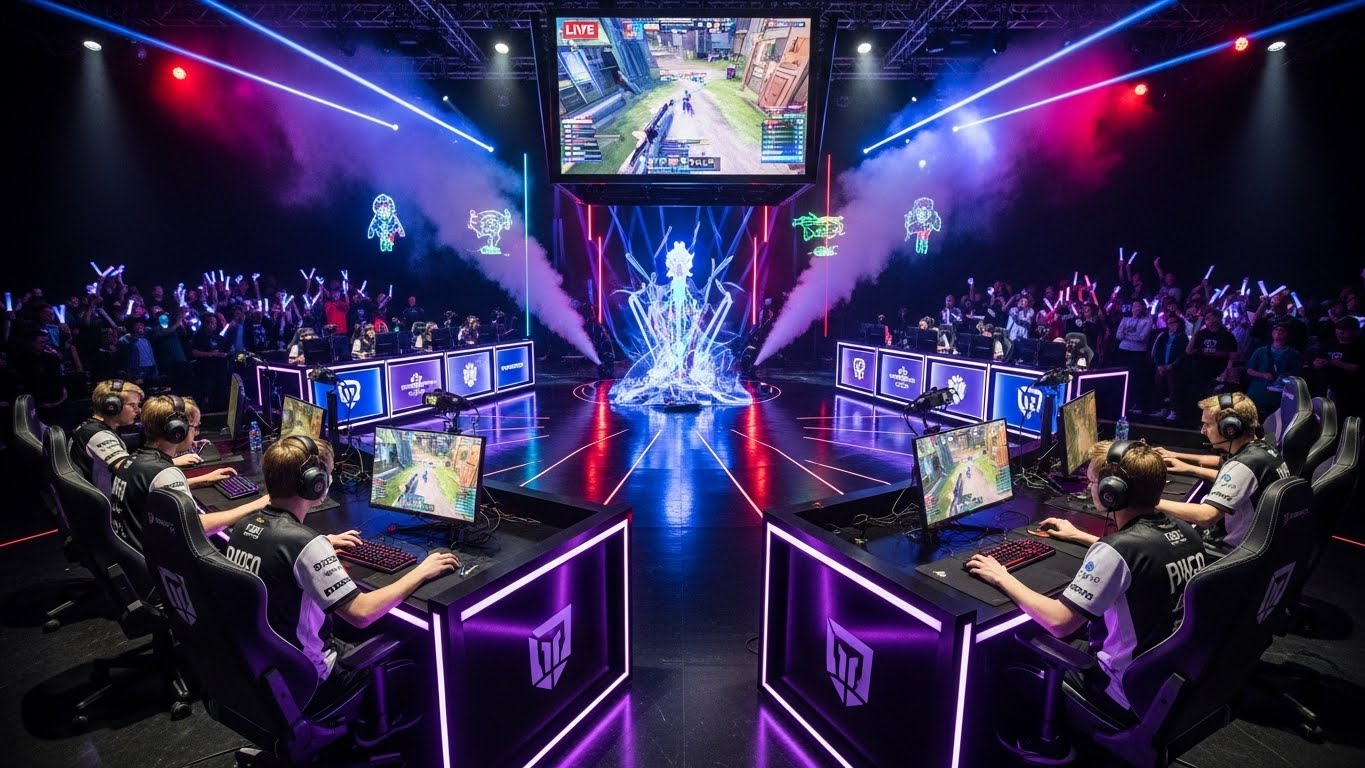
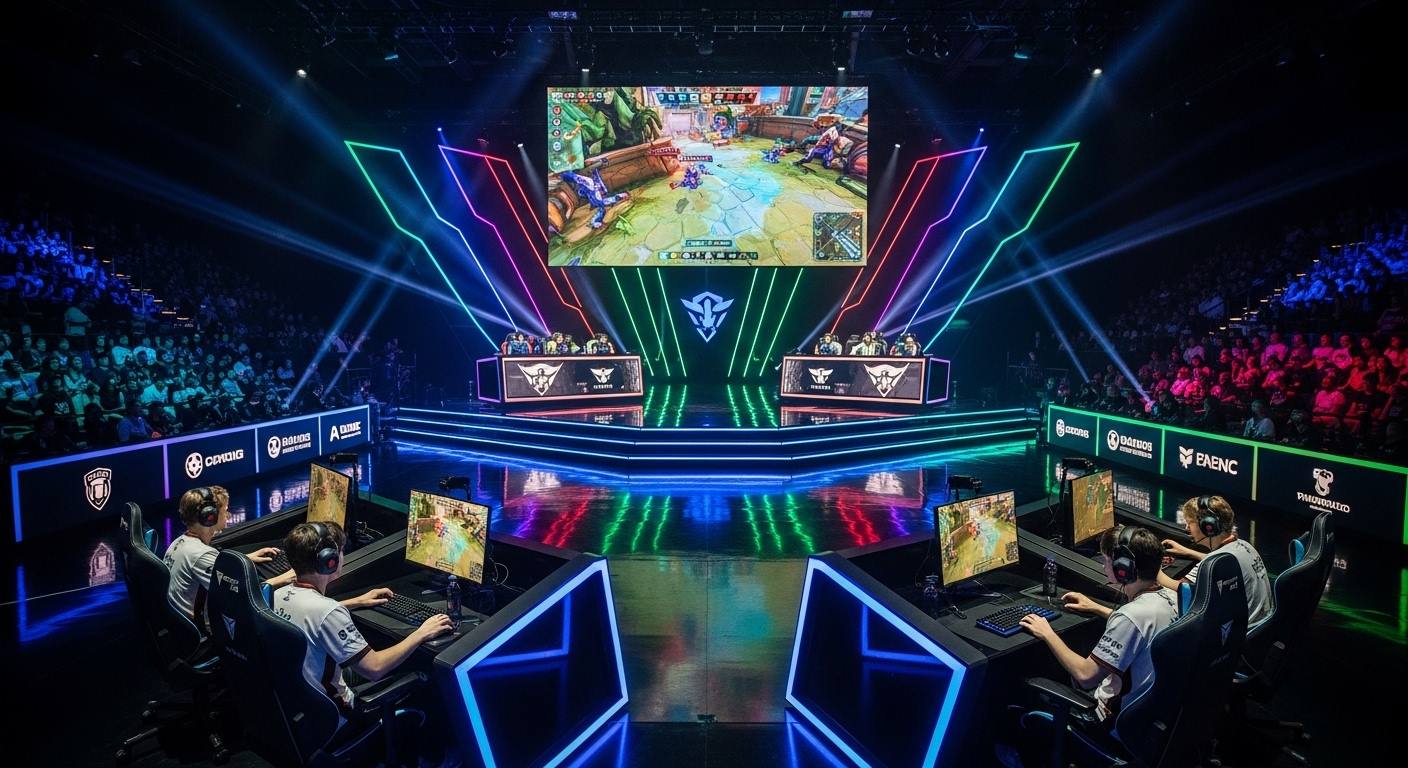
Over the last decade, iGames have transformed from a niche hobby into a global entertainment powerhouse. Millions of fans worldwide tune in to watch professional players compete in games ranging from first-person shooters to real-time strategy games. With massive tournaments, sponsorship deals, and media coverage rivaling traditional sports, competitive iGames have carved a permanent place in modern culture.
In this article, we’ll explore the evolution of competitive iGames, the key factors behind their meteoric rise, and what the future holds for this fast-growing industry.
The Early Days of Competitive iGames
Competitive gaming can trace its roots back to the 1970s and 1980s with arcade competitions and early PC tournaments. Games like Space Invaders and Pac-Man sparked local tournaments, while the 1990s saw the emergence of LAN (Local Area Network) competitions for games like Doom and Quake. These events laid the foundation for what would become the esports ecosystem.
By the early 2000s, games such as StarCraft and Counter-Strike began to dominate the competitive scene, especially in regions like South Korea and Europe. South Korea, in particular, developed professional leagues and broadcasting platforms that made iGames a legitimate career path.
The Growth of the iGames Industry
The rapid growth of competitive iGames can be attributed to several key factors:
1. Online Connectivity
The rise of high-speed internet allowed players worldwide to compete against each other in real-time, breaking down geographical barriers and creating global communities.
2. Streaming Platforms
Platforms like Twitch, YouTube Gaming, and Facebook Gaming revolutionized the way fans consume iGames. Viewers could watch live matches, learn strategies, and interact with pro players in real-time.
3. Sponsorship and Investment
Brands recognized the potential of esports audiences, leading to sponsorship deals with teams, players, and tournaments. Companies like Intel, Red Bull, and Nike began investing heavily in the scene, legitimizing competitive gaming as a serious industry.
Popular iGames in Competitive Circuits
Different games dominate different regions and genres. Here are a few examples:
- FPS (First-Person Shooter): Counter-Strike: Global Offensive, Valorant, Call of Duty
- MOBA (Multiplayer Online Battle Arena): League of Legends, Dota 2
- Battle Royale: Fortnite, PUBG, Apex Legends
- Sports Simulation: FIFA, NBA 2K
Each game has a unique competitive structure, including leagues, tournaments, and international championships that attract millions of viewers.
The Role of Professional Players
Professional iGamers are more than just skilled players—they are influencers, entertainers, and role models. These athletes dedicate hours to training, analyzing gameplay, and developing strategies. Top players earn significant income through tournament winnings, streaming, sponsorships, and merchandise.
Esports Teams and Organizations
Teams such as Team Liquid, Cloud9, Fnatic, and T1 have become household names in the iGames community. These organizations manage multiple teams across games, offer coaching staff, and maintain social media presence to engage fans. The professionalization of teams mirrors traditional sports franchises, with contracts, training facilities, and global fanbases.
The Economics of Competitive iGames
Esports is no longer just a hobby—it’s a lucrative industry. Key revenue streams include:
- Sponsorships and Advertisements: Brands pay top dollar to associate with high-profile tournaments and teams.
- Media Rights: Streaming platforms often pay to broadcast tournaments exclusively.
- Merchandise and In-Game Purchases: Fans purchase team jerseys, digital skins, and other virtual goods.
- Tournament Winnings: Major events like The International for Dota 2 have prize pools exceeding $40 million.
Cultural Impact of iGames
Competitive gaming has influenced pop culture, fashion, and media. Celebrities now invest in teams, and esports are featured in mainstream sports coverage. Additionally, iGames have fostered inclusive communities where players of all backgrounds can compete and connect.
Challenges Facing the Industry
Despite rapid growth, the iGames industry faces challenges:
- Player Burnout: Intense practice schedules can lead to mental and physical health issues.
- Regulatory Issues: Different countries have varying rules on online gaming, gambling, and contracts.
- Cheating and Fair Play: Ensuring competitive integrity remains an ongoing concern.
The Future of Competitive iGames
The next decade promises further growth with innovations such as VR esports, AI-driven training, and expanded global tournaments. As audiences continue to expand, iGames may rival traditional sports in popularity, mainstream recognition, and economic influence.
Conclusion
From humble arcade beginnings to multi-million-dollar tournaments, iGames have become a global cultural and economic force. For players, fans, and investors, the world of competitive gaming offers unparalleled opportunities. The rise of esports isn’t just a trend—it’s a revolution reshaping entertainment worldwide.