arenatribe36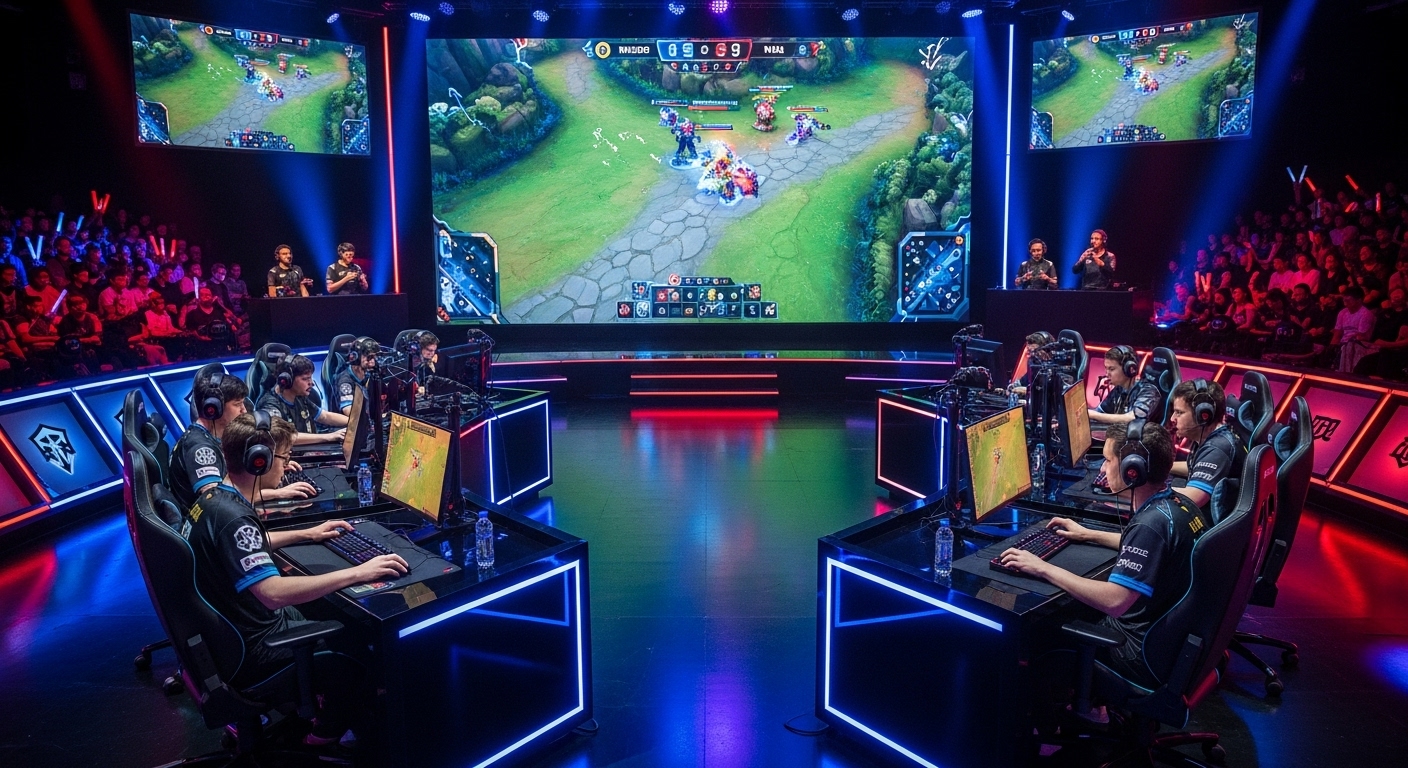
Introduction: The Rise of eSports as a Global Phenomenon
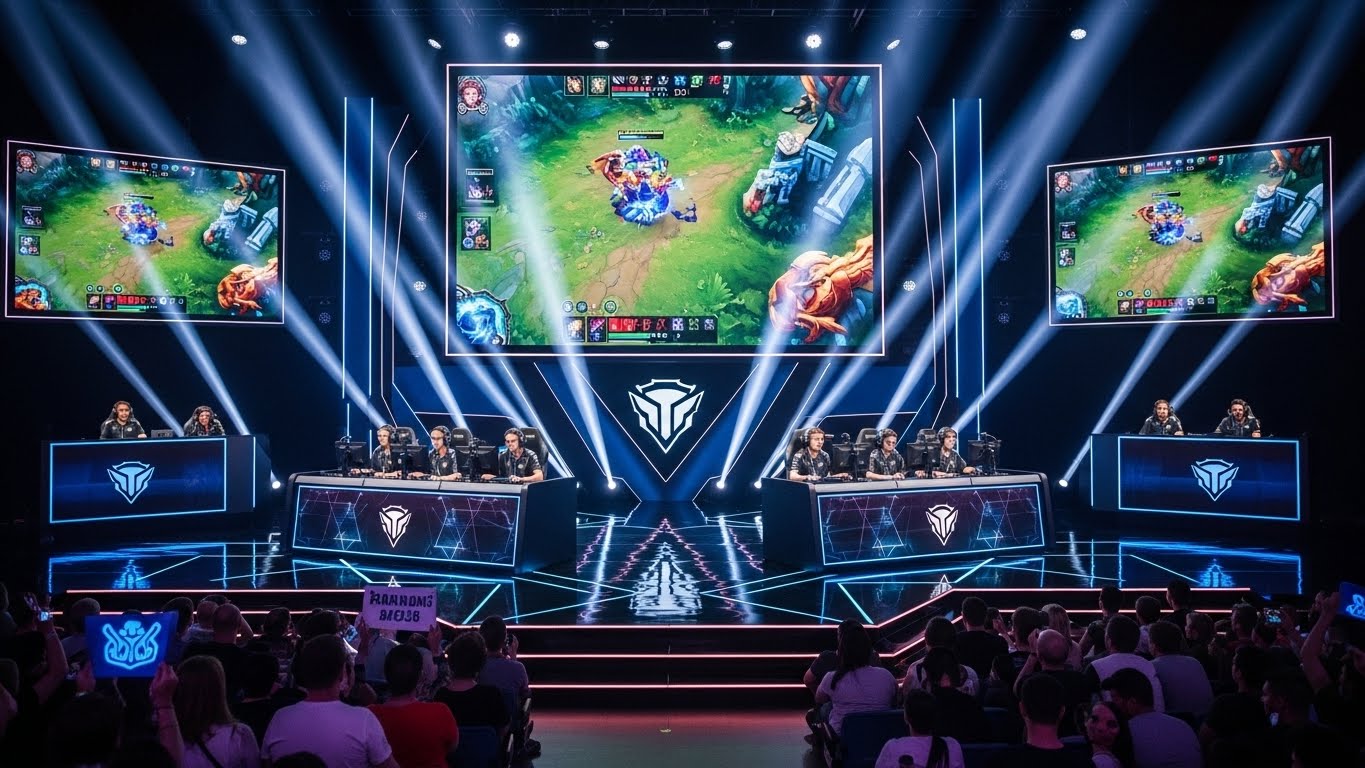
In the past decade, eSports has transformed from a subculture of gaming enthusiasts into a global powerhouse. The world of competitive gaming is no longer a niche or a hobby but a multi-billion-dollar industry attracting millions of viewers, professional players, and sponsors. Tournaments like The International for Dota 2, League of Legends World Championship, and the Fortnite World Cup now rival traditional sports events in terms of viewership, prize money, and cultural impact. But what’s behind this meteoric rise? In this blog, we will explore how eSports has evolved, its immense popularity, and what makes it stand out in the world of entertainment.
What is eSports?
At its core, eSports refers to competitive video gaming, where individuals or teams compete against each other in various games for rewards and recognition. While casual gaming is primarily for fun, eSports takes it to another level by turning games into professional competitions. Whether it’s League of Legends, Counter-Strike: Global Offensive, Overwatch, or Call of Duty, these games have thriving professional scenes with skilled players and dedicated teams battling it out in high-stakes tournaments.
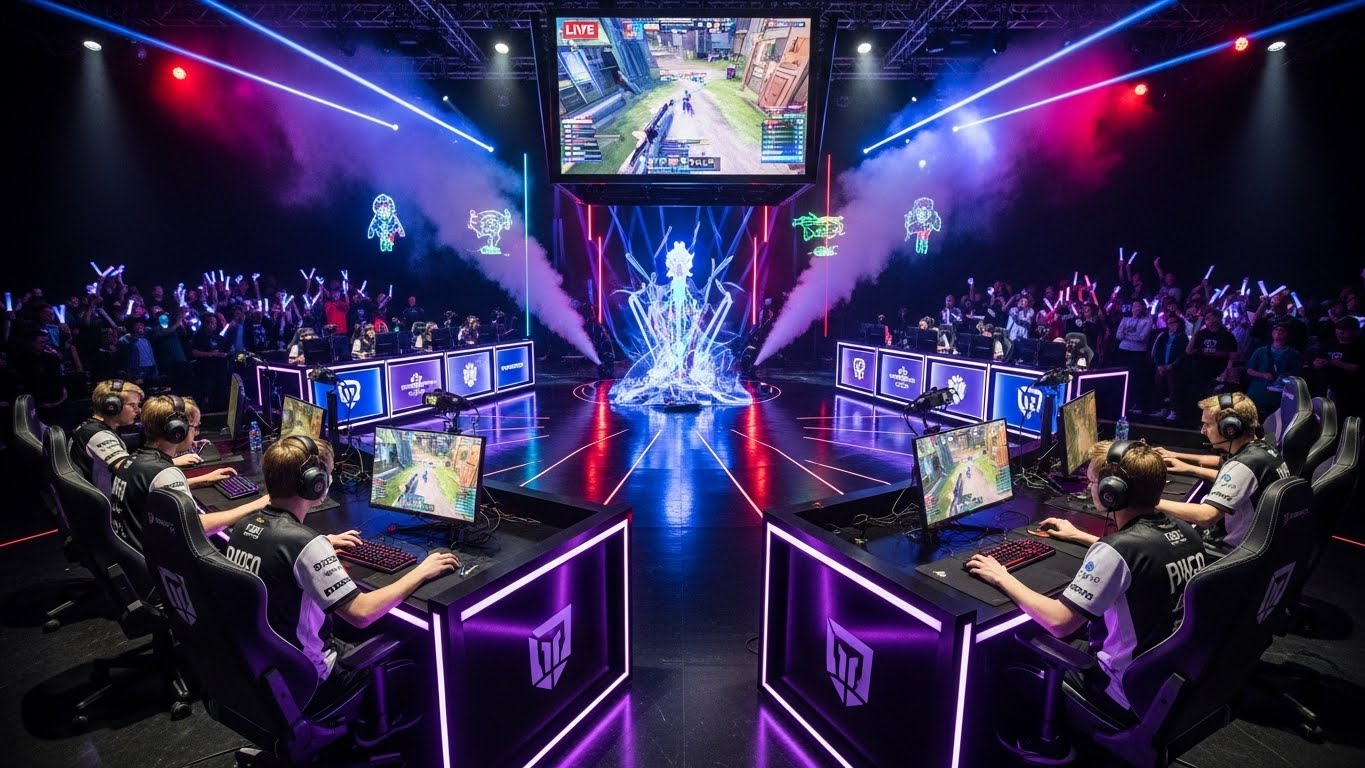
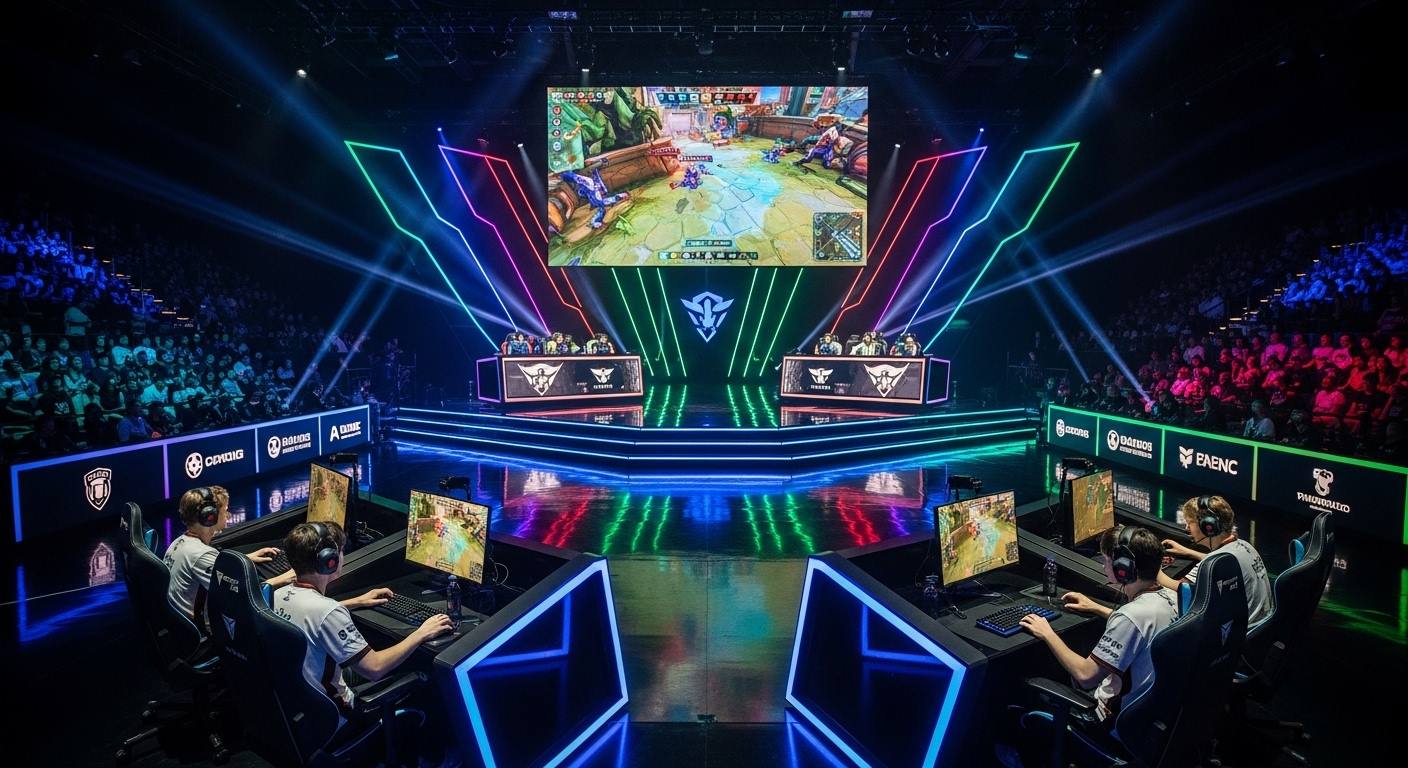
The key distinction between traditional video gaming and eSports is the structure and scale. eSports is organized, often governed by leagues or tournament organizers, and is viewed by large audiences on streaming platforms like Twitch and YouTube Gaming. The tournaments often have substantial prize pools, sponsorships, and media coverage, offering opportunities for players to make careers out of what was once just a pastime.
The Evolution of eSports: From LAN Parties to International Tournaments
The roots of eSports can be traced back to the 1990s when multiplayer games like Quake and StarCraft were first introduced. These early games allowed players to compete against each other over local area networks (LAN), often in small community events. Back then, gaming competitions were largely informal, held at local gaming centers or informal LAN parties, but they quickly grew in size and scope.
The first real breakthrough for eSports came in the early 2000s with the rise of online gaming. Games like Warcraft III and StarCraft helped bring the concept of large-scale competitive gaming into the mainstream, and platforms like Twitch (launched in 2011) allowed fans to watch these events in real-time. As the internet and streaming technology improved, eSports evolved from small-scale competitions to massive international events watched by millions of fans worldwide.
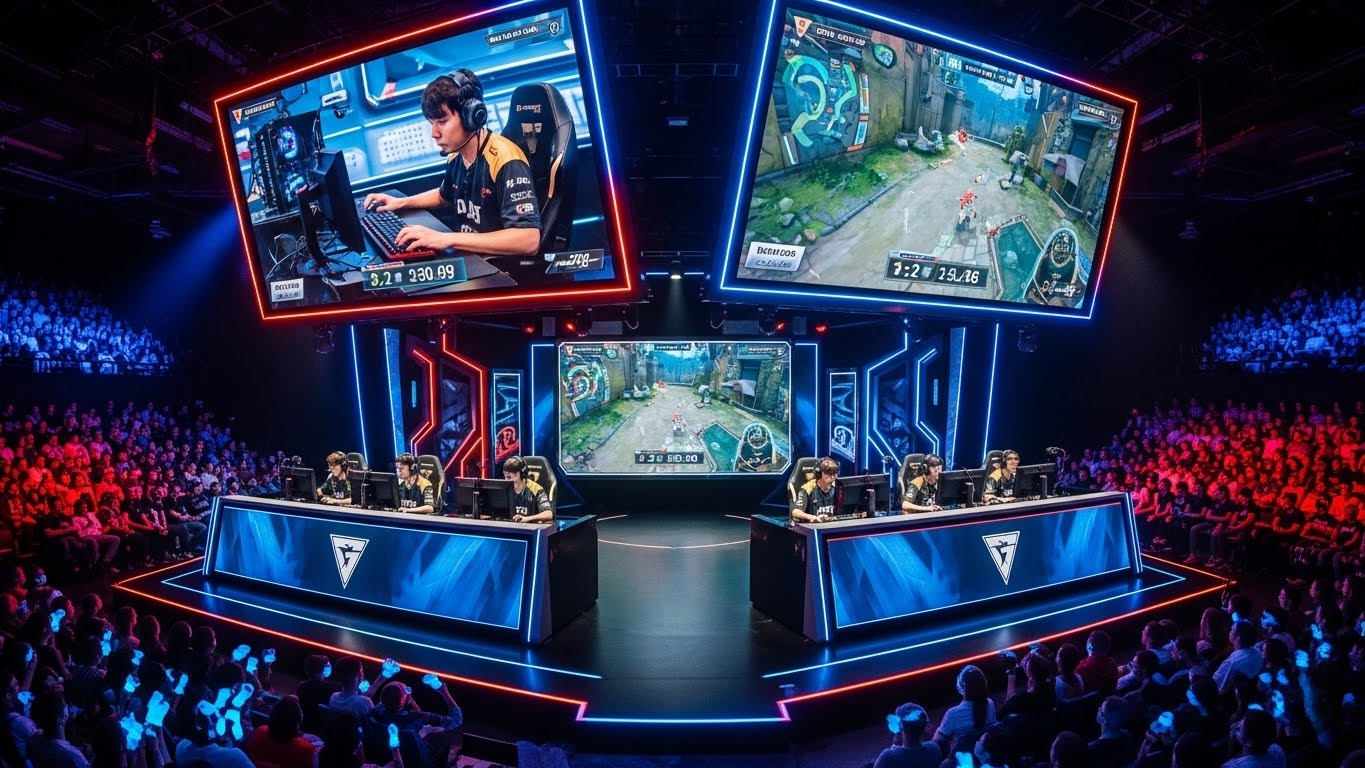
Today, eSports has become a staple of the entertainment industry, with major competitions such as The International, League of Legends World Championships, and CS:GO Major Championships being broadcast on television and online to global audiences. These tournaments regularly feature prize pools worth millions of dollars and draw in talent from all over the world. What was once an underground hobby has now become a fully-fledged professional industry with a massive following.
The Business Side of eSports: A Lucrative Industry
eSports is no longer just about gaming; it’s also about business. The industry is worth billions of dollars and has attracted investments from major corporations, celebrities, and even traditional sports teams. Sponsorship deals, advertising revenue, media rights, and merchandise sales are all contributing to the growth of the eSports economy.
Corporate sponsorships play a vital role in the financial health of eSports. Major brands, including Coca-Cola, Intel, Mercedes-Benz, and Nike, have partnered with eSports teams and events to expand their reach to the gaming community. These sponsorships not only fund tournaments but also help provide players with the necessary equipment, training facilities, and travel budgets to compete at the highest level.
Broadcasting and streaming are other significant sources of revenue. Platforms like Twitch, YouTube, and Facebook Gaming are home to countless eSports broadcasts, where fans can watch tournaments live. These platforms generate revenue through ads, subscriptions, and viewer donations, making them essential to the ecosystem. Media rights for broadcasting major tournaments on TV networks also play an increasingly important role in generating income.
In addition, merchandise sales, team branding, and live event ticket sales contribute to eSports’ growing financial footprint. Teams and players now have their own merchandise lines, with fans buying jerseys, posters, and other memorabilia to support their favorite teams. As the industry grows, eSports is fast becoming one of the most lucrative and professionalized entertainment sectors in the world.
The Players: From Casual Gamers to Professional Athletes
At the heart of eSports are the players. Professional eSports athletes are just as dedicated, skilled, and competitive as those in traditional sports. They train for hours, often practicing up to 10 hours a day, perfecting their skills, strategies, and teamwork. Unlike traditional sports, where physical fitness plays a huge role, eSports athletes focus on mental agility, hand-eye coordination, reflexes, and game knowledge.
One of the unique aspects of eSports is its accessibility. While traditional sports often require physical training and equipment, nearly anyone with a computer or console can get involved in competitive gaming. This has led to a diverse player base that includes individuals from all over the world, regardless of age, gender, or background. As long as a player has the skill and determination, they can climb the ranks and potentially make a career out of it.
The popularity of eSports has created celebrity players who have a massive following of fans. These players are not only known for their in-game performance but also for their personality, streams, and social media presence. Popular streamers and eSports stars like Ninja, Shroud, and Faker have amassed millions of followers and have become influencers in the gaming community, further bridging the gap between traditional sports and eSports.
The Role of Streaming and Social Media in eSports
Streaming platforms like Twitch and YouTube Gaming have become central to the eSports ecosystem. These platforms allow fans to watch live broadcasts of their favorite players and teams, interact with commentators and other fans, and even participate in the events themselves through real-time chats. The accessibility and interactivity of streaming have been pivotal in eSports’ rise to global prominence.
Social media also plays an integral role in eSports. Platforms like Twitter, Instagram, and TikTok allow players, teams, and event organizers to engage directly with their fanbase. The interaction between players and fans has helped build a stronger sense of community within eSports, with fans following players’ personal lives, celebrating their victories, and even supporting them through losses.
Social media’s role in eSports extends beyond just fan engagement. It serves as a platform for building brand partnerships, marketing events, and growing a player’s or team’s profile. Players and teams often use social media to promote sponsorships, merchandise, and live streams, creating a direct line of communication to their audience and building their personal brands.
The Future of eSports: What’s Next?
As eSports continues to grow, the future holds exciting possibilities. One of the most significant trends is the increasing integration of eSports into traditional sports infrastructure. We’re already seeing this with traditional sports teams and athletes investing in eSports teams or creating their own eSports divisions. The crossover between sports fans and eSports fans is creating new opportunities for collaboration and audience growth.
Mobile gaming is another area where eSports is expanding. Mobile titles like PUBG Mobile and Clash Royale are beginning to have their own professional scenes, attracting players from around the world. As mobile gaming technology improves, it’s likely that eSports on mobile devices will become even more competitive, opening up new avenues for growth in the industry.
The potential inclusion of eSports in the Olympic Games is also a hot topic. While eSports has not yet been included in the Olympics, there have been discussions about its inclusion in future events. If eSports is added, it would solidify its place as a mainstream, globally recognized sport.
Additionally, new technology like Virtual Reality (VR) and Augmented Reality (AR) has the potential to revolutionize the way eSports is experienced. Imagine being able to watch an eSports match from the perspective of a player or interacting with in-game elements through AR. The possibilities for creating immersive and interactive experiences for both players and fans are endless.
Conclusion: eSports is Here to Stay
eSports has come a long way in a short amount of time, and its future is incredibly bright. What started as a grassroots movement among gamers has transformed into a global industry that is here to stay. With millions of players, a vast global fanbase, and growing business opportunities, eSports is shaping up to be the entertainment of the future.
Whether you’re a gamer aspiring to go pro, a fan cheering for your favorite team, or someone looking to break into the industry in another capacity, eSports offers exciting possibilities. As the technology continues to improve and the audience grows, the future of eSports is limitless, and the impact it will have on the world of entertainment will only continue to expand.