arenatribe36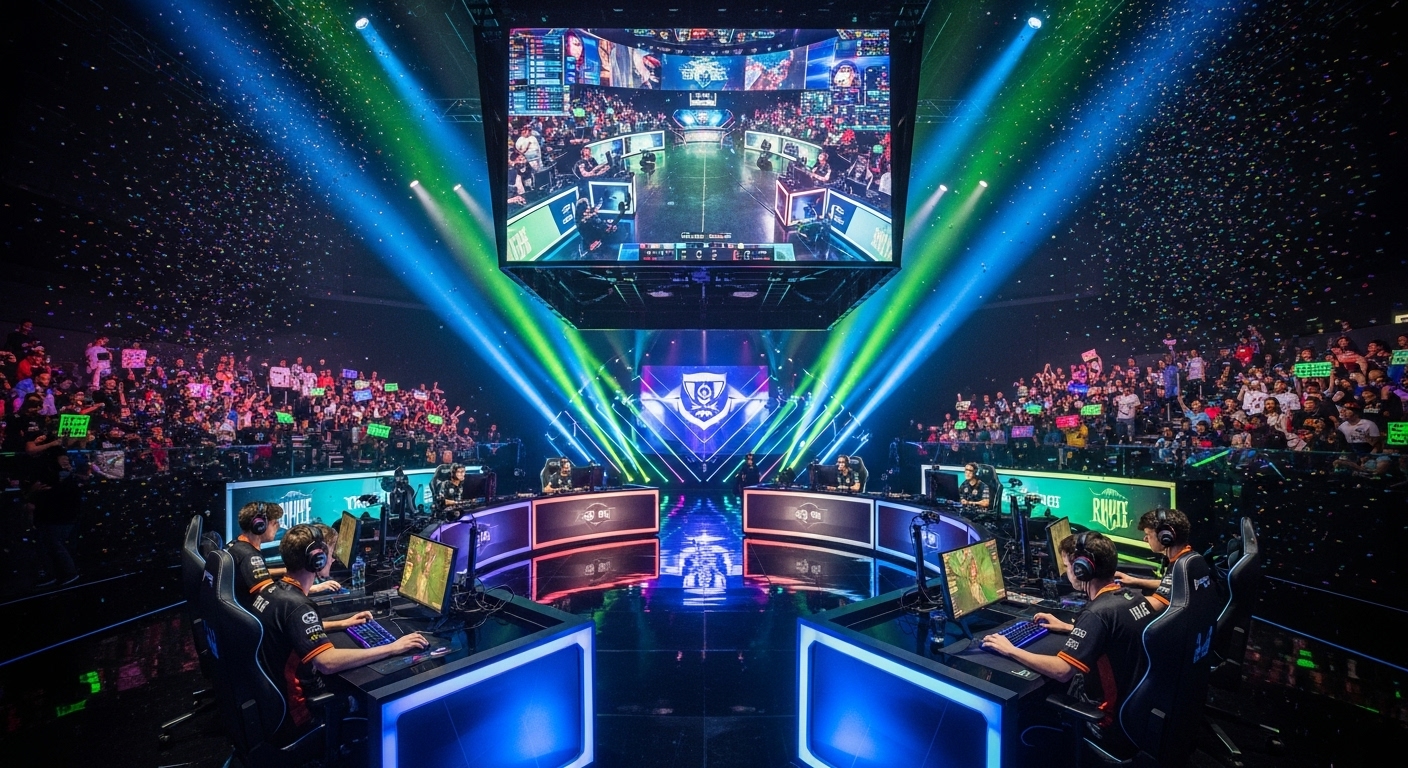
Introduction: The Emergence of a Digital Sport
Esports, or competitive gaming, has evolved from a casual pastime into a global phenomenon that captivates millions of people worldwide. What once was considered a niche hobby among tech enthusiasts has now become a professional industry, with organized tournaments, professional players, and massive audiences. The rise of esports represents a cultural shift in entertainment, blending technology, strategy, and social interaction in ways traditional sports rarely achieve. This blog explores the history, growth, and impact of esports, highlighting why it has become a defining element of modern gaming culture.
Early Beginnings: The Roots of Competitive Gaming
The origins of esports can be traced back to the 1970s and 1980s when arcade competitions and early console games created small but passionate competitive communities. Games like Pong, Space Invaders, and Pac-Man became the first platforms where players could challenge each other for high scores. These competitions were informal but set the stage for organized competitive gaming.
By the 1990s, the rise of home consoles and LAN parties brought players together for localized tournaments. Titles like Street Fighter, Mortal Kombat, and Doom became staples in competitive play. This era demonstrated that gaming could be more than casual entertainment—it could provide structure, challenge, and social connection.
The Internet Revolution: Expanding Competitive Play
The widespread adoption of the internet in the late 1990s and early 2000s revolutionized esports. Multiplayer online games allowed players to compete against opponents from around the world. Games such as StarCraft, Counter-Strike, and Quake became iconic in the competitive gaming scene. Online play enabled teams to form regardless of geographic location, allowing strategies to evolve and global communities to flourish.
The internet also transformed spectatorship. Fans could watch live matches, follow favorite teams, and engage in discussions with other enthusiasts. Online forums, early streaming platforms, and social communities helped esports develop a strong, interconnected global presence.
Professionalization of Esports: From Hobby to Career
As esports gained traction, professional organizations began to emerge. Teams recruited skilled players, offered salaries, and provided training facilities. Players started dedicating extensive hours to practice, refining strategies, and improving teamwork. The professionalization of esports meant that competitive gaming was no longer just a hobby—it became a career path.
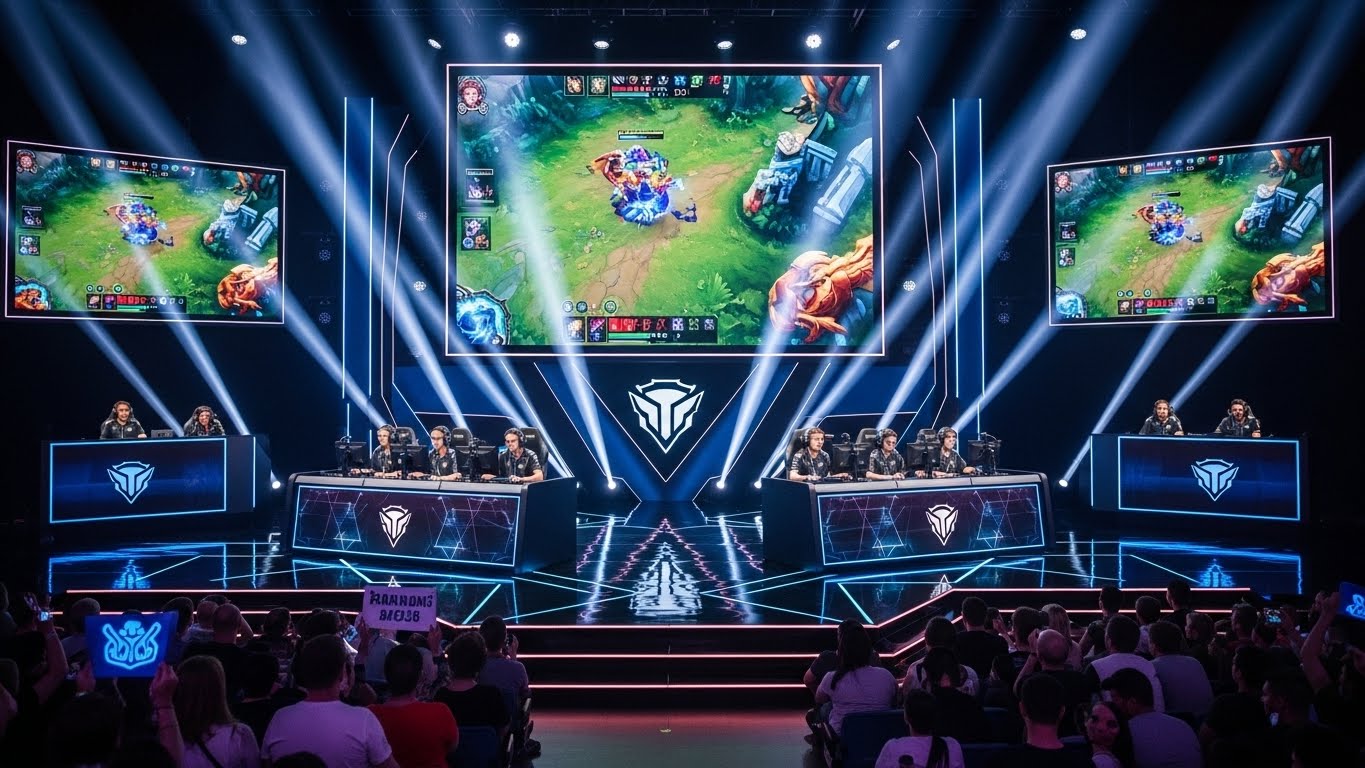
Tournaments evolved to mirror traditional sports, with structured leagues, playoffs, and championships. High-profile competitions attracted media attention and corporate sponsorship, further legitimizing esports as an industry. Players gained recognition comparable to professional athletes, and teams developed loyal fanbases that rivaled traditional sports clubs.
The Spectator Experience: Why Fans Are Hooked
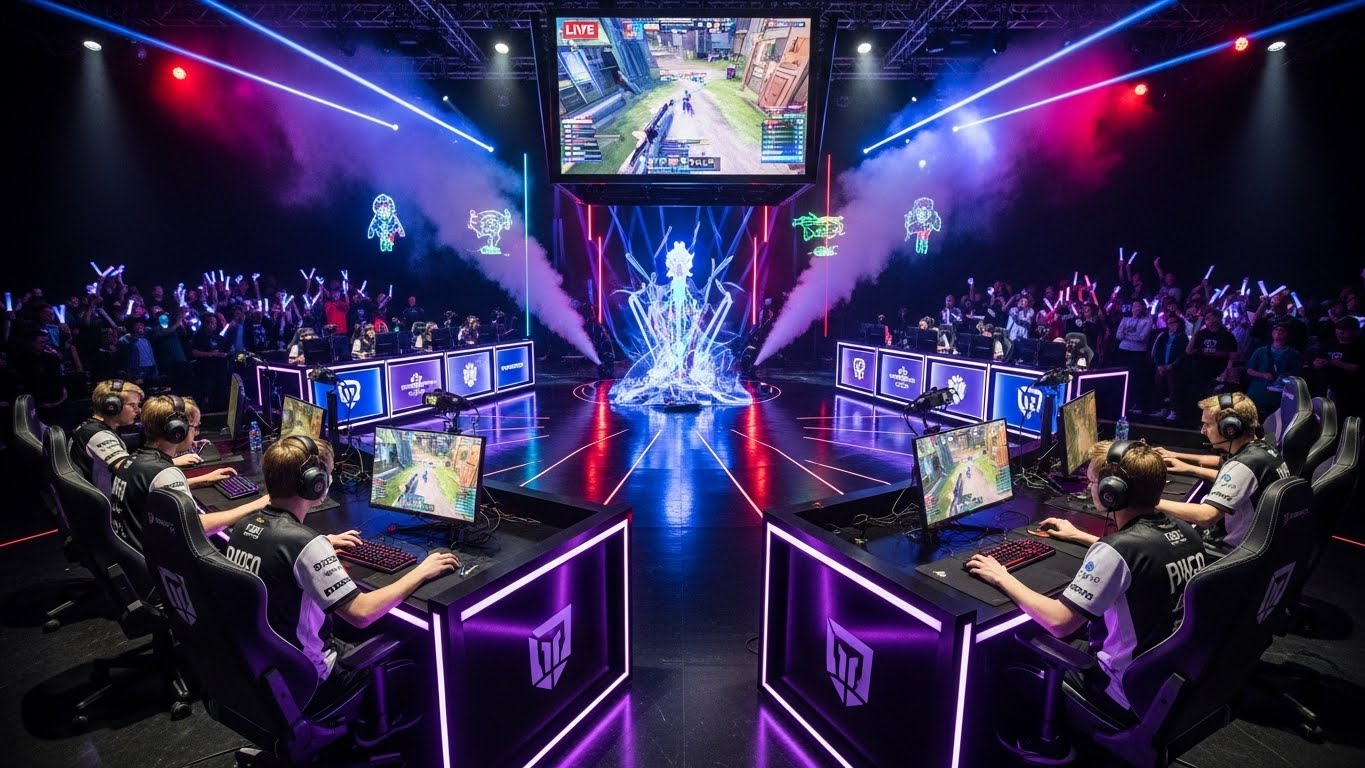
Esports is unique in that it combines competitive skill with entertainment for both players and viewers. Spectators enjoy the excitement of fast-paced action, strategic depth, and unexpected outcomes. Platforms allow fans to watch live matches, receive expert commentary, and interact with other viewers in real-time.
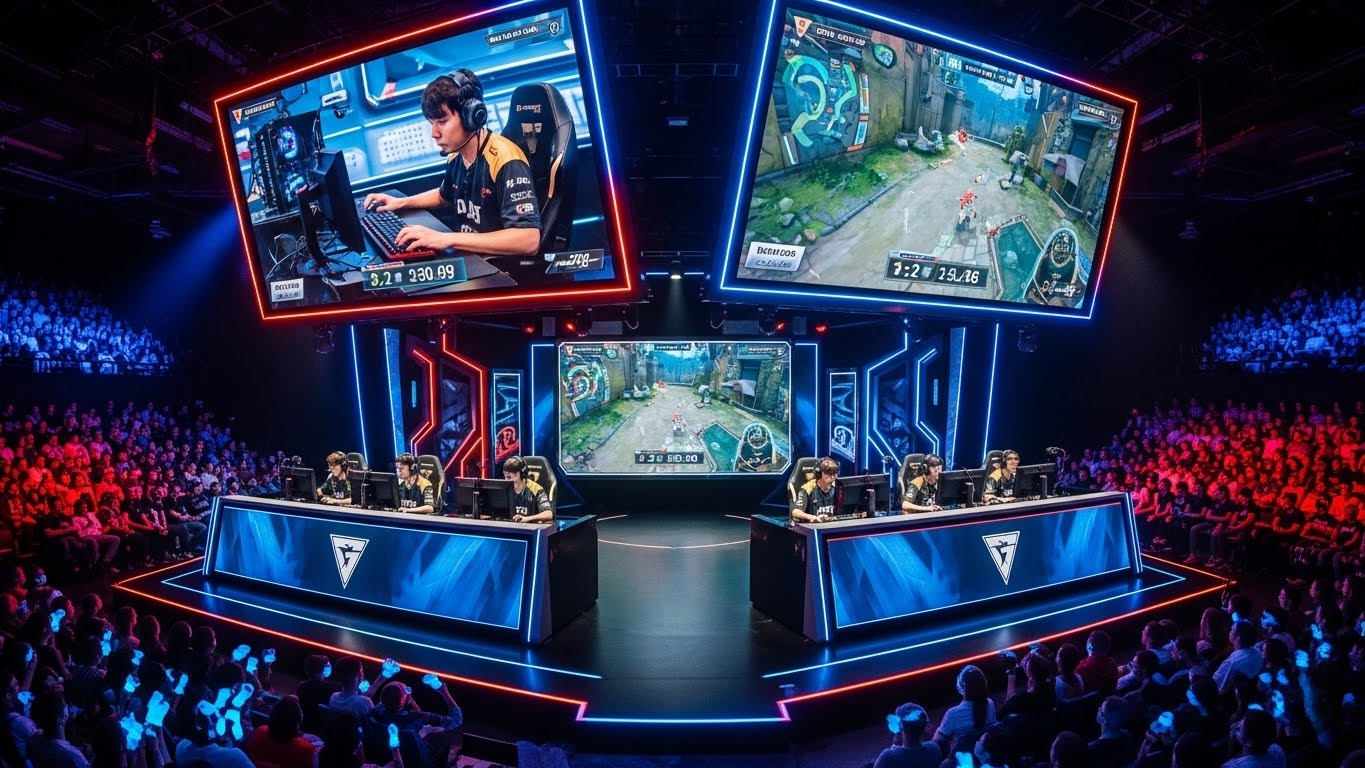
The audience engagement in esports is unparalleled. Fans not only watch games but also participate through forums, fan art, content creation, and social media. This immersive spectator experience helps build strong communities, where shared enthusiasm and collective support amplify the excitement of competitive play.
Popular Esports Games and Genres
Esports encompasses a wide range of games and genres, each requiring specific skills and strategies. Multiplayer Online Battle Arena (MOBA) games like League of Legends and Dota 2 focus on teamwork, strategic planning, and objective control. First-person shooters, including Counter-Strike and Call of Duty, emphasize precision, reflexes, and coordination.
Battle royale games such as Fortnite and Apex Legends combine survival tactics with high-intensity gameplay, while sports simulations like FIFA and NBA 2K allow players to compete in realistic virtual recreations of real-world sports. This variety ensures that esports appeals to diverse audiences and caters to multiple gaming preferences.
The Role of Teams and Organizations
Professional esports teams function similarly to traditional sports franchises. They recruit talented players, provide coaching, and develop strategies tailored to specific games. Success often depends on teamwork, communication, and coordination, highlighting that esports is as much about collaboration as individual skill.
Organizations also focus on fan engagement, branding, and sponsorships. Teams build loyal followings through social media, content creation, and live events. The combination of competitive excellence and strategic marketing has helped esports gain mainstream recognition and a global presence.
Economic Impact: A Billion-Dollar Industry
Esports has grown into a multibillion-dollar industry. Revenue comes from sponsorships, advertising, merchandise, ticket sales, and media rights. High-profile tournaments now offer prize pools worth millions of dollars, attracting top-tier talent and global attention.
Corporate sponsorships have fueled the industry’s expansion. Companies invest in teams, tournaments, and events to connect with younger, tech-savvy audiences. Beyond the players, esports provides economic opportunities for coaches, commentators, content creators, event organizers, and game developers. The financial growth of esports underscores its significance as a commercial and cultural powerhouse.
Training and Professional Development
Professional esports players follow rigorous training regimens similar to those of traditional athletes. Practice schedules often exceed eight hours a day, including individual skill improvement, team coordination, and strategy analysis. Physical fitness, mental resilience, and communication skills are essential for maintaining peak performance.
Coaching, analytics, and performance tracking are integral to professional development. Teams analyze gameplay, evaluate strategies, and adjust tactics to maintain a competitive edge. This level of dedication and structure highlights the seriousness and professionalism of esports as a career.
Cultural Influence of Esports
Esports has a significant impact on culture, shaping trends, language, and social interaction. It provides a platform for creative expression through streaming, fan art, and content creation. Communities form around shared interests, fostering inclusivity and collaboration across cultural and geographic boundaries.
Esports also inspires educational initiatives, with some schools and universities offering courses in game strategy, management, and production. The influence of esports extends beyond gaming, affecting fashion, media, and entertainment, and creating opportunities for a new generation of digital creators.
Global Expansion and International Competitions
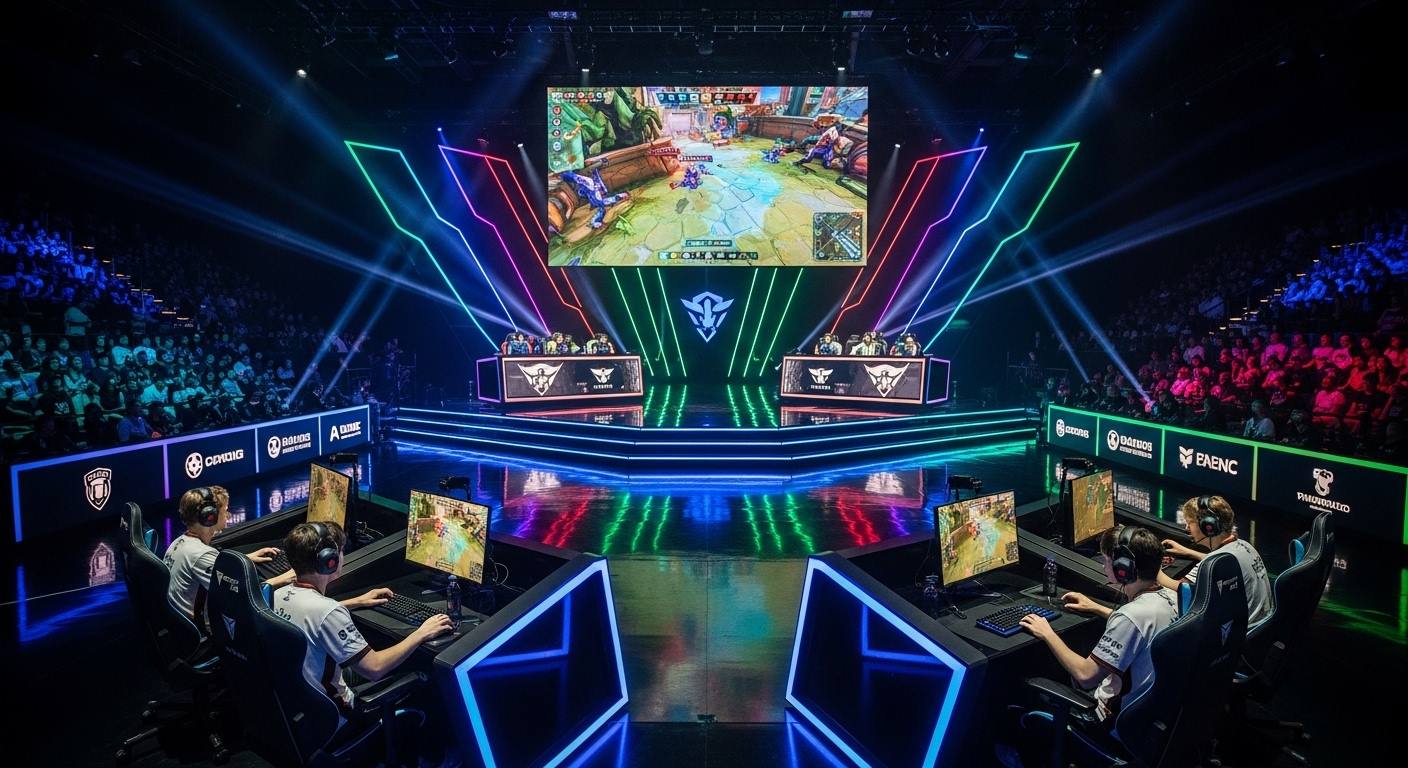
Esports has become a global phenomenon, with active competitive scenes in Asia, Europe, and North America. Countries such as South Korea, China, and the United States have developed sophisticated infrastructures to support professional play. International tournaments, world championships, and regional leagues bring together players from across the globe, fostering cross-cultural exchange and collaboration.
The international appeal of esports ensures that it remains inclusive and expansive. Global competitions attract millions of viewers, uniting diverse audiences through a shared passion for competitive gaming.
Challenges in Esports
Despite its growth, esports faces challenges that could impact its sustainability. Player burnout, mental health, and career longevity are critical concerns, as the high-pressure environment can take a toll on professional athletes. Ensuring fair play, addressing cheating, and regulating competitions are ongoing industry challenges.
Balancing commercialization with community engagement is another consideration. While sponsorships and media deals drive growth, maintaining authenticity and accessibility is essential to retain fan trust and enthusiasm. Overcoming these challenges will be vital for the long-term success of esports.
The Future of Esports
The future of esports is promising and full of potential. Advances in technology, including virtual reality, augmented reality, and cloud gaming, are set to redefine competitive play. Artificial intelligence can be leveraged to analyze strategies, improve training, and enhance viewer experiences.
Esports will continue integrating with mainstream media, traditional sports, and entertainment industries. Innovation in game design, storytelling, and interactivity will further engage players and audiences alike. The adaptability and creativity of esports ensure that it will remain relevant and continue to grow in the coming decades.
Conclusion: Esports as a Cultural and Entertainment Force
Esports has evolved from humble beginnings into a professional, cultural, and global phenomenon. It combines skill, strategy, teamwork, and entertainment in ways that captivate both players and spectators. Beyond competition, esports fosters communities, inspires creativity, and provides professional opportunities for a wide range of individuals.
As the industry continues to grow, esports redefines what it means to compete, spectate, and participate in digital entertainment. With global audiences, professional infrastructure, and technological innovation, esports is not just a trend—it is a defining force in modern culture and a central pillar of the entertainment landscape.