arenatribe36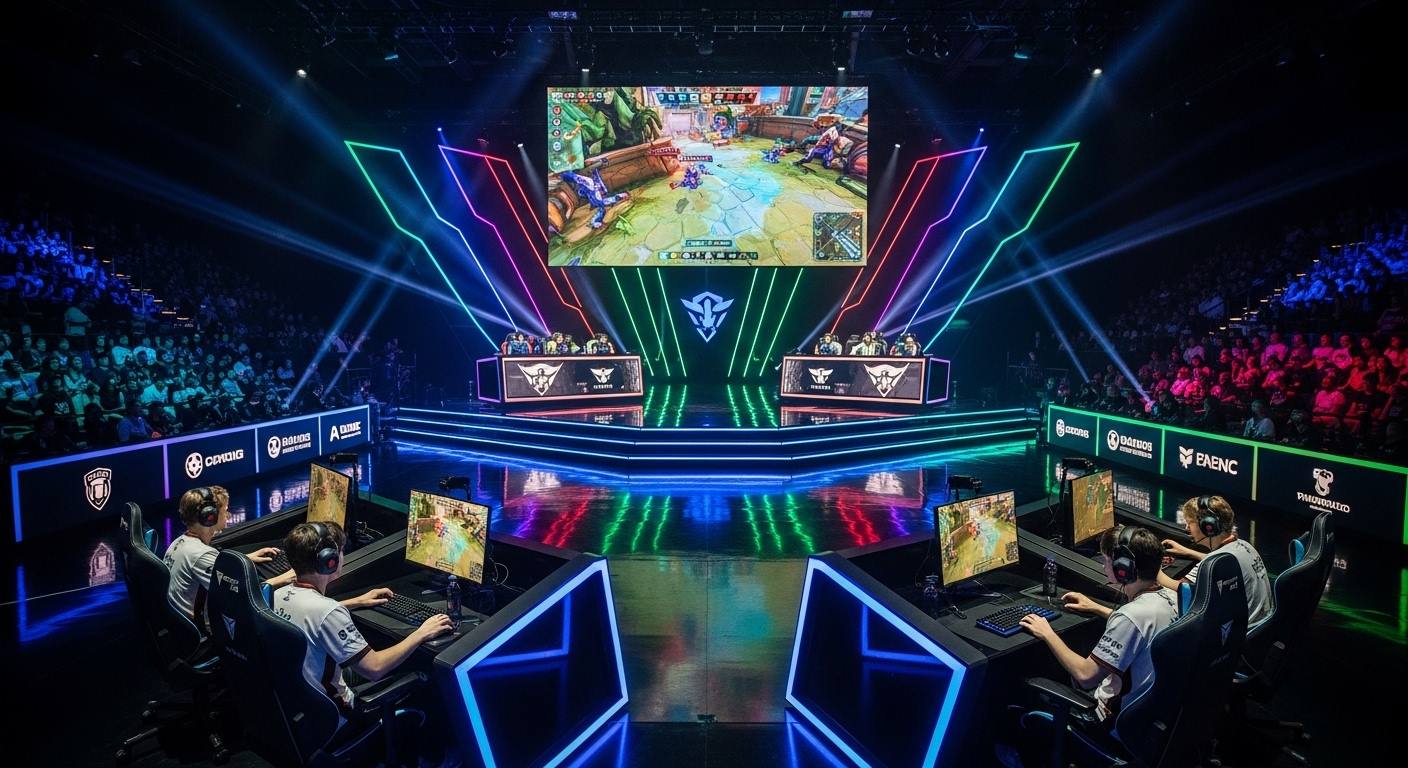
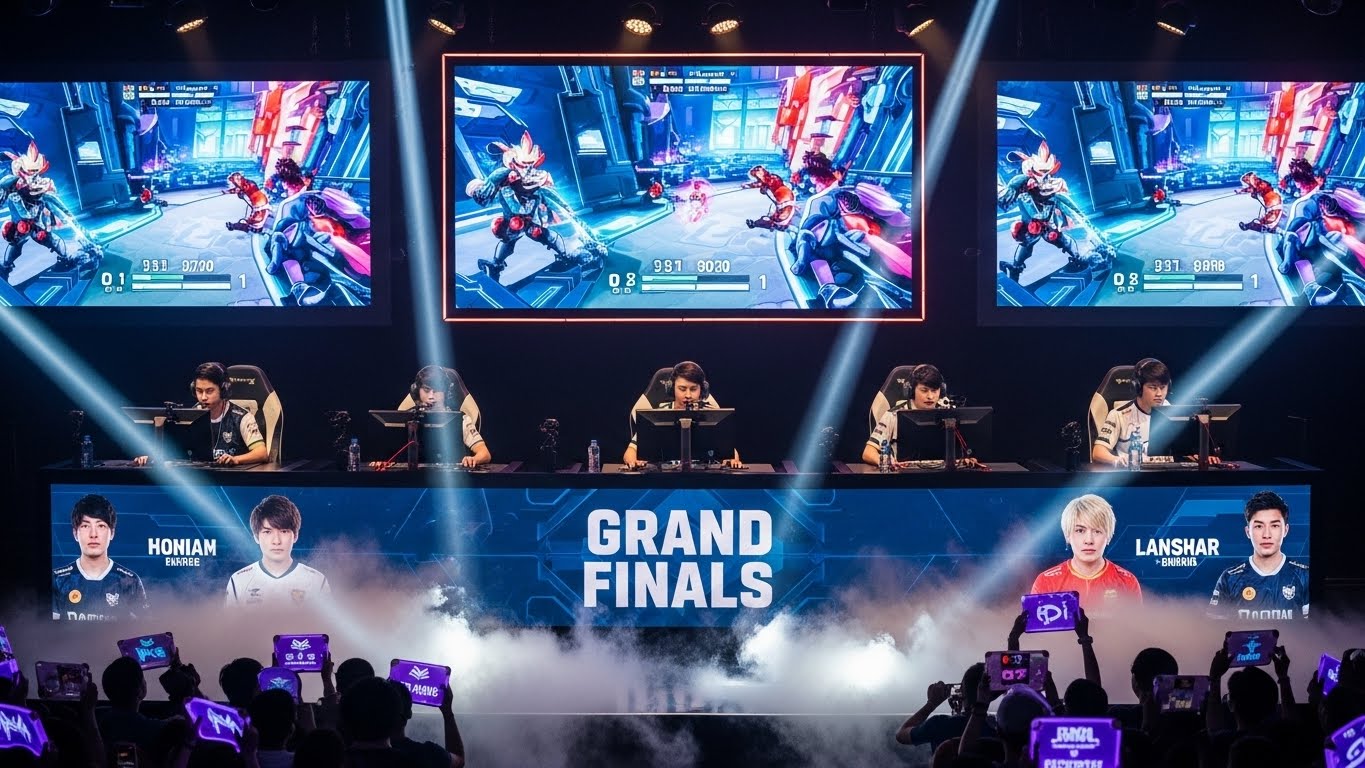
Esports has become a global phenomenon, drawing millions of fans, players, and enthusiasts into an exciting world where competitive gaming is taken to the next level. What started as a niche hobby for a small group of gamers has evolved into a multibillion-dollar industry. With the growth of live streaming platforms, dedicated esports arenas, and massive sponsorship deals, esports is no longer just a passing trend. It has cemented itself as a dominant force in the entertainment and sports industries. In this blog, we’ll take a deep dive into the world of esports, exploring its rise, significance, and future prospects.
The Evolution of Esports
The journey of esports began in the early 1970s, when the first known video game competition was held at Stanford University. However, it wasn’t until the late 1990s and early 2000s that esports began to resemble the professional structure we know today. Titles such as StarCraft, Quake, and Warcraft III became the first pillars of competitive gaming, establishing a foundation for multiplayer online games.
The turning point came in the 2000s with the advent of the internet and the rise of online gaming platforms. As the technology improved and broadband internet became more accessible, competitive gaming transitioned from local area networks (LAN) to large-scale online competitions. The introduction of major tournaments, such as World Cyber Games (WCG) and Electronic Sports World Cup (ESWC), helped solidify esports as a legitimate competition.
However, it was the explosive growth of League of Legends (LoL) and the rise of Dota 2 that truly took esports into the mainstream. These games, with their accessible gameplay and large player bases, attracted significant attention from sponsors and investors, transforming esports from a niche hobby to a global spectacle.
Esports: A Multibillion-Dollar Industry
Esports is now one of the fastest-growing entertainment industries in the world. As of recent estimates, the global esports market is valued at over $1 billion annually, with projections indicating continued growth in the coming years. This growth has been fueled by several factors, including the rise of live streaming platforms such as Twitch and YouTube Gaming, the proliferation of mobile gaming, and the increasing popularity of esports as a spectator sport.
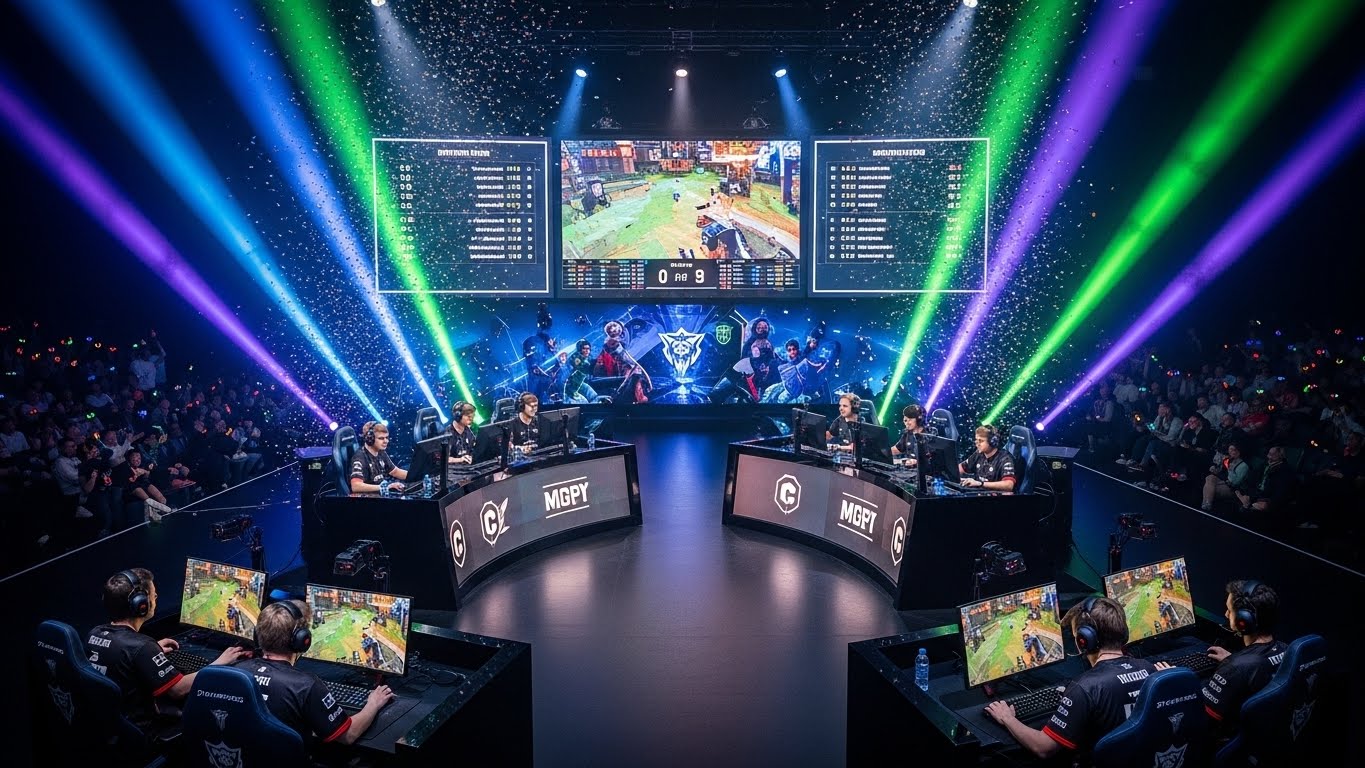
One of the key drivers of esports’ financial success is its massive and diverse audience. Esports tournaments attract millions of viewers worldwide, with major events such as The International for Dota 2 and League of Legends World Championship reaching viewership numbers comparable to traditional sports like the Super Bowl and the FIFA World Cup. The global nature of esports also adds to its appeal, as it transcends borders and language barriers, allowing fans from different cultures to come together and share in the excitement.
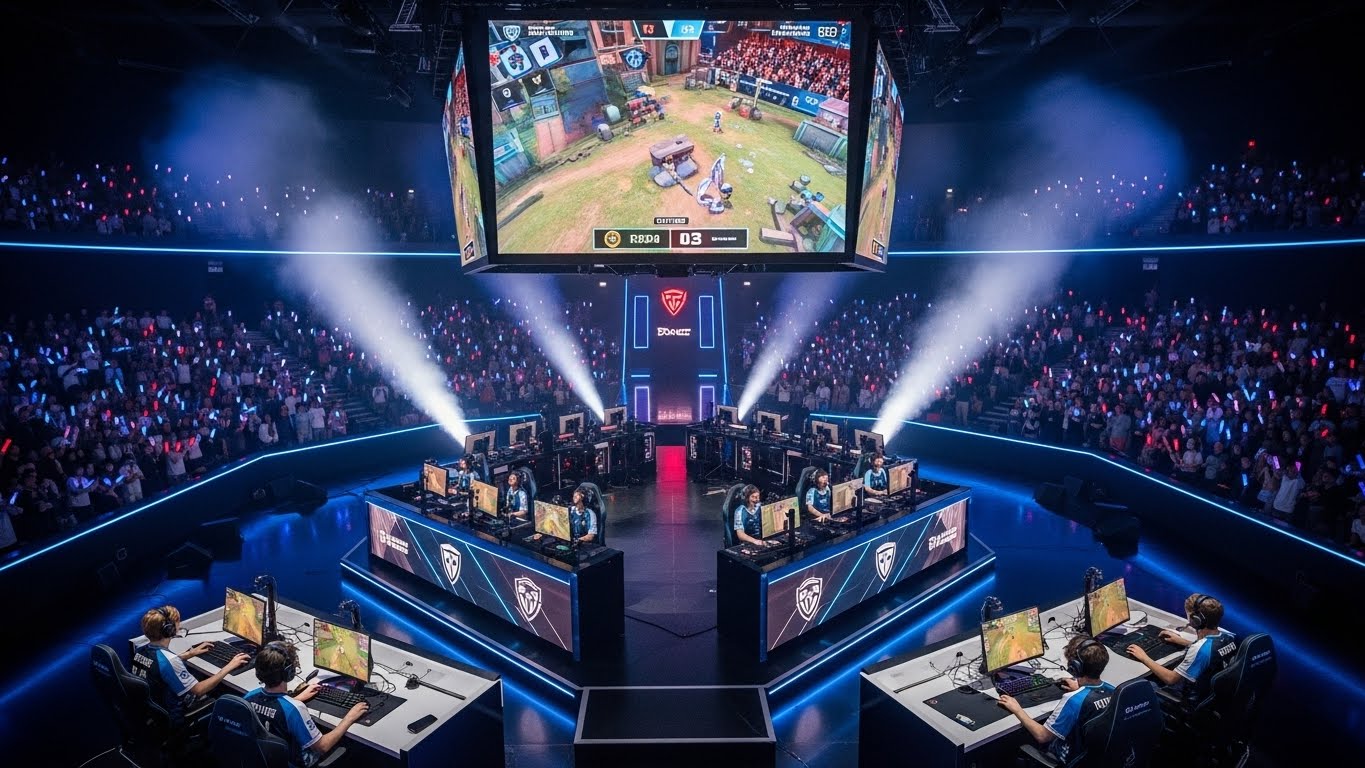
Additionally, esports has become a lucrative business for players, teams, and organizations. Professional gamers can earn substantial incomes through prize money, sponsorships, and streaming. Teams and organizations can benefit from lucrative partnerships with brands across industries such as technology, telecommunications, energy drinks, and apparel. The increased investment in esports has also led to the establishment of dedicated esports arenas, training facilities, and academies that cater to both aspiring and professional players.
The Professionalization of Esports
As esports grew in popularity, it began to develop its own professional ecosystem. The first professional esports leagues emerged in the early 2000s, providing a structured environment for players to compete at the highest level. These leagues introduced regular seasons, player contracts, sponsorships, and team owners, all of which mirrored the structure of traditional sports leagues.
Today, esports is home to a wide range of professional leagues and tournaments. Games like Overwatch, Call of Duty, Counter-Strike: Global Offensive (CS:GO), and Fortnite boast professional leagues where teams compete for a share of large prize pools. Esports organizations, like Team Liquid, Cloud9, and FaZe Clan, have grown into household names, attracting top-tier players and fans from all over the world.
Esports is not just about gaming; it’s also about building a brand. Professional gamers and streamers have cultivated massive followings on platforms like Twitch and YouTube, where they interact with fans, share gameplay experiences, and build a personal brand. These influencers have become celebrities in their own right, with some gamers, like Ninja and Shroud, earning millions of dollars through streaming, sponsorships, and merchandise sales.
The rise of esports has also led to the creation of new career opportunities in fields such as event production, broadcasting, journalism, and content creation. Esports broadcasters, analysts, and commentators now have an essential role in presenting and interpreting the action for fans. These professionals provide the same level of excitement and analysis that you might find in traditional sports broadcasts, helping to further legitimize esports as a mainstream form of entertainment.
The Global Impact of Esports
Esports has not only had a significant cultural impact but also a positive social and economic influence. The global reach of esports has fostered a sense of community among players and fans. Online multiplayer games have provided players with an opportunity to connect with others who share their interests, regardless of location. This has resulted in the formation of global fanbases, where fans from all corners of the world cheer on their favorite players and teams.
In countries like South Korea, esports has become a national pastime, with dedicated television networks broadcasting tournaments and games being included in the curriculum of universities. Esports has gained official recognition as a sport in various countries, including the United States and China, with some nations even providing government support to esports athletes.
In terms of economic impact, esports has spurred job creation in a variety of sectors. In addition to professional players and teams, esports has created roles in event management, marketing, production, and tech support. Esports tourism has also become a significant contributor to local economies, with tournaments and events attracting thousands of visitors who spend money on travel, accommodation, and merchandise.
The Role of Technology in Esports
The success of esports would not be possible without the rapid advancement of technology. High-speed internet connections, powerful gaming hardware, and innovative software solutions have paved the way for the rise of esports. The evolution of gaming hardware, in particular, has played a crucial role in shaping the competitive landscape. Professional players rely on high-performance computers and peripherals, such as gaming monitors, mice, and keyboards, to gain a competitive edge.
Moreover, streaming technology has made it easier for fans to watch their favorite games and tournaments in real time. Platforms like Twitch, YouTube Gaming, and Facebook Gaming have made esports more accessible to a global audience, allowing fans to tune in to live events and interact with players through chats and social media. The development of 5G networks and virtual reality (VR) technologies could further revolutionize the esports experience in the coming years, enabling immersive experiences and faster, more stable connections for players and spectators.
The Future of Esports
The future of esports looks incredibly bright, with numerous opportunities for growth and expansion. As technology continues to evolve, we can expect esports to become even more immersive and engaging. Virtual reality and augmented reality (AR) could introduce new ways for fans to experience their favorite games and events, while artificial intelligence (AI) might improve gameplay, matchmaking, and spectator experiences.
Esports is also likely to continue its growth in regions such as Southeast Asia, Latin America, and Africa, where gaming and internet access are becoming more widespread. The potential for esports to reach new audiences in these areas is immense, and it could lead to the development of new leagues, tournaments, and talent pools.
Additionally, the relationship between traditional sports and esports is likely to deepen. Several professional sports leagues, including the NBA and NFL, have already invested in esports, recognizing its appeal among younger audiences. The integration of esports into the Olympics is another exciting possibility, as talks about including esports as a medal event in future Olympic Games continue to gain momentum.
Conclusion
Esports has come a long way since its humble beginnings. What was once seen as a hobby or pastime has blossomed into a multibillion-dollar industry with millions of fans and players worldwide. As technology continues to advance and esports expands into new regions and markets, the future looks bright for this exciting and dynamic industry. Whether you’re a casual player or a dedicated fan, esports offers a thrilling and inclusive experience that brings together people from all walks of life in the pursuit of gaming excellence. The world of esports is not just about competition – it’s about passion, community, and the shared love of gaming.