arenatribe36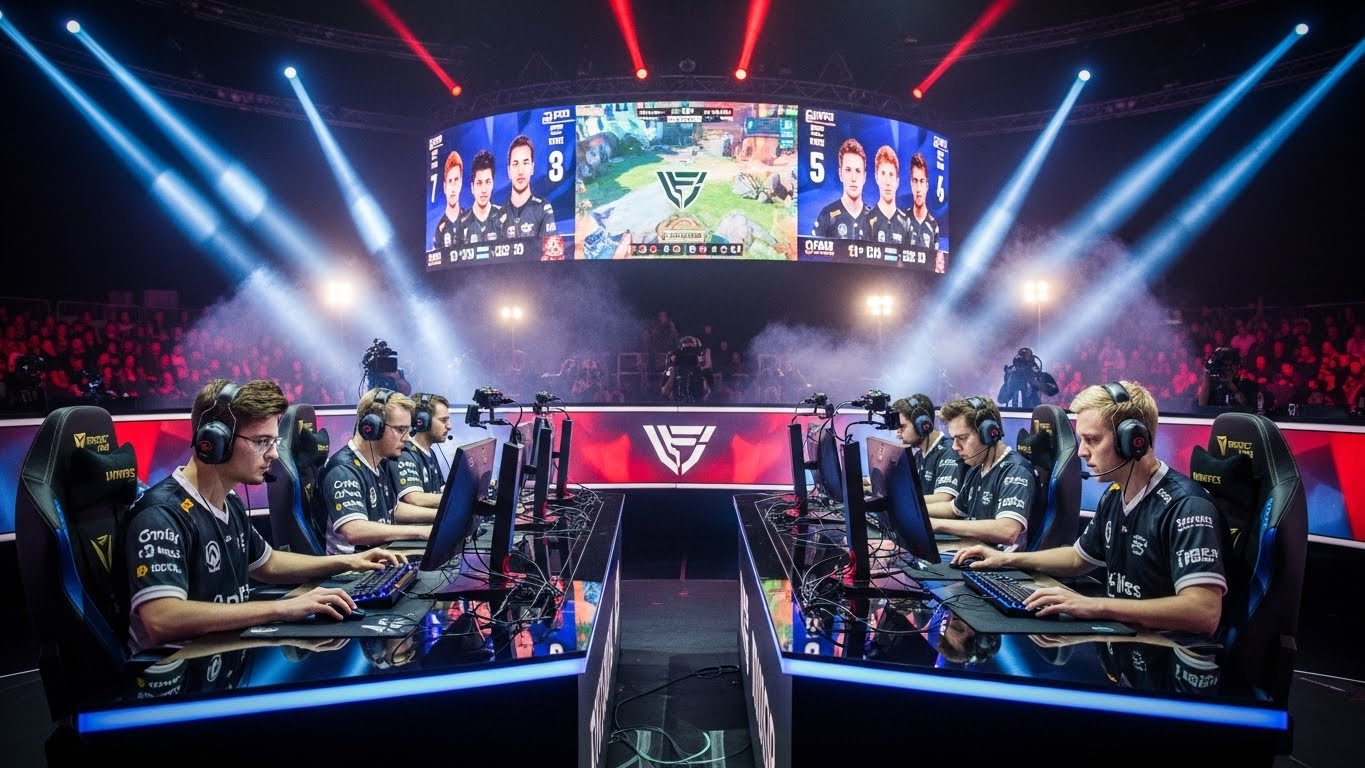
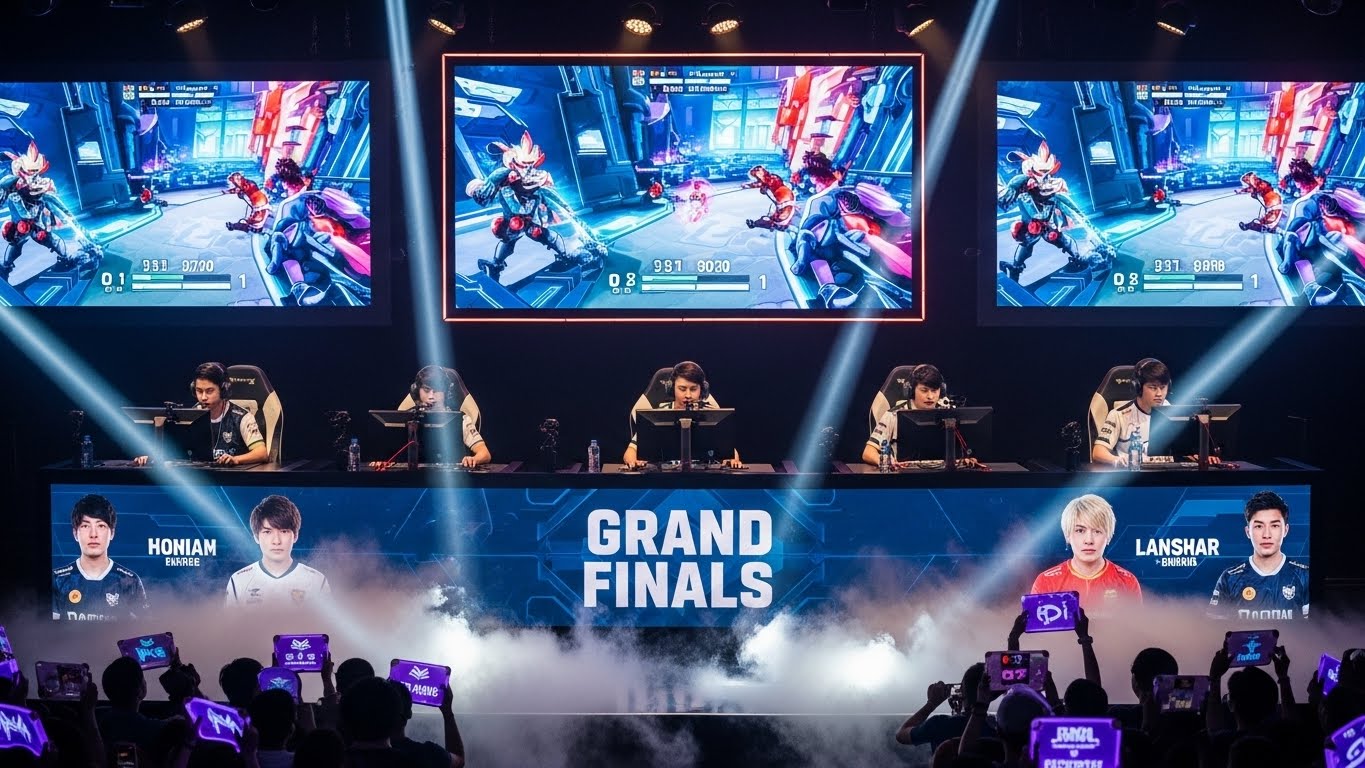
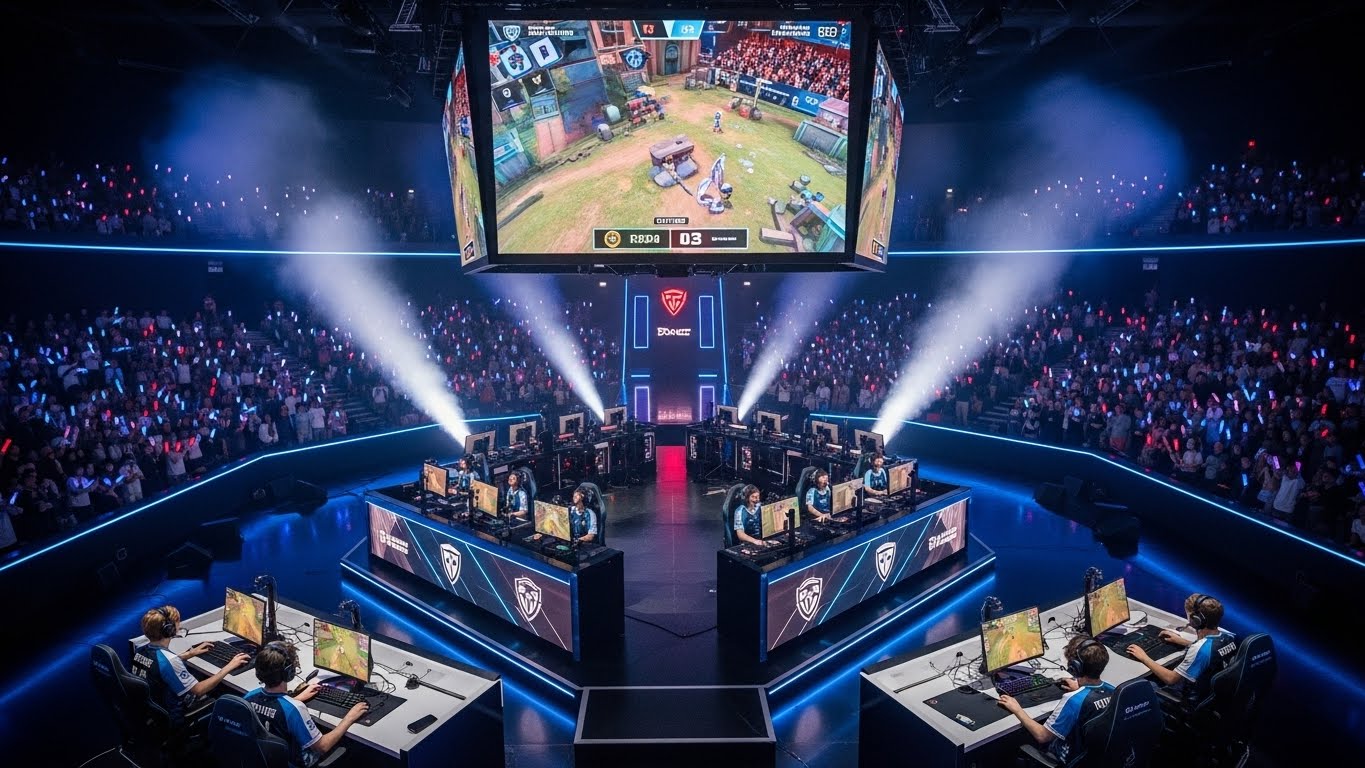
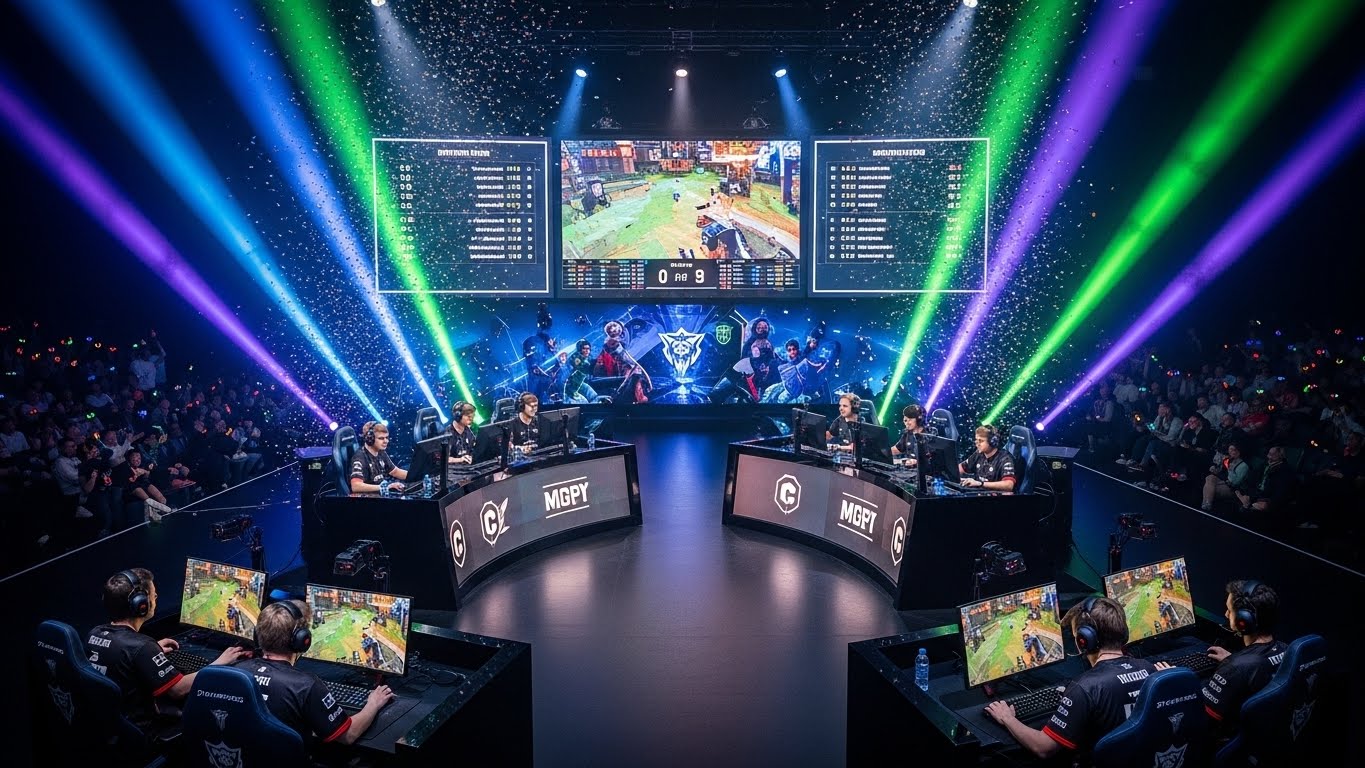
Esports, short for electronic sports, has rapidly evolved from a niche subculture to a global phenomenon. Once seen as a pastime for a small group of enthusiasts, competitive gaming has become a multi-billion-dollar industry with millions of fans, players, and investors. From massive tournaments that fill arenas to sponsorship deals with major brands, esports has firmly entrenched itself as a legitimate, mainstream form of entertainment.
In this blog post, we will explore the world of esports, its rise to prominence, its impact on the gaming industry, the players behind the scenes, and the future of competitive gaming.
The Rise of Esports
Esports has its origins in the early days of online multiplayer games. The first recorded esports event can be traced back to the 1970s, but it wasn’t until the late 1990s and early 2000s that competitive gaming began to gain traction. Games like StarCraft, Quake, and Warcraft III set the stage for the rise of esports tournaments, with players around the world competing for pride, recognition, and small cash prizes.
As internet speeds improved and online connectivity became more accessible, the foundation for modern esports was laid. The growth of games such as Counter-Strike, League of Legends, Dota 2, and Overwatch catalyzed the growth of the esports industry, drawing in millions of viewers who tuned in to watch the intense action unfold on their screens.
Esports’ transition from niche hobby to global spectacle began with the creation of large-scale, high-profile tournaments. For example, The International, an annual Dota 2 tournament, has consistently offered multi-million-dollar prize pools, attracting top-tier players and teams from around the world. League of Legends, developed by Riot Games, also saw rapid growth and today boasts one of the largest esports ecosystems in the world.
The Mechanics of Esports: What Makes It Different?
Esports is unlike traditional sports in several key ways. While both involve competition, skill, and strategy, esports thrives in the digital space. Players often compete in virtual worlds, using sophisticated gaming hardware and software to outmaneuver and outsmart their opponents. This creates a unique form of competition where reflexes, decision-making, teamwork, and even communication play crucial roles.
One key element that sets esports apart from traditional sports is accessibility. Almost anyone with a computer or gaming console and an internet connection can engage in esports at some level. While physical sports require specific equipment and often significant physical prowess, esports levels the playing field, allowing individuals from various backgrounds to compete.
Another defining feature of esports is its rapid growth and the speed at which new titles and formats emerge. While traditional sports have centuries of history behind them, esports is constantly evolving with new games, formats, and rulesets. What’s popular today may not be the biggest game in a few years, making esports a dynamic and ever-changing ecosystem.
The Ecosystem of Esports: Players, Teams, and Organizations
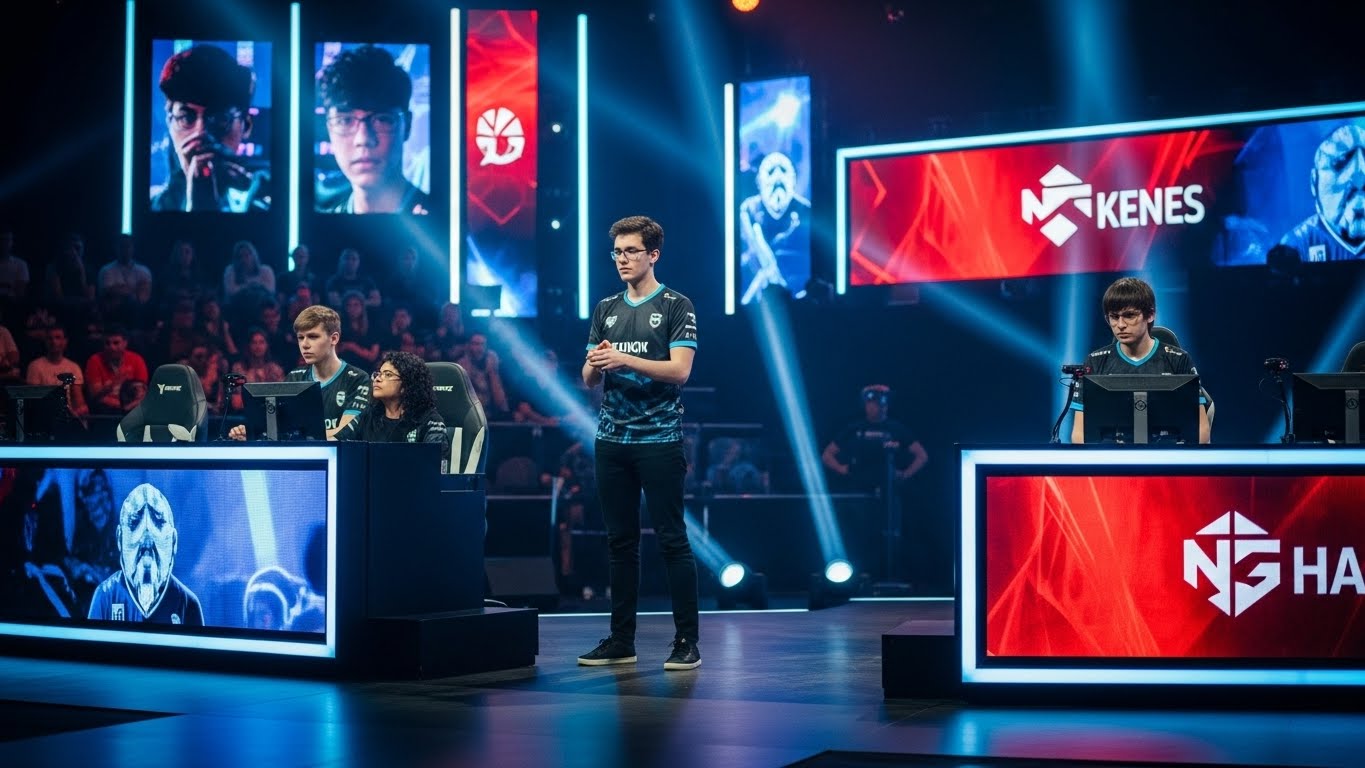
At the heart of esports are the players. These athletes dedicate their lives to mastering their craft, spending countless hours practicing and perfecting their skills. Professional esports players often begin their careers in their teenage years and can continue competing into their late 20s or early 30s, depending on the game and the demands of the industry.
Many professional esports players make a living through sponsorships, tournament winnings, and streaming. Twitch, YouTube, and other platforms have allowed players to build their personal brands, attracting millions of followers. A popular player can easily have a six-figure or even seven-figure income through these platforms, with sponsorships from major brands like Red Bull, Intel, and Nike. In fact, some of the biggest esports stars are now household names, with large social media followings and dedicated fanbases.
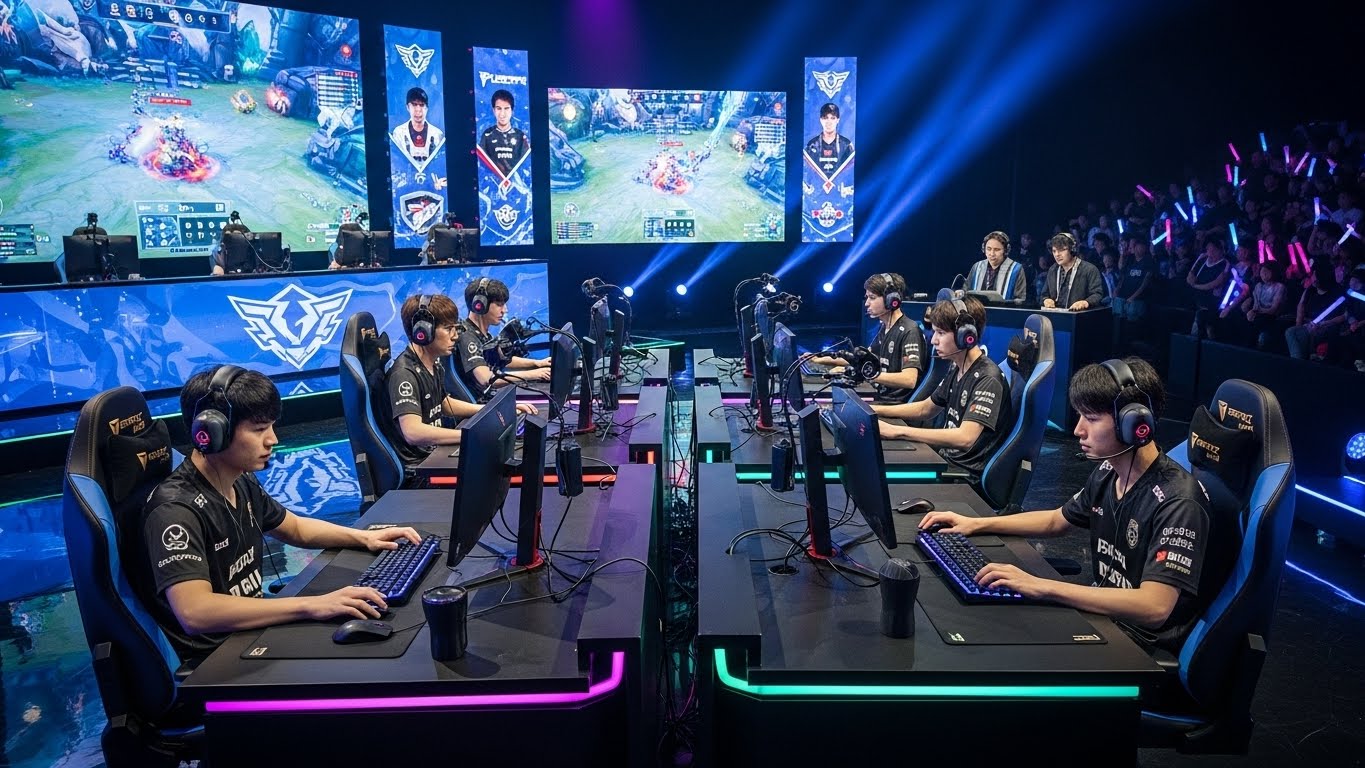
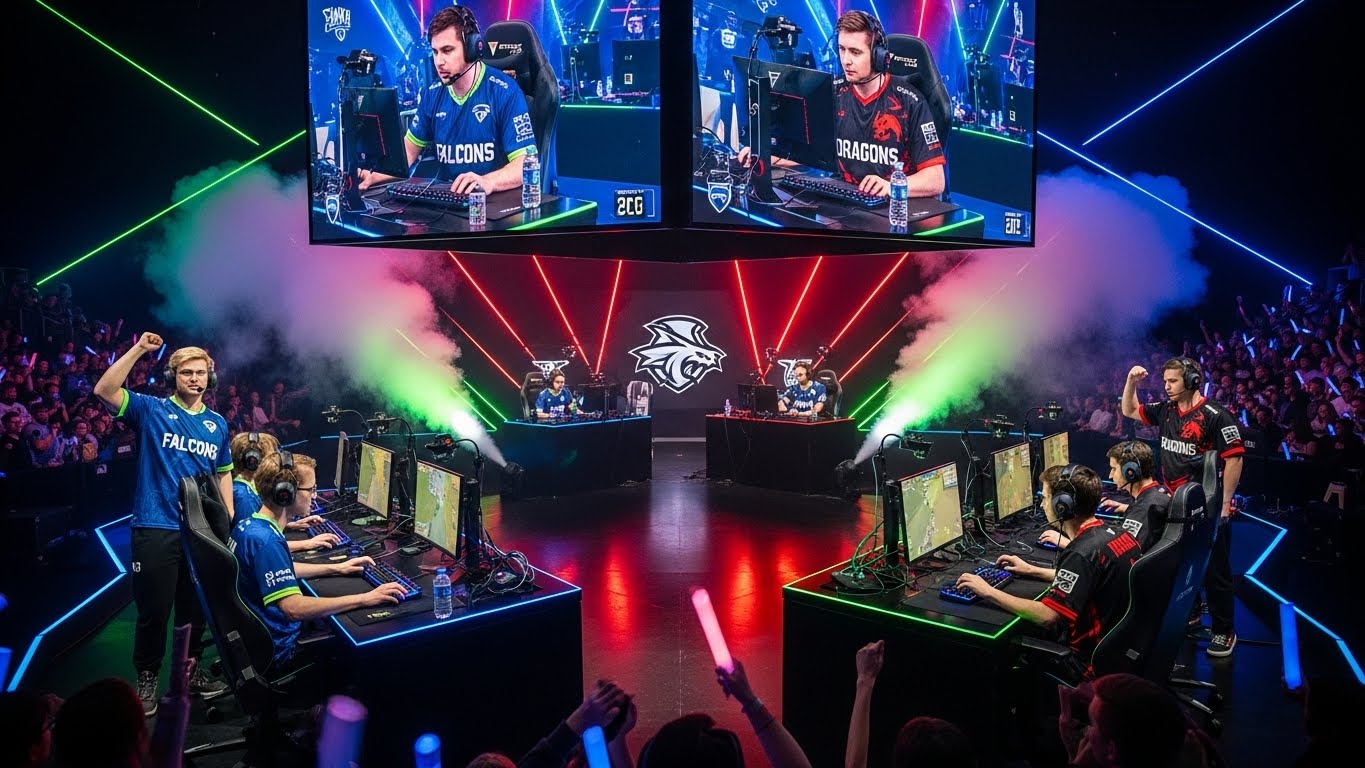
While individual players often garner attention, esports is also very much a team-oriented endeavor. Team-based games like League of Legends, Overwatch, and Valorant require coordination and strategy, making teamwork essential. Many of the top esports organizations sign professional teams to compete in various tournaments, with each team often consisting of five to six players. These teams are backed by organizations that manage contracts, sponsorships, and media relations, and they invest heavily in player development.
Esports organizations, such as Cloud9, T1, Fnatic, and Team Liquid, have become major players in the global entertainment industry, attracting investors, sponsors, and fans. These organizations also provide coaching, training facilities, and mental health support to help players perform at their best. Some organizations even operate in multiple game titles, diversifying their presence and expanding their fanbase.
The Fans: Esports Viewership and Fanbase
The growth of esports is, in part, fueled by its massive fanbase. Esports viewers are a diverse group that spans the globe, and its audience is often younger than traditional sports fans. In fact, a large portion of esports fans are between the ages of 18 and 34, making it a key demographic for advertisers and sponsors.
Tournaments like The International (Dota 2), League of Legends World Championship, and Overwatch League draw in millions of viewers from around the world. These events are often streamed live on platforms like Twitch and YouTube, and many viewers also watch broadcasts through television networks like ESPN or regional sports channels. With high-quality production values, expert commentary, and immersive gameplay, esports has proven to be an engaging spectator sport.
In addition to traditional live streams, esports has embraced social media, allowing fans to connect with players, teams, and organizations. Platforms like Twitter, Instagram, and Discord have created opportunities for fans to engage directly with their favorite players, watch behind-the-scenes content, and even participate in the broader esports community.
Esports’ fanbase is not only global but also incredibly loyal. Many fans follow particular teams or players for years, and they are highly invested in the success and failure of their favorites. This dedicated fanbase has made esports a highly lucrative industry, with fans willing to spend on merchandise, tickets, and in-game purchases.
Esports and the Gaming Industry: A Symbiotic Relationship
Esports and the broader gaming industry are intrinsically linked. The growth of one has fueled the growth of the other, creating a feedback loop of success. Game developers recognize the power of esports in promoting their titles, and many games are now built with competitive play in mind from the very beginning. Titles like League of Legends, Dota 2, Valorant, and Fortnite were designed to be played at the highest level of competition, with built-in features such as matchmaking systems, ranked modes, and spectator modes.
At the same time, the rise of esports has led to increased sales and engagement for these games. Professional esports tournaments showcase the game to millions of viewers, who, in turn, are inspired to try the game themselves. In many cases, the success of a competitive game has directly translated into increased player numbers and revenue for the game developer.
Game developers also play an essential role in shaping the future of esports. They are responsible for the ongoing balancing of games, patching exploits, and ensuring that the competitive environment remains fair. As esports becomes more prominent, game developers are under increasing pressure to ensure that their games are polished, balanced, and exciting to watch.
The Future of Esports: Trends and Challenges
The future of esports looks incredibly promising, with several trends shaping its continued growth and evolution.
1. Esports as a Mainstream Sport:
Esports is gradually being recognized as a legitimate sport in its own right. It has been included in major international events such as the Asian Games, and the possibility of esports being included in the Olympics is a topic of ongoing discussion. As esports continues to gain mainstream recognition, it will likely follow in the footsteps of traditional sports in terms of sponsorships, media rights, and even college scholarships.
2. Integration of Virtual Reality (VR) and Augmented Reality (AR):
As technology advances, the integration of virtual reality (VR) and augmented reality (AR) into esports is becoming a possibility. VR esports could offer an entirely new way to experience competitive gaming, with players fully immersed in a virtual environment. This could transform how esports tournaments are broadcasted and how audiences interact with the games.
3. Increased Investment and Sponsorships:
Esports has already attracted significant investment from major corporations, including tech giants like Amazon, Intel, and Microsoft. This trend will only continue as companies seek to capitalize on the growing viewership and engagement associated with competitive gaming. More investments will lead to better infrastructure, higher prize pools, and improved fan experiences.
4. Challenges to Overcome:
While the future of esports is bright, the industry still faces challenges. Issues like player burnout, match-fixing scandals, and concerns over mental health need to be addressed to ensure that the esports ecosystem remains healthy. As the industry grows, so does the responsibility to create a sustainable and fair environment for players and fans alike.
Conclusion
Esports has come a long way from its humble beginnings as a niche hobby. Today, it stands as a global multi-billion-dollar industry with millions of fans, professional players, and investors. The rise of esports has changed the gaming landscape, creating new opportunities for players and organizations alike. As the industry continues to evolve, there is no doubt that esports will continue to shape the future of gaming and entertainment, offering new ways for fans to engage with their favorite games and players. Whether you are a player, a fan, or simply an observer, one thing is clear: esports is here to stay.