arenatribe36
Esports has gone from being a niche hobby to a global phenomenon in just a few short decades. From humble beginnings in arcade competitions to multi-million-dollar tournaments broadcasted worldwide, the growth of esports is nothing short of extraordinary. Today, esports is not only an industry but a cultural movement that blends entertainment, technology, and sports in ways previously unimaginable. In this blog, we’ll explore the evolution of esports, the factors contributing to its rise, its current state, and what the future holds for this rapidly growing sector.
The Birth of Esports
Esports, short for electronic sports, refers to competitive video gaming, where players or teams compete in various video games for prizes, recognition, and professional status. The origins of esports can be traced back to the early 1970s and 1980s, when arcade games and the concept of competitive play began to take root. However, the formalization of esports as we know it today truly began in the 1990s, with the advent of online multiplayer games and organized tournaments.
One of the first notable moments in esports history occurred in 1997 with the launch of the “Red Annihilation” tournament for the game Quake. The winner, Dennis “Thresh” Fong, took home a Ferrari 328 GTS, marking one of the first major instances of esports offering significant prizes. Around the same time, games like StarCraft and Warcraft III began to dominate the competitive gaming scene, particularly in South Korea, where esports became a national pastime.
In the early 2000s, the rise of games like Counter-Strike, Dota, and League of Legends ushered in a new wave of esports tournaments, and large-scale events began to take shape. Online gaming platforms like Battle.net and Steam played a pivotal role in fostering competitive communities, while companies like Blizzard Entertainment and Valve Corporation helped create the infrastructure needed for modern esports.
Factors Driving the Esports Explosion
Several factors have contributed to the rapid growth of esports in the last two decades. Understanding these elements is key to recognizing why esports has become one of the fastest-growing industries in the world.
1. Accessibility and Online Communities
One of the most important reasons for esports’ rise is the accessibility of online gaming. The internet revolutionized the way players connect with each other, breaking down geographical barriers. Whether it’s playing with friends across the globe or joining a competitive ladder, the online community aspect of esports has allowed games to flourish.
Today, players can compete from the comfort of their homes, join amateur leagues, and even stream their gameplay on platforms like Twitch, YouTube, and Facebook Gaming. These platforms not only provide a place for players to showcase their skills but also allow fans to watch live streams and support their favorite teams or players.
2. The Evolution of Game Design
The design of modern games has become more focused on multiplayer, competitive gameplay. Games like League of Legends, Counter-Strike: Global Offensive, Overwatch, and Fortnite are designed specifically with esports in mind, featuring competitive modes, ranked play, and spectator-friendly mechanics.
Developers have also prioritized balance, fairness, and strategic depth, which make for an exciting viewing experience. These factors make esports more engaging for both players and spectators, allowing it to rival traditional sports in terms of spectacle.
3. Big Money and Sponsorships
Esports has become a billion-dollar industry, and one of the primary driving forces behind this is sponsorship. Companies across various sectors, from technology to consumer goods, have recognized the marketing potential of esports. Global brands like Coca-Cola, Intel, Mercedes-Benz, and Red Bull have partnered with esports events and teams, injecting large amounts of money into the industry.
These sponsorships not only provide financial support to players and organizations but also increase the visibility of esports in the mainstream. Major tournaments now offer multi-million-dollar prize pools, making competitive gaming an attractive career for top players.
4. Streaming and Social Media
Streaming platforms like Twitch and YouTube have been integral in bringing esports to a global audience. Fans can watch their favorite players or teams compete in real time, interact with them through chat, and build a sense of community around their favorite games.
Social media has further amplified the reach of esports. Platforms like Twitter, Instagram, and Reddit enable fans to share highlights, discuss matches, and engage directly with players. This interconnectedness between players, teams, and fans has fostered an ecosystem that thrives on real-time interaction and engagement.
The Esports Ecosystem
Today, the esports industry is a complex ecosystem consisting of players, teams, tournaments, broadcasters, and sponsors. Each component plays a vital role in ensuring the growth and sustainability of the industry.
1. Professional Players
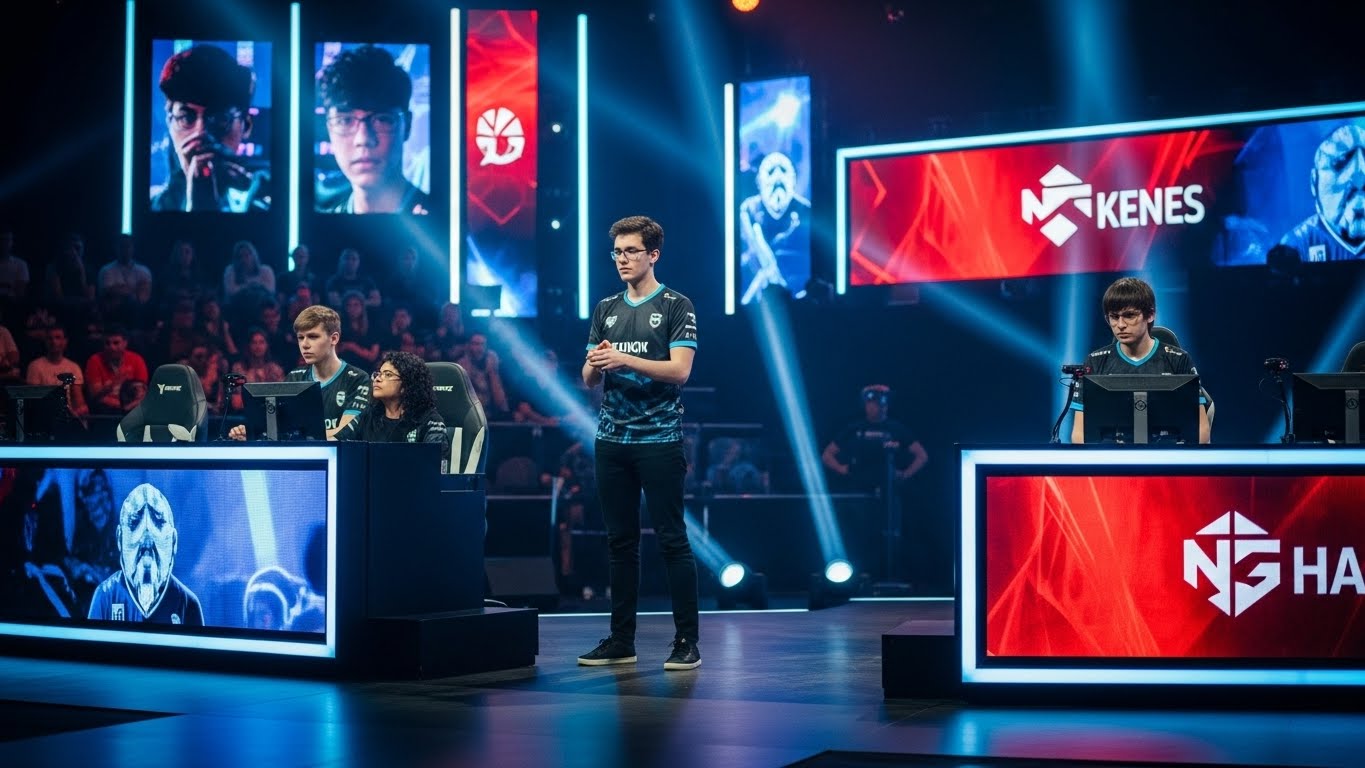
At the heart of esports are the professional players. These individuals are highly skilled gamers who dedicate hours each day to honing their craft. Much like traditional athletes, esports players must have excellent reflexes, strategic thinking, and deep knowledge of the games they compete in.
The life of a professional esports player can be intense. In addition to training, players often need to travel for tournaments, stream regularly to maintain a fan base, and maintain their mental and physical health. The competition is fierce, and only the best players make it to the top.
2. Esports Organizations
Esports organizations are the teams that manage players, coaching staff, and other resources. These organizations provide financial backing, support, and infrastructure to help players succeed. They also handle logistics, including travel, accommodation, and sponsorship deals.
Top-tier esports organizations like Team Liquid, Fnatic, T1, and Cloud9 have become household names, attracting sponsorships and securing partnerships with major brands. These organizations also help in building team identity, creating content, and engaging with their fanbase.
3. Tournaments and Leagues
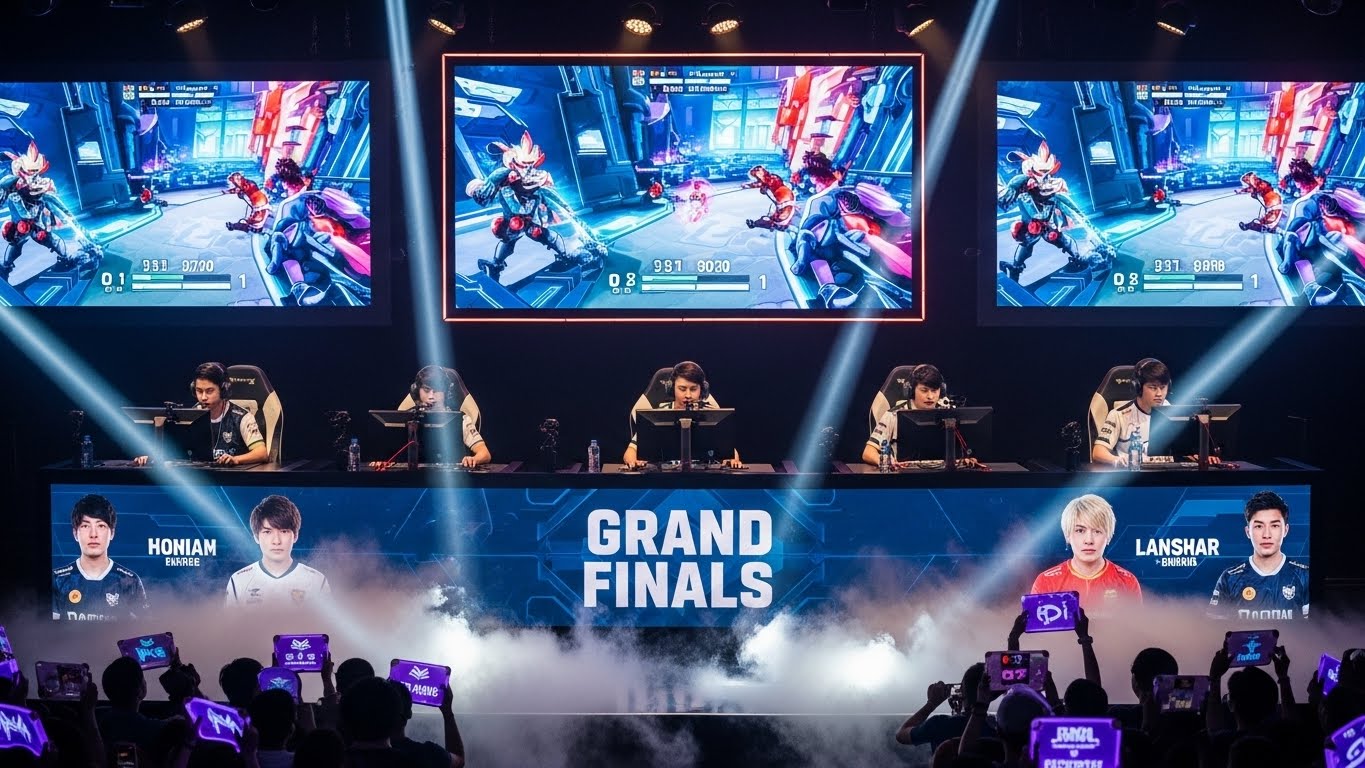
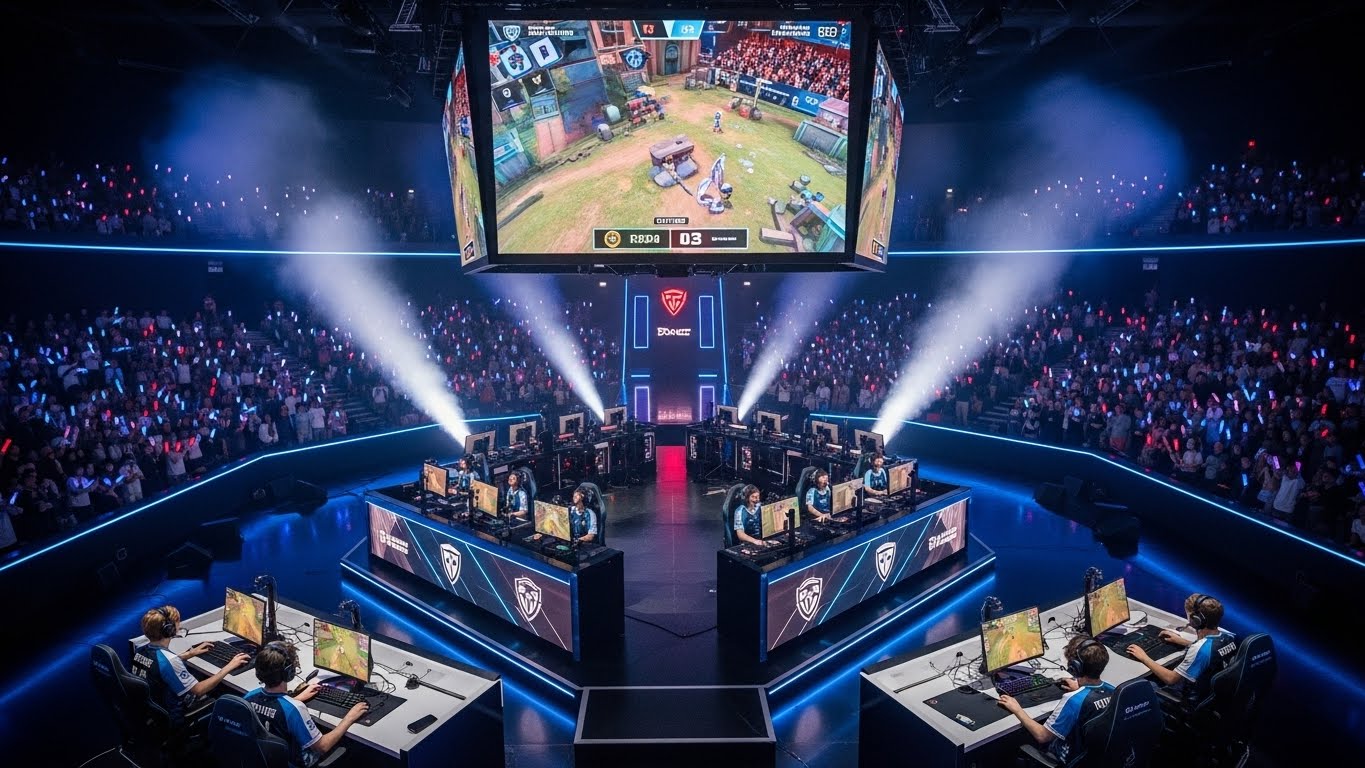
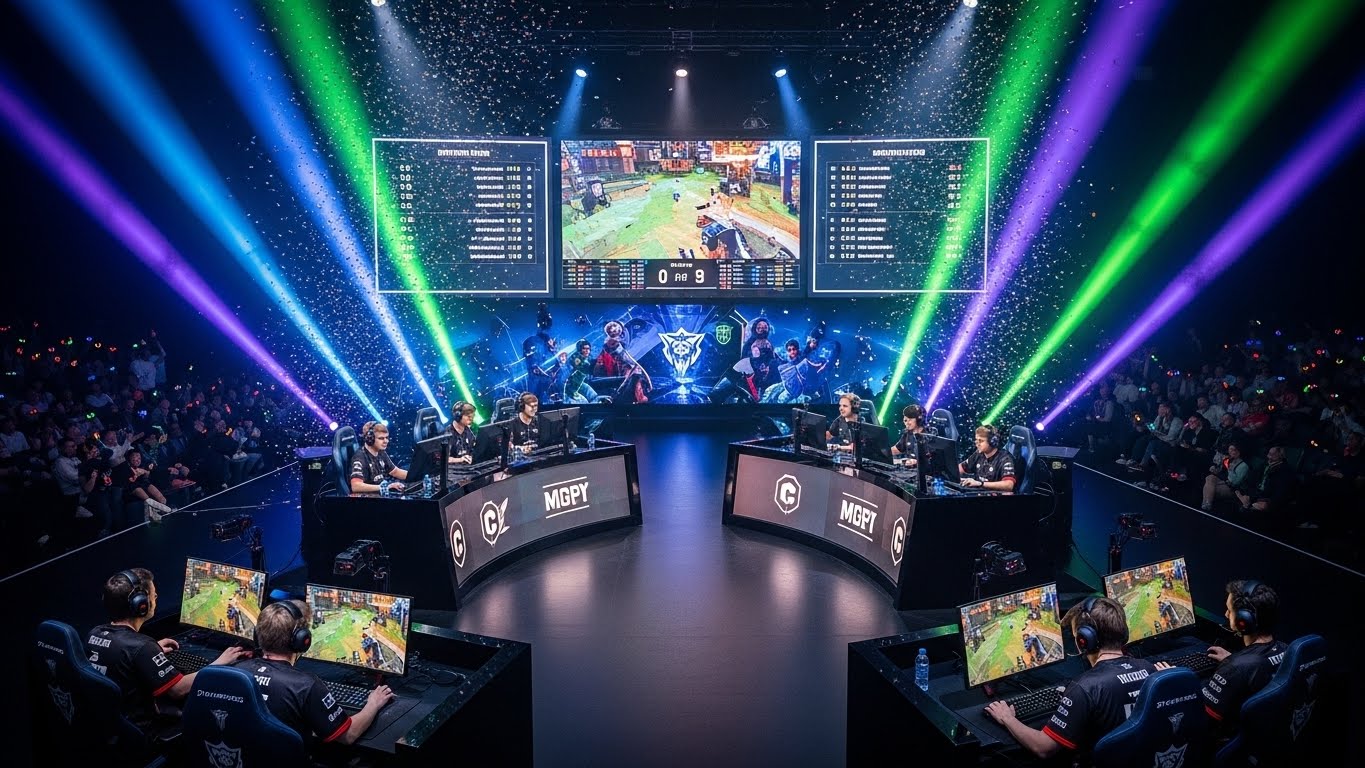
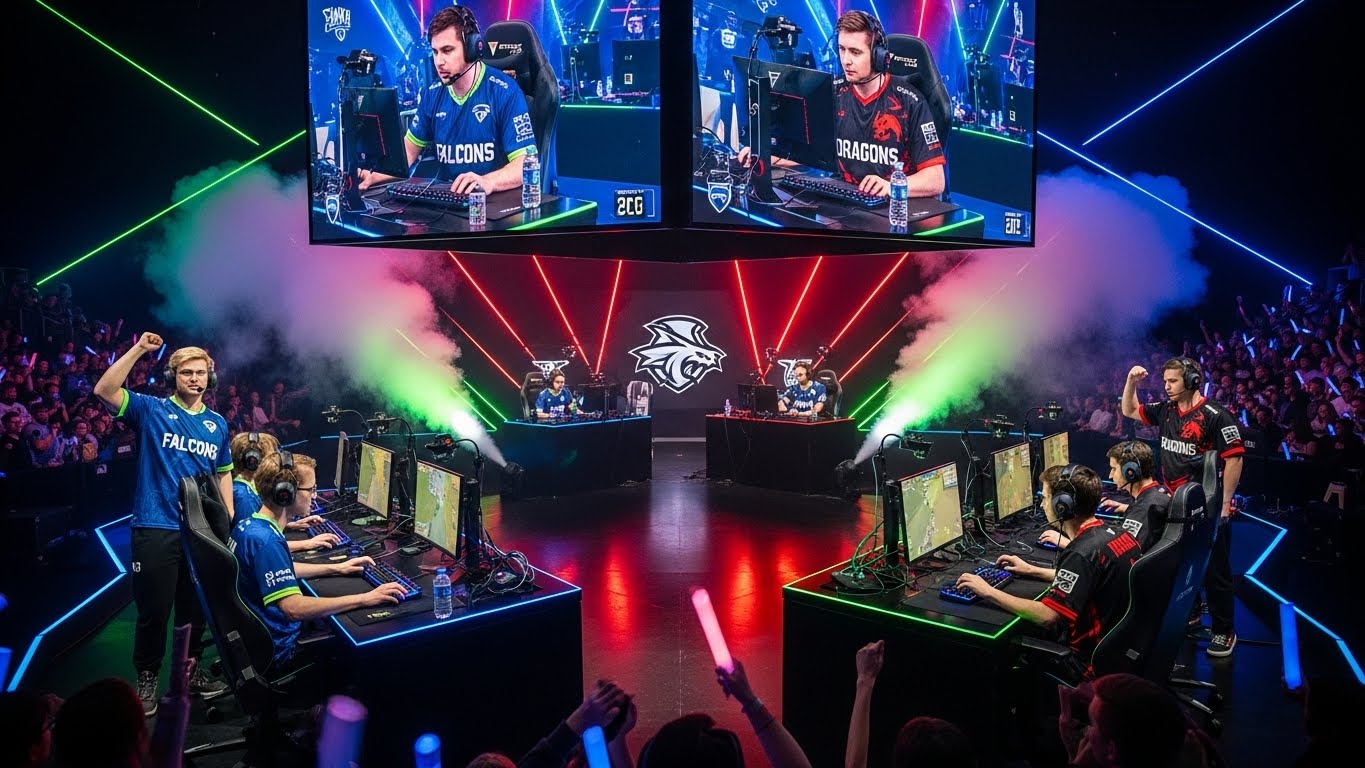
Esports tournaments are where the excitement happens. Major tournaments like The International (Dota 2), League of Legends World Championship, and Fortnite World Cup attract millions of viewers globally. These events are held in massive arenas and are broadcasted live online.
In addition to one-off tournaments, esports has seen the rise of professional leagues, such as the Overwatch League and Call of Duty League. These leagues offer players consistent competition and provide a structure for esports to operate similarly to traditional sports leagues.
4. Broadcasters and Streamers
Broadcasting plays a huge role in the global appeal of esports. With millions of viewers tuning in to watch esports events, broadcasters have become key players in the ecosystem. Traditional sports networks like ESPN have even started to feature esports tournaments on their channels.
Streamers, both amateur and professional, also contribute to the esports ecosystem by showcasing their gameplay, providing commentary, and building a fanbase. Well-known streamers like Ninja, Shroud, and Pokimane have become celebrities in their own right, helping bridge the gap between competitive gaming and mainstream culture.
The Global Impact of Esports
Esports’ influence extends far beyond the gaming community. The growth of esports has helped shape trends in technology, entertainment, and culture. It has also created new career paths and business opportunities, from game development and tournament organization to content creation and coaching.
1. Esports as a Cultural Phenomenon
Esports has become an integral part of pop culture, especially among younger generations. Major esports tournaments are now broadcast live on television and online, attracting millions of viewers. The popularity of esports has given rise to esports-specific content, from documentaries to reality shows, further increasing its cultural relevance.
Additionally, esports has found a home in academia, with universities offering scholarships and establishing varsity esports teams. Many institutions are also offering courses related to game design, esports management, and digital marketing, helping to legitimize esports as a professional career.
2. The Future of Esports
Looking ahead, the future of esports appears bright. As technology continues to advance, we can expect even more immersive experiences for players and fans. Virtual reality (VR) and augmented reality (AR) have the potential to revolutionize competitive gaming, creating new forms of gameplay and spectator experiences.
Esports will also continue to grow in terms of diversity and inclusivity. Efforts are being made to involve more women and underrepresented groups in competitive gaming, both as players and fans. Furthermore, as esports becomes more mainstream, it is likely that we will see even greater integration with traditional sports, with more esports leagues being broadcasted alongside major sporting events.
Conclusion
Esports has evolved from a niche interest to a global entertainment powerhouse. Through the combined efforts of developers, players, teams, and fans, esports has become a thriving industry that offers both competitive excitement and cultural significance. As the industry continues to grow, the future of esports holds endless possibilities, from increased professionalism to new technological advancements.
Whether you’re a casual gamer or a dedicated fan, the world of esports is one to watch, as it reshapes the landscape of competitive entertainment for years to come.