arenatribe36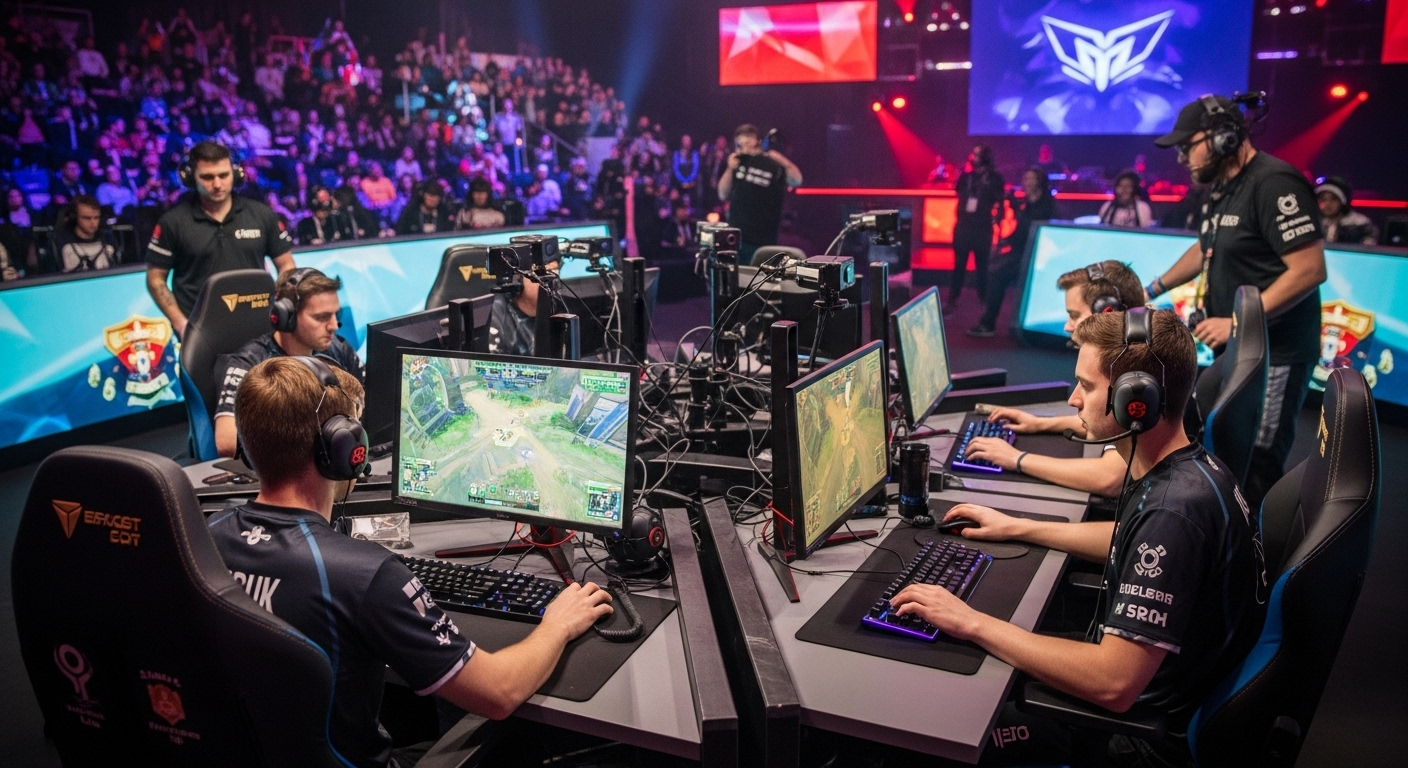
Introduction: The Digital Revolution of Competition
In the past few decades, the world has witnessed a remarkable transformation in the way people play, compete, and connect. Once limited to playgrounds, stadiums, and physical arenas, competition has evolved into something much more global, digital, and interconnected. This evolution gave birth to a phenomenon now known as Esports, or electronic sports, which refers to organized competitive gaming played by professional players and watched by millions of spectators worldwide.
Esports represents more than just playing video games for fun. It has grown into a cultural, social, and economic force that rivals traditional sports in audience engagement, sponsorships, and even prize pools. What began as small-scale competitions among hobbyists in arcades or LAN parties has transformed into multimillion-dollar tournaments broadcasted to millions across the globe.
The journey of Esports from its humble beginnings to its current global dominance is a story of passion, innovation, and technology. It mirrors the evolution of digital entertainment itself and reveals much about how modern society consumes, participates in, and celebrates competitive culture.
The Early Days: From Arcades to LAN Parties
The origins of Esports can be traced back to the late twentieth century when video gaming was still a niche hobby. In the early 1980s, video arcades were bustling centers of entertainment, where players would compete for high scores on games like Space Invaders, Pac-Man, and Donkey Kong. While these competitions were informal, they laid the groundwork for the concept of competitive gaming.
The first recognized Esports event took place in 1972 at Stanford University, where students competed in a game called Spacewar for a modest prize of a Rolling Stone magazine subscription. Though small in scale, it was symbolic of a growing fascination with gaming as a form of competition.
In the 1990s, the rise of personal computers and the internet revolutionized gaming culture. LAN (Local Area Network) parties became popular among enthusiasts who gathered to play games like Doom, Quake, and StarCraft. These events allowed for real-time competition and cooperation, fostering a sense of community and rivalry that mirrored sports leagues.
One of the most iconic early Esports moments occurred in 1997 with the Red Annihilation Quake tournament, where the winner received the actual Ferrari of game designer John Carmack. It marked the beginning of gaming as a legitimate competitive spectacle and demonstrated that gaming could produce champions, heroes, and stories worth celebrating.
The 2000s: Building the Foundation of Professional Esports
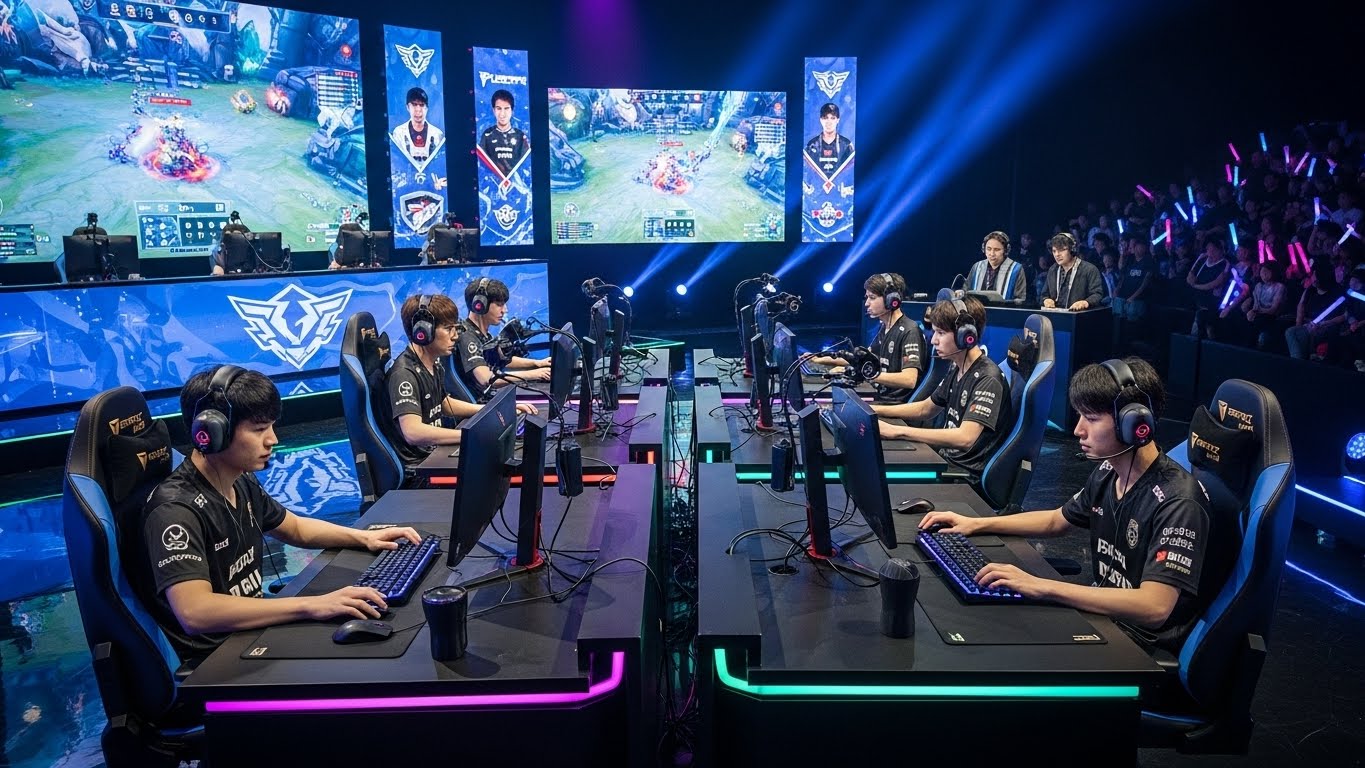
The early 2000s were a turning point for Esports. With the advancement of broadband internet and the growing popularity of online multiplayer games, Esports moved from local LAN events to global online competitions. Titles such as Counter-Strike, StarCraft: Brood War, and Warcraft III became the pillars of early Esports leagues.
South Korea emerged as a central hub for this growing movement. The country’s strong internet infrastructure and cultural acceptance of gaming helped create a professional gaming ecosystem unlike anything seen before. Television channels began broadcasting StarCraft matches, and professional gamers gained celebrity status. Teams were formed, sponsors invested money, and players signed contracts — all hallmarks of a legitimate sport.
Meanwhile, in the Western world, organizations like Major League Gaming (MLG) and the Cyberathlete Professional League (CPL) started to shape structured competitive circuits. These early leagues were vital in setting standards for tournaments, rules, and player professionalism.
The 2000s also witnessed the beginning of gaming communities forming around specific titles. Esports became a unifying platform where fans could follow their favorite teams and players, much like traditional sports fans follow football or basketball clubs. The foundations for global Esports were firmly laid, waiting for the explosion that the next decade would bring.
The 2010s: The Golden Age of Esports
The 2010s can rightfully be described as the golden decade of Esports. Technological progress, streaming platforms, and global connectivity combined to propel Esports into mainstream recognition. Games like League of Legends, Dota 2, and Counter-Strike: Global Offensive became synonymous with competitive gaming.
The introduction of Twitch in 2011 changed everything. For the first time, anyone could watch live gaming content from anywhere in the world. Streaming democratized Esports viewership, allowing fans to engage directly with players, teams, and tournaments. The accessibility of streaming transformed Esports from niche events into massive global spectacles.
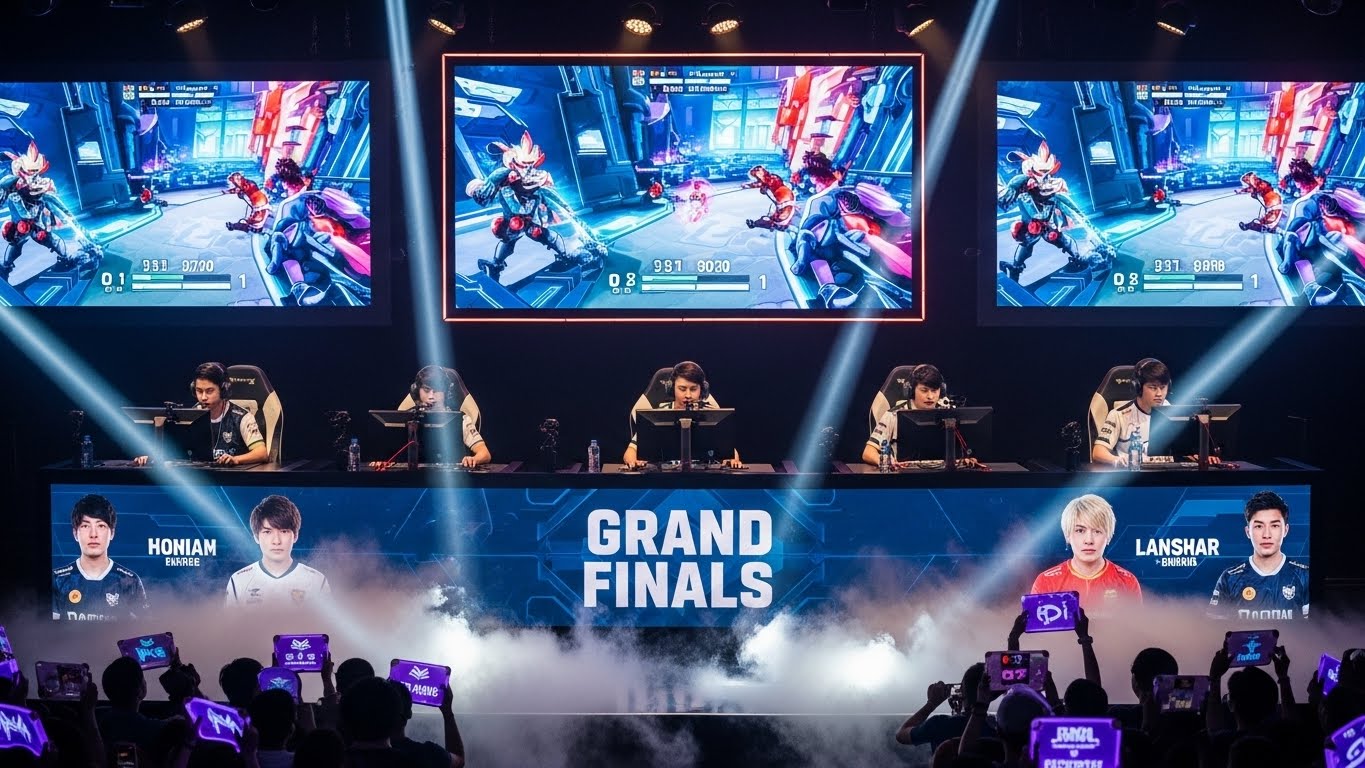
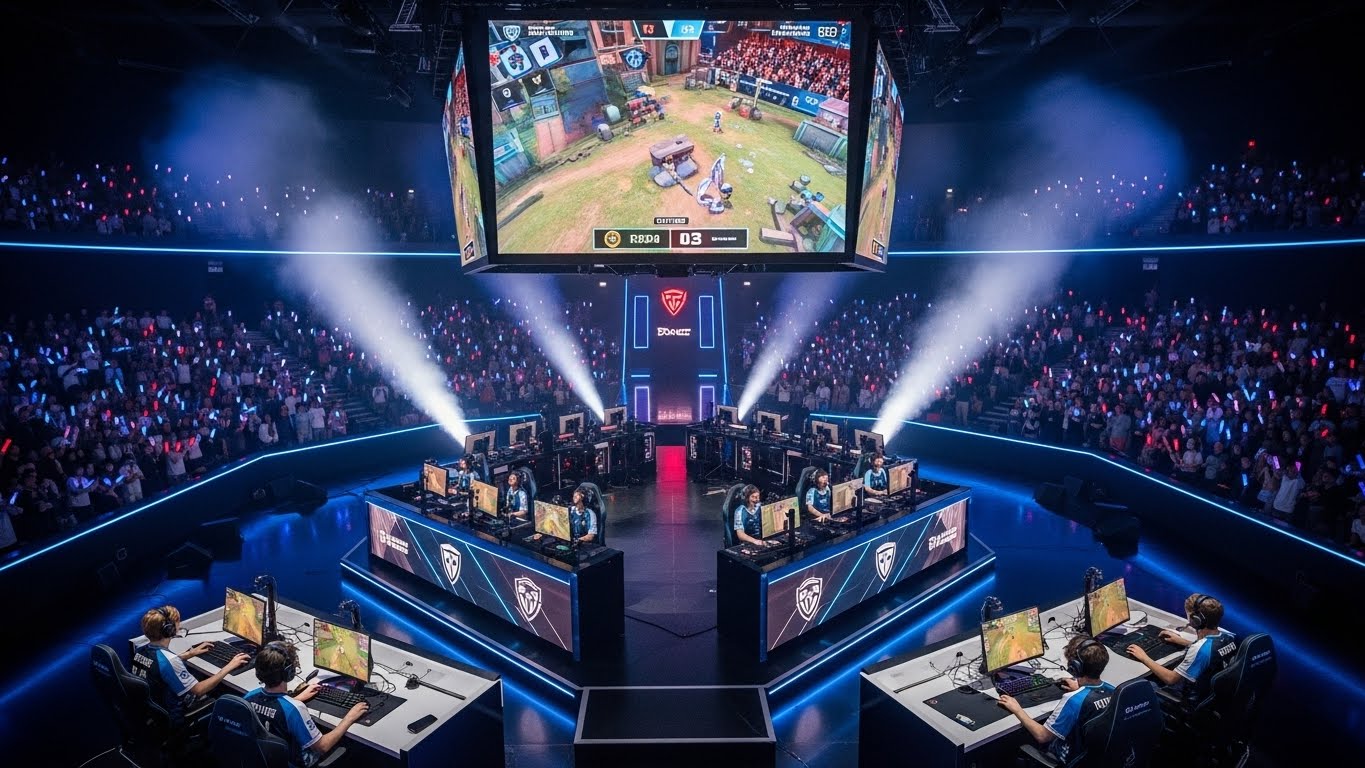
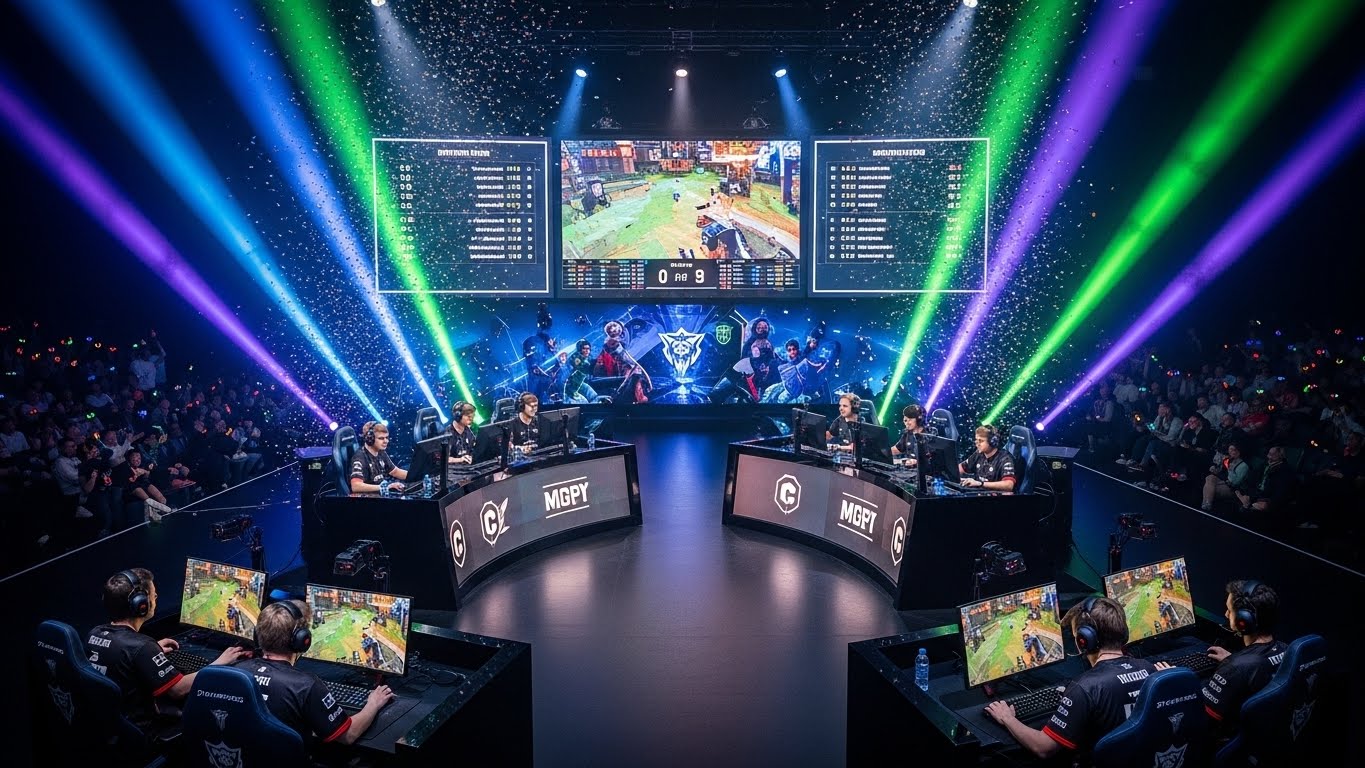
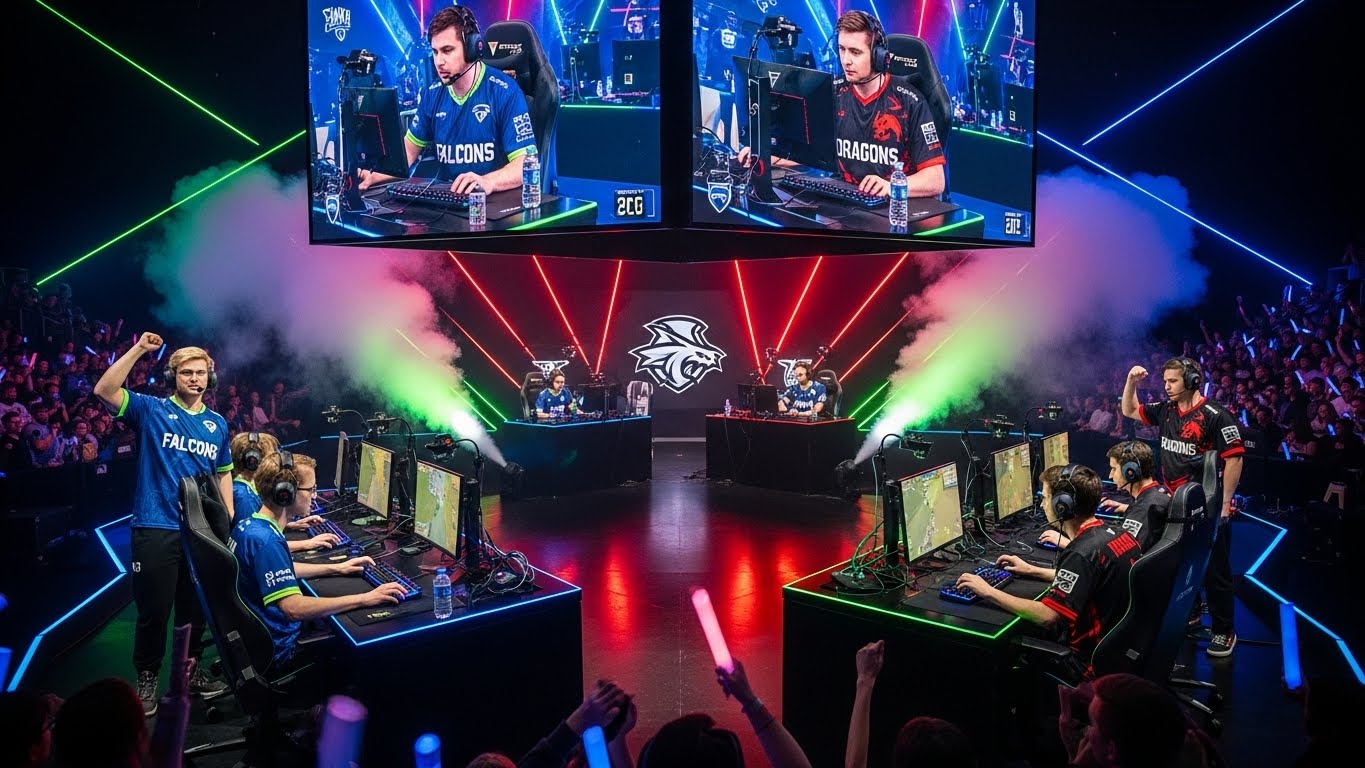
Tournaments became grand productions, often held in massive arenas packed with thousands of fans. The 2013 League of Legends World Championship, held at the Staples Center in Los Angeles, sold out in minutes. Dota 2’s The International boasted prize pools exceeding tens of millions of dollars, rivaling traditional sports tournaments.
At the same time, Esports organizations began to mirror traditional sports structures, complete with team management, branding, sponsorships, and fan engagement strategies. Major companies like Coca-Cola, Intel, and Red Bull started sponsoring Esports teams and events, seeing the immense marketing potential in this young, passionate audience.
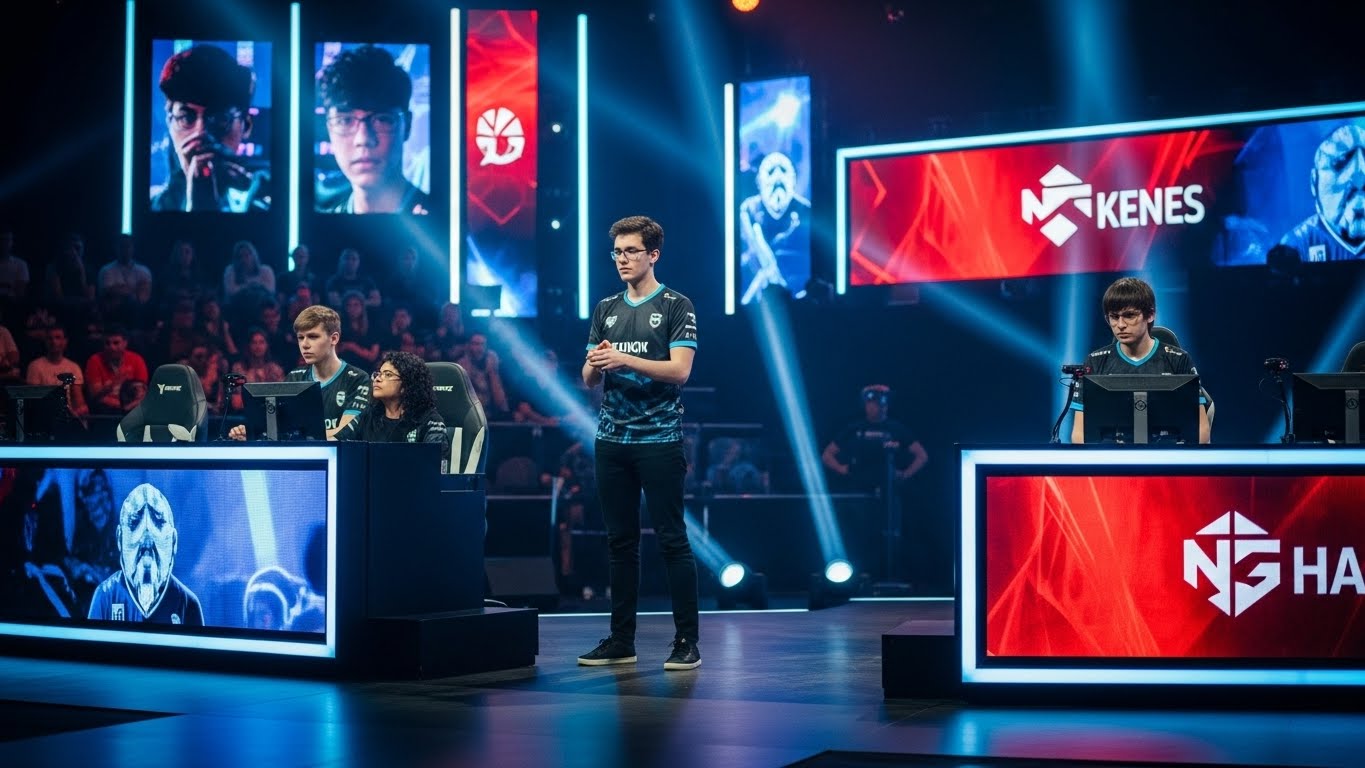
The 2010s also saw the rise of Esports celebrities. Players like Faker from League of Legends, s1mple from Counter-Strike, and N0tail from Dota 2 became household names within gaming circles. They inspired millions, not only for their skill but also for their dedication, discipline, and mastery of their craft.
Esports was no longer just a hobby — it was a career, a business, and a movement that redefined what competition could mean in the digital age.
The Role of Technology and Media in Esports Expansion
Technology has always been at the heart of Esports. The improvement of hardware, faster internet connections, and the rise of streaming platforms have all contributed to making Esports accessible to a massive global audience.
High-performance gaming PCs, consoles, and peripherals have allowed players to perform at professional levels, while platforms like Twitch, YouTube Gaming, and Facebook Live have turned gamers into entertainers and influencers. Social media networks amplified this effect, turning clips, highlights, and interviews into viral content that spreads across platforms within hours.
Media coverage also shifted dramatically during this time. Mainstream outlets that once dismissed gaming as trivial began to cover Esports seriously. Television networks aired tournaments, and traditional sports organizations began investing in Esports franchises. The barriers between physical and digital sports blurred as both industries learned from one another.
Virtual reality, augmented reality, and AI-driven analytics have also started to play roles in the modern Esports ecosystem, enhancing the viewing experience and helping players optimize performance. Technology not only powers Esports but also continuously reinvents it.
The Business of Esports: From Passion to Industry
Esports has evolved into a multibillion-dollar industry with diverse revenue streams. These include sponsorships, advertising, media rights, merchandise, ticket sales, and in-game purchases tied to Esports events. The audience for Esports has grown into hundreds of millions globally, attracting brands from all industries eager to connect with this engaged and tech-savvy demographic.
Teams and organizations now function like professional sports clubs, with management, coaching staff, analysts, marketing departments, and dedicated training facilities. Players are often under contract, receive salaries, and sometimes even share in sponsorship or prize revenue.
Investors have poured money into Esports franchises, especially with the franchising models seen in games like Overwatch and League of Legends. These structures bring stability and long-term sustainability to the scene while ensuring fans have consistent teams to follow.
Merchandising has also become a powerful component. Jerseys, accessories, and team-themed products give fans tangible connections to their favorite organizations. Esports arenas have been built worldwide, and global events generate significant tourism revenue for host cities.
The Esports economy is no longer experimental; it is a fully-fledged sector with measurable growth and influence.
The Cultural Impact of Esports
Esports is more than a form of entertainment — it is a cultural force that reflects the digital age’s values, creativity, and community. It represents the convergence of technology, art, and competition, and it fosters global connections that transcend borders.
For younger generations, Esports offers a sense of belonging and identity. Fans build communities around their favorite games and teams, often interacting across continents through online forums and social media. This shared passion cultivates friendships, discussions, and a vibrant digital culture that mirrors traditional fandoms yet feels more immediate and inclusive.
Esports also challenges long-standing stereotypes about gamers. Once dismissed as antisocial or passive, gamers have proven to be disciplined, strategic, and collaborative individuals. Professional Esports athletes train for hours daily, follow strict schedules, and rely on physical conditioning, nutrition, and psychological preparation — the same attributes associated with traditional sports professionals.
Furthermore, Esports has had a profound impact on education and career development. Universities worldwide now offer scholarships for Esports athletes, while academic programs explore the business, psychology, and technology behind gaming. The industry has created opportunities for commentators, analysts, coaches, and event organizers, fostering a new ecosystem of digital careers.
Diversity and Inclusion in Esports
While Esports has achieved incredible growth, it has also faced challenges related to inclusivity and representation. Historically, the competitive gaming scene has been dominated by male players, but this trend is changing as more women and marginalized groups enter the space.
Female gamers, streamers, and professionals are breaking barriers and finding their place in Esports, inspiring new generations to participate without fear of exclusion. Events and organizations are increasingly focusing on creating inclusive environments, tackling harassment, and promoting equality.
Additionally, Esports transcends geographical and cultural boundaries. It provides a global platform where players from any background can compete based solely on skill. Whether a competitor comes from Seoul, Stockholm, São Paulo, or San Francisco, the digital arena treats everyone equally. This universality is one of Esports’ greatest strengths and a key reason for its enduring appeal.
Esports and Education: A New Frontier
As Esports continues to grow, its role in education and youth development becomes increasingly significant. Schools and universities around the world are incorporating Esports programs to teach teamwork, strategic thinking, leadership, and communication.
These programs demonstrate that gaming can be more than entertainment; it can be a learning tool. Students involved in Esports often develop problem-solving skills, learn to handle pressure, and experience the importance of collaboration and sportsmanship.
Moreover, academic institutions are beginning to research the psychological and cognitive aspects of gaming. Studies show that competitive gaming can improve reaction times, decision-making abilities, and multitasking skills. As Esports integrates into educational frameworks, it will likely continue to challenge old notions of what constitutes valuable extracurricular activity.
Challenges Facing the Esports Industry
Despite its growth, Esports faces numerous challenges that must be addressed for long-term sustainability. One major issue is player burnout. The intense competition, long practice hours, and constant travel can take a physical and mental toll on players. Many retire at a young age, prompting discussions about better health management and support systems.
Another challenge is regulation. Unlike traditional sports, which have long-established governing bodies, Esports remains fragmented across various games and organizations. This lack of uniform regulation creates inconsistencies in player rights, tournament rules, and ethical standards.
Cheating, match-fixing, and performance-enhancing substances are also ongoing concerns. As money and fame grow, so does the temptation to manipulate outcomes. Establishing transparent governance, integrity commissions, and anti-cheating systems is crucial to maintaining public trust.
Lastly, the volatility of games themselves poses a unique risk. A game’s popularity can rise and fall quickly, impacting the livelihoods of players and organizations. The Esports industry must continuously adapt to shifting trends and technological changes to ensure resilience.
The Future of Esports: Innovation and Integration
The future of Esports is filled with promise and possibility. Emerging technologies like artificial intelligence, virtual reality, and blockchain will reshape how players compete and fans engage. The integration of advanced analytics could lead to smarter coaching tools and more immersive viewing experiences.
Esports may also merge more deeply with traditional sports. Already, major football and basketball clubs have invested in Esports teams, seeing them as natural extensions of their brands. Hybrid events combining physical and digital competition could become the next evolution of global entertainment.
As 5G and cloud gaming become widespread, accessibility will increase dramatically, allowing anyone with a device and internet connection to participate or watch. Esports is poised to become even more mainstream, with younger generations viewing it as a standard form of competition rather than a niche pastime.
Governments and educational institutions are also recognizing Esports’ potential to foster digital literacy, teamwork, and innovation. As this recognition grows, Esports will likely become a central pillar of modern culture, economy, and education.
Conclusion: The Legacy of a Digital Revolution
Esports represents a profound shift in how humanity defines competition, entertainment, and community. It is the culmination of technological progress, creativity, and human ambition — a world where pixels and passion collide to create unforgettable moments.
What began as casual matches among friends has evolved into global spectacles watched by millions. Esports players are no longer just gamers; they are athletes, entertainers, and icons. Fans no longer simply consume content; they participate, engage, and build entire communities around shared digital experiences.
In many ways, Esports reflects the spirit of our time — interconnected, diverse, and constantly evolving. It demonstrates that competition does not need to be bound by physical limits and that excellence can emerge from any screen, in any corner of the world.
The rise of Esports is not just the story of gaming’s success; it is the story of a generation redefining what it means to play, to compete, and to belong. As we look toward the future, one thing is certain: Esports is not just here to stay — it is just getting started.