arenatribe36
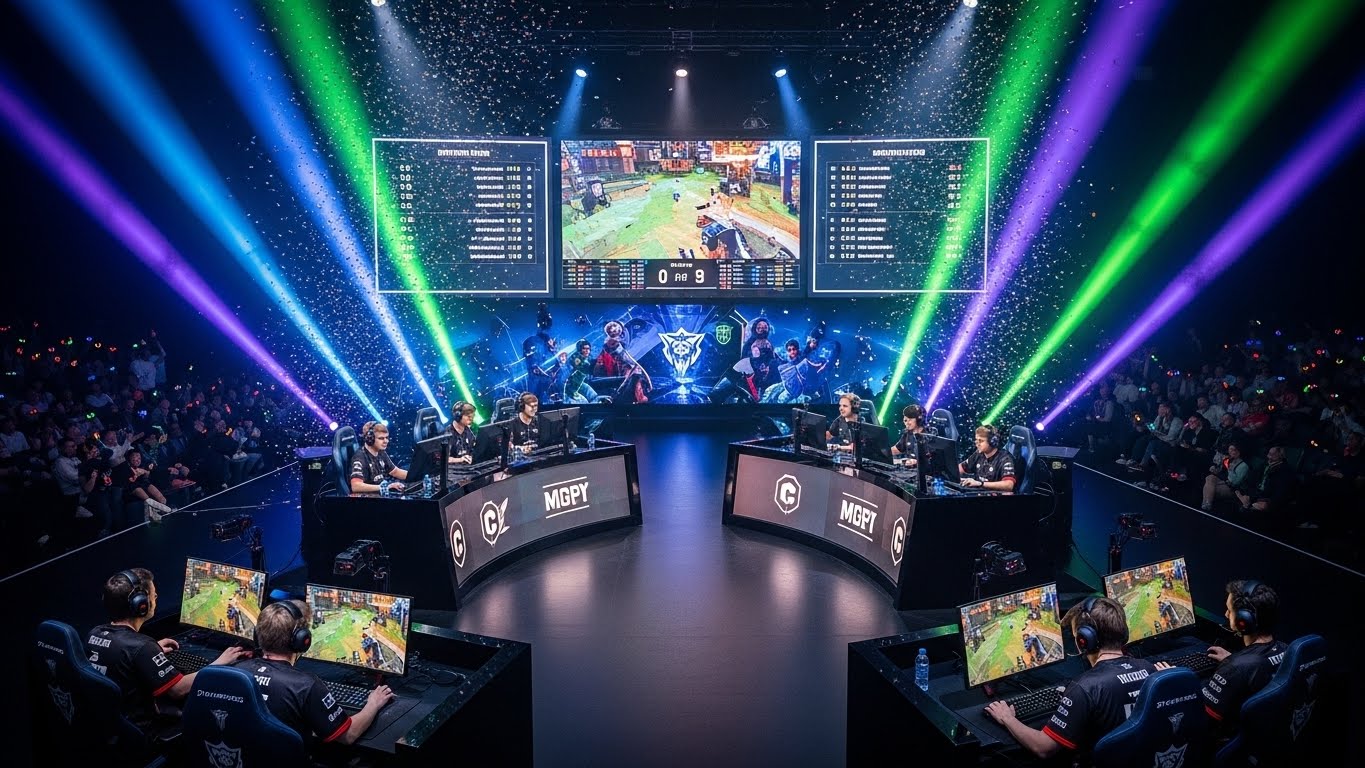
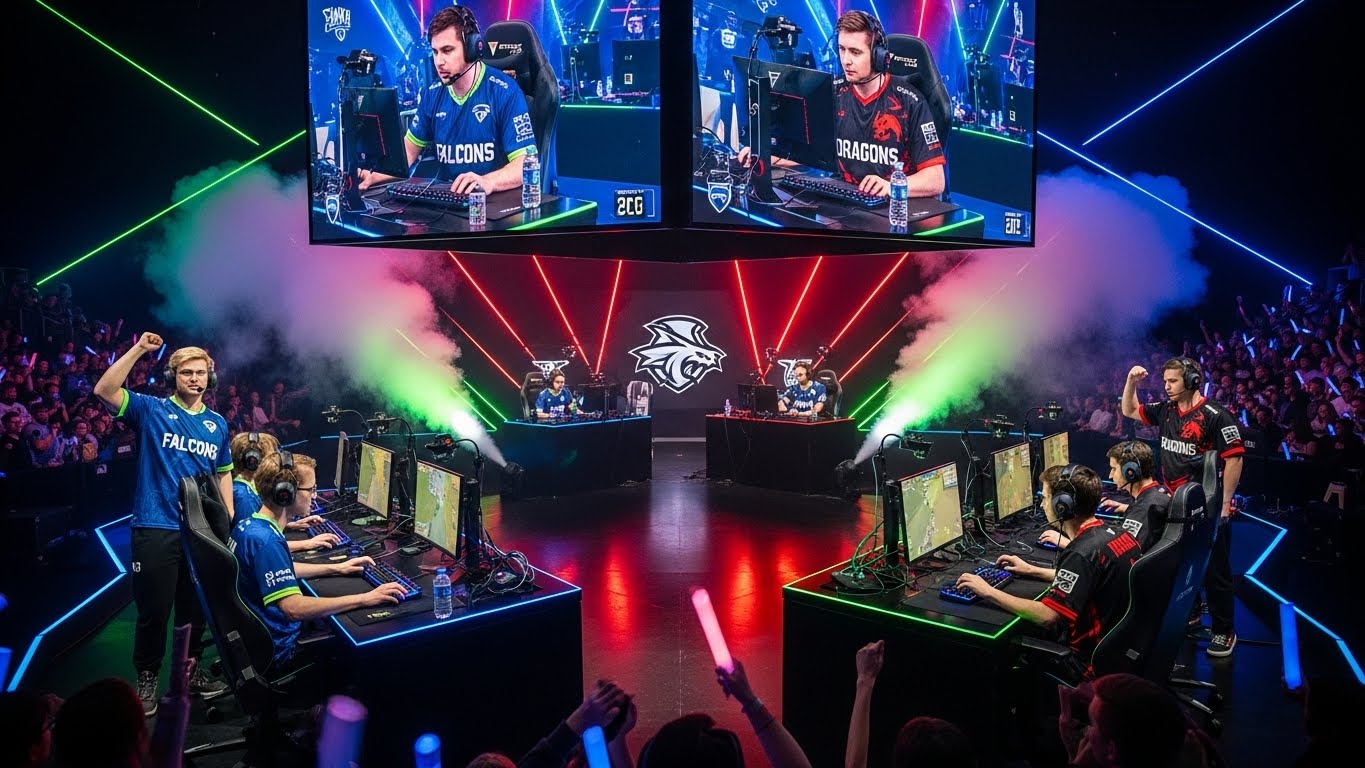
In the last two decades, esports has transformed from a niche hobby into a global phenomenon. What was once considered just playing video games for fun has evolved into a professional sport with millions of viewers, high-stakes tournaments, and players earning substantial incomes. This meteoric rise has redefined the gaming industry and created an entirely new realm of entertainment, competition, and career opportunities.
Esports, short for electronic sports, refers to competitive video gaming where players or teams compete against each other in various titles ranging from first-person shooters to multiplayer online battle arenas. With advancements in technology, the internet, and streaming platforms, esports has become more accessible than ever, attracting audiences from all around the world.
A Brief History of Esports
Esports is not as new as many might think. Competitive gaming traces its roots back to the early 1970s. The first recorded video game competition was the “Intergalactic Spacewar Olympics” held in 1972 at Stanford University, where students competed in the game Spacewar. Though the event was small, it marked the beginning of competitive gaming culture.
In the 1980s, arcades became hubs for competition. Games like Pac-Man, Donkey Kong, and Street Fighter II offered a competitive edge as players vied for high scores. During this time, tournaments began to emerge, often organized by gaming magazines or local arcade owners, attracting dedicated fans who celebrated the skills and strategies of top players.
The 1990s saw a significant shift with the rise of personal computers and online gaming. Titles like Quake, StarCraft, and Counter-Strike allowed players to compete over networks, paving the way for professional teams and organized leagues. The launch of the internet brought communities together and made esports a truly global activity, as players could now face off against opponents worldwide.
The Explosion of Modern Esports
The 21st century marked a turning point for esports, driven by technological advancements, streaming platforms, and corporate investment. Games like League of Legends, Dota 2, and Overwatch became global sensations, attracting millions of players and spectators.
Streaming platforms such as Twitch and YouTube Gaming played a critical role in this growth. These platforms allowed audiences to watch professional gamers live, interact with them, and become part of a global community. Unlike traditional sports, esports offers a level of interactivity and accessibility that traditional media cannot match.
Professional leagues, such as the Overwatch League and League of Legends Championship Series, introduced structured competition similar to traditional sports. Teams now have coaches, analysts, and sponsors, and players have contracts, salaries, and endorsements. The level of professionalism has increased significantly, making esports a legitimate career path.
Popular Esports Titles
Esports encompasses a wide range of game genres, each offering unique gameplay and competitive dynamics. Here are some of the most popular categories:
Multiplayer Online Battle Arenas (MOBAs)
Games like League of Legends and Dota 2 dominate the MOBA category. These games require strategy, teamwork, and quick decision-making. Players control a single character within a team, working together to destroy the opponent’s base. MOBAs are known for their complexity and the need for high-level coordination, making them a favorite for competitive tournaments.
First-Person Shooters (FPS)
FPS games like Counter-Strike: Global Offensive, Call of Duty, and Valorant focus on precision, reflexes, and tactical gameplay. Teams compete to complete objectives or eliminate opponents, often requiring split-second decision-making. FPS esports have some of the largest prize pools and fanbases, particularly in regions such as North America and Europe.
Battle Royale
The rise of battle royale games, such as Fortnite and PUBG, brought a new level of intensity and popularity to esports. These games typically involve a large number of players fighting to be the last person or team standing on a shrinking map. The unpredictability and fast-paced nature of battle royale games make them extremely engaging for both players and spectators.
Fighting Games
Fighting games, including Street Fighter, Super Smash Bros., and Tekken, have maintained a strong presence in esports for decades. These games emphasize individual skill, timing, and precision. Tournaments often feature head-to-head battles that attract passionate fans and a loyal competitive community.
Sports Simulation Games
Esports also includes virtual sports, such as FIFA, NBA 2K, and Madden NFL. These games combine real-world sports knowledge with gaming skills, attracting traditional sports fans into the esports sphere. Tournaments in this genre are often tied to major sports leagues, further bridging the gap between physical and digital sports.
The Global Esports Ecosystem
Esports is no longer confined to individual players; it has grown into a comprehensive ecosystem involving players, teams, organizers, sponsors, and media. This ecosystem drives the industry forward and supports millions of jobs worldwide.
Professional Players and Teams
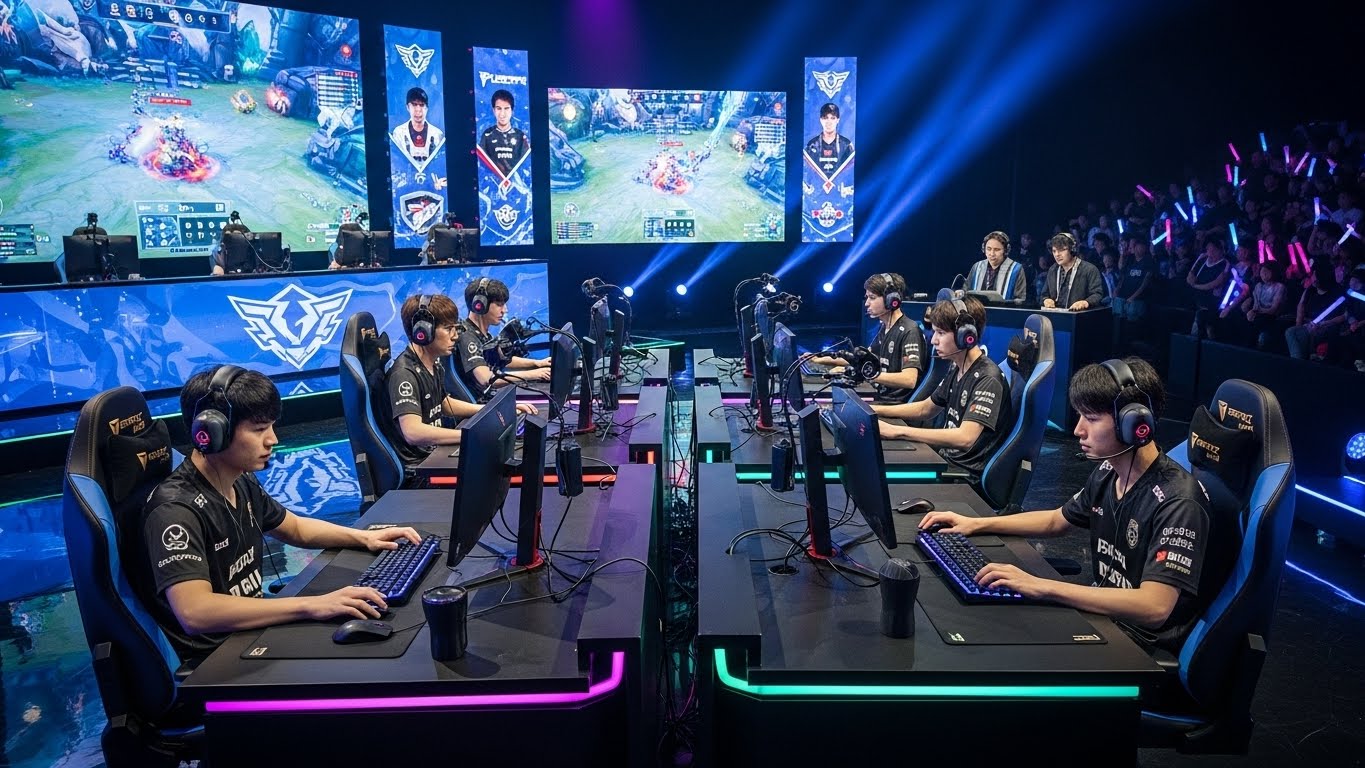
Professional players are the face of esports. They dedicate thousands of hours to practice, strategizing, and competing. Unlike casual gamers, professionals follow rigorous training schedules, analyze gameplay statistics, and constantly adapt to new game updates. Top players often become global celebrities, attracting sponsorships, merchandise deals, and media attention.
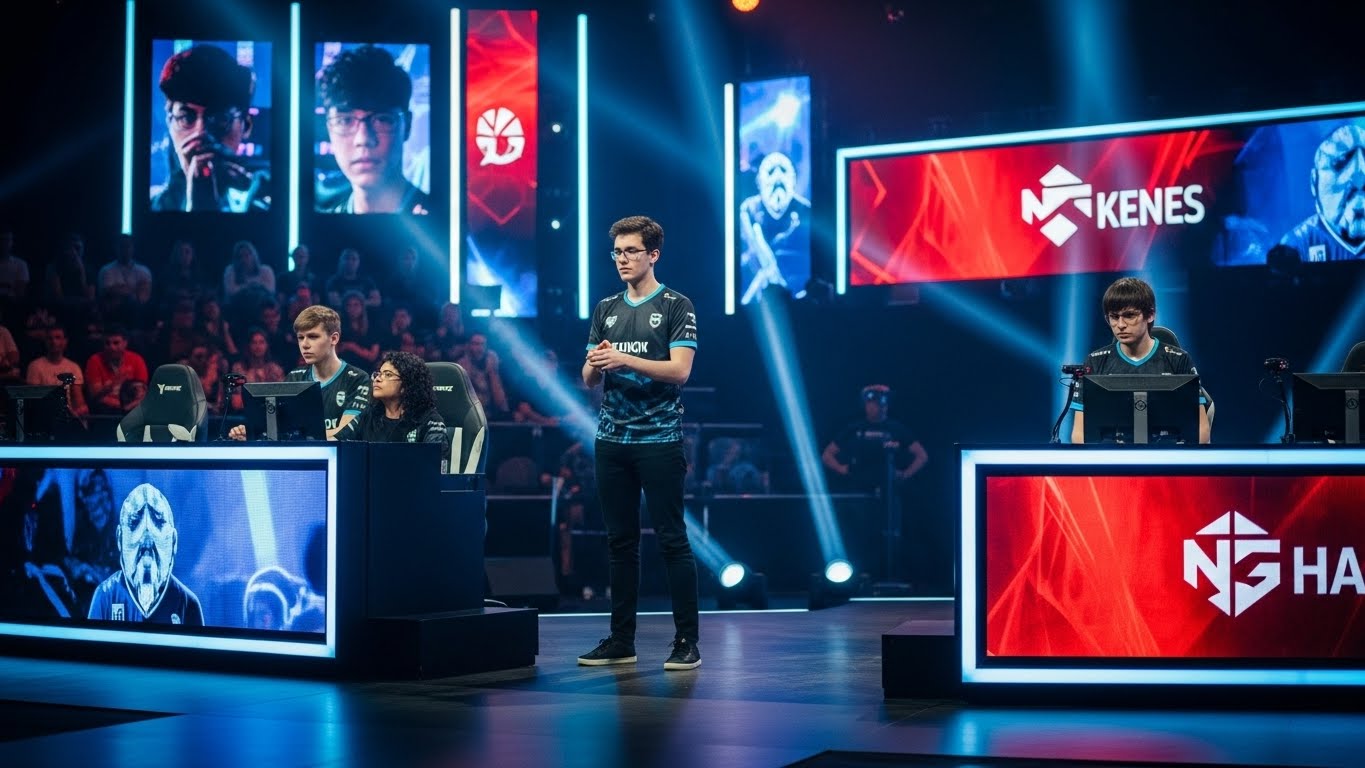
Teams operate much like traditional sports franchises. They recruit talent, provide coaching and support staff, and compete in leagues and tournaments. Well-known teams often have multiple rosters across different games, expanding their influence and brand recognition.
Tournaments and Leagues
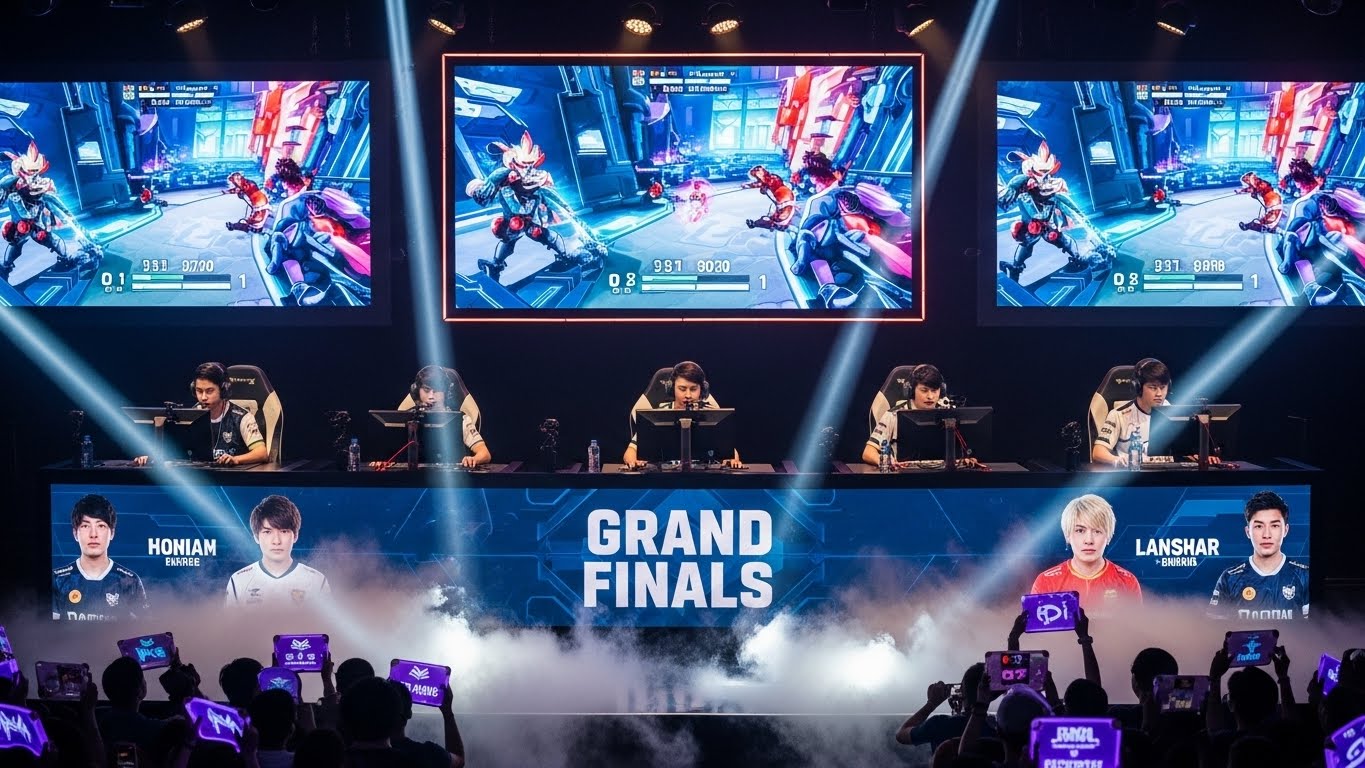
Tournaments are the lifeblood of esports. Major events like The International for Dota 2 or the League of Legends World Championship offer multimillion-dollar prize pools, drawing massive viewership. Leagues operate on regular schedules, similar to professional sports leagues, with seasonal competitions, playoffs, and finals. This structured approach ensures consistent engagement from fans and sponsors alike.
Sponsors and Advertisers
Esports has attracted attention from major brands, including technology companies, apparel brands, and consumer goods. Sponsorship deals provide teams with financial support and promote products to a highly engaged, tech-savvy audience. Advertisers recognize the potential of esports to reach a younger demographic that traditional media often struggles to engage.
Streaming Platforms
Streaming platforms are a cornerstone of esports’ popularity. They allow fans to watch live events, learn strategies, and interact with players. Popular streamers often gain massive followings, further blurring the line between entertainment and professional competition.
The Economic Impact of Esports
The financial impact of esports is enormous and continues to grow. Revenue streams come from sponsorships, advertising, media rights, merchandise, and ticket sales. In recent years, the global esports market has surpassed billions of dollars, with projections indicating continued growth.
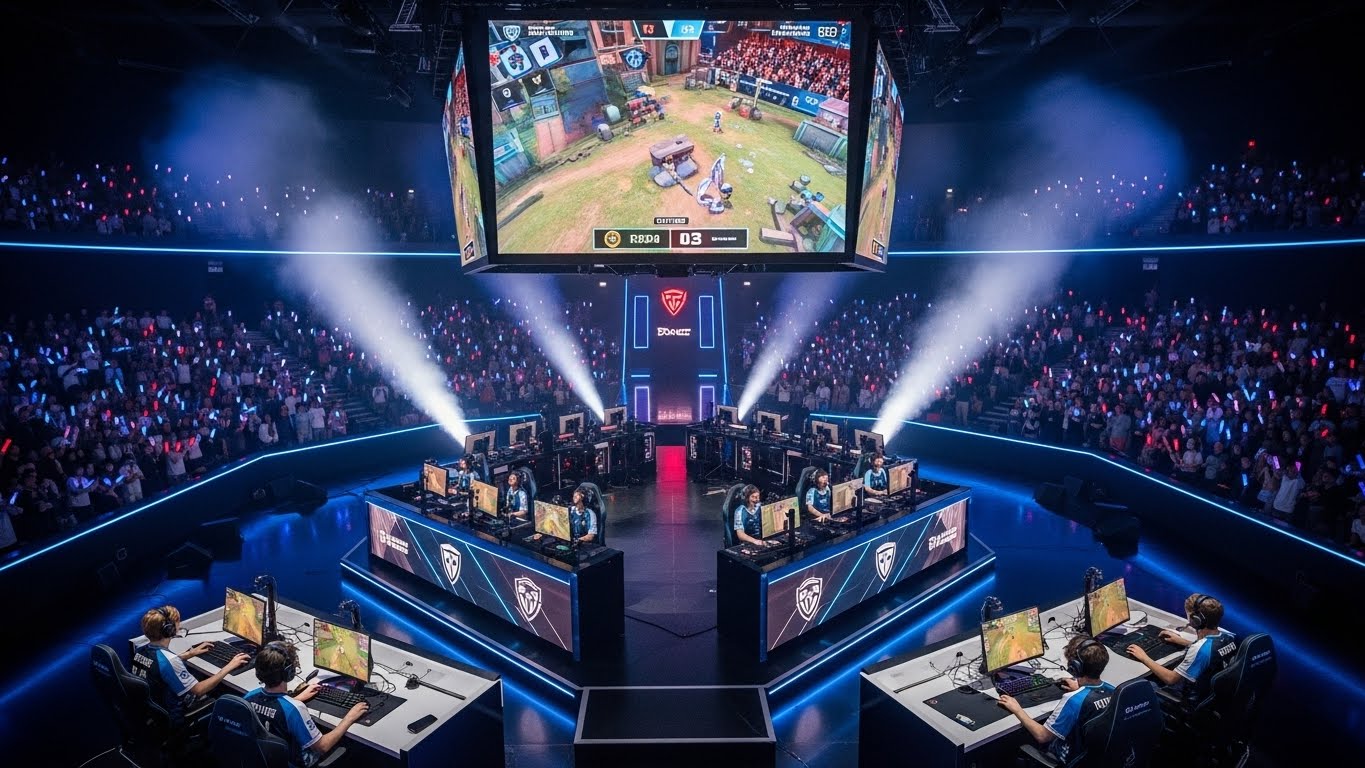
Esports also contributes to local economies. Major tournaments attract thousands of spectators, boosting tourism, hospitality, and local businesses. Cities that host esports events are investing in dedicated arenas and facilities, recognizing esports as a viable contributor to economic development.
Moreover, esports careers offer financial stability for talented players. While only a small percentage reach elite status, even mid-level professionals can earn a respectable living through salaries, sponsorships, and streaming revenue. This economic viability has made esports an attractive alternative career path for young gamers worldwide.
Esports and Culture
Esports is more than just a competitive activity; it has become a cultural phenomenon. It influences fashion, music, and entertainment, blending gaming culture with mainstream media.
Community and Social Interaction
One of esports’ strongest appeals is its sense of community. Fans gather in online forums, social media groups, and local gaming centers to discuss strategies, celebrate victories, and support their favorite teams. Streaming platforms allow viewers to interact with players in real-time, creating a dynamic and immersive experience.
Representation and Diversity
Esports has also become a platform for greater representation and diversity. Players from different backgrounds, genders, and nationalities can achieve recognition on the global stage. Organizations are increasingly advocating for inclusivity, addressing issues such as gender disparity and harassment in gaming.
Mainstream Media and Pop Culture
Esports has infiltrated mainstream media, with events broadcasted on television, covered in newspapers, and featured in documentaries. Popular games influence music, fashion, and storytelling, cementing esports as a key component of modern culture.
Challenges Facing Esports
Despite its growth, esports faces several challenges that must be addressed to ensure long-term sustainability.
Mental Health and Burnout
Professional gaming is demanding, often requiring 10–12 hours of practice daily. This intense schedule can lead to stress, anxiety, and burnout. Many organizations are now focusing on mental health support, encouraging breaks, counseling, and balanced lifestyles.
Cheating and Fair Play
As with traditional sports, cheating remains a concern in esports. Developers continually implement anti-cheat systems to maintain competitive integrity, but challenges persist, particularly in online competitions.
Regulation and Standardization
Esports lacks standardized regulations across different games and regions. Variations in rules, tournament structures, and player contracts can create confusion and disputes. Greater standardization would enhance credibility and fairness in the industry.
Monetization and Sustainability
While esports generates significant revenue, reliance on sponsorships and media deals can be risky. Diversifying income streams, such as merchandise, in-game purchases, and localized events, is crucial for long-term sustainability.
The Future of Esports
The future of esports looks promising, with continued growth, technological innovation, and mainstream acceptance on the horizon.
Virtual Reality and Augmented Reality
VR and AR technologies have the potential to revolutionize esports by creating fully immersive competitive experiences. Imagine players competing in virtual arenas with realistic physics and interactive environments, transforming the spectator experience entirely.
Expansion into Education
Esports is making its way into educational institutions, with universities offering scholarships, courses, and clubs focused on competitive gaming. This integration not only legitimizes esports as a career path but also fosters talent development from a young age.
Global Integration
Esports is increasingly becoming a global phenomenon, transcending cultural and geographic boundaries. International tournaments, cross-region leagues, and global sponsorships will continue to unite players and fans worldwide.
Technological Advancements
Improvements in streaming technology, AI, and analytics will continue to enhance competitive gameplay, audience engagement, and event management. AI-driven analysis can help teams refine strategies, while better streaming tech ensures high-quality experiences for viewers everywhere.
Conclusion
Esports has grown from a modest pastime into a worldwide cultural and economic force. It combines competition, entertainment, community, and technology in a way that is unparalleled by traditional sports. With professional leagues, global tournaments, and a growing fan base, esports is not just here to stay—it is shaping the future of gaming, entertainment, and even career opportunities.
As technology continues to advance and society becomes more digitally connected, esports will only grow in prominence. The challenges it faces are real, but the industry’s adaptability, innovation, and passionate community position it for continued success. From local tournaments to international championships, esports represents a new era of competitive entertainment, where skill, strategy, and passion converge on a global stage.