arenatribe36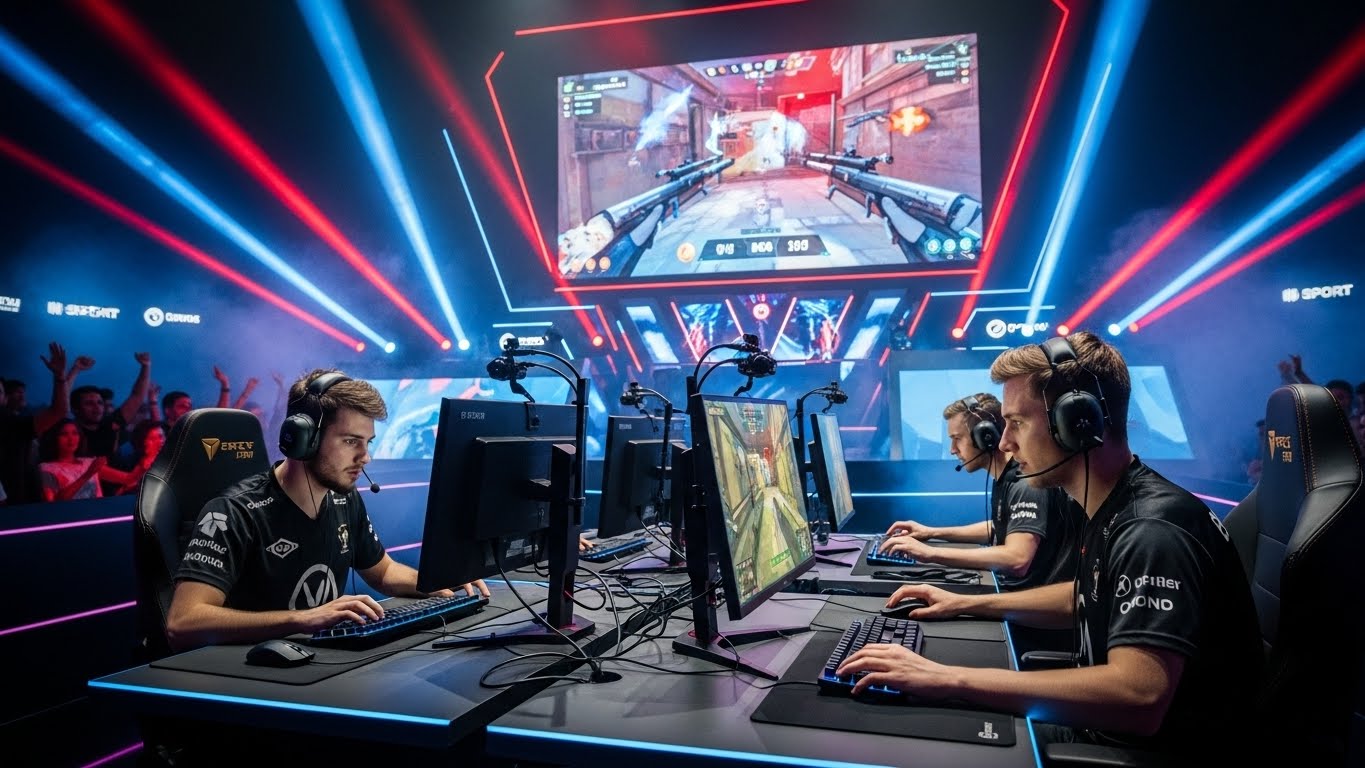
Esports has rapidly grown from a niche pastime into one of the world’s most influential entertainment industries. Once viewed simply as competitive gaming, esports has evolved into a global phenomenon with professional players, massive tournaments, and millions of passionate fans. Today, esports stands at the intersection of technology, entertainment, competition, and culture. This transformation reflects not only advancements in digital media but also a shift in how society views gaming itself.
Understanding Esports: What It Really Means
Esports refers to organized, competitive gaming where individuals or teams face off in various video games. These competitions range from casual online tournaments to large-scale championship events held in stadiums and broadcast to millions around the world. Esports titles span multiple genres including strategy, shooters, sports simulations, and multiplayer battle arenas, each offering unique challenges and requiring a high level of skill.
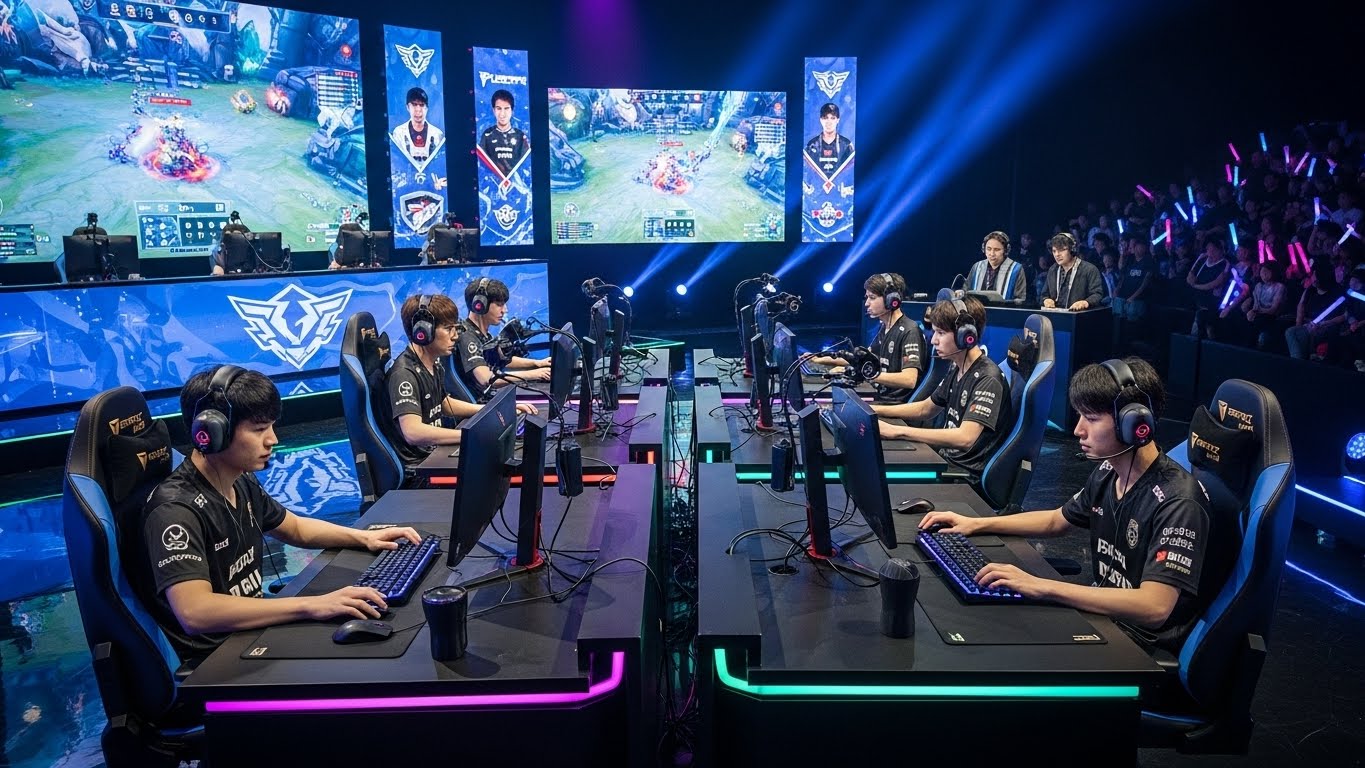
At its core, esports is about competition, strategy, teamwork, and mastery. Professional players dedicate countless hours to practicing, studying opponents, improving their reflexes, and developing advanced tactics. Much like traditional athletes, they undergo rigorous training routines to stay at the top of their game.
The Origins of Esports
Although esports feels modern, competitive gaming has deep roots. In the early 1980s, arcade competitions for high scores were popular, followed by console and PC gaming tournaments in the 1990s. Titles such as fighting games and strategy games built early communities around competitive play.
However, the true rise of esports began with the expansion of fast internet connections and online multiplayer gaming in the 2000s. Players could now compete with others worldwide, forming a foundation for organized competitions and professional leagues. This marked the beginning of esports as a structured and rapidly growing industry.
The Explosion of Professional Leagues and Tournaments
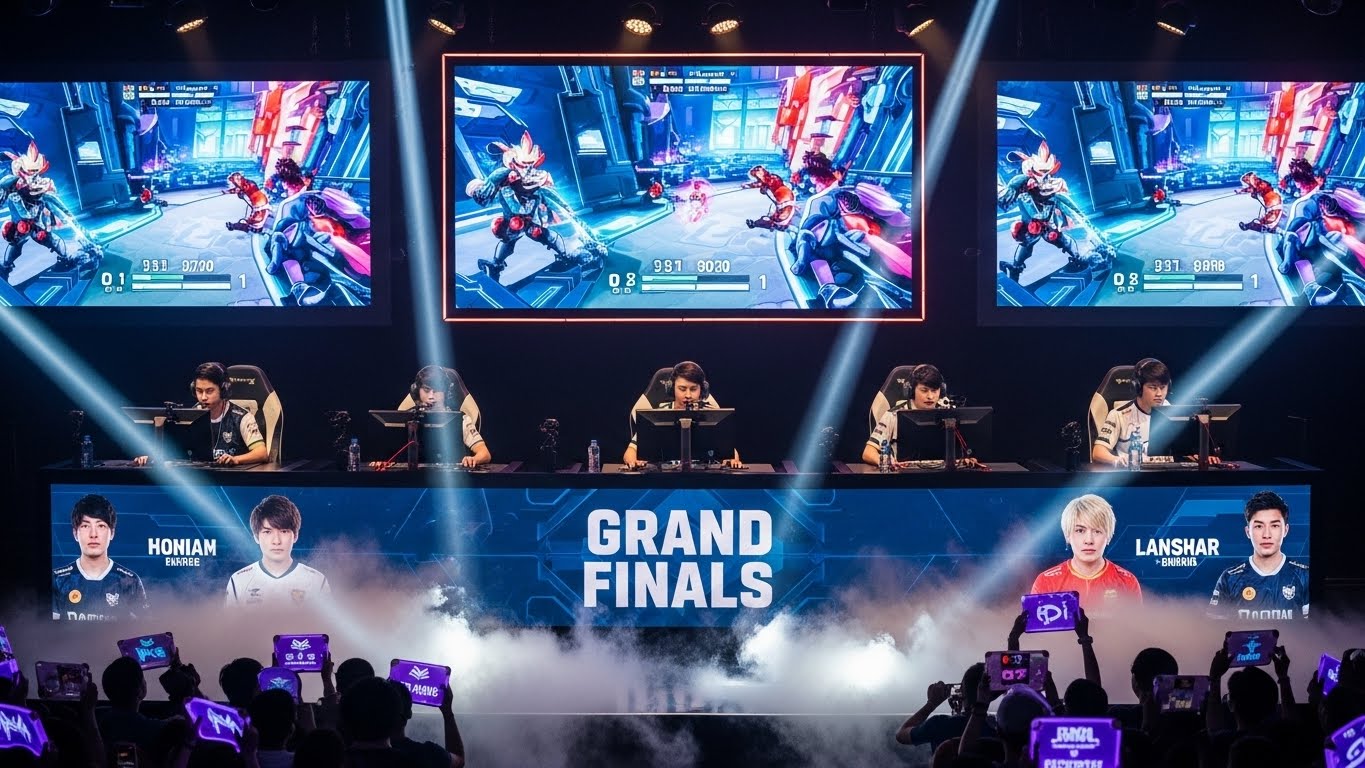
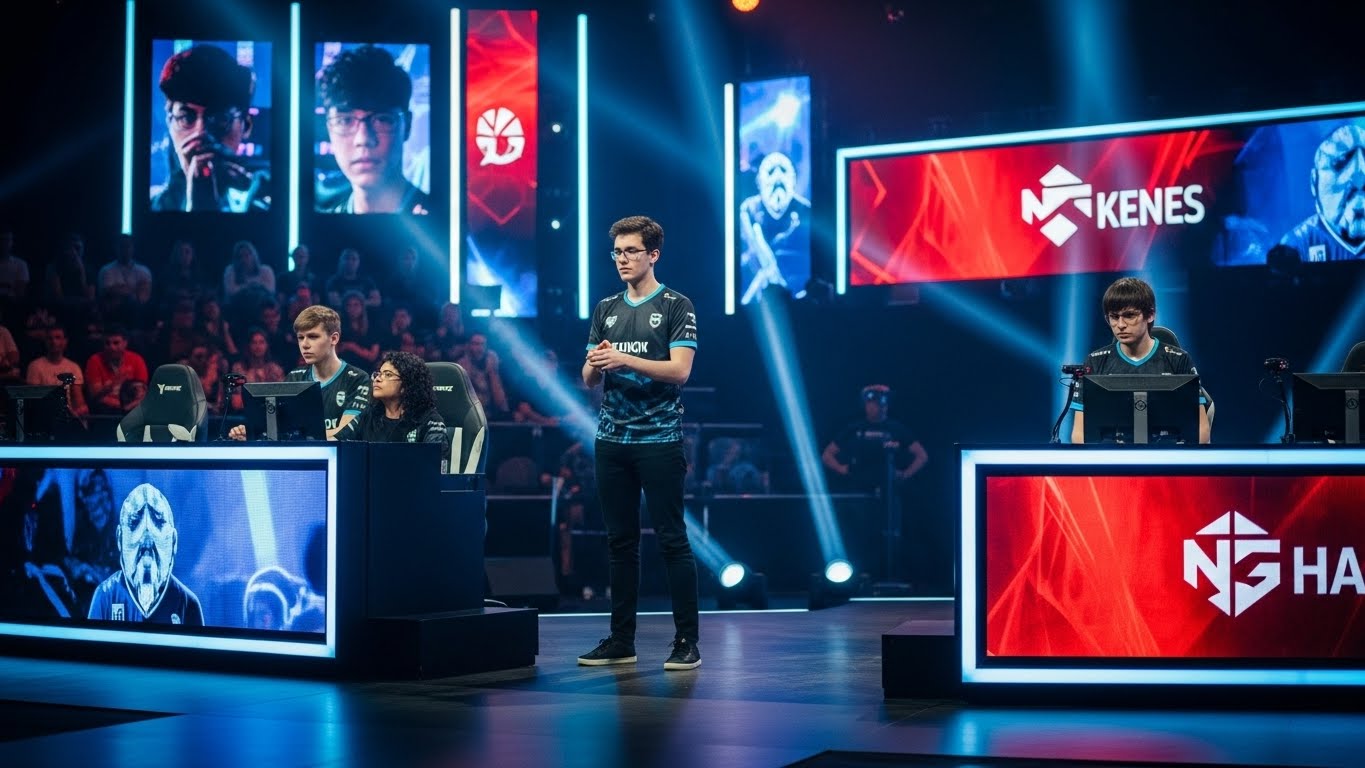
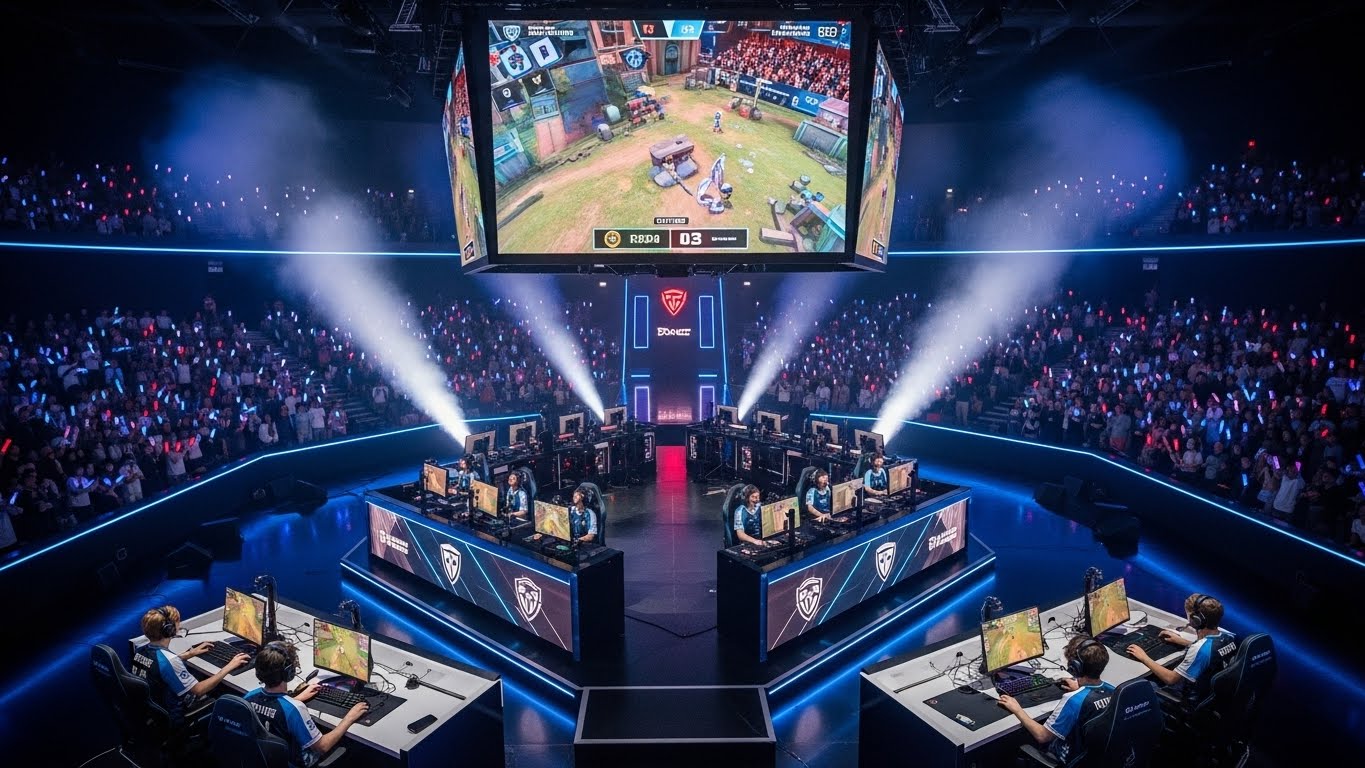
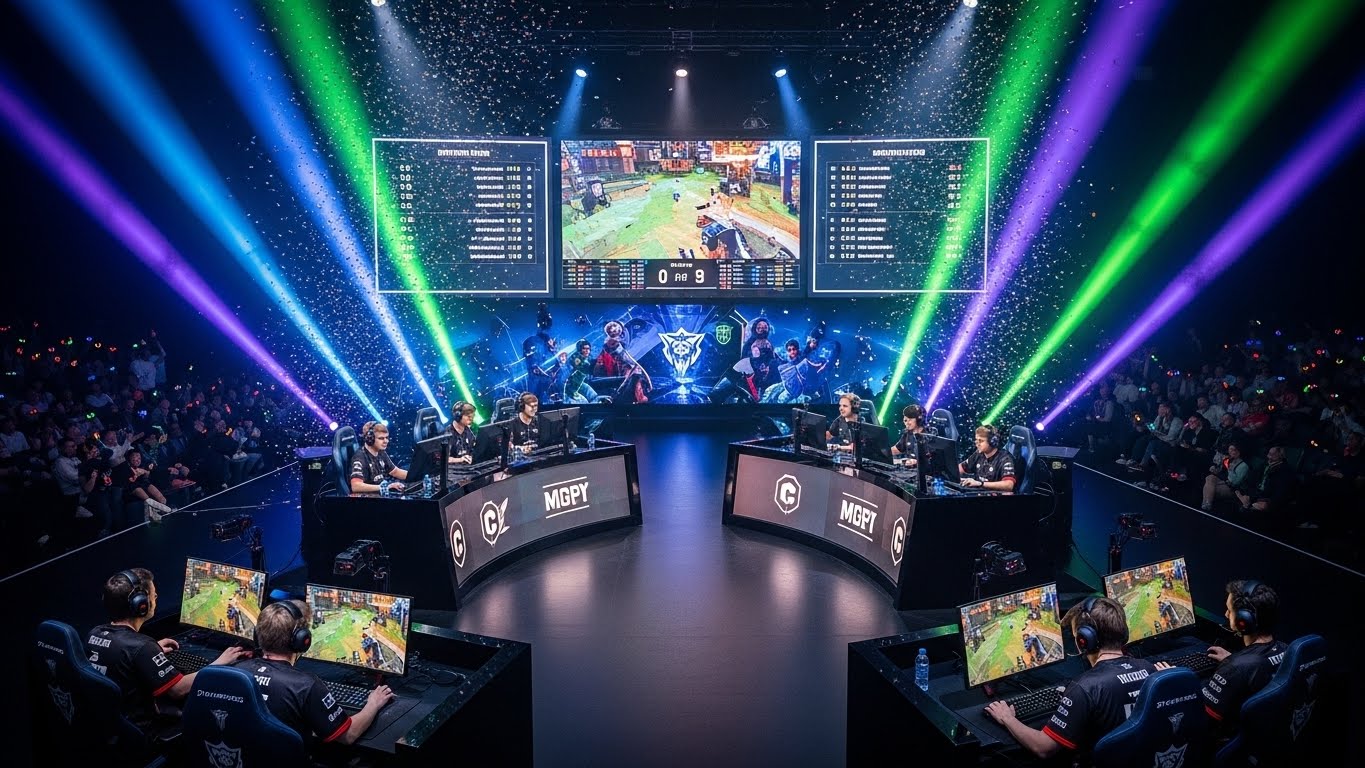
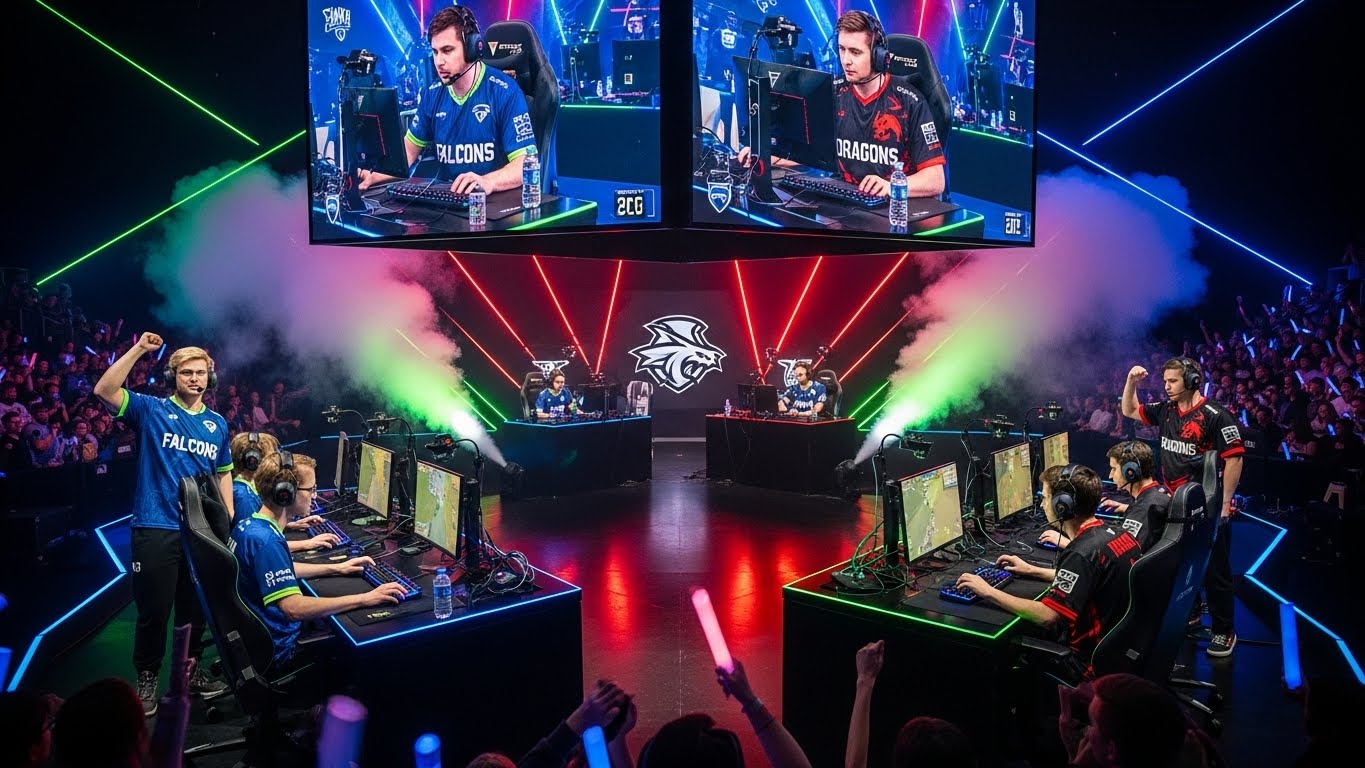
Esports became a global sensation when structured leagues, sponsored teams, and major tournaments emerged. Championship events filled stadiums, and millions of viewers tuned in to watch players compete at the highest level. The energy of these events mirrors the excitement of traditional sports, complete with commentators, analysts, halftime shows, and massive prize pools.
Regional and international tournaments have become annual highlights for fans. Professional leagues offer seasonal schedules, high production value broadcasts, and opportunities for players to develop long-term careers. This professionalization has elevated esports from a hobby to a respected competitive field.
The Rise of Esports Athletes
The term “gamer” has taken on a whole new meaning in the esports era. Professional esports athletes train just as intensely as traditional athletes. Their daily routines include strategy sessions, scrimmages, mechanical skill training, and mental conditioning.
Reaction speed, decision-making, teamwork, and adaptability are essential traits for success. Esports athletes must also maintain physical health, as long hours of gameplay demand proper posture, exercise, and balanced nutrition. Many teams now hire coaches, analysts, nutritionists, and sports psychologists to support their players, mirroring the structure of traditional sports organizations.
The Role of Technology in Shaping Esports
Technology is the heart of esports. High-performance gaming PCs, advanced graphics, fast internet speeds, and precision peripherals all contribute to the competitive experience. Game developers tailor their titles to support balanced, competitive play, creating environments conducive to professional gaming.
Streaming technology has amplified esports’ global reach. Players, creators, and tournaments broadcast their gameplay live, allowing fans to engage in real-time. This digital accessibility has been a major driver of esports’ popularity, enabling communities to grow and interact instantly.
Technological advancements in virtual reality, augmented reality, and artificial intelligence may shape the next chapter of esports. Future competitions could merge physical movement with digital gameplay or use AI-enhanced tools to analyze player performance.
Esports as a Cultural Movement
Esports is more than just digital competition; it is a cultural movement. Fans follow their favorite teams, analyze strategies, and attend live events with the same enthusiasm seen in traditional sporting cultures. The rise of gaming-related fashion, merchandise, and content creation reflects how esports has influenced lifestyle and identity.
Streaming personalities and professional gamers have become celebrities, shaping trends and building dedicated fanbases. This blend of competition and entertainment has created a vibrant cultural ecosystem where fans feel deeply connected to the games and players they love.
Esports also promotes a sense of global unity. Regardless of nationality, language, or background, fans and players come together through their shared passion for gaming.
The Economic Impact of Esports
The financial footprint of esports is massive. Teams, organizations, game developers, event organizers, and content creators all contribute to a thriving economic landscape. Revenue comes from sponsorships, advertisements, media rights, merchandise, and live event ticket sales.
Major companies recognize esports as a high-engagement platform, investing in teams, tournaments, and digital advertising opportunities. This influx of sponsorship and support has allowed professional teams to expand, build training facilities, and offer stable salaries to players.
The economy surrounding esports also includes jobs in event production, broadcasting, coaching, marketing, content creation, and analytics. The industry has opened countless career paths, making it a significant sector in the global digital economy.
Education and Esports: A New Opportunity for Youth
Esports has also made its way into education. Schools and universities around the world now offer esports teams, scholarships, and academic programs related to gaming, digital media, and esports management. These programs help students develop skills such as teamwork, strategic thinking, communication, and digital literacy.
Esports in education also fosters inclusivity. Students who may not participate in traditional sports often find a welcoming community in esports. The rise of academic support for esports shows that gaming can be both fun and intellectually enriching.
Esports and Social Interaction
One of the biggest strengths of esports is its ability to foster social connection. Multiplayer games encourage collaboration, communication, and shared achievements. Players form friendships that span countries and cultures, creating a global community.
Online discussions, fan groups, and community events strengthen these bonds. Esports offers a platform where individuals of all backgrounds can participate, compete, and belong. This sense of connection is one of the driving forces behind the industry’s massive growth.
Challenges Facing the Esports Industry
Despite its success, esports faces several challenges. Player burnout is a concern due to long training hours and high pressure. Ensuring the physical and mental well-being of players is essential for the industry’s long-term growth.
Regulation is another challenge. As esports expands globally, standards for contracts, player rights, fair competition, and anti-cheating measures must be enforced consistently.
Diversity and inclusivity are also areas of concern. While esports is accessible to many, certain communities still face barriers. Creating a safer and more inclusive environment is crucial for the future of the industry.
The Future of Esports
The future of esports is incredibly promising. With advancements in technology, expanded global participation, and growing mainstream acceptance, esports is poised to reach new heights.
Esports may soon integrate virtual reality competitions, interactive audience features, and hybrid digital-physical events. As younger generations grow up in a digitally connected world, esports will continue to be a central part of global entertainment.
Traditional sports organizations are also increasingly collaborating with esports, opening doors for innovative cross-industry partnerships. The boundaries between physical and digital sports may gradually blur, creating new and exciting possibilities.
Conclusion
Esports has evolved from local gaming competitions to a global entertainment empire. Its rise is a testament to the power of technology, creativity, and human connection. What began as a hobby has become a professional field, a cultural movement, and an economic powerhouse.
With its blend of competition, community, and innovation, esports continues to captivate millions around the world. As the industry grows, it offers new opportunities for players, fans, creators, and professionals. Esports is not just the future of gaming—it is the future of entertainment, competition, and global culture.