arenatribe36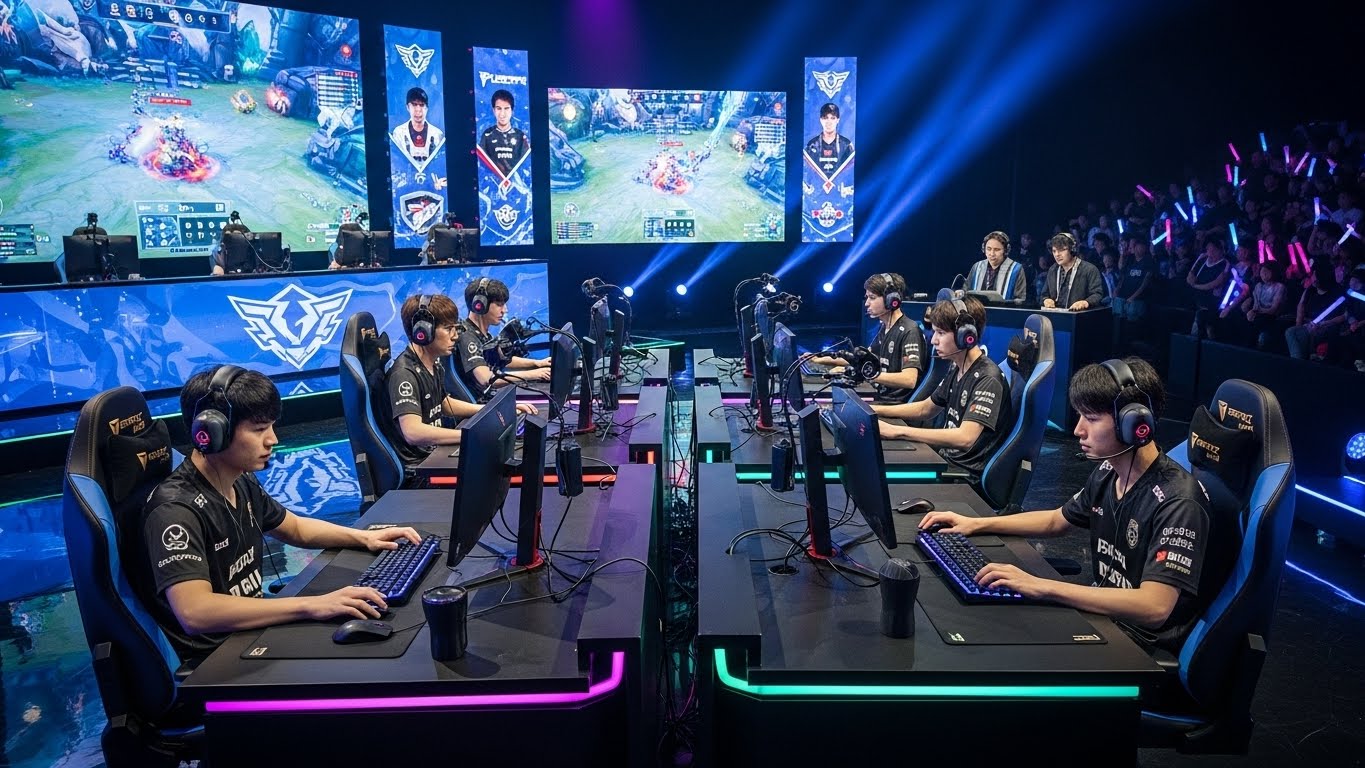
Introduction: A New Era of Competition
Esports, or competitive gaming, has transformed from a casual pastime into a global phenomenon. What was once viewed as a hobby for young gamers is now recognized as a legitimate professional pursuit with massive audiences, lucrative sponsorships, and high-stakes tournaments. Unlike traditional sports, esports transcends geographical boundaries, allowing competitors from around the world to face off in real time. With technology as its backbone, esports has not only created a new form of entertainment but also reshaped how people connect, compete, and celebrate achievement in the digital age.
Defining Esports: More Than Just Gaming
Esports refers to organized, multiplayer video game competitions that involve professional or semi-professional players. These games can range from first-person shooters and real-time strategy games to multiplayer online battle arenas and sports simulations. Unlike casual gaming, esports requires rigorous training, strategic planning, teamwork, and mental agility. Players dedicate hours daily to mastering skills, analyzing opponents, and refining tactics. This combination of skill, discipline, and strategy has earned esports recognition as a serious competitive discipline comparable to traditional sports.
Historical Roots: From Arcades to Global Tournaments
The origins of esports can be traced back to early gaming competitions in the late 20th century. Players would gather in arcades or small gaming centers to compete on classic titles. The advent of personal computers and the internet in the 1990s allowed gamers to compete across regions, paving the way for larger tournaments. As streaming technology advanced, audiences could watch competitions live, turning esports into a spectator sport. Major milestones, such as the creation of professional leagues and international championships, transformed esports from a hobbyist activity into a structured, global industry.
Key Games That Define the Industry
Esports thrives on games that are balanced, competitive, and constantly evolving. Titles like League of Legends, Dota 2, Counter-Strike: Global Offensive, and Fortnite have become household names within the esports community. Each game requires a unique set of skills and strategies, contributing to the diversity of esports as a whole. Strategy games demand long-term planning and adaptability, while action-based games emphasize precision and teamwork. The success of these games is closely tied to developer support, community engagement, and the ability to provide fair, competitive environments.
The Life of a Professional Player
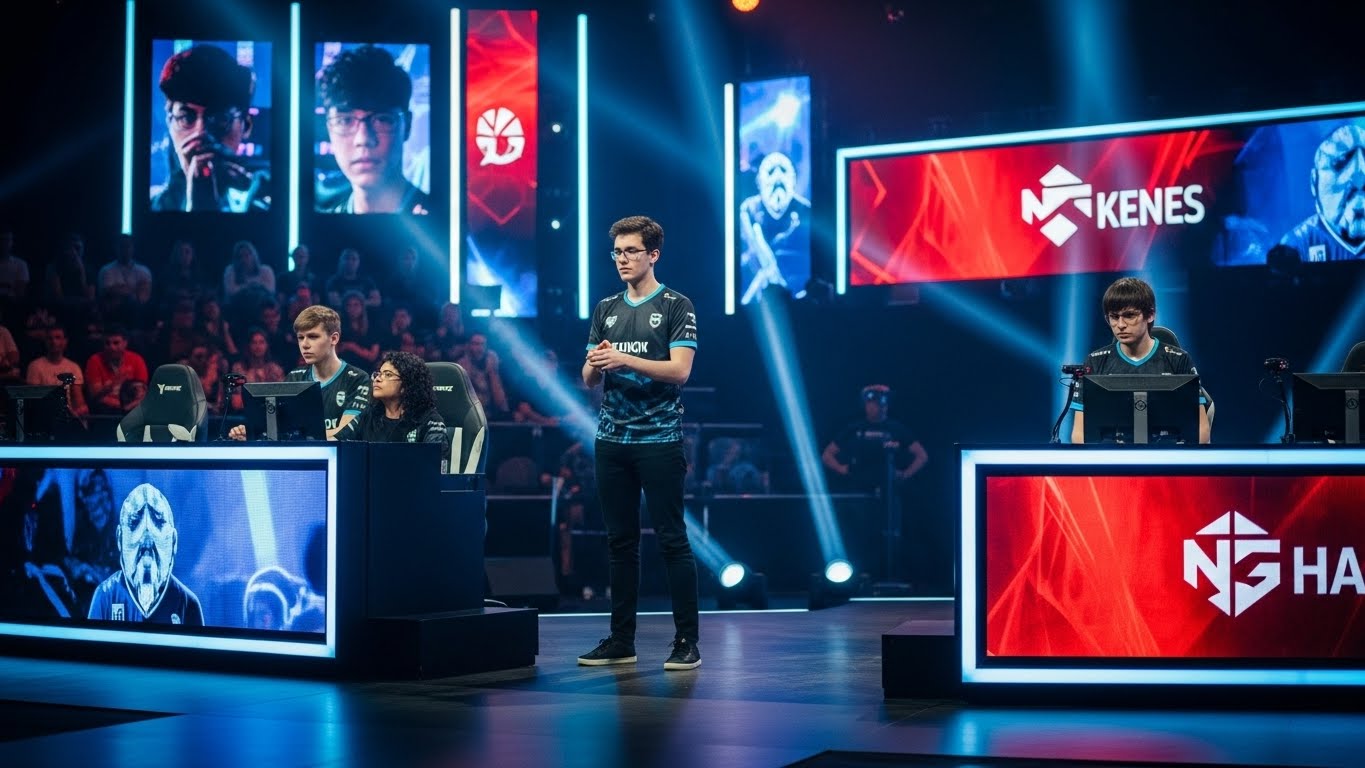
Professional esports players often follow schedules similar to athletes in traditional sports. Daily routines include hours of practice, reviewing gameplay footage, strategizing with teammates, and maintaining physical and mental health. Teams are highly coordinated, with each player specializing in specific roles. Coaches, analysts, and support staff provide guidance, ensuring that players perform at their best. The pressure to succeed is intense, and only those with resilience, focus, and dedication can thrive in the competitive esports landscape.
Technology as the Engine of Growth
Technology plays a central role in the rise of esports. High-speed internet, powerful gaming hardware, and advanced broadcasting tools have enabled seamless competition and global viewership. Online streaming platforms allow millions of fans to watch tournaments in real time, complete with live commentary and in-depth analysis. Emerging technologies like virtual reality and augmented reality promise to enhance the spectator experience, creating immersive environments where fans feel closer to the action than ever before. The integration of technology ensures that esports remains dynamic and continually evolving.
Esports as a Spectator Experience
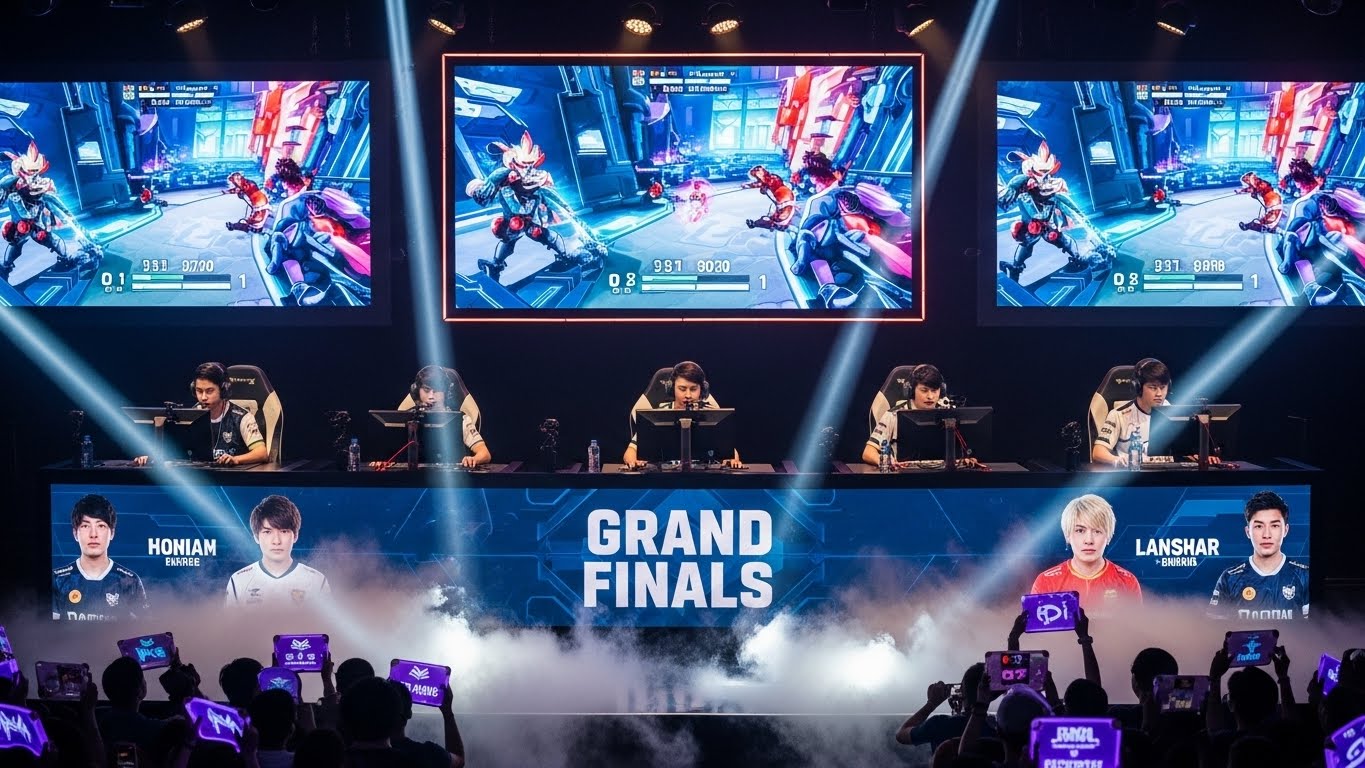
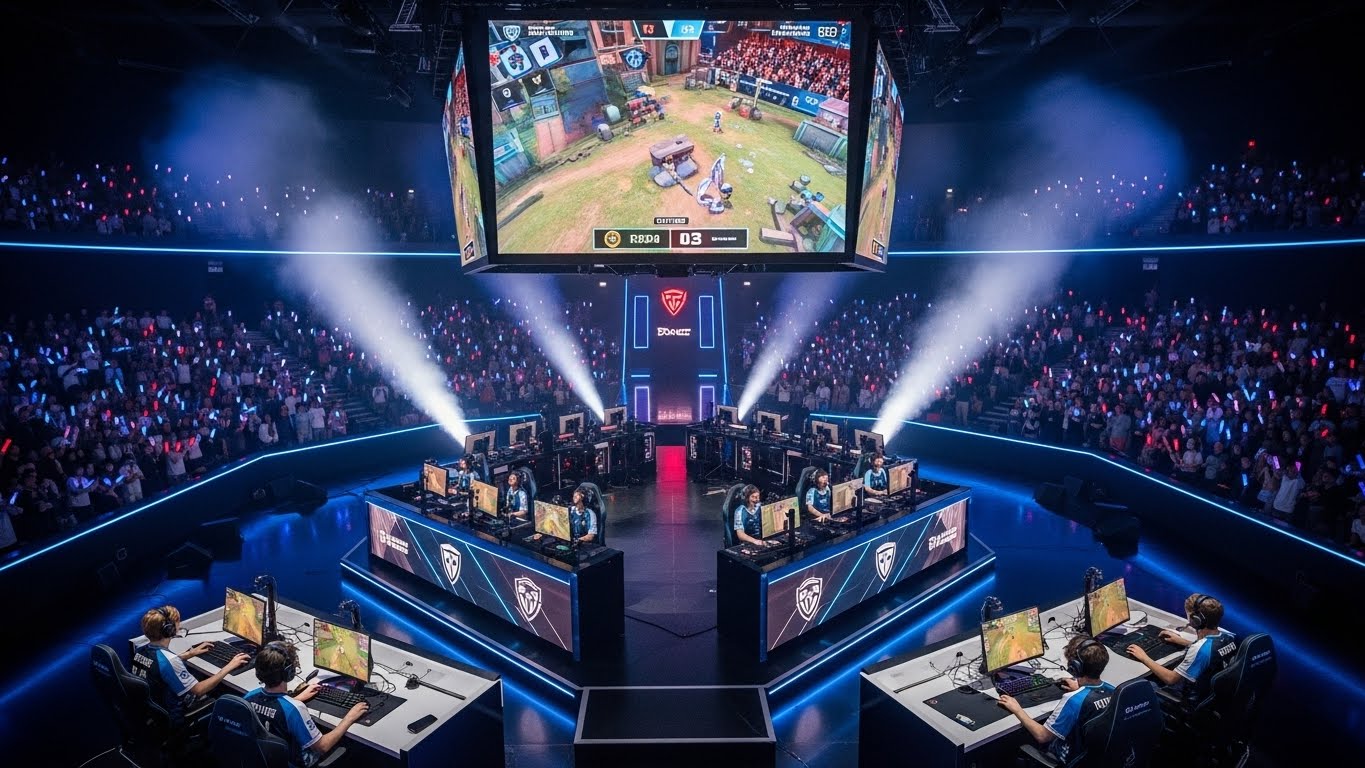
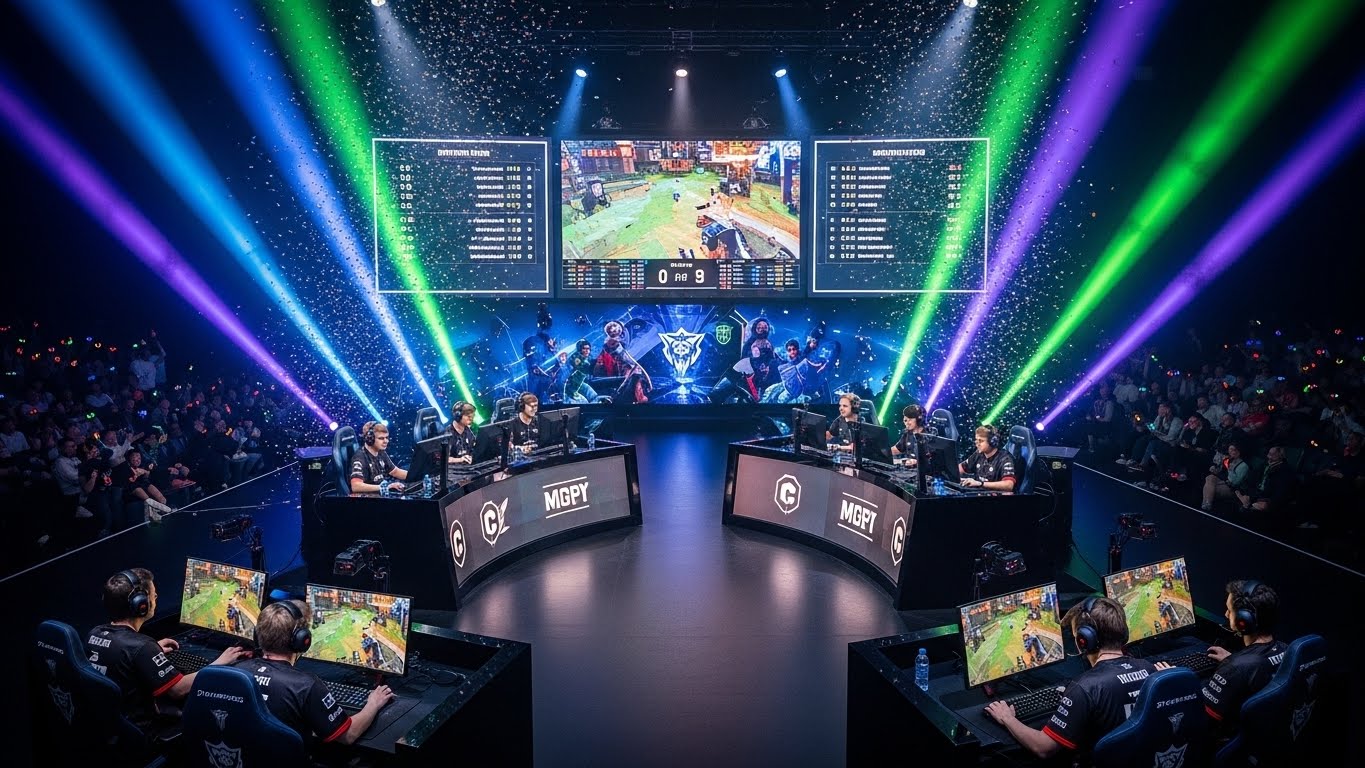
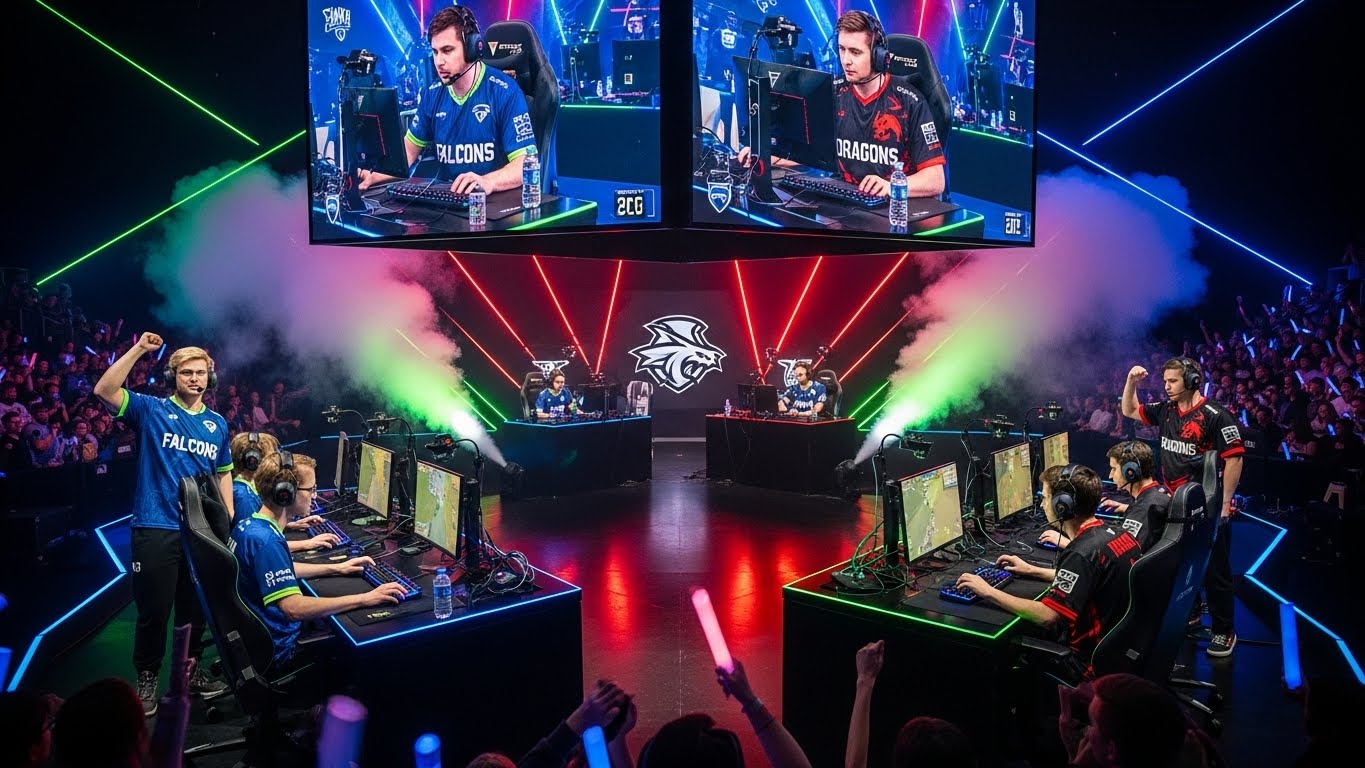
The rise of esports is not just about players; it is also about the audience. Watching professional matches has become a major form of entertainment. Live events bring together fans in stadiums and arenas, replicating the excitement of traditional sports. High-quality production, engaging commentary, and storytelling create a captivating viewing experience for both newcomers and seasoned fans. Online communities further enrich the experience, allowing spectators to discuss strategies, celebrate victories, and form global friendships. The spectator element of esports is a key factor in its widespread appeal.
Economic Impact and Career Opportunities
The esports industry has expanded into a multifaceted economy. Professional players can earn substantial incomes through salaries, prize winnings, and sponsorships. Beyond playing, careers exist in event management, content creation, marketing, broadcasting, coaching, and game development. Companies recognize the value of esports as a marketing platform, investing in sponsorships and branding opportunities. Tournaments often feature million-dollar prize pools, reflecting the financial viability and rapid growth of the industry. Esports has proven that passion for gaming can translate into sustainable, rewarding careers.
Cultural Influence and Global Reach
Esports has a profound cultural impact, connecting people across continents and backgrounds. Players from different countries compete on equal footing, fostering cultural exchange and understanding. The influence of esports extends into fashion, music, and digital content, shaping trends and youth culture around the world. Esports communities offer a sense of identity and belonging, providing fans with shared experiences and opportunities to express their creativity. As a cultural force, esports demonstrates how digital spaces can bring people together in meaningful ways.
Challenges Facing the Industry
Despite its success, esports faces several challenges. Player burnout is common due to intense schedules and high-pressure competition. Issues such as fair compensation, mental health support, and career longevity remain areas of concern. Maintaining competitive integrity is essential, as cheating or unethical practices can undermine the credibility of tournaments. The industry must also address regulatory standards and ensure inclusivity to sustain growth. Overcoming these challenges will be critical to the continued development and legitimacy of esports as a professional field.
Education and Esports Integration
Esports is increasingly being integrated into educational programs, with schools and universities offering scholarships and competitive teams. These initiatives teach teamwork, leadership, strategic thinking, and digital literacy, preparing students for careers in esports and technology-related fields. Academic recognition further legitimizes esports as a professional pursuit, encouraging young talent to explore gaming as a viable path rather than a mere hobby. Education is helping to bridge the gap between casual play and professional competition, creating a structured pipeline for future esports athletes.
The Future of Esports
The future of esports looks promising, with technological advancements and growing global interest driving continued expansion. Emerging markets are contributing new players and audiences, while innovation in game design and broadcasting enhances engagement. Collaboration with traditional sports leagues, media networks, and global brands is increasing visibility and credibility. As esports continues to evolve, it will likely redefine the concept of competition, entertainment, and community in ways that extend far beyond gaming. The potential for growth is virtually limitless.
Conclusion: Esports as a Defining Cultural Force
Esports has evolved from a niche hobby into a defining cultural and economic phenomenon. It bridges technology, competition, and community, offering opportunities for players, fans, and businesses alike. More than just a game, esports represents a new way for people to connect, express themselves, and achieve recognition on a global stage. As it continues to mature, esports will solidify its position as a legitimate and enduring form of entertainment, demonstrating that digital competition can be as thrilling and impactful as any traditional sport.