arenatribe36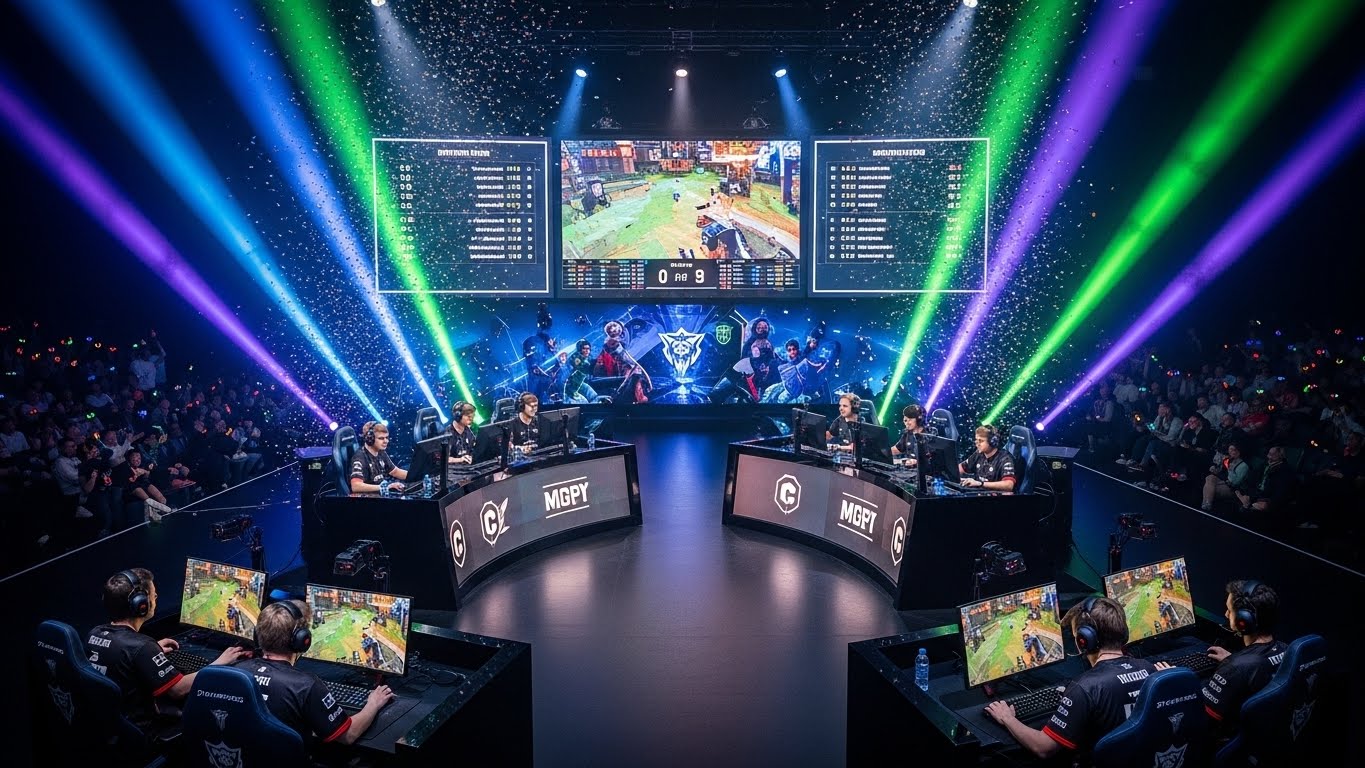
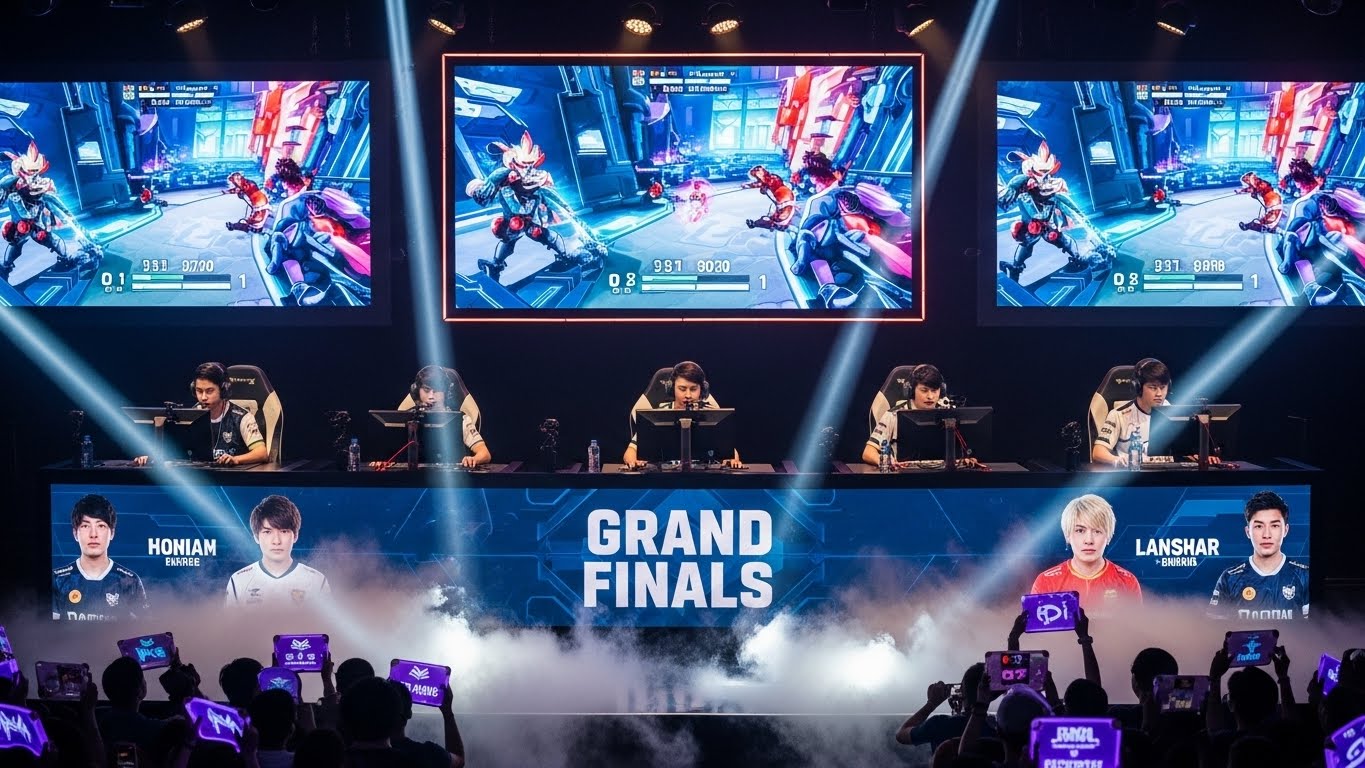
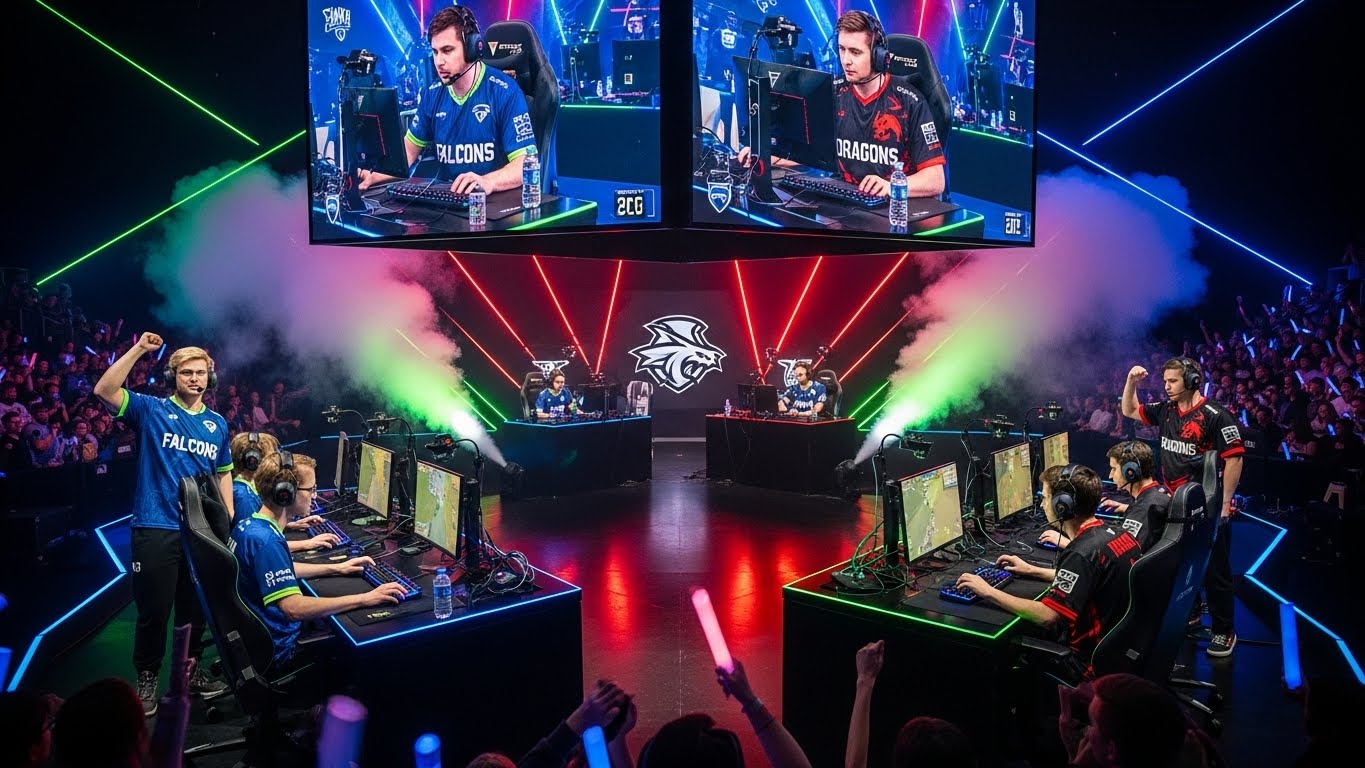
In recent years, esports has emerged as one of the fastest-growing industries in the world, capturing the imagination of millions of fans globally. Once considered a niche hobby for gaming enthusiasts, esports has evolved into a professional and highly competitive arena where skill, strategy, and teamwork determine success. From small local tournaments to global championships offering multi-million-dollar prize pools, esports is reshaping how we perceive competition, entertainment, and even athleticism in the modern age. This article explores the growth, impact, and future of esports, revealing why it is far more than just a pastime.
The Evolution of Esports: From Arcades to Global Arenas
Esports began humbly in arcades and local gaming centers, where players would compete in games like Street Fighter, Pac-Man, and early multiplayer shooters. These early competitions laid the foundation for what would later become a massive global phenomenon. As internet access expanded and online multiplayer games gained popularity, competitive gaming shifted from local tournaments to online platforms, allowing players to challenge opponents from around the world.
The release of games like Counter-Strike, StarCraft, and Warcraft III in the late 1990s and early 2000s further fueled competitive gaming. These titles introduced complex strategies, team coordination, and high-level skill requirements, creating a new breed of professional players. The rise of streaming platforms and live broadcasts in the 2010s transformed esports into a spectator sport, attracting millions of viewers and turning competitive gaming into a legitimate career path.
The Economic Impact of Esports
Esports has grown into a multi-billion-dollar industry with a diverse economic ecosystem. Revenue comes from multiple sources, including sponsorship deals, merchandise sales, tournament fees, advertising, and media rights. Leading global brands have recognized the marketing potential of esports, often targeting young, tech-savvy audiences who are highly engaged with digital content. Sponsorships from technology companies, energy drinks, apparel brands, and even automotive industries have become common, showcasing the mainstream appeal of esports.
Professional esports players can earn substantial incomes not only from tournament winnings but also from streaming, brand endorsements, and merchandise sales. Top-tier players often receive salaries similar to traditional athletes, making competitive gaming a viable long-term career. Additionally, esports organizations, training facilities, and coaching staff are emerging worldwide, further establishing the industry as professional and sustainable.
Popular Esports Games and Their Genres
Esports encompasses a wide range of game genres, each offering unique challenges and attracting distinct audiences. Some of the most popular genres include:
- Multiplayer Online Battle Arenas (MOBA): Games like League of Legends and Dota 2 focus on teamwork, strategy, and hero management. Players must coordinate attacks, manage resources, and execute long-term strategies, making these games highly competitive and engaging for viewers.
- First-Person Shooters (FPS): Titles such as Counter-Strike: Global Offensive and Call of Duty demand fast reflexes, precision, and tactical decision-making. FPS tournaments are known for their high-intensity gameplay and quick-paced action.
- Battle Royale: Games like Fortnite and PUBG challenge players to survive in large-scale matches with dozens or even hundreds of participants. The unpredictable nature of these games creates excitement for both players and audiences.
- Sports Simulation Games: Digital adaptations of real-world sports, including FIFA and NBA 2K, attract fans who enjoy strategic play and competition without leaving the virtual arena.
- Fighting Games: Competitions in Street Fighter, Tekken, and Super Smash Bros. emphasize skill, timing, and reflexes, creating thrilling one-on-one matchups.
Each genre offers a unique experience for players and viewers alike, contributing to the diverse and ever-expanding world of esports.
Streaming Platforms and the Rise of Esports Viewership
The popularity of esports is closely linked to the rise of live streaming platforms. Services like Twitch, YouTube Gaming, and others allow players to broadcast gameplay in real-time, giving fans the opportunity to watch, learn, and interact with their favorite players. Streaming has created an interactive community where viewers can participate in chat, provide feedback, and support players through subscriptions or virtual gifts.
This level of accessibility has democratized esports, making it easy for anyone with an internet connection to watch tournaments and engage with content. Unlike traditional sports, which often require television subscriptions or physical attendance, esports streams are mostly free, reaching a global audience. Streaming also provides additional revenue streams for players and organizations, including ad revenue, sponsorship deals, and donations.
Social and Cultural Impact of Esports
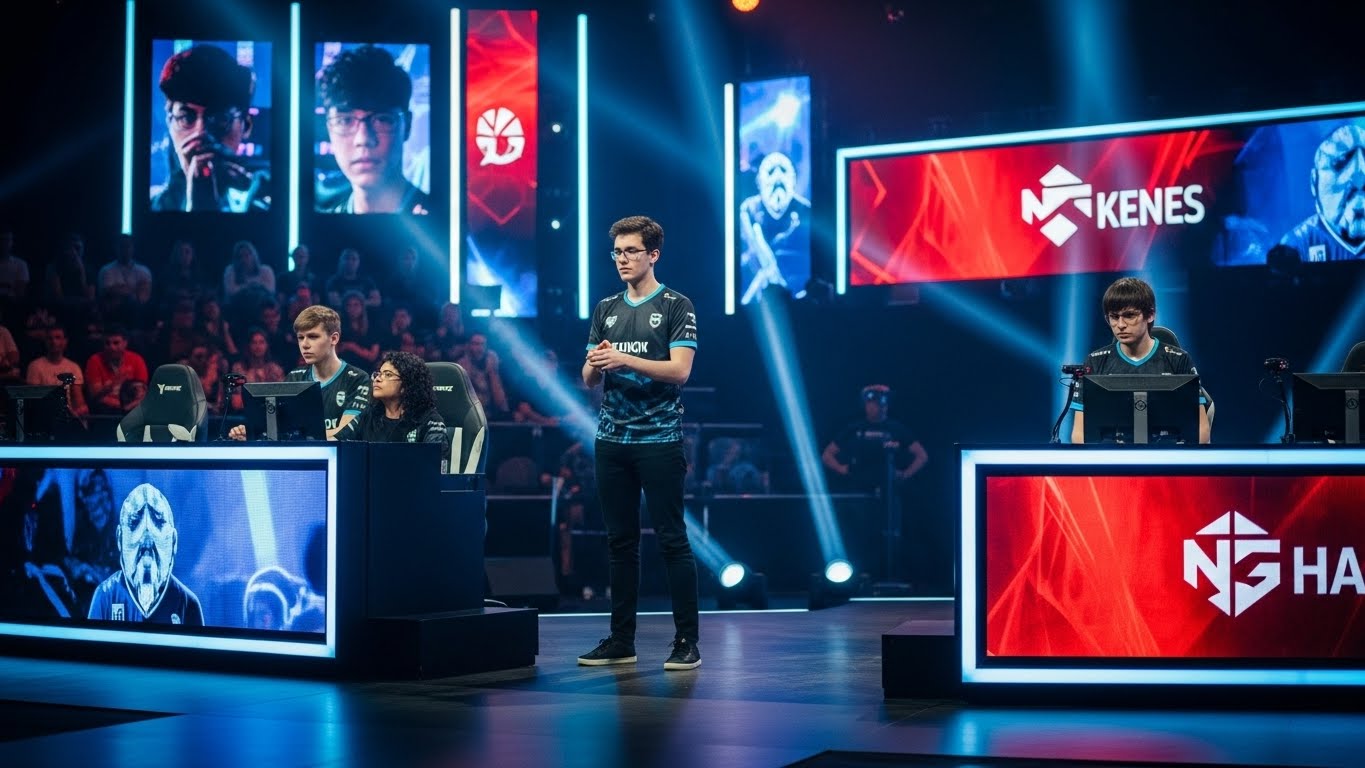
Esports has a profound social impact, connecting players and fans across the globe. It fosters communities where individuals with shared interests can collaborate, compete, and form friendships regardless of geographical boundaries. Online tournaments and team competitions encourage teamwork, strategic thinking, and problem-solving skills, which extend beyond gaming.
Esports also challenges traditional notions of athleticism and competition. Unlike conventional sports, which prioritize physical ability, esports emphasizes mental agility, strategic planning, and reaction time. This broadens the definition of what it means to be an athlete and opens opportunities for individuals who may excel in digital competition but not in physical sports.
Training, Strategy, and Professionalism in Esports
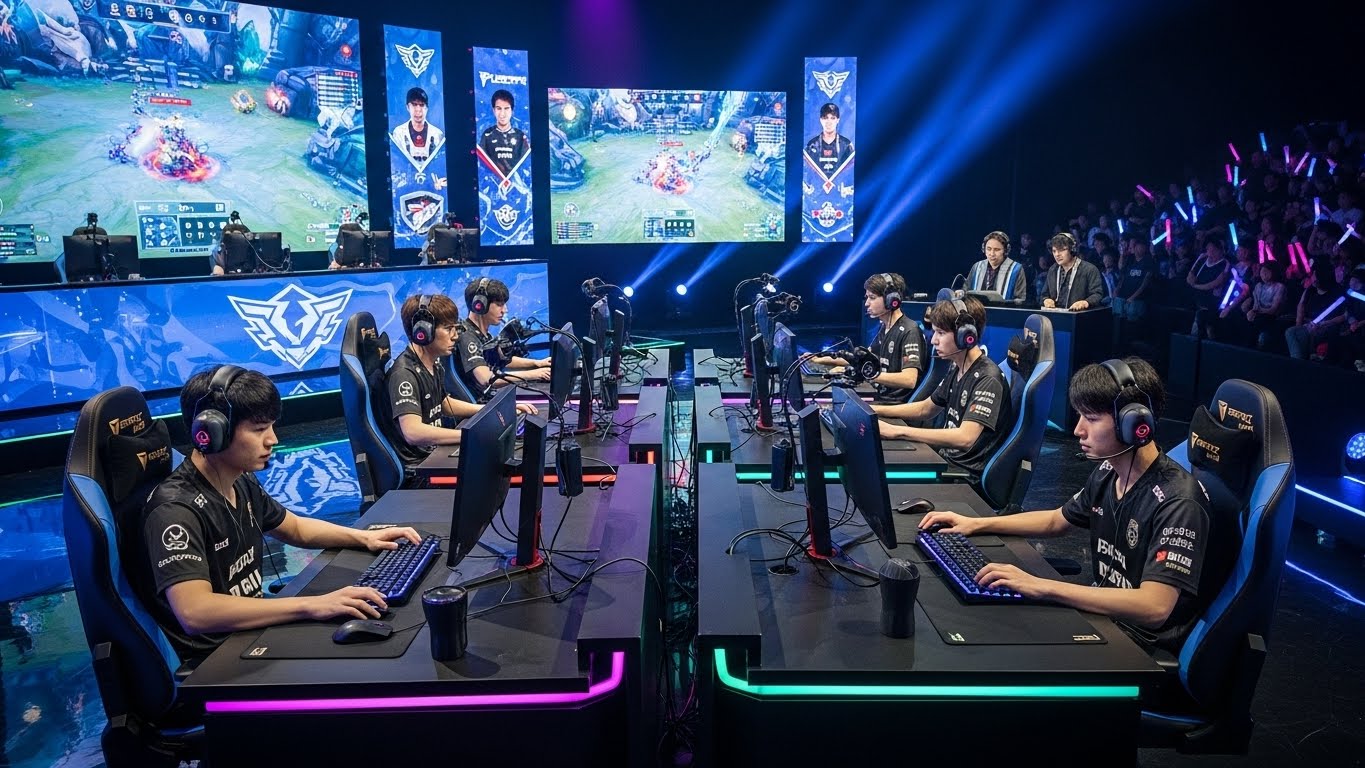
Top esports players train rigorously, mirroring the preparation routines of traditional athletes. Daily practice sessions, strategic analysis, teamwork drills, and mental conditioning are all integral parts of a professional player’s regimen. Many organizations employ coaches, analysts, and support staff to optimize team performance, develop strategies, and maintain player health.
Physical fitness, mental well-being, and nutrition are increasingly emphasized in esports training programs. Players need sharp reflexes, sustained focus, and stamina to perform at their peak during long tournaments. Esports academies and structured training programs around the world provide aspiring players with professional guidance, helping to cultivate talent and prepare them for competitive careers.
Challenges Facing the Esports Industry
Despite its rapid growth, esports faces several challenges that could affect its long-term sustainability. Player burnout is a significant concern, as intense training schedules and high-pressure tournaments can lead to physical and mental fatigue. Ensuring the well-being of players is critical for the industry to maintain healthy and sustainable careers.
Regulation is another challenge. Unlike traditional sports, esports lacks a unified governing body, resulting in inconsistent rules, tournament formats, and player contracts. Issues such as cheating, online harassment, and unethical practices threaten the integrity and reputation of esports competitions. Additionally, while esports enjoys widespread popularity among younger audiences, it still faces skepticism from older generations who may not view it as a legitimate sport.
The Future of Esports
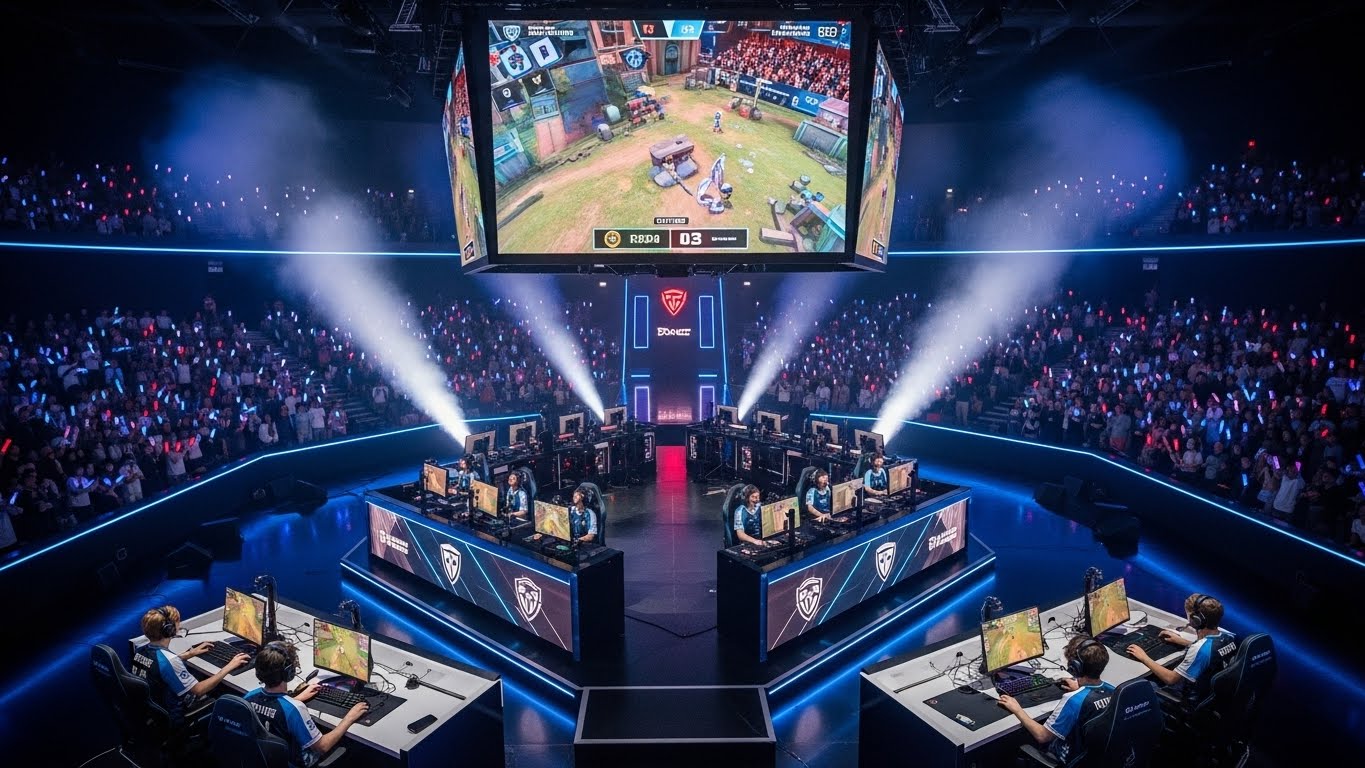
The future of esports is incredibly promising. Advancements in technology, including virtual reality, augmented reality, and cloud gaming, are poised to transform the competitive gaming experience. Imagine participating in or watching a tournament in a fully immersive virtual arena, where fans can interact with players and each other in real-time from anywhere in the world.
Esports is also making inroads into education and corporate sectors. Universities offer scholarships for esports players, and companies use esports competitions for team-building and engagement. This growing integration into mainstream institutions will further validate esports as a respected and recognized field.
Global tournaments are expanding, prize pools are increasing, and sponsorship opportunities continue to grow, ensuring that esports will remain a major player in the entertainment industry. Its adaptability, global reach, and passionate fan base make it one of the most dynamic forms of modern competition.
Conclusion: Esports as a Cultural Phenomenon
Esports has transcended its humble beginnings to become a global cultural phenomenon. It combines strategy, skill, and technology to create an entertainment experience that rivals traditional sports in intensity, excitement, and fan engagement. Professional players, global tournaments, and streaming platforms have transformed esports into a legitimate career path and a thriving industry.
While challenges remain, the resilience and creativity of the esports community suggest that its influence will continue to grow. From local tournaments to international championships, esports is more than a game—it is a testament to the potential of technology, innovation, and human talent. In the digital era, esports represents the future of competitive entertainment and a new definition of what it means to be an athlete.