arenatribe36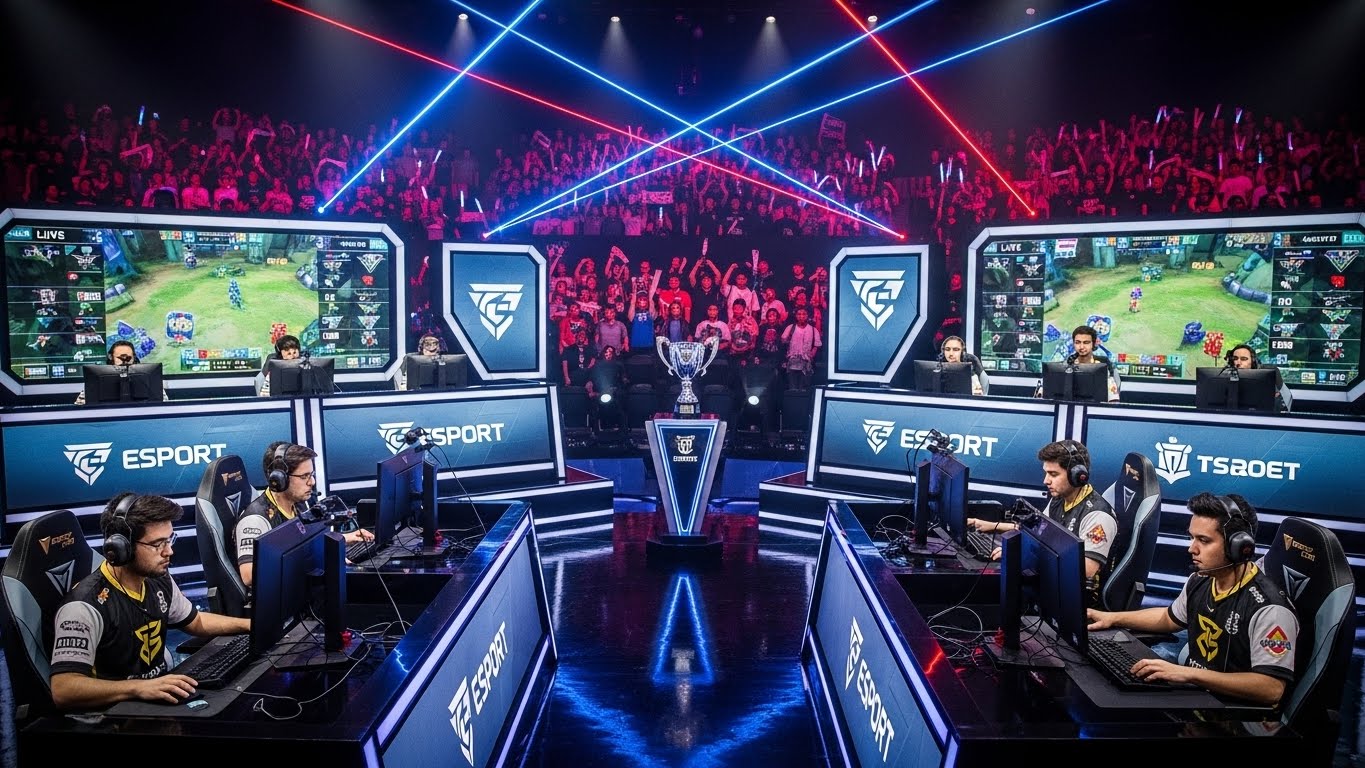
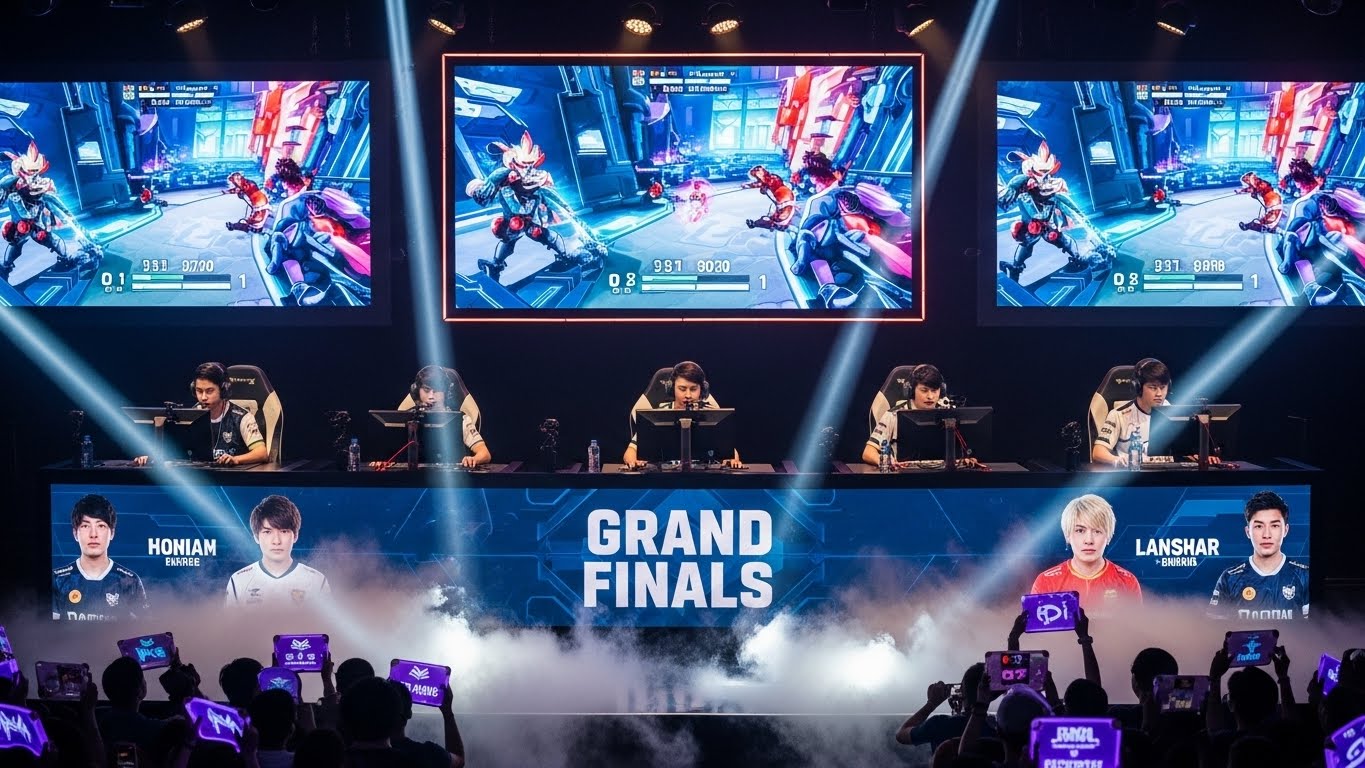
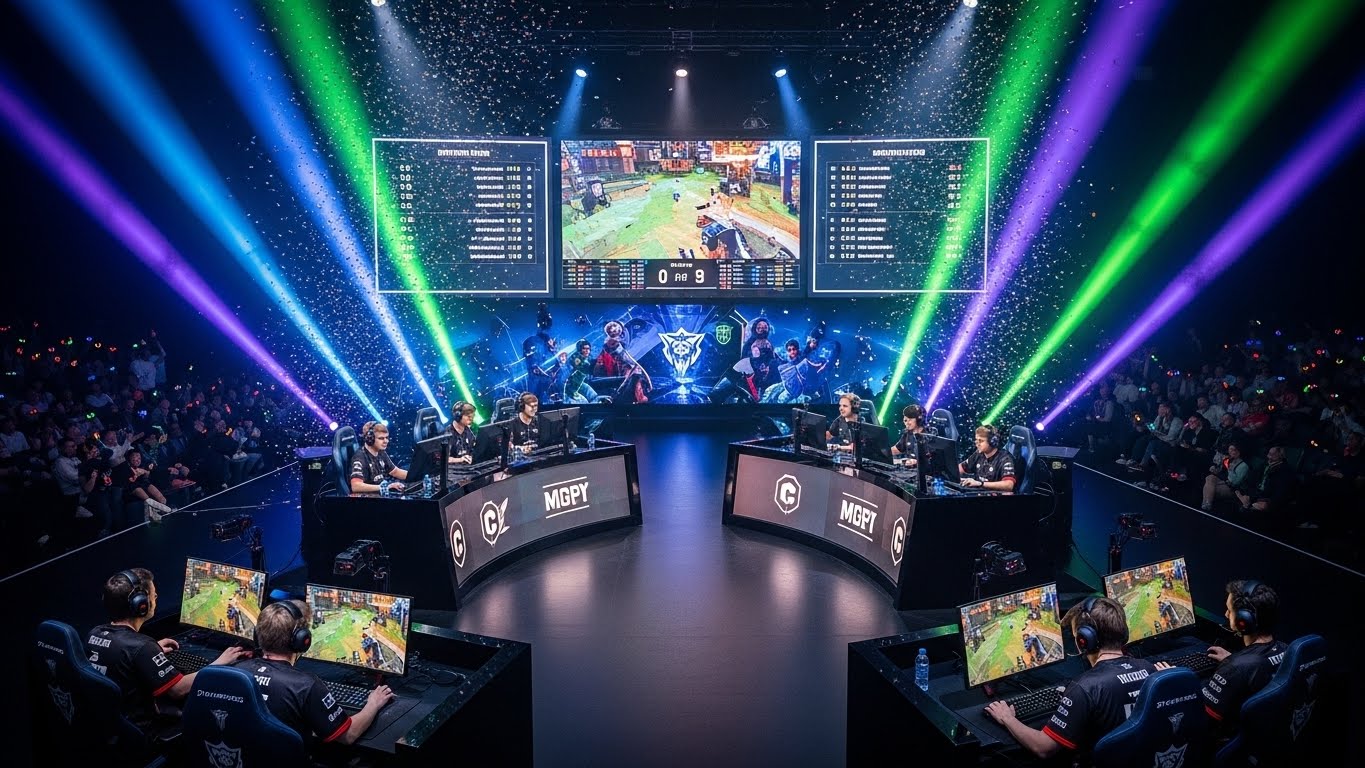
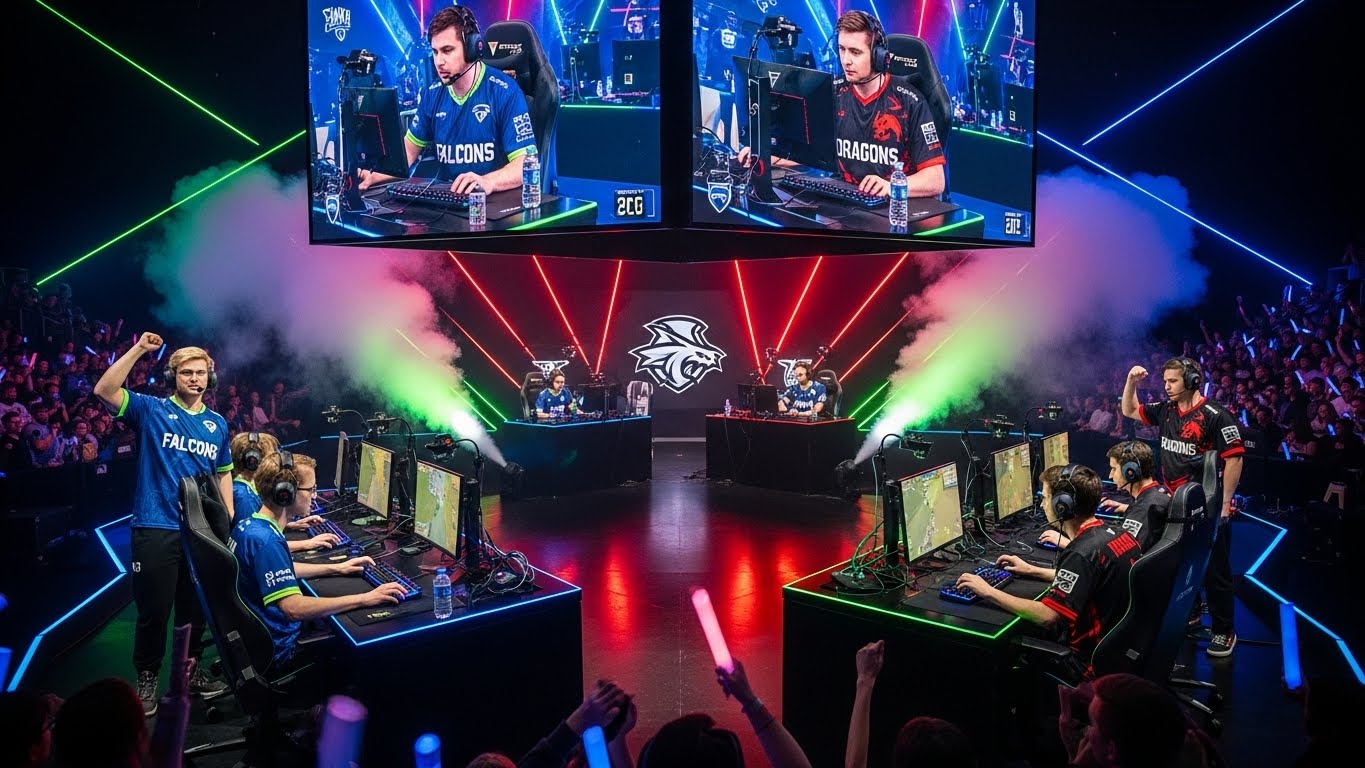
Esports has quickly risen from dimly lit gaming rooms to bright global stages, capturing the imagination of millions and reshaping what competition means in the digital age. No longer dismissed as a hobby or a passing trend, esports has become a powerful cultural, social, and economic force. With its own superstars, massive arenas, intense rivalries, and powerful fanbases, esports today stands shoulder-to-shoulder with many traditional sports. This blog explores the evolution, influence, challenges, and future of esports, revealing why it has become one of the most transformative entertainment industries of the twenty-first century.
The Early Foundations of Esports
To understand the scale of today’s esports landscape, we must travel back to its humble beginnings. In the early days of gaming, competitions were small and mostly informal. Friends would gather around arcade machines or consoles, testing their skills for bragging rights. Titles like classic fighting games, early shooters, and strategic PC games quietly built communities passionate about competition.
As computers and gaming consoles grew more advanced, so did the gaming culture around them. Local tournaments slowly evolved into organized competitions. Games such as real-time strategy titles, online multiplayer shooters, and battle arena games brought new depth and skill, creating loyal communities eager for structured competitive play. These early communities unknowingly planted the seeds for what would become a global esports phenomenon.
How Online Connectivity Transformed Gaming
The rise of esports is inseparable from the rise of the internet. Once online connectivity became common, gamers could compete against opponents far beyond their neighborhoods. This opened opportunities for international competition, communication, and collaboration.
Online platforms allowed players to form teams, enter tournaments, and even earn recognition without needing physical events. This connectivity laid the groundwork for professional careers and organized leagues. What was once dependent on physical gatherings now became accessible to anyone with a capable device and a stable connection.
The Professionalization of Esports
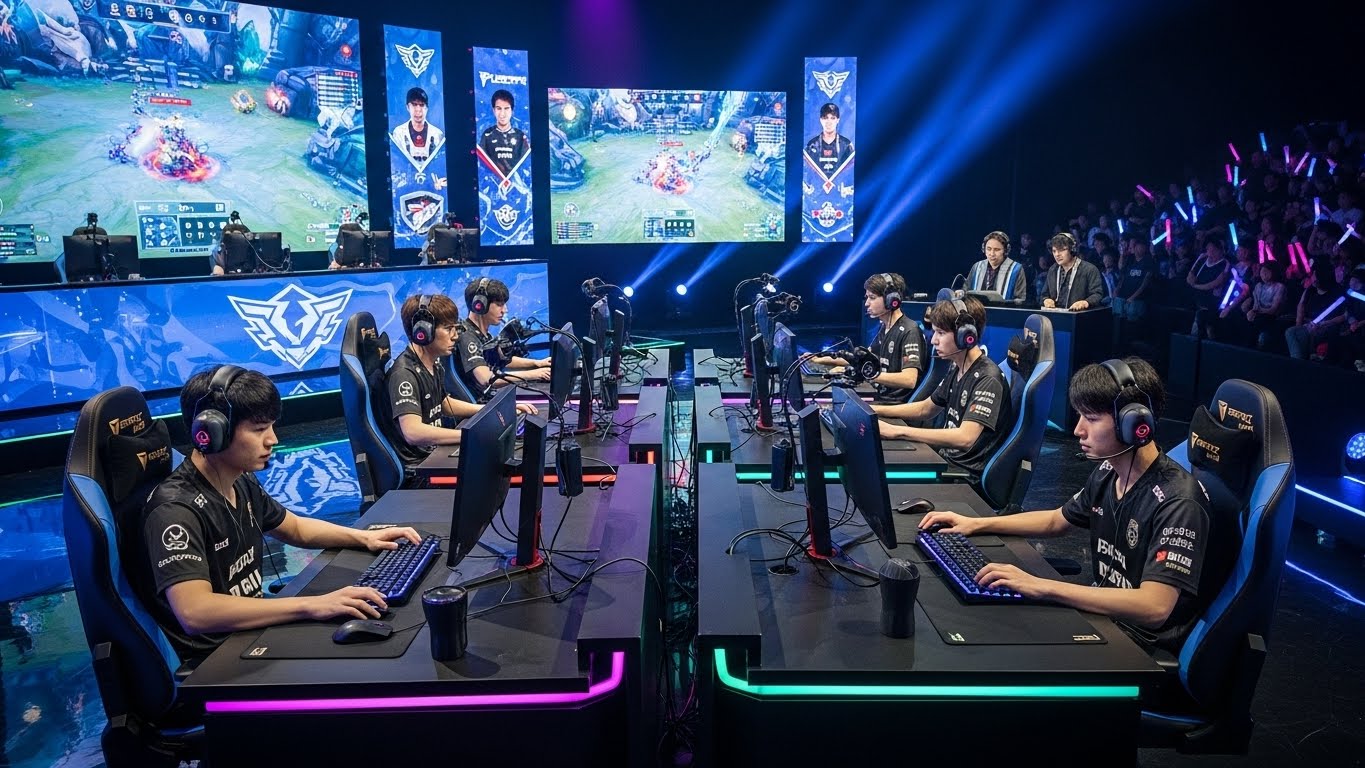
At the heart of esports’ explosive growth lies its transition into a professional industry. More than ever before, competitive gaming demands discipline, training, teamwork, and strategic depth. Professional players dedicate long hours daily to refining their skills, studying opponents, and boosting their competitive edge.
Esports organizations now operate like traditional sports clubs. They hire coaches, analysts, physical trainers, mental health specialists, and nutrition experts to support their players. Many professional gamers sign contracts, receive salaries, and share tournament winnings. With major championships drawing millions of viewers and offering massive prize pools, esports has effectively transformed into a respected athletic career path.
Diverse Esports Genres and Their Appeal
One reason esports resonates globally is the vast variety of game genres within the competitive scene. Each genre offers its own style, pace, and strategic demands, attracting different types of players and fans.
Multiplayer online battle arena games are known for teamwork, character abilities, and intense strategy. First-person shooters test reflexes, precision, and tactical decision-making. Fighting games showcase fast-paced one-on-one duels that highlight timing and mind games. Sports simulation games offer competitive versions of traditional athletic experiences, while racing, card-based strategy, and battle royale titles bring additional diversity.
The breadth of genres ensures that esports appeals to a wide audience, making it one of the most inclusive and varied forms of modern entertainment.
The Role of Streaming and Content Creation
A major driver behind the esports boom is the rise of streaming and content creation. Players can broadcast their gameplay to global audiences, allowing fans to interact, learn strategies, and follow their favorite personalities.
Streaming did not just make esports more visible; it also made it more personal. Viewers form strong attachments to players, watching their progress, learning their stories, and engaging with their online presence. This has created a new breed of gaming celebrities whose influence rivals that of athletes, musicians, and actors.
Content creation has also expanded esports beyond professional competition. Guides, highlights, commentary, analysis, and gaming challenges offer endless entertainment for fans. This creative ecosystem plays a crucial role in keeping esports dynamic and accessible.
The Physical and Mental Demands of Competitive Gaming
A common misconception about esports is that it requires little physical or mental effort. In reality, esports demands incredible discipline and resilience. Players train extensively to sharpen reflexes, improve hand-eye coordination, and enhance quick decision-making.
Mental stamina is equally important. Matches often require intense focus, rapid processing of information, and strategic adjustments within seconds. Competitive gaming also demands emotional control, as stress, pressure, and setbacks can heavily impact performance.
Recognizing these challenges, many teams now prioritize wellness programs, balanced schedules, and psychological coaching to help players stay healthy, both physically and mentally.
Esports and Community Building
Esports is more than competition; it is a global community built on shared passion. Fans connect through online forums, social media, gaming events, and official team communities. These spaces encourage interaction, discussion, creativity, and friendship.
Local gaming cafes, community tournaments, and college esports clubs also play a significant role in bringing people together. Many individuals who may feel isolated in other areas of their lives find confidence and belonging within gaming communities. The unifying power of esports serves as one of the industry’s greatest strengths.
The Economic Influence of Esports
Esports is now a powerful economic engine. Its revenue sources include sponsorships, media rights, merchandise sales, event tickets, team branding, and in-game purchases linked to esports cosmetics and items.
Major companies from diverse industries invest in esports teams and tournaments. From technology and food brands to apparel and automotive sectors, various corporations recognize the value of reaching esports’ young and highly engaged audience.
Beyond corporate investment, esports fuels opportunities for careers in coaching, commentary, content creation, event management, marketing, and game development. Its economic impact continues to grow as global interest expands.
The Educational Rise of Esports
Esports is increasingly becoming part of formal education. Schools, colleges, and universities now offer esports programs, scholarships, and clubs. These opportunities help students learn teamwork, leadership, communication, and analytical thinking.
Educational esports also provides career pathways beyond gameplay. Students can explore roles in media production, event coordination, graphic design, and sports management. Esports programs encourage responsibility, discipline, and collaboration, proving that competitive gaming offers real-world value.
Cultural Influence and Global Reach
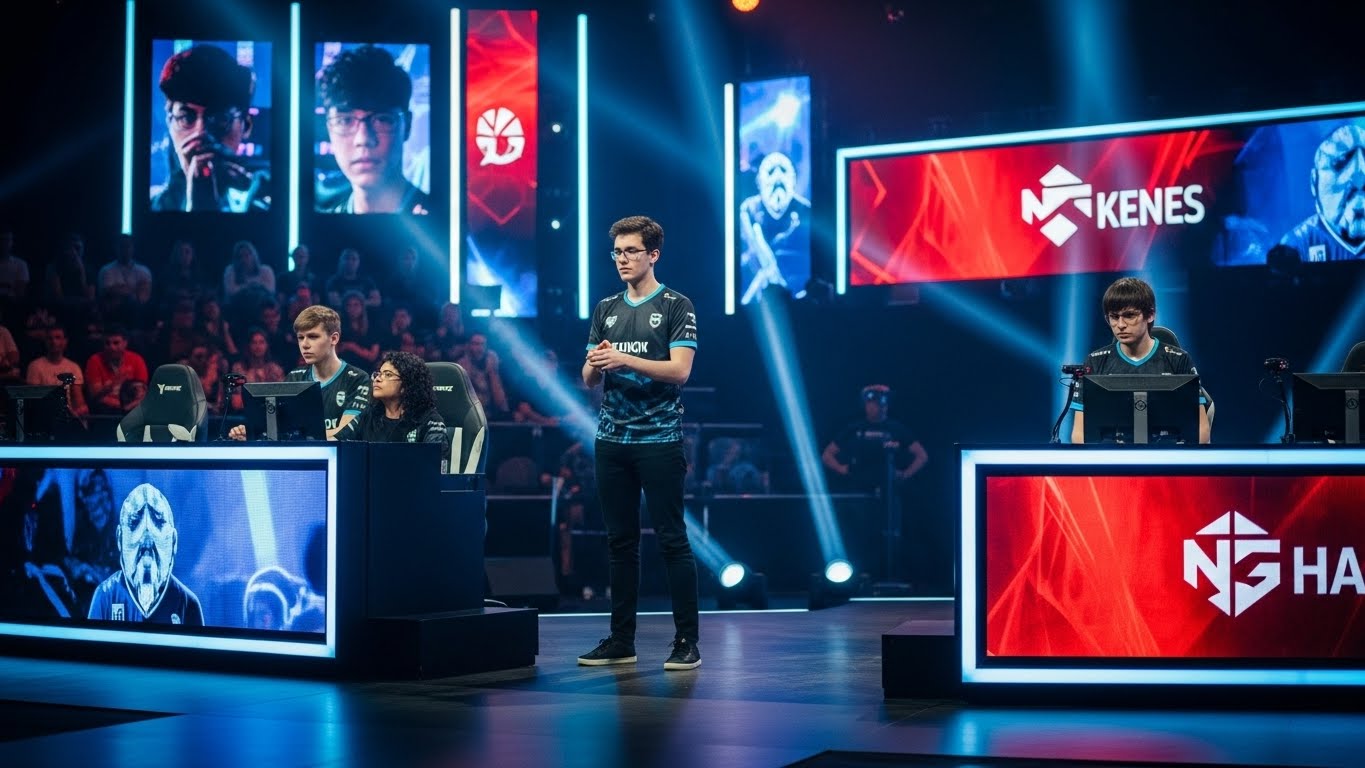
Esports has become a cultural phenomenon, influencing fashion, music, social media trends, and entertainment. Gamers and esports stars enjoy massive followings, inspiring fans with their unique personalities and playstyles.
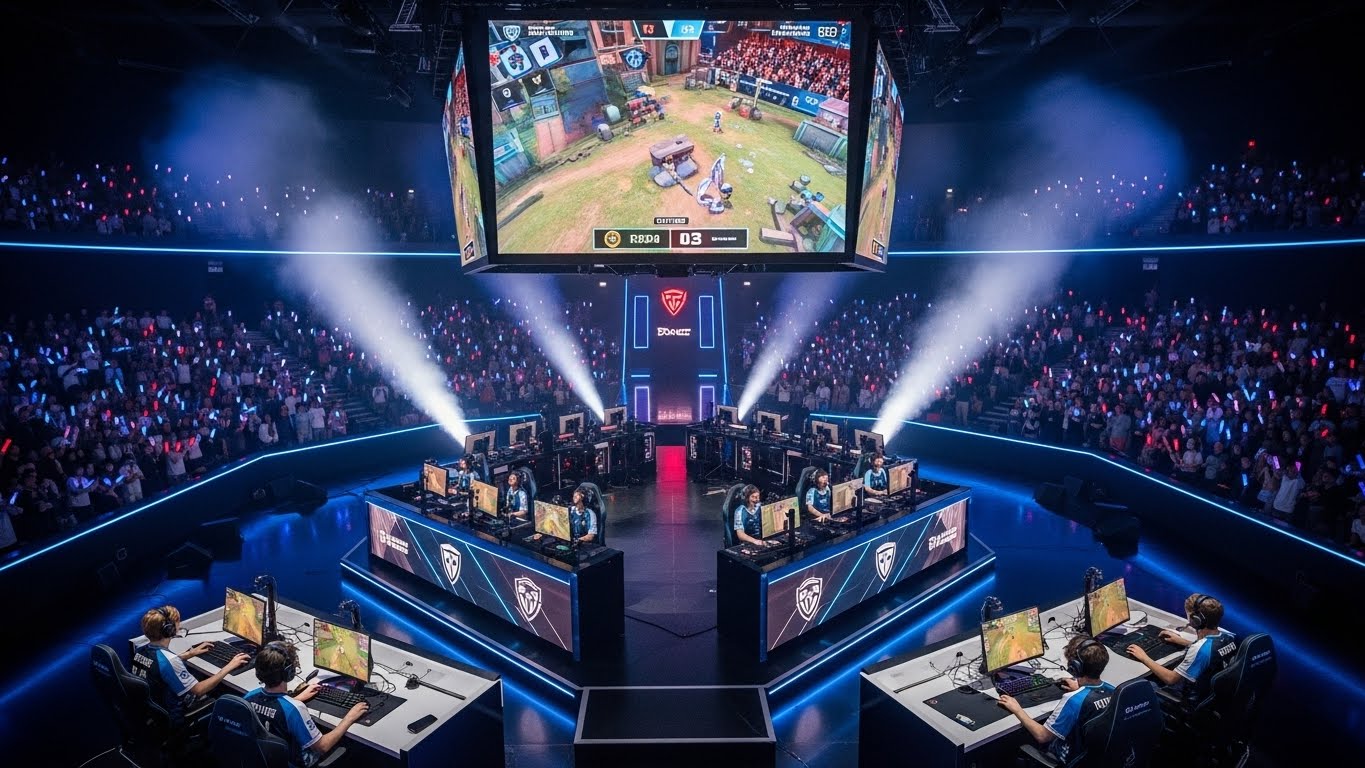
Esports tournaments attract international audiences, often surpassing viewership numbers of traditional sporting events. Countries across the world have embraced competitive gaming, fostering regional leagues and national teams. This global participation highlights esports as a unifying force that transcends borders and languages.
Challenges in the Esports Industry
Despite its success, esports faces important challenges. Player burnout, intense schedules, and lack of long-term career stability can impact athletes’ well-being. Ensuring fair competition requires constant improvements in anti-cheat technology and tournament regulation. Diversity and inclusion remain ongoing concerns, as underrepresented groups often face obstacles entering the industry.
Financial sustainability is also a challenge. While top-level teams thrive, smaller organizations and developing leagues sometimes struggle with funding. Addressing these issues is essential for ensuring that esports remains healthy and inclusive for future generations.
The Bright Future of Esports
The future of esports shines with potential. Technological advancements like virtual reality, augmented reality, and artificial intelligence will push competitive gaming into new realms. Immersive experiences may allow fans to step directly into virtual arenas or view gameplay from innovative perspectives.
Esports is also likely to continue merging with mainstream entertainment. Collaborations with athletes, musicians, filmmakers, and international events will shape its next phase. Educational programs, youth leagues, and grassroots events will help build strong foundations for long-term growth.
As society increasingly embraces digital culture, esports will remain a leading force in shaping how people play, compete, and connect.
Conclusion: A New Era of Competitive Excellence
Esports has transformed from modest gaming gatherings into one of the most influential industries of modern times. It blends skill, strategy, technology, and community into a powerful form of entertainment and professional pursuit. Its players embody dedication and innovation, while its fans fuel an ever-growing global movement.
In this digital age, esports stands as a symbol of progress and creativity. It represents not just how far gaming has come, but how far human competition can go when passion meets possibility. Esports is no longer the future. It is the present, redefining how the world plays, competes, and dreams.