arenatribe36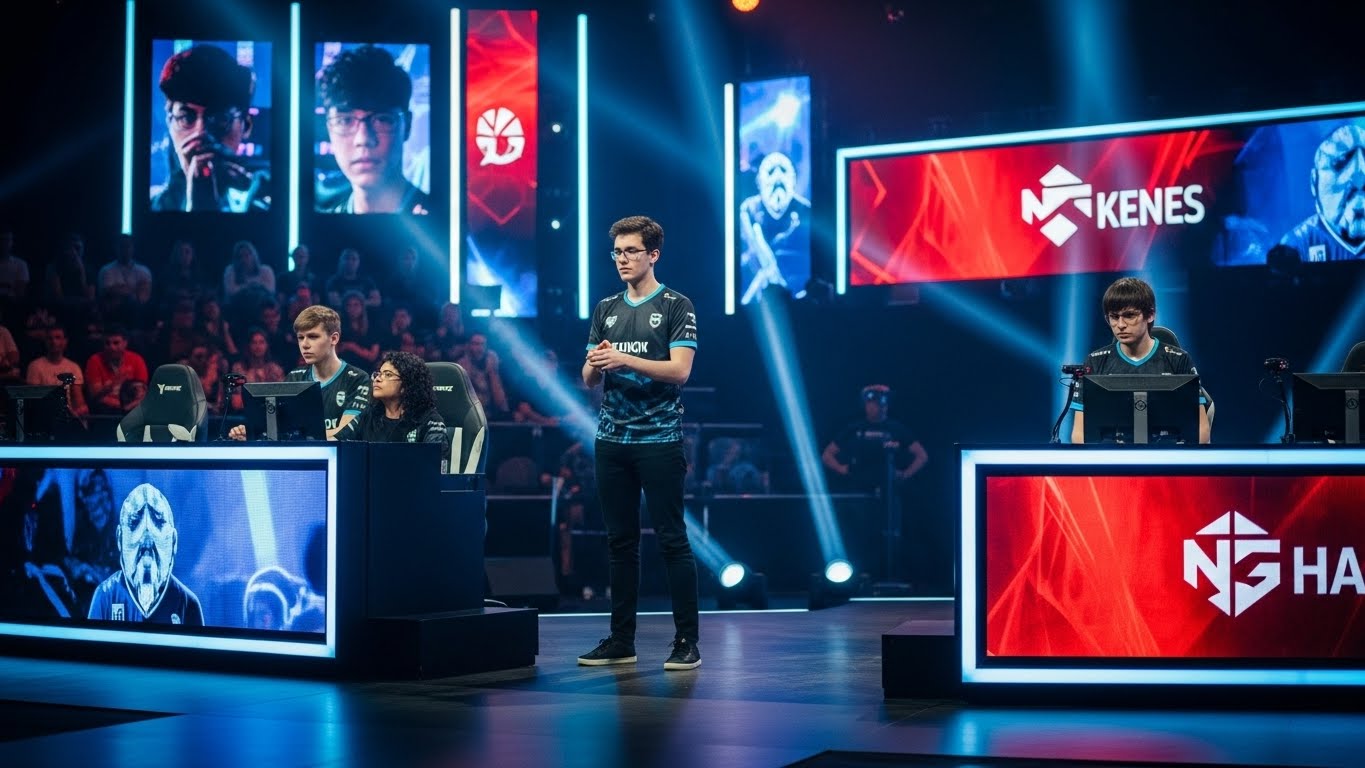
Esports has become one of the most significant cultural and entertainment phenomena of the 21st century. What began as casual video game competitions has transformed into a professional global industry with professional teams, massive tournaments, and millions of fans worldwide. Esports represents more than just gaming; it embodies strategy, skill, teamwork, and innovation. This blog explores the evolution, cultural impact, professionalization, and future potential of esports, highlighting why it continues to reshape the world of competition and entertainment.
The Early Beginnings of Competitive Gaming
The roots of esports trace back to the early days of video gaming. In the 1970s and 1980s, players competed in arcades to achieve the highest scores on games like Pong, Space Invaders, and Pac-Man. These competitions were informal yet highly engaging, building the foundation of competitive gaming culture.
The emergence of home consoles and personal computers in the 1980s and 1990s expanded opportunities for competitive play. Local area networks allowed players to connect and compete, laying the groundwork for organized tournaments. Early competitions were driven by passion rather than financial reward, but they established the competitive spirit that defines esports today.
Understanding Esports
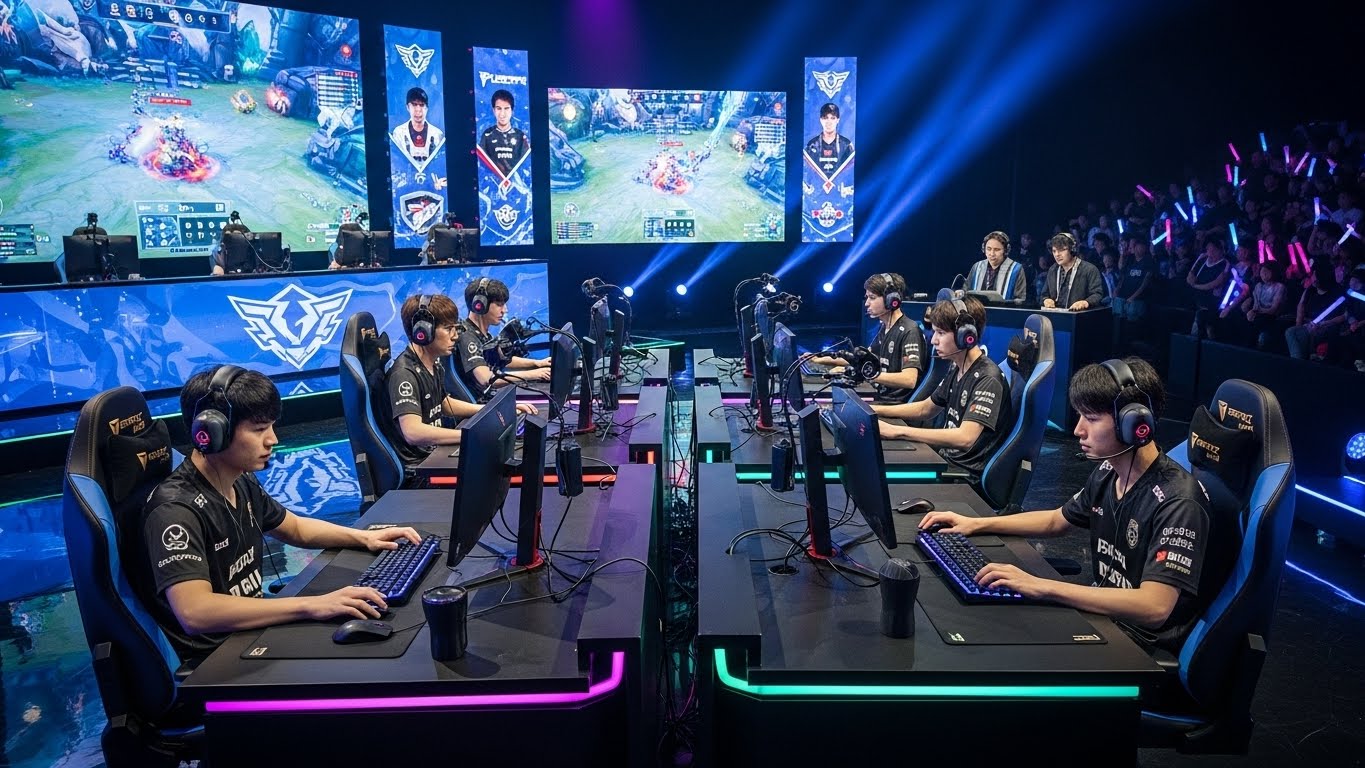
Esports, short for electronic sports, refers to organized, competitive video gaming played at amateur and professional levels. Unlike casual gaming, esports demands rigorous practice, strategy, teamwork, and adaptability. Players focus on mastering game mechanics, analyzing opponents, and honing decision-making skills under pressure.
Esports encompasses a variety of genres, including multiplayer online battle arenas, first-person shooters, real-time strategy games, fighting games, and sports simulations. Each genre emphasizes different skills, from reflexes and precision to strategy and collaboration, attracting diverse participants and audiences.
The Professionalization of Esports
In the last decade, esports has evolved into a fully professional industry. Teams operate similarly to traditional sports organizations, employing coaches, analysts, psychologists, and support staff to optimize performance. Players adhere to strict training schedules, study gameplay footage, and work on both individual skills and team dynamics.
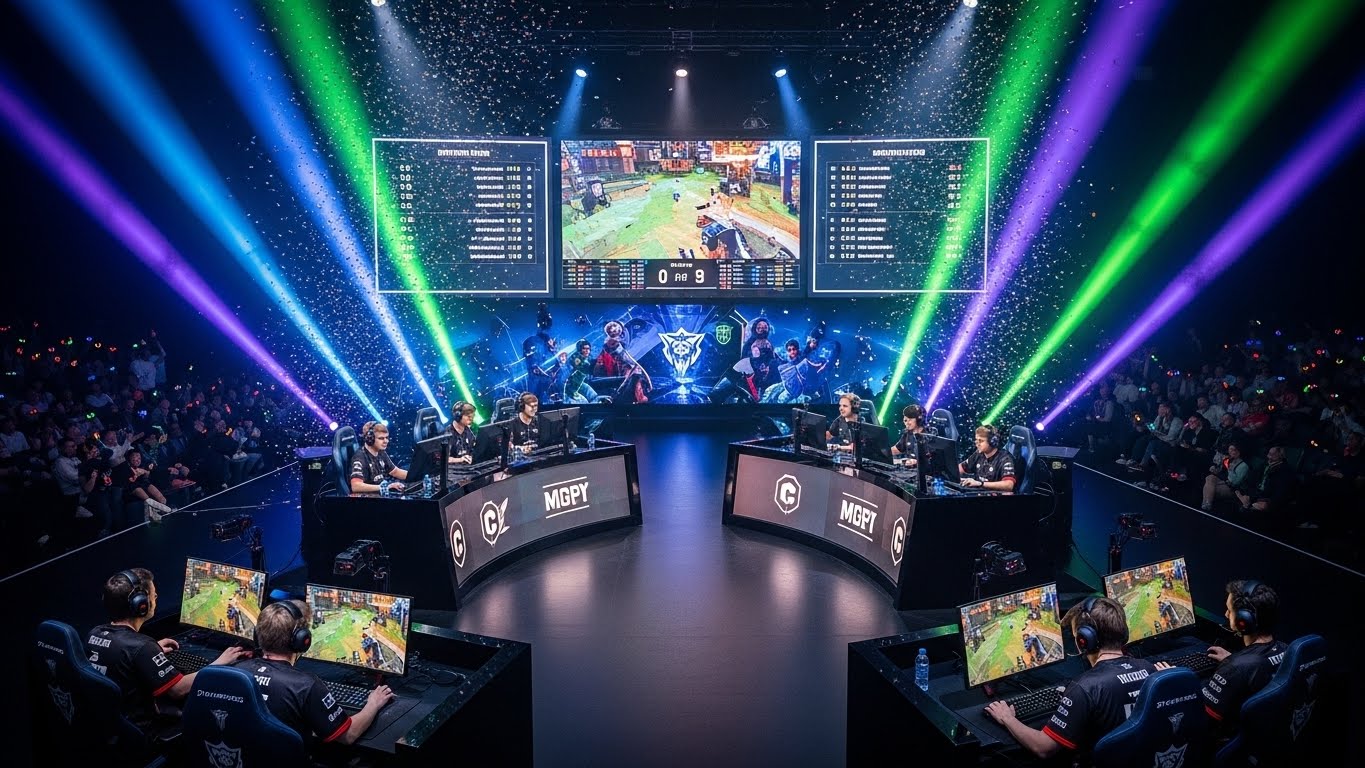
Professional leagues such as the League of Legends Championship Series, Dota 2 International, and Call of Duty League feature structured seasons, rankings, and substantial prize pools. These developments have elevated esports to a legitimate professional field, earning recognition from sponsors, media, and mainstream audiences.
Esports as Entertainment
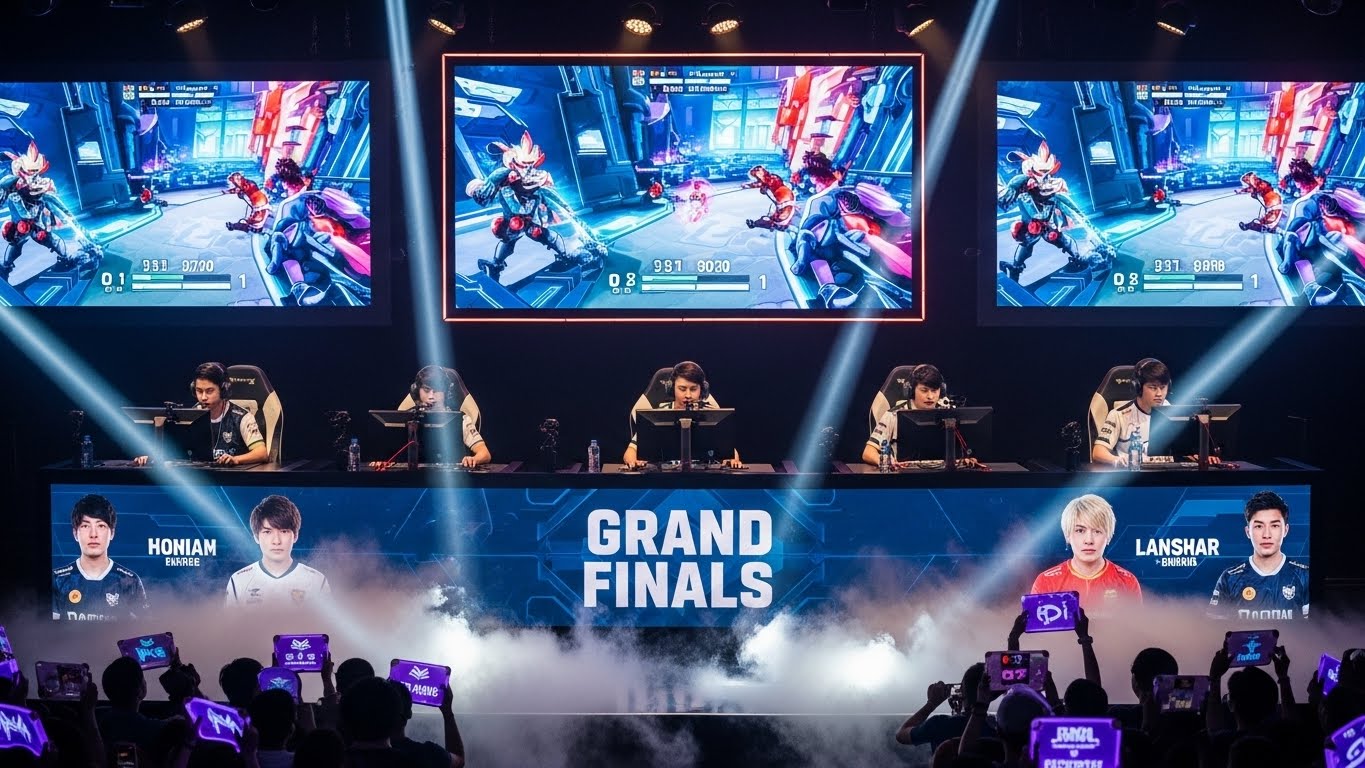
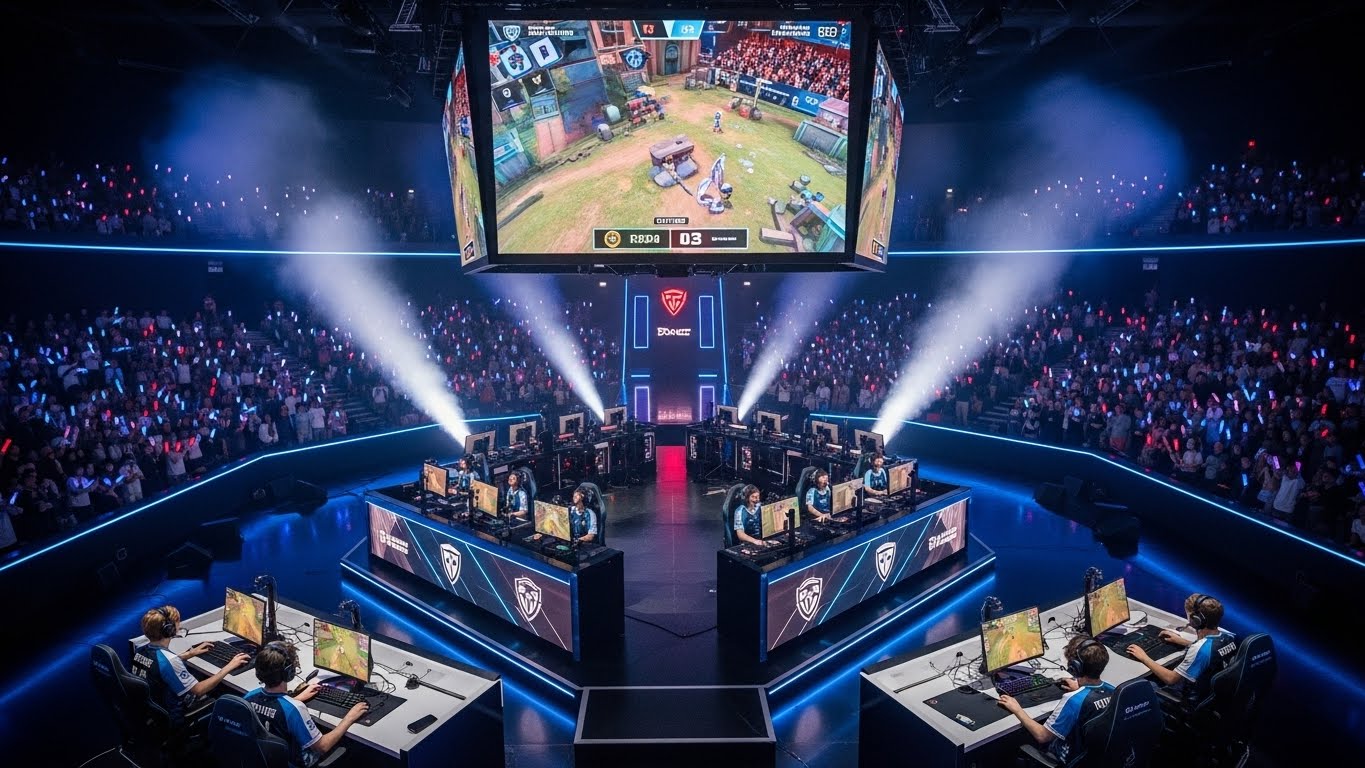
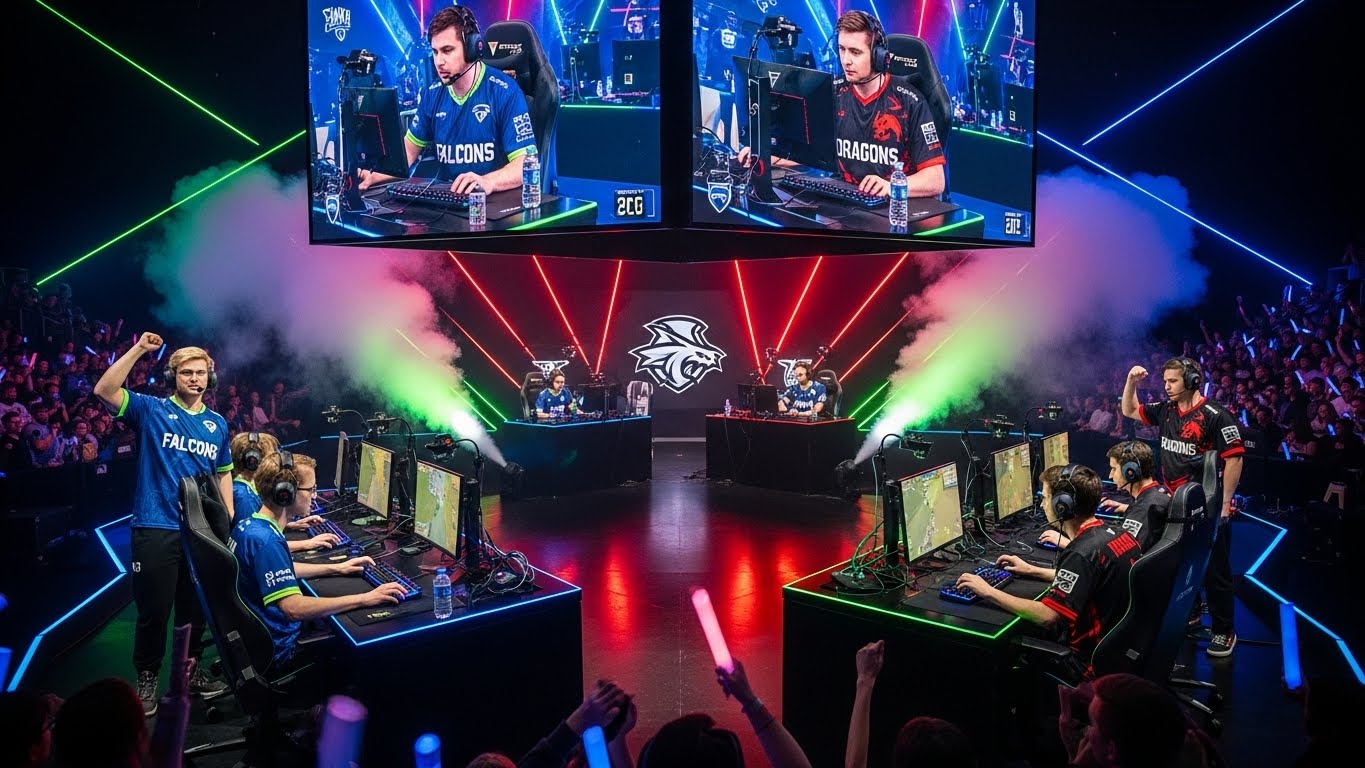
Esports has become a major form of entertainment, captivating millions of fans worldwide. Live tournaments, online streams, and digital broadcasts provide audiences with immersive viewing experiences. Fans follow their favorite teams and players, celebrate victories, and engage in discussions about strategies, rivalries, and gameplay highlights.
Esports combines the thrill of competition with storytelling and community engagement. The personalities, narratives, and dramatic moments of tournaments make esports compelling to watch, transforming gaming into a cultural spectacle comparable to traditional sports.
Social Impact and Community
One of esports’ most powerful aspects is its ability to connect people. Online multiplayer games bring players together across countries and cultures, fostering collaboration and social interaction. Teams rely on communication, trust, and coordination, teaching valuable interpersonal skills.
Fan communities also play a significant role in esports culture. Online forums, streaming platforms, and social media allow fans to share experiences, discuss strategies, and celebrate achievements. Esports creates a sense of belonging, providing social engagement for individuals who may not participate in traditional sports or social activities.
Cognitive and Mental Benefits
Competitive gaming requires mental acuity and strategic thinking. Players analyze situations, anticipate opponents’ moves, and make quick decisions under pressure. These challenges enhance cognitive abilities such as problem-solving, critical thinking, and situational awareness.
Esports also develops emotional resilience. Handling losses, maintaining focus under stress, and learning from mistakes are crucial components of success. These mental skills often extend to academic and professional contexts, demonstrating the broader value of competitive gaming.
Career Opportunities in Esports
Esports offers a wide range of career opportunities beyond playing professionally. Coaching, event management, content creation, marketing, analysis, and broadcasting are essential roles in the industry. Many individuals build successful careers producing educational or entertainment content related to esports.
The professionalization of esports has created a sustainable ecosystem that supports diverse talent. This ecosystem demonstrates that competitive gaming is not only a form of entertainment but also a platform for meaningful career development.
Cultural Influence of Esports
Esports has become a significant cultural force. Professional players are admired by fans, influencing trends in fashion, communication, and online behavior. Major tournaments generate shared experiences similar to traditional sports events, creating emotional and cultural connections.
Esports challenges perceptions of gaming as a trivial hobby. It highlights discipline, strategic thinking, and teamwork, showing that digital competition can be as respected and rigorous as traditional sports. This cultural shift has increased mainstream recognition and acceptance of gaming as a legitimate form of competition.
Challenges Facing the Esports Industry
Despite its success, esports faces notable challenges. High-intensity training and competition can lead to burnout, stress, and physical strain. Maintaining player health and well-being is essential for sustainability.
Additionally, online communities can face issues such as toxic behavior, harassment, and cheating. Ensuring inclusivity, fairness, and respectful engagement remains a priority for developers and organizers. Addressing these challenges is critical for the long-term growth and reputation of esports.
Technology as the Backbone of Esports
Technology underpins the success of esports. High-performance computers, gaming peripherals, and stable internet connections are essential for fair and competitive play. Streaming technology enhances the spectator experience with immersive visuals, instant replays, and analytical insights.
Data analytics is increasingly used to improve performance. Teams analyze gameplay statistics to identify strengths, weaknesses, and trends, allowing for informed strategies and continuous improvement. As technology evolves, esports will continue to offer new levels of precision, accessibility, and engagement.
Global Reach of Esports
Esports is a global phenomenon, with competitive scenes thriving across continents. International tournaments bring together players from diverse regions, promoting cross-cultural exchange and collaboration. Fans worldwide can witness elite gameplay in real-time, creating shared experiences that transcend geographical boundaries.
The global nature of esports also contributes to economic growth. Major tournaments generate revenue through sponsorships, ticket sales, merchandise, and tourism. This demonstrates that esports is not only a digital phenomenon but also an economic and social driver.
Education and Skill Development
Educational institutions are increasingly embracing esports as a tool for learning. Schools and universities offer programs that focus on teamwork, leadership, strategy, and technological skills. Students can gain valuable experience in organization, communication, and problem-solving while pursuing competitive gaming.
Esports also teaches transferable skills applicable beyond gaming. Strategic thinking, decision-making under pressure, and collaboration are valuable in professional and academic settings, making esports an educational as well as recreational activity.
The Future of Esports
The future of esports is full of possibilities. Emerging technologies such as virtual reality, cloud gaming, and artificial intelligence will redefine competition, creating more immersive and accessible experiences. As global participation grows, esports will reach even broader audiences and demographics.
Sustainability, inclusivity, and player welfare will be central to the industry’s continued growth. Esports is likely to integrate further into mainstream entertainment, education, and professional development, solidifying its role as a defining element of the digital age.
Conclusion: Esports as a Transformative Force
Esports has evolved from a niche hobby into a transformative force in culture, entertainment, and competition. It demonstrates that skill, strategy, and dedication are not limited to traditional sports. Players, fans, and organizations contribute to a dynamic ecosystem that blends technology, creativity, and human potential.
As esports continues to grow, it will reshape how people compete, connect, and experience entertainment. It is more than a game; it is a cultural, economic, and social movement that represents the future of digital competition.