arenatribe36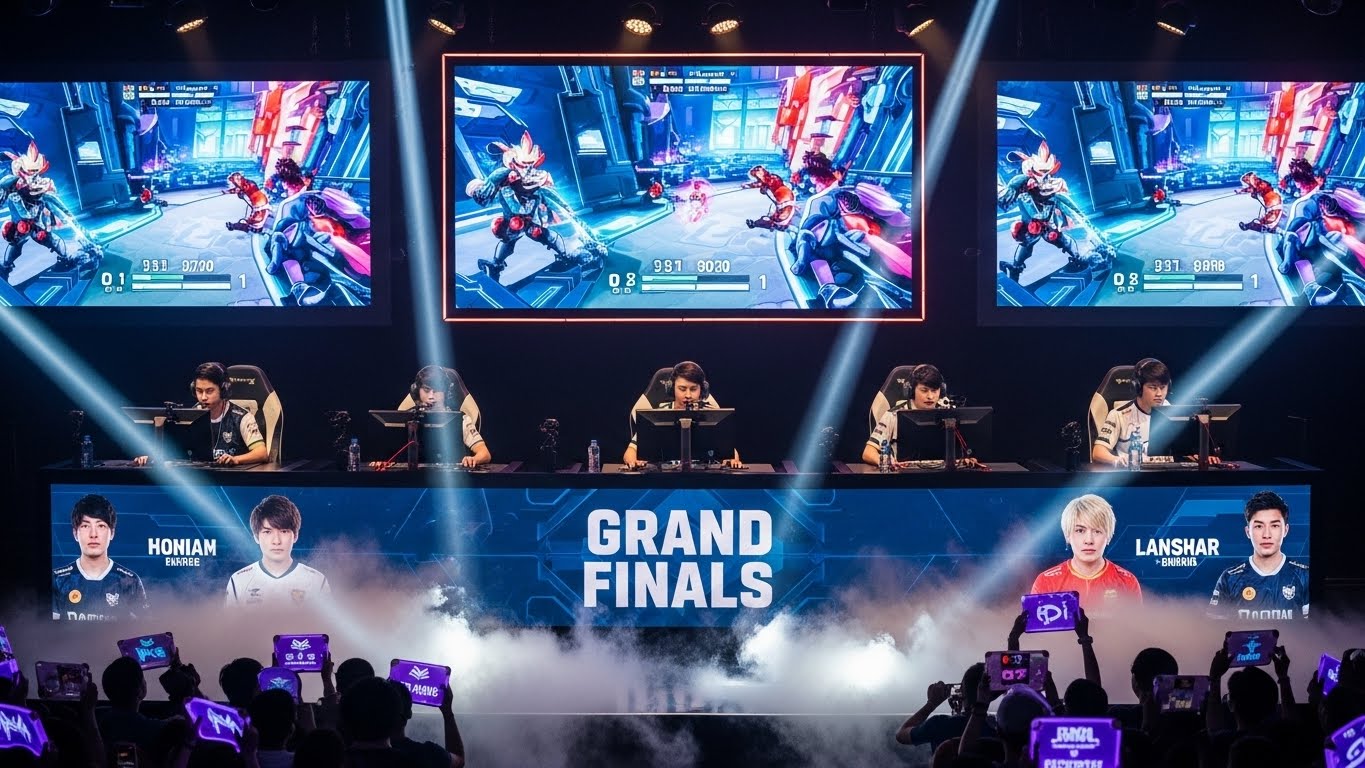
Introduction: The Dawn of a New Sporting Era
Esports has emerged as one of the most influential forms of competition in the modern world. What once appeared as simple video game contests has transformed into a global phenomenon attracting millions of viewers, professional athletes, and major investments. Esports represents a shift in how people perceive sports, skill, and entertainment. Rooted in technology and fueled by passion, it has carved a unique space where digital performance rivals physical athleticism. Understanding esports means understanding a cultural movement that reflects the values, ambitions, and connectivity of the digital generation.
What Esports Truly Means
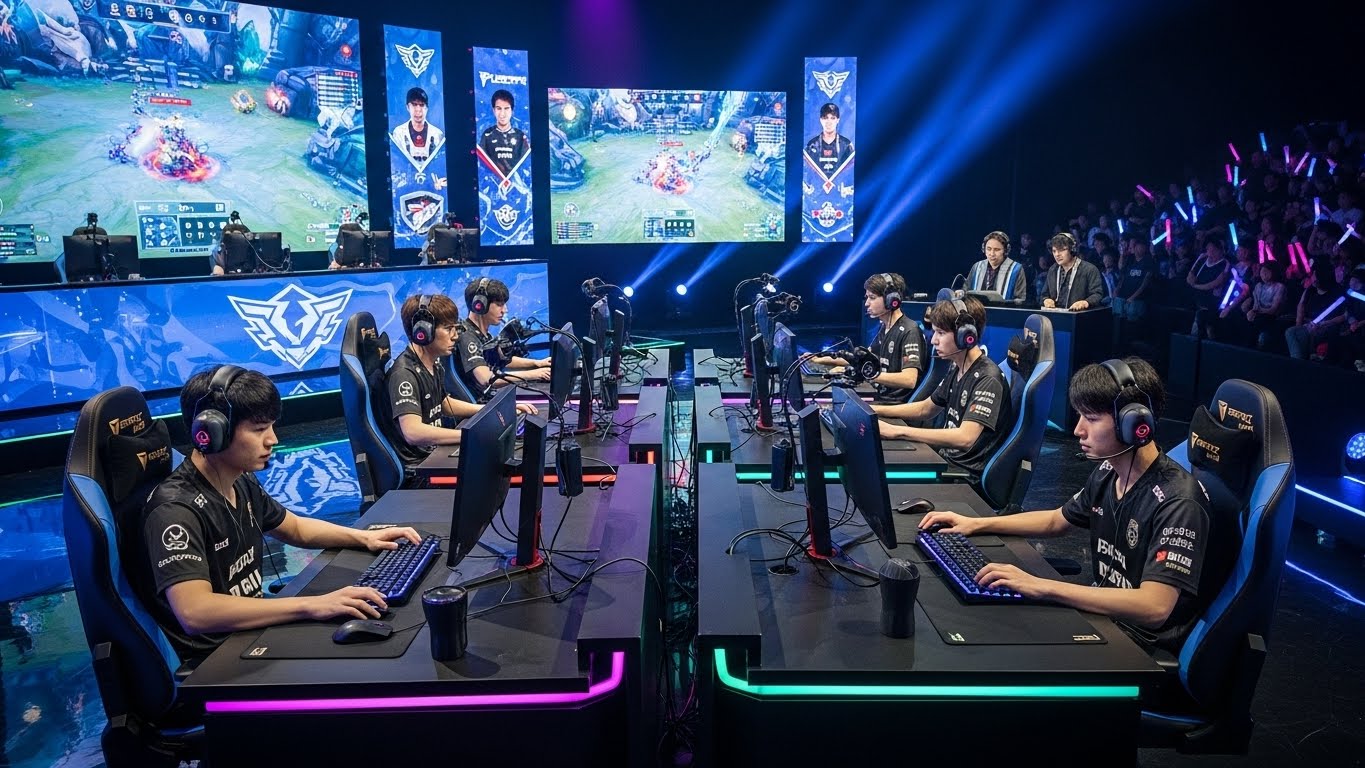
Esports, short for electronic sports, refers to organized competitive video gaming where individuals or teams compete under standardized rules. Unlike casual gaming, esports emphasizes structured competition, ranking systems, and professional standards. Players specialize in specific games and roles, training intensively to refine mechanical skills, strategic thinking, and teamwork. Matches are often played in leagues or tournaments with clear objectives, making esports a disciplined and highly competitive field that demands consistency and excellence.
The Origins of Competitive Gaming
The origins of esports date back to early gaming competitions where enthusiasts gathered to test their skills. These events were small, community-driven, and focused on friendly rivalry. As gaming technology advanced and internet access expanded, competition moved online, allowing players from different regions to compete instantly. This shift dramatically increased the scale of competitive gaming. Over time, dedicated tournaments, professional teams, and organized leagues emerged, laying the groundwork for what esports is today.
Games That Define the Esports Landscape
Esports is built around games designed for balance, competition, and long-term engagement. Different genres contribute to the richness of the esports ecosystem. Strategy games emphasize planning, adaptability, and decision-making under pressure. Shooter games focus on accuracy, reaction speed, and coordination. Multiplayer battle games require teamwork, role specialization, and tactical execution. Each game develops its own community, culture, and competitive identity, ensuring diversity and constant evolution within the esports world.
The Making of a Professional Esports Player
Becoming a professional esports player requires dedication comparable to traditional athletes. Players spend countless hours practicing mechanics, learning game updates, and analyzing past performances. Mental strength is critical, as matches demand focus, adaptability, and emotional control. Many players begin their journey at a young age, progressing through amateur competitions before reaching professional levels. Success in esports is rarely accidental; it is the result of discipline, resilience, and continuous improvement.
Teamwork and Organizational Structure
Esports is not just about individual talent; teamwork plays a vital role in competitive success. Professional teams operate with defined structures that include players, coaches, analysts, and managers. Coaches develop strategies and improve coordination, while analysts study opponents and gameplay data. Managers handle logistics, schedules, and player well-being. This organized approach ensures consistency and allows players to focus on performance, highlighting the professionalism that defines modern esports.
Technology as the Foundation of Esports
Technology is the backbone of esports growth. High-performance gaming systems, stable internet connections, and advanced software enable fair and competitive play. Streaming technology allows matches to be broadcast worldwide, turning competitions into shared experiences. Innovations in visual presentation, real-time statistics, and audience interaction have enhanced the viewing experience. As technology continues to evolve, esports benefits from improved accessibility, realism, and global reach.
Esports as a Spectator Experience
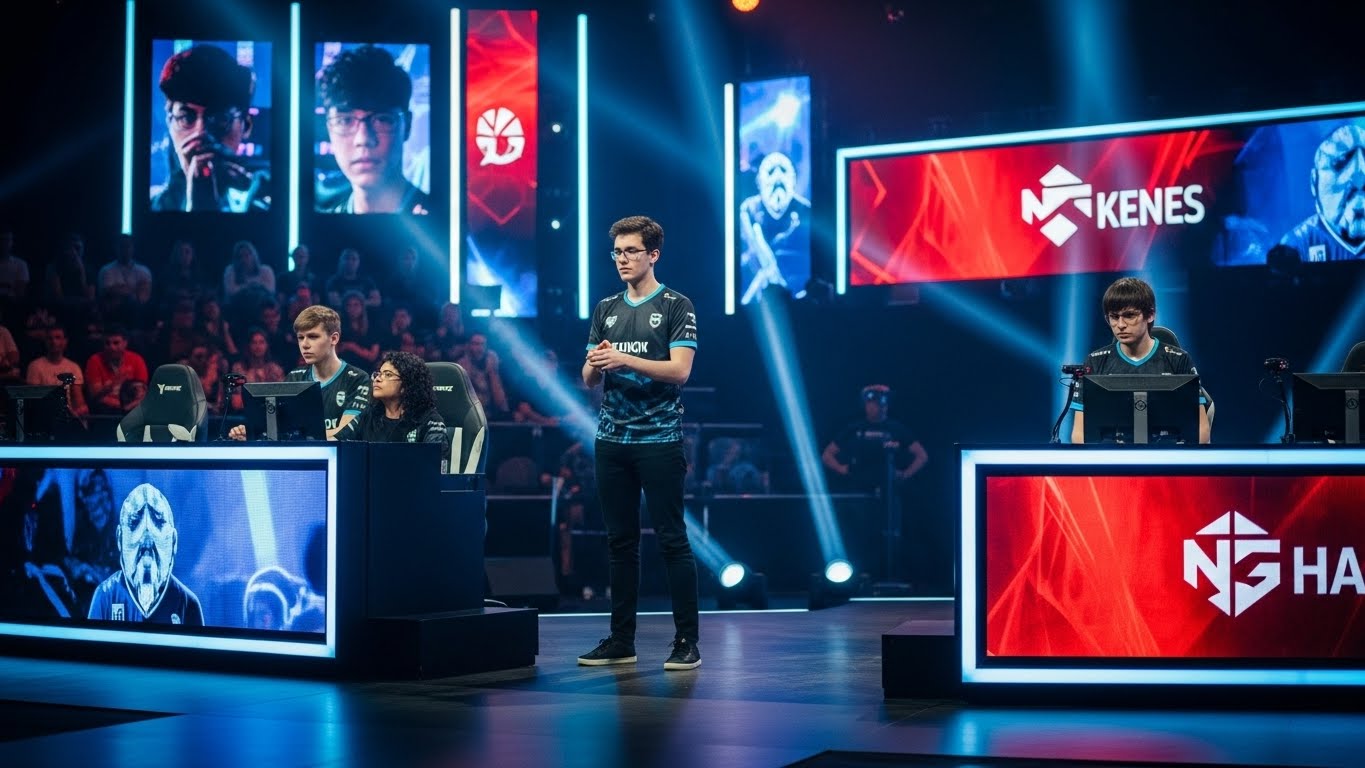
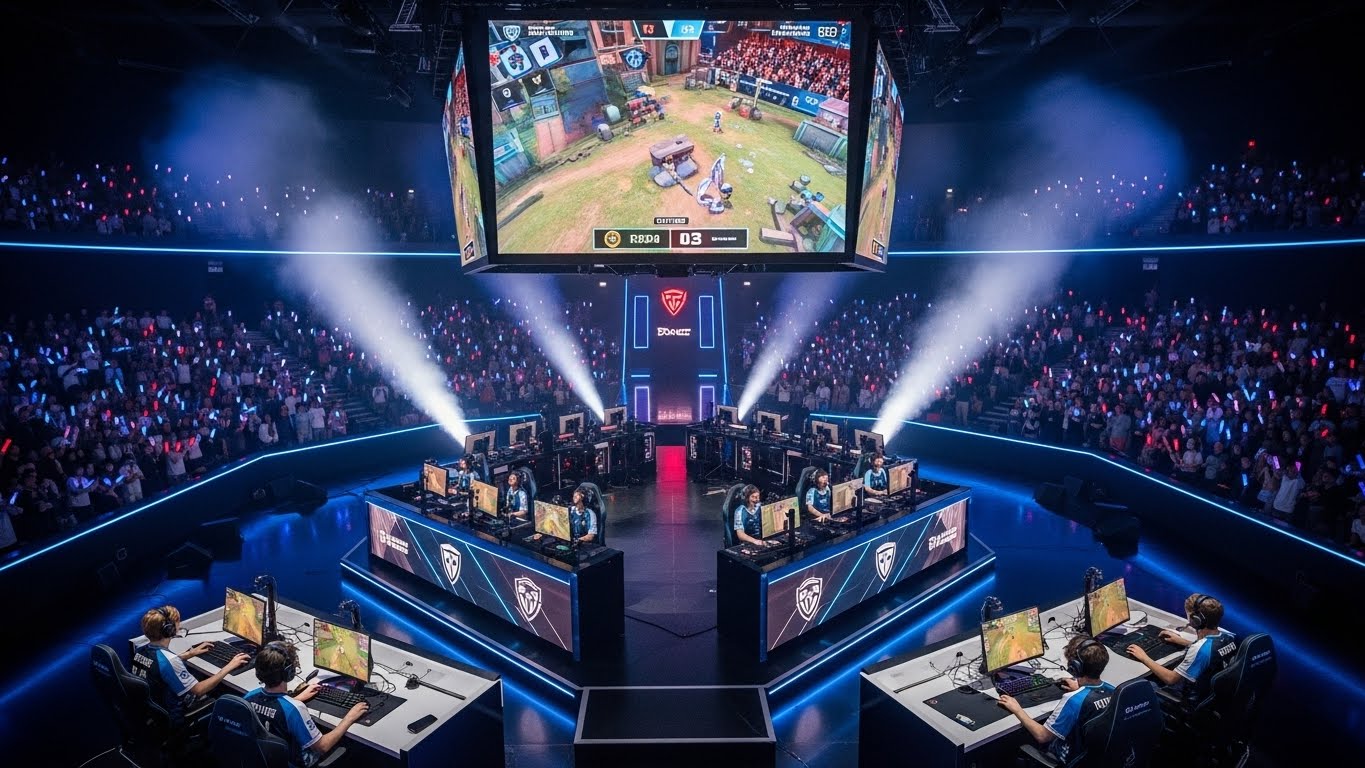
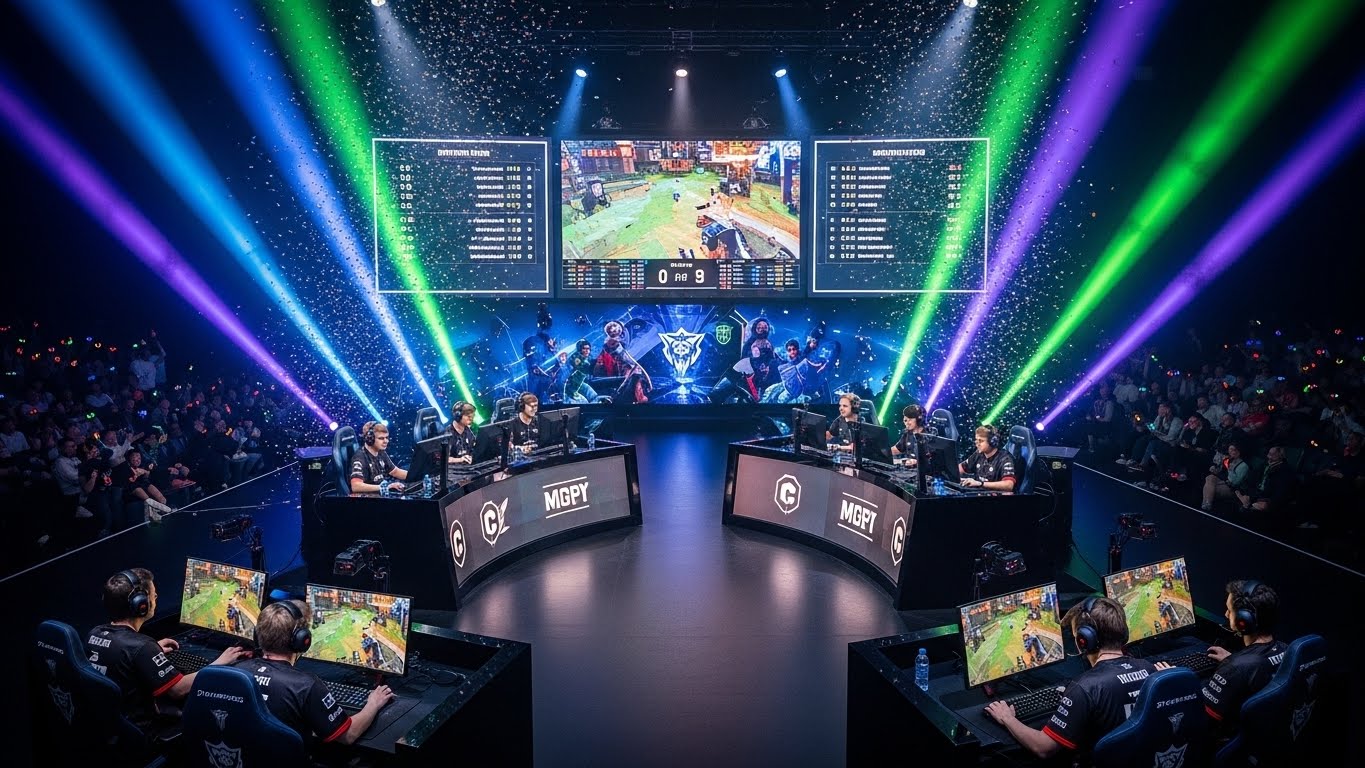
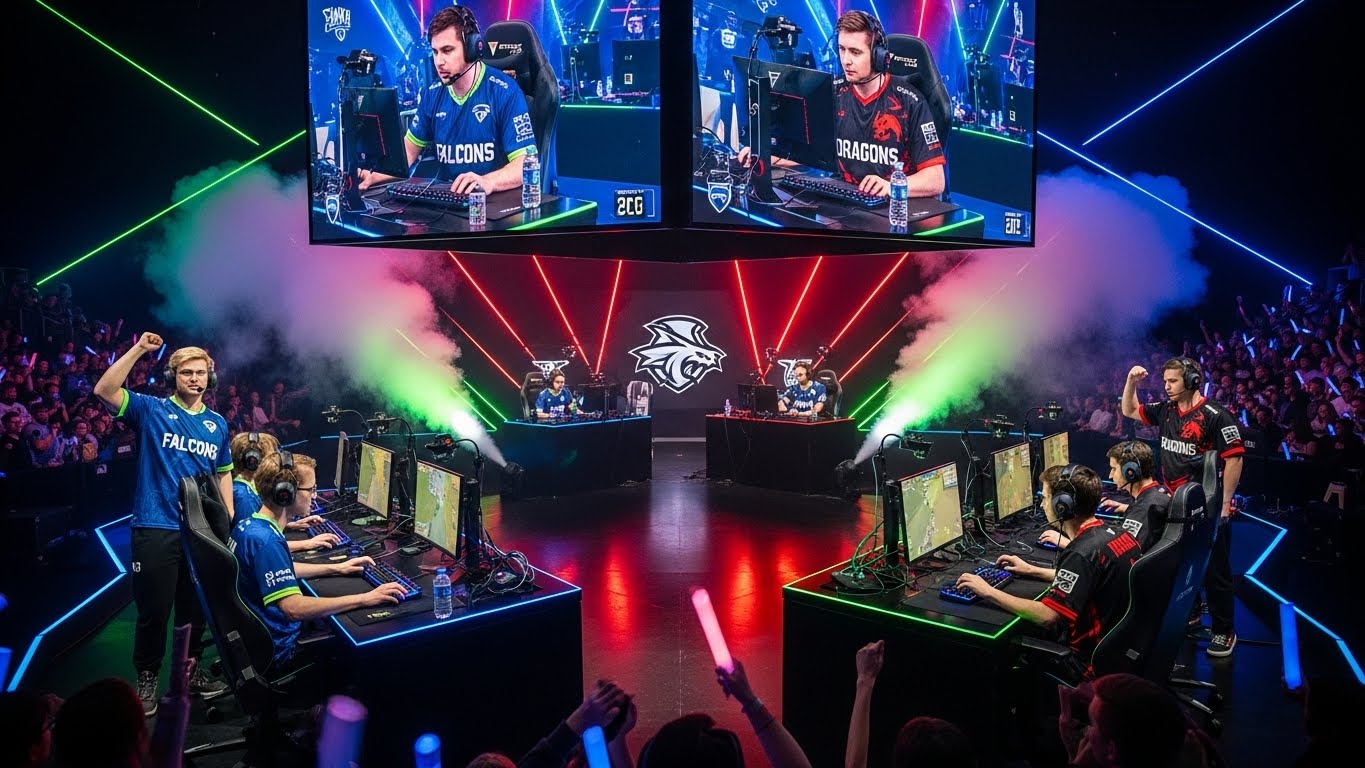
Esports has become a powerful spectator sport, captivating audiences across the globe. Professional broadcasts feature expert commentary, in-depth analysis, and engaging narratives that make matches easy to follow and exciting to watch. Live events create electrifying atmospheres, with fans cheering for their favorite teams and players. Online viewers participate through chats and communities, making esports interactive and socially engaging. This combination of competition and entertainment has broadened esports’ appeal beyond gamers alone.
Economic Growth and Industry Influence
The esports industry has grown into a significant economic force. Revenue streams include sponsorships, advertising, merchandise, ticket sales, and media rights. Large tournaments offer substantial prize pools, reflecting the financial maturity of the industry. Beyond competition, esports creates job opportunities in event production, broadcasting, marketing, content creation, and technology. This expanding ecosystem demonstrates that esports is not a temporary trend but a sustainable industry with long-term potential.
Cultural Impact and Global Unity
Esports transcends borders, languages, and cultural differences. Players from diverse backgrounds compete on equal footing, fostering mutual respect and cultural exchange. Fans form global communities united by shared interests and loyalty to teams or games. Esports influences fashion, music, and online culture, shaping trends and identities among younger generations. It provides a sense of belonging and shared purpose in a digital world, reinforcing its role as a cultural phenomenon.
Education and Career Opportunities
Educational institutions have increasingly embraced esports, recognizing its potential for skill development and career pathways. Schools and universities offer esports programs, clubs, and scholarships that teach teamwork, leadership, and strategic thinking. Esports also opens doors to careers beyond playing, such as coaching, game design, analytics, broadcasting, and management. These opportunities highlight how esports contributes to education and professional growth in the digital economy.
Challenges Facing the Esports Industry
Despite its success, esports faces several challenges. Player burnout is a growing concern due to demanding schedules and high pressure. Ensuring fair treatment, mental health support, and career longevity is essential. Maintaining competitive integrity is equally important, as cheating or unethical behavior can undermine trust. The industry must also strive for inclusivity, creating equal opportunities regardless of gender, region, or background. Addressing these challenges is critical for sustainable growth.
The Future of Esports
The future of esports is filled with promise and innovation. Advancements in technology will create more immersive and interactive experiences for players and fans. Emerging regions will contribute new talent and audiences, expanding global influence. Collaboration with traditional sports, media, and educational systems will further legitimize esports. As it continues to evolve, esports will redefine competition and entertainment in ways that reflect the digital age.
Conclusion: A New Chapter in Competitive History
Esports has reshaped the concept of sports by merging technology, strategy, and human ambition. It represents a new chapter in competitive history where digital arenas rival physical stadiums. More than just games, esports embodies dedication, community, and innovation. As it continues to grow, esports will remain a defining force of modern culture, proving that excellence and competition thrive wherever passion and skill meet.