arenatribe36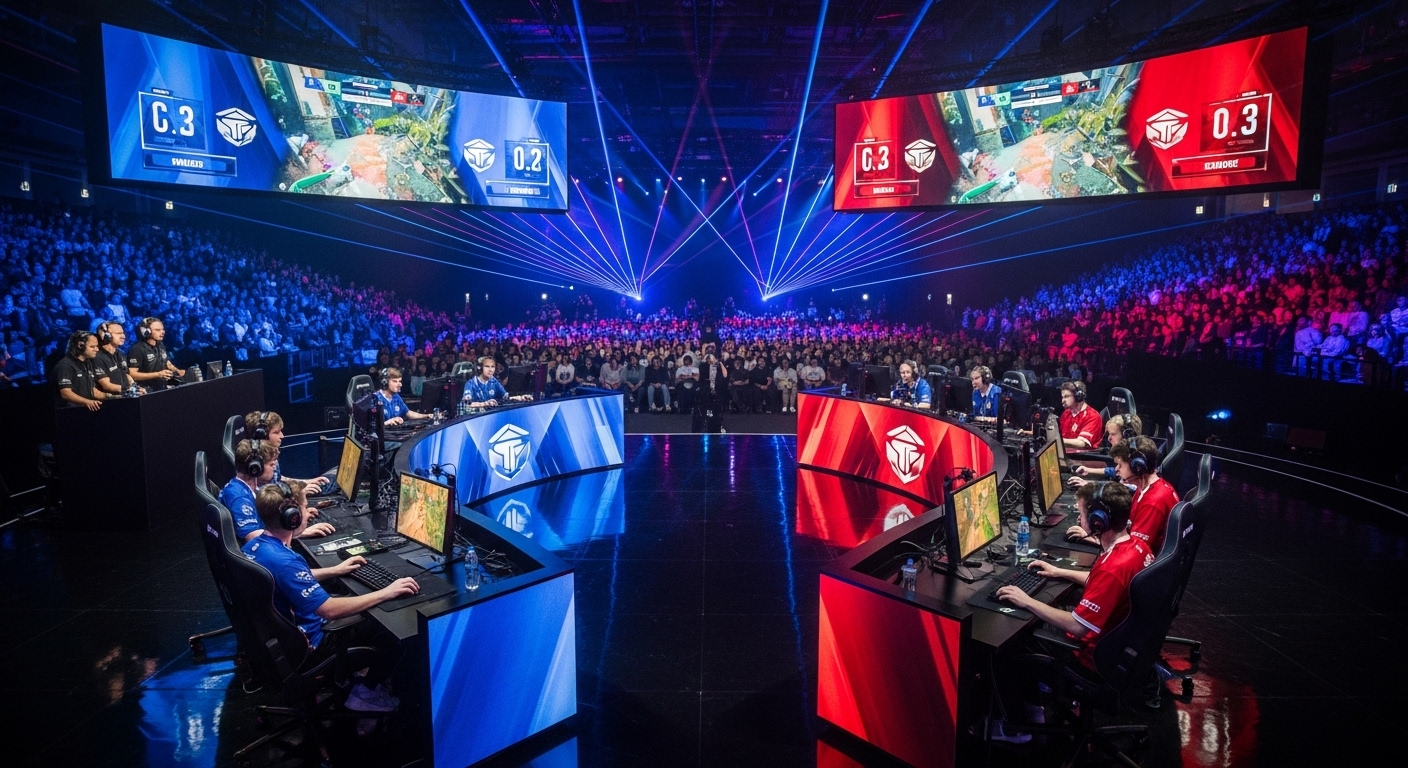
Introduction
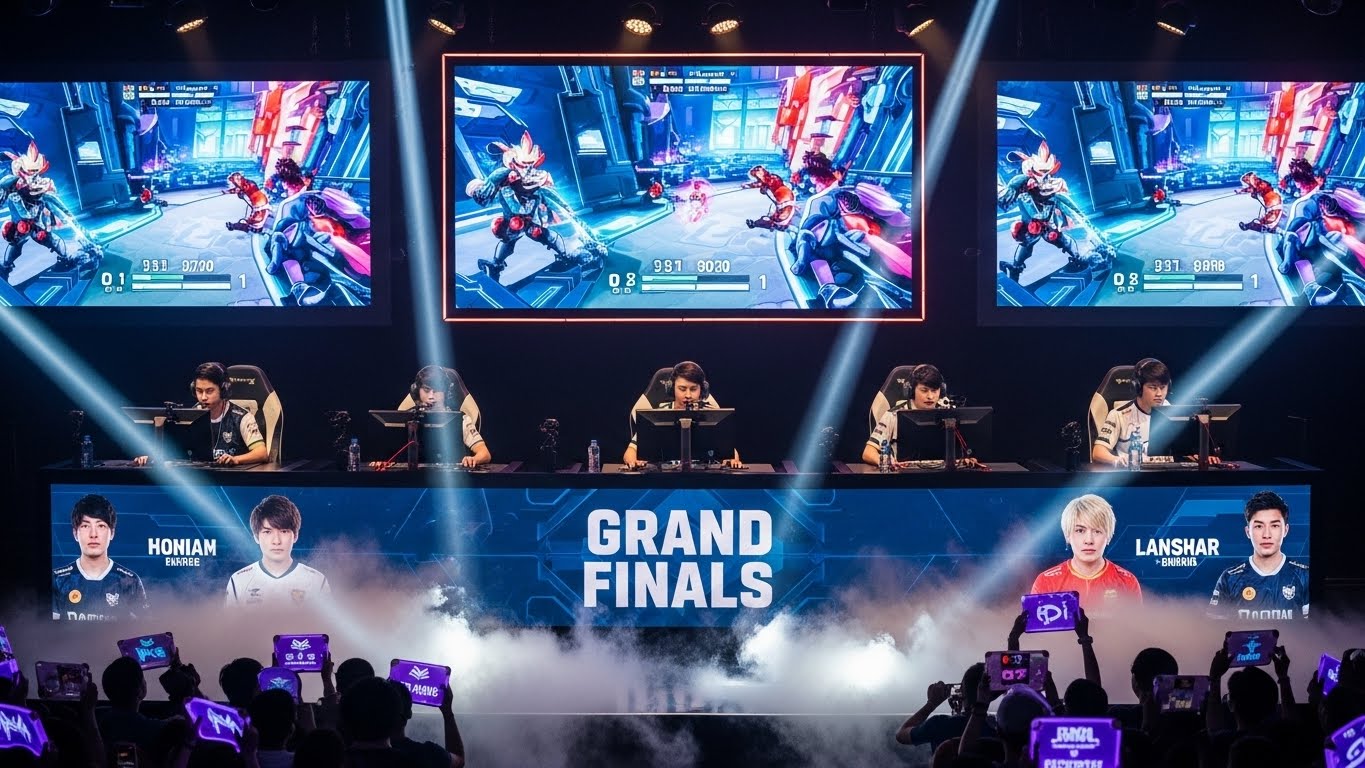
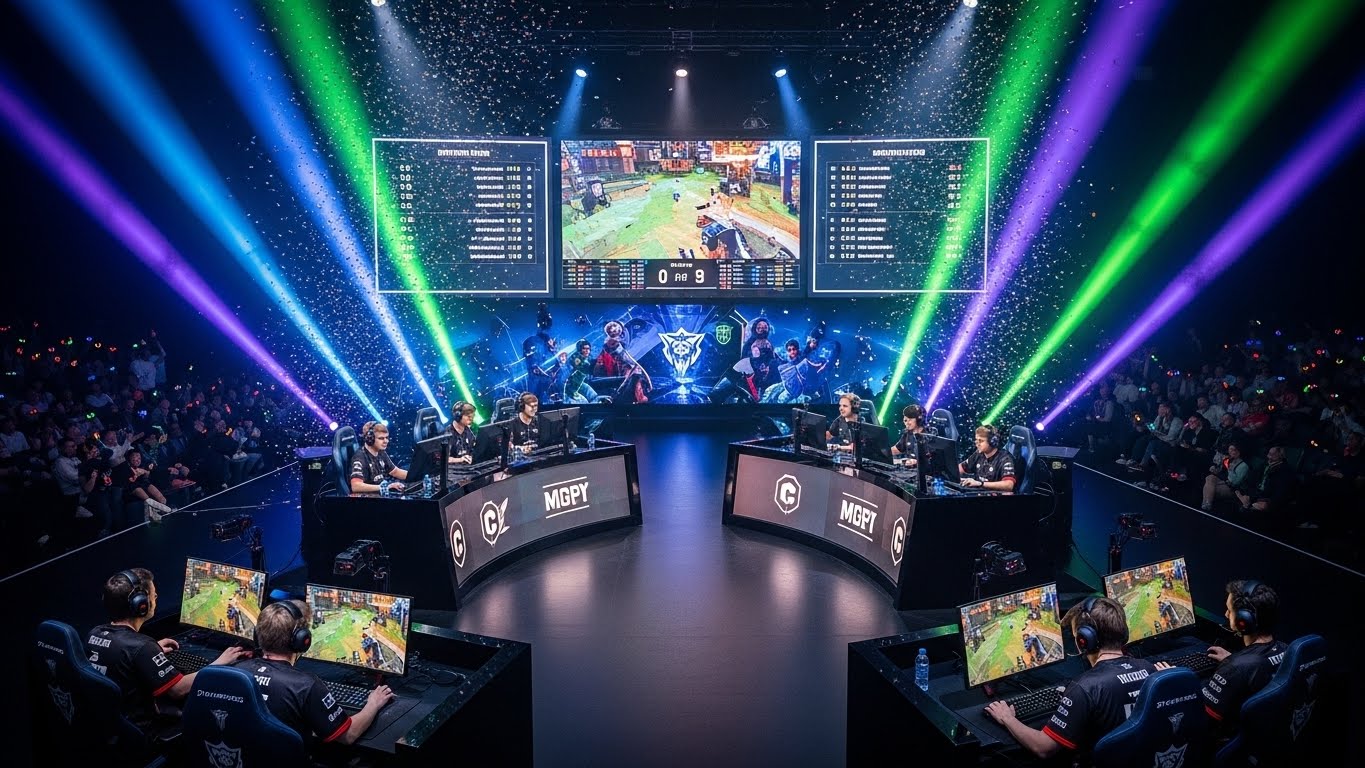
Esports has become one of the most exciting and rapidly growing industries of the 21st century. What began as friendly matches between gamers has turned into a global phenomenon that attracts millions of viewers and professional players. Today, esports is not just about gaming; it represents passion, teamwork, and technological progress.
The Beginning of Esports
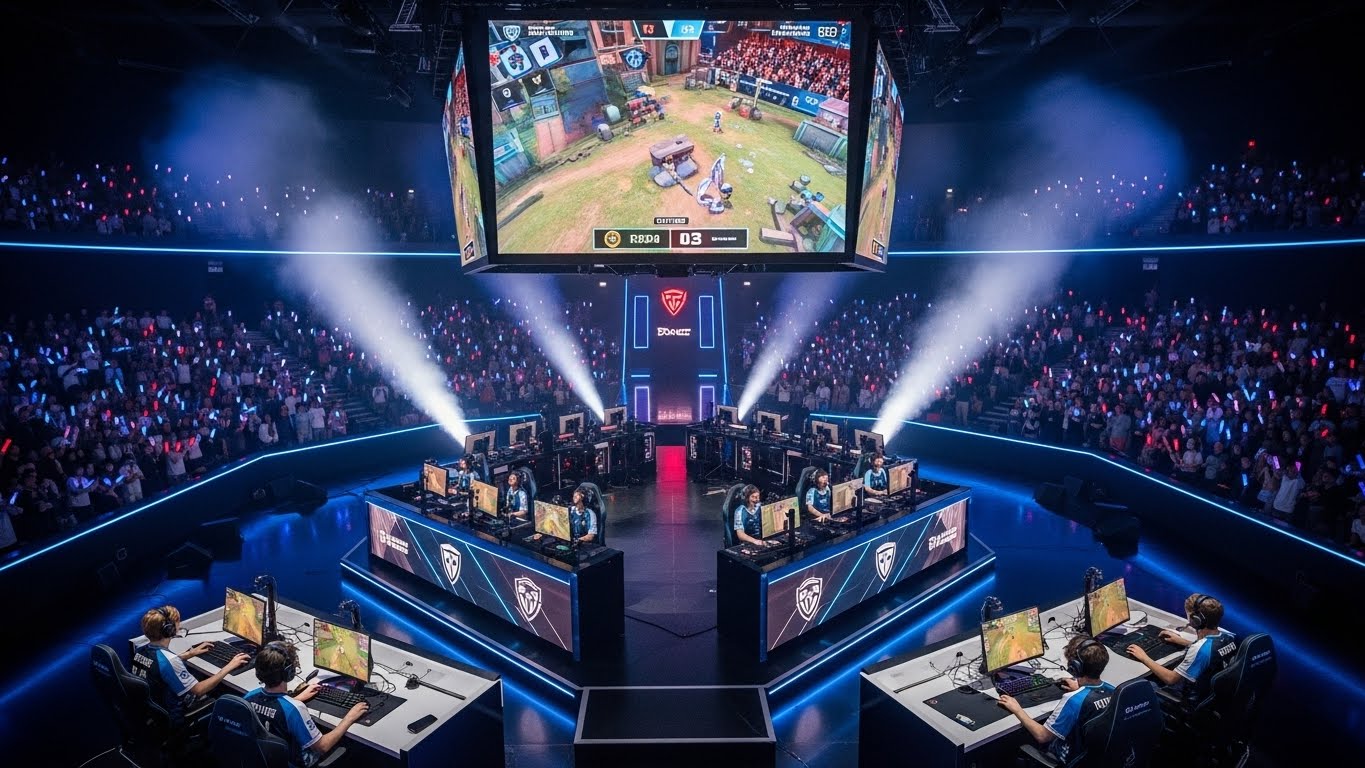
The roots of esports can be traced back to the early days of video games, when players would compete in small arcade tournaments. As technology advanced and internet access became common, gaming competitions started to move online. Titles like Counter-Strike, StarCraft, and League of Legends became pioneers in shaping the professional gaming scene. Over the years, these tournaments have evolved into massive global events with huge audiences and grand prize pools.
The Rise of Professional Gaming
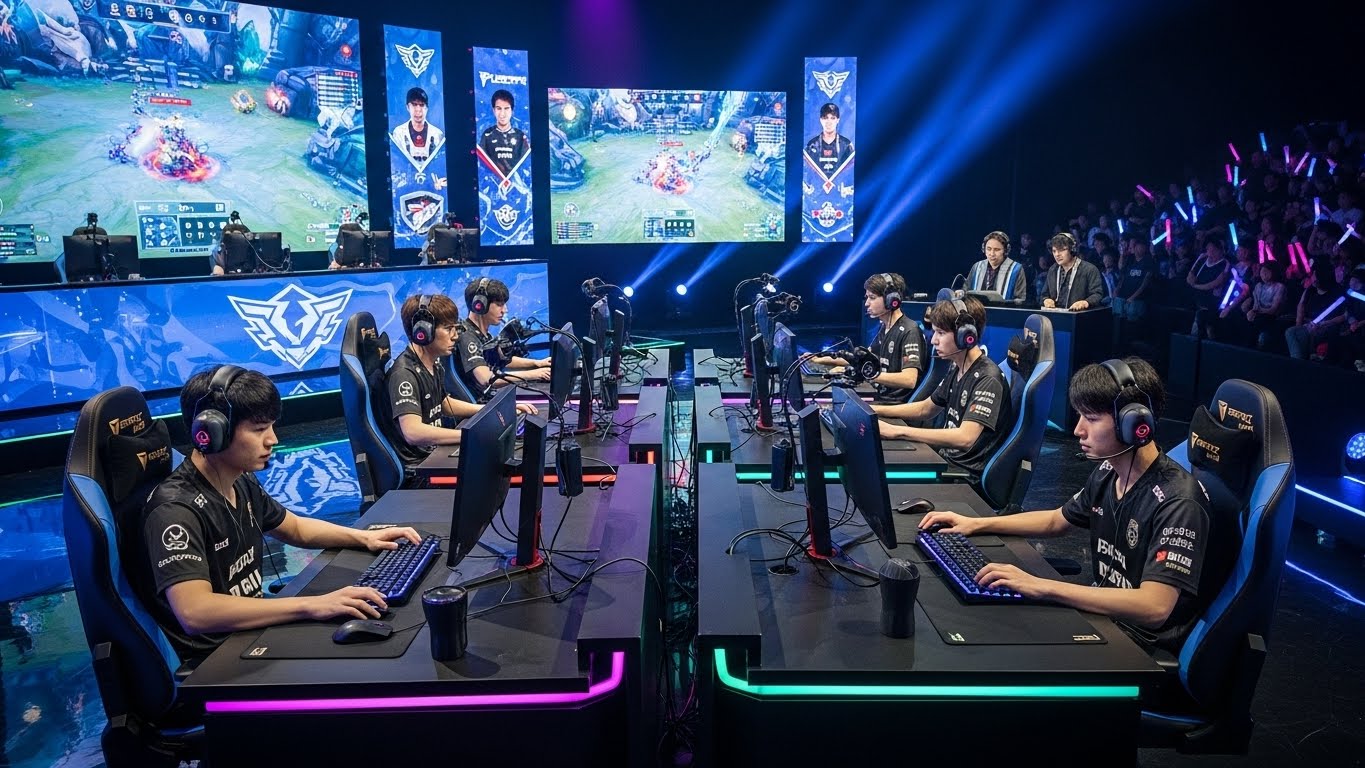
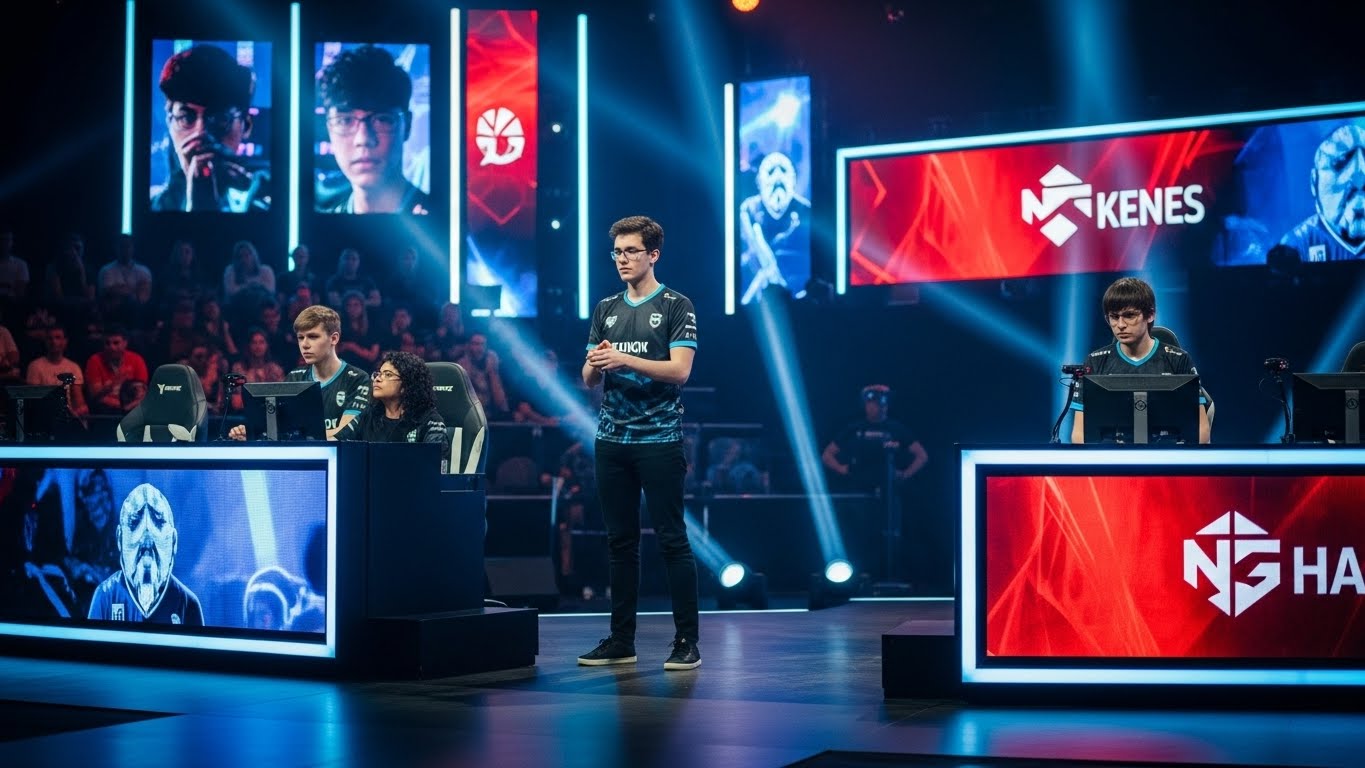
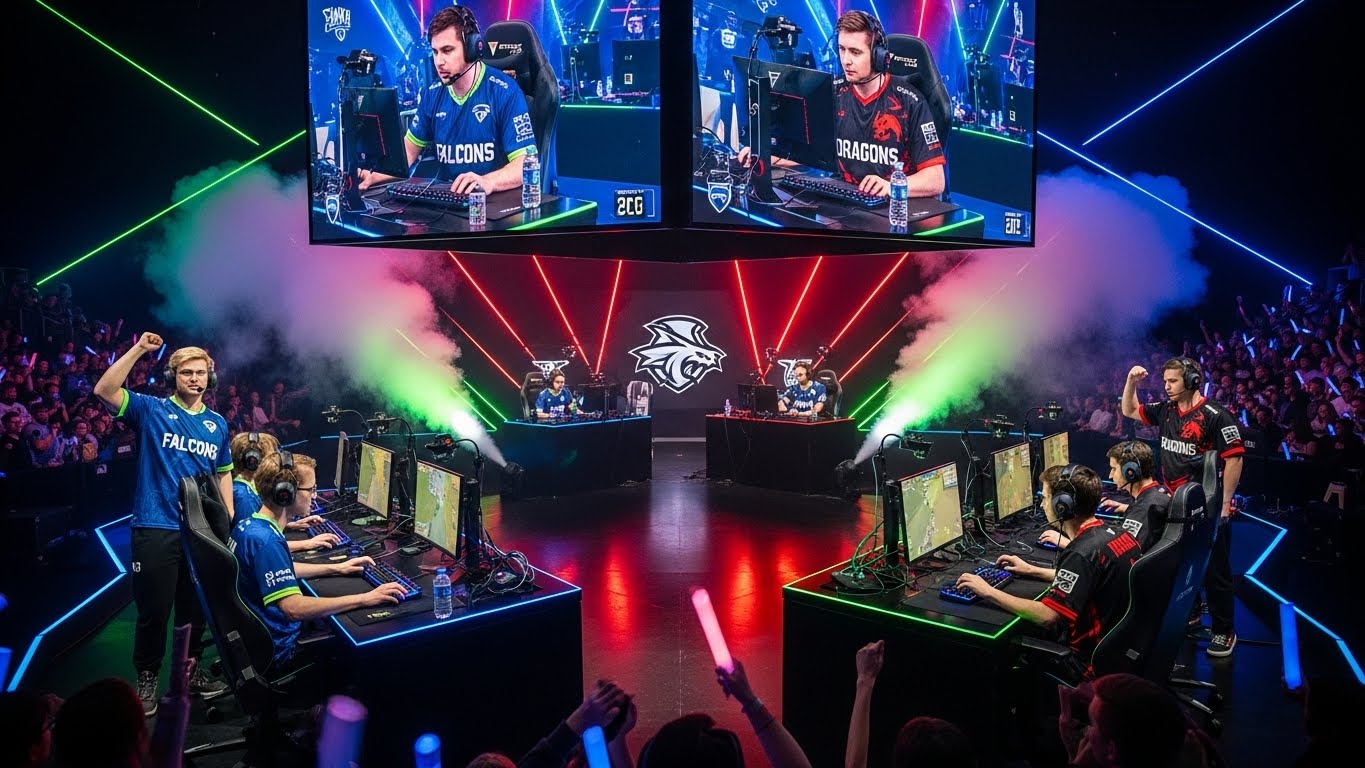
Professional gaming has become a serious career option for many young players around the world. Esports athletes dedicate countless hours to practice, strategize, and perfect their skills. Teams hire coaches, analysts, and managers to ensure peak performance. Just like traditional sports players, professional gamers train their minds and bodies to handle the pressure of competition. Their commitment and discipline have helped esports gain the respect it deserves as a legitimate sport.
The Role of Technology in Esports
Technology is the backbone of esports. High-performance computers, advanced gaming consoles, and fast internet connections have made global competition possible. Live streaming platforms have allowed fans to follow their favorite players in real time. This interaction between players and audiences has turned esports into a community-driven experience, where fans feel directly connected to the action.
Esports and Global Influence
Esports has broken cultural and geographical barriers, uniting millions of people through a shared love of gaming. It is one of the few platforms where players from different countries compete on equal terms, promoting international friendship and cooperation. Many educational institutions have started offering scholarships for esports players, and governments in several countries are officially recognizing esports as a professional sport.
Economic Impact of Esports
The esports industry contributes significantly to the global economy. Sponsorships, advertisements, ticket sales, and merchandise generate billions of dollars every year. Major brands are partnering with esports teams, seeing the value of connecting with the massive global gaming audience. The growing demand for events and tournaments also creates jobs in areas like event management, broadcasting, marketing, and technology.
The Future of Esports
The future of esports looks brighter than ever. With advancements in virtual reality, artificial intelligence, and mobile gaming, new experiences will continue to reshape competitive gaming. As more schools and organizations support esports, it will become an even greater part of education and career development. The next generation of gamers will not only play for fun but also build successful futures within the esports industry.
Conclusion
Esports is more than a game; it is a revolution in entertainment and competition. It showcases human creativity, skill, and teamwork in the digital world. As technology continues to evolve, esports will keep growing, inspiring millions and proving that the spirit of competition knows no boundaries. This new era of digital competition is not just changing gaming—it is redefining what it means to be an athlete in the modern age.