arenatribe36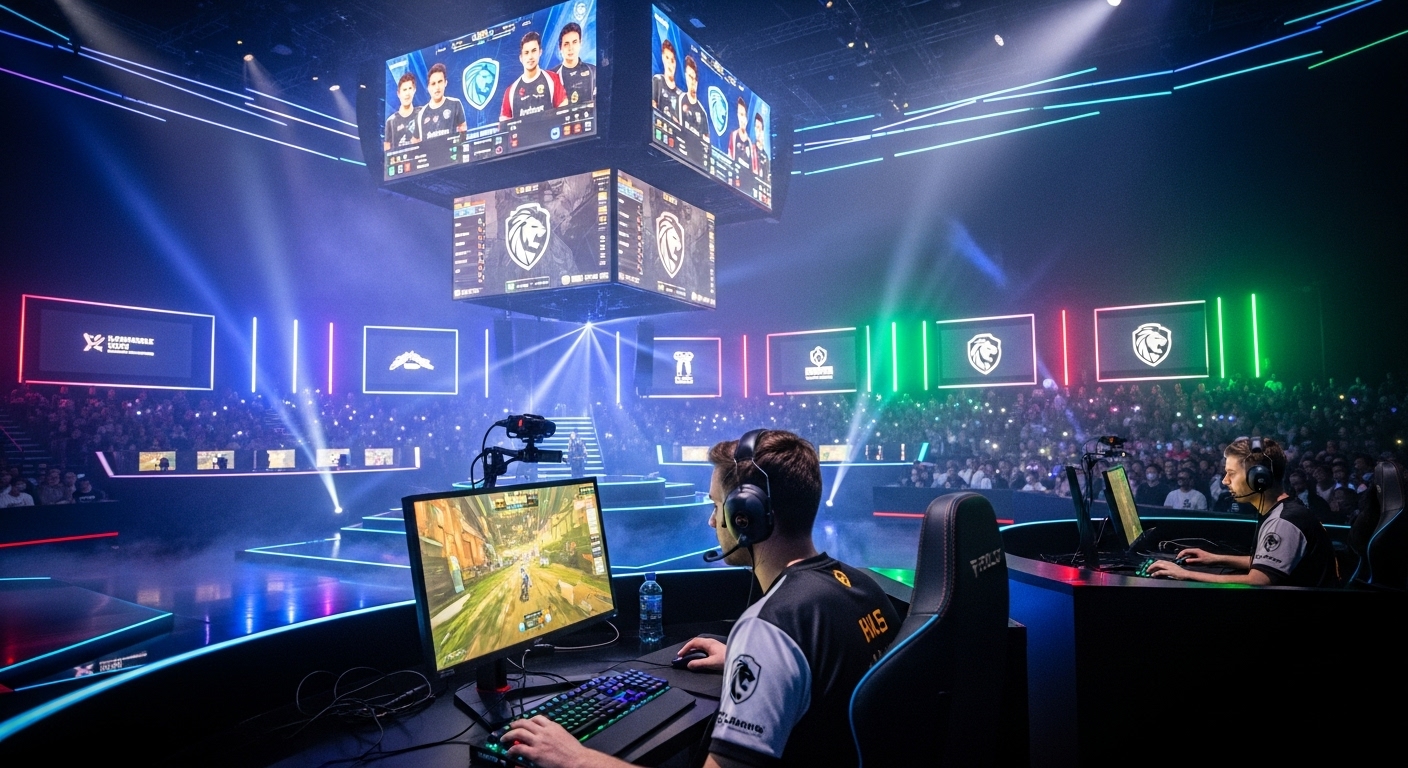
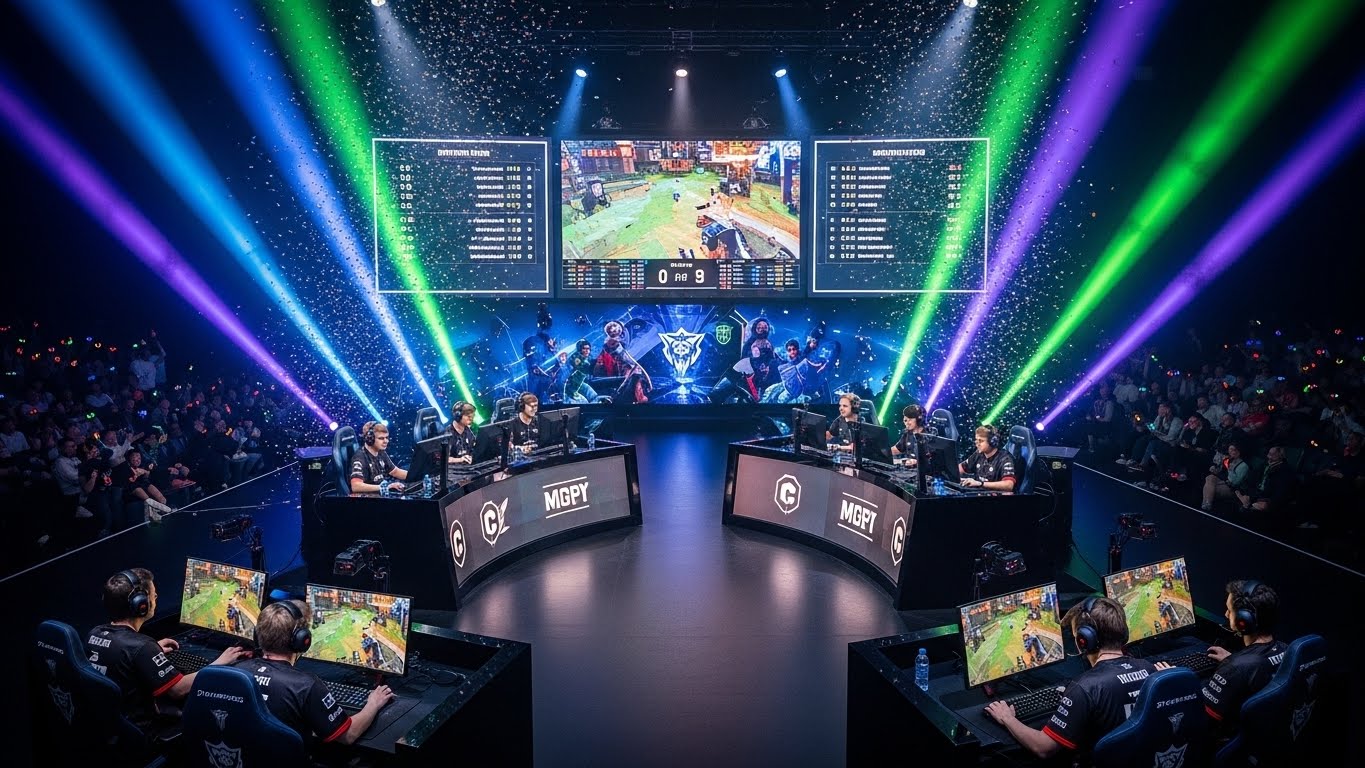
Esports, or competitive gaming, has transformed dramatically over the past few decades. What began as a niche hobby for dedicated gamers has now grown into a global phenomenon, attracting millions of players and viewers, generating billions of dollars, and influencing culture, technology, and entertainment. In this blog, we explore the evolution of esports, its impact on society, the structure of the industry, major games and tournaments, and the future potential of competitive gaming.
Early Beginnings of Esports
The roots of esports can be traced back to the late 1970s and early 1980s, when video games first became popular among young audiences. Early competitions were informal, often held at arcades, where players competed for high scores on games like Space Invaders and Pac-Man. The concept of organized competition grew with events like the 1980 Space Invaders Championship, which drew over 10,000 participants across the United States. These early competitions set the stage for a culture of competitive gaming that emphasized skill, practice, and social interaction.
During the 1990s, the rise of personal computers and local area networks (LANs) allowed multiplayer games to gain popularity. Titles like Doom and Quake introduced competitive first-person shooter gameplay, leading to the first serious LAN tournaments. These events were not only about winning but also about community, as players traveled to meet one another, forming the first esports communities.
The Rise of Online Competitive Gaming
The early 2000s marked a turning point with the advent of high-speed internet, which allowed players to compete online. Games like Counter-Strike and StarCraft became staples of online competitive gaming. StarCraft, in particular, played a crucial role in South Korea, where it became a national obsession. South Korea invested heavily in esports infrastructure, developing professional leagues, televised broadcasts, and sponsorships. This model would later influence esports around the world.
The growth of online gaming platforms allowed for wider participation, connecting players across continents. Tournaments could now reach international audiences, and communities began forming around specific games, laying the foundation for professional esports as we know it today.
Esports as a Professional Industry
By the late 2000s, esports had evolved into a professional industry with structured teams, sponsorship deals, and organized leagues. Players began to dedicate themselves full-time to training and competition. Major esports organizations, such as SK Gaming, Fnatic, and Team Liquid, emerged as powerhouses, recruiting top talent and building competitive rosters.
Revenue streams in esports diversified beyond prize money. Sponsorships from hardware manufacturers, game publishers, and lifestyle brands became critical. Streaming platforms like Twitch and YouTube Gaming allowed players and teams to monetize content while engaging directly with fans. This professionalization not only elevated the level of play but also solidified esports as a viable career path for talented individuals.
Major Esports Titles and Genres
Esports encompasses a wide range of games and genres, each with its own unique competitive structure and fanbase. Some of the most prominent genres include:
Multiplayer Online Battle Arenas (MOBAs)
Games like League of Legends and Dota 2 dominate the esports landscape in terms of viewership and prize money. These games are complex, requiring teamwork, strategy, and mechanical skill. Professional leagues, such as the League of Legends Championship Series (LCS) and The International for Dota 2, draw millions of viewers annually and offer multi-million-dollar prize pools.
First-Person Shooters (FPS)
FPS games like Counter-Strike: Global Offensive (CS:GO) and Valorant emphasize precision, reflexes, and tactical play. Competitive FPS tournaments attract both casual and professional audiences, often featuring intense rivalries between teams and countries. The community around these games is particularly active in online forums, streaming, and content creation.
Battle Royale Games
The rise of battle royale games like Fortnite and PUBG introduced a new style of competition, combining survival mechanics with large-scale multiplayer action. These games appeal to a broad demographic and often feature celebrity participation, attracting mainstream attention beyond traditional esports audiences.
Fighting Games
Fighting games such as Street Fighter, Tekken, and Super Smash Bros. have maintained a dedicated competitive scene for decades. The fighting game community is known for its grassroots approach, often organizing tournaments in arcades or small venues before events grow into international competitions.
Sports Simulations
Esports also includes virtual representations of traditional sports, such as FIFA and NBA 2K. These games attract fans of the real-world sports and create new opportunities for competitive play and digital fan engagement.
Tournaments and Leagues
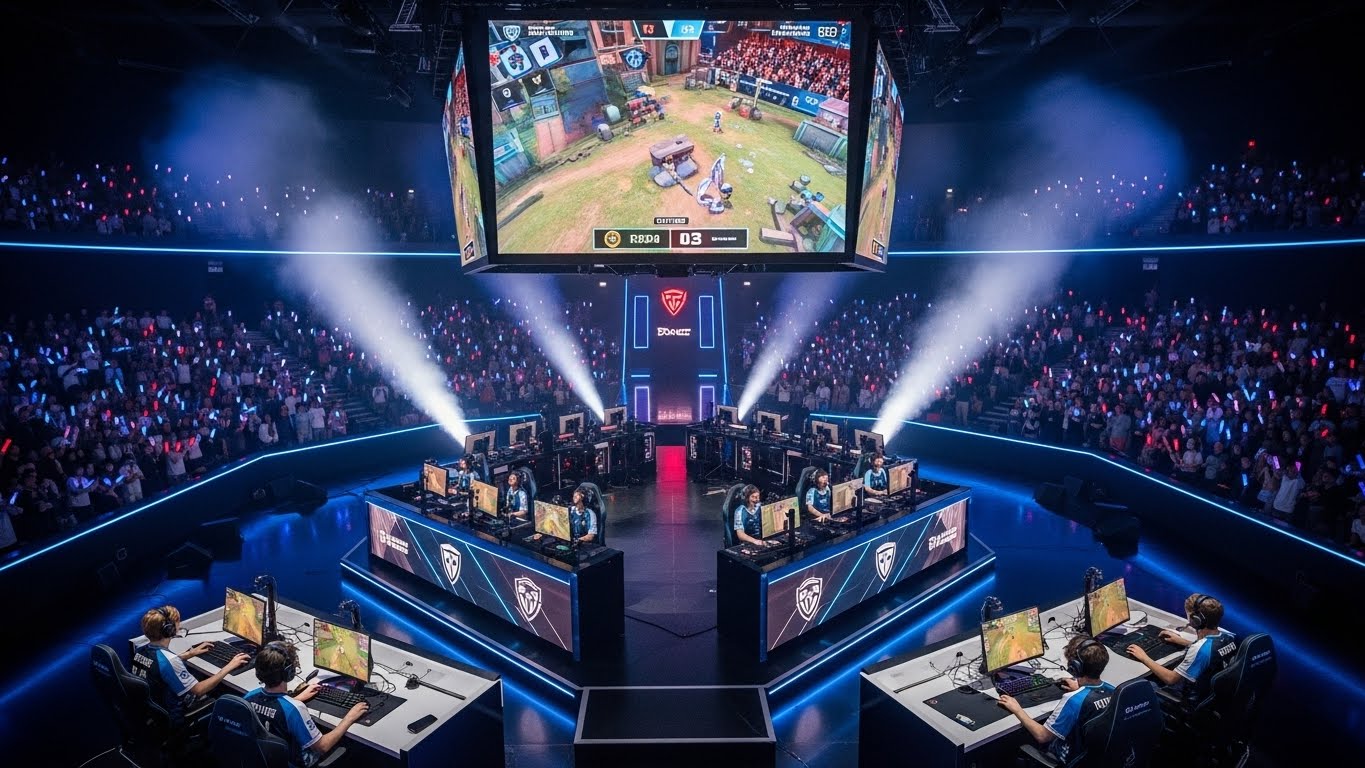
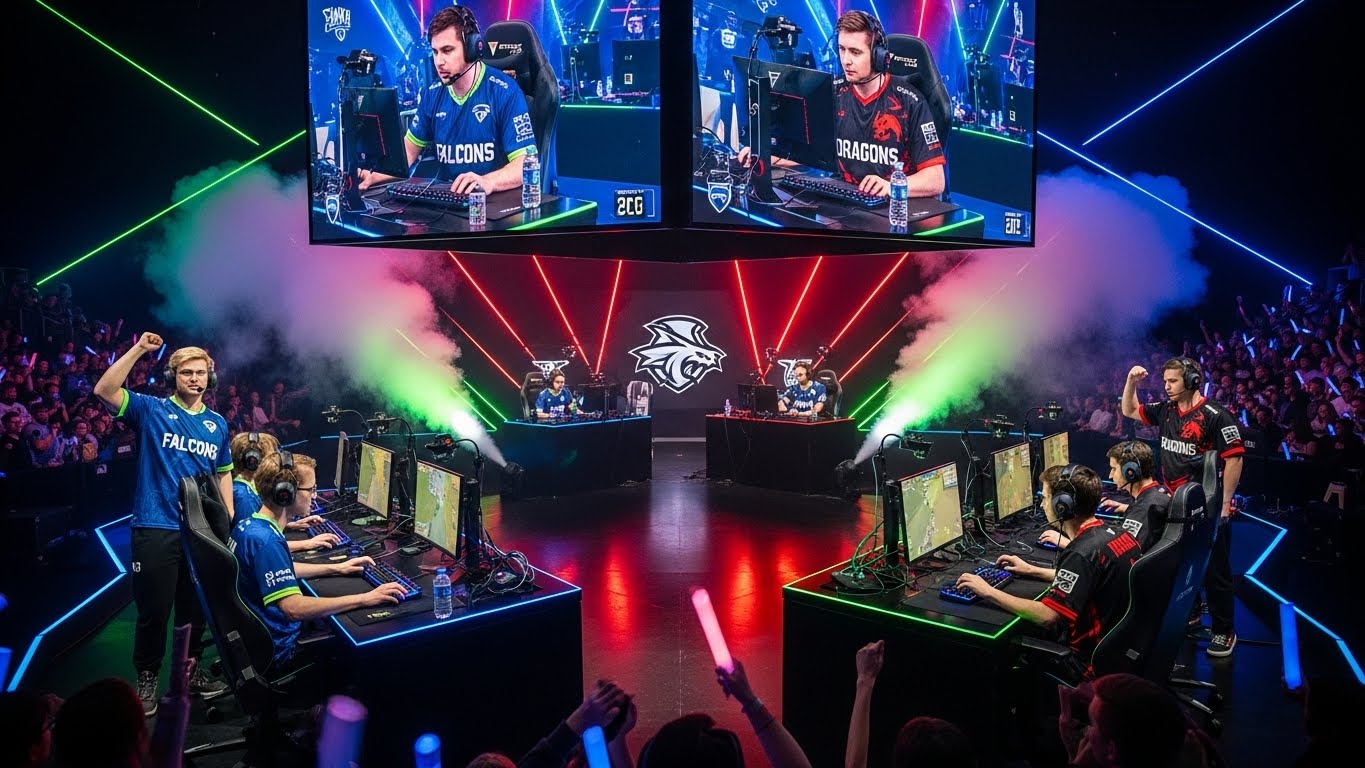
One of the defining features of esports is the scale and structure of its competitions. Unlike traditional sports, esports tournaments vary widely in format, prize money, and organization. Some of the most prestigious events include:
- The International (Dota 2): Known for its massive prize pool, often exceeding $40 million, funded largely through community contributions. This tournament sets the standard for high-stakes competitive gaming.
- League of Legends World Championship: Features a multi-stage format with regional qualifiers, group stages, and knockout rounds, attracting millions of viewers globally.
- CS:GO Majors: Sponsored by Valve, these tournaments are highly anticipated, offering substantial prizes and competitive prestige.
- Overwatch League and Call of Duty League: Function more like traditional sports leagues with franchises, seasons, and regular matches, further professionalizing esports infrastructure.
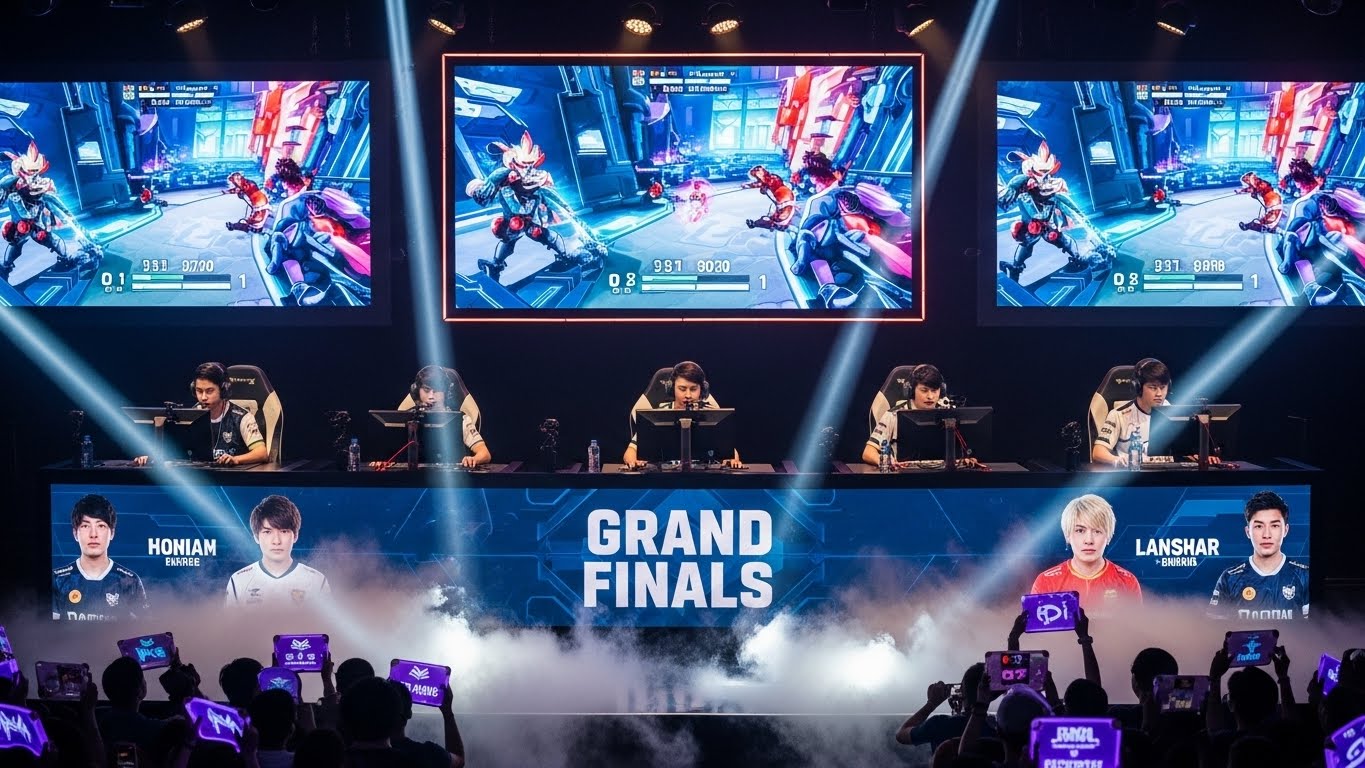
Tournaments are now broadcast globally via streaming platforms and television, providing fans with live commentary, analysis, and entertainment comparable to traditional sports broadcasts.
The Role of Streaming and Content Creation
Streaming has been a critical factor in esports’ explosive growth. Platforms like Twitch, YouTube Gaming, and Facebook Gaming allow players and organizations to reach millions of viewers in real-time. This has transformed esports from a spectator sport into a community-driven entertainment ecosystem. Fans can follow players, watch tutorials, and engage with live content, creating a sense of connection and loyalty that traditional sports cannot replicate.
Content creation has also become a major revenue source. Beyond competitive matches, players stream practice sessions, casual gameplay, and personal content, which strengthens their personal brand and expands their audience. Influencers in the esports space often become household names, bridging the gap between gaming and mainstream culture.
Impact of Esports on Society
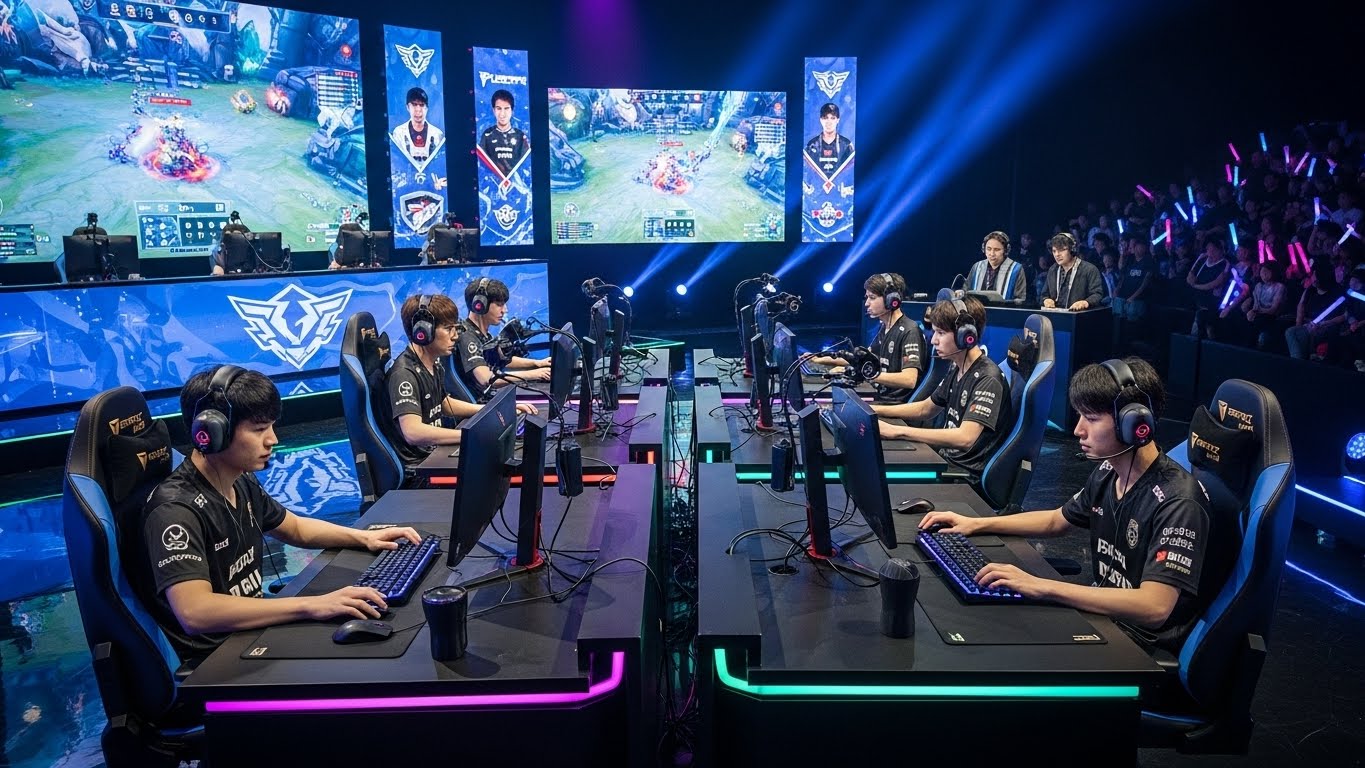
Esports has had a profound cultural and social impact. It has redefined what it means to be an athlete, challenging traditional notions that physicality is a prerequisite for competitive success. Professional gamers train rigorously, often following strict schedules, studying opponents, and analyzing gameplay to improve performance.
Esports also fosters inclusivity, providing opportunities for people from diverse backgrounds to compete at a high level. Gender representation and accessibility remain areas for growth, but initiatives to support female players and differently-abled competitors are gradually increasing. Moreover, esports has become a tool for education, with schools and universities offering scholarships and programs to nurture gaming talent.
Economic Significance of Esports
The economic impact of esports is staggering. Revenue is generated through multiple channels including tournament prize money, sponsorships, advertising, merchandise, and streaming subscriptions. Analysts predict that the global esports market could surpass $2 billion in the coming years, with continued growth driven by technological advancements and mainstream adoption.
Investments in esports infrastructure, including arenas, training facilities, and broadcast technology, are creating new job opportunities. Beyond players, careers in coaching, event management, marketing, content production, and game development are all thriving, establishing esports as a significant contributor to the digital economy.
Challenges in Esports
Despite its success, esports faces several challenges. Player burnout is a critical issue due to long hours, high stress, and constant competition. Maintaining mental and physical health is vital for longevity in the industry.
Another challenge is the lack of standardized regulation. While traditional sports have governing bodies, esports remains fragmented, with different games and organizations setting their own rules and standards. Issues such as cheating, match-fixing, and inconsistent player contracts require attention to ensure fairness and integrity.
Moreover, accessibility and inclusivity remain ongoing concerns. Efforts to bridge the gender gap, support players from developing regions, and make esports accessible to all are still in early stages.
The Future of Esports
Looking ahead, the future of esports is incredibly promising. Virtual reality (VR) and augmented reality (AR) could revolutionize gameplay and spectator experiences, creating immersive competitions and interactive viewing. Advances in AI and analytics will enhance training and strategy development, allowing teams to push the boundaries of competitive performance.
Esports is also poised to integrate further with mainstream entertainment. Crossovers with music, film, and celebrity participation are becoming more common, expanding the audience and cultural relevance of competitive gaming. Educational programs and esports scholarships will continue to legitimize gaming as a career path, attracting new talent and institutional support.
Conclusion
Esports has come a long way from humble beginnings in arcades to becoming a global cultural and economic force. It combines the excitement of competition with the creativity of digital technology, creating a unique form of entertainment that appeals to millions worldwide. As the industry continues to grow, esports will influence culture, technology, and society in ways we are only beginning to imagine. Whether you are a player, fan, or entrepreneur, esports offers a dynamic landscape filled with opportunities, innovation, and excitement. The journey of esports is far from over—it is evolving, expanding, and redefining the very notion of competitive play.