arenatribe36
Introduction: Esports as a Global Phenomenon
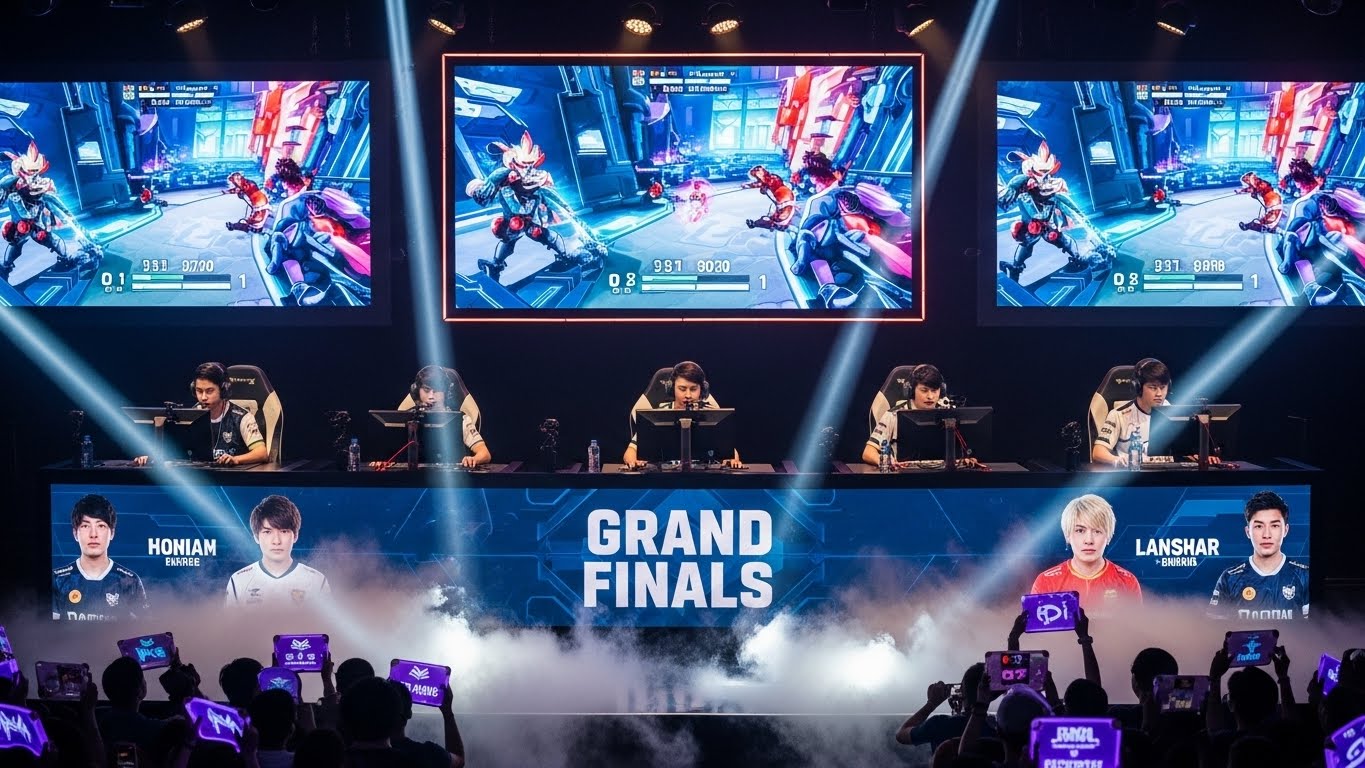
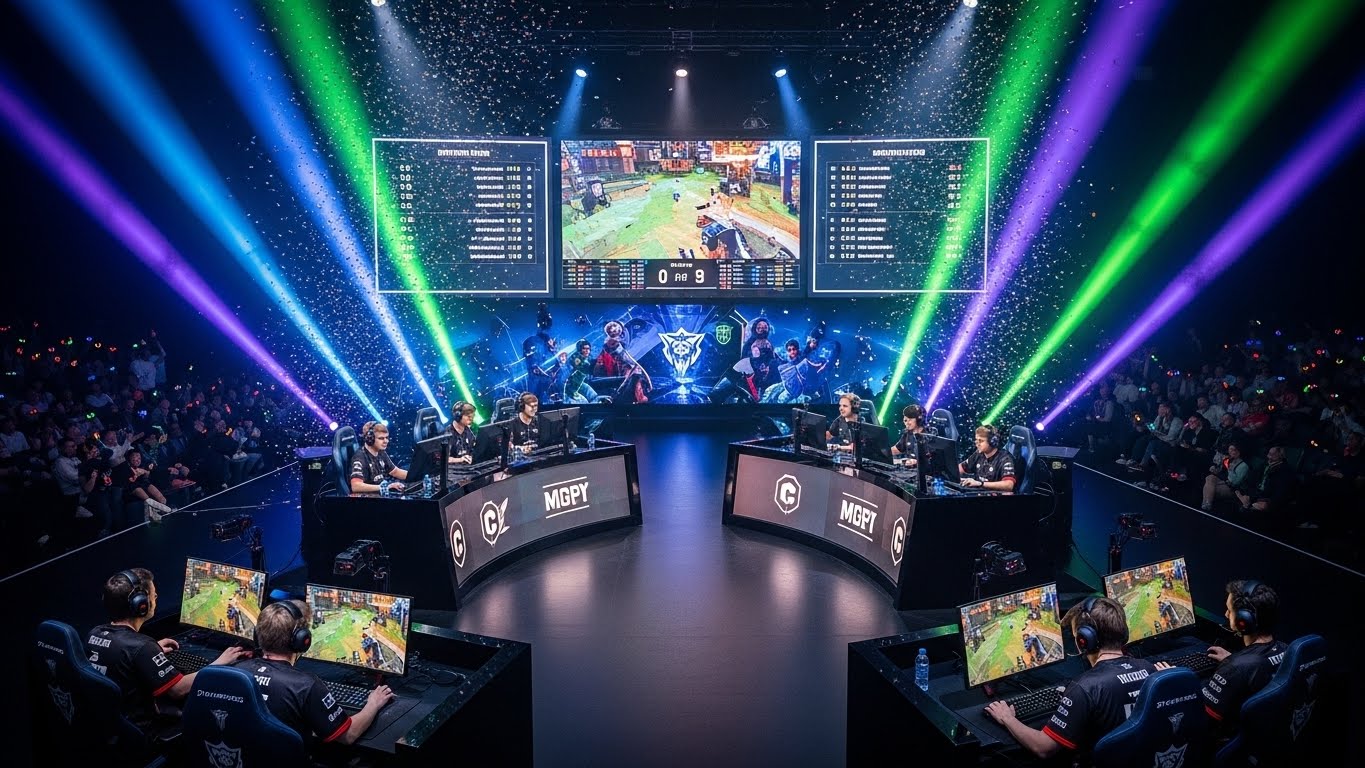
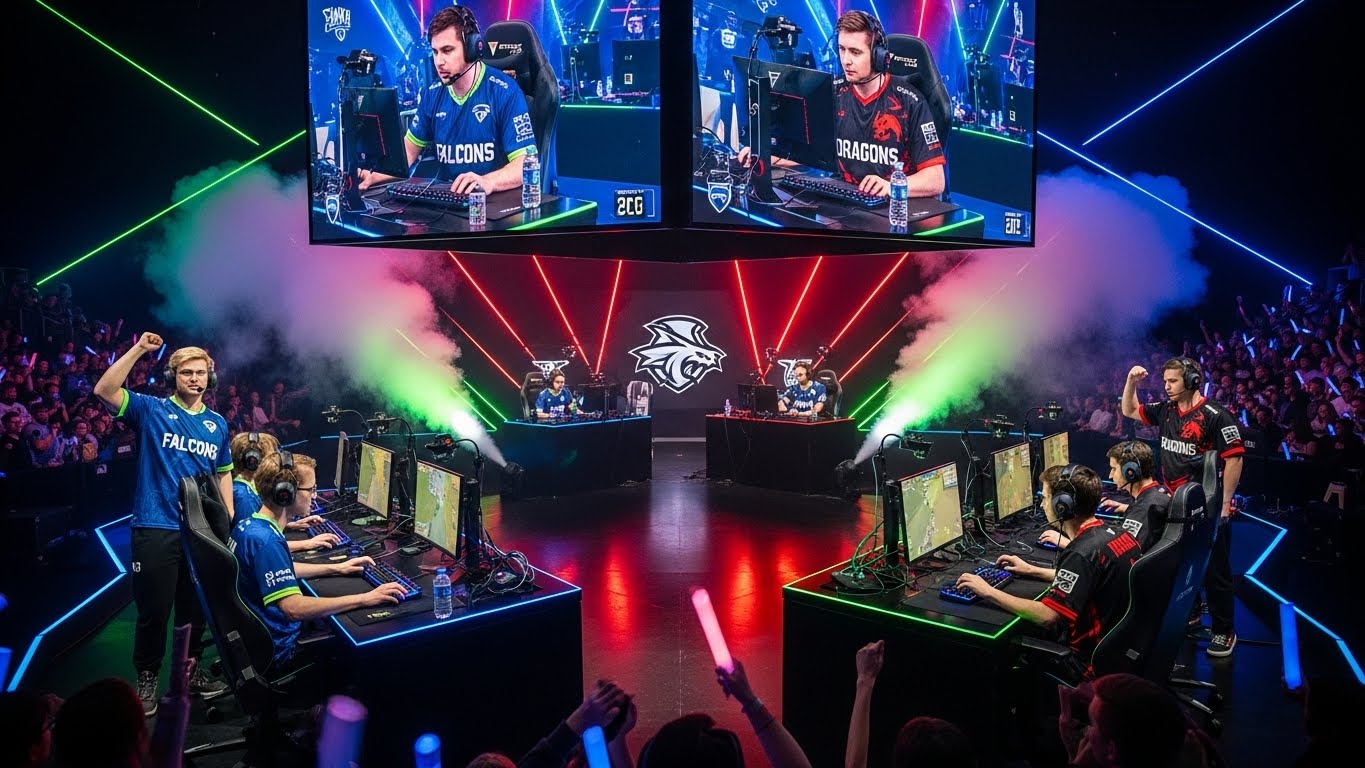
Esports, short for electronic sports, has emerged as one of the fastest-growing industries in entertainment. Once considered a niche hobby, competitive gaming has evolved into a global spectacle, with millions of fans, professional players, and international tournaments. Unlike casual gaming, esports emphasizes skill, strategy, teamwork, and consistency. Players dedicate countless hours to practice, and teams function like professional sports organizations with coaching staff, analysts, and management.
The rise of esports reflects broader cultural, technological, and social trends. High-speed internet, advanced gaming hardware, and streaming platforms have allowed competitive gaming to reach audiences worldwide in real time. Fans engage deeply, following favorite teams, discussing strategies, and participating in online communities. This blog explores the history, growth, cultural impact, professional ecosystem, and future of esports, highlighting why it has become a defining force in modern entertainment.
The Origins of Competitive Gaming
The roots of esports can be traced back to the 1970s and 1980s, when arcade competitions and early video games like Space Invaders, Pac-Man, and Donkey Kong attracted players eager to showcase their skills. High-score contests and local tournaments allowed players to earn recognition and fostered a sense of community among gaming enthusiasts.
In the 1990s, competitive gaming became more structured with the advent of multiplayer PC games. Titles such as Doom, Quake, and StarCraft offered both individual skill challenges and team-based strategic play. These games laid the groundwork for the first major tournaments, often hosted in internet cafes or at local gaming conventions.
The introduction of broadband internet in the late 1990s transformed esports by enabling online multiplayer competitions. This technological shift allowed players to connect globally, expanding the reach of competitive gaming and establishing the foundation for modern professional esports leagues.
The Professionalization of Esports
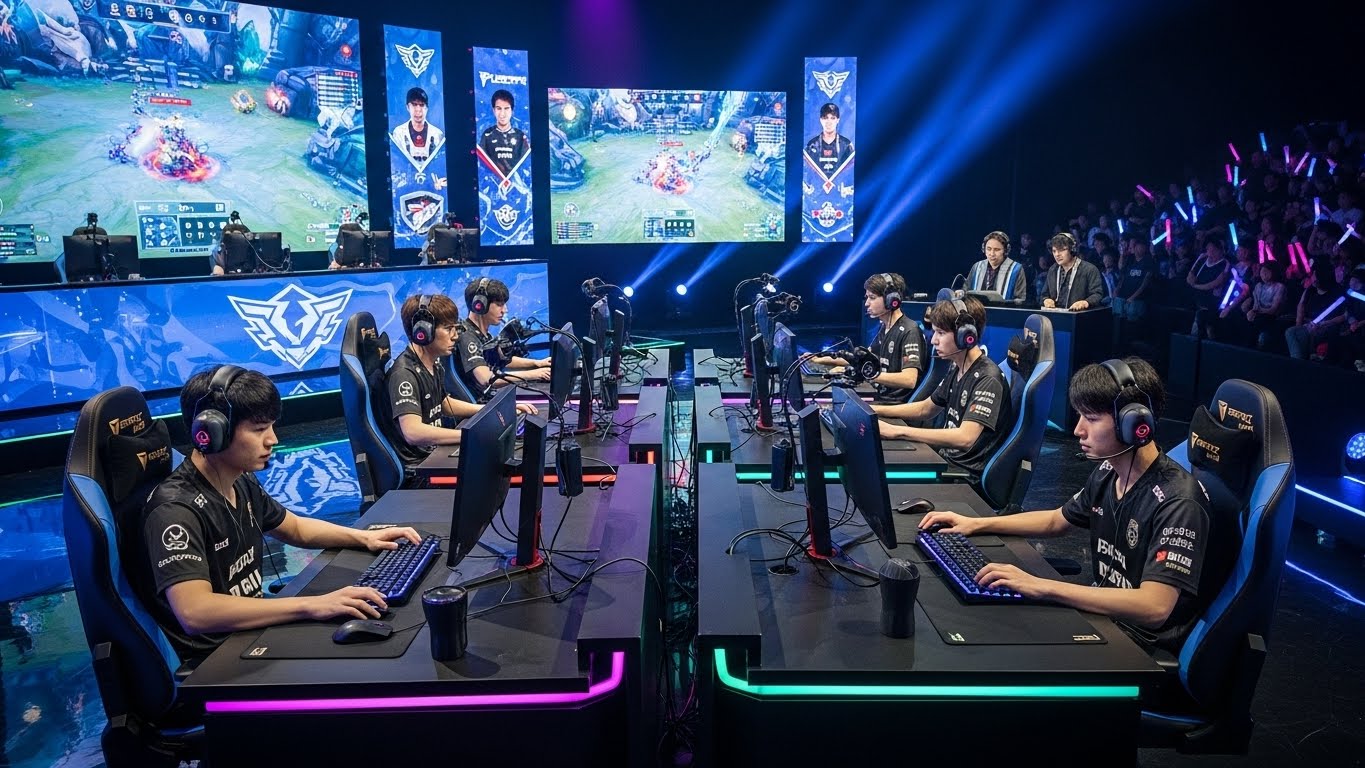
Today, esports is a fully professional industry. Teams operate similarly to traditional sports franchises, complete with coaches, analysts, nutritionists, and support staff. Players adhere to rigorous training schedules, practicing technical skills, team coordination, and strategic planning for several hours a day.
Professional esports encompasses multiple games, each with its own leagues, tournaments, and ranking systems. League of Legends features regional leagues like the LCS and LEC, culminating in the World Championship, one of the most-watched esports events globally. Dota 2 hosts The International, which boasts one of the largest prize pools in esports history. Counter-Strike: Global Offensive, Fortnite, and Call of Duty also have highly competitive international circuits.
Sponsorship deals, streaming revenue, and tournament winnings provide substantial income for top-tier players. This professionalization has legitimized esports as a career and has elevated it into mainstream recognition alongside traditional sports.
Streaming and Digital Platforms: Expanding the Audience
The rise of streaming platforms such as Twitch, YouTube Gaming, and Facebook Gaming has been instrumental in esports’ growth. Live broadcasts allow fans to watch tournaments, follow their favorite players, and interact in real time through chat and social media.
Streaming also enables amateur players to gain recognition and develop personal brands. Content creators provide tutorials, commentary, and entertainment, further enriching the esports ecosystem. The participatory nature of streaming transforms spectators into active members of the community, fostering loyalty and engagement.
By combining live broadcasts with social interaction, digital platforms have created an accessible, global entertainment experience. Fans can follow competitions anywhere, engage with players, and even influence content, transforming esports into a highly interactive spectacle.
Major Esports Titles and Their Competitive Scenes
Several games dominate the esports landscape, each with unique competitive structures, fan cultures, and professional opportunities.
- League of Legends: Combining strategy, teamwork, and mechanical skill, League of Legends is the cornerstone of modern esports. Its professional leagues and annual World Championship attract millions of viewers worldwide.
- Dota 2: Known for its depth and complexity, Dota 2 emphasizes teamwork, strategy, and adaptability. The International, its flagship tournament, is renowned for record-breaking prize pools and intense competition.
- Counter-Strike: Global Offensive: CS:GO focuses on precision, tactics, and coordination. Its tournaments are highly competitive, with teams from around the world vying for recognition and prize money.
- Fortnite and Call of Duty: These fast-paced games have transformed esports with high-energy gameplay, live events, and large-scale online competitions that appeal to younger audiences.
Each game fosters a distinct culture and professional ecosystem, contributing to the diversity and reach of esports.
Esports Competition Formats and Structures
Esports tournaments are designed to test skill, strategy, and teamwork. Common formats include single-elimination brackets, double-elimination tournaments, and league-based competitions. Teams accumulate points throughout a season to qualify for playoffs and championship events.
Prize pools in major tournaments often reach millions of dollars, attracting global attention. Funding comes from sponsorships, ticket sales, and media rights, creating financial incentives for both players and organizations.
Analytical tools play a crucial role in competitive play. Teams analyze performance data, develop strategies based on opponent behavior, and fine-tune individual and team skills. This emphasis on analytics mirrors trends in traditional professional sports and contributes to the high level of competition in esports.
The Cultural Impact of Esports
Esports has developed its own global culture. Fans form communities around games, teams, and players, sharing memes, fan art, and content across social media platforms. Live events, fan conventions, and online communities enhance this cultural engagement.
Cosplay and creative fan activities are integral to esports culture. Fans celebrate their favorite characters, create content, and participate in tournaments, fostering inclusivity and engagement. The community-driven nature of esports ensures a continuous influx of new players and audiences, sustaining the industry’s growth.
Esports also bridges generations and geographies. Fans from different countries can support the same team, participate in online discussions, and share experiences, creating a sense of global connectivity.
Comparisons with Traditional Sports
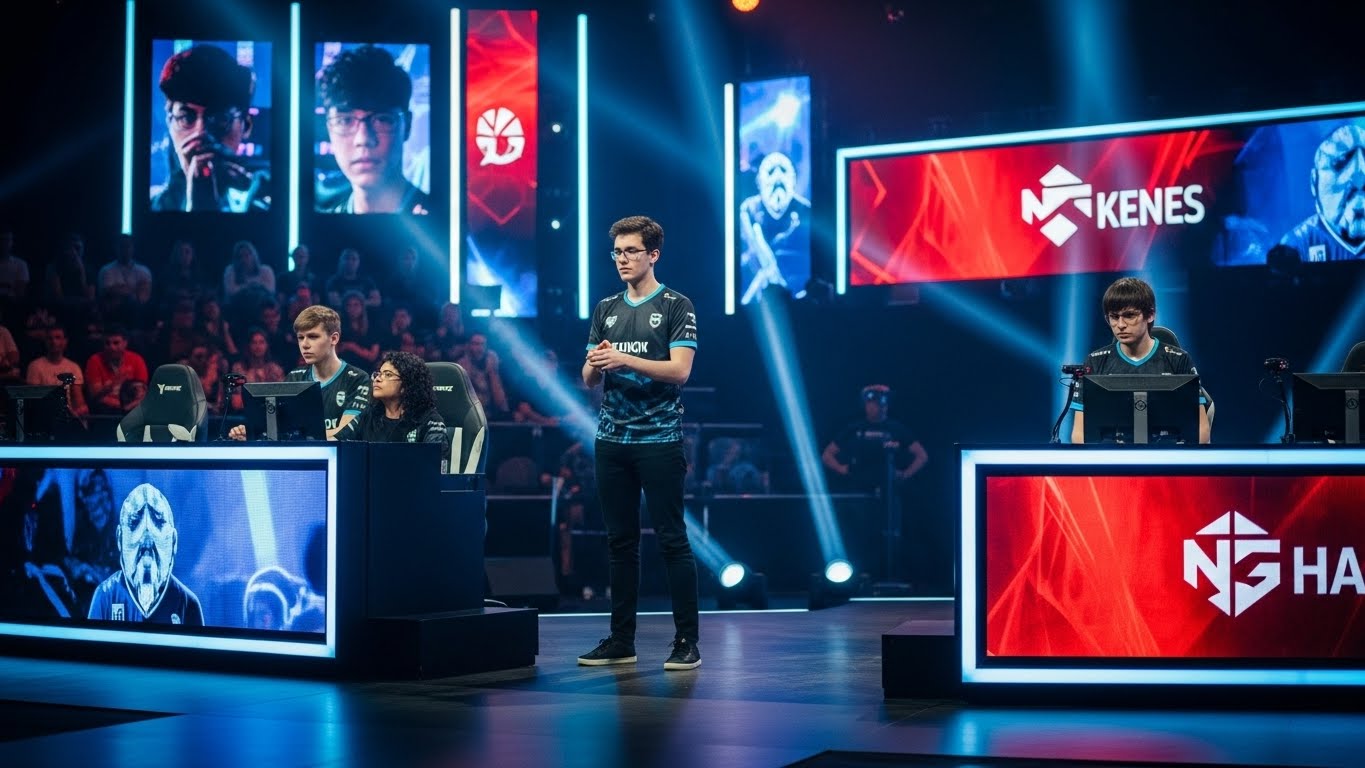
Esports shares many characteristics with traditional sports, including teamwork, strategy, skill mastery, and fan engagement. Professional players follow structured training regimens, adhere to league rules, and compete in high-stakes tournaments.
Differences include accessibility and medium. Esports is digital, allowing players to compete from virtually anywhere, removing physical barriers. The mental and reflexive demands of gaming replace physical exertion, and spectators often interact with the event through digital platforms, enhancing the participatory experience.
Esports has also influenced traditional sports culture, with collaborations, cross-promotions, and shared strategies in analytics, marketing, and fan engagement.
Economic Significance of Esports
Esports has become a multi-billion-dollar industry. Revenue streams include sponsorships, advertising, streaming partnerships, merchandise, and ticket sales. Major tournaments generate substantial economic activity, attracting international brands and investors.
The industry also drives technological innovation. Gaming hardware, analytics software, and streaming infrastructure continue to improve to meet the demands of professional competition. Career opportunities extend beyond players to include event management, content creation, coaching, analysis, and marketing.
Esports demonstrates how digital entertainment can be both a cultural phenomenon and an economic powerhouse, rivaling traditional sports in scale and profitability.
Challenges Facing the Esports Industry
Despite its rapid growth, esports faces several challenges. Player burnout and mental health issues are significant concerns due to rigorous schedules, travel demands, and competitive pressure. Organizations are beginning to implement wellness programs, but more systemic support is needed.
Diversity and inclusivity remain critical issues. Female and minority players are underrepresented, and the industry continues to work toward equitable opportunities. Cheating, match-fixing, and ethical concerns also require robust governance.
Sustaining growth demands continuous innovation in technology, audience engagement, and content creation, while balancing the well-being of players and community integrity.
The Future of Esports
The future of esports is both promising and dynamic. Emerging technologies like virtual reality and augmented reality could redefine gameplay, creating immersive experiences that bring players and fans closer together. Artificial intelligence may assist in coaching, strategy development, and performance analytics.
Universities increasingly recognize esports as a legitimate field of study, offering scholarships and academic programs. Global expansion continues as new regions adopt competitive gaming, and mainstream entertainment collaborations integrate esports with music, film, and merchandise.
Esports is evolving into a holistic ecosystem where players, fans, creators, and brands interact in real time. Its growth will continue to redefine entertainment, competition, and community in the digital age.
Conclusion: Esports as a Cultural and Professional Force
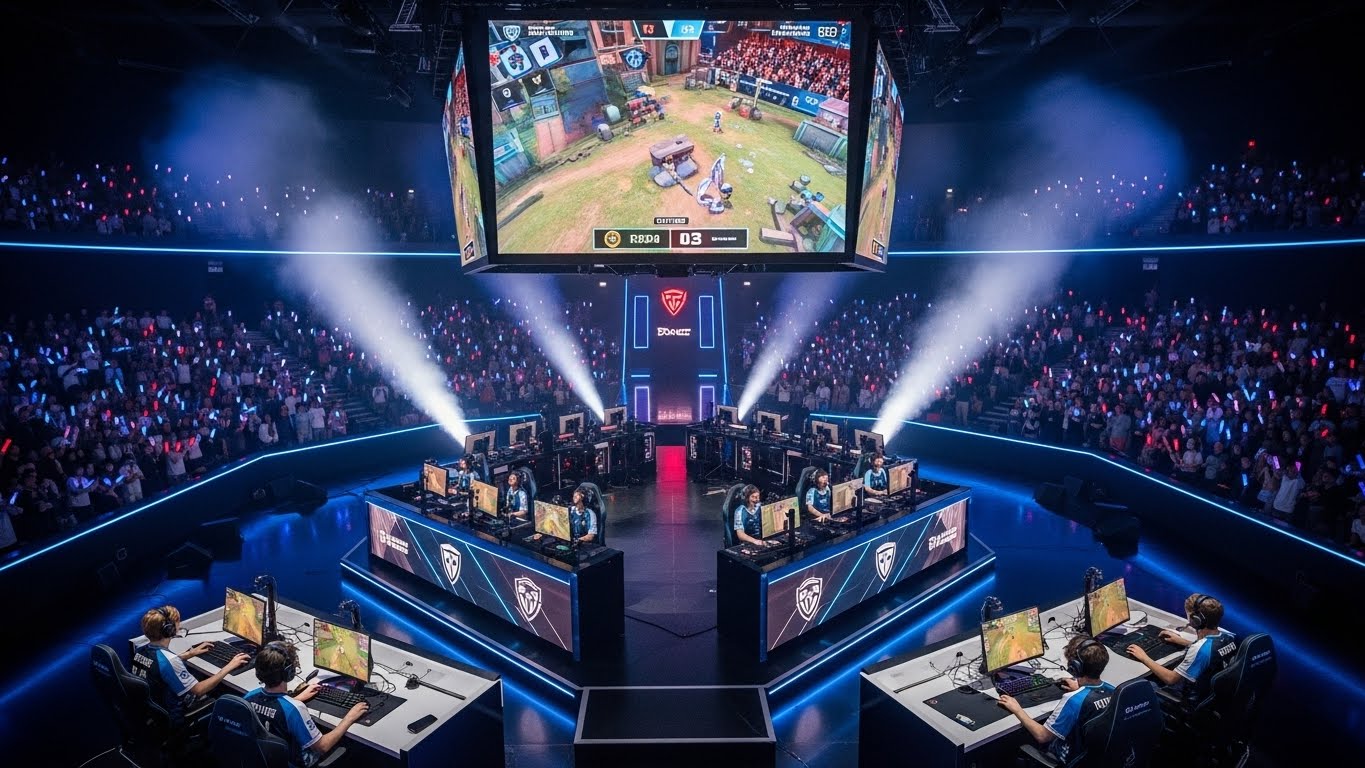
Esports has transformed the entertainment landscape, merging competition, creativity, and community into a global phenomenon. From small arcade tournaments to international stadium events, competitive gaming has become a legitimate professional industry with massive cultural impact.
Esports engages players, fans, and creators in unique and participatory ways, offering both entertainment and opportunity. It has demonstrated that video gaming is more than a pastime—it is a form of sport, art, and culture.
As technology advances and audiences expand, esports will continue to shape the future of entertainment. It embodies the convergence of skill, innovation, and global connectivity, offering limitless possibilities for players and fans alike. Esports is not merely the future of competitive gaming; it is a defining feature of modern entertainment and a testament to the potential of digital culture.