arenatribe36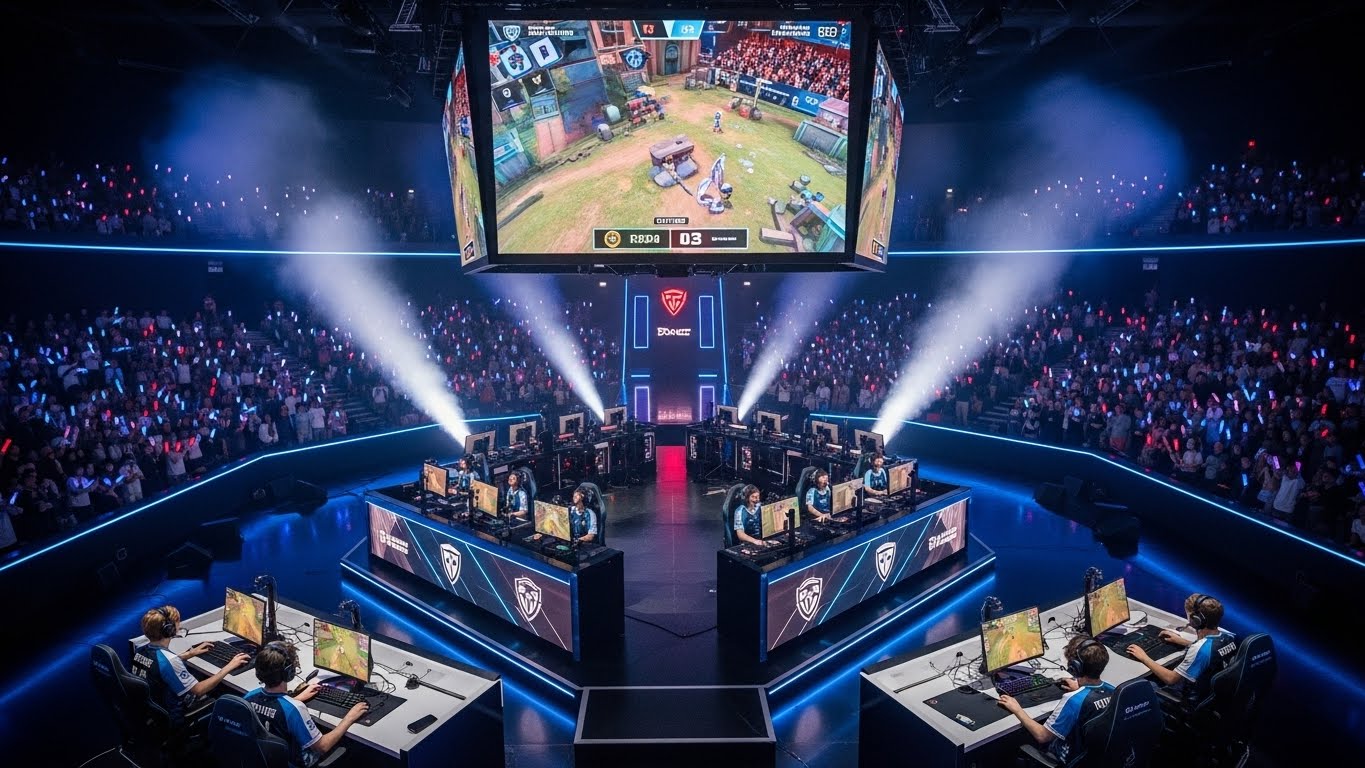
Esports has evolved far beyond the realm of casual gaming, transforming into a global industry that rivals traditional sports in viewership, revenue, and cultural influence. What was once considered a niche hobby for enthusiasts is now a professional arena attracting millions of viewers, global sponsors, and top-tier athletes who dedicate their lives to mastering digital competition. The rise of esports reflects the integration of technology, entertainment, and human ambition, offering both players and fans experiences that go far beyond the screen. This blog explores the origins of esports, its impact on individuals and society, the professional ecosystem, and its promising future.
Understanding Esports
Esports, short for electronic sports, refers to organized, competitive video gaming where individuals or teams compete in structured tournaments. Unlike casual gaming, esports requires exceptional skill, strategic thinking, and rigorous preparation. Professional players dedicate hours every day to mastering mechanics, analyzing opponents, and improving teamwork.
The competitive nature of esports makes it unique. Matches demand quick reflexes, analytical thinking, and adaptability under pressure. Games may differ widely in genre—first-person shooters, real-time strategy, multiplayer online battle arenas, or sports simulations—but the core elements of competition, strategy, and skill remain constant. Esports blurs the lines between digital entertainment and athletic discipline, offering a modern form of competitive expression.
Early History of Competitive Gaming
The origins of esports trace back to the 1970s and 1980s with arcade competitions and high-score challenges. Players would compete for top scores on games like Space Invaders and Pac-Man, creating the first informal gaming competitions. These local contests planted the seed for the idea that gaming could be competitive rather than purely recreational.
The 1990s marked a turning point with the advent of online multiplayer games. Titles such as Quake, StarCraft, and Counter-Strike allowed players to compete across regions in real time, creating the first global gaming communities. Early tournaments attracted media attention and prize money, setting the foundation for professional esports leagues and organized competitions that we see today.
Popular Esports Game Genres
Esports encompasses a wide variety of game genres, each requiring specific skills and strategies. Multiplayer Online Battle Arena (MOBA) games emphasize teamwork, map control, and long-term strategic planning. Titles like League of Legends and Dota 2 demand coordination between multiple players, making communication and adaptability essential.
First-Person Shooter (FPS) games, such as Counter-Strike: Global Offensive and Call of Duty, focus on precision, reflexes, and tactical decision-making. Real-Time Strategy (RTS) games like StarCraft II challenge players to manage resources, make strategic moves, and adapt to dynamic situations in real time. Sports simulation games replicate real-world athletic competition, while battle royale games test survival instincts, quick thinking, and situational awareness. This diversity allows esports to cater to a broad audience and nurture players with varying skill sets.
The Discipline of Professional Players
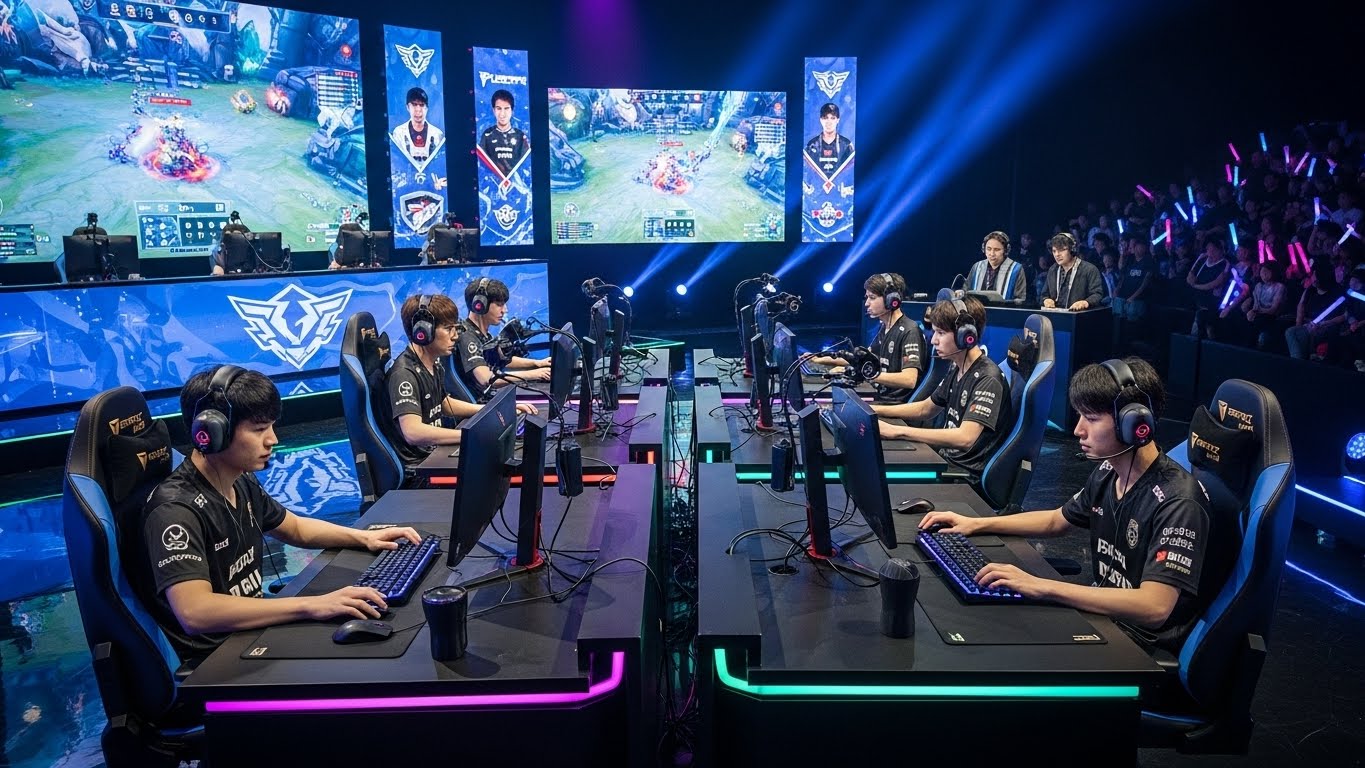
Becoming a professional esports athlete is far from casual. Players follow rigorous training schedules, often practicing six to ten hours a day. Training involves improving technical skills, reviewing recorded matches, devising strategies, and coordinating with teammates.
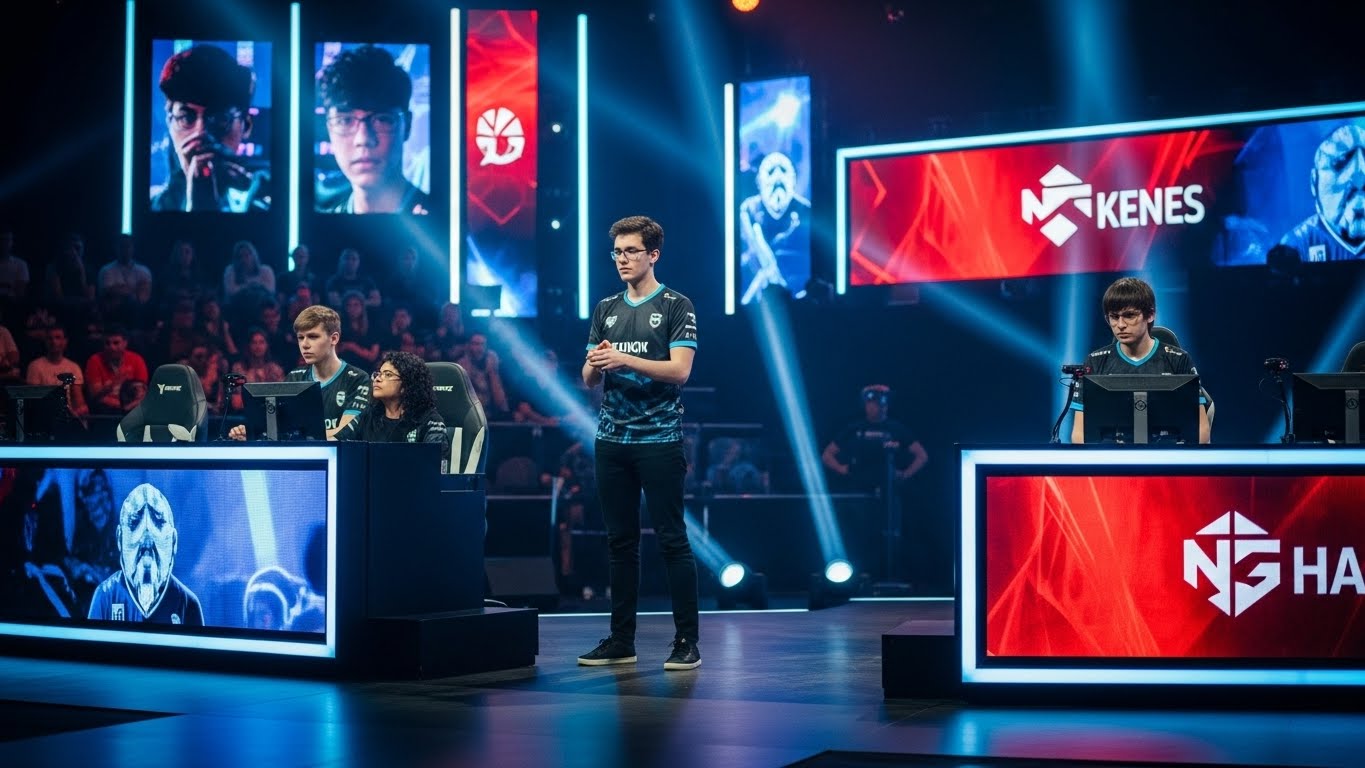
Mental resilience is as important as mechanical skill. Players must make split-second decisions under intense pressure, remain composed after mistakes, and maintain focus during high-stakes competitions. Many teams employ coaches, analysts, and mental performance specialists to ensure players are physically and psychologically prepared.
Physical and Mental Health in Esports
Though esports is primarily digital, physical health plays a vital role in performance. Long hours in front of screens can lead to eye strain, repetitive strain injuries, and posture-related issues. Professional players often incorporate fitness routines, stretching, and ergonomic setups to prevent injuries and improve overall well-being.
Mental health is equally important. The pressures of high-level competition, public attention, and continuous training can lead to stress, anxiety, and burnout. Maintaining balance between practice, rest, and personal life is critical for longevity in esports. Increasingly, organizations provide support systems to promote both mental and physical health among players.
Community and Social Impact
Esports is not just about competition; it is also about community. Fans gather to watch tournaments, discuss strategies, and support their favorite teams. Online platforms allow players and viewers to interact, creating communities that span cultures and continents.
Team-based games foster communication, cooperation, and leadership skills. Players learn to navigate conflict, strategize effectively, and collaborate toward a common goal. For many, esports communities provide a sense of belonging, mentorship, and social interaction that extends beyond the game.
Economic Growth and Professional Opportunities
The esports industry has experienced explosive growth in recent years. Revenue streams include tournament prize pools, sponsorships, advertising, merchandise, and media rights. Professional teams operate much like traditional sports organizations, employing players, coaches, analysts, content creators, and administrative staff.
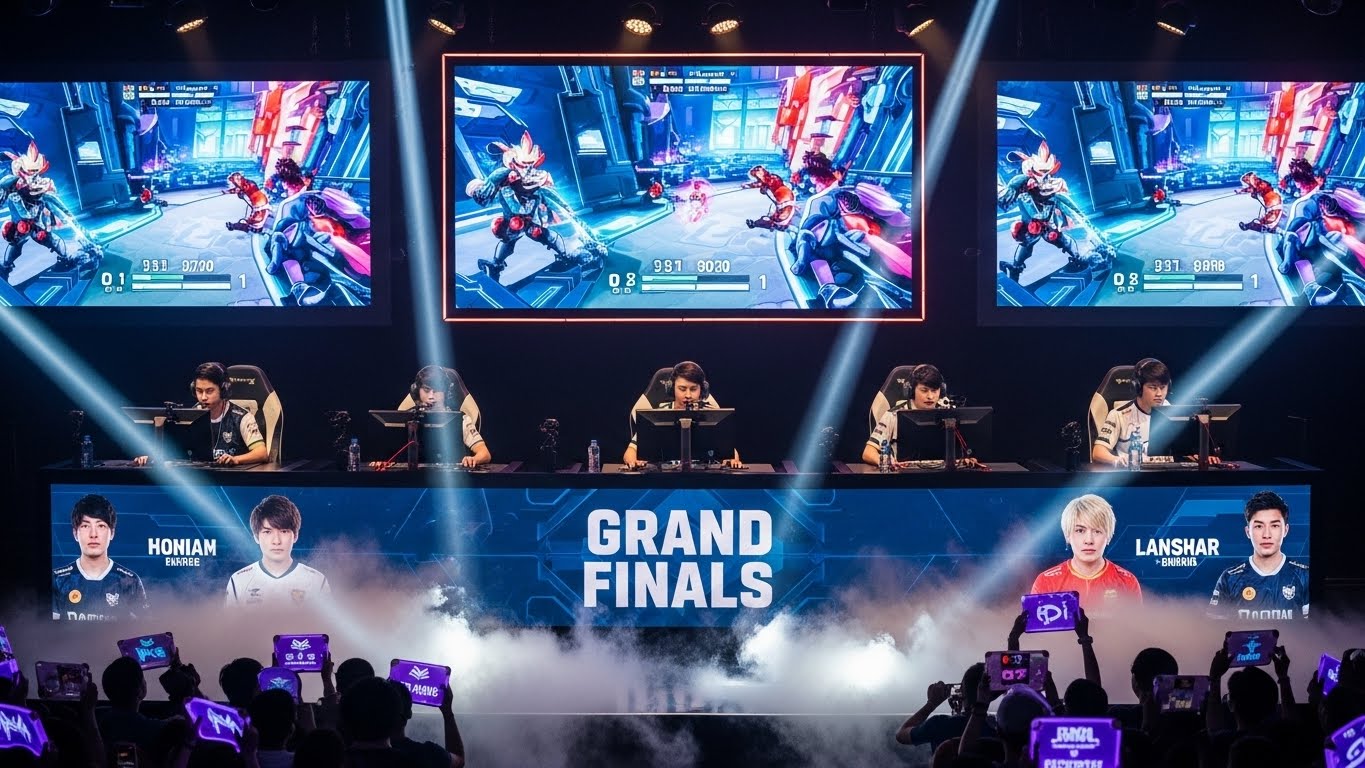
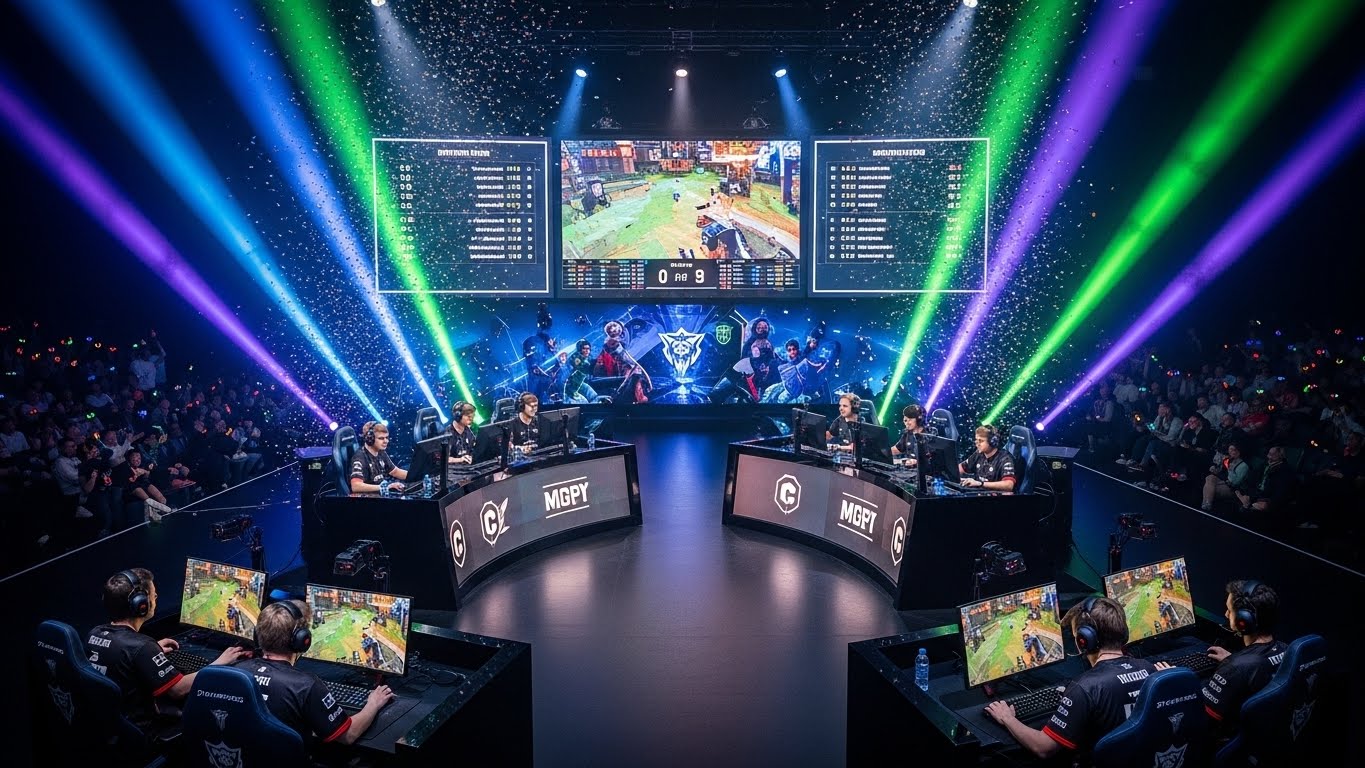
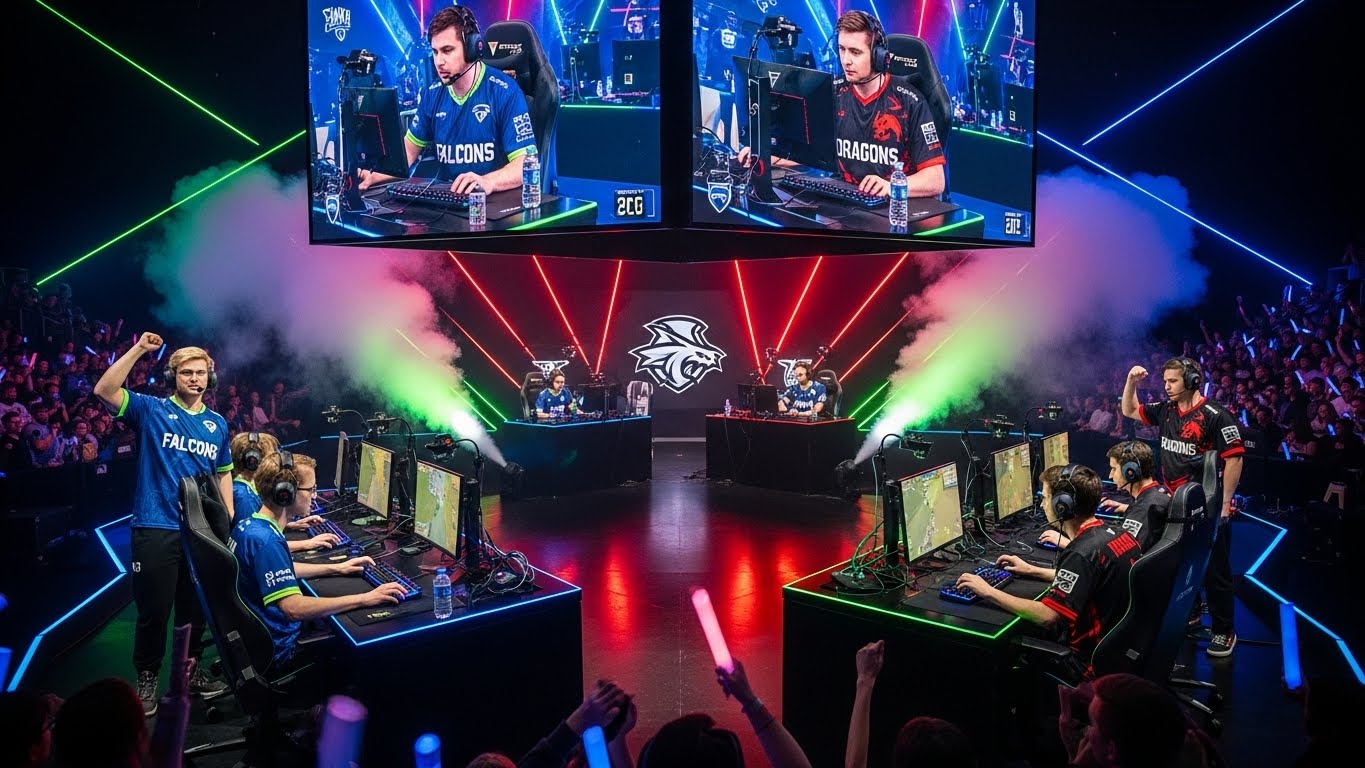
Major tournaments fill arenas and attract millions of online viewers. Brands and corporations invest heavily in sponsorships, seeing esports as a gateway to a younger, tech-savvy demographic. Beyond competitive play, esports has created jobs in broadcasting, game development, event management, content creation, and analytics, demonstrating its broad economic influence.
Education and Career Pathways
Esports has become a legitimate educational and career pathway. Many universities now offer esports programs, scholarships, and specialized courses in areas such as game design, marketing, and team management. These programs combine academic study with practical experience, preparing students for careers both within and beyond competitive play.
Careers in esports extend far beyond being a professional player. Analysts, coaches, event organizers, journalists, broadcasters, and content creators all play integral roles in the ecosystem. The skills developed through esports—strategy, teamwork, communication, and adaptability—are transferable across a wide range of professions.
Global Reach and Cultural Influence
Esports is a truly global phenomenon. Asia, particularly South Korea and China, has been at the forefront for decades, producing highly skilled players and well-structured leagues. North America and Europe have also embraced competitive gaming, with college programs, professional teams, and international tournaments expanding rapidly. Emerging regions in South America, the Middle East, and Southeast Asia are further diversifying the landscape.
Esports has a cultural impact beyond gaming itself. It influences fashion, language, digital media trends, and entertainment. Top players are recognized as public figures, inspiring younger generations and contributing to a global digital culture that transcends borders.
Challenges and the Future of Esports
Despite its success, esports faces challenges. Cheating, match-fixing, and unethical practices can threaten competitive integrity. Inclusivity and diversity remain important concerns, as historically underrepresented groups face barriers to participation. Addressing these issues is critical for sustainable growth.
The future of esports promises continued innovation. Advances in virtual reality, artificial intelligence, and streaming technology will enhance gameplay, spectator experience, and training. Increased recognition and regulation may bring esports closer to parity with traditional sports in legitimacy and structure. With a focus on player health, inclusivity, and integrity, esports is poised to become a defining cultural and competitive force in the digital age.
Conclusion
Esports has grown from local arcade competitions into a global phenomenon that blends technology, skill, and entertainment. It challenges traditional notions of sports while providing new opportunities for competition, community, and career development. Professional players demonstrate discipline, mental fortitude, and collaboration, while fans form vibrant, interconnected communities.
As technology continues to advance, esports will remain at the forefront of digital culture, reshaping how society views competition and entertainment. Its influence extends far beyond gaming screens, touching social structures, economies, and global culture. Esports is not merely a trend—it is a defining feature of the modern digital era, illustrating that human ambition, skill, and creativity can thrive in both physical and virtual arenas.