arenatribe36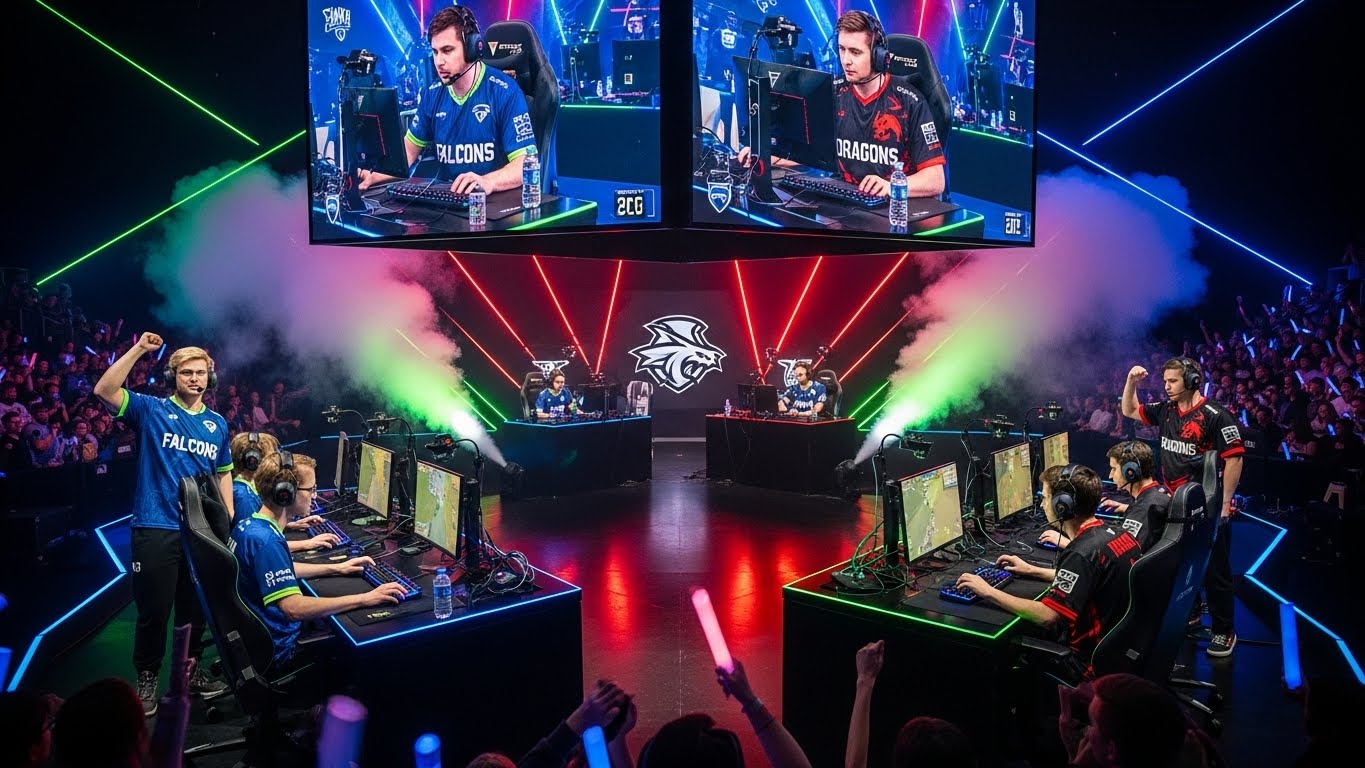
Introduction
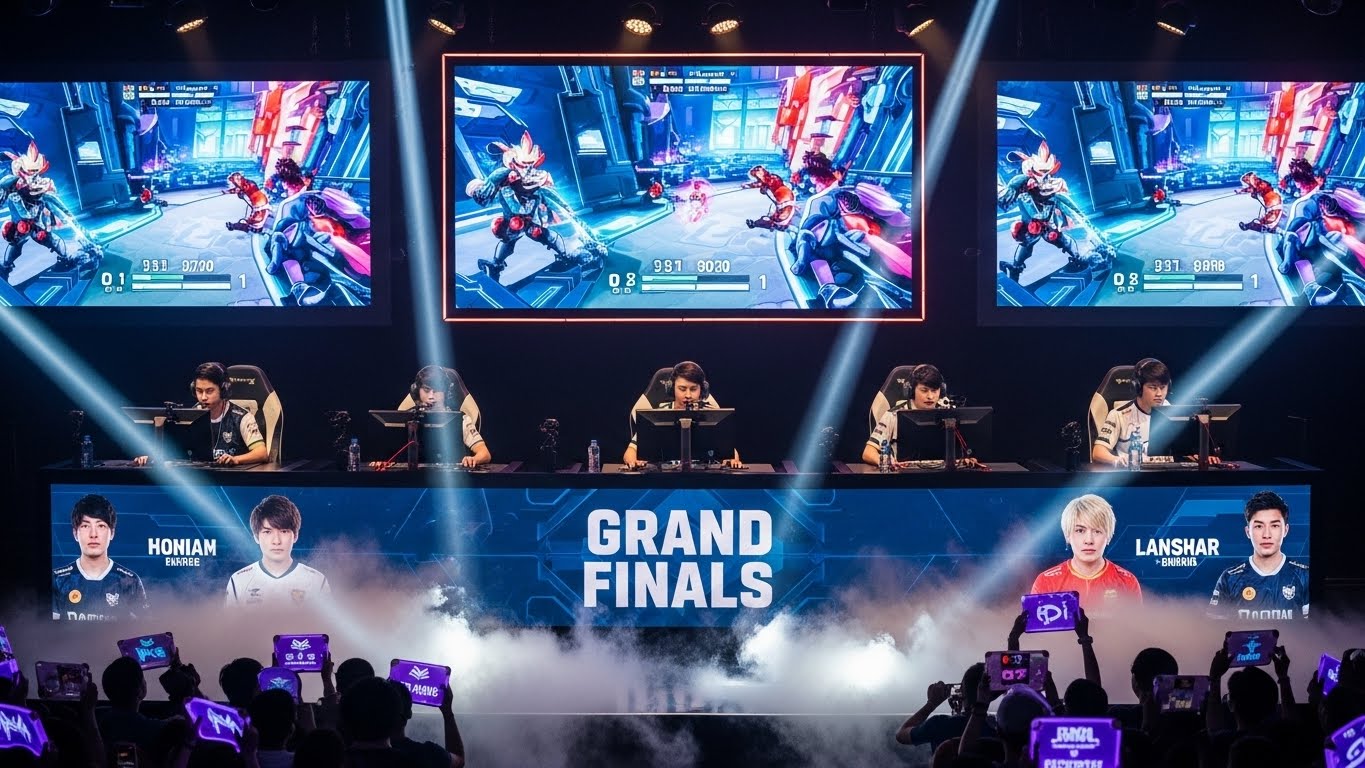
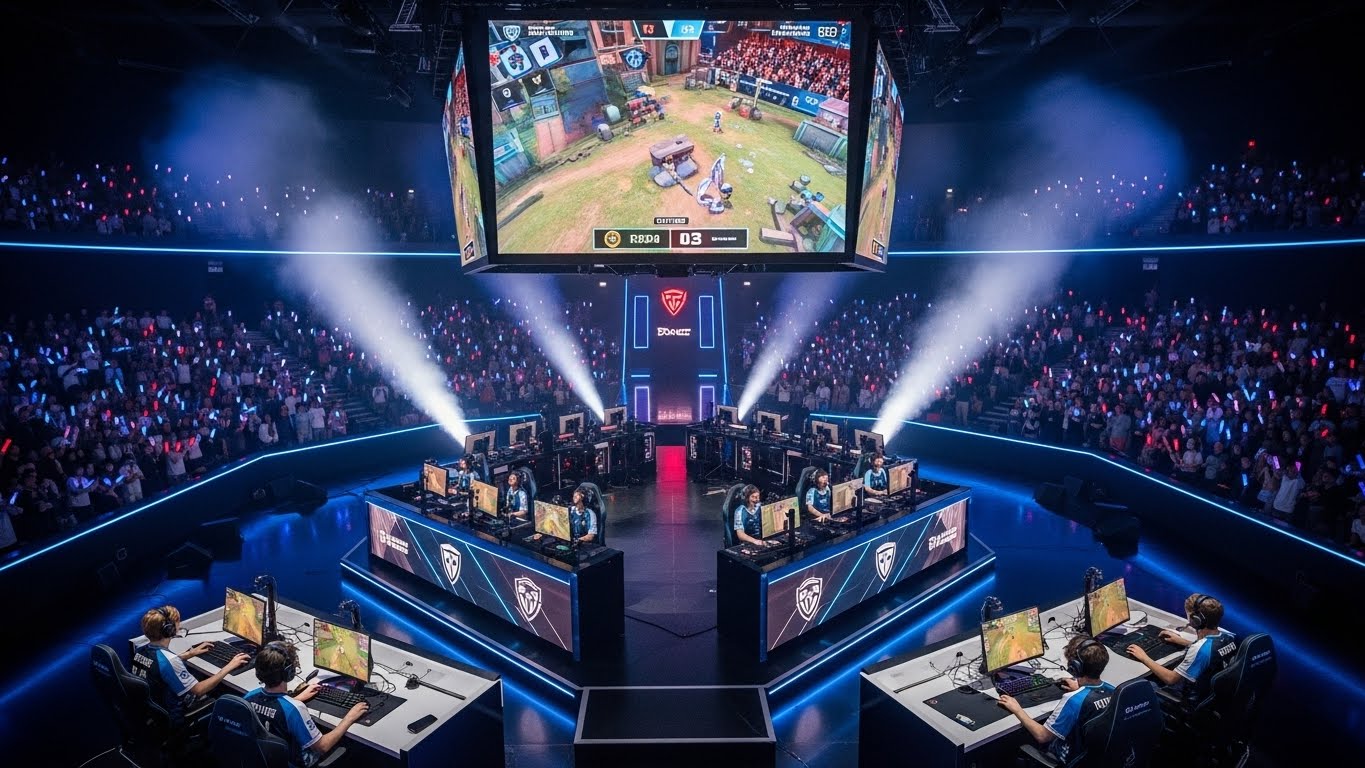
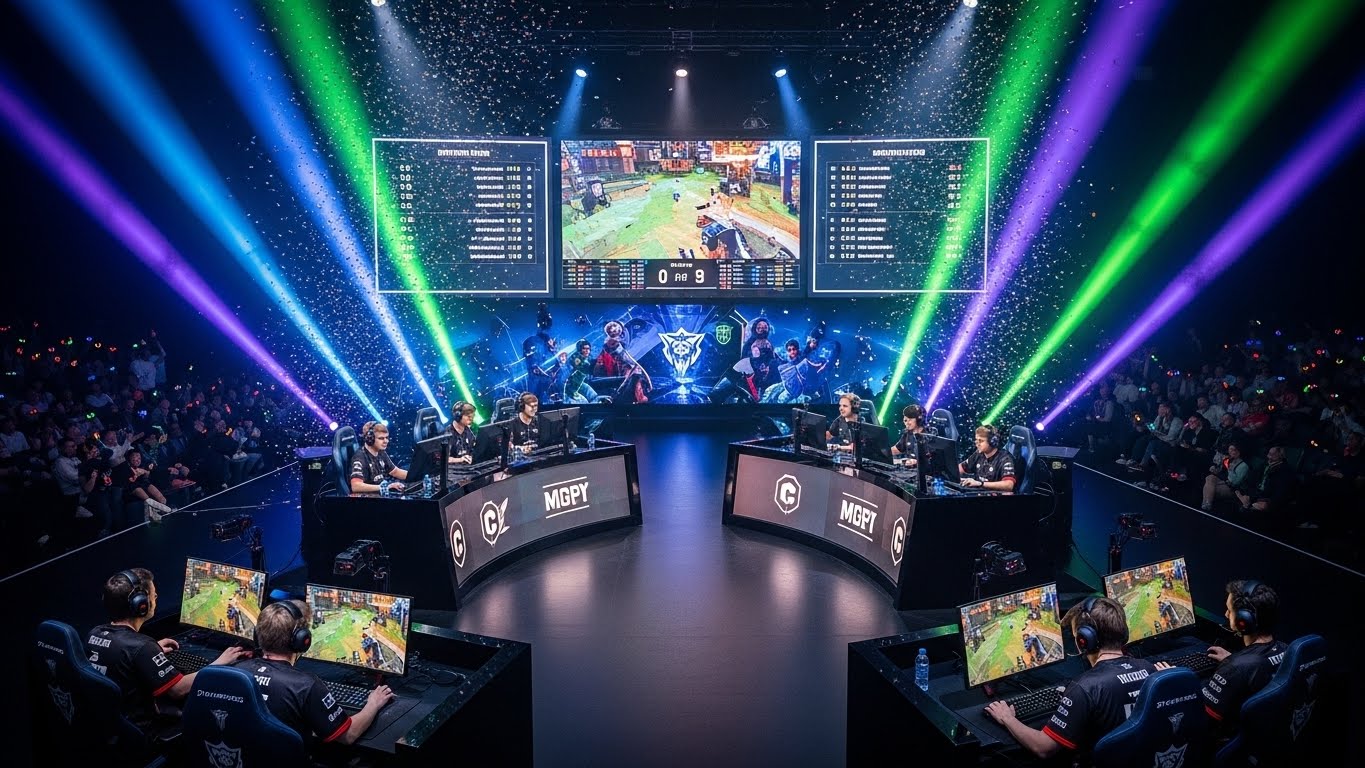
Esports, once dismissed as a casual hobby, has grown into a global phenomenon that reshapes the way we think about competition, entertainment, and even career opportunities. Today, millions of players compete professionally across a variety of games, and tournaments draw audiences comparable to traditional sports events. The rise of esports reflects the digital evolution of society, blending technology, strategy, and community engagement into an entirely new form of competitive sport. This blog explores the history of esports, its impact on individuals and society, the opportunities it creates, and the challenges it faces as it continues to grow.
The Rise of Esports
Esports began humbly with local video game competitions in arcades and small gatherings in the 1980s and 1990s. Early competitive games like Pac-Man, Space Invaders, and Street Fighter paved the way for organized gaming events. The advent of the internet and multiplayer online games changed everything, enabling players to compete across continents in real time. Titles such as StarCraft, Counter-Strike, and Dota 2 played pivotal roles in establishing esports as a professional pursuit. Today, esports spans numerous genres including first-person shooters, real-time strategy, battle royale, sports simulations, and fighting games, appealing to a broad spectrum of players and audiences worldwide.
Esports as a Profession
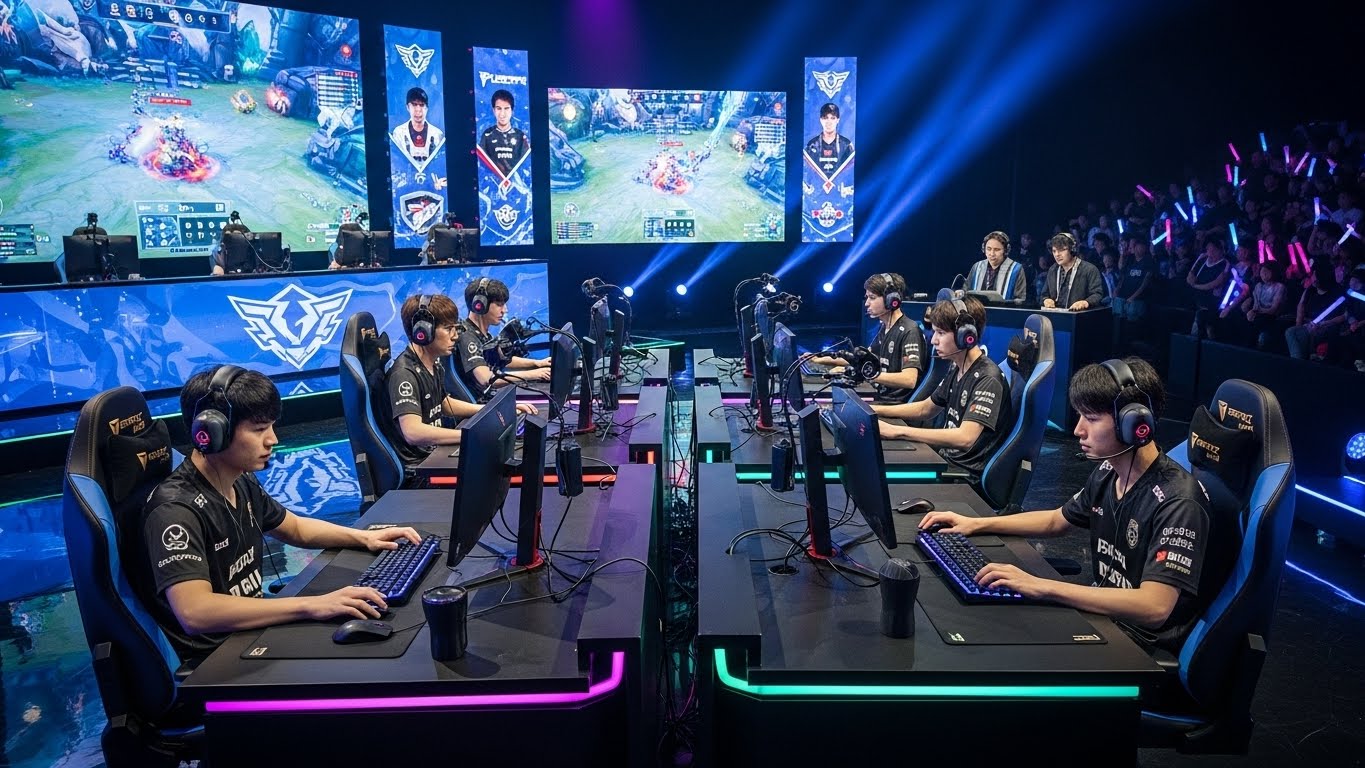
What sets esports apart from casual gaming is its professional ecosystem. Talented players can make full-time careers competing in tournaments, joining esports organizations, and securing sponsorships. Elite esports athletes undergo rigorous training similar to traditional sports, with coaches, analysts, and even nutritionists guiding their development. The esports industry also offers a range of career paths beyond playing, including event management, content creation, streaming, commentary, game development, and marketing. These opportunities demonstrate that esports is not just entertainment—it is a thriving profession supported by structure, discipline, and opportunity.
Cognitive and Mental Benefits
Esports requires more than fast reflexes; it demands critical thinking, strategic planning, and rapid decision-making. Players must anticipate opponents’ moves, manage resources efficiently, and adapt to ever-changing game scenarios. These skills translate to improved problem-solving, multitasking, and cognitive agility in daily life. Additionally, competitive gaming can enhance focus, resilience, and stress management. Although there are misconceptions about video games negatively impacting the mind, research increasingly shows that structured esports participation can foster mental acuity and emotional growth.
Community and Social Connections
One of the most compelling aspects of esports is its ability to create communities. Online gaming platforms bring together individuals from diverse backgrounds, fostering friendships and teamwork that span the globe. Fans interact with players and each other through streaming platforms, social media, and forums, forming networks that extend beyond gaming. Esports communities often embrace inclusivity, creativity, and collaboration, offering social opportunities that are sometimes absent in traditional sports. For many participants, esports is not just a hobby but a central part of their social identity and community engagement.
Economic Impact of Esports
Esports has become a significant economic force, generating billions in revenue through tournaments, sponsorships, merchandise, broadcasting, and digital platforms. Major competitions such as The International, League of Legends World Championship, and Fortnite World Cup attract millions of viewers and offer prize pools in the millions of dollars. The industry also supports a wide range of ancillary businesses, including gaming peripherals, streaming services, software development, and event management. Esports has not only created direct financial opportunities for players but has also become a catalyst for innovation and entrepreneurship in the digital economy.
Inclusivity and Accessibility
One of esports’ unique advantages is its inclusivity. Unlike traditional sports, physical attributes such as height, weight, or strength are not limiting factors. Women’s esports leagues, initiatives for differently-abled players, and accessible gaming technologies are expanding participation across demographics. This merit-based system ensures that skill, strategy, and dedication define success rather than background or physical ability. By promoting equality of opportunity, esports fosters a more inclusive environment that encourages participation, competition, and collaboration from people around the world.
Technology Driving Esports
The growth of esports is inseparable from technological innovation. High-speed internet, advanced graphics, cloud computing, and artificial intelligence have elevated the competitive experience for players and audiences alike. Analytics and performance tracking tools allow players to optimize skills, while live-streaming platforms connect millions of fans in real time. Emerging technologies such as virtual reality and augmented reality promise to further enhance training, gameplay, and spectator engagement. Technology not only supports esports but continually reshapes it, expanding its possibilities and enhancing its global appeal.
Esports and Education
Esports has begun intersecting with education, offering new avenues for learning and personal development. Schools and universities now incorporate esports programs, providing scholarships, structured training, and professional guidance to student players. Participation in esports promotes skills such as teamwork, leadership, time management, and strategic thinking. Integrating esports into educational frameworks helps students balance intellectual development with competitive gaming, creating opportunities for academic success alongside personal growth. Educational initiatives also help challenge stereotypes about gaming, emphasizing its value in developing transferable life skills.
Global Reach and Cultural Influence
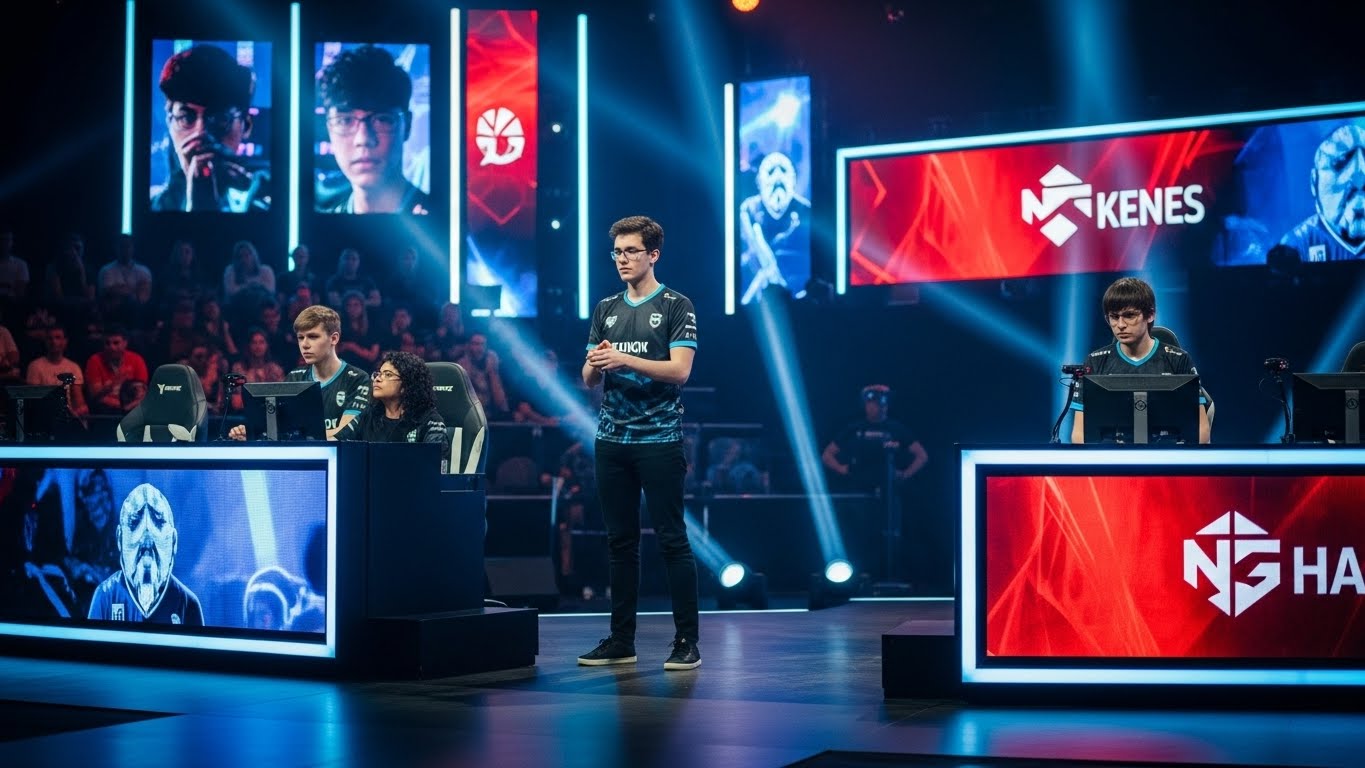
Esports transcends borders, languages, and cultures. International competitions unite audiences worldwide, celebrating skill, strategy, and teamwork. Players become cultural icons, influencing media, fashion, and digital trends. The global reach of esports illustrates how digital platforms can bridge cultural divides, creating shared experiences for millions of viewers. Unlike traditional sports that often have regional limitations, esports thrives in a borderless environment where talent and dedication define recognition, making it a truly global phenomenon.
Health and Lifestyle Considerations
While esports offers numerous benefits, it also poses challenges related to health and lifestyle. Extended screen time, sedentary behavior, and high-stress competition can lead to physical and mental strain. To address these risks, professional organizations encourage physical fitness, proper nutrition, mental health support, and structured rest periods. Players are now guided to balance intense gaming schedules with self-care, ensuring sustainable performance and overall well-being. Responsible gaming practices highlight the importance of maintaining both competitive edge and personal health.
Challenges in the Esports Industry
Despite its growth, esports faces several challenges. Issues such as cheating, match-fixing, mental health pressures, and lack of standardized regulations can threaten the integrity of the industry. Gender inequality and unequal representation still exist, requiring continued advocacy and support. Moreover, the rapid commercialization of esports sometimes prioritizes profit over player development and community engagement. Addressing these challenges requires ethical governance, education, and a focus on maintaining esports’ core values of skill, strategy, and fair competition.
The Future of Esports
The future of esports is poised for exponential growth. Continued investment, technological innovation, and global engagement will expand its influence across entertainment, education, and business sectors. Virtual reality, augmented reality, AI-driven analytics, and immersive streaming experiences will redefine gameplay and viewer engagement. As esports continues to evolve, it is likely to integrate further into mainstream culture, influencing how society views competition, teamwork, and digital interaction. The possibilities for players, fans, and entrepreneurs are virtually limitless in this rapidly advancing digital arena.
Conclusion
Esports has transformed from a niche hobby into a global movement that redefines competition, community, and culture. It empowers individuals through skill development, fosters social connections, drives technological innovation, and creates economic opportunities. Professionalization and inclusivity demonstrate its legitimacy as a career and cultural phenomenon. While challenges exist, the industry continues to mature, emphasizing health, ethics, and sustainability. Beyond screens and gaming consoles, esports teaches lessons about strategy, resilience, collaboration, and innovation. Its influence will continue to grow, shaping the way society competes, connects, and engages in the digital era. Esports is not just a game; it is a reflection of human ambition, creativity, and the pursuit of excellence in the modern world.