arenatribe36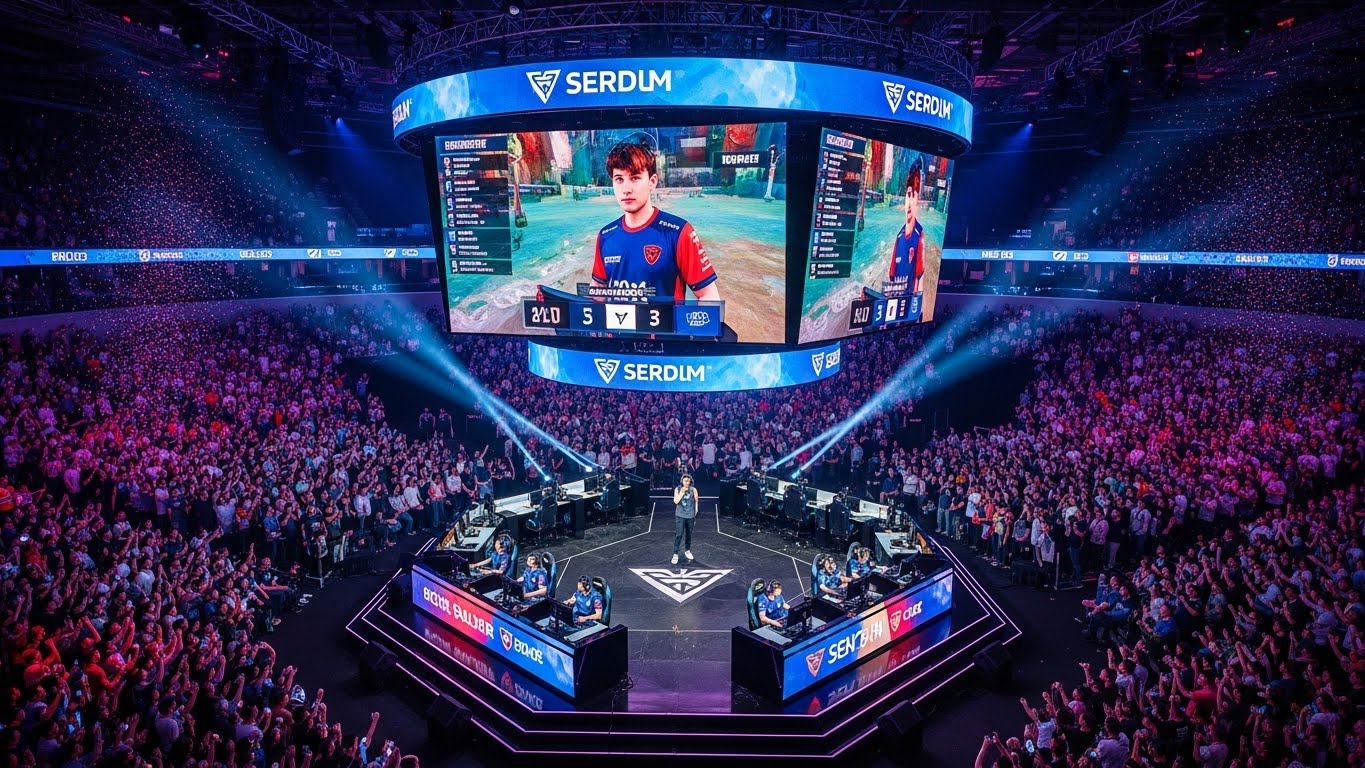
Sports have been a central part of human life for centuries, offering a combination of physical challenge, mental engagement, and social connection. From informal neighborhood games to global tournaments watched by millions, sports reflect our collective desire to push limits, test endurance, and celebrate achievement. While many see sports simply as a form of entertainment, their impact on society, culture, and personal development is far deeper.
The Origins of Sports and Their Cultural Significance
Sports are not a modern invention. They date back thousands of years, evolving alongside civilizations. Ancient societies used physical competitions to prepare for hunting, warfare, or survival, blending practicality with recreation. Ancient Greece formalized this concept through the Olympic Games, starting in 776 BC, emphasizing not just physical strength but discipline, strategy, and honor.
Across the world, different cultures developed their own forms of sport. Indigenous peoples in the Americas played games like lacrosse, while in Africa and Asia, wrestling, archery, and martial arts held spiritual and cultural significance. Over time, these local traditions grew into organized competitions, and today, sports are a global language that unites people across borders.
Physical Benefits of Sports
The most obvious impact of sports is on physical health. Regular participation enhances cardiovascular fitness, builds strength and flexibility, and helps maintain a healthy weight. Sports also improve coordination, balance, and endurance, promoting overall well-being. Activities such as running, swimming, football, and cycling encourage an active lifestyle that reduces the risk of chronic diseases like diabetes, heart disease, and obesity.
Engaging in sports also contributes to long-term health benefits. Athletes often develop better posture, bone density, and joint health, which reduce injury risk later in life. Beyond structured exercise, the habit of playing regularly instills a routine that encourages lifelong fitness, making sports a crucial element of healthy living.
Mental and Emotional Advantages
Sports do more than strengthen the body; they shape the mind. Participation in sports enhances focus, decision-making, and problem-solving skills. Athletes develop discipline through consistent practice and patience by facing setbacks and failures. These skills translate directly to other areas of life, such as academics, career, and personal relationships.
Emotionally, sports provide an outlet for stress, anxiety, and frustration. Physical activity releases endorphins, improving mood and mental clarity. Team sports also foster social bonds, teaching cooperation, empathy, and leadership. The thrill of competition, whether winning or losing, builds resilience and the ability to cope with pressure. For many, sports offer a sense of purpose and identity, shaping how they view themselves and their capabilities.
Sports as a Unifying Force
One of the most remarkable aspects of sports is its ability to bring people together. Stadiums filled with cheering fans, local playgrounds with children playing, and national tournaments broadcast worldwide all demonstrate sports’ power to unite. Sports cross boundaries of language, culture, and politics, creating shared experiences and collective excitement.
International competitions such as the Olympics, football World Cups, and global cricket tournaments highlight this unifying effect. Athletes from opposing nations compete peacefully, showcasing skill and sportsmanship. Fans celebrate victories and honor effort, transcending differences and fostering global camaraderie. Sports create a sense of belonging and shared identity, proving that competition does not always divide but can also connect.
Iconic Athletes and Their Influence
The stories of great athletes inspire millions. Figures such as Serena Williams, Lionel Messi, Usain Bolt, and Simone Biles have achieved legendary status not only through their skills but also through their determination, perseverance, and influence beyond sports.
These athletes demonstrate the value of dedication, discipline, and resilience. Their journeys often include struggles, injuries, and setbacks, making their successes relatable and motivational. Beyond personal achievement, many athletes advocate for social change, promote equality, and mentor young talent. Their impact extends far beyond the field, influencing society and encouraging generations to dream bigger and strive harder.
Youth Engagement in Sports
Youth participation in sports lays the foundation for a healthy and disciplined life. Schools, community programs, and sports clubs provide opportunities for children and teenagers to explore different activities, develop skills, and understand the importance of teamwork.
Engaging young people in sports has social benefits as well. It reduces the likelihood of antisocial behavior, improves social integration, and helps build confidence. Sports teach critical life lessons, such as handling failure gracefully, setting goals, and collaborating with others. Early involvement in sports encourages lifelong healthy habits, nurturing future athletes and well-rounded individuals who value both competition and cooperation.
Modern Challenges in Sports
Despite its positive aspects, the world of sports faces challenges. One major issue is commercialization, where the focus shifts from fair play and personal development to profit and media attention. This can lead to exploitation of athletes, ethical compromises, and increased pressure that may harm mental health.
Inequality is another concern. Women’s sports often receive less recognition, funding, and media coverage compared to men’s sports. Athletes from marginalized communities or developing nations may struggle to access training facilities, professional guidance, or sponsorship opportunities. Addressing these disparities is crucial to maintaining fairness and inclusivity in sports.
Additionally, technology and performance enhancement raise debates. While tools like instant replay, wearable monitors, and analytics improve fairness and training, there is an ongoing discussion about balancing human skill with technological intervention. Ensuring that sports remain authentic and merit-based is an ongoing challenge for governing bodies worldwide.
The Future of Sports
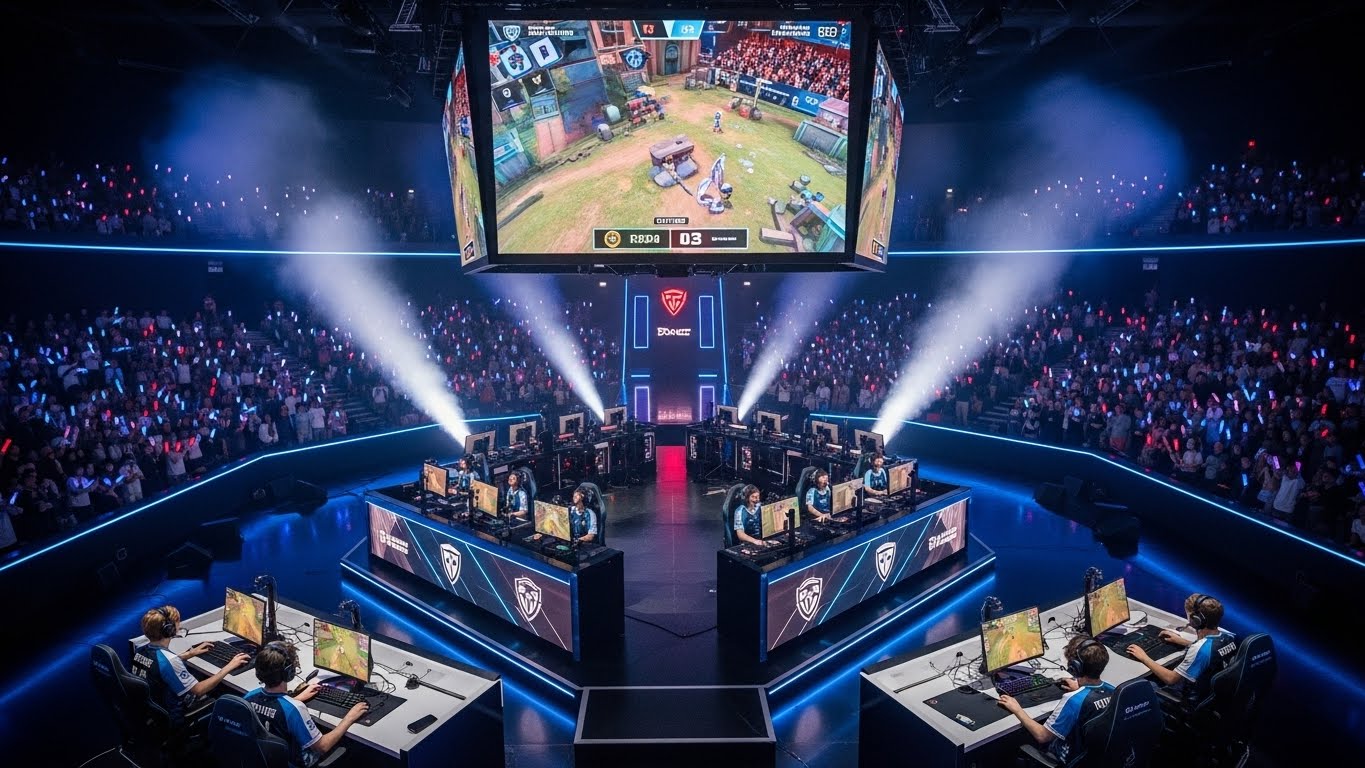
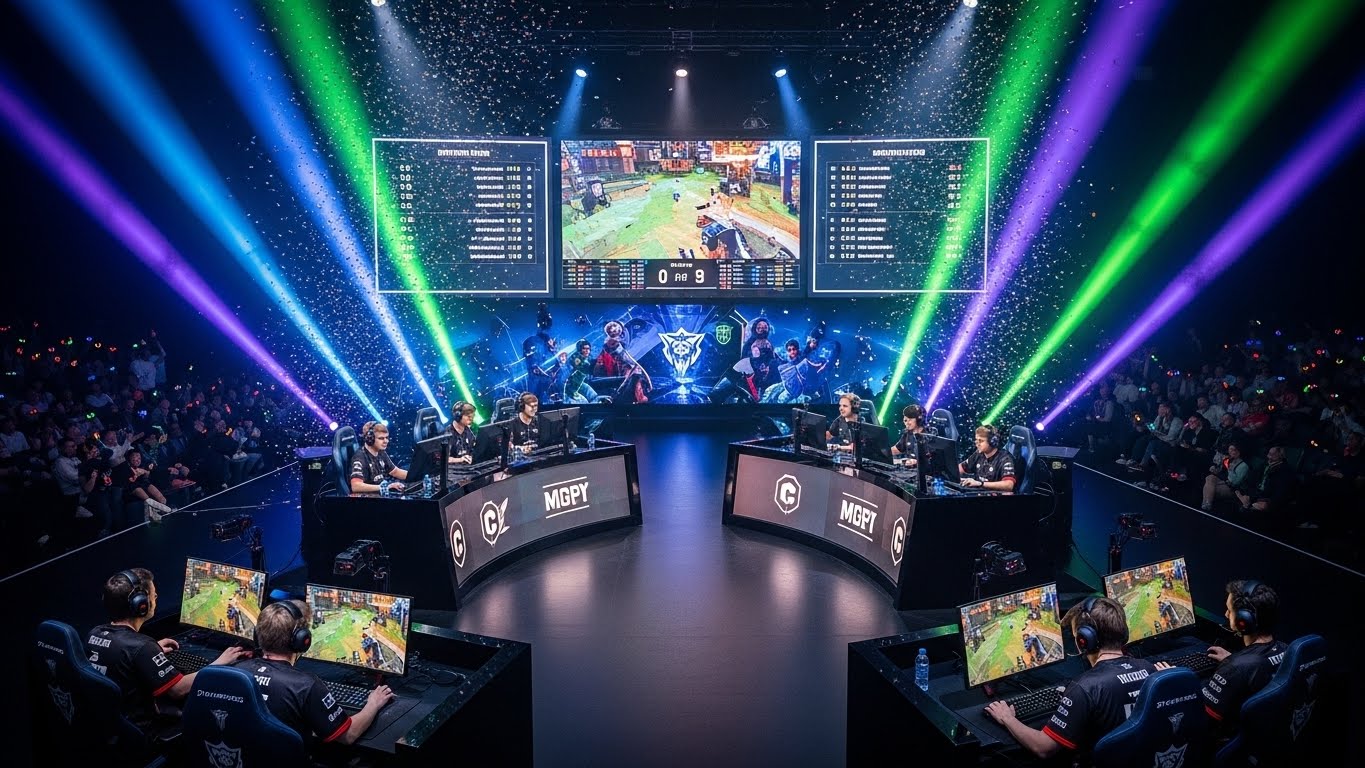
The future of sports promises exciting developments. Esports and virtual competitions are gaining legitimacy, drawing in younger audiences and redefining what it means to compete. Technology such as virtual reality, artificial intelligence, and advanced analytics will transform training, performance evaluation, and fan engagement.
Sustainability is also shaping the future of sports. Organizations are adopting environmentally responsible practices, reducing waste, and creating eco-friendly infrastructure. There is a growing emphasis on inclusivity, accessibility, and mental health awareness, ensuring that sports continue to be a positive force for individuals and society.
The next generation of athletes will face new challenges, from managing media exposure to navigating technological integration. However, their potential to inspire, innovate, and unite communities remains limitless. Sports will continue to evolve while preserving the values of discipline, integrity, and human connection.
Sports as a Source of Inspiration
Sports inspire because they reflect life itself—the effort, struggle, and triumph that everyone experiences. They teach that talent alone is not enough; determination, practice, and courage define success. Every match, race, or game carries lessons that extend beyond the field.
Even small achievements in sports can have profound effects. A child learning to swim, a local football team winning a regional match, or an amateur runner completing a marathon demonstrates growth, persistence, and joy. These moments motivate individuals, strengthen communities, and remind us that every effort matters. Sports embody the belief that with dedication and perseverance, we can overcome obstacles and reach new heights.
Conclusion
Sports are far more than physical contests or entertainment. They shape culture, promote health, teach life lessons, and bring people together across the globe. From ancient traditions to modern innovations, sports inspire, challenge, and unite humanity.
They remind us that excellence is not measured only by victory but also by effort, discipline, and character. Athletes and fans alike contribute to the larger narrative of determination, courage, and shared joy. Sports are, in essence, a celebration of the human spirit—a reflection of our dreams, struggles, and achievements. Through sports, we learn, grow, and connect, making them an indispensable part of our lives and society.