arenatribe36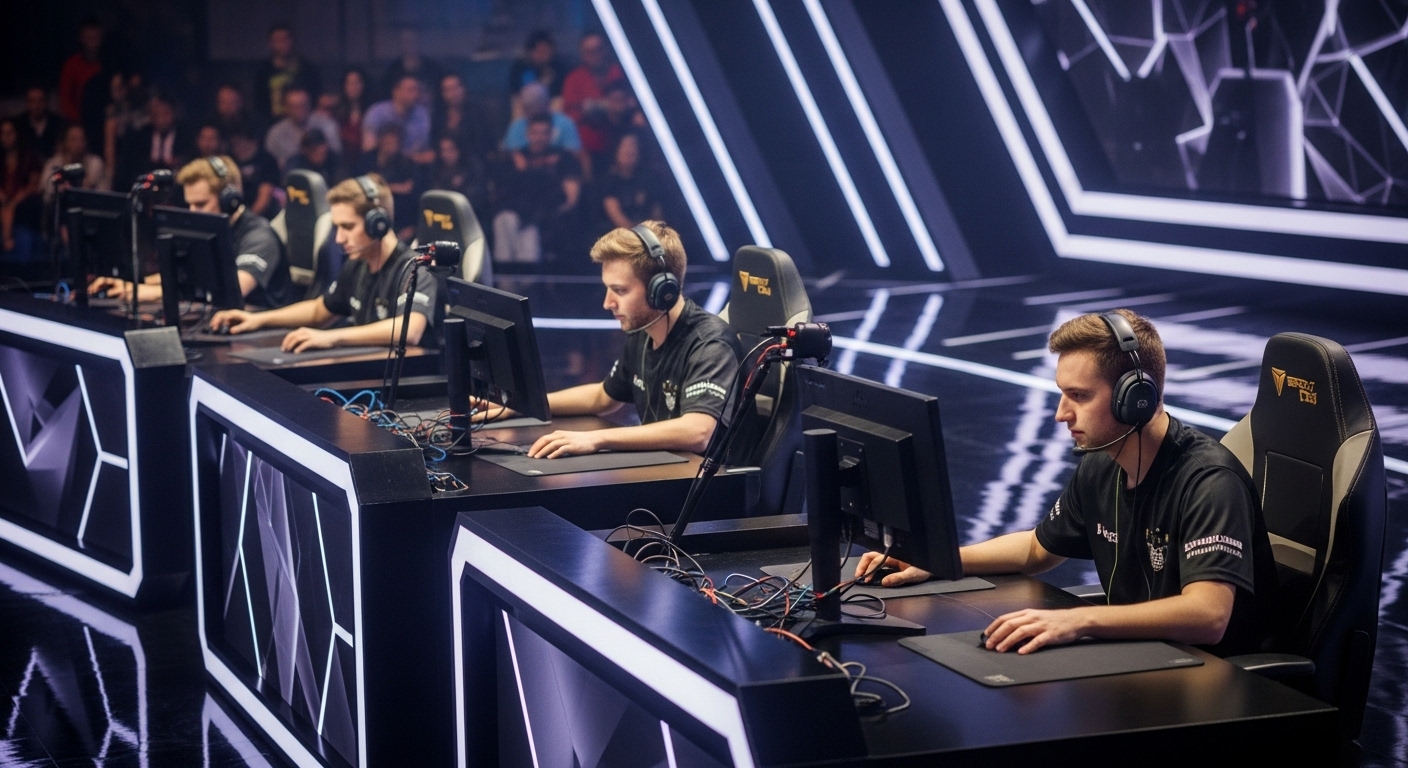
Introduction: The New Frontier of Competition
In recent years, esports has grown from a niche hobby into a global phenomenon, captivating millions of fans and creating opportunities that rival traditional sports. No longer confined to basements or small gaming cafés, competitive gaming has transformed into a structured industry with professional teams, lucrative tournaments, and international recognition. Esports represents a blend of skill, strategy, and entertainment, redefining what it means to compete in the digital age.
The Origins of Competitive Gaming
Competitive gaming dates back to the late 1970s and early 1980s when arcade machines first introduced high-score competitions. Players competed in games like Space Invaders and Pac-Man, with recognition often limited to local or national leaderboards. As home computers and gaming consoles became more widespread, multiplayer games like Doom, Quake, and StarCraft enabled competitive matches in real time. LAN parties became early hubs for competition, allowing players to gather physically, showcase their skills, and form early gaming communities.
The Growth of Esports in the 2000s
The expansion of broadband internet in the early 2000s marked a turning point for esports. Online multiplayer games allowed players from across the globe to compete simultaneously, expanding the reach of tournaments beyond local communities. South Korea emerged as a pioneer, particularly with StarCraft, where professional leagues gained television coverage and players achieved celebrity status. Western countries followed suit with games like Counter-Strike, Halo, and Warcraft III, establishing professional teams, organized leagues, and international competitions that set the foundation for the modern esports ecosystem.
Streaming and the Explosion of Viewership
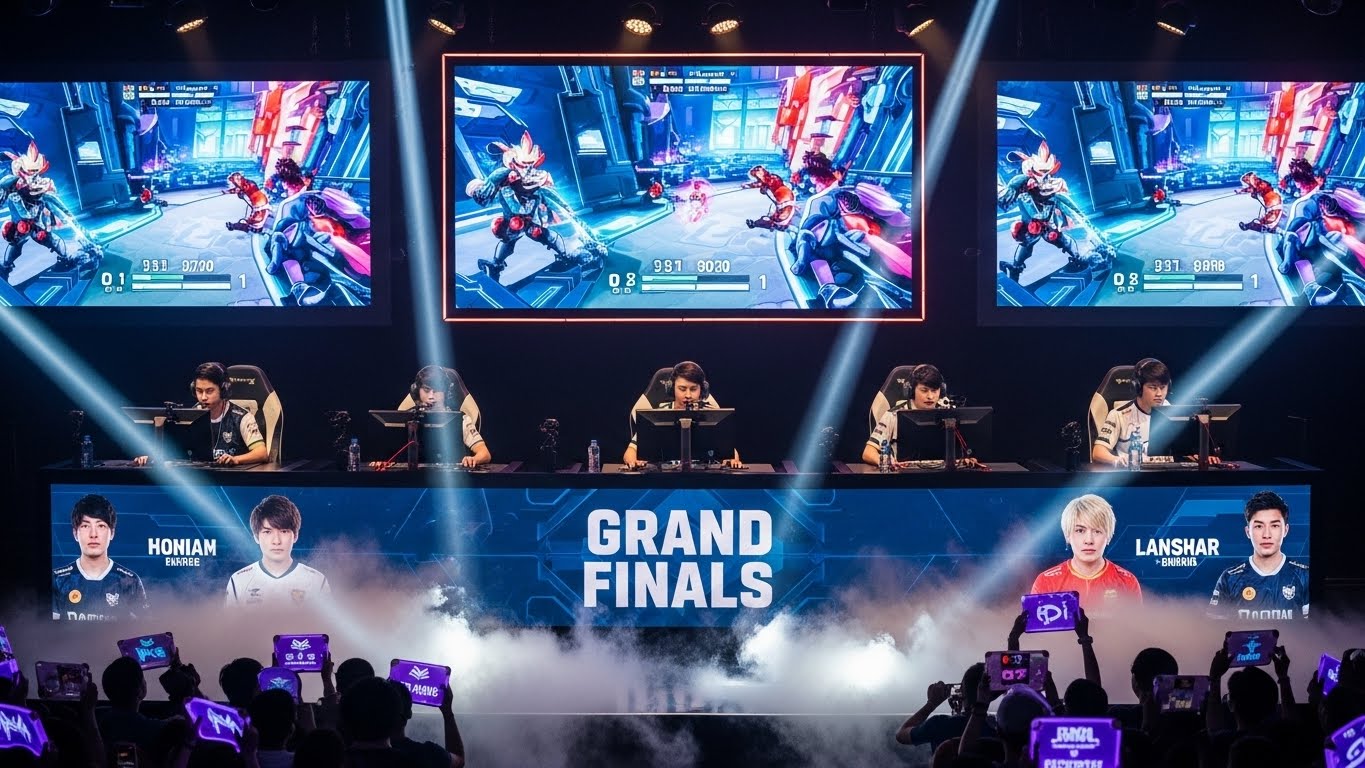
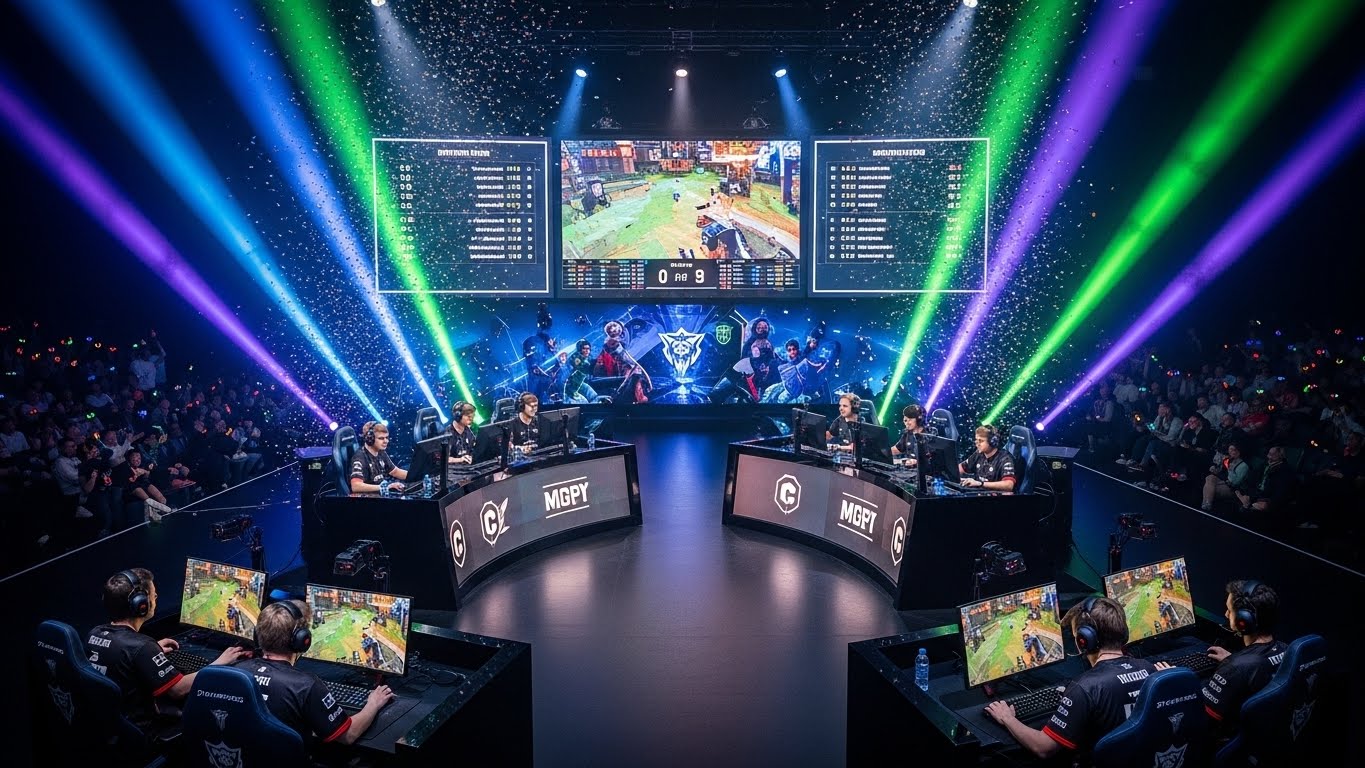
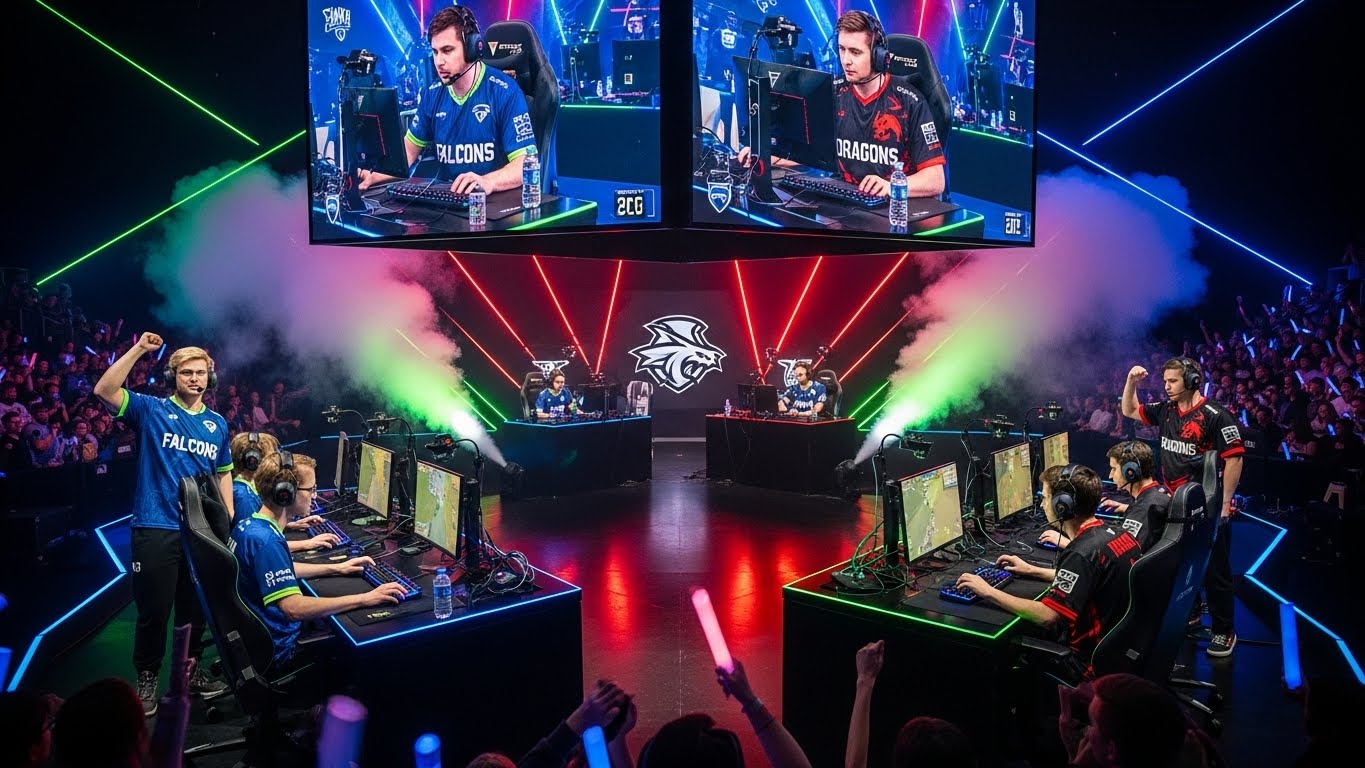
The rise of streaming platforms transformed esports into a global spectator sport. Services such as Twitch allowed gamers to broadcast their matches to millions of viewers, turning competitive players into personalities and celebrities. Fans could engage directly with content creators through chat interactions and social media, creating a sense of community and connection. Major tournaments like the League of Legends World Championship and The International for Dota 2 attracted audiences comparable to traditional sports events, solidifying esports as mainstream entertainment.
The Professionalization of Players and Teams
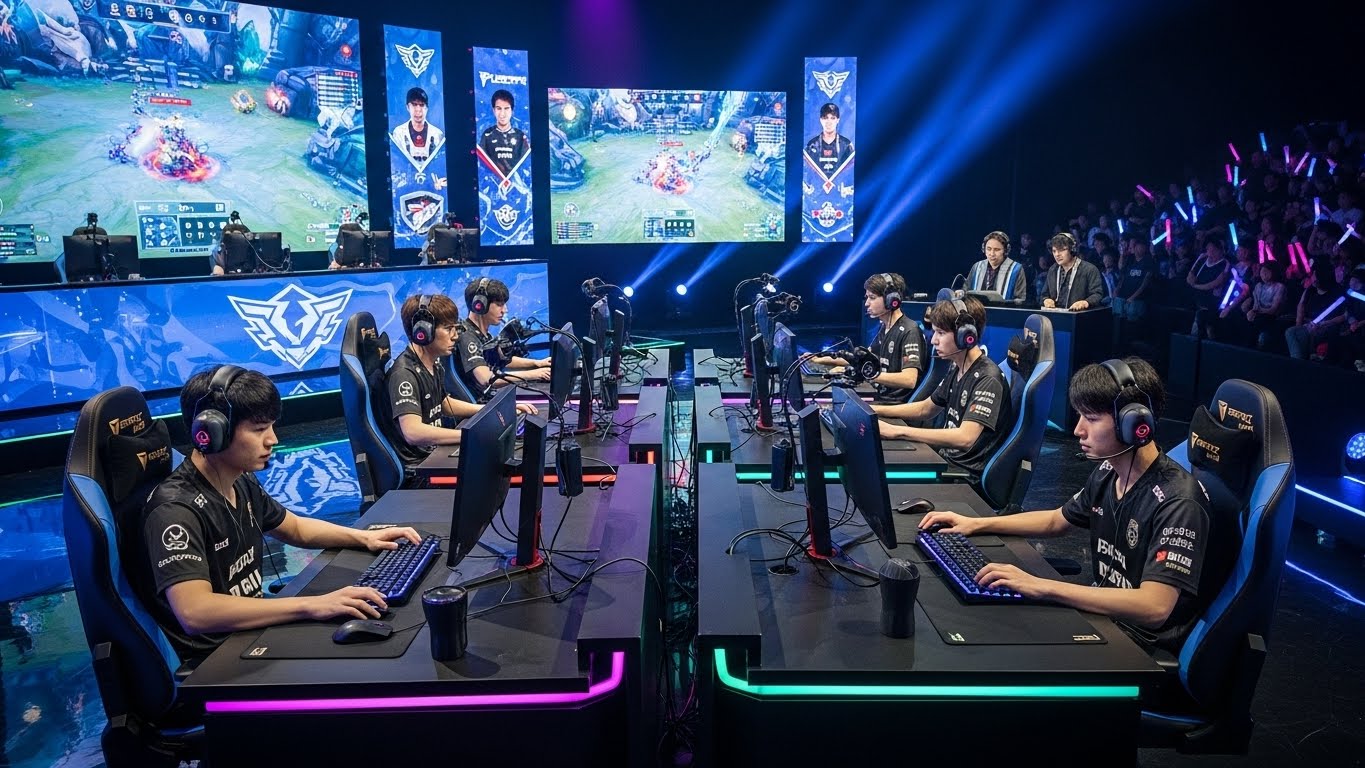
Esports has evolved into a highly professional industry. Players often train for eight to twelve hours a day, refining their mechanical skills, strategies, and communication abilities. Teams employ coaches, analysts, and psychologists to optimize performance, ensuring that players maintain focus and mental resilience. Organizations such as T1, Fnatic, and Cloud9 operate across multiple games, manage sponsorship deals, merchandise, and fan engagement. Professional players earn salaries, tournament winnings, and endorsement deals, proving that competitive gaming is a legitimate career path.
Cultural Impact and Global Influence
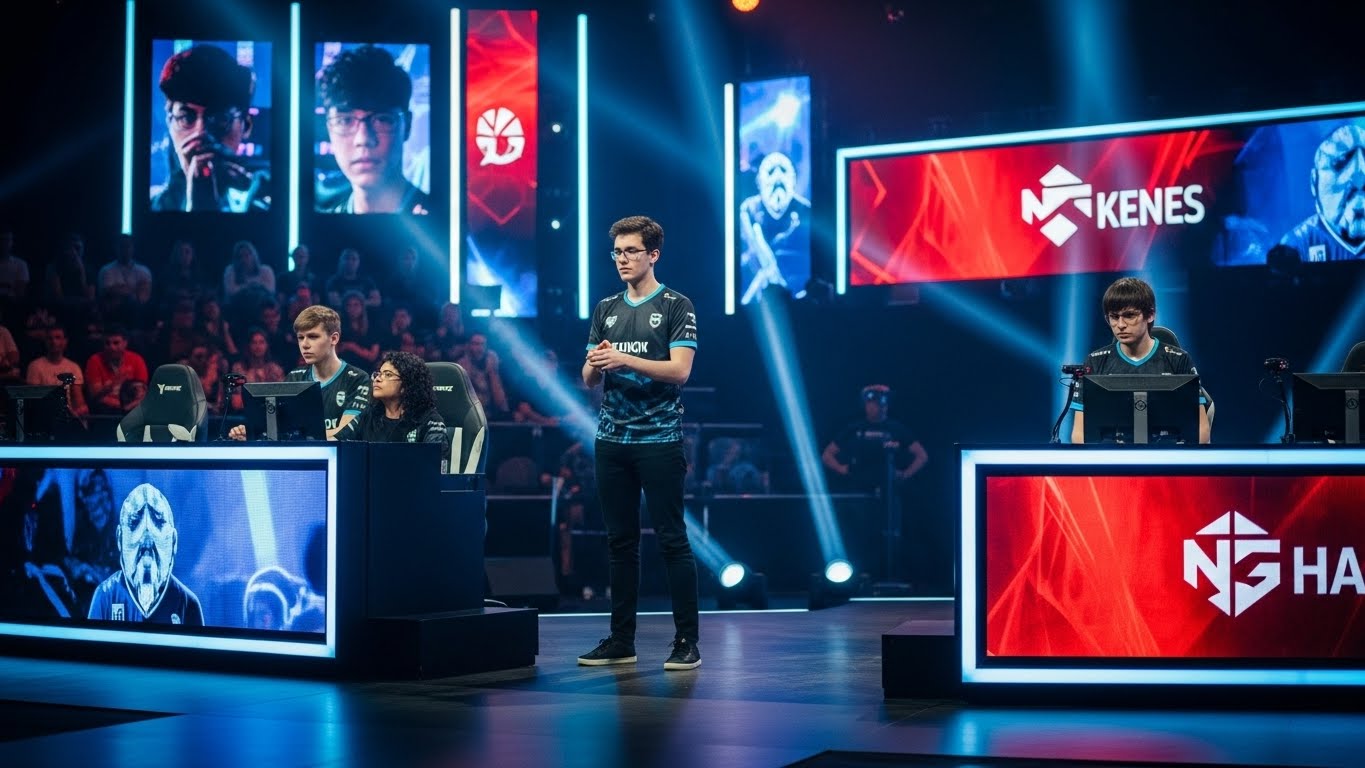
Esports has significantly influenced global culture, especially among younger generations. Gaming is increasingly recognized as a valid career option and form of entertainment. Educational institutions offer esports scholarships, varsity programs, and degrees in esports management and game design. The international nature of esports fosters inclusivity, enabling players from diverse backgrounds to compete equally and develop cultural connections. It has become a space where talent, dedication, and innovation are celebrated on a global stage.
Technological Innovations Driving Esports
Technological advancements have been central to the growth of esports. High-speed internet, powerful gaming hardware, cloud gaming, and virtual reality have enhanced both gameplay and viewer experiences. Real-time streaming allows fans worldwide to watch live matches with minimal latency, while data analytics and artificial intelligence help teams refine strategies and improve performance. These technological innovations continue to expand possibilities for players, organizers, and audiences alike.
Educational Opportunities in Esports
Esports also presents unique educational and career opportunities. Universities now have varsity esports teams, training facilities, and academic programs focused on esports management, digital media, and game development. Beyond career preparation, esports helps students develop transferable skills such as teamwork, strategic thinking, communication, and leadership. These abilities are applicable in various industries, demonstrating that esports contributes to both professional development and personal growth.
Economic Significance of Esports
The esports industry has become a billion-dollar market. Revenue comes from sponsorships, media rights, merchandise, and ticket sales for tournaments. Brands recognize esports as an effective way to reach young, digitally native audiences, leading to substantial investments in marketing and collaborations. Beyond professional teams, esports offers business opportunities for event organizers, content creators, technology providers, and marketers. The economic influence of esports extends far beyond gaming, impacting technology, entertainment, and media industries worldwide.
Challenges in the Esports Industry
Despite its rapid growth, esports faces several challenges. Player burnout and mental health concerns are prevalent due to intense training schedules and competitive pressure. Issues like cheating, match-fixing, and inconsistent regulations threaten the integrity of competitions. Additionally, reliance on specific games can make teams and leagues vulnerable if a title loses popularity. Addressing these challenges is critical for the sustainability and credibility of the esports ecosystem.
International Recognition and Competitive Expansion
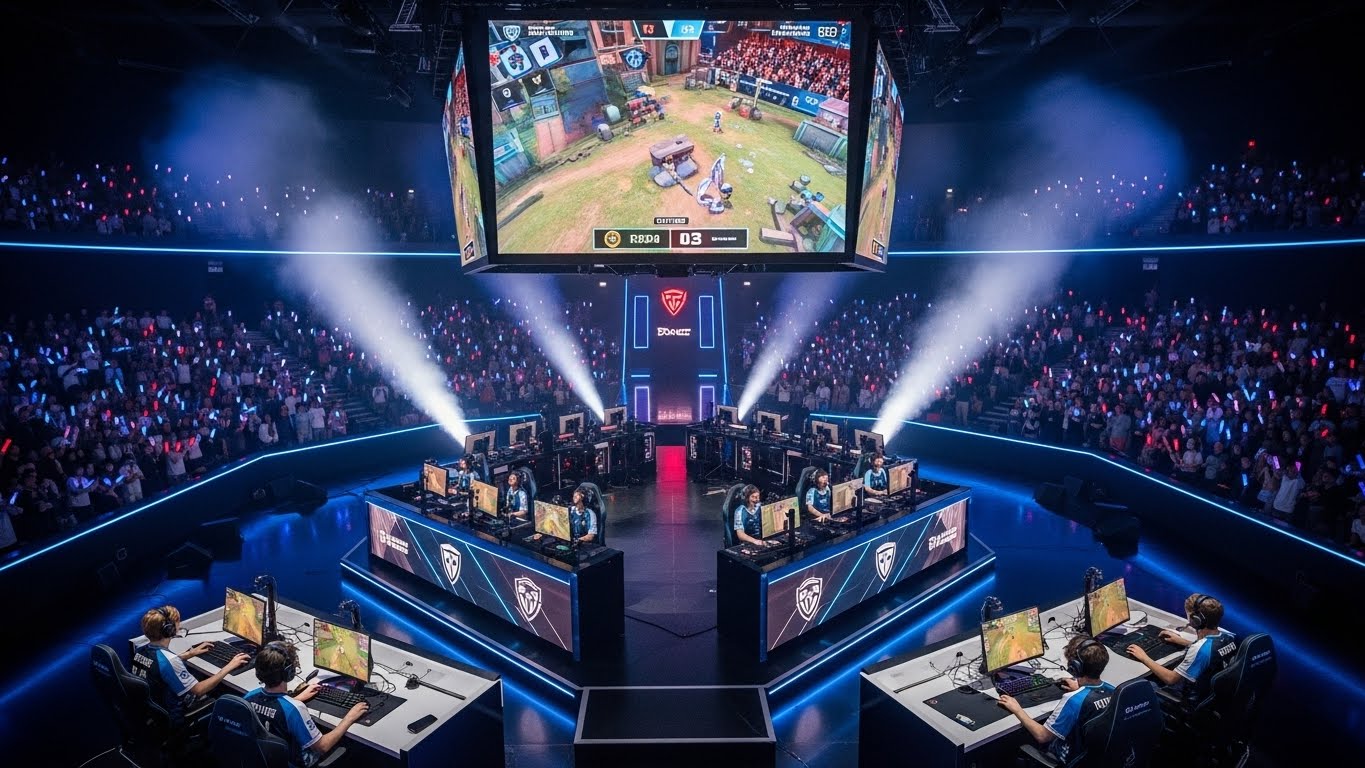
Esports has gained recognition as a legitimate sport in multiple countries. Competitions like the Asian Games have included esports as a medal event, showcasing its growing global acceptance. International tournaments allow players and fans from diverse regions to connect, creating cultural exchanges and building global communities. Governments are also investing in esports infrastructure, training programs, and national leagues, highlighting the economic, cultural, and technological potential of competitive gaming.
The Future of Esports
The future of esports is promising, with ongoing innovation shaping its growth. Mobile gaming is becoming a significant competitive platform, particularly in regions where smartphones are more accessible than PCs or consoles. Virtual reality and augmented reality promise new, immersive forms of competition. Esports is also increasingly intersecting with music, fashion, and entertainment, turning tournaments into cultural events. As technology evolves, esports will continue to redefine how people engage with digital competition and entertainment.
Conclusion: Esports as a Transformative Force
Esports represents more than just gaming—it is a reflection of skill, strategy, and human perseverance in the digital era. From local competitions to international tournaments, esports has created a global community where talent and dedication are rewarded. The industry proves that professional competition is no longer limited to physical sports arenas; virtual environments can cultivate rigorous, engaging, and profitable sporting experiences. As esports continues to expand, it is reshaping the way society views competition, entertainment, and career opportunities, establishing itself as a defining phenomenon of the twenty-first century.