arenatribe36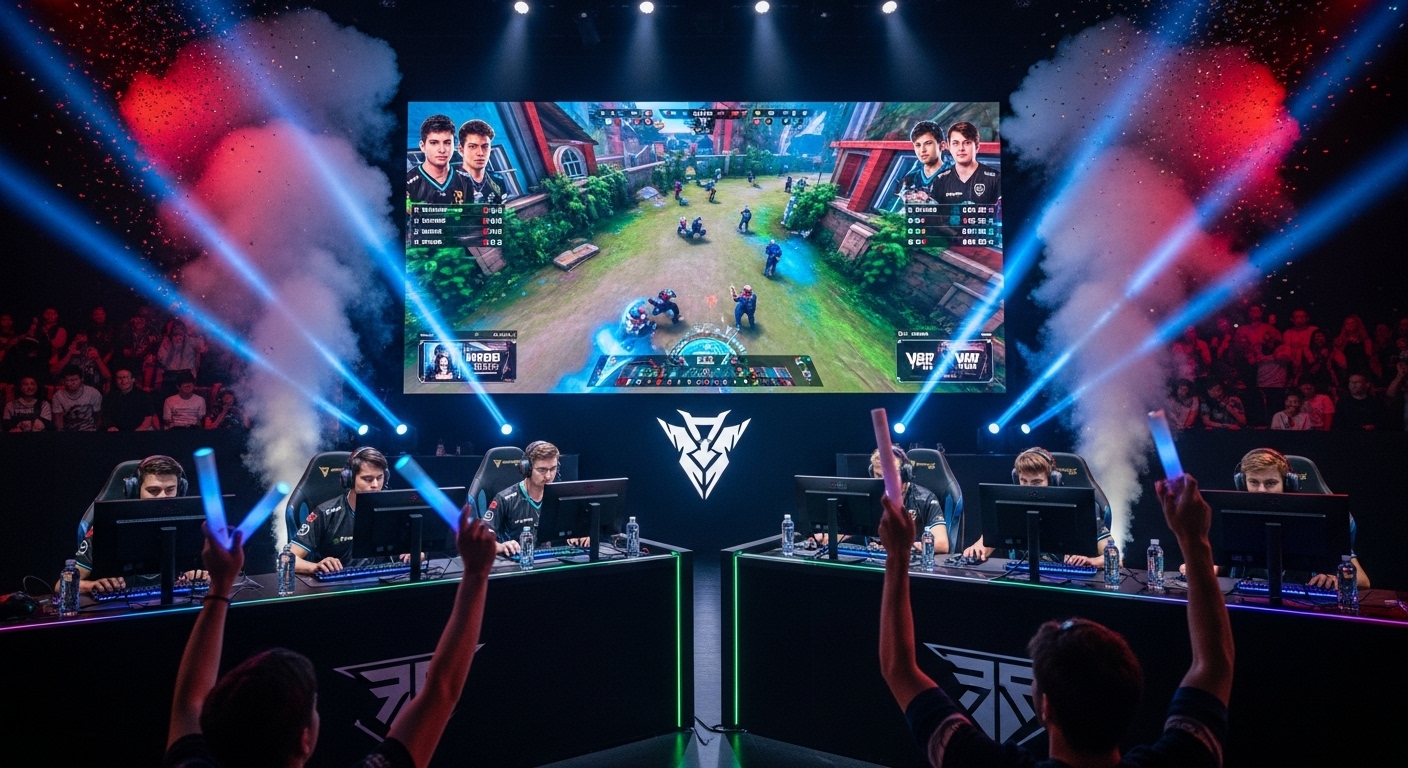
Introduction: The Rise of Esports
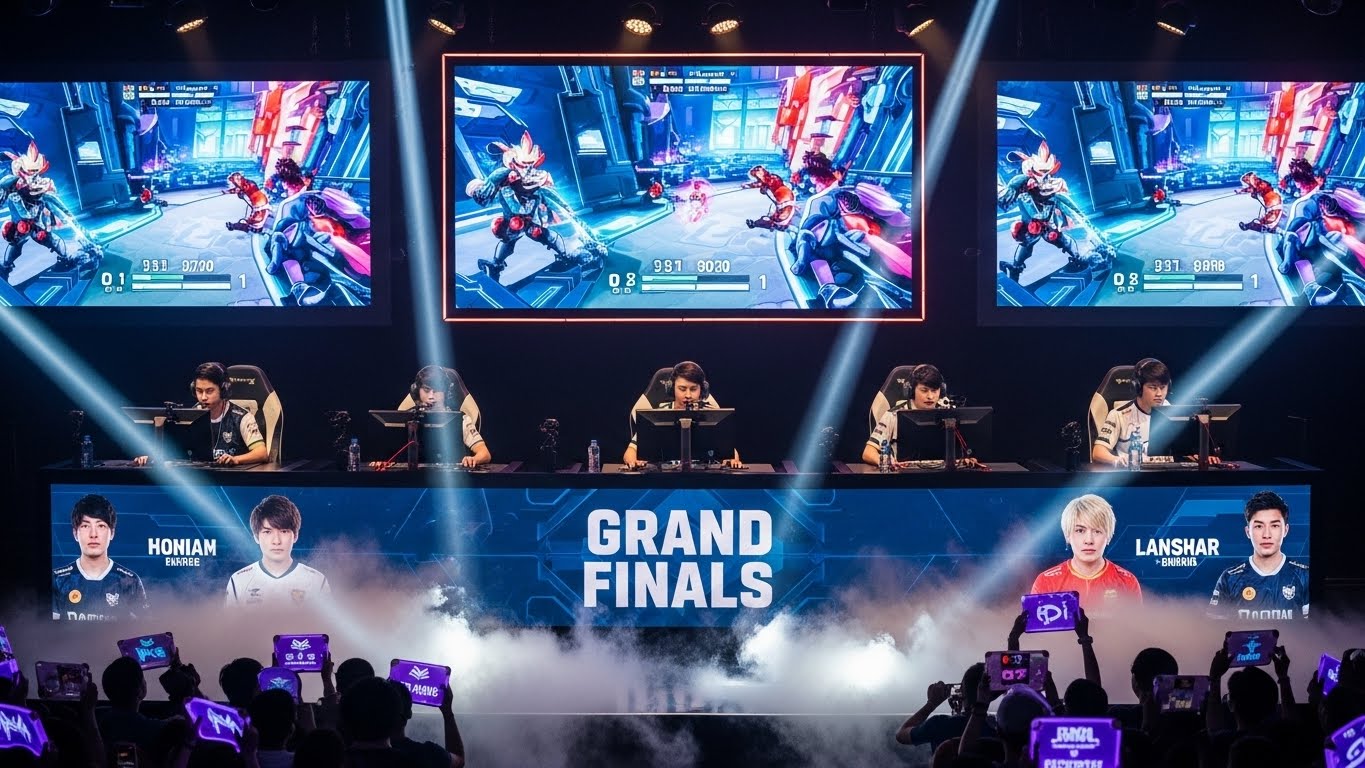
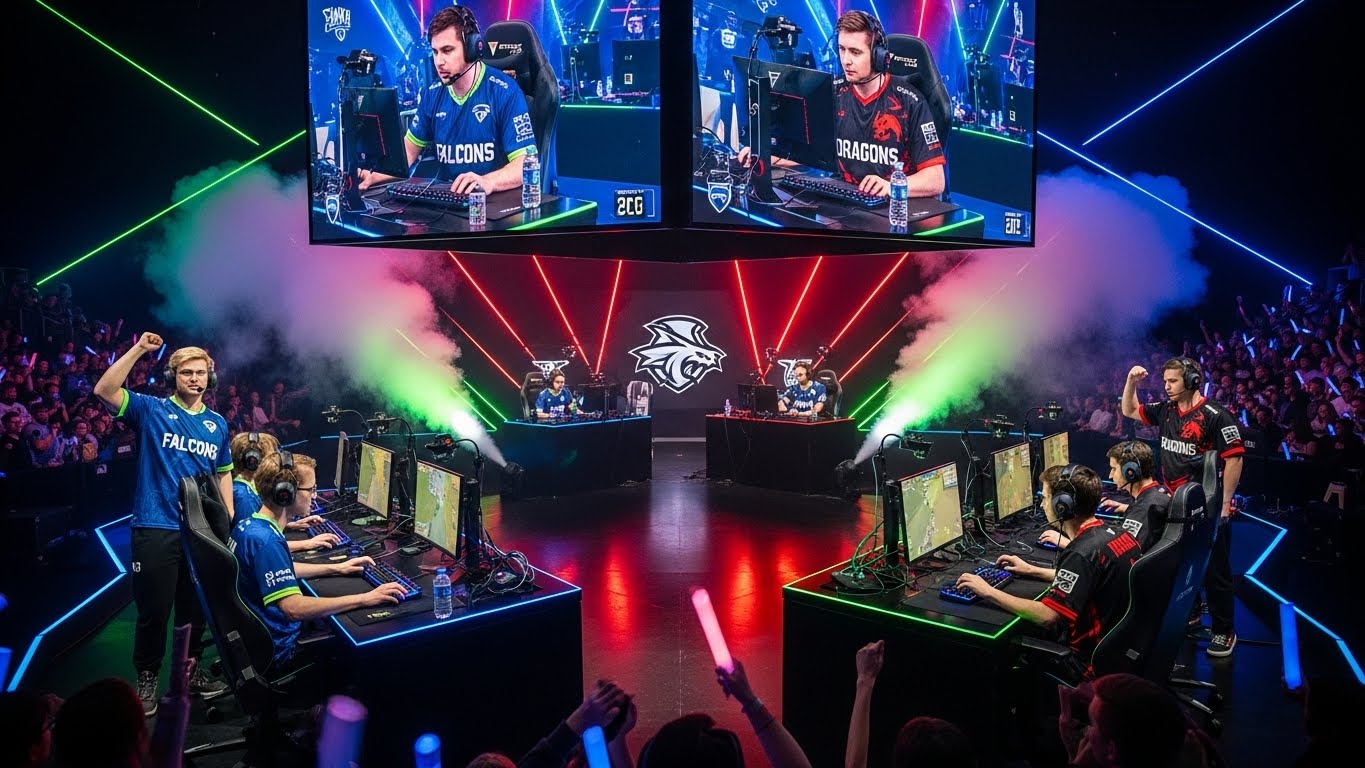
Esports, the competitive side of video gaming, has grown from humble beginnings into a global industry that has redefined the way we think about entertainment and sports. Over the past two decades, competitive gaming has gone from a niche hobby to a mainstream phenomenon. Major tournaments now attract millions of viewers, and players can earn millions in sponsorships and prize money. In 2023, the esports industry was valued at over $1 billion, and its reach continues to expand as gaming culture permeates society at large. This blog will explore the evolution of esports, its cultural significance, economic impact, and the future prospects of this rapidly growing industry.
The Beginnings of Esports: From Arcade Games to Online Competitions
Esports has its roots in the early days of video gaming. In the 1970s and 1980s, competitive gaming was limited to arcade games such as Pong, Space Invaders, and Pac-Man. High score competitions were common, and arcade players often competed for bragging rights and prizes. However, the idea of structured, organized competitions did not emerge until the early 1990s when games such as Doom and Quake were released. These games introduced the concept of online multiplayer gameplay, allowing players to compete against one another remotely over local area networks (LANs).
The first significant milestone in the history of esports came in 1997 with the launch of the Red Annihilation tournament for Quake. This was one of the first major esports competitions, and it attracted widespread attention. It was during the late 1990s and early 2000s that esports began to take on a more formal structure, with tournaments and leagues emerging. The World Cyber Games (WCG), founded in 2000, was one of the first major global esports organizations, hosting tournaments that brought together players from around the world. In South Korea, StarCraft tournaments were televised and became national events, paving the way for the massive esports infrastructure that exists today.
The Explosion of Esports in the 21st Century
The 2010s saw a massive surge in the popularity of esports, driven by the rise of online streaming platforms such as Twitch and YouTube Gaming. These platforms allowed fans to watch esports events in real-time, turning gaming into an interactive experience. The accessibility of live streaming meant that players from around the world could tune in to major tournaments like League of Legends (LoL) Worlds, The International (Dota 2), and Counter-Strike: Global Offensive (CS: GO) Championships.
Tournaments began attracting millions of viewers and generating significant revenue from advertising, sponsorships, and merchandise sales. As viewership grew, so did the financial rewards for players and teams. Today, top players and teams can earn millions in tournament prize money, sponsorship deals, and endorsements. The growing popularity of esports has also led to major media companies investing in broadcasting esports events, further boosting the industry’s legitimacy and reach.
Esports has also become a fixture in mainstream sports media, with many sports networks covering major events. The integration of esports into the traditional sports ecosystem is a testament to how far the industry has come and how it is reshaping the entertainment landscape.
Esports as a Career: A New Path for Professional Athletes
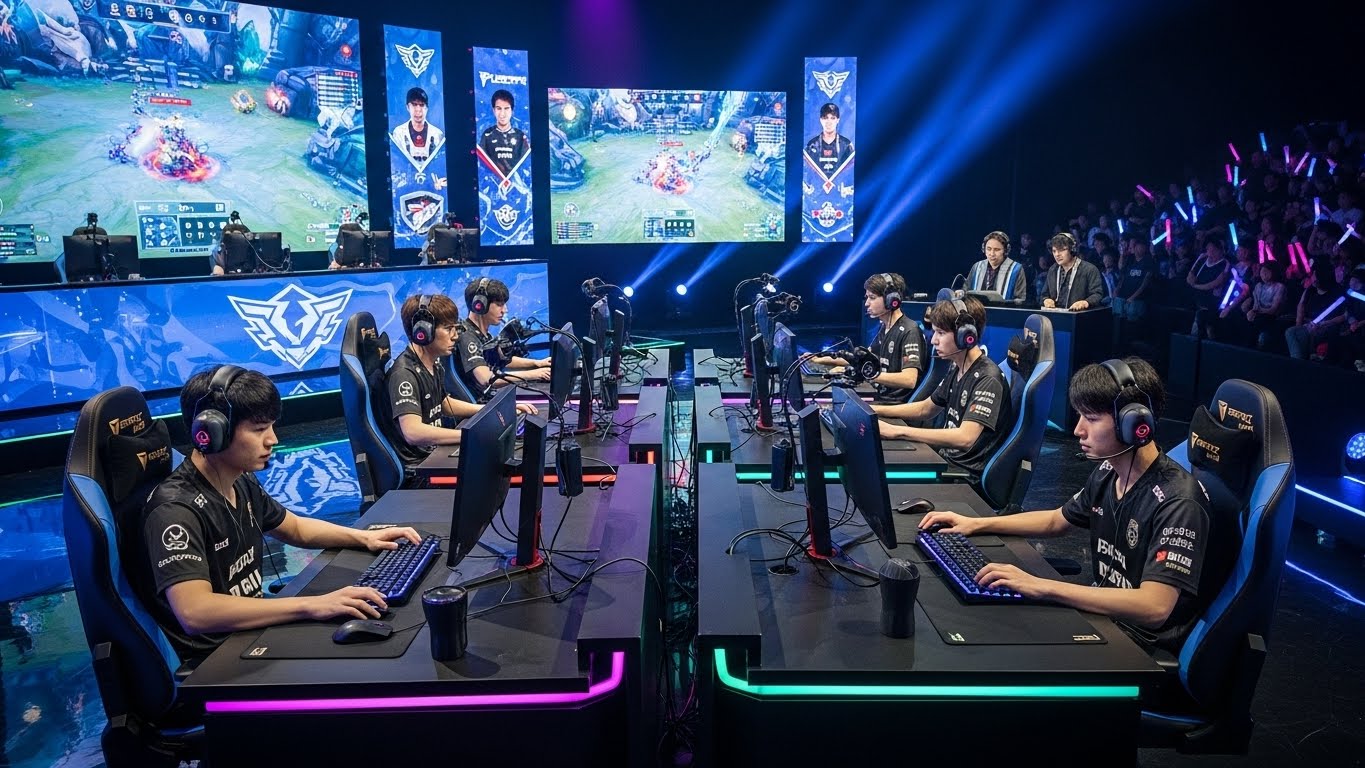
In the past, becoming a professional athlete meant pursuing traditional sports such as soccer, basketball, or tennis. Today, esports offers a legitimate and highly lucrative career path for talented players. Professional esports athletes train for hours each day, much like traditional athletes, honing their skills, practicing strategies, and studying their opponents. Top-tier players compete in leagues and tournaments where prize pools can reach millions of dollars.
In addition to the players, esports has created a vast ecosystem of professionals who support the industry. Coaches, analysts, broadcasters, team managers, content creators, and event organizers all play crucial roles in the growth and success of esports. Many top-tier esports organizations have established themselves as global brands, sponsoring players and forming partnerships with major corporations.
Furthermore, universities and colleges around the world are now offering esports scholarships, creating opportunities for students to pursue a career in competitive gaming while earning a degree. As a result, young gamers can now take their passion and turn it into a full-time profession.
The Economic Impact of Esports
The economic impact of esports cannot be overstated. The industry generates billions of dollars annually, with multiple revenue streams contributing to its financial growth. These include sponsorships, media rights, advertising, ticket sales, and merchandise sales. In 2023, the global esports market was valued at over $1 billion, with projections for continued growth.
Sponsorships are the largest source of revenue for esports. Major brands from industries such as technology, energy drinks, apparel, and automobiles have invested in esports teams and tournaments. Companies like Intel, Nike, Coca-Cola, and Red Bull have partnered with esports organizations to market their products to a young, tech-savvy audience. These sponsorships not only help support the operational costs of events but also help esports teams purchase state-of-the-art equipment, build training facilities, and expand their brands.
Streaming has also become a major revenue driver for the industry. Platforms like Twitch and YouTube Gaming generate significant income through ad revenue, subscriptions, and donations. Esports streamers, who broadcast their gameplay and interact with fans, can make substantial income through these platforms. Many professional players also stream their practice sessions, giving fans a behind-the-scenes look at their preparation for tournaments.
Merchandise sales are another critical revenue stream. Fans eagerly buy jerseys, hoodies, and other branded items to support their favorite teams and players. As esports has become a global phenomenon, fans from all over the world are willing to pay premium prices for exclusive team merchandise.
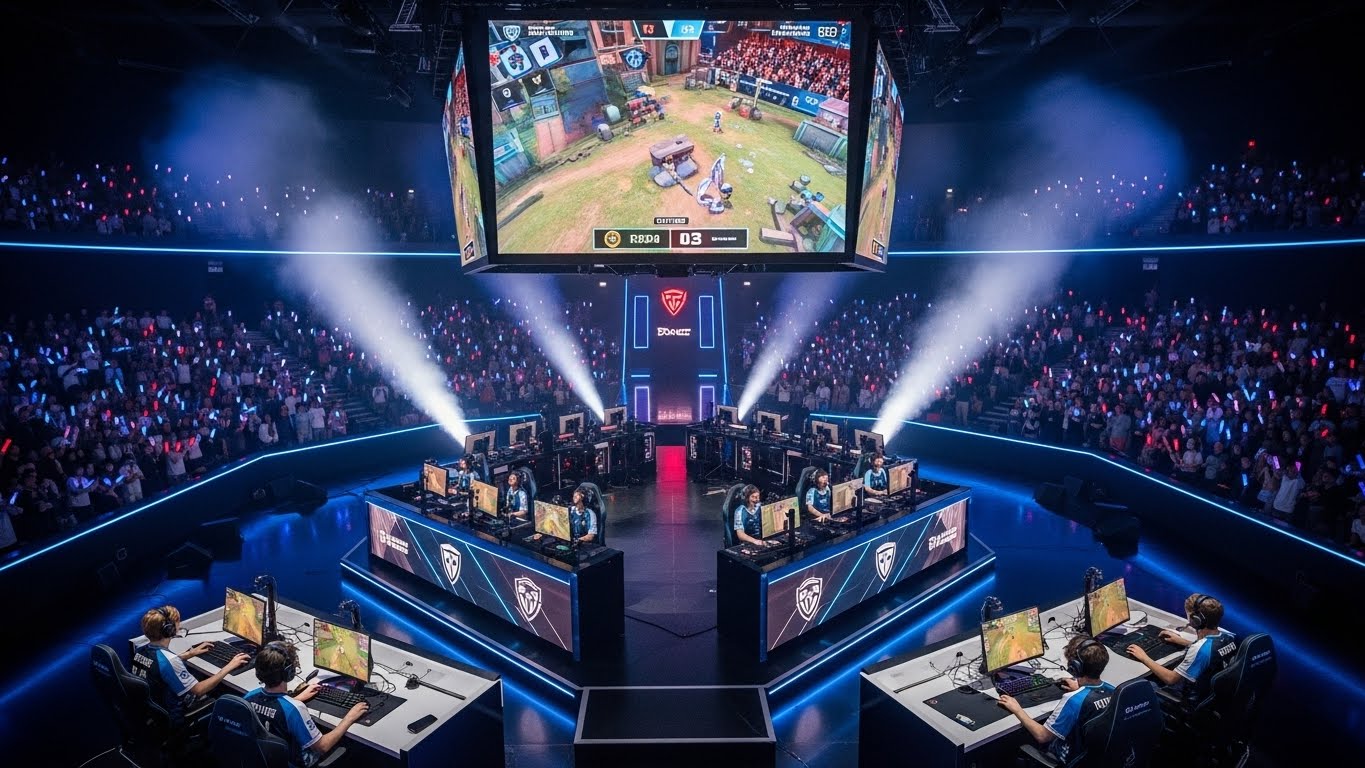
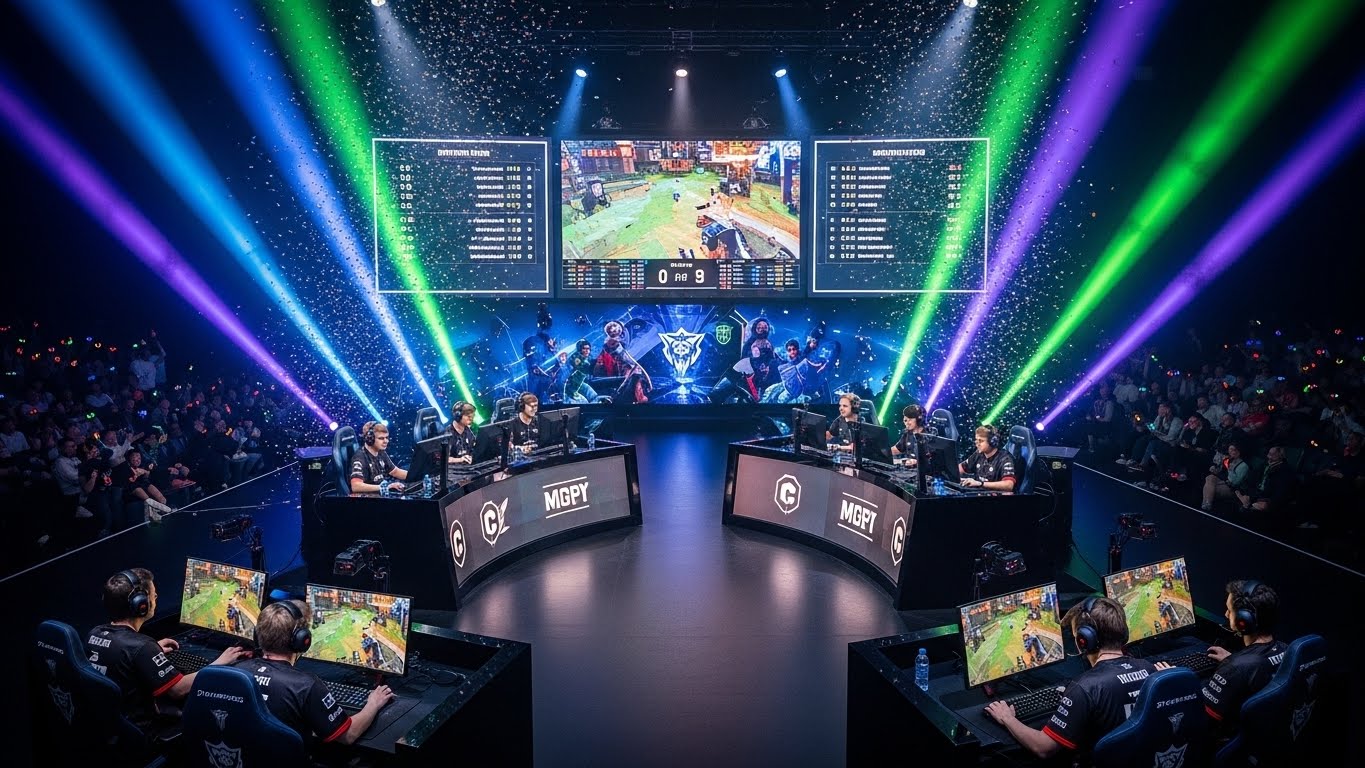
Finally, ticket sales for live events, especially large-scale tournaments held in major arenas, contribute to the industry’s financial success. These events not only generate revenue from ticket sales but also bring tourism and boost local economies, as fans travel from all over the world to watch their favorite teams compete in person.
The Technological Advancements Behind Esports
Technology plays a central role in the growth of esports. Advances in gaming hardware, internet infrastructure, and broadcasting technology have made it possible for esports to reach global audiences and offer world-class experiences to both players and viewers.
High-performance gaming PCs and peripherals are crucial for professional players. These systems are optimized to handle the demands of competitive gaming, ensuring that players experience smooth, lag-free gameplay. Teams invest heavily in top-tier gaming equipment, including high-refresh-rate monitors, mechanical keyboards, and precision mice, all of which contribute to peak performance.
The role of streaming technology cannot be overlooked either. Platforms like Twitch have revolutionized the way esports events are broadcast. These platforms enable millions of viewers to watch tournaments live, interact with players and commentators, and follow their favorite teams from anywhere in the world. The integration of real-time data and advanced graphics also enhances the viewing experience, giving fans access to live statistics, team rosters, and detailed in-game information.
Furthermore, the rise of virtual reality (VR) and augmented reality (AR) holds the potential to take esports to the next level. With VR, viewers could watch tournaments as though they were sitting in the front row of an arena, while AR could provide immersive, interactive experiences that allow fans to engage with games and players in new ways.
The Social and Cultural Impact of Esports
Esports has had a profound impact on global culture. What was once a niche interest is now a mainstream form of entertainment enjoyed by millions. Esports has created a unique subculture with its own heroes, communities, and fandoms. Major esports events are often treated like sporting spectacles, with fans filling stadiums to watch live matches and engaging with their favorite players on social media.
Esports has also contributed to breaking down geographical and cultural barriers. Fans from all over the world come together to support their favorite teams and players, regardless of language, nationality, or background. This global connection has made esports one of the most inclusive forms of entertainment, providing a platform for people to come together and celebrate their shared love of gaming.
Moreover, esports has played a pivotal role in changing the perception of gaming as a whole. What was once seen as a solitary and sometimes stigmatized activity has become a respected sport, with professional players gaining recognition similar to that of athletes in traditional sports. As esports continues to gain mainstream acceptance, it has helped to destigmatize gaming, turning it into a widely accepted and celebrated form of entertainment.
The Future of Esports
As esports continues to grow, the future holds exciting possibilities. One of the most promising developments is the integration of esports with traditional sports. Professional sports leagues like the NBA and NFL have already embraced esports, creating their own esports leagues and tournaments. In the future, we may see hybrid events that combine elements of traditional sports with esports competitions, creating a more diverse and engaging experience for fans.
Cloud gaming and mobile esports are also on the horizon. As technology continues to improve, the barrier to entry for competitive gaming will become lower, allowing more people to participate in esports without needing high-end gaming PCs or consoles. Mobile esports, in particular, is seeing explosive growth, especially in regions like Southeast Asia, where mobile gaming is the dominant form of play.