arenatribe36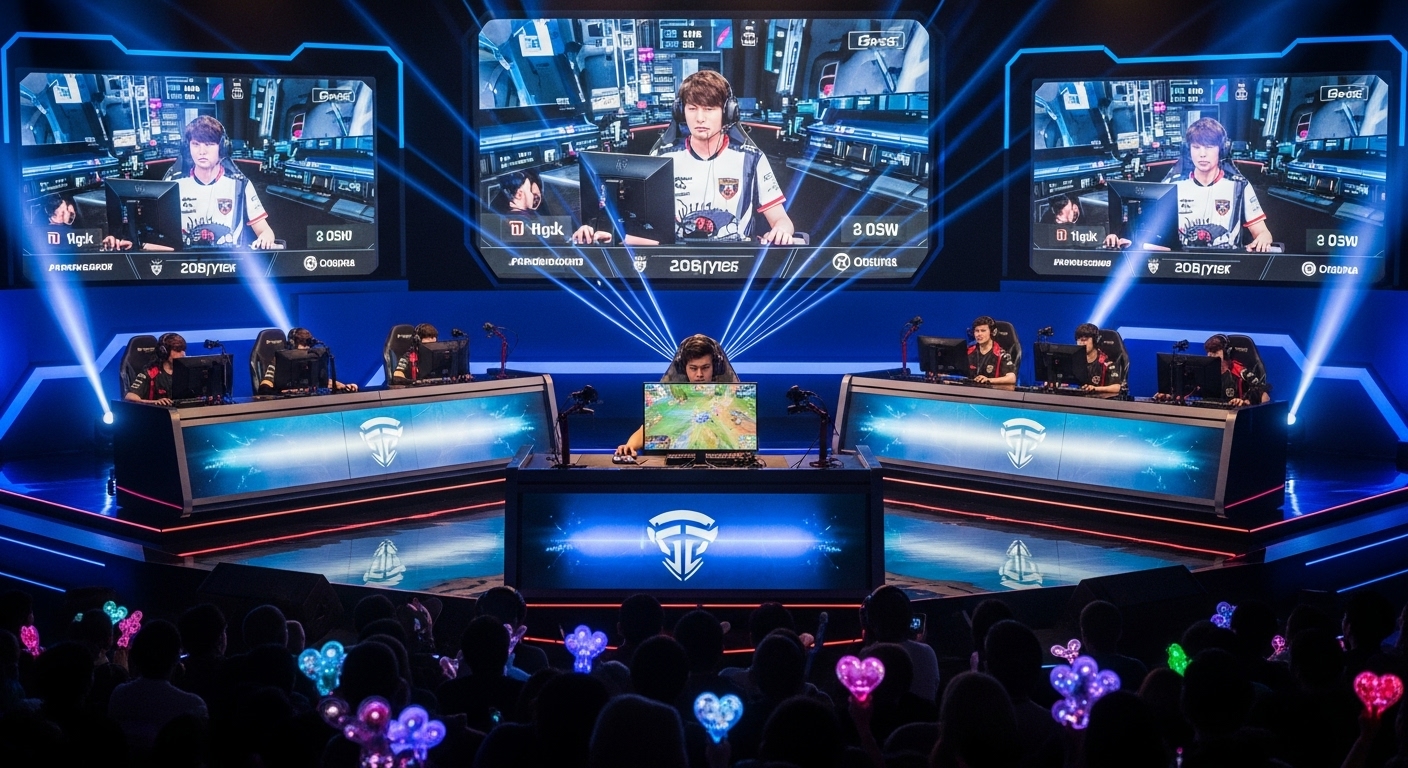
Esports, short for electronic sports, has transitioned from a niche hobby into a global phenomenon over the past two decades. What began as simple arcade competitions and local video game tournaments has now evolved into a multi-billion-dollar industry that attracts millions of viewers, sponsors, and professional players worldwide. Unlike traditional sports, Esports thrives in the digital space, connecting gamers, fans, and developers across continents. Its growth has been fueled by advancements in technology, streaming platforms, and the increasing social acceptance of gaming as a legitimate career.
The allure of Esports lies not only in competitive gameplay but also in its ability to create communities. Online multiplayer games allow players from different backgrounds and countries to connect, compete, and collaborate. The social aspect of Esports has been particularly significant in fostering long-lasting friendships and professional networks. For many players, Esports provides a sense of belonging that traditional sports or other recreational activities might not offer.
A Brief History of Esports
The roots of Esports can be traced back to the 1970s and 1980s when arcade gaming became popular. One of the earliest documented video game competitions took place in 1972 at Stanford University, where students competed in the game “Spacewar!” However, the first major wave of organized Esports emerged in the 1990s with the advent of personal computers and LAN (Local Area Network) tournaments. Games like “Quake,” “StarCraft,” and “Counter-Strike” became household names among competitive gamers.
In South Korea, professional gaming took a monumental leap in the late 1990s and early 2000s. The country embraced Esports culturally, with professional teams, televised matches, and large-scale tournaments. StarCraft, in particular, became a symbol of South Korea’s commitment to competitive gaming, laying the foundation for modern Esports leagues worldwide. By the 2010s, Esports had expanded globally, with games like “League of Legends,” “Dota 2,” and “Overwatch” taking center stage.
The Popularity of Modern Esports Titles
Today, Esports encompasses a wide variety of genres, each attracting dedicated audiences and professional players. Multiplayer online battle arenas (MOBAs) like “League of Legends” and “Dota 2” dominate with their strategic depth and intense competition. First-person shooters (FPS) such as “Counter-Strike: Global Offensive” and “Valorant” test reflexes, accuracy, and teamwork. Battle royale games like “Fortnite” and “PUBG” introduced a new dynamic to competitive gaming, emphasizing survival, adaptability, and fast-paced action.
Sports simulation games, including “FIFA” and “NBA 2K,” have also carved a niche within Esports, appealing to fans of traditional sports seeking digital competition. Fighting games, racing simulators, and card-based strategy games further diversify the Esports ecosystem. Each genre brings unique challenges and attracts distinct player demographics, creating a broad and inclusive competitive landscape.
Esports as a Career
One of the most significant shifts in the gaming world is the recognition of Esports as a viable career. Professional players now earn substantial incomes from tournament winnings, sponsorships, streaming, and team salaries. Top-tier players can earn millions annually, rivaling traditional athletes in earnings and fame.
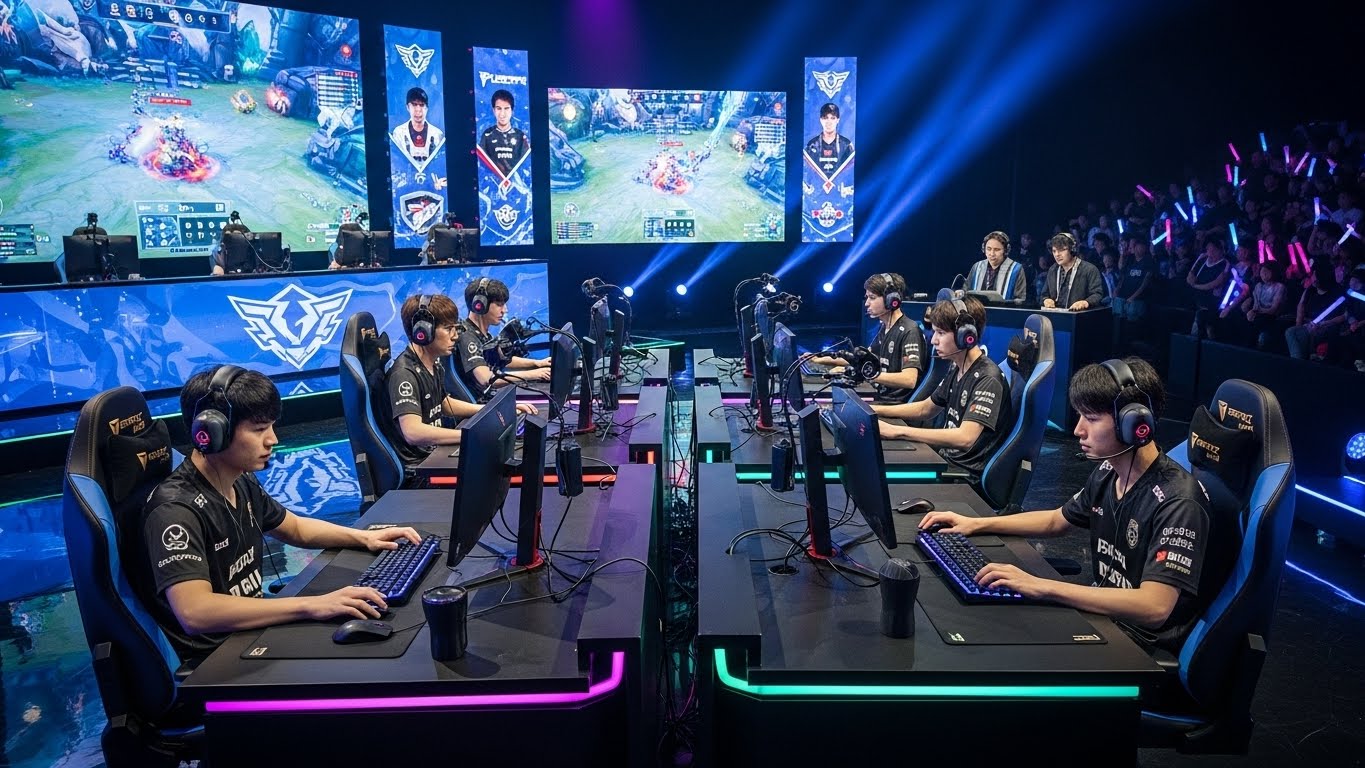
However, pursuing a career in Esports requires more than just gaming talent. Professional players dedicate countless hours to practice, often maintaining strict schedules similar to traditional sports training regimens. Physical fitness, mental conditioning, strategy development, and teamwork are crucial for success. Coaches, analysts, and support staff play an integral role in guiding players and ensuring peak performance. Esports has evolved into a structured profession, complete with contracts, management teams, and organizational hierarchies.
The Business of Esports
The business side of Esports has experienced exponential growth, attracting investments from venture capitalists, corporations, and media companies. Major tournaments now feature multi-million-dollar prize pools, with sponsors from diverse industries, including technology, fashion, and food and beverage. Streaming platforms such as Twitch and YouTube Gaming have transformed viewership, enabling fans to watch live matches, interact with players, and participate in digital communities.
Teams and organizations are leveraging branding, merchandise, and content creation to build loyal fan bases. Esports franchises operate similarly to traditional sports teams, with marketing campaigns, fan engagement strategies, and partnerships. The economic impact of Esports is substantial, creating jobs, supporting technology development, and generating revenue across multiple sectors.
Esports Tournaments and Events
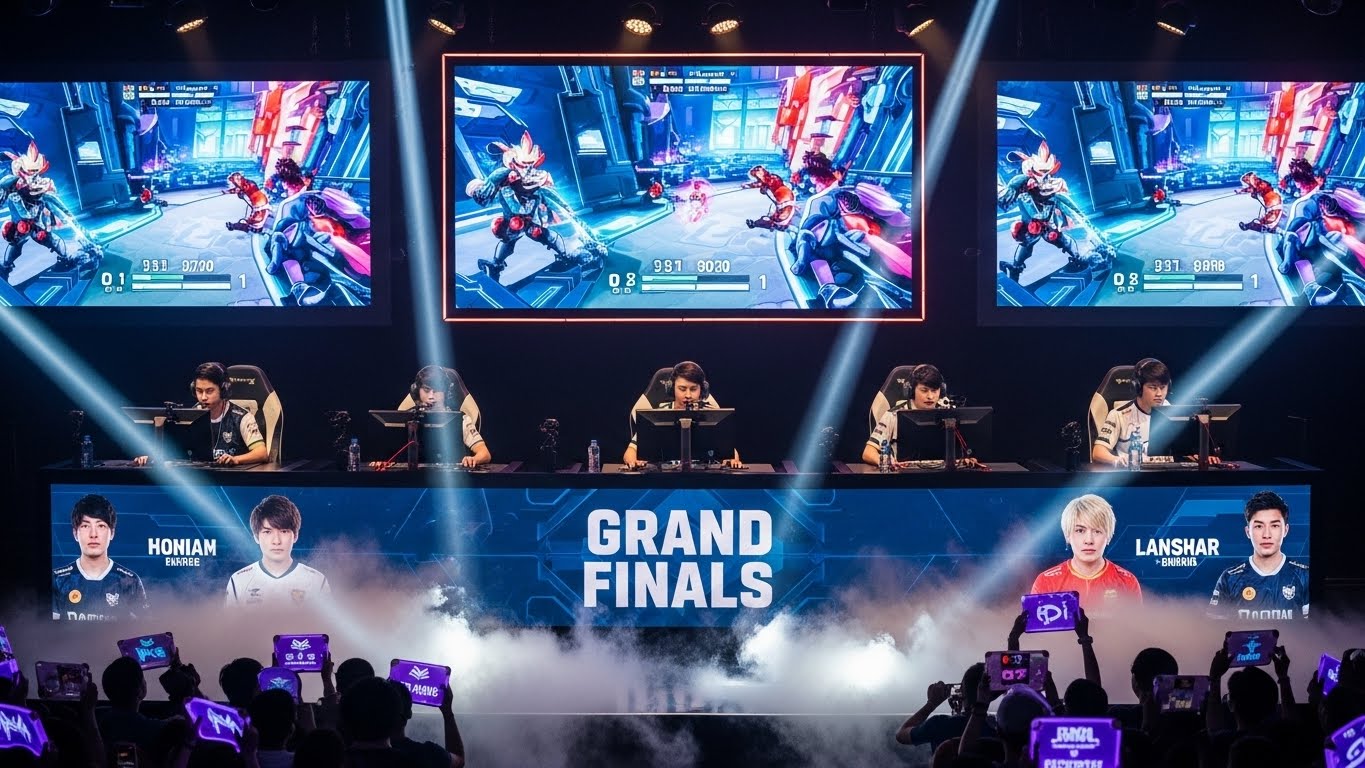
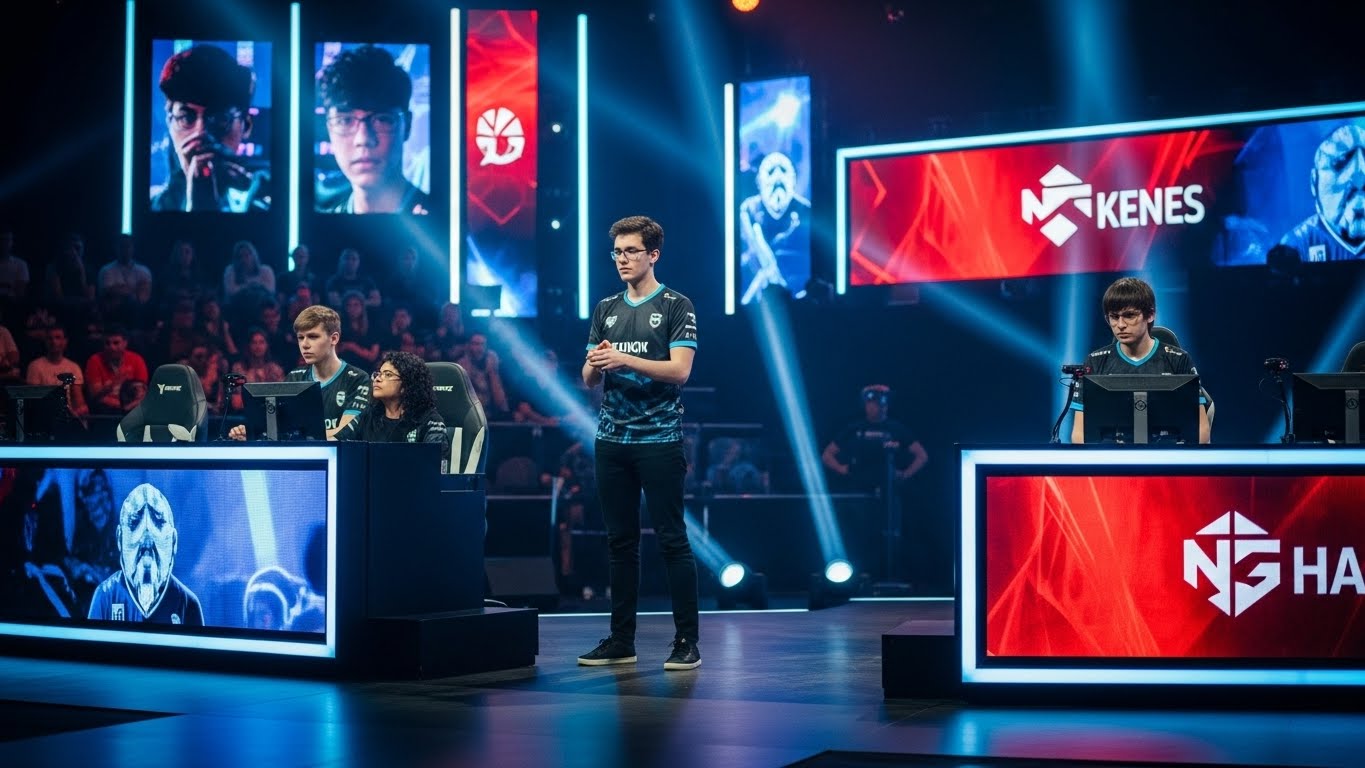
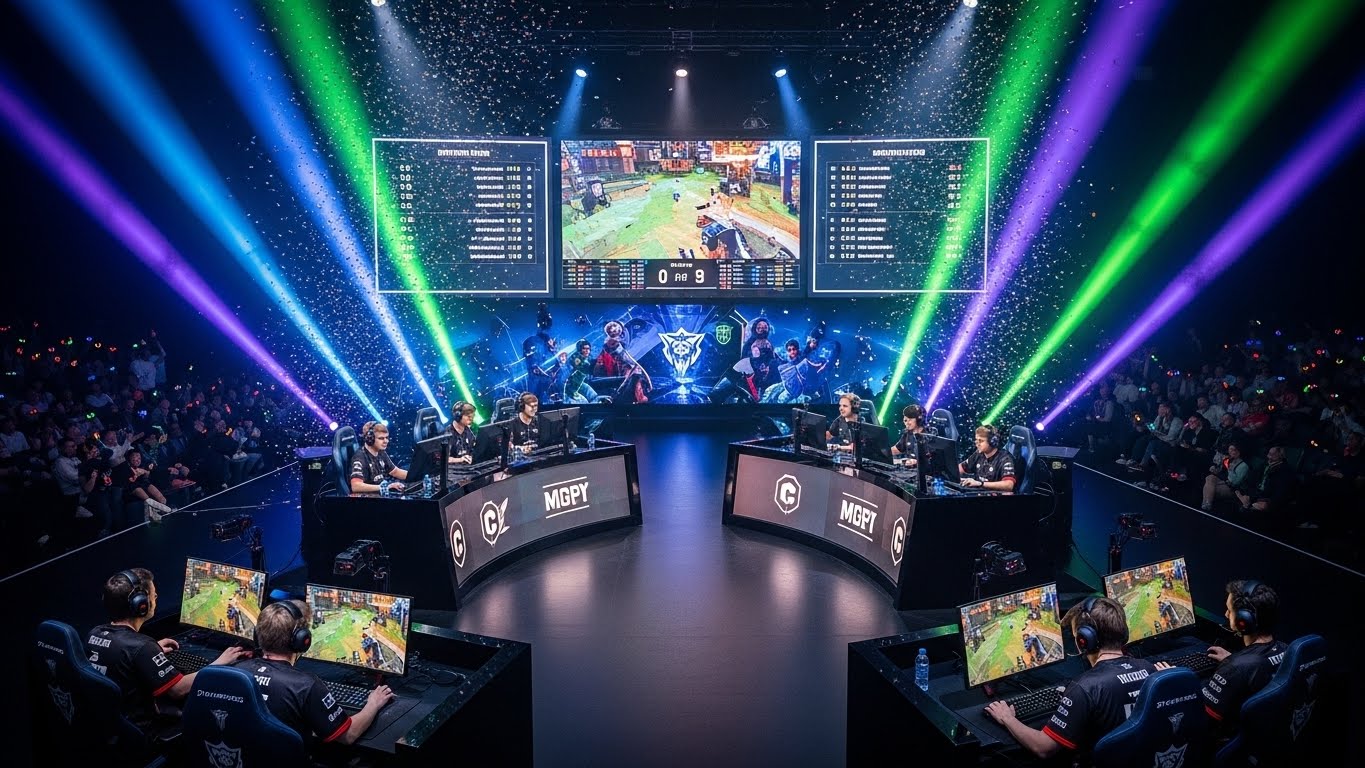
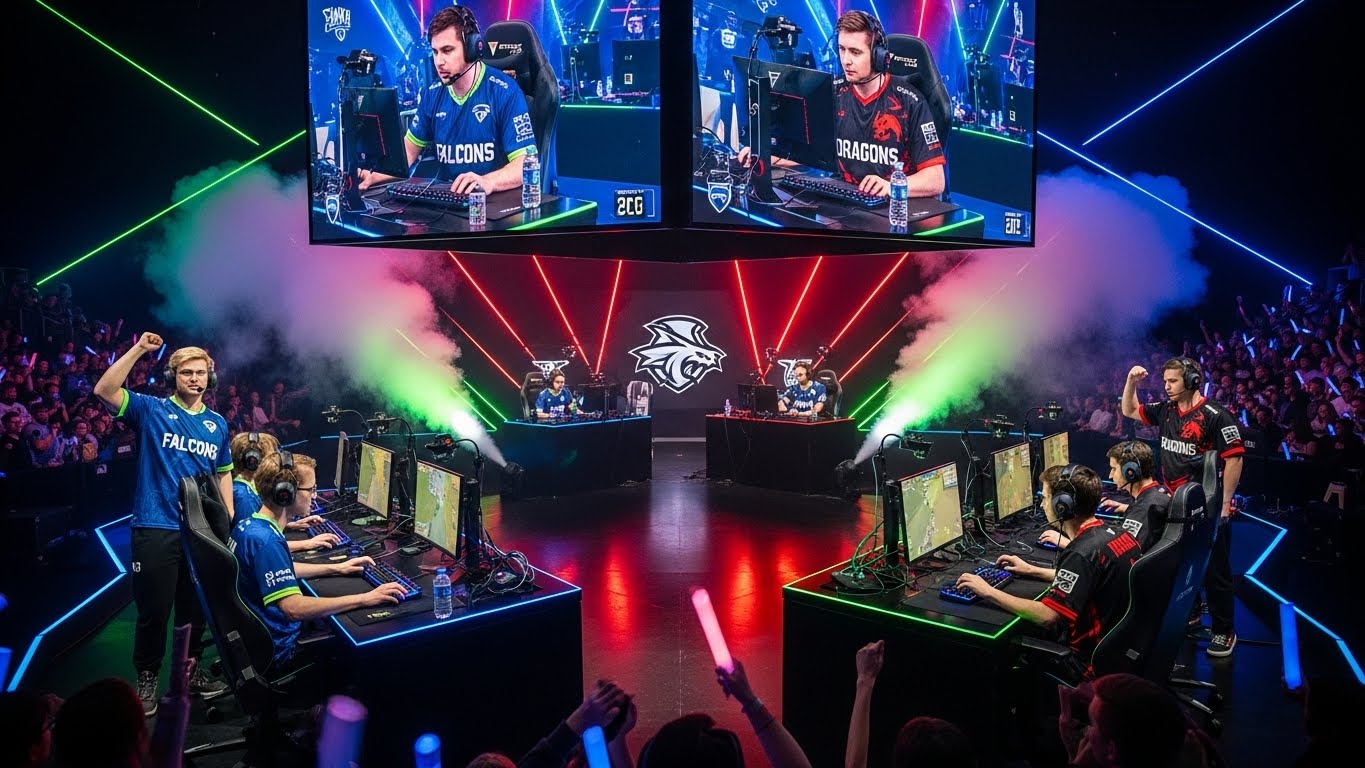
Tournaments are the lifeblood of competitive gaming, providing a platform for players to showcase their skills and for fans to experience excitement. Events range from local competitions to massive international championships, drawing millions of viewers both in-person and online. The “League of Legends World Championship,” “The International Dota 2 Championship,” and “Fortnite World Cup” are prime examples of high-profile Esports events.
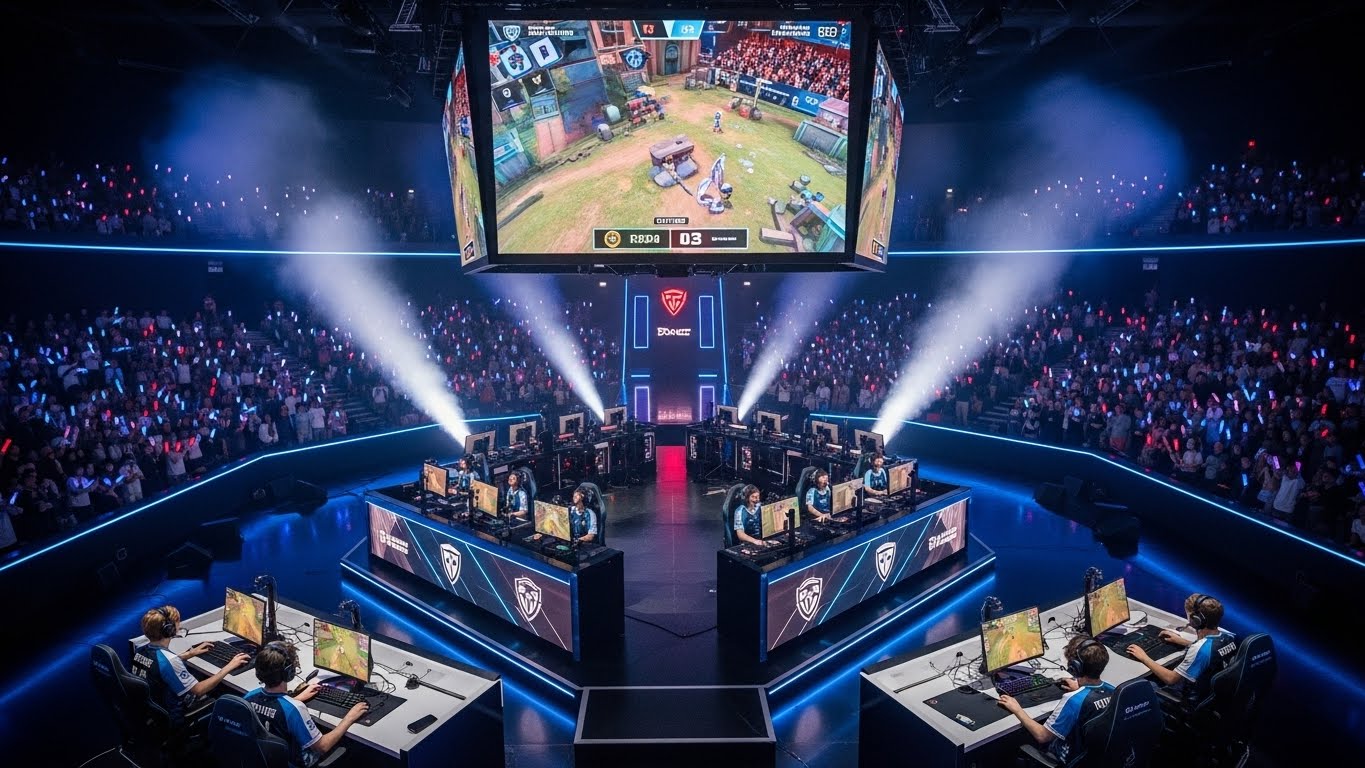
These tournaments not only feature intense gameplay but also elaborate productions with live commentary, immersive visuals, and interactive experiences. Esports events have transformed into full-fledged entertainment spectacles, often comparable to concerts or traditional sporting events. The community-driven excitement around tournaments strengthens fan engagement and drives the continued growth of the industry.
The Role of Streaming in Esports Growth
Streaming platforms have played a pivotal role in Esports’ expansion. Services like Twitch, YouTube Gaming, and Facebook Gaming allow players to broadcast their gameplay to global audiences, creating an interactive and engaging viewing experience. Streamers have become influencers, building personal brands and fostering communities around their content.
Streaming also democratizes Esports by providing visibility to aspiring players who may not have access to traditional tournaments. Amateur players can gain recognition, attract sponsorships, and eventually transition into professional gaming. The symbiotic relationship between competitive gaming and streaming has fueled the rise of Esports as a mainstream entertainment medium.
The Impact of Technology on Esports
Technological advancements have been instrumental in shaping modern Esports. High-performance gaming hardware, faster internet connectivity, and sophisticated software have elevated competitive gameplay. Virtual reality (VR) and augmented reality (AR) are beginning to influence Esports, introducing new immersive experiences for both players and viewers.
Data analytics and artificial intelligence are also increasingly used in professional gaming. Teams analyze performance metrics, strategize based on opponent tendencies, and optimize gameplay through AI-driven insights. Technology has transformed Esports from casual gaming into a precise, competitive discipline that demands skill, strategy, and innovation.
Esports and Youth Culture
Esports resonates strongly with younger generations, particularly millennials and Gen Z. These age groups have grown up with video games and digital technology, making Esports a natural extension of their recreational interests. Gaming culture fosters creativity, problem-solving, and social interaction, offering a compelling alternative to traditional sports or entertainment.
Educational institutions have started to recognize the value of Esports, with some offering scholarships, clubs, and varsity-level teams. Esports programs in schools and universities provide students with opportunities to develop teamwork, leadership, and technical skills while pursuing their passion for gaming.
Challenges Facing Esports
Despite its growth, Esports faces several challenges. One major concern is the potential for burnout among professional players. Long hours of practice, intense competition, and public scrutiny can take a toll on mental and physical health. Organizations are increasingly implementing wellness programs to address these issues.
Regulatory and ethical concerns also arise, including cheating, match-fixing, and doping. Maintaining fair competition requires oversight, standardized rules, and enforcement mechanisms. Additionally, the rapid commercialization of Esports sometimes sparks debates about inclusivity and accessibility, as high costs and professional pressures can exclude certain players or communities.
The Future of Esports
The future of Esports appears promising, with continued growth expected across all aspects of the industry. Advances in technology, increasing mainstream recognition, and expanding global participation will drive further development. Mobile gaming, in particular, is emerging as a significant force, bringing Esports to wider audiences in regions with limited access to traditional gaming hardware.
Integration with virtual events, esports betting, and cross-platform competitions may redefine the spectator experience. As Esports becomes more intertwined with entertainment, education, and social media, it will continue to shape the way society perceives gaming and digital interaction. The line between Esports and traditional sports is increasingly blurred, highlighting the legitimacy and influence of competitive gaming.
Conclusion: Esports as a Cultural Force
Esports is more than just a competitive pastime; it is a cultural force that bridges technology, entertainment, and community. It empowers players to turn passion into profession, unites fans across borders, and drives economic growth in the digital era. The evolution of Esports reflects broader societal shifts toward digital engagement, creativity, and connectivity.
As Esports continues to expand, its impact on youth culture, technology, and entertainment will only deepen. What started as a niche hobby has become a transformative global phenomenon, proving that the world of competitive gaming is here to stay. From grassroots tournaments to international championships, Esports has established itself as a legitimate and dynamic force in the modern world, capturing the hearts of millions and reshaping the future of digital competition.