arenatribe36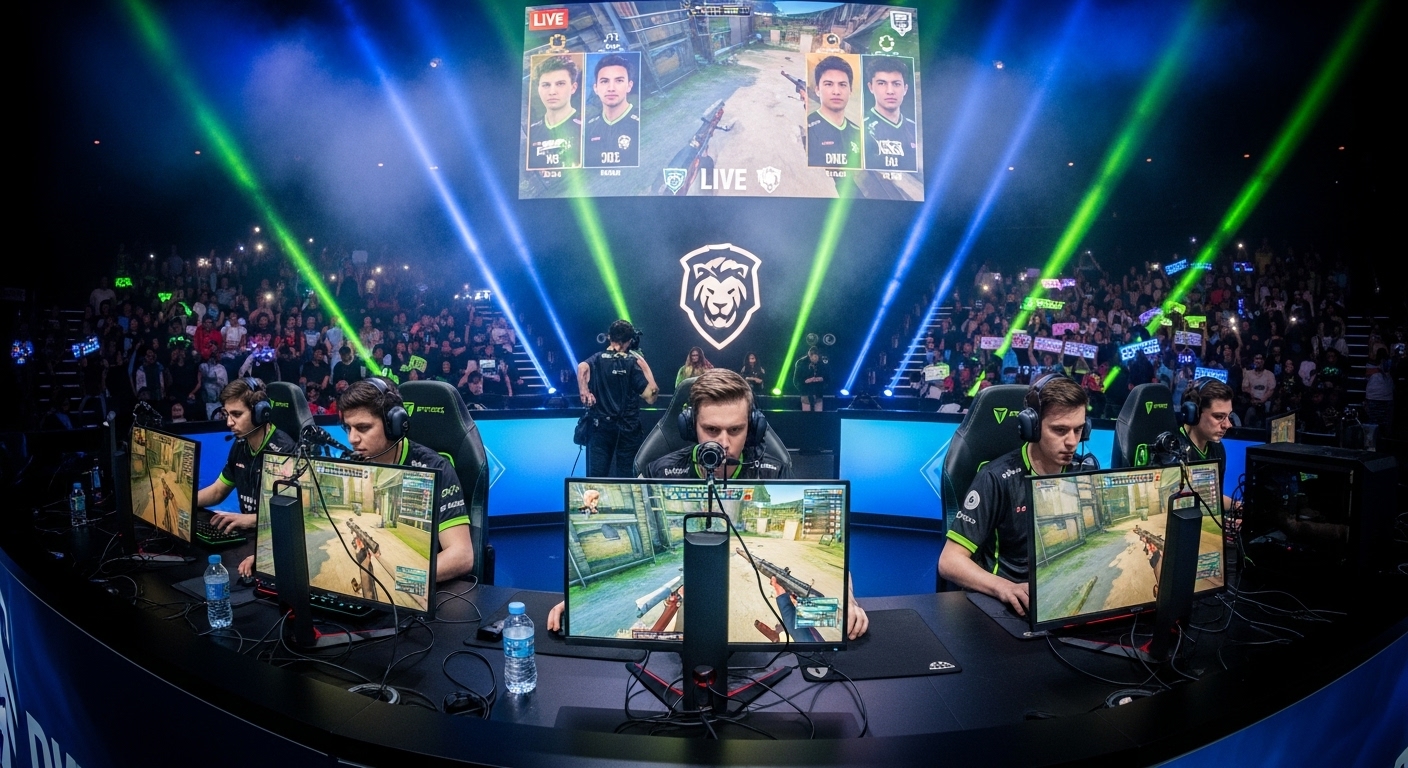
Introduction: The Transformation of Gaming Into a Global Spectacle
In recent years, esports has experienced an extraordinary rise, transitioning from a niche hobby to a global cultural and economic phenomenon. Once relegated to the confines of basements and internet cafes, competitive video gaming has now transformed into a multi-billion-dollar industry, drawing millions of viewers, sponsorships, and media attention worldwide. Today, professional gamers are household names, and esports tournaments fill arenas that rival the grandeur of traditional sports events. Esports has become an undeniable force in entertainment, offering exciting career opportunities, thrilling competitions, and a dynamic fan culture. But how did this digital revolution come about, and what does the future hold for esports?
The Birth of Esports: Early Competitions and Grassroots Movements
The roots of esports can be traced back to the early days of video games in the 1970s. While competitive gaming in the modern sense didn’t exist at the time, people were already engaging in friendly competition through arcade games like Space Invaders and Pong. The first recognized esports competition took place in 1980 with the Space Invaders Championship, offering a $1,000 prize to the winner. Although modest by today’s standards, this early tournament marked the first steps toward what would later become a global industry.
In the following decades, as video game technology improved and the internet began to take shape, competitive gaming evolved. The late 1990s and early 2000s saw the rise of online multiplayer games like Quake, StarCraft, and Warcraft, which provided the foundation for larger-scale competitive tournaments. South Korea played a pivotal role in the development of esports, with StarCraft becoming a national pastime and televised events drawing millions of viewers. This early period helped establish esports as a serious pursuit, with growing audiences and budding professional teams.
The Rise of Streaming: Esports Goes Global
One of the most significant factors driving the success of esports in the 2010s was the rise of streaming platforms like Twitch, which launched in 2011. Before streaming, esports tournaments were often confined to physical events or television broadcasts, limiting their reach. Twitch revolutionized the industry by providing a platform where gamers could stream their gameplay live, allowing fans to watch tournaments in real-time from anywhere in the world.
This shift to online streaming made esports more accessible than ever before. Viewers no longer had to attend tournaments in person or rely on scheduled TV broadcasts. They could simply log into Twitch, YouTube, or other platforms to watch their favorite players compete, creating a massive global audience for esports competitions. By 2021, Twitch alone had more than 140 million unique viewers each month, with millions more watching esports events on other platforms.
Streaming also allowed professional gamers and content creators to build dedicated communities around their channels. Esports influencers became an essential part of the ecosystem, drawing large followings with their entertaining gameplay, personal streams, and interactions with fans. These influencers often have more influence and reach than traditional celebrities, as they connect with their audience on a personal level and engage in real-time conversations. For instance, streamers like Ninja, PewDiePie, and Shroud have amassed millions of followers, earning substantial incomes from subscriptions, sponsorships, and advertisements.
Esports as a Multi-Billion Dollar Industry
Today, esports is no longer just a hobby or subculture; it is a thriving, multi-billion-dollar industry. The economic landscape of esports is made up of several key components, including sponsorships, media rights, advertising, merchandise, ticket sales, and more.
Sponsorships and Brand Partnerships
Sponsorships are the lifeblood of esports’ financial ecosystem. Big-name brands from various industries—such as tech, energy drinks, and apparel—have invested heavily in the esports sector. Companies like Intel, Red Bull, Coca-Cola, and Adidas sponsor major esports tournaments, teams, and players, providing financial support in exchange for brand visibility and access to a highly engaged, tech-savvy audience.
In addition to corporate sponsorships, esports events and tournaments have attracted substantial investments from venture capital firms and private investors. These investors recognize the potential for growth in esports and are eager to capitalize on the expanding fan base. As a result, esports organizations and events now operate with multimillion-dollar budgets, with some tournaments offering prize pools that rival traditional sports leagues.
Media Rights and Broadcasting
Esports’ rise in popularity has also led to a boom in media rights. Much like traditional sports leagues, esports events are broadcast across a range of digital platforms, including Twitch, YouTube, Facebook, and even television networks. In fact, the broadcasting of esports has become a lucrative business in itself, with major streaming platforms paying top dollar for exclusive broadcasting rights to high-profile tournaments. This has allowed tournament organizers and esports organizations to generate substantial revenue from media deals.
Prize Money and Player Salaries
The prize money for esports competitions has skyrocketed in recent years. For example, The International for Dota 2 regularly boasts prize pools exceeding $30 million, with a significant portion of that money coming from the game’s community through crowdfunding initiatives. Other tournaments, such as the League of Legends World Championship and CS:GO Majors, also feature prize pools in the millions of dollars.
Professional esports players can earn lucrative salaries, often with additional income from sponsorships, streaming, and brand endorsements. Top-tier players are now treated as celebrities, with some earning six-figure incomes from their participation in tournaments and content creation. In fact, many players now consider esports to be a full-time career, with the potential for long-term financial success.
The Professionalization of Esports: Teams, Coaches, and Support Staff
Esports has evolved into a highly professionalized industry, with organizations mirroring the structure of traditional sports teams. Many top esports organizations, such as Team Liquid, Cloud9, and FaZe Clan, recruit talented players, provide coaching, and invest in facilities designed for team practice. These organizations operate with management teams, marketing departments, and business operations similar to that of any major sports franchise.
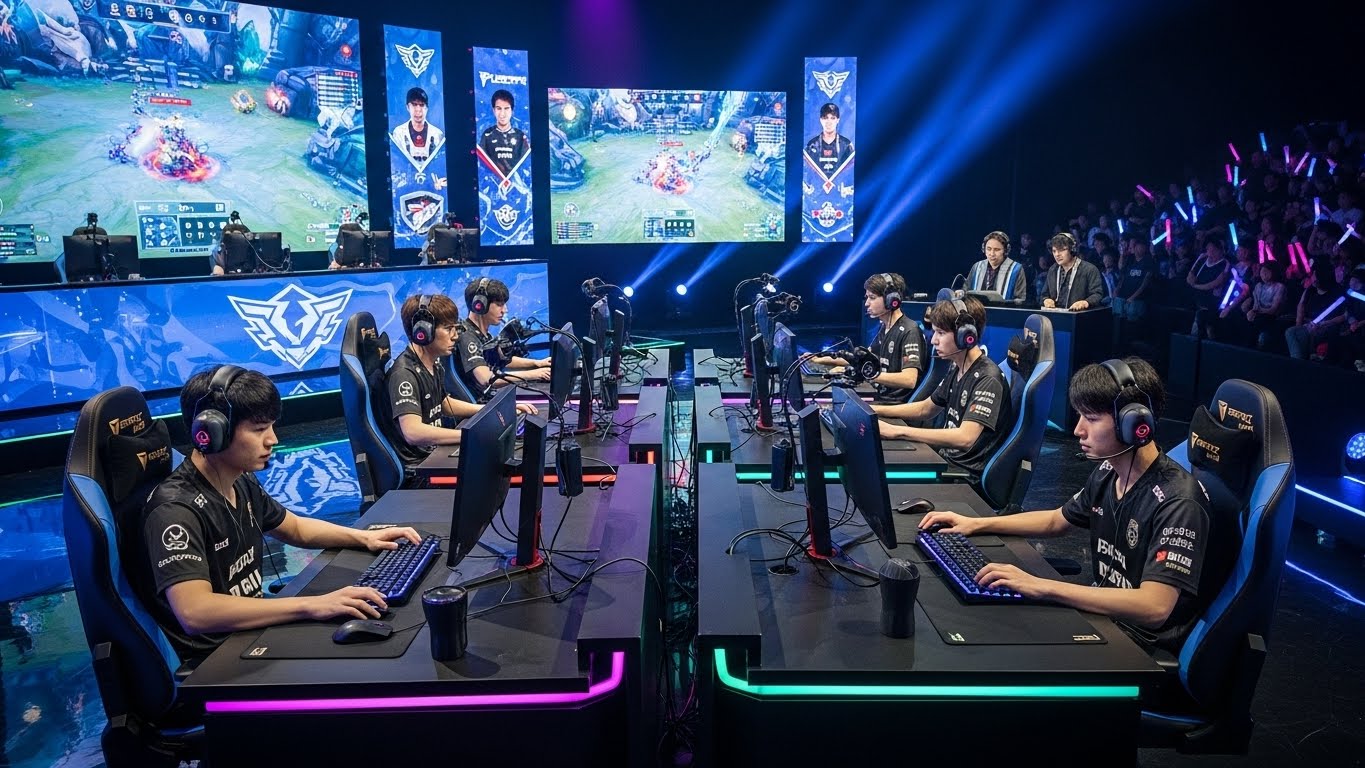
Just like traditional athletes, esports players undergo intense training regimens and spend hours each day practicing their skills. Coaches and analysts are also an integral part of the esports ecosystem, helping teams develop strategies, improve individual performance, and analyze opponents. The level of competition in esports is incredibly high, and staying at the top requires discipline, focus, and continuous improvement.
Moreover, the expansion of esports has created a wide range of job opportunities beyond just players. These include positions for managers, broadcasters, event organizers, content creators, and social media influencers. As esports continues to grow, so too does the professional workforce supporting it.
The Spectator Experience: From Watching to Participating
One of the unique aspects of esports is its interactive and immersive spectator experience. While traditional sports fans can watch games from the sidelines or in stadiums, esports fans have the option to interact with the action in real-time. Platforms like Twitch and YouTube allow viewers to communicate with players, comment on the matches, and even participate in fan-driven events, such as community tournaments or live Q&A sessions with professional players.
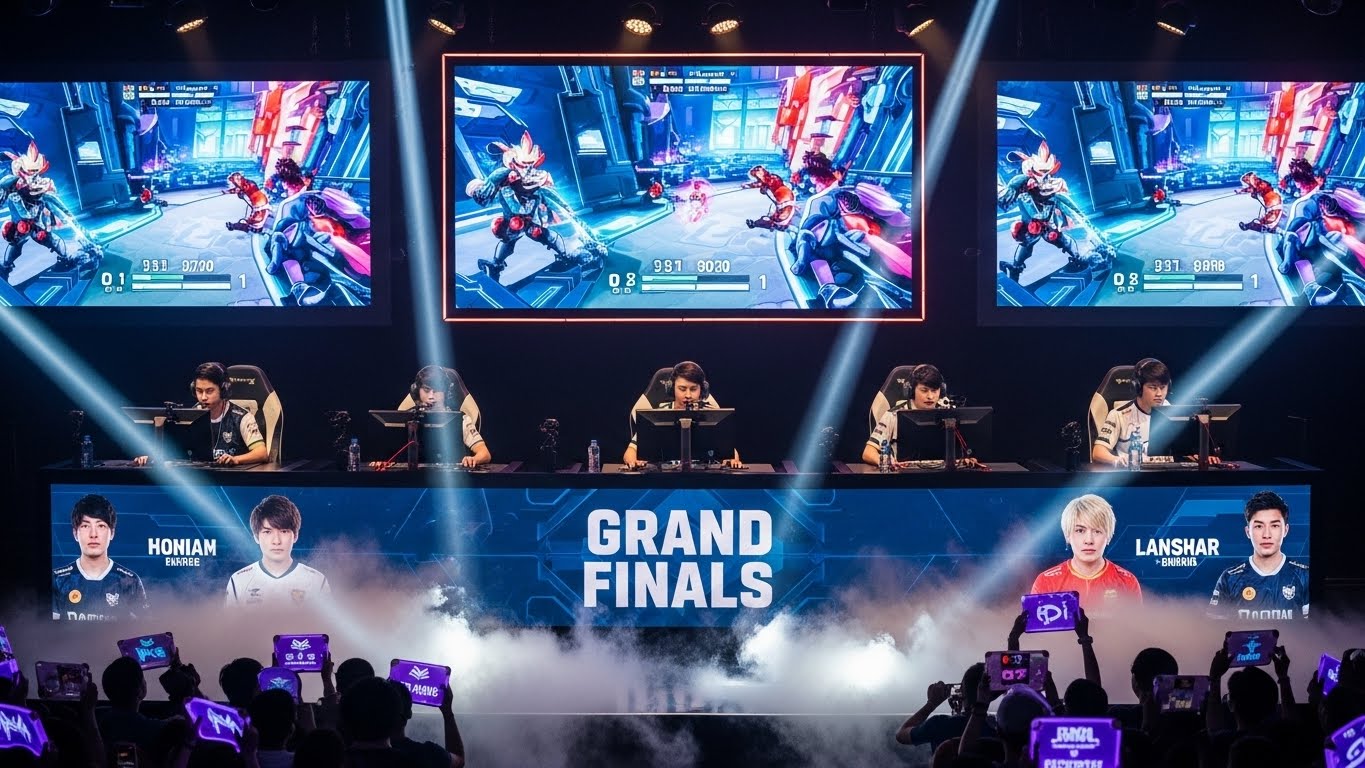
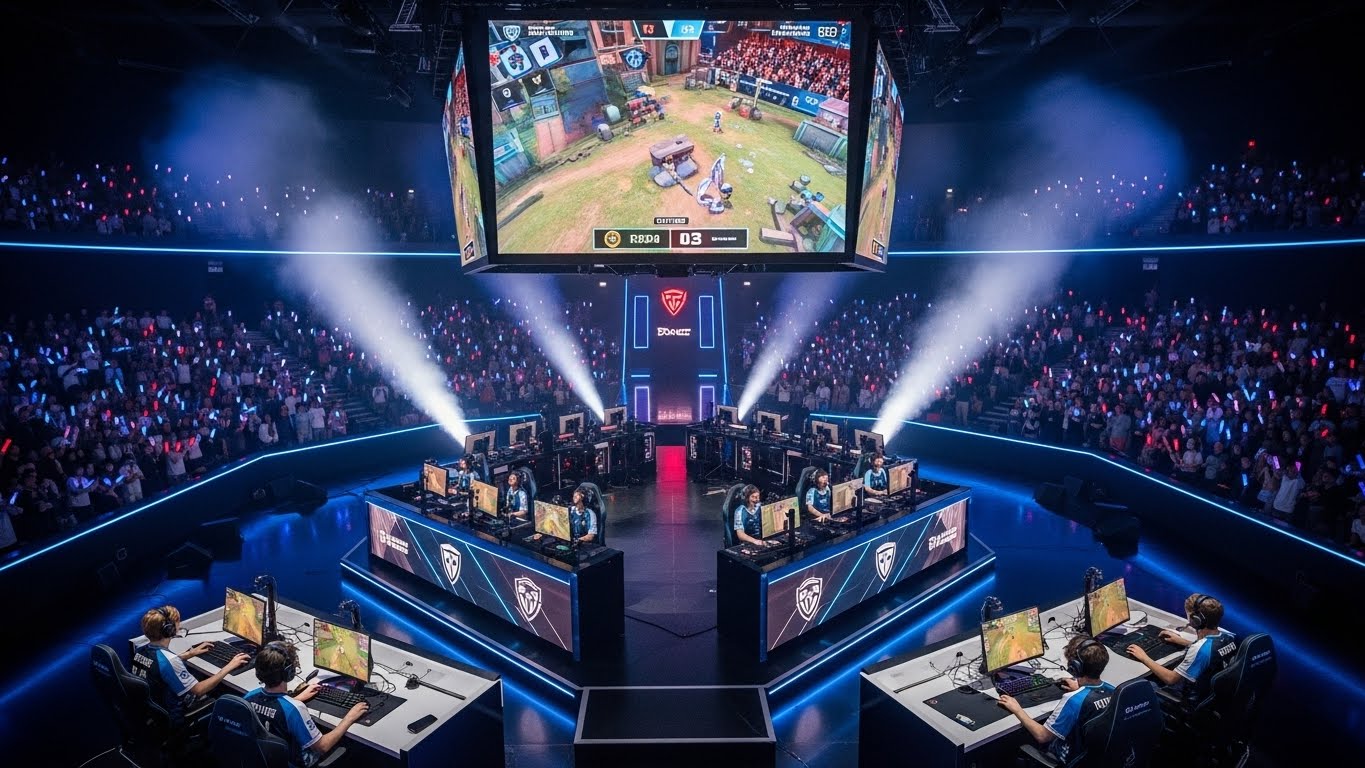
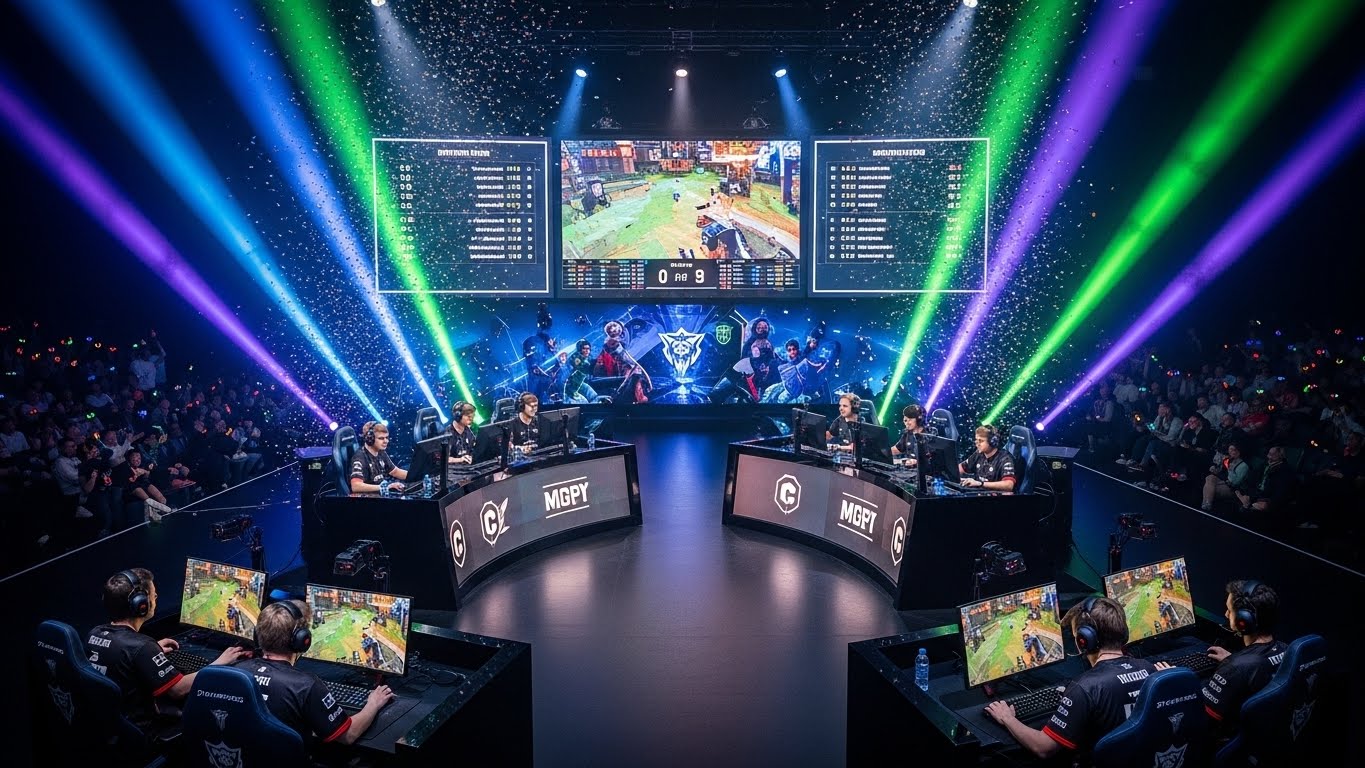
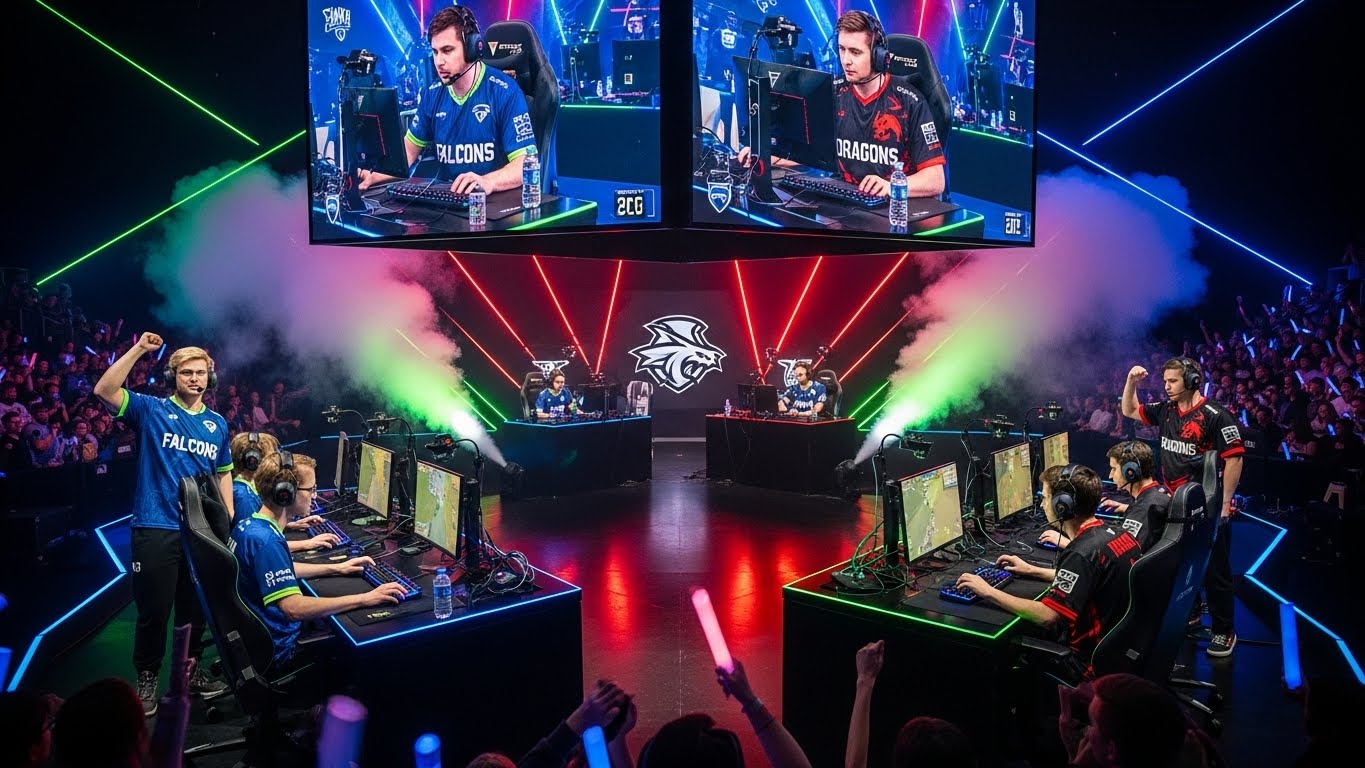
Esports events themselves have evolved into grand spectacles, with live-streamed matches attracting millions of viewers globally. Large tournaments are held in sold-out arenas, such as the League of Legends World Championship at the Los Angeles Staples Center and The International at the Rogers Arena in Vancouver. These events feature high-quality production values, including lighting, music, and live commentary, creating an atmosphere that rivals traditional sports events.
Furthermore, fans of esports have the opportunity to engage in “fan culture,” much like traditional sports fans. This includes team loyalty, merchandise, and even viewing parties where fans gather to watch tournaments together. The rise of esports has fostered the development of vibrant fan communities, both online and in person, making it an increasingly social experience.
The Role of Esports in Youth Development
Esports has not only changed the landscape of entertainment but also played a significant role in the development of youth culture. For many young people, esports provides a sense of purpose and identity. Through gaming, they learn valuable skills such as teamwork, communication, and problem-solving. Esports also helps young people develop discipline and time management skills, as they balance practice, study, and social life.
Many esports organizations have begun offering scholarships to talented young players, allowing them to pursue both their education and competitive gaming careers. Several universities have even established official esports teams, creating opportunities for students to compete at the collegiate level while earning a degree. In addition, youth-oriented gaming leagues and programs are springing up worldwide, providing aspiring players with a structured pathway to enter the professional esports scene.
Moreover, the rapid growth of esports has helped combat the stigma surrounding gaming. Once seen as a solitary and unproductive activity, gaming is now recognized as a legitimate career option. Esports allows young people to turn their passion for gaming into a profession while fostering a sense of community and camaraderie.
The Future of Esports: Innovation and Global Growth
The future of esports looks incredibly promising, with significant growth expected across multiple areas. One of the most exciting developments is the potential integration of emerging technologies like virtual reality (VR) and augmented reality (AR) into the esports experience. VR has the potential to immerse fans in a more interactive and lifelike viewing experience, while AR could allow viewers to access real-time stats, player data, and other interactive features during live events.
In addition, the expansion of esports into new global markets, particularly in regions like Africa, Latin America, and the Middle East, will continue to fuel the industry’s growth. As internet infrastructure improves and mobile gaming becomes more widespread, esports will reach new audiences and foster a truly global fanbase.
Esports will also continue to grow its presence in traditional media, with major sports networks, such as ESPN and FOX Sports, investing in broadcasting esports tournaments and events. These partnerships will help bring esports