arenatribe36
In the past decade, the gaming industry has witnessed an extraordinary transformation, and at the heart of this revolution lies esports—short for electronic sports. What began as casual video game competitions among friends has evolved into a global phenomenon where professional players, teams, and organizations compete on grand stages watched by millions of fans worldwide. Esports has not only redefined what it means to be an athlete but also reshaped the very fabric of entertainment, technology, and culture.
This blog explores the rise of esports, its influence on the global stage, and the ways it has bridged the gap between technology and competitive spirit. The story of esports is one of passion, innovation, and community—an evolution that shows how the digital age is transforming human interaction and competition.
The Origins of Esports: From Arcades to Global Stages
The journey of esports can be traced back to the early days of video gaming in the 1970s and 1980s. Back then, games like Space Invaders, Pac-Man, and Donkey Kong dominated the arcades, where players would gather to test their skills and chase high scores. The first known video game competition took place in 1972 at Stanford University, where students competed in Spacewar, one of the earliest computer games. The winner took home a year’s subscription to a science magazine—a far cry from the multi-million-dollar prizes we see today.
By the 1990s, video gaming had entered homes through consoles like the Nintendo Entertainment System and Sega Genesis. This era gave birth to the concept of multiplayer gaming, where friends could challenge each other without needing an arcade. Games like Street Fighter, Mortal Kombat, and StarCraft became staples in competitive play, paving the way for organized tournaments.
The late 1990s and early 2000s saw the rise of the internet, which changed everything. Online gaming allowed players from around the world to compete against one another in real-time. Games like Counter-Strike, Quake, and Warcraft III became foundational pillars of esports. Tournaments began drawing international audiences, marking the beginning of a digital sporting era.
The Rise of Professional Gaming
As gaming grew more popular, so did its competitive side. What was once a hobby soon transformed into a profession. Professional gamers began dedicating countless hours to mastering their craft, and esports organizations emerged to manage teams, sponsors, and competitions.
South Korea played a monumental role in shaping the professional esports scene. The country’s investment in high-speed internet and gaming culture led to the rise of televised gaming leagues in the early 2000s. Games like StarCraft became national sensations, and players such as BoxeR and Flash achieved celebrity status comparable to traditional sports stars.
Other countries soon followed suit. In North America and Europe, titles like Counter-Strike and Dota gained massive followings, while Japan’s fighting game community thrived with titles such as Tekken and Street Fighter. By the 2010s, esports had grown from small local tournaments to international events with millions of dollars in prize pools.
Esports in the Modern Age: A Global Industry
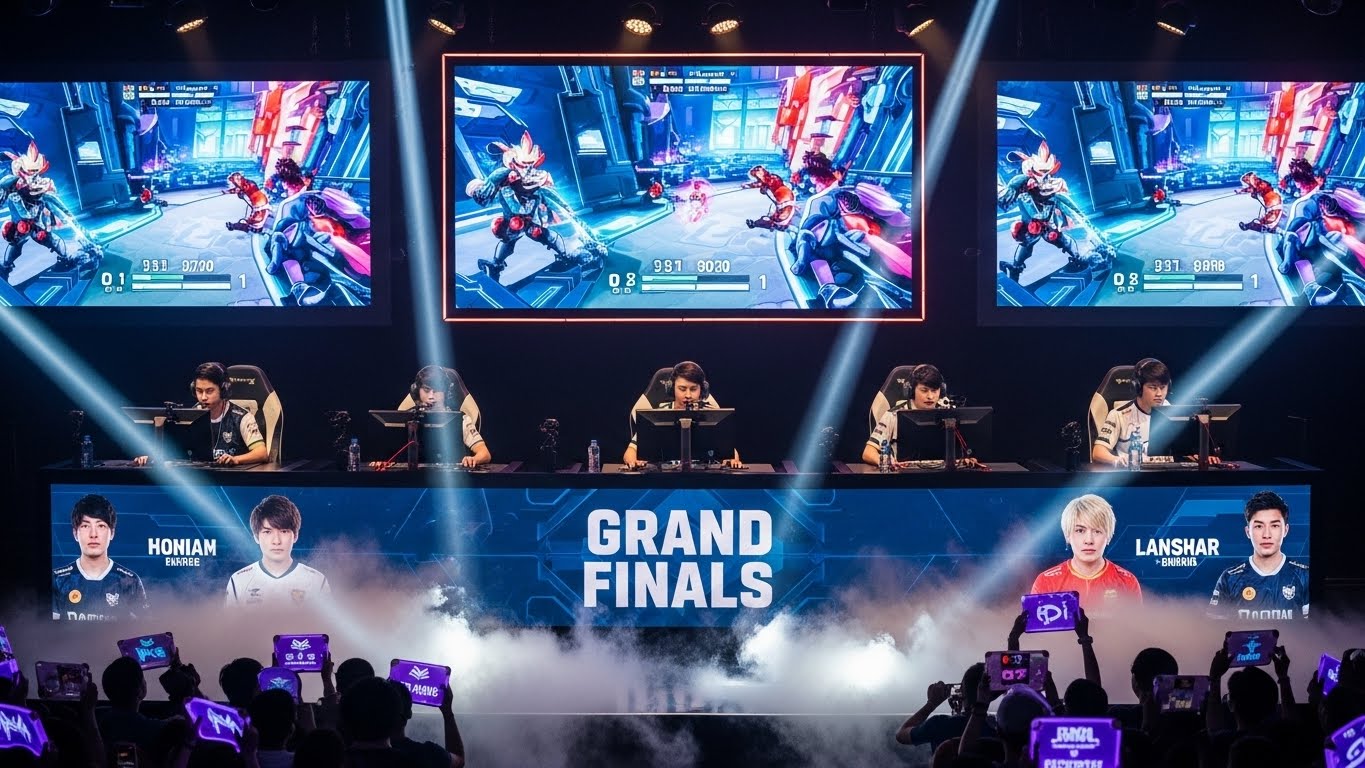
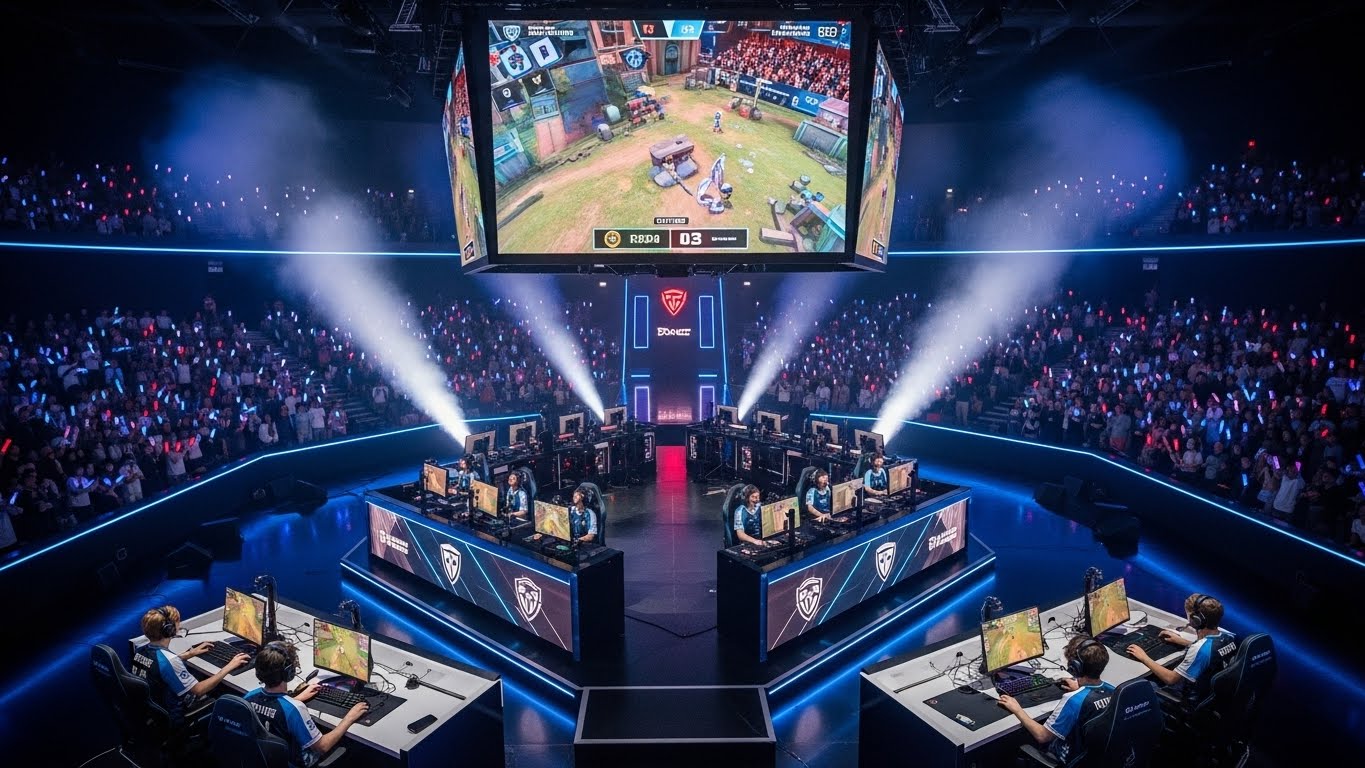
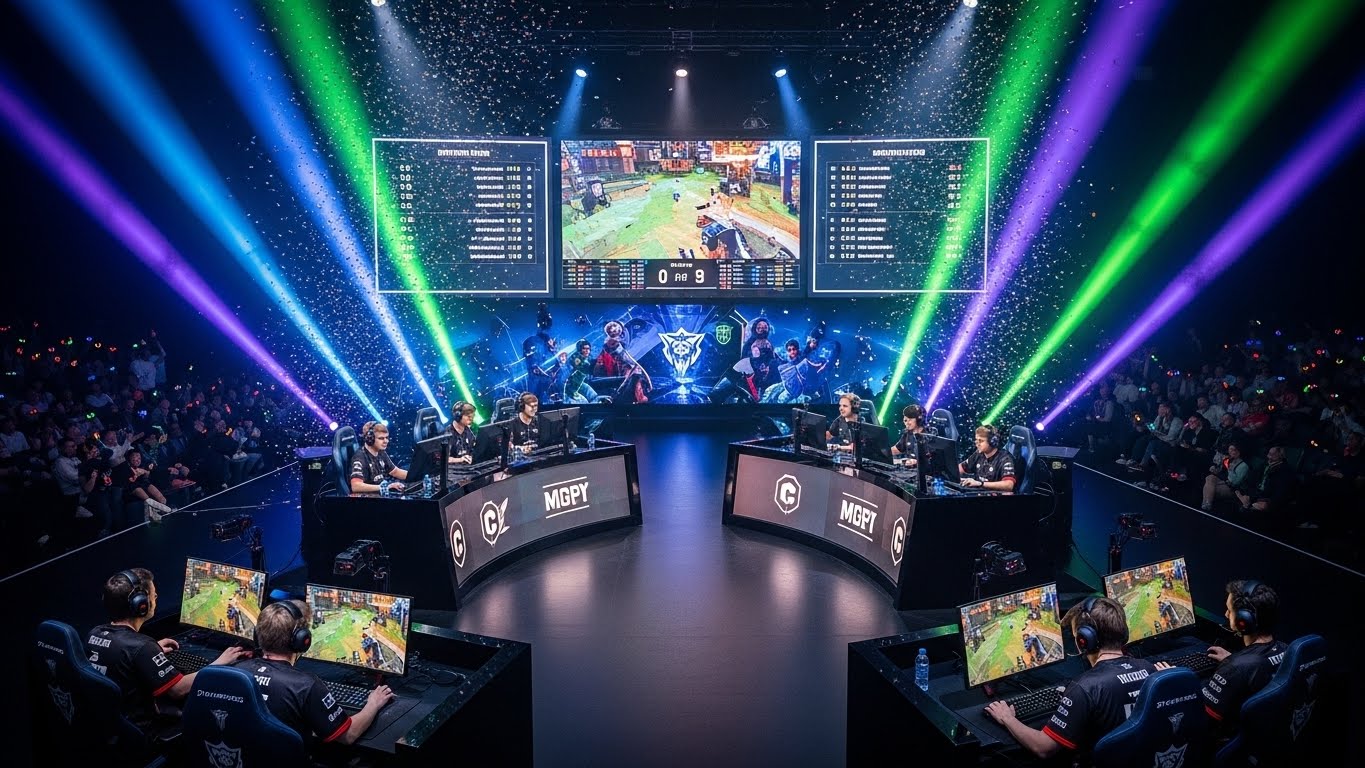
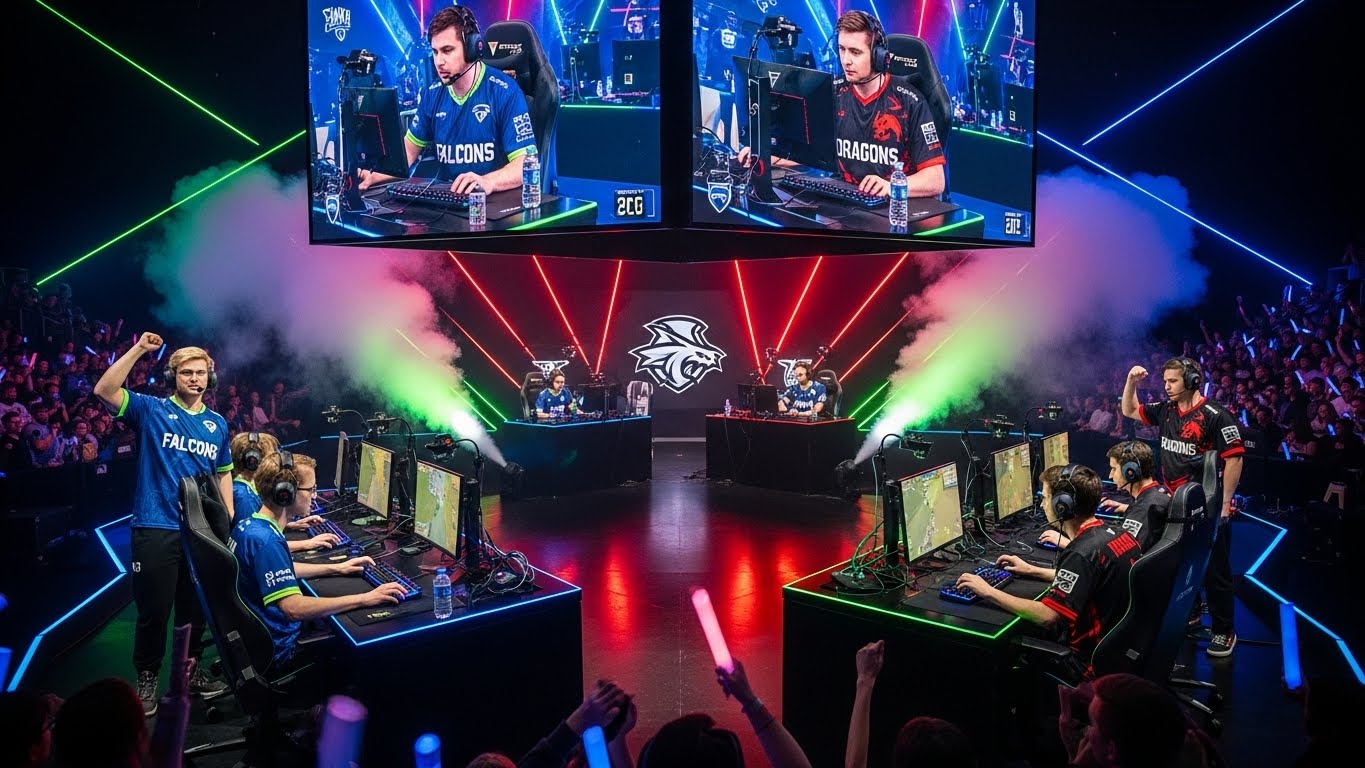
Today, esports is no longer a niche hobby—it’s a billion-dollar global industry. The modern esports ecosystem includes professional teams, leagues, sponsors, advertisers, and millions of fans worldwide. Major tournaments fill arenas and stadiums, drawing crowds comparable to those of major sporting events.
Games such as League of Legends, Dota 2, Counter-Strike: Global Offensive, and Fortnite are among the most popular esports titles. Each has its own professional league, structured seasons, and massive championship events. For instance, world championships in these games attract millions of online viewers from across the globe, rivaling the viewership of traditional sports like football and basketball.
The growth of live streaming platforms has also played a vital role in expanding esports. Players can now stream their gameplay to audiences in real-time, creating new opportunities for fans to engage directly with their favorite players. Streaming has turned gaming into a form of entertainment that blends competition, personality, and creativity.
The Role of Technology in Esports
Esports wouldn’t exist without technology, and its evolution continues to shape the industry in profound ways. The development of high-speed internet, advanced gaming hardware, and streaming platforms has made competitive gaming more accessible and enjoyable for both players and fans.
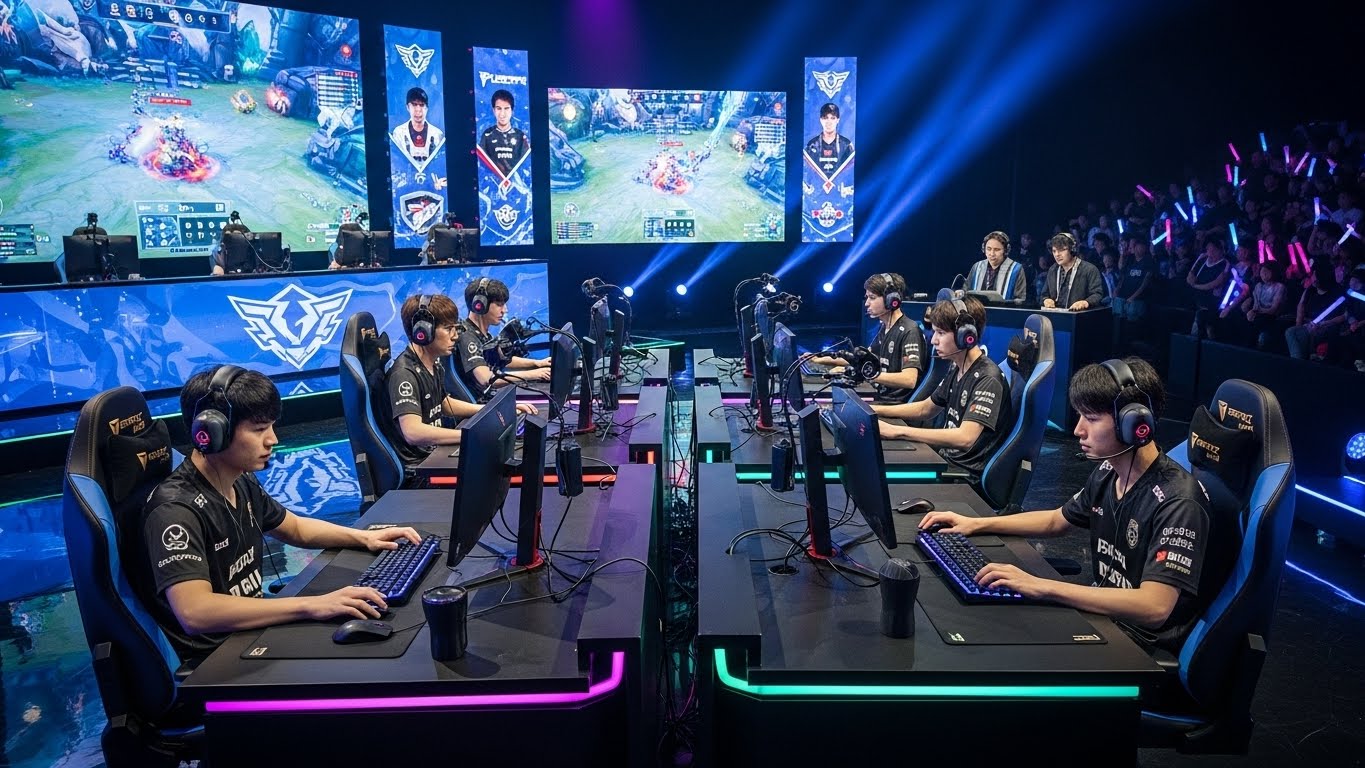
Modern gaming PCs and consoles are capable of running graphically complex games at incredibly high speeds, allowing for seamless gameplay and fair competition. Advanced monitors with high refresh rates ensure that every frame counts, while ergonomic gaming equipment enhances player comfort and performance.
Virtual reality (VR) and augmented reality (AR) technologies are also making their way into esports, promising to deliver more immersive and interactive experiences. Additionally, artificial intelligence (AI) and data analytics are being used to analyze player performance, create strategies, and improve training efficiency.
Esports represents the perfect marriage between human skill and technological innovation. Every click, move, and reaction is a testament to both human capability and the incredible advancements in modern computing.
The Growth of Esports Culture
Beyond competition, esports has fostered a vibrant and diverse culture. The community that surrounds esports is one of its most powerful elements. Fans not only watch tournaments but actively participate through discussions, fan art, and content creation. The sense of belonging and shared enthusiasm has helped esports grow into a cultural movement rather than just a form of entertainment.
Esports has also become a gateway for creativity. Many players and fans aspire to careers as streamers, casters, coaches, or analysts. The content creation side of esports has flourished, with players building personal brands and connecting with audiences on a global scale. This interaction between fans and professionals has blurred the line between spectators and participants, making esports an inclusive and interactive experience.
The Economic Impact of Esports
The financial influence of esports extends far beyond tournament prizes. The industry has become a major player in the global economy, attracting sponsorships from both gaming and non-gaming brands. Companies from sectors such as technology, energy drinks, fashion, and automotive have entered the esports market, recognizing its massive audience potential.
Esports teams operate much like traditional sports organizations, complete with management, coaches, and marketing teams. Player salaries, sponsorship deals, and merchandise sales contribute significantly to the industry’s growth. Major tournaments are often held in large arenas, generating revenue from ticket sales and broadcasting rights.
Educational institutions have also begun to recognize the legitimacy of esports. Universities around the world now offer scholarships for talented esports players, and some even have official varsity teams. This recognition further solidifies esports as a legitimate career path and a vital part of modern culture.
Esports as a Career: Opportunities and Challenges
For many young people, becoming a professional gamer has become a dream career. The appeal of competing at the highest level, traveling the world, and earning substantial incomes is undeniably attractive. However, the life of an esports athlete is not without its challenges.
Professional players often face intense competition and must dedicate countless hours to practice and training. The pressure to perform at peak levels can take a toll on mental and physical health. Just like traditional athletes, esports players require discipline, teamwork, and resilience to succeed.
However, esports offers more than just playing opportunities. There are numerous career paths within the industry, including game development, event management, broadcasting, and marketing. The growing infrastructure of esports means that individuals with various skills can find their place in the ecosystem.
The Future of Esports: Where Innovation Meets Imagination
The future of esports looks brighter than ever. With advancements in technology, global connectivity, and entertainment, esports is poised to grow even further. The increasing popularity of mobile gaming, for instance, is bringing competitive gaming to new audiences who may not own gaming PCs or consoles.
Virtual reality esports could soon redefine competition, offering players and fans a more immersive experience. Meanwhile, AI-driven analytics and enhanced training tools will push player performance to new heights.
Additionally, the integration of esports into traditional sports organizations is on the rise. Many established sports clubs now have esports divisions, recognizing the value of connecting with younger, tech-savvy audiences. As the boundaries between traditional sports and esports blur, the global perception of competition is being reimagined.
Conclusion: A New Era of Competitive Entertainment
Esports is not just a form of gaming—it is a movement that embodies the spirit of modern competition. It represents a world where technology, talent, and passion intersect to create something extraordinary. From humble beginnings in arcades to massive international tournaments, esports has proven that digital competition can be as thrilling and impactful as any traditional sport.
As technology continues to advance and global audiences grow, esports will only become more influential in shaping entertainment, culture, and the economy. It stands as a testament to human innovation and adaptability, reminding us that competition and creativity know no boundaries.
In this digital age, esports has given rise to a new kind of champion—one who competes not on physical fields but in virtual arenas, driven by skill, strategy, and an unrelenting desire to win. The digital arena is here to stay, and it continues to inspire a generation that sees gaming not just as play, but as a platform for greatness.