arenatribe36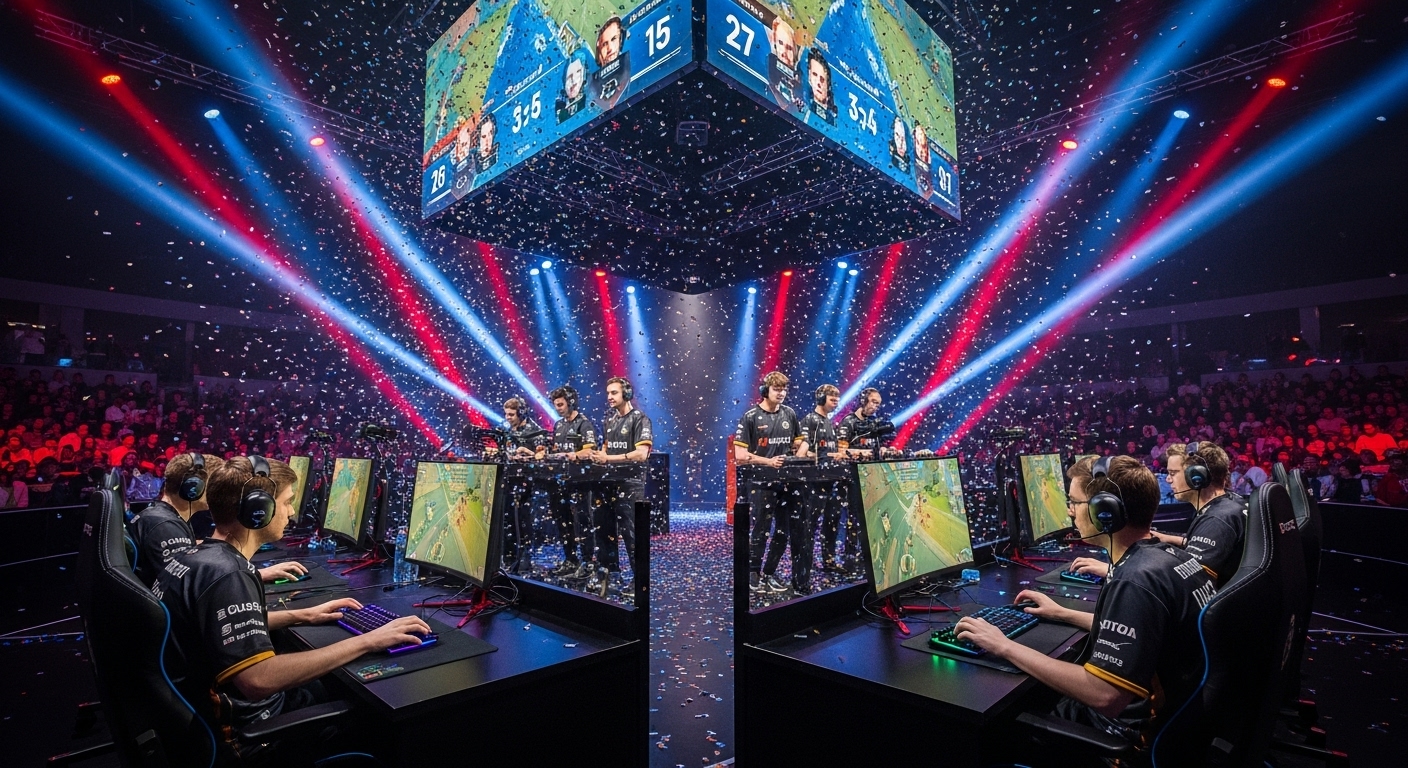
Esports, short for electronic sports, has come a long way since its humble beginnings in the early 2000s. What started as a niche hobby for dedicated gamers has evolved into a multi-billion-dollar global industry. The esports landscape today features professional leagues, streaming platforms, massive tournaments, and sponsorships from top-tier brands. With millions of viewers and players from all over the world, esports is now a dominant force in the world of entertainment.
This blog post will take an in-depth look at the evolution of esports, exploring its origins, growth, and the factors that have contributed to its success. Additionally, we will examine the future of esports and the potential opportunities it presents.
The Beginnings of Esports
The roots of esports can be traced back to the early 1990s, but it wasn’t until the 2000s that competitive gaming truly began to take shape. In the early days, gaming tournaments were small, local events where players would gather in arcades or LAN parties to compete against one another.
In 1997, the first major esports tournament took place with the launch of the Red Annihilation Tournament, which was organized by id Software for the game Quake. The tournament was notable because it offered a substantial prize pool, and its grand finale was broadcast on TV. The tournament attracted a modest crowd, but it set a precedent for the future of esports as a competitive and commercial enterprise.
As the 2000s rolled in, online gaming became more accessible, thanks to the rise of broadband internet. This development opened the doors for competitive gaming on a larger scale. Early esports titles such as StarCraft: Brood War, Warcraft III, and Counter-Strike became staples in the competitive gaming community. These games, with their engaging mechanics and strategic depth, attracted players and spectators alike.
In South Korea, a cultural shift began to take place in the early 2000s. StarCraft: Brood War became an enormous hit, especially among the country’s youth. The government, seeing the potential for esports as a form of national pride, heavily invested in gaming infrastructure. The creation of broadcasting networks such as OnGameNet and MBCGame in the early 2000s paved the way for esports to be taken seriously as a competitive pursuit.
The Growth of Esports
By the mid-2000s, esports began to grow into a legitimate and professional industry. The introduction of games like League of Legends and Dota 2 gave rise to massive tournaments, such as the League of Legends World Championship and The International. These events, which offered millions of dollars in prize money, helped raise the profile of esports on a global scale.
The growth of esports also coincided with the rise of platforms like YouTube and Twitch, which allowed gamers to stream their gameplay to a massive audience. The ability to broadcast live gameplay made it easier for gamers to connect with fans and share their skills with a global community. Twitch, in particular, became the go-to platform for live esports events, offering a unique combination of real-time interaction between players and viewers.
Esports organizations also began to form, with teams representing various games and regions. Some of the most popular organizations include Cloud9, Team Liquid, T1, and Fnatic. These teams would compete in various leagues and tournaments, attracting sponsors and investors who saw the potential for esports to become a mainstream form of entertainment.
The financial aspect of esports also experienced a major shift in the 2010s. As sponsorships grew, so did the prize pools for tournaments. For example, The International, an annual Dota 2 tournament, set records for its prize pool, reaching over $40 million in 2018. These large prize pools demonstrated the growing financial viability of esports and further cemented its status as a legitimate sport.
The Role of Streaming Platforms
Streaming platforms like Twitch and YouTube have played an indispensable role in the growth of esports. Before these platforms, gamers relied on television networks or word of mouth to spread information about esports events. Streaming platforms allowed viewers to watch their favorite players and teams live, creating an interactive experience between streamers and their audiences.
Twitch, which was founded in 2011, became the leading platform for streaming live esports events. The platform’s chat feature allowed fans to interact with players and commentators in real time, making the viewing experience more immersive. Twitch also allowed esports events to reach a global audience, breaking down geographic barriers and increasing the exposure of competitive gaming to new regions.
In addition to Twitch, YouTube became a popular platform for esports highlights and replays. Players and fans would upload videos of the most exciting moments from tournaments, which helped promote the sport to a wider audience. As both platforms grew, esports organizations began to stream their events on multiple platforms, ensuring maximum viewership.
Streaming platforms also helped esports become more accessible. Rather than having to buy tickets to attend a live event, fans could watch their favorite players and teams from the comfort of their own homes. This accessibility increased the number of esports fans and players worldwide, contributing to the industry’s growth.
Sponsorships and Corporate Investment
One of the key factors that fueled the growth of esports was the influx of sponsorships and corporate investment. As esports gained popularity, major brands began to take notice and see the potential for reaching a young, tech-savvy audience. Sponsorships from global companies such as Coca-Cola, Intel, and Red Bull have helped elevate esports to a level that rivals traditional sports.
In addition to corporate sponsors, esports organizations also attracted investment from venture capitalists. These investors saw esports as a high-growth sector, with the potential for massive returns. As a result, esports organizations received substantial funding to sign top-tier players, improve their infrastructure, and organize larger events. This influx of capital helped esports develop into a professional industry with stable salaries for players, coaches, and staff members.
Esports sponsorships have also expanded into other industries. For example, car manufacturers, clothing brands, and tech companies have all partnered with esports teams and tournaments. These sponsorships have helped to diversify the revenue streams of esports organizations, making the industry more financially sustainable.
Esports Tournaments and Leagues
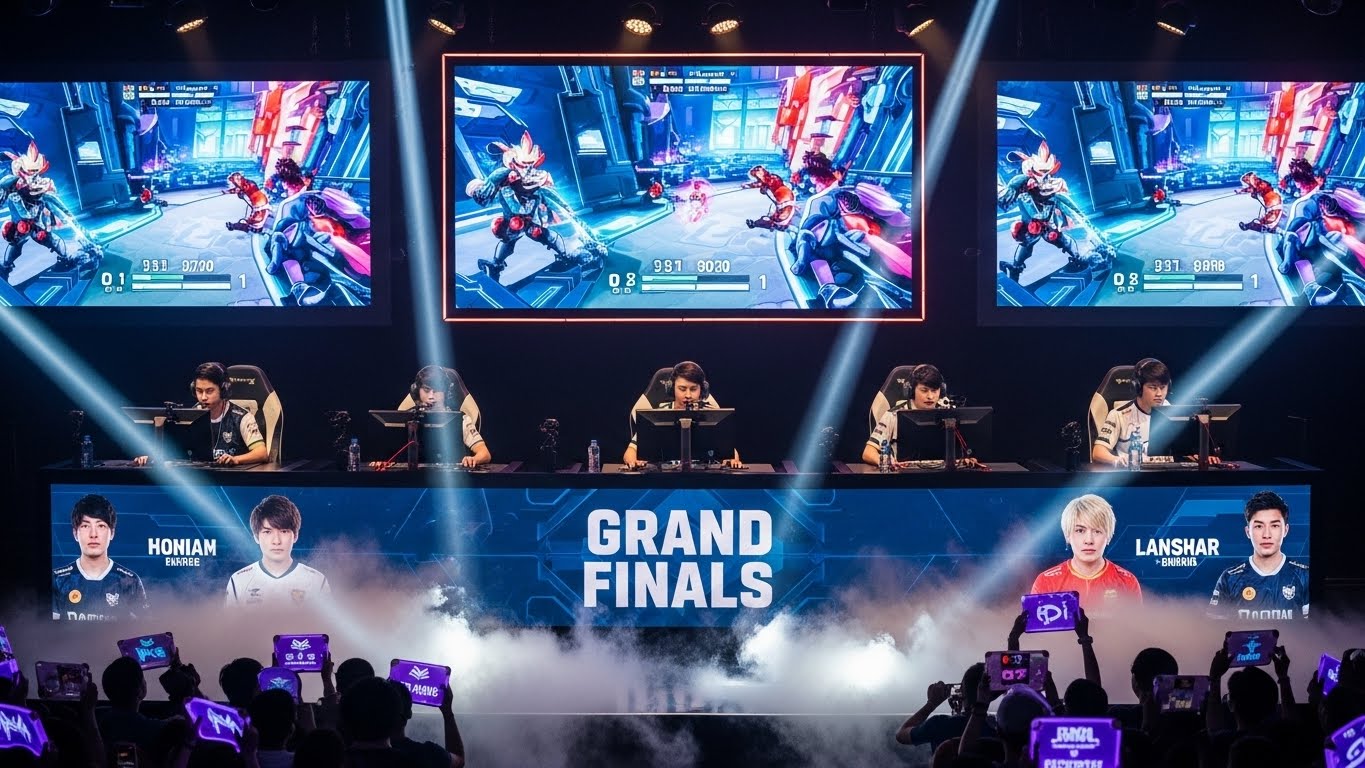
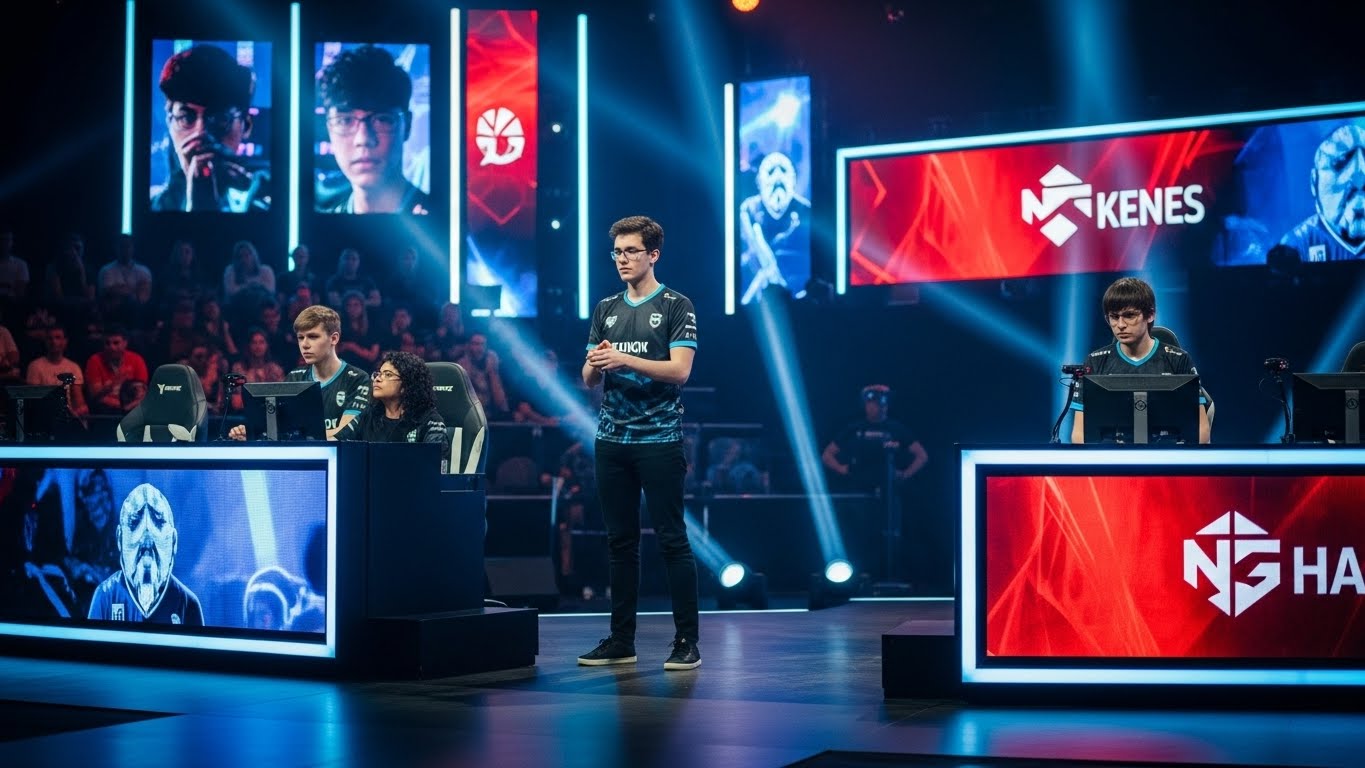
Esports tournaments have become the focal point of competitive gaming. These events bring together the best players from around the world to compete for substantial prize money and prestige. Some of the most famous esports tournaments include the League of Legends World Championship, The International for Dota 2, and CS:GO Major Championships.
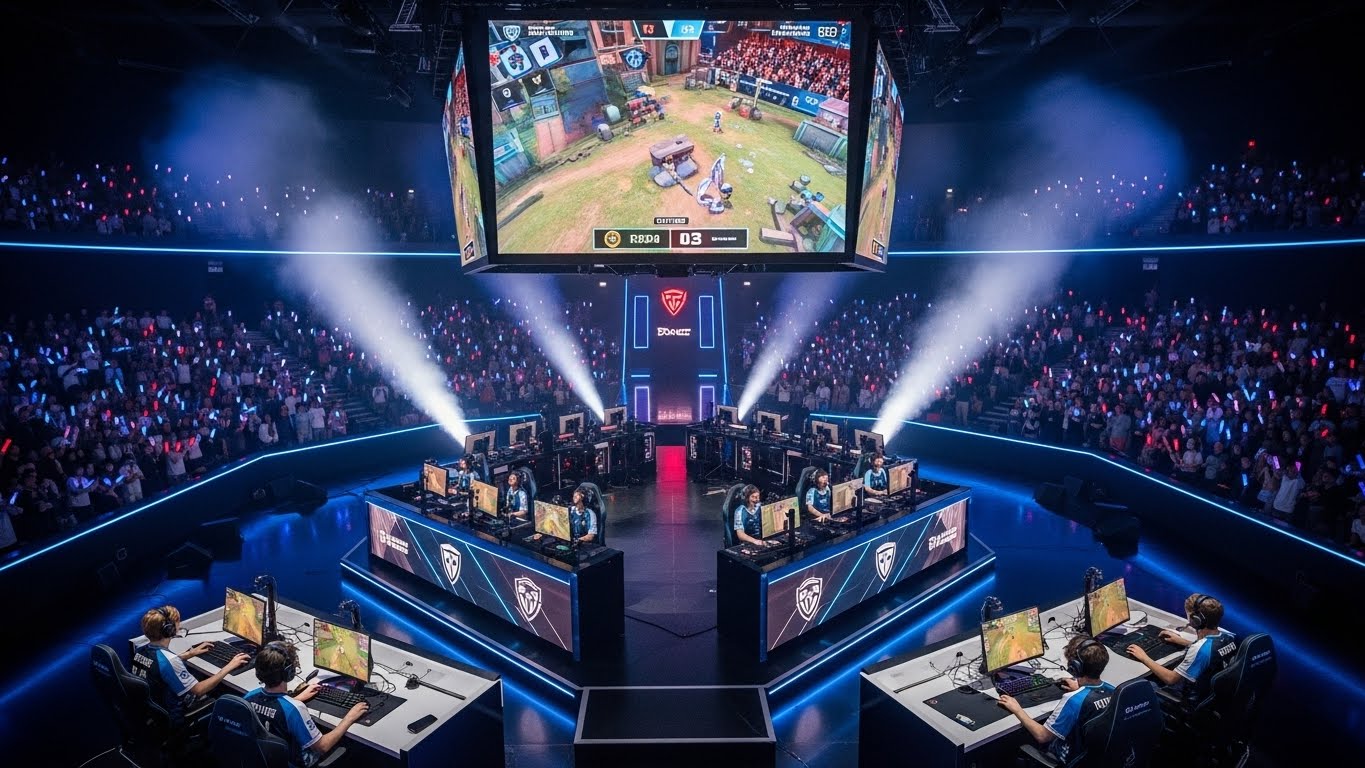
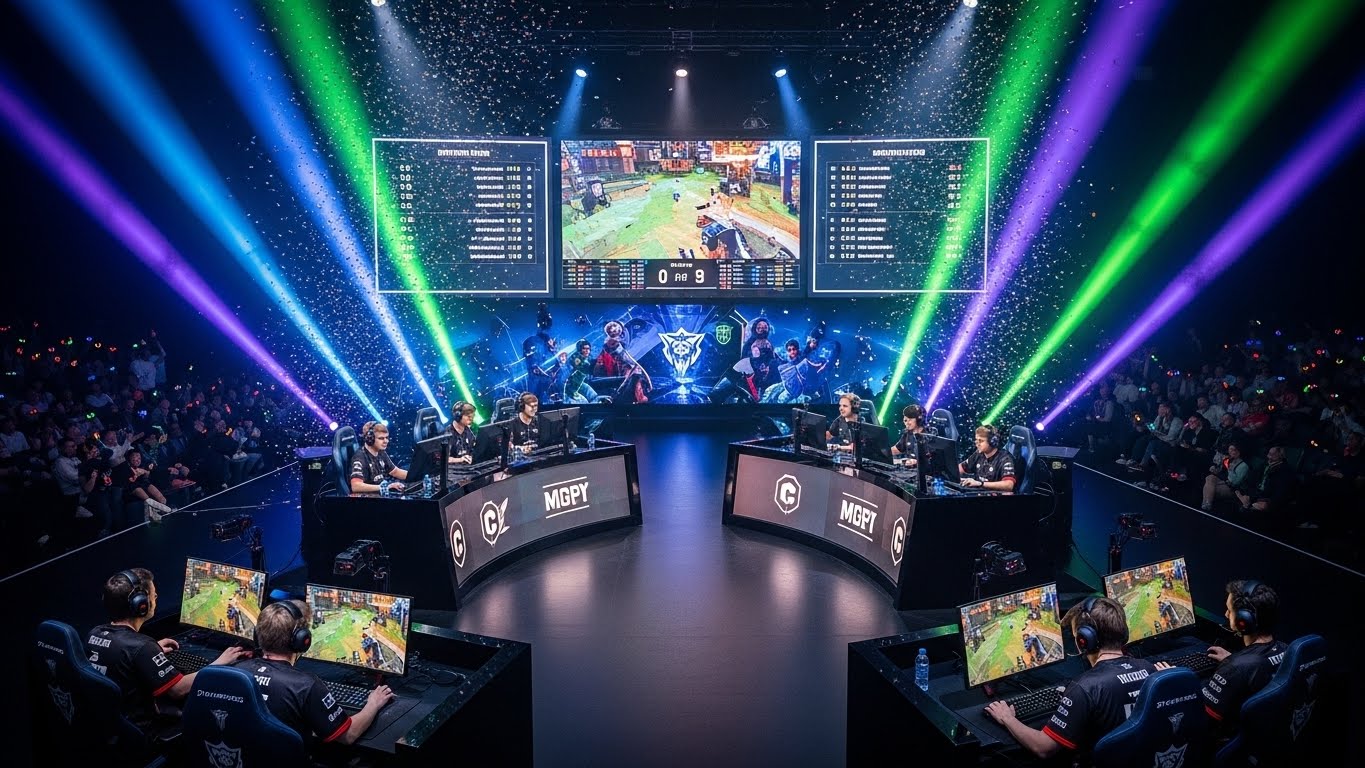
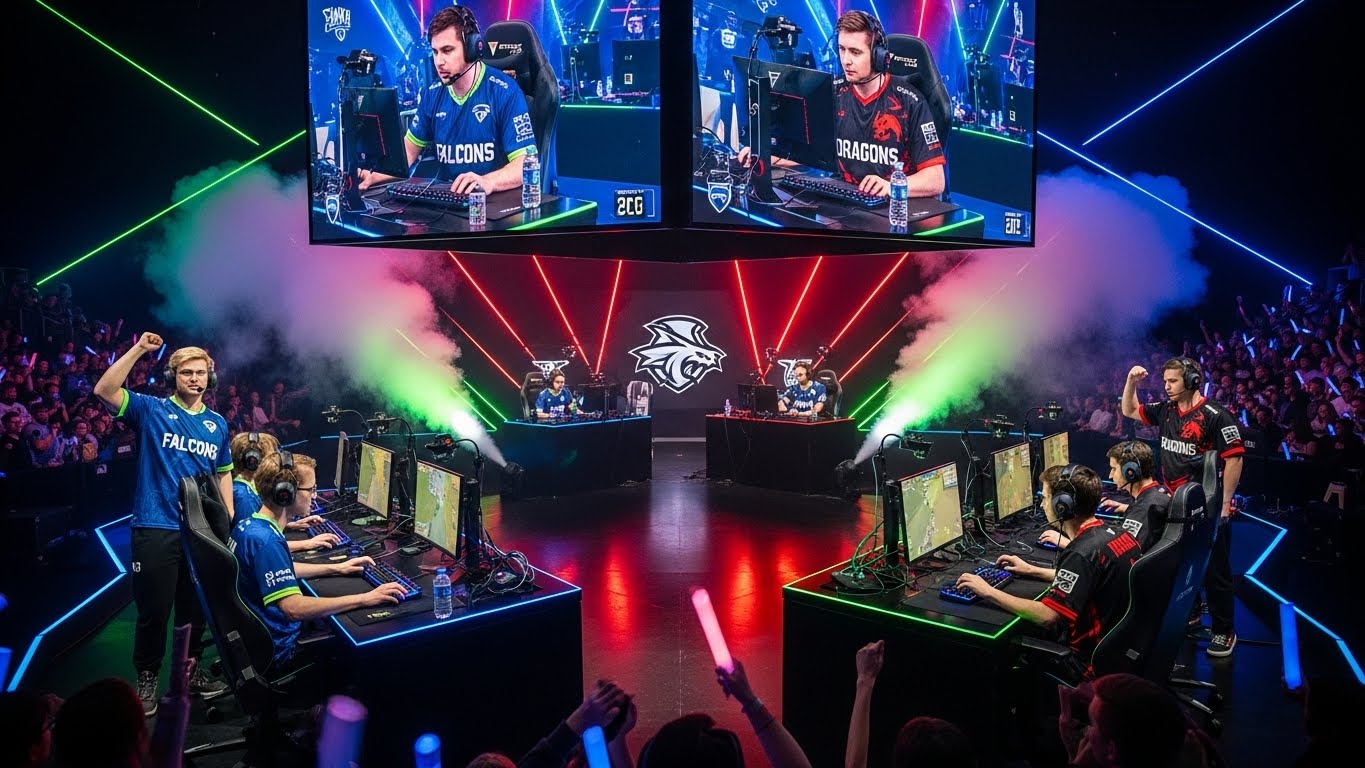
These tournaments are often held in large arenas, attracting thousands of fans who come to watch the action live. The events are also streamed online, reaching millions of viewers globally. The production value of these tournaments has skyrocketed, with professional commentators, high-definition broadcasts, and even live musical performances becoming staples of esports events.
In addition to global tournaments, esports has also seen the rise of professional leagues. These leagues operate on a seasonal format, with teams competing against each other in regular matches leading up to a grand championship. Leagues like the League of Legends Championship Series (LCS), Overwatch League, and Call of Duty League have contributed to the professionalization of esports, providing a stable structure for players and teams.
Professional esports leagues have helped to create a pipeline for young players to rise through the ranks and eventually join top-tier teams. These leagues have also made esports more accessible to fans, as they offer a predictable schedule of events and allow fans to follow their favorite teams over the course of a season.
The Impact of Esports on Traditional Sports
Esports has had a profound impact on traditional sports. The rise of esports has created a new generation of sports fans who may not be as interested in traditional sports like football or basketball. This shift in interests has led to discussions about how esports can coexist with traditional sports.
Some professional sports teams have embraced esports by creating their own esports divisions. For example, major soccer clubs like FC Barcelona, Paris Saint-Germain, and Manchester City have all launched esports teams to compete in games like FIFA and Rocket League. These teams see esports as a way to reach younger audiences and expand their brand presence in the digital space.
Furthermore, esports has begun to be recognized as a legitimate form of competition in its own right. In some countries, esports athletes are even classified as professional athletes, with the same benefits and recognition as players in traditional sports leagues. As esports continues to grow, it may become more integrated into the broader sports ecosystem.
The Future of Esports
The future of esports looks incredibly promising. As the industry continues to mature, there are several key trends that are likely to shape its growth in the coming years.
1. Esports as an Olympic Sport
One of the most hotly debated topics in esports is the possibility of it becoming an Olympic sport. The International Olympic Committee (IOC) has shown interest in esports, with discussions taking place about whether esports could be included in future Olympic Games. While there are still many hurdles to overcome, the inclusion of esports in the Olympics would be a significant milestone for the industry.
2. Virtual Reality and Augmented Reality
As technology continues to evolve, the rise of virtual reality (VR) and augmented reality (AR) could have a major impact on esports. These technologies have the potential to revolutionize how esports tournaments are played and watched. VR could provide a more immersive experience for players, while AR could enhance the viewing experience for fans.
3. Increased Investment and Monetization
As esports grows, so too will the investment and monetization opportunities. We can expect more brands to get involved in esports, and new revenue streams will continue to emerge. Esports organizations will likely explore new ways to engage with their audiences, including exclusive content, virtual merchandise, and in-game sponsorships.
4. Integration of Esports into Education
Esports has already made its way into schools and universities, with many institutions offering scholarships for esports players. In the future, we may see esports become an even more integrated part of education, with dedicated training programs and academic degrees focusing on esports management, marketing, and production.
Conclusion
Esports has come a long way since its inception in the early 2000s. From small LAN parties to global tournaments with millions of viewers, the industry has transformed into a billion-dollar business. With the support of streaming platforms, corporate sponsors, and professional leagues, esports has become a mainstream form of entertainment. As the industry continues to grow and evolve, it is clear that esports is here to stay, and its influence will only continue to expand in the years to come.