arenatribe36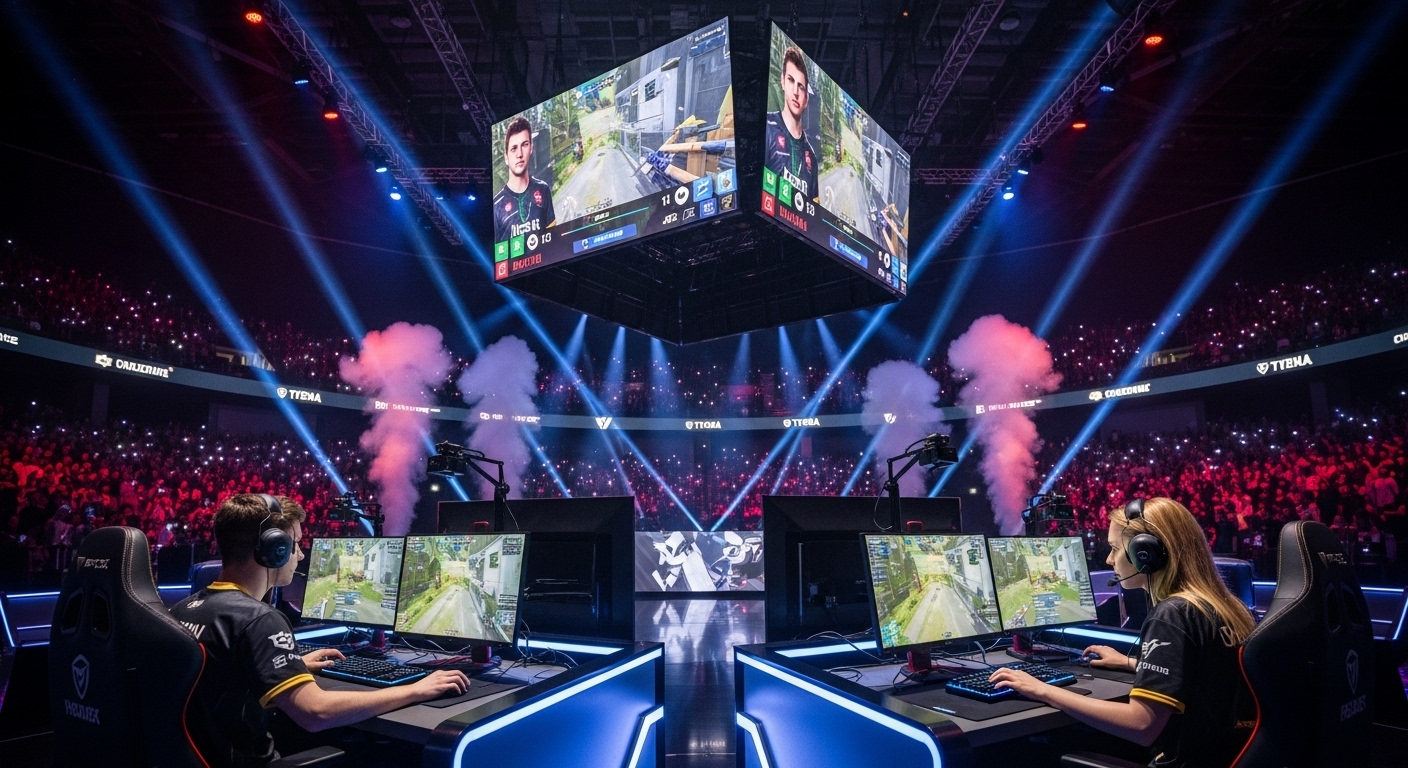
Introduction: From Arcade Corners to Global Arenas
Once considered a pastime for enthusiasts tucked away in dimly lit rooms, gaming has exploded into a cultural and economic phenomenon known as Esports. What started with pixelated competitions in the 1980s has evolved into multimillion-dollar tournaments broadcast to millions around the world. Esports—short for electronic sports—represents competitive video gaming at its highest level, where skilled players, professional teams, and passionate fans unite in an ecosystem that mirrors traditional sports but thrives in the digital age.
Over the past two decades, Esports has transformed from an underground subculture to a legitimate global industry. With professional players earning salaries comparable to athletes, sponsorships from Fortune 500 companies, and sold-out arenas, Esports is redefining what it means to be a competitor in the modern world.
The Origins of Esports: The Spark That Ignited a Movement
To understand Esports today, it’s crucial to trace its roots. The earliest form of organized gaming dates back to the 1970s. In 1972, students at Stanford University gathered to compete in a game called Spacewar—an event widely considered the first official video game competition. The winner received a subscription to Rolling Stone magazine, a modest prize that would one day be overshadowed by million-dollar championships.
By the 1980s, arcade gaming had captured the world’s imagination. Titles like Pac-Man, Donkey Kong, and Space Invaders became the battlegrounds for local bragging rights. High scores were the medals of honor. The 1980 Space Invaders Championship drew over 10,000 participants across the United States, marking the first large-scale gaming competition in history.
This era laid the foundation for what Esports would become—a blend of technology, competition, and community spirit that continues to thrive in the digital age.
The 1990s: The Internet Revolution and the Birth of Professional Play
The 1990s were a turning point. As home consoles and personal computers became more powerful, competitive gaming began to move online. The rise of the internet allowed players from different parts of the world to compete without ever meeting in person.
Games like Doom, Quake, and StarCraft created the first generation of online warriors. LAN parties—local area network gatherings—became cultural rituals where friends connected computers and battled for dominance. South Korea, in particular, became the epicenter of Esports innovation. With government support for broadband internet and a national fascination with gaming, the country transformed StarCraft into a televised national sport.
Professional teams, sponsorships, and tournaments began to form. The seeds of Esports professionalism were planted here, nurtured by a growing fan base and technological progress that would soon propel the industry to unimaginable heights.
The 2000s: The Era of Global Expansion
As the new millennium dawned, gaming entered its golden era. Broadband internet, streaming technology, and social platforms helped Esports grow beyond niche communities. The introduction of titles like Counter-Strike, Warcraft III, and Defense of the Ancients (Dota) created the competitive frameworks that still influence modern Esports.
In 2000, the World Cyber Games and Electronic Sports World Cup were established, uniting players from across continents. Around the same time, South Korea launched the Korean e-Sports Association (KeSPA), which professionalized the careers of players and standardized tournaments. Meanwhile, Western countries began catching up with leagues like Major League Gaming (MLG) in the United States.
By the late 2000s, competitive gaming had gained mainstream recognition. Live events filled convention centers, and corporate sponsors like Intel, Nvidia, and Coca-Cola began to see the marketing potential. Esports was no longer a curiosity—it was a business.
The 2010s: Streaming, Superstars, and Stadiums
The 2010s can be considered the decade of Esports explosion. With platforms like Twitch and YouTube Gaming, fans could now watch their favorite players in real time. The barrier between viewer and athlete dissolved, creating a direct line of engagement unheard of in traditional sports. Streaming turned gamers into celebrities, with personalities like Faker, Ninja, and s1mple becoming household names within the gaming world.
The decade also saw the rise of major game titles that shaped modern Esports: League of Legends, Dota 2, Overwatch, and Fortnite. These games introduced massive tournaments with multimillion-dollar prize pools. For example, The International—the annual Dota 2 championship—regularly offered prize money exceeding $30 million, crowdfunded by its player community.
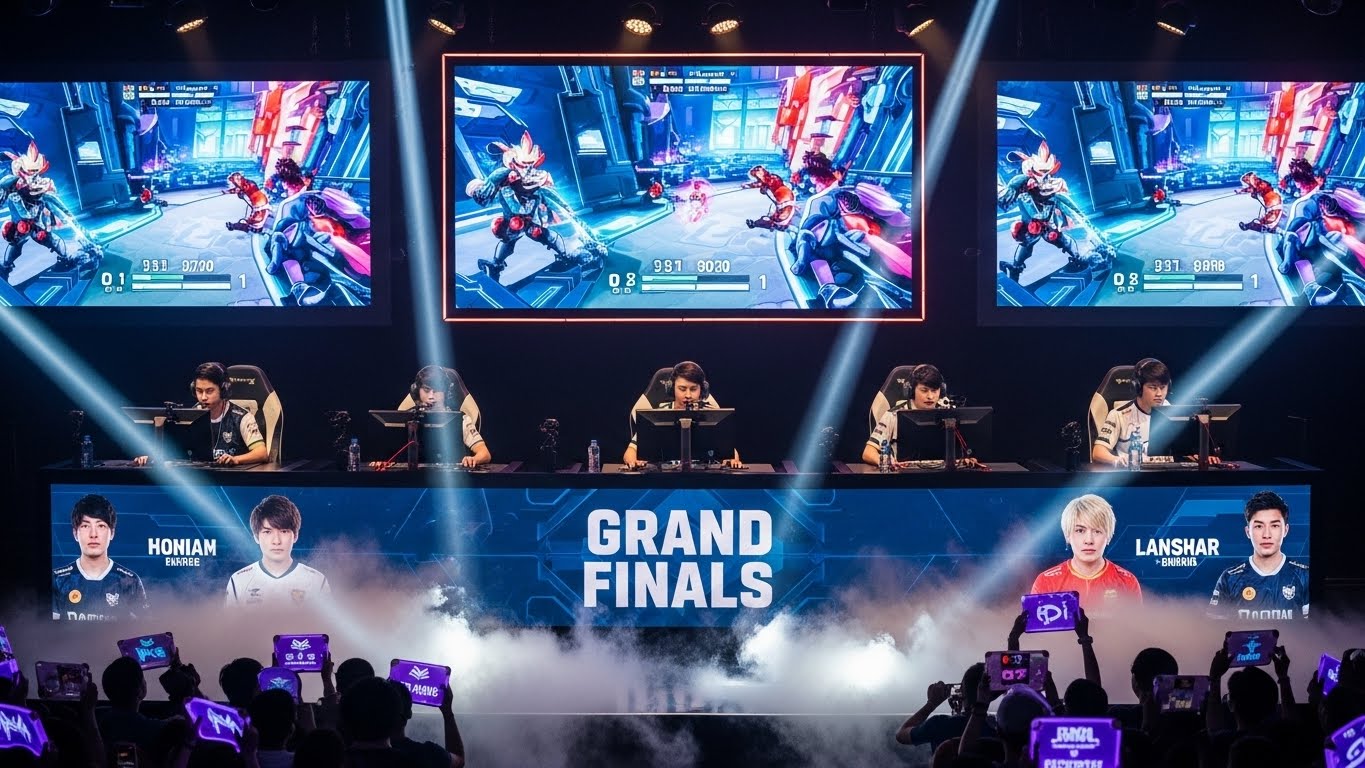
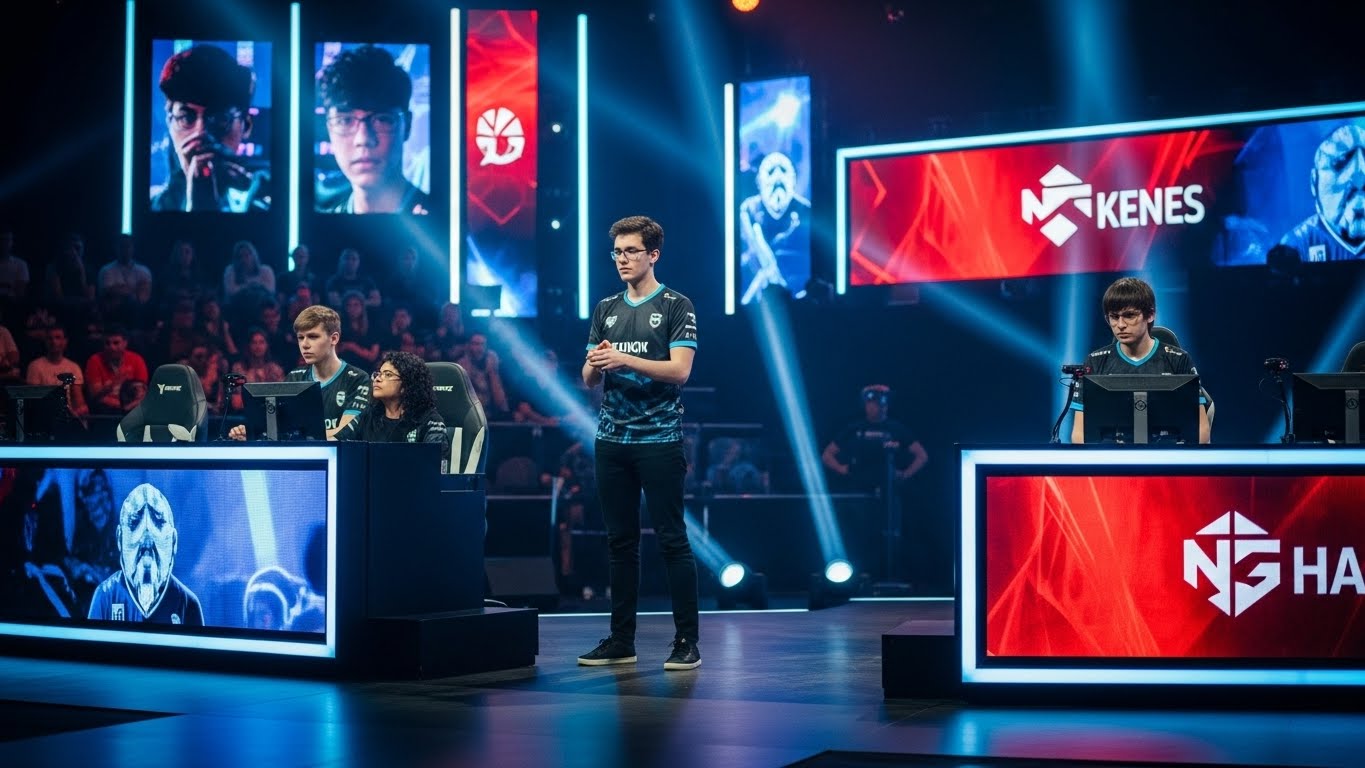
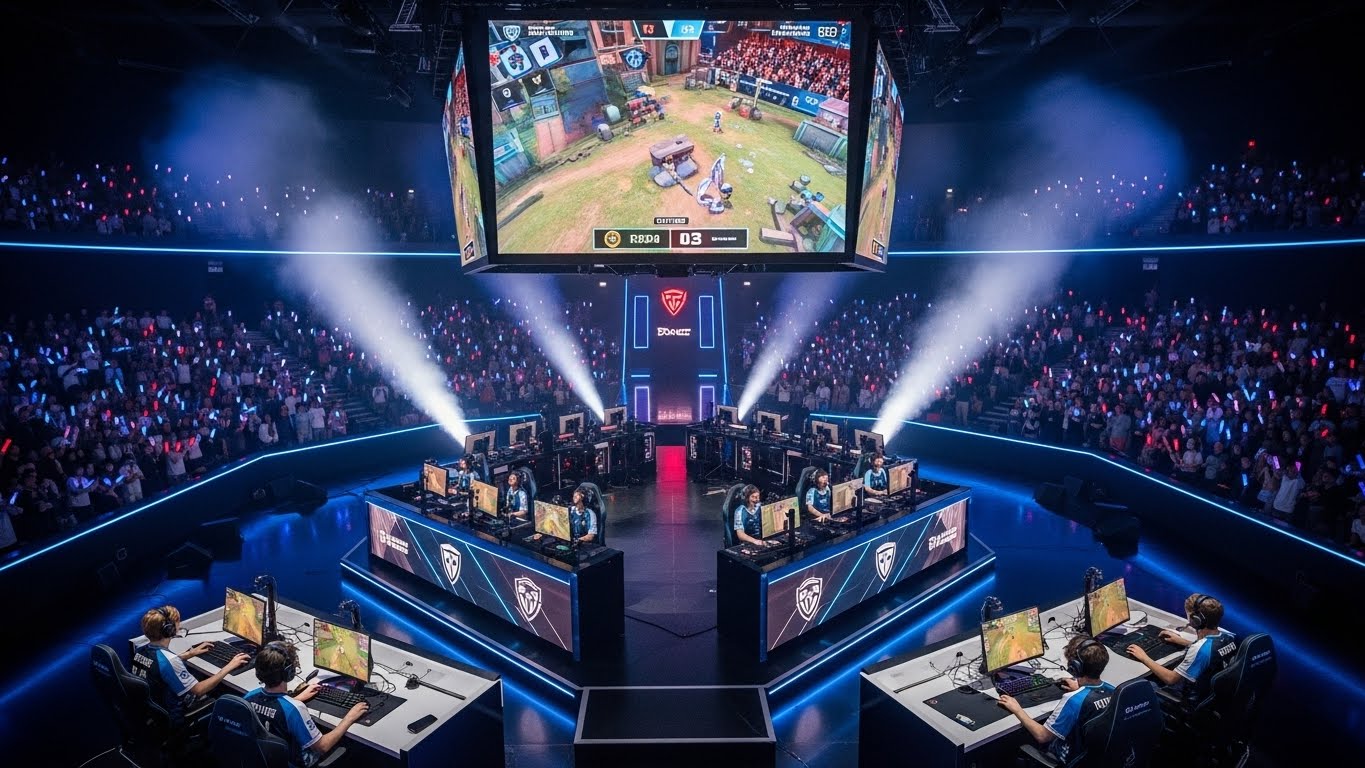
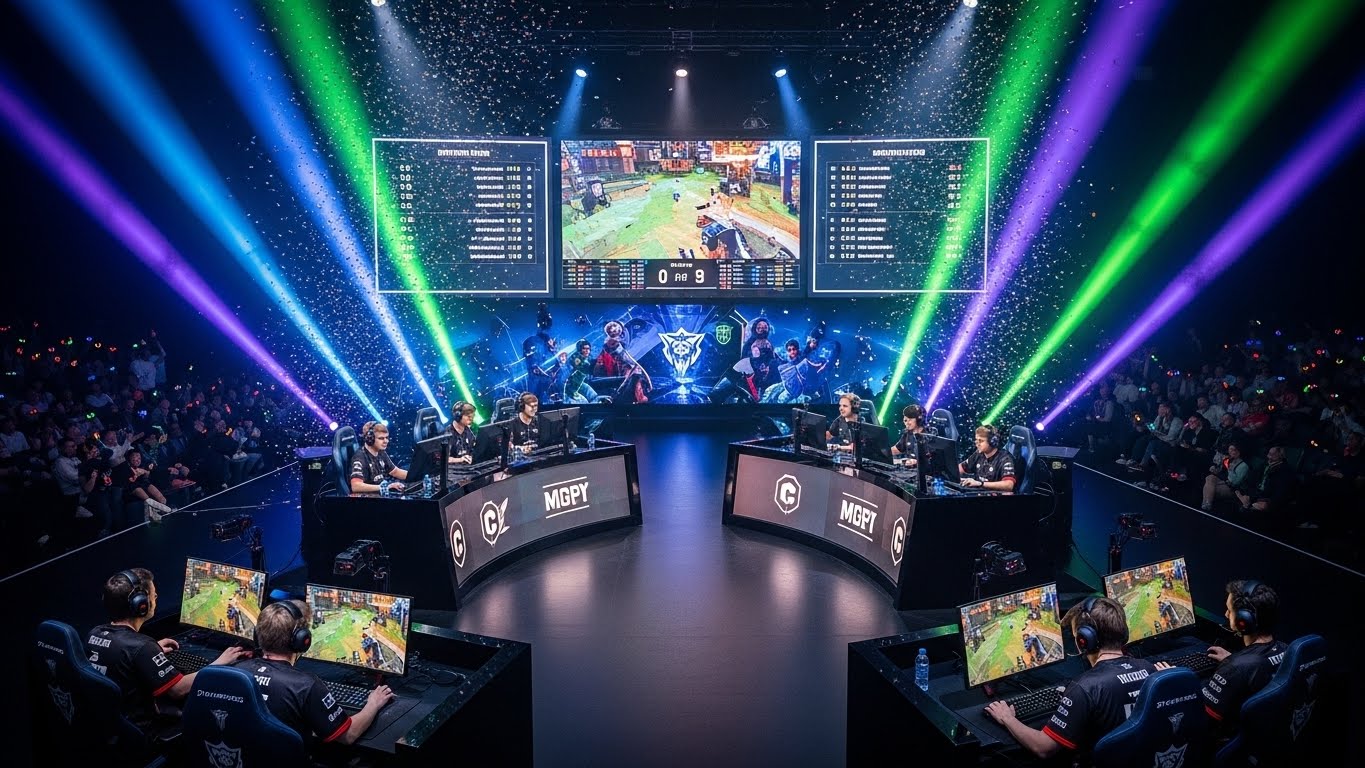
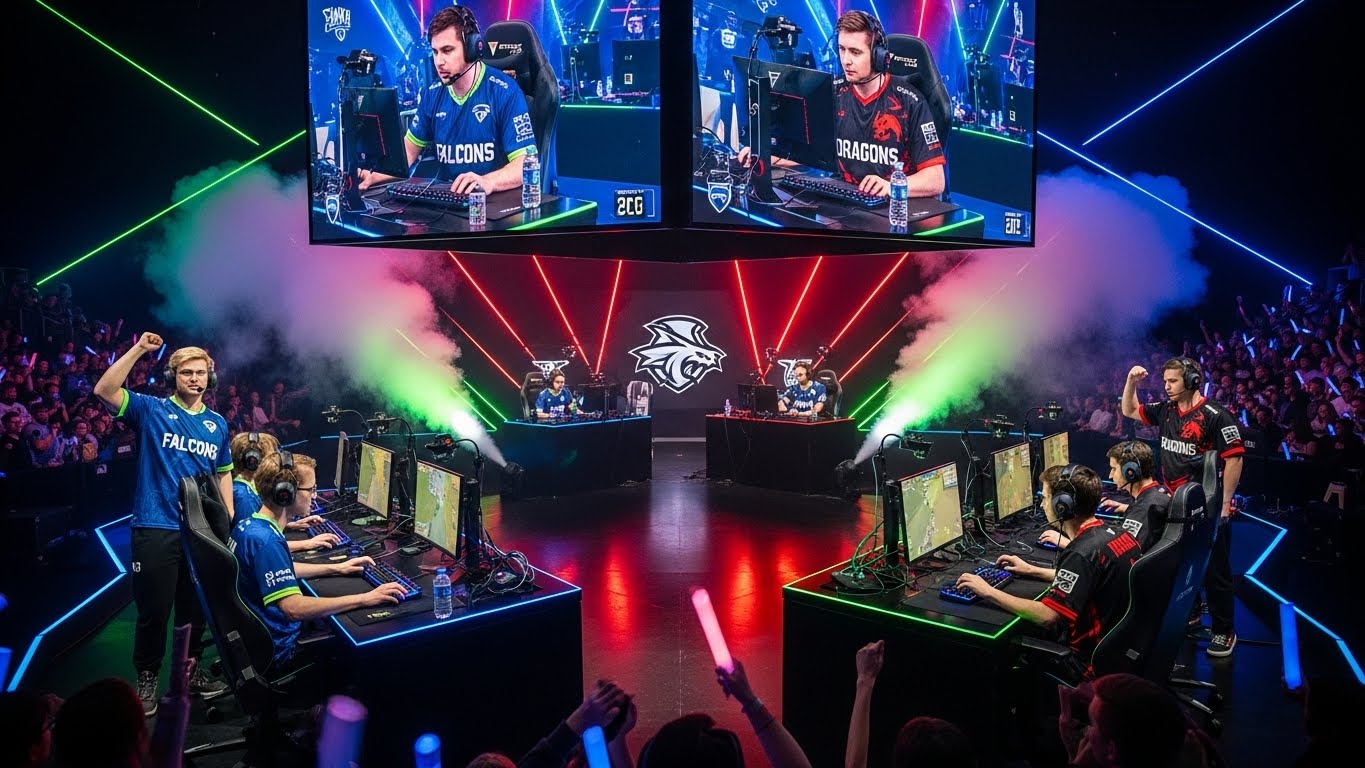
Esports arenas became the new coliseums. Events like the League of Legends World Championship filled stadiums in Paris, Seoul, and Los Angeles. The atmosphere was electric, complete with live commentators, team chants, and breathtaking stage designs. The production quality rivaled that of major sports events like the FIFA World Cup or the Super Bowl.
The Professional Esports Ecosystem: Teams, Leagues, and Sponsors
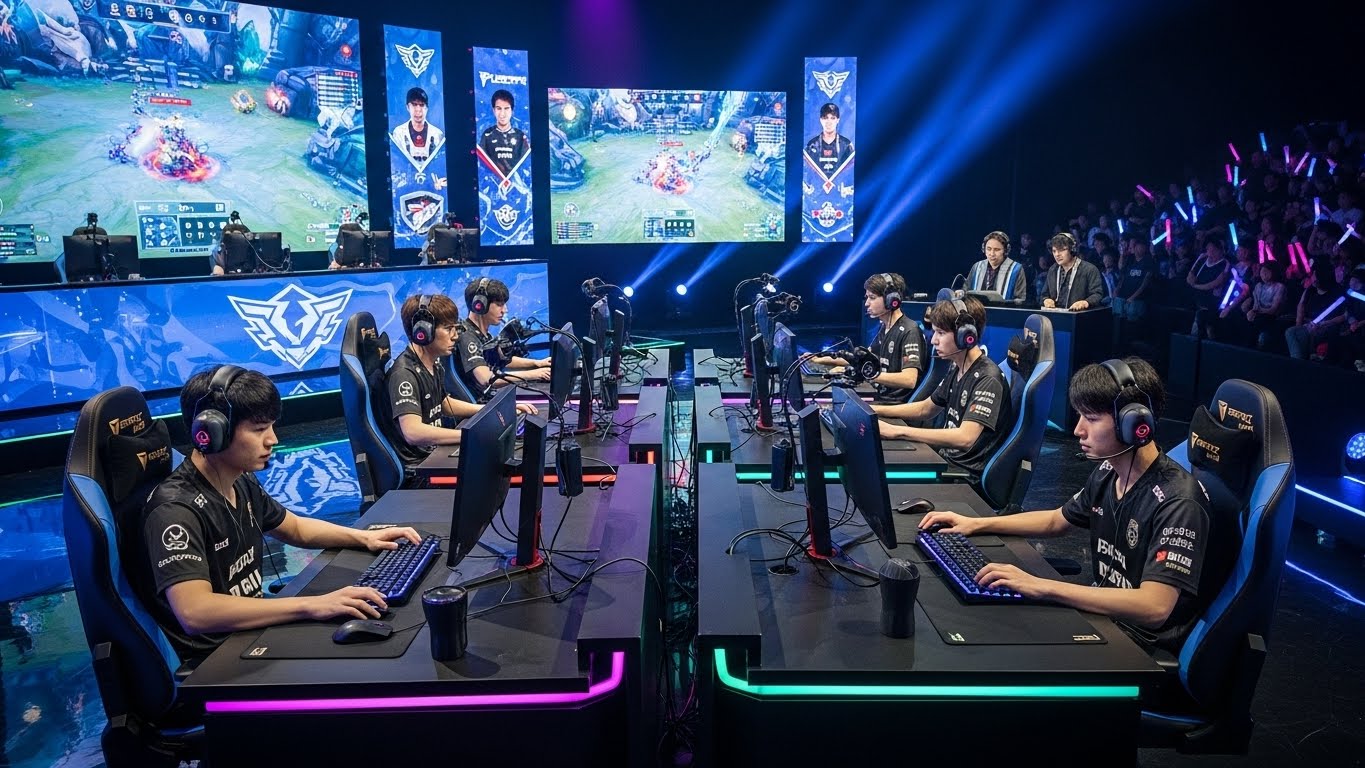
Behind every successful Esports event lies a complex ecosystem. Professional teams such as Fnatic, Cloud9, T1, and Team Liquid have become powerful organizations with coaches, analysts, nutritionists, and even psychologists supporting their players. These teams operate like businesses, signing sponsorship deals and nurturing young talent through academies.
Leagues like the Overwatch League and Call of Duty League introduced a city-based franchise model, echoing traditional sports structures. This gave fans a local team to root for, deepening community ties and fostering long-term loyalty.
Sponsorships and brand partnerships became essential revenue sources. Companies ranging from gaming hardware giants to car manufacturers began investing in Esports. Advertising moved away from television and into the digital arenas where younger audiences spent their time. The synergy between brands and Esports created new marketing frontiers, merging lifestyle, technology, and entertainment.
The Culture of Esports: Identity, Community, and Passion
Esports is more than just competition—it’s culture. It thrives on diversity, creativity, and connection. Fans don’t just watch tournaments; they participate in online discussions, create fan art, analyze gameplay, and even build careers as content creators.
Streaming platforms have given rise to communities that transcend borders and languages. Players can interact directly with their audience, blurring the line between celebrity and fan. This sense of inclusivity has helped Esports flourish, especially among younger generations who see gaming as both entertainment and expression.
The fan culture of Esports rivals that of any traditional sport. Chants echo through arenas, jerseys are worn with pride, and rivalries are fiercely debated online. Esports has built its own mythology—complete with heroes, villains, and legendary moments that are replayed endlessly across social media.
The Economics of Esports: A Billion-Dollar Industry
The financial landscape of Esports is staggering. According to industry estimates, Esports revenue surpassed a billion dollars globally by the early 2020s and continues to climb. This growth is fueled by sponsorships, advertising, media rights, and merchandising. Major broadcasters and digital networks have begun securing rights to Esports content, further legitimizing its position in global entertainment.
Prize pools alone are monumental. Titles like Fortnite have offered tens of millions in winnings, and top players earn through sponsorships, streaming, and tournament bonuses. Esports organizations, much like traditional sports teams, are now valued in the hundreds of millions.
Beyond competition, the Esports economy supports a vast network of jobs—event organizers, commentators, graphic designers, developers, and marketing specialists—all contributing to an ever-expanding ecosystem.
The Global Reach of Esports: A United Digital Frontier
Esports has no borders. From Seoul to Stockholm, from Los Angeles to Lagos, gaming connects people who may never share a language but share the same passion. Asia, particularly South Korea and China, remains a dominant force, but regions like North America and Europe have built strong infrastructures. Even emerging markets in Africa, the Middle East, and South America are rapidly joining the scene.
International tournaments showcase this diversity. Players from different countries compete under flags, creating a sense of global unity through competition. Unlike traditional sports limited by physical requirements, Esports welcomes anyone with skill, dedication, and access to technology.
Challenges Facing the Esports Industry
Despite its meteoric rise, Esports faces growing pains. One major concern is player burnout. Professional gamers often practice 10 to 14 hours a day, leading to stress and physical strain. The lack of consistent career longevity also poses challenges, as most players peak in their early twenties.
Another issue is regulation. Because Esports spans multiple countries and game titles, there’s no single governing body overseeing standards or player welfare. Issues like match-fixing, doping (through stimulants), and contract disputes remain areas that require attention.
Toxicity and inclusivity are also ongoing concerns. The gaming community, while vast, must continue to address harassment, gender inequality, and fair representation. As Esports grows, fostering a respectful and inclusive environment will be essential for long-term sustainability.
The Role of Technology in Esports Evolution
Technology is the backbone of Esports. Advances in hardware, internet infrastructure, and broadcasting tools have made global competitions seamless. High-refresh monitors, gaming-grade peripherals, and optimized game engines ensure that competition remains fair and responsive.
The next frontier lies in emerging technologies. Virtual reality (VR) and augmented reality (AR) have the potential to redefine competitive gaming, merging the physical and digital worlds. Artificial intelligence is also making its mark, helping analyze player performance, balance gameplay, and even create dynamic training environments.
As 5G and cloud gaming become widespread, Esports will continue to evolve into a more accessible and immersive experience, where anyone can compete or spectate from virtually anywhere.
Esports and Education: A New Learning Pathway
One of the most surprising developments in recent years is the inclusion of Esports in education. Universities around the world now offer Esports scholarships, treating it with the same seriousness as traditional athletics. These programs focus on game design, event management, digital marketing, and team strategy—skills that extend far beyond gaming itself.
High schools and colleges have also introduced Esports clubs to encourage teamwork, discipline, and digital literacy. This new academic frontier helps legitimize gaming as both an educational and career-oriented pursuit.
The Future of Esports: Where Competition Meets Creativity
The future of Esports is as limitless as imagination. With continued investment from major corporations, expanding global audiences, and technological innovation, the industry shows no signs of slowing down. The line between entertainment, gaming, and sports continues to blur.
Metaverse platforms may soon host fully immersive tournaments where fans can “sit” virtually beside their favorite players. Artificial intelligence could become part of team strategy, offering real-time insights during gameplay. New genres of competition—ranging from simulation racing to strategy-based AI games—will continue to diversify the field.
Esports is no longer just a competition; it’s a storytelling medium, a digital community, and a career ecosystem. It’s proof that human creativity and technology, when intertwined, can build worlds that inspire millions.
Conclusion: The Legacy of a Digital Revolution
Esports is more than the sum of its games. It represents the evolution of entertainment, culture, and technology converging in one arena. From humble beginnings in arcades to stadiums filled with roaring fans, Esports has proven that passion and innovation can reshape the world.
As the industry continues to mature, one truth remains clear: competition is universal, and in the digital age, pixels can inspire as much emotion as any ball or field. Esports stands as a monument to the power of play—a revolution that has only just begun.